The Spotted Predator Louisiana Regulates Differently Than You’d Expect
A wild cat roaming Louisiana can legally be hunted on almost any day of the year. The catch? Each hunter gets just one per year.
That odd mix of wide-open seasons and a tiny limit stopped me cold when I first read the Louisiana rules. Even stranger, the pelt of this cat carries a federal paper trail tied to an international treaty on wildlife trade.
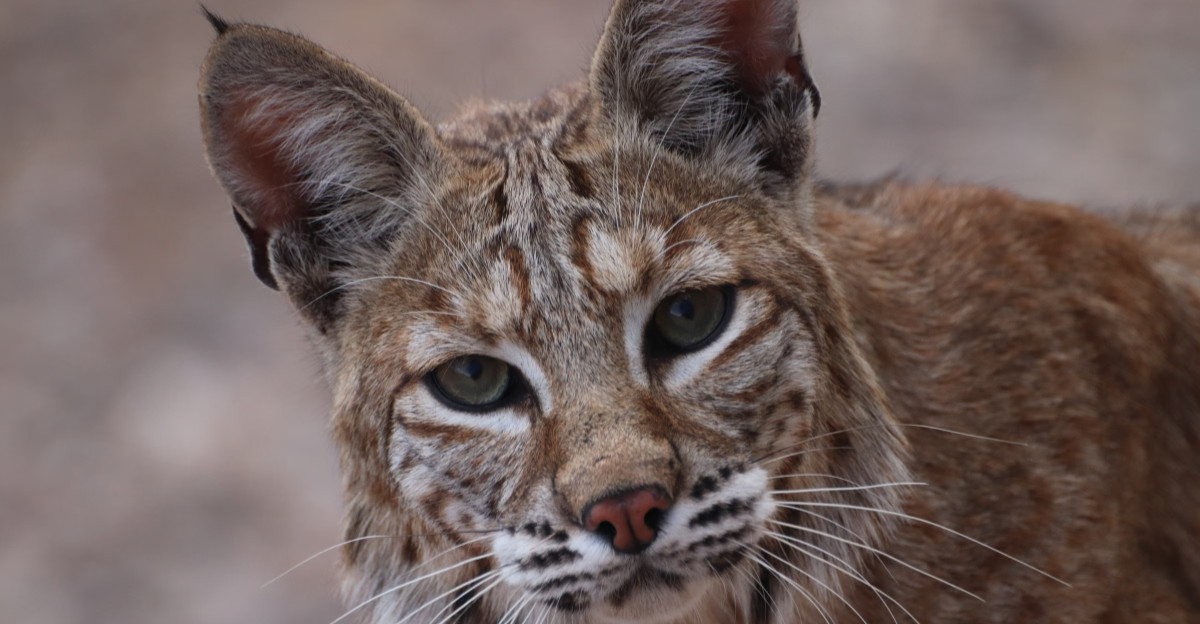
You might notice its tracks near a brush pile or a garden fence before you ever see the animal itself. It has a short tail, tufted ears, and a coat that melts into leaf litter. I have spent mornings scanning a tree line for one, and it usually wins that game.
The rules around this cat are not an accident, and they reveal exactly how the bobcat is holding its ground in our swamps and pine woods.
That Bobcat Slipping Past Your Fence Lives Under Some Unusual Rules
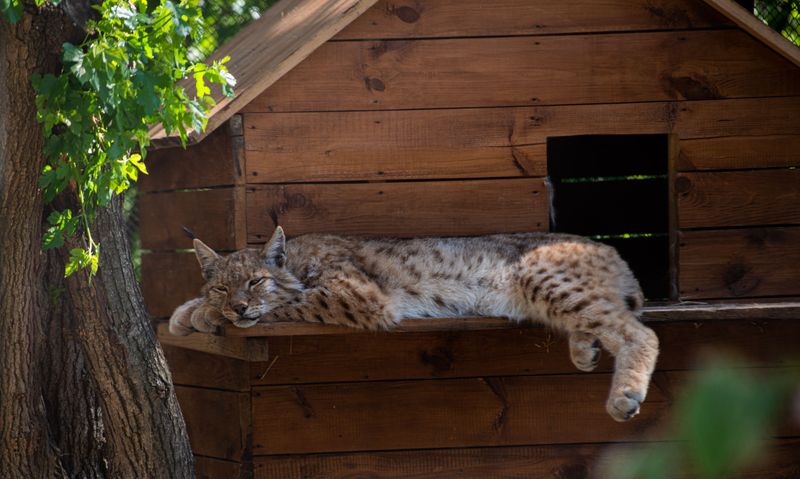
My first real look at one came at dusk, right where my vegetable rows meet the woods. A stubby tail, black ear tufts, and a coat freckled with dark spots told me it was a bobcat, not a stray house cat.
Bobcats are found across the whole state, from cypress swamps to piney hills and even the edges of suburbs. Adults usually stretch about 25 to 30 inches long, not counting that short tail, and most weigh roughly 15 to 30 pounds. Males tend to run larger than females.
Most people expect a beautiful spotted predator to be strictly protected. Plenty of folks assume it works like the Florida panther or the ocelot, where any harm brings serious federal trouble.
Bobcats sit in a different category. Louisiana classifies them as a furbearer, a legal group that also includes animals like raccoons, otters, and mink.
That label means they can be trapped and hunted under state rules instead of being off-limits.
The surprise lies in the details. The seasons, limits, and paperwork form a mix you rarely see for other wildlife.
Once you understand that mix, the cat in your back pasture starts to make a lot more sense.
A Nearly Year-Round Bobcat Hunting Season With a One-Cat Limit
Hunting rules usually come in tight windows. Deer get a fall and winter season, turkeys get a spring season, and that rhythm feels normal to most of us.
Bobcats break that pattern. The Louisiana Department of Wildlife and Fisheries set up an experimental hunting season that runs across the full license year, from July 1 through June 30.
Hunting is allowed only during legal shooting hours, from a half hour before sunrise to a half hour after sunset.
So far, that sounds wide open. The twist comes with the bag limit, which allows just one bobcat per hunter per calendar year.
I find that pairing clever. A long season spreads out pressure, while the tiny limit keeps any single person from taking much.
Managers can also watch the numbers and adjust, which is exactly why the season carries the word experimental.
Hunters also need the proper Louisiana license, and rules on wildlife management areas can differ from private land. Some areas follow their own schedules or restrictions.
Details like dates and limits can shift from one year to the next. Before anyone heads out, the current LDWF hunting regulations pamphlet is the place to confirm what applies right now.
Bobcat Trapping Follows Its Own Winter Calendar
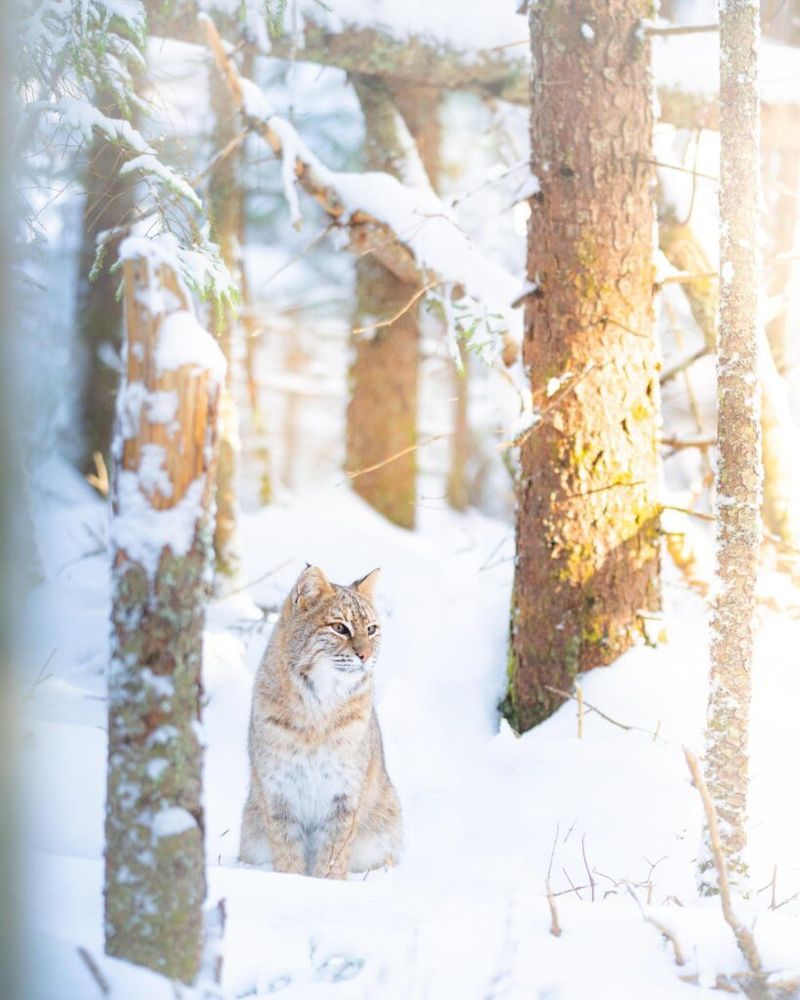
Winter is when fur matters most. Pelts grow thick and dense once the weather cools, so trapping seasons line up with those colder months.
Licensed trappers in Louisiana work under a statewide furbearer season that runs through the colder winter months.
Bobcats fall inside that window along with the other recognized furbearers. The state recognizes a number of them in total.
That means a bobcat technically has two separate sets of rules aimed at it. One set covers daylight hunting with a firearm or bow, and another covers trapping during the winter fur season.
Trappers need a trapping license, and they must follow regulations on trap types, trap checking, and where traps can be set. Those rules exist to reduce harm and to protect pets and nontarget animals.
A fun bit of history ties in here. Fur trapping once ranked among the biggest wildlife industries in the state, with coastal marshes producing huge numbers of pelts every winter. Demand has dropped a lot since those peak years.
For a gardener, the practical takeaway is simple. Setting a trap for a bobcat on your own because it showed up near the shed is not something to try without the right license and knowledge.
A Red Tag Follows Every Bobcat Pelt Headed Overseas
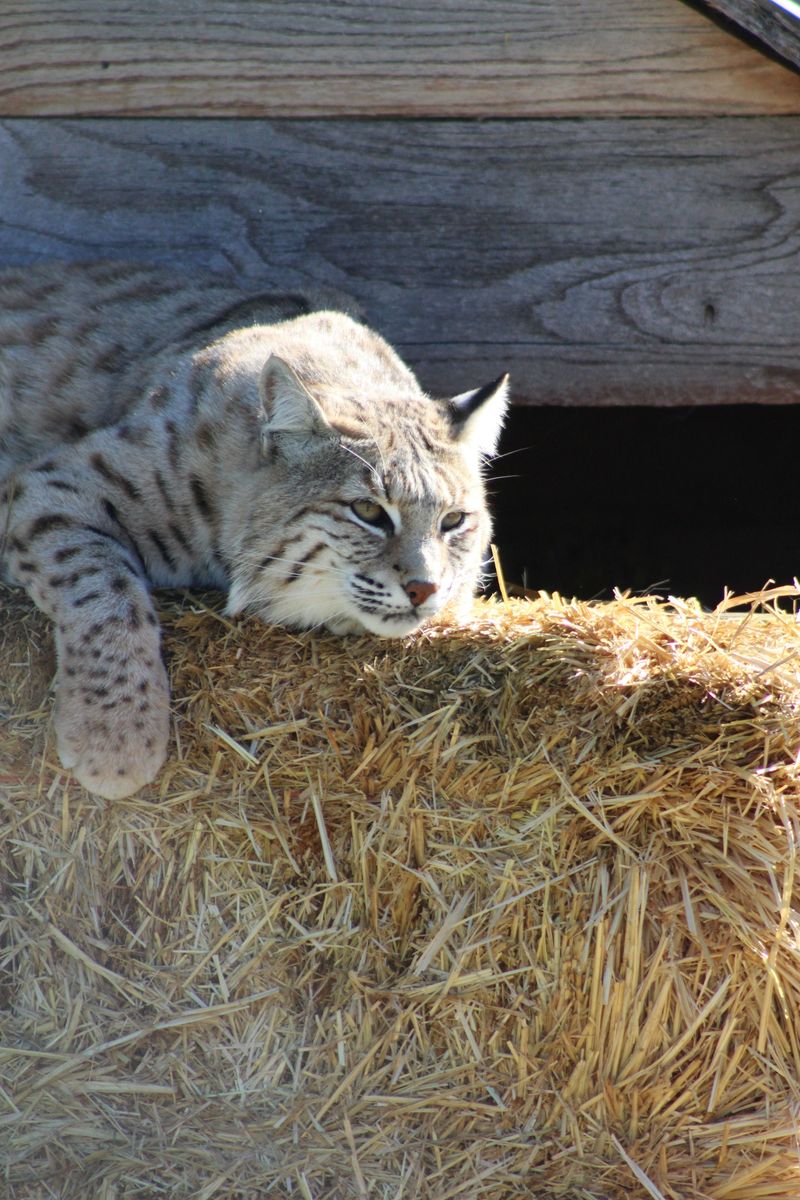
Paperwork for a wildcat sounds dull until you learn the reason behind it. Bobcats are listed on Appendix II of CITES, an international treaty that tracks trade in plants and animals.
Bobcats themselves are not endangered. They land on that list mostly because their spotted fur looks similar to the pelts of rarer cats, like the Eurasian lynx or ocelot. Tagging bobcat pelts helps officials tell legal fur from illegal fur.
To meet federal export requirements, the LDWF issues special tags for bobcat pelts. The trapper fills out details at the time of sale, including name, license number, the parish where the cat was taken, and the date.
Without proper documentation, fur buyers cannot legally buy or hold the pelt. Shipping it out of the state also requires the right export tag. The U.S. Fish and Wildlife Service oversees the national side of this system.
I love this detail because it connects a cat in a Louisiana bayou to rules shared by more than 180 countries. A small tag carries a lot of weight.
If you ever inherit an old bobcat pelt or mount, ask LDWF before selling it. Rules on possession and sale can be stricter than people expect.
Healthy Bobcat Numbers Explain the Relaxed Approach
Wildlife rules follow population trends, not looks. A species that is struggling gets protection, while one holding steady can handle a regulated harvest.
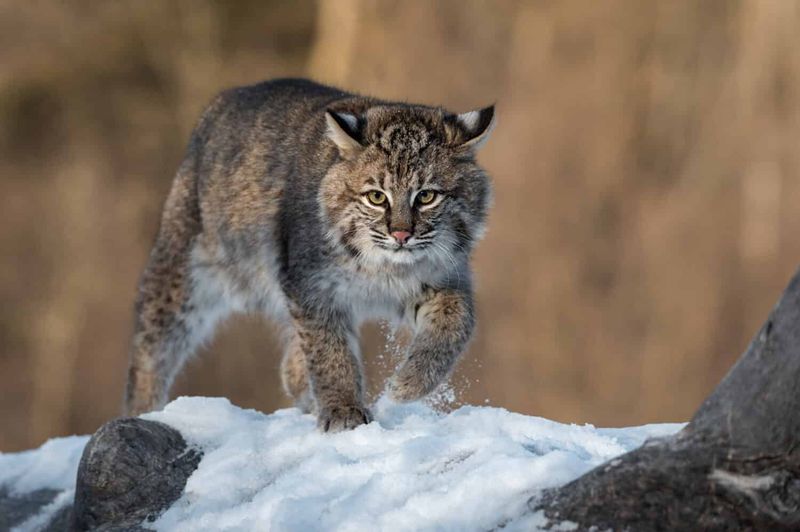
Bobcats are one of the most widespread wild cats in North America. They range from southern Canada into Mexico and live in nearly every lower 48 state. Across the South, they adapt well to farm edges, cutover timber, and suburban greenbelts.
That flexibility helps explain the approach in Louisiana. Biologists track fur harvest reports, hunter surveys, and other data to judge how the population is doing.
A one-cat limit lets them collect information without putting heavy pressure on the animals.
Females usually give birth to two to four kittens in spring. Dens often sit in hollow logs, rock piles, thick brush, or even under abandoned buildings. Young cats stay with their mother for several months before heading off on their own.
Fur prices also play a role. Pelt demand has dropped a lot over the decades, so fewer people trap than in the past.
You might be surprised how much careful planning hides behind a rule that looks loose at first. The open season reflects confidence in the population, paired with a cautious limit and close monitoring.
Rabbits and Rats Keep Bobcats Busy Around Your Garden
My lettuce has a few sworn enemies, and cottontail rabbits top the list. So I perked up when I learned that rabbits rank among a bobcat’s favorite meals.
Bobcats mostly eat small mammals. Rabbits, cotton rats, mice, voles, and squirrels make up a big share of their diet. They also take birds, snakes, and the occasional larger animal, like a young deer.
For gardeners, that menu can be handy. A bobcat working the edge of your property may help keep rodent and rabbit numbers in check.
That said, a single cat covers a large home range, so it will not solve a serious pest problem by itself.
Bobcats hunt mostly at dawn, dusk, and night. They stalk slowly, then pounce over short distances, unlike dogs that chase prey for long stretches.
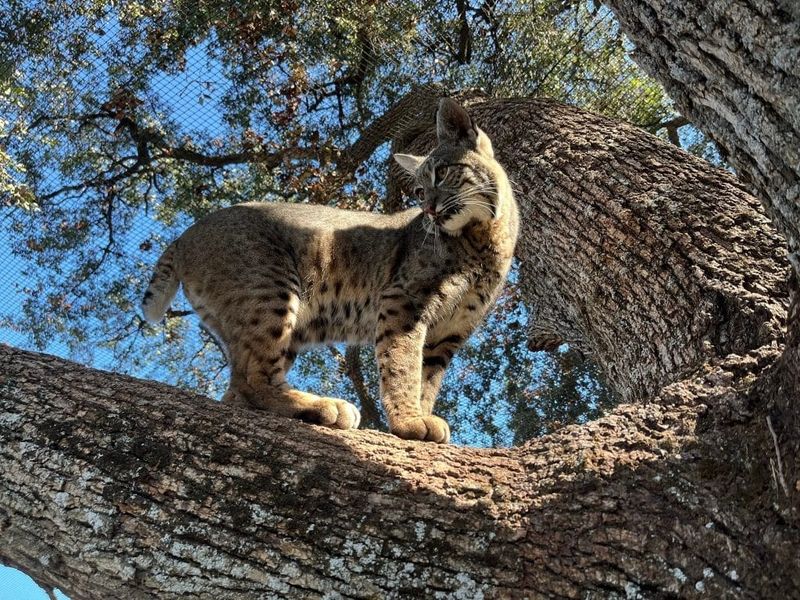
They are also skilled climbers and decent swimmers. Seeing one cross a shallow ditch or perch on a fallen log is not unusual in wet bottomlands.
Brush piles, thick hedgerows, and overgrown corners draw rabbits and rodents, and those prey animals draw bobcats. If you enjoy seeing wildlife, a messy back corner might bring a visitor your way.
Backyard Chickens Need Extra Protection When a Bobcat Moves In

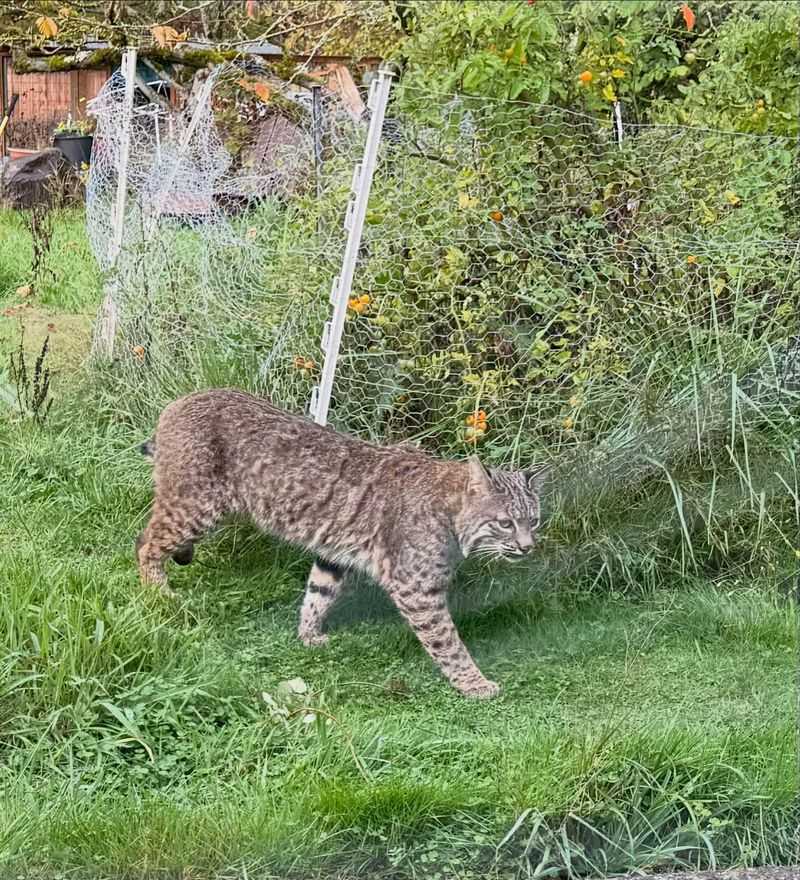
Chicken keepers learn fast that a fence alone does not stop a determined wildcat. Bobcats climb well, jump high, and slip through gaps that look far too small.
Poultry, small pets, and young goats are the animals most at risk. Incidents involving people are extremely rare, and healthy bobcats usually flee once they notice humans.
Start with the coop. Use hardware cloth instead of chicken wire, add a solid roof or covered run, and bury wire a foot or so to stop digging. Lock birds inside every evening, since dusk and dawn bring the most activity.
Small dogs and outdoor cats are safer indoors at night. Feed pets inside, and clean up spilled birdseed that pulls in rodents.
Motion lights, noise, and trimmed brush near buildings can make your yard less inviting. Removing hiding cover near the coop helps a lot.
If a bobcat keeps causing losses, contact LDWF or a licensed nuisance wildlife control operator. They can explain your legal options, since landowner rules for furbearers have specific conditions.
A bobcat that seems sick, unusually bold, or acts strangely in daylight should be reported. Keep your distance and let professionals handle it.
Parish Rules and LDWF Updates Can Change the Bobcat Picture
Statewide rules are only part of the story. Local conditions can add a second layer that catches people off guard.
Under state law, parish governing authorities can work with the LDWF secretary to close or restrict hunting and trapping within their boundaries. Wildlife management areas and federal lands, like national wildlife refuges, may follow their own regulations too.
City limits bring more limits. Many towns ban discharging firearms, which affects any hunting near homes no matter what the state calendar says.
That is why I keep a simple habit. Each summer, when new regulations come out for the July license year, I skim the furbearer and outlaw quadruped sections. It takes ten minutes and saves a lot of guesswork.
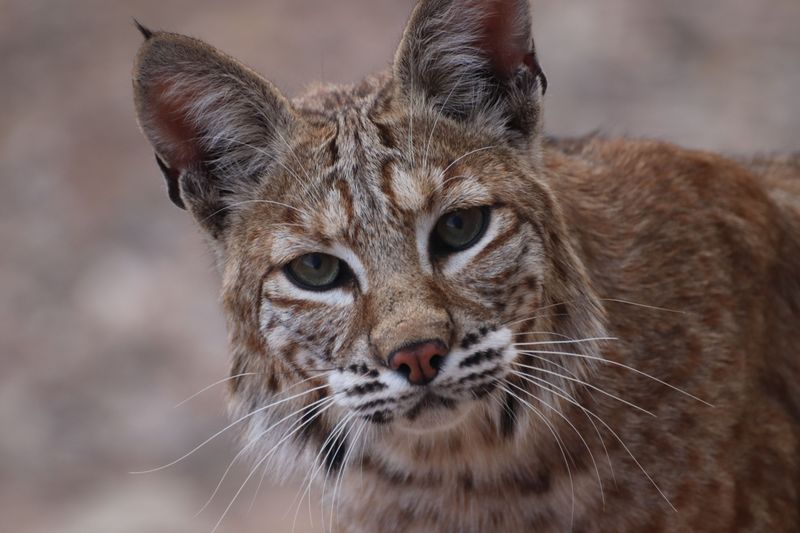
For most gardeners, the best move is to enjoy bobcats from afar. Snap a photo, note the tracks, and share sightings with neighbors so everyone can secure their chickens.
Trail cameras are a fun way to learn who visits after dark. Bobcat tracks show four toes, no claw marks, and a round shape about two inches wide.
Knowing the real rules turns a mysterious spotted visitor into a neighbor you understand. That knowledge makes every quiet sighting a little more rewarding.