The Stealth Hunter Illinois Almost Lost Forever
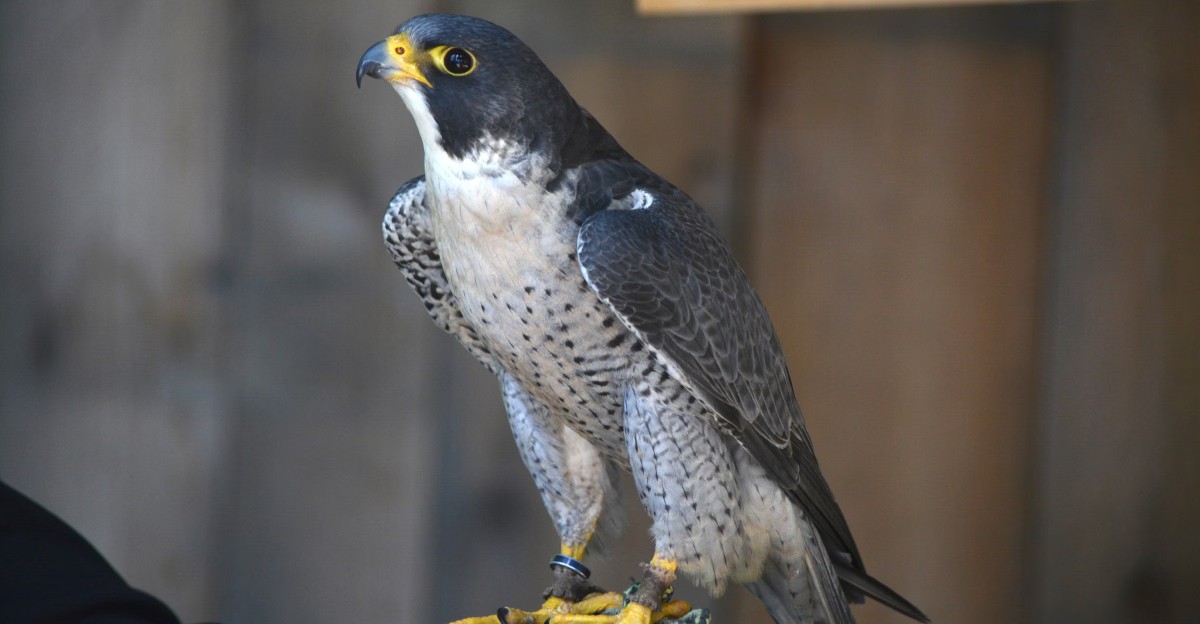
In 1951, the last known nesting pair of a certain cliff-loving hunter disappeared from Illinois. Their return came nearly four decades later, on a downtown Chicago building ledge, making Illinois home again to the fastest animal on Earth.
This bird hits speeds over 200 miles per hour in a hunting plunge. Its sharp eyes can pick out a pigeon from more than a mile away. A pesticide in its food chain once made its eggshells so thin they cracked under the parents.
I still get goosebumps when one streaks past an office tower. You might notice one too, perched like a stone gargoyle on a church steeple or river bridge.
I keep binoculars by my kitchen window for exactly this reason, and my tomatoes get ignored more than I care to admit.
The answer involves gravel boxes and stubborn volunteers. Together, they turned a missing cliff-dweller into a skyscraper hunter, and the peregrine falcon now rules the traffic lights and coffee shops below.
Something Was Quietly Breaking Inside Peregrine Falcon Eggs
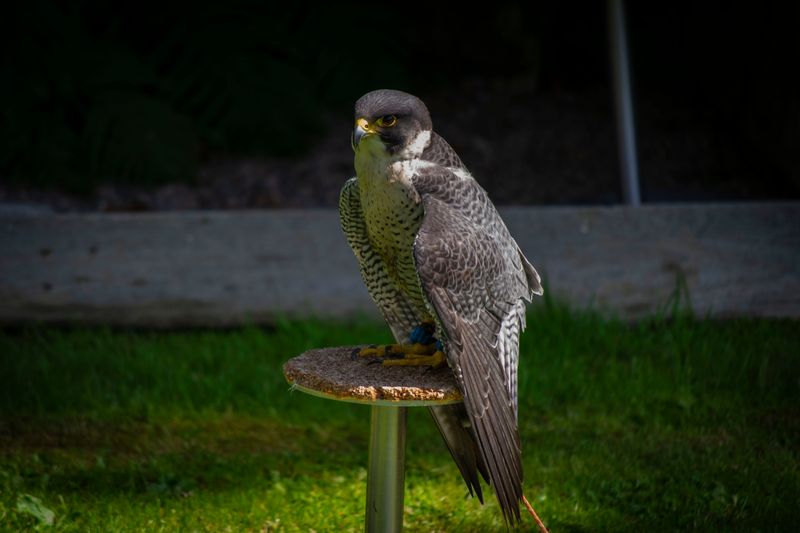
Eggs should not crunch when a parent bird settles down to keep them warm. Yet that is what researchers saw across the eastern United States in the 1950s and 1960s, as peregrine falcon nests failed one after another.
The culprit was DDT, a widely sprayed insecticide. It built up in small birds that ate treated insects, then piled up even higher in the falcons that ate those birds.
The chemical interfered with how females made eggshells, so the shells came out thin and brittle.
By 1951, the last known nesting pair in Illinois had disappeared. Peregrines had once raised young on bluffs along the Mississippi River, and suddenly those ledges sat empty. East of the Rockies, the breeding population had mostly disappeared by the mid-1960s.
I find that timeline chilling because nobody saw it happening in real time. Adult birds looked fine. The trouble hid inside the nest, one cracked egg at a time.
The federal government listed the peregrine as endangered in 1970. Scientists then had a clear target, which made what came next possible.
The lesson still matters for anyone with a sprayer in the garage, since chemicals rarely stay where we put them.
A 1972 Pesticide Ban Gave Peregrine Falcons a Second Chance
One law changed the whole story. In 1972, the United States banned DDT for most uses, and the slow cleanup of the food chain began, a shift that would eventually reach Illinois skies.
Chemicals like DDT linger for years in soil and animal tissue, so recovery did not happen overnight. Eggshells gradually thickened again as pesticide levels in prey dropped.
Biologists knew wild falcons would take a long time to return on their own, because few breeding birds were left to repopulate empty regions, and Illinois was no exception.
That is where The Peregrine Fund and other groups stepped in. They raised falcons in captivity and released young birds into the wild across the country, including release sites in Illinois.
Over several decades, thousands of captive-raised peregrines took to the skies. You can thank that combination of a ban plus hands-on breeding for the birds you see today. Neither step would have worked alone.
Clean prey without new birds meant empty skies, and new birds with tainted prey meant more failed nests.
The peregrine came off the federal endangered species list in 1999. Wildlife officials still call it one of the biggest conservation wins in American history.
For gardeners, it serves as a hopeful reminder that smarter choices about chemicals can turn a grim trend around, whether the garden sits in Illinois or anywhere else.
Young Falcons Learned to Fly From Chicago Rooftop Hack Boxes
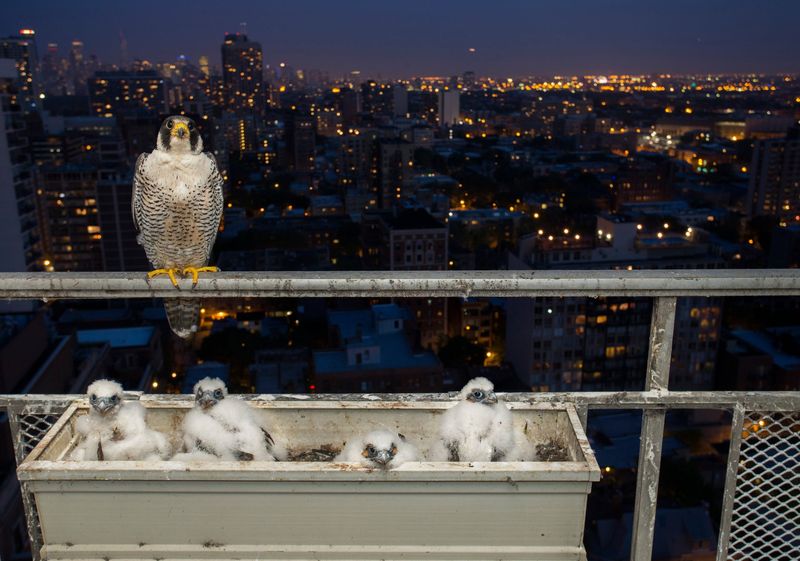
Hacking sounds like something a computer does, but for falcon fans it means something far sweeter. Biologists place young birds in a sheltered box on a high perch, feed them without being seen, and then open the door once the chicks are ready to fly.
The Chicago Peregrine Program launched in 1985 as a team effort between zoo, museum, and state wildlife partners. Today the Field Museum leads the work.
Between 1986 and 1990, dozens of young falcons were released from Chicago rooftops this way.
The boxes let the youngsters bond with their surroundings. Falcons tend to return to nest in places similar to where they first learned to fly.
So a bird raised on a city skyline grows up treating tall buildings like home. I love how simple the idea is. No fancy gadgets, just patience, quiet feeding, and a good view.
It worked faster than many people expected. In 1988, a pair nested on a downtown Chicago building, the first wild nest in the state in decades.
That single success hinted that a bigger comeback was on its way, and volunteers started watching every ledge in town with fresh hope.
Skyscraper Ledges Make Surprisingly Good Peregrine Cliffs
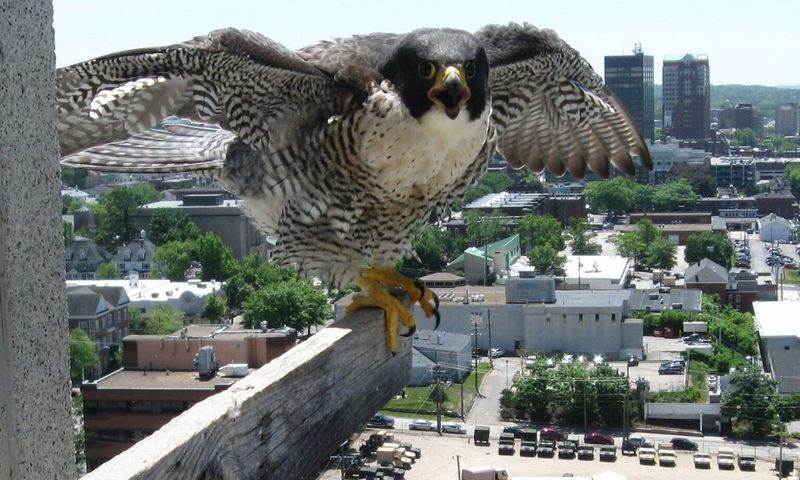
Cliffs are cliffs to a falcon, whether nature built them or construction crews did. A skyscraper ledge offers height, a wide view, and updrafts for easy soaring, the same perks a river bluff provides.
Peregrines do not build stick nests. Females scrape a shallow bowl in gravel or loose debris and lay their eggs right there.
That is why volunteers often add gravel-filled nest boxes to building ledges, smokestacks, and bridges where pairs show interest.
Around the state, falcons now raise chicks on downtown towers, power plants, and Mississippi River bridges. Recent counts put the breeding population at roughly 20 breeding pairs across more than 30 territories in Illinois.
Cities add another bonus. Great horned owls, a major predator of young falcons, are less common among tall buildings than in wooded areas. Meanwhile, prey is everywhere.
You might be surprised how close a nest could be to your commute. If you work in a tall building, ask the facilities team whether falcons visit.
Many building managers feel proud of their feathered tenants and happily share sightings, nesting dates, and even the names given to the birds.
Watch That Falcon Stoop and Your Jaw Will Drop
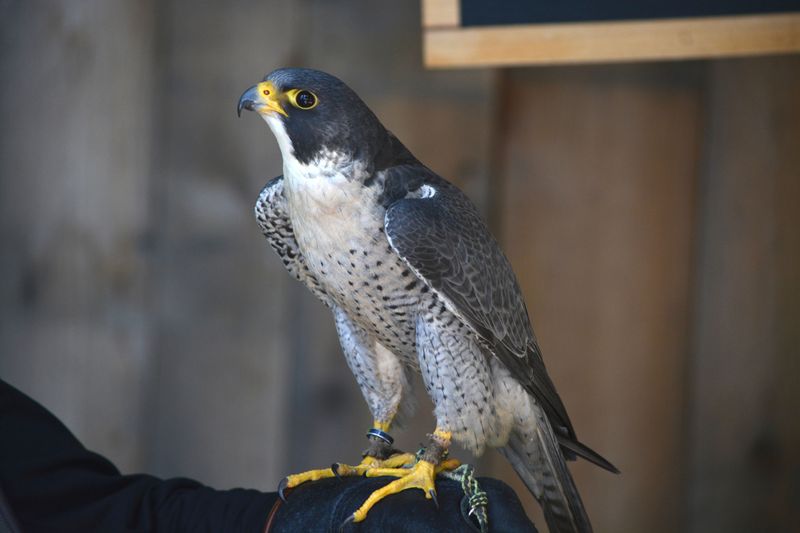
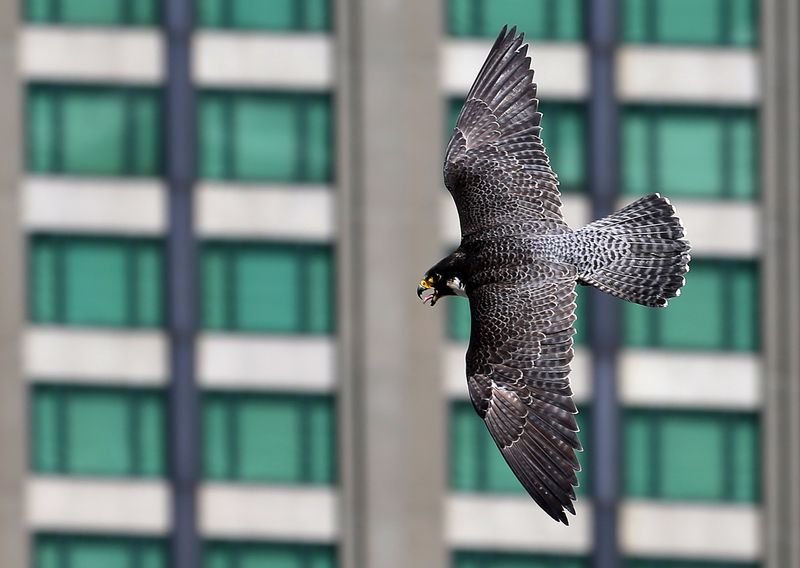
Two hundred miles per hour. A peregrine can top that number when it tucks its wings and drops toward prey, a move called a stoop.
One trained falcon was clocked at about 242 miles per hour, making it the fastest animal ever measured.
Special body parts make that possible. Small cone-shaped bumps in the nostrils may help manage incoming air so the bird can breathe at high speed. A clear third eyelid sweeps across each eye to clear dust and keep it moist.
The falcon usually strikes its target in midair with clenched feet, then circles back to grab it. Some catches happen so fast you hear a thump before you realize what you saw.
I watched one fold up above a parking lot last spring, and my coffee ended up on my shoes. It looked less like a bird and more like a dropped dart.
Want to catch a stoop yourself? Look for falcons perched on high corners in early morning or near dusk, when many songbirds and pigeons move around.
Bring binoculars, find a spot with open sky, and be patient. The payoff comes in a blink, so keep your eyes up.
City Pigeons Are a Favorite on the Peregrine Menu
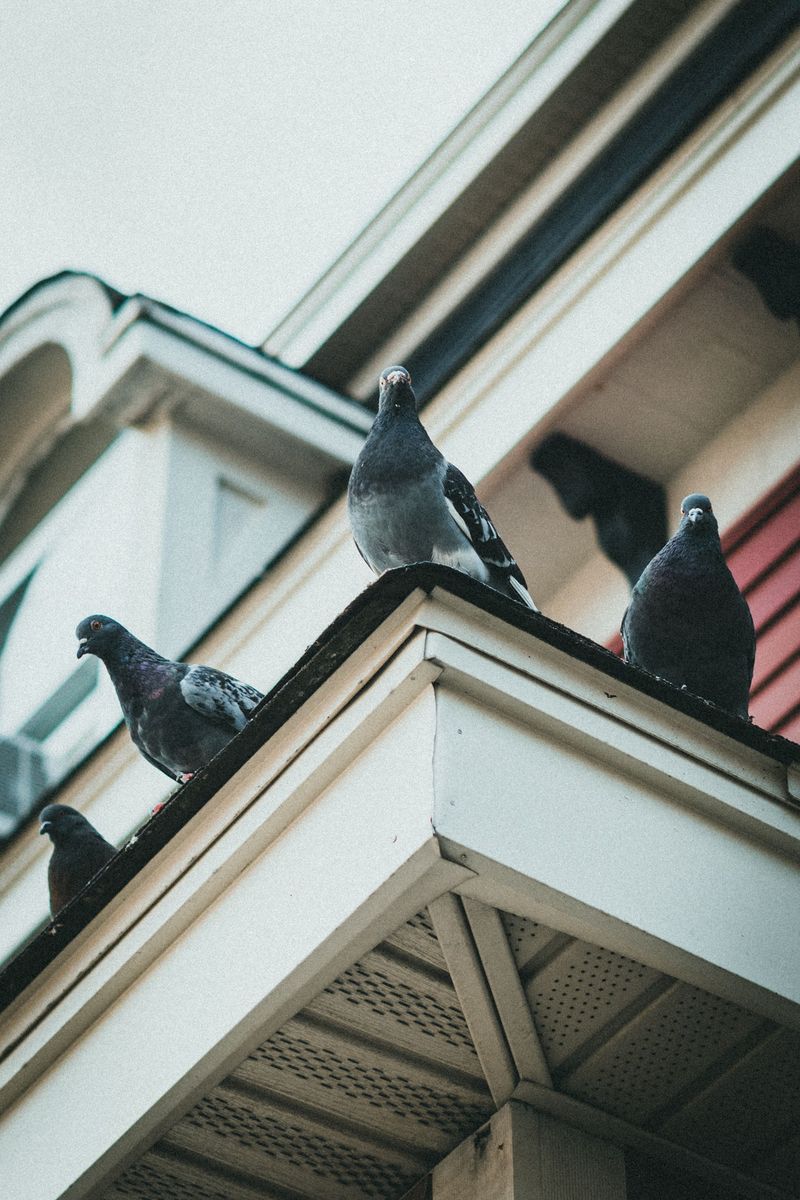
Pigeons have a natural enemy in town, and it does not care about their favorite spot on the statue. Peregrines feed mostly on other birds caught in flight, and city pigeons are a top menu item.
Starlings, blackbirds, doves, shorebirds, and ducks also show up in their diet. During migration, falcons take advantage of the many songbirds passing through at night, sometimes hunting under bright city lights.
Researchers have even found the occasional bat on the menu. For gardeners, that diet has a practical side.
Feral pigeons and European starlings are non-native birds that can crowd out native cavity nesters and gobble up seed. A falcon on the skyline will not solve those problems alone, but it adds natural pressure.
You might also notice small birds acting jumpy around your feeders. Sudden scatters, alarm calls, and everyone freezing in the bushes often mean a raptor is passing overhead.
Cooper’s hawks visit backyards more often than peregrines do, so check field marks before you celebrate.
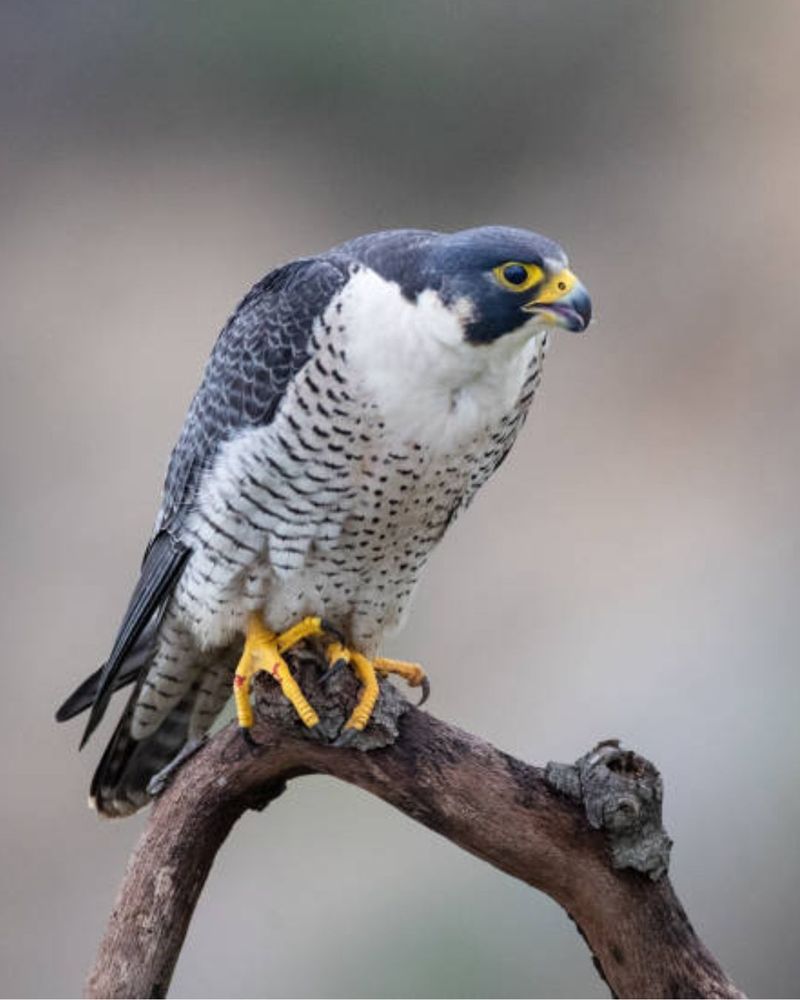
Peregrines have a dark helmet-like head, a thick sideburn mark under each eye, and long pointed wings. Cooper’s hawks have rounded wings and a longer, rounded tail. Learning that difference turns every scare at the feeder into a fun detective game.
Nest Cams Let You Peek at Fuzzy Peregrine Chicks Each Spring
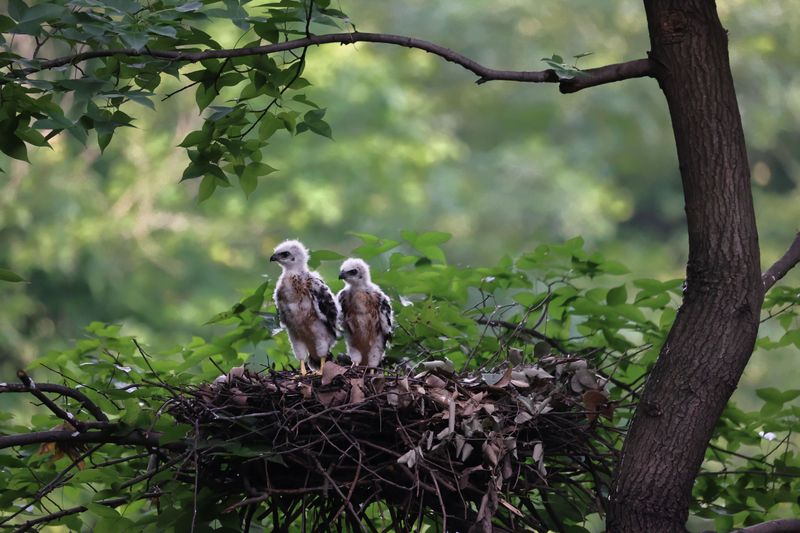
Fluffy white chicks with oversized feet might be the cutest thing on the internet each spring. Several nest sites around Chicago and other cities stream live video, usually from about April through July.
The season follows a steady rhythm. Females typically lay three or four reddish-brown eggs in late March or April, and both parents share incubation for about a month. Chicks grow fast and usually take their first flights roughly six weeks after hatching.
Before that big day, Field Museum staff and volunteers carefully band the young birds. Each leg band carries a code that lets birders identify individuals for years.
Some banded falcons have turned up nesting in other states, which shows how far these birds roam.
I keep a nest cam open on my laptop while I plan seed orders, and it beats any TV show. You can watch feeding time, sibling squabbles, and wobbly wing-flapping practice on a ledge.
Kids especially love it. Try turning a nest cam into a family project by keeping a simple journal of hatch dates, feedings, and first flights.
That small habit builds real observation skills, and it connects young people to a comeback story that shaped their own skyline.
Your Pesticide-Free Garden Helps Keep the Falcon Comeback Going
Every garden choice ripples outward, even the small ones. The falcon story started with a chemical that traveled from fields to insects to songbirds to raptors, so it makes sense to think about what we spray.
Try targeted pest control first. Hand-pick beetles, blast aphids with water, and use row covers on vulnerable crops.
When you do need a product, pick the least toxic option, follow the label, and spot-treat instead of covering the whole yard.
Native plants help too. Coneflowers, asters, little bluestem, and native oaks support insects, and those insects feed the songbirds at the base of a healthy food web. Skip invasive plants like Callery pear and burning bush, which offer far less to local wildlife.
Peregrines remain protected under the federal Migratory Bird Treaty Act, even after delisting. If you spot a nest or a grounded young falcon, keep your distance and report it to the Chicago Peregrine Program or your state wildlife office.
Illinois came close to losing this bird for good. You can be part of the reason it stays, one thoughtful garden season at a time. Next time you see a sharp silhouette over a rooftop, give a little wave.