Why Texans Should Grow This Nearly Thornless Rose Along Their Fence
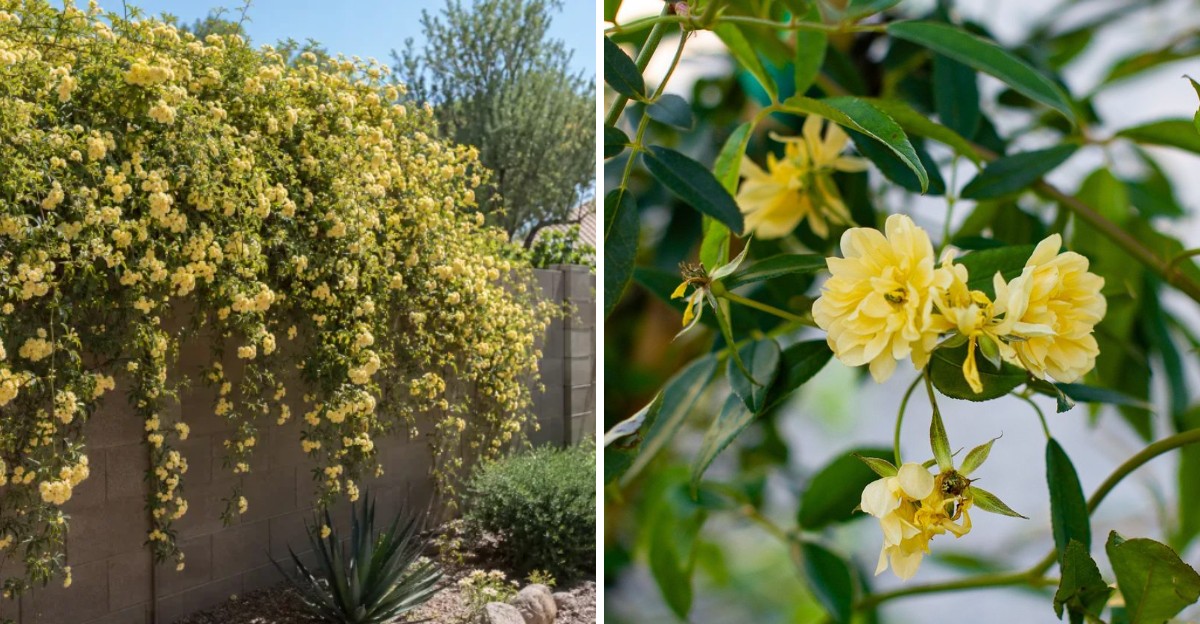
One famous rose bush in Tombstone, Arizona, was planted in 1885 and now shades more than 8,000 square feet. That single plant started from a cutting sent by a homesick bride from Scotland.
I still can’t get over that story. A rose that big sounds like a garden legend, yet it is real and still blooming every spring.
The same climber thrives in Texas yards, and it shrugs off heat that sends fussy roses into a sulk. Its canes are nearly smooth, so pruning feels more like a friendly handshake than a battle. Personally, I love any plant that rewards me for doing less.
Take a closer look at the plain chain-link or cedar fence in your backyard. Could it become the most talked-about spot on your street by next April?
1. That Plain Backyard Fence Is Hiding a Spring Surprise
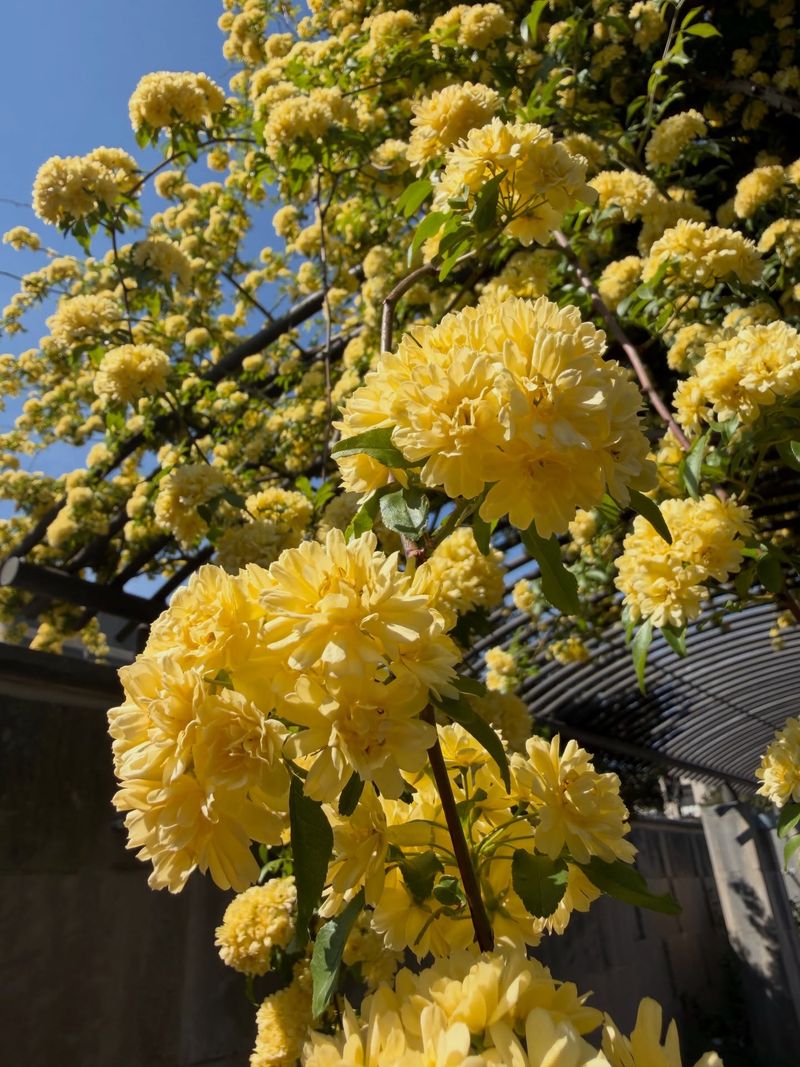
Every March, neighborhoods from Houston to San Antonio suddenly glow with buttery yellow waterfalls of tiny roses.
Most of those showstoppers are Lady Banks roses, known to botanists as Rosa banksiae. Each flower is only about an inch across, but they arrive by the thousands in loose clusters.
On a mature plant, the blooms can hide much of the foliage for several weeks. A fence that looked boring in February can look like a painting by early April.
I find the timing especially sweet. The show begins before most summer perennials wake up, so your yard gets color when it needs it most.
In South and Central Texas, blooming often starts in March, while North Texas usually sees flowers a bit later in spring.
The plant blooms once a year, not over and over like a Knock Out rose. Some gardeners see that as a drawback, but I see it as a festival. You get one big, unforgettable party instead of a scattered handful of flowers all summer.
Fun fact? The rose is named for Lady Dorothea Banks, wife of botanist Sir Joseph Banks. Plant hunters brought it from China to England in the early 1800s, and it has charmed Southern gardeners ever since.
2. Lady Banks Rose Shrugs Off Brutal Texas Heat and Dry Spells
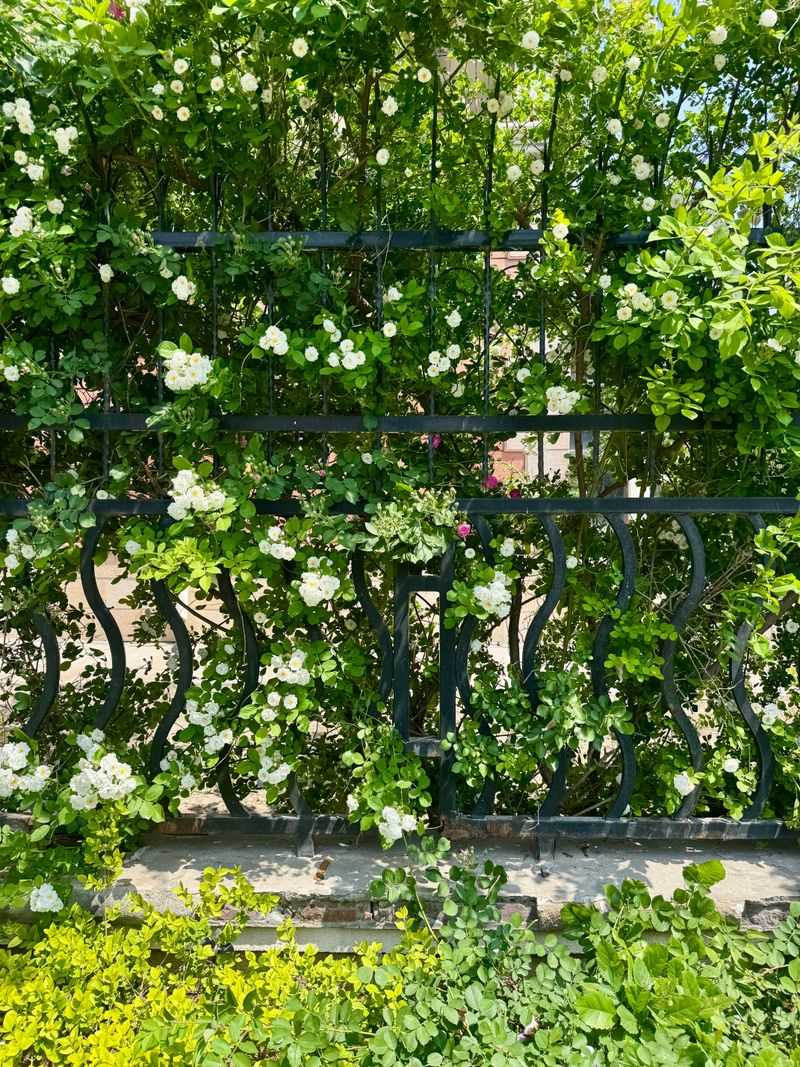
August in Texas can turn a lush garden into a crispy mess. Lady Banks rose handles that heat better than most climbers, which is a big reason it shows up on so many old homesteads and country fences.
Young plants do need help at first. Water deeply once or twice a week during the first summer, soaking the root zone instead of sprinkling the leaves.
Deep watering encourages roots to travel down where the soil stays cooler. After about two or three growing seasons, the rose settles in nicely.
Many established plants get by on normal rainfall, needing extra water only during long dry stretches. That makes it a smart pick for folks dealing with watering restrictions.
A thick layer of mulch helps a lot. Spread two to three inches of shredded bark or compost around the base, keeping it a few inches from the canes. Mulch holds moisture and keeps soil temperatures steadier.
Hardiness matters too. Lady Banks rose is generally rated for USDA zones 8 through 10, which covers most of Texas.
Gardeners in the Panhandle, mostly zones 6 and 7, may see winter damage, so a sheltered south-facing fence works best there.
3. Nearly Thornless Canes Make Fence Training Painless
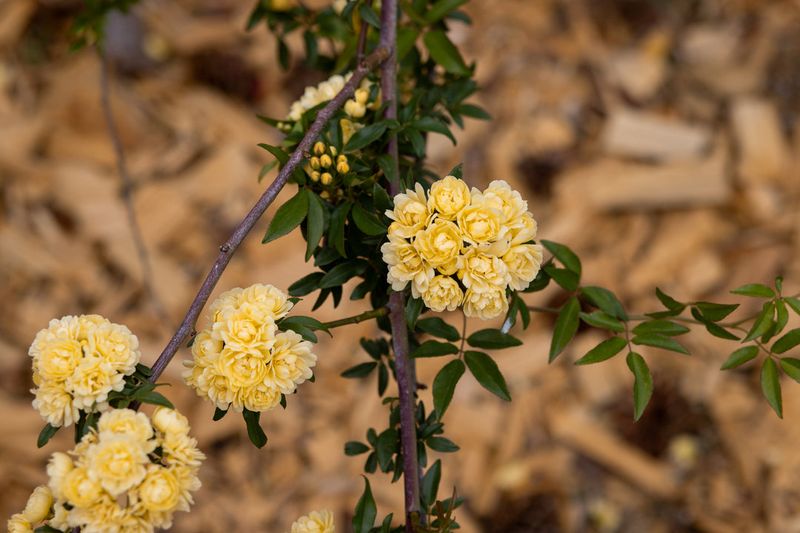
Ask anyone who has wrestled a thorny climbing rose, and you will hear stories about scratched arms and torn sleeves. Lady Banks rose skips most of that drama.
The popular double-flowered types are nearly thornless. Their long, flexible canes feel smooth in your hands, so you can weave them through chain-link or tie them to wire without a fight.
Older wood may carry a few small prickles, but nothing like a typical climber. That smooth nature matters along a fence.
Kids chase balls there, dogs patrol the property line, and you walk past with the mower every week. A rose that rarely snags anyone is a much friendlier neighbor.
Training works best while canes are young and bendy. Gently guide new growth sideways along the fence instead of straight up.
Horizontal canes tend to produce more flowering shoots, which means a fuller curtain of blooms next spring.
Use soft ties like garden tape or strips of old t-shirts. Wire can cut into growing canes over time, so check ties once or twice a year. I like to do a quick walk-through in fall, loosening anything that looks tight and tucking in stray shoots.
4. Glossy Evergreen Leaves Turn Your Fence Into a Privacy Screen
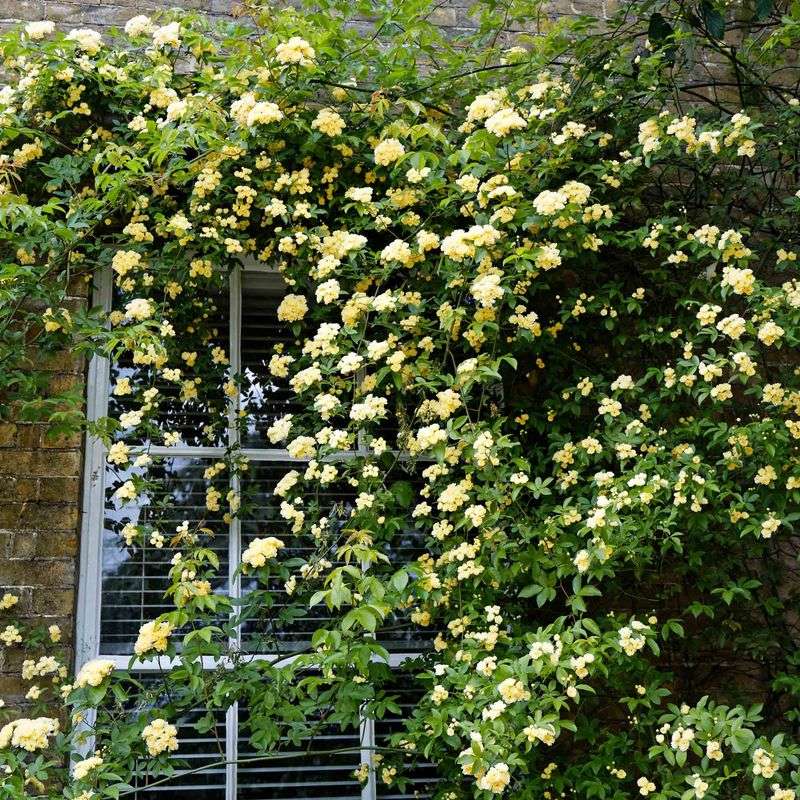
Flowers grab the headlines, but the leaves do the steady daily work. Lady Banks rose keeps its slender, glossy green foliage through winter in much of Texas, especially in the southern and central parts of the state.
That year-round cover makes a fantastic living screen. A bare fence becomes a soft green wall that blocks views, softens harsh lines, and makes a small yard feel cozy.
Hard freezes may cause some leaf drop in colder areas, but plants usually bounce back quickly.
Size is the surprise for many beginners. A happy Lady Banks can climb 15 to 20 feet and spread just as wide, with some old plants growing much bigger. One plant can cover a long stretch of fence within a few years.
So plan your spacing generously. Most gardeners do well with plants spaced about 10 to 15 feet apart on a long fence. Crowding them only leads to a tangled jungle.
Your fence also needs muscle. A mature rose gets heavy, especially after rain. Sturdy cedar, metal, or well-set posts hold up far better than flimsy panels or old pickets that already lean.
5. Prune Your Lady Banks Right After the Blooms Fade
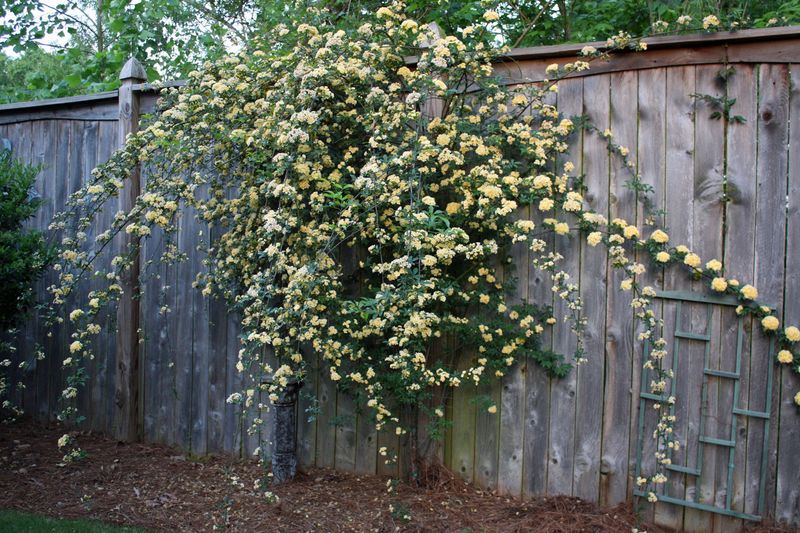
Here is the one rule that trips people up. Lady Banks rose blooms on old wood, meaning next spring’s flowers form on canes that grow this year.
Prune in late winter like you would a hybrid tea, and you will cut off most of the coming show. Plenty of disappointed gardeners have done exactly that, then wondered why their fence stayed green in April.
The sweet spot is late spring, soon after the flowers fade. Trim back canes that are reaching where you do not want them, like over the roof or across a walkway. Thin out a few of the oldest, woody canes at the base to let in light and air.
Summer and fall touch-ups should stay light. Snip wandering shoots, but avoid heavy cuts after midsummer.
Fertilizer needs are modest too. A light feeding with compost or a balanced fertilizer in early spring is usually plenty. Too much nitrogen pushes leafy growth at the expense of flowers.
Pest and disease trouble tends to be low. Black spot and powdery mildew rarely bother this species much, which saves you from the spraying routine many roses demand.
6. Yellow or White Lady Banks Roses Each Bring Their Own Charm
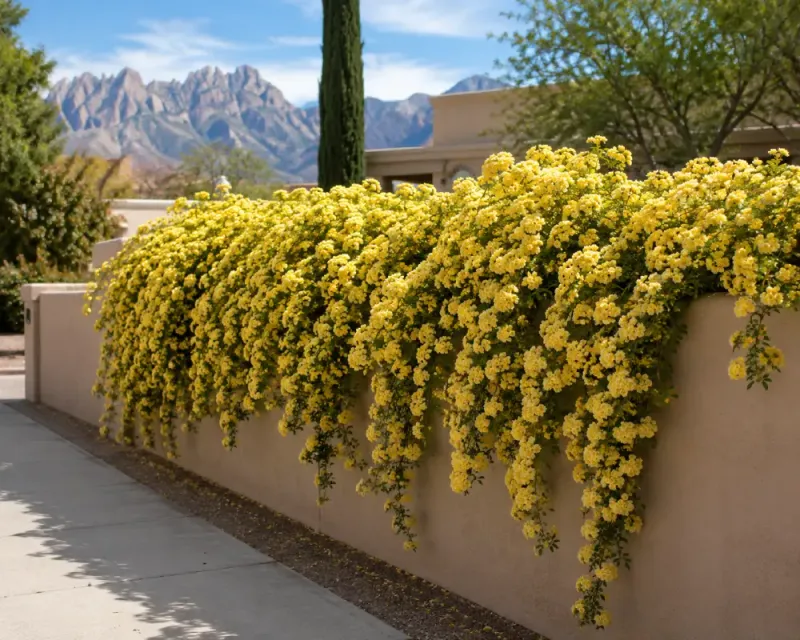
Choosing between the two common types feels a bit like picking between lemonade and vanilla ice cream. Both are lovely, just in different ways.
The yellow form, Rosa banksiae ‘Lutea,’ is the one you see most often in Texas. Its double flowers are a soft butter yellow, packed into airy clusters. The scent is faint or absent on most plants, so enjoy it for color rather than perfume.
The white form, ‘Alba Plena,’ carries small creamy double blooms with a sweet fragrance that many folks compare to violets.
On a warm spring evening, that scent can drift across the whole yard. It is a lovely choice near a patio or bedroom window.
Both share the same vigorous growth, smooth canes, and evergreen leaves. Care is identical, so your pick comes down to taste.
Your house color can help decide. Yellow glows against brick, gray siding, and dark stained fences. White looks crisp against green foliage and shines at dusk.
Want both? Some gardeners plant one of each at opposite ends of a long fence. The colors meet in the middle, and the effect looks charmingly old-fashioned.
7. Bees and Nesting Birds Love That Tangle of Rose Canes
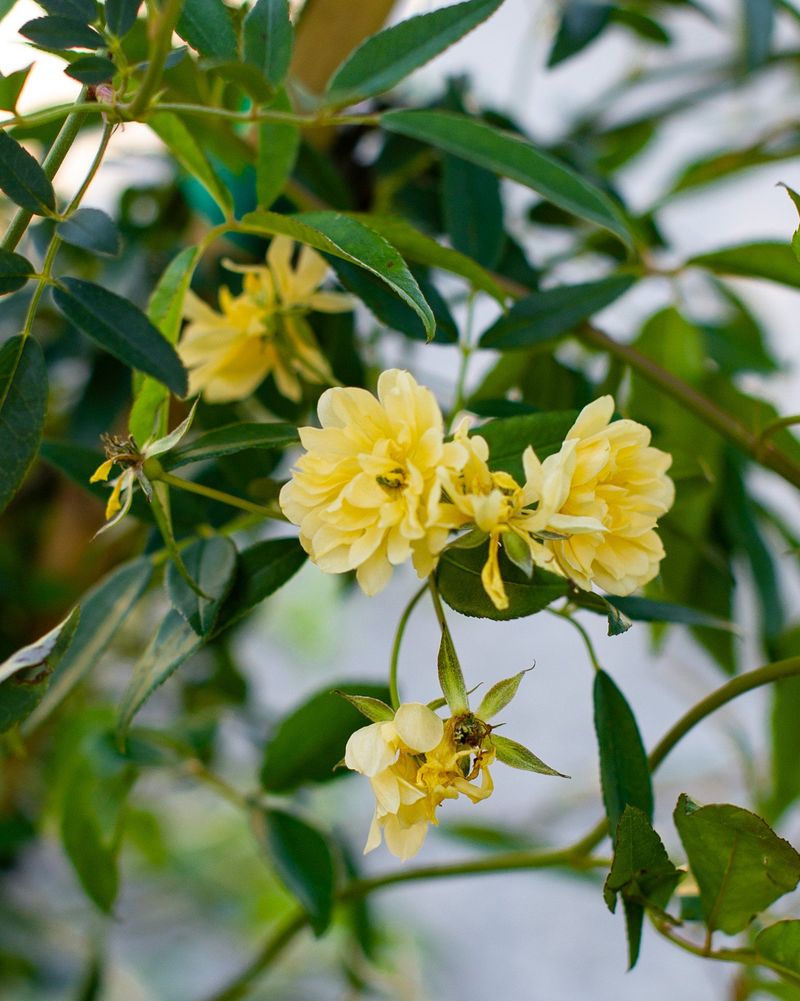
Early spring can be a lean time for pollinators. Lady Banks rose opens thousands of flowers right when bees are building up their colonies, giving them an early snack bar.
Double flowers offer less pollen than simple wild roses, so this plant will not replace native wildflowers.
Still, you may spot honeybees and other insects checking out the blooms on sunny mornings. I like pairing my rose with Texas natives like coral honeysuckle and spring wildflowers for a more complete buffet.
Birds benefit in a different way. The thick mass of canes and leaves makes a safe hiding place from hawks and neighborhood cats.
Small songbirds such as cardinals and mockingbirds often tuck nests into dense climbers like this.
That brings up a friendly reminder. Check for nests before pruning in late spring, since nesting season often overlaps with your trimming window. If you find an active nest, work around it or wait a couple of weeks.
Skipping broad pesticide sprays helps your visitors too. Because this rose rarely struggles with pests, there is little reason to spray at all. Your fence turns into a busy, lively little habitat with almost no effort.
8. Plant Your Lady Banks Rose in a Sunny Fence Spot This Season
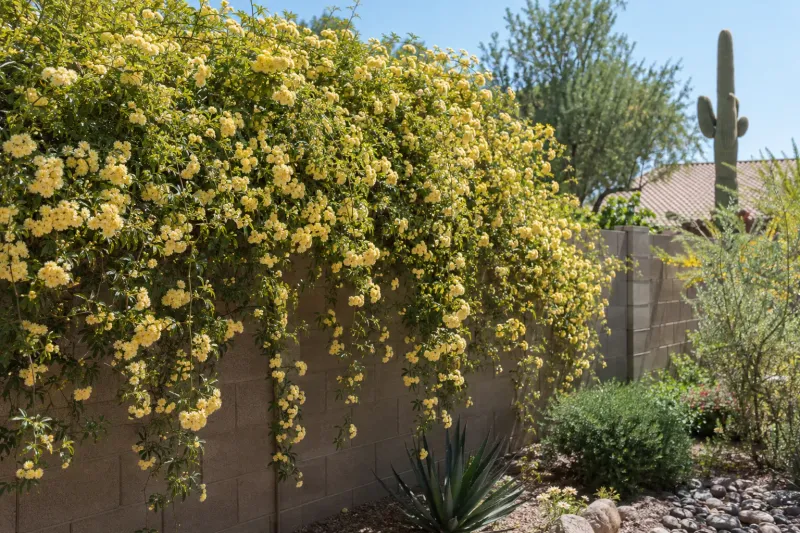
Ready to get started? A little planning now pays off with years of spring color. Pick a spot with at least six hours of direct sun.
More sun means more flowers, though light afternoon shade is fine in the hottest parts of the state. Avoid spots near rooflines, power lines, or gates unless you enjoy frequent trimming.
Timing depends on where you live. Fall planting works beautifully in much of Texas because roots grow during mild weather before summer heat returns. Early spring after the last frost is another solid window, especially up north.
Good drainage matters more than rich soil. Lady Banks tolerates clay and alkaline ground better than many roses, but soggy roots cause trouble. Mix compost into the planting hole if your soil stays wet after rain.
Dig a hole twice as wide as the pot and the same depth. Set the plant about a foot away from the fence so roots have room and air can move. Water deeply, then add mulch.
My best advice? Be patient. The first year is often quiet, but by year three you may have the prettiest fence on the block.