The Meaning Behind Seeing A Swallowtail Butterfly In Your Florida Yard
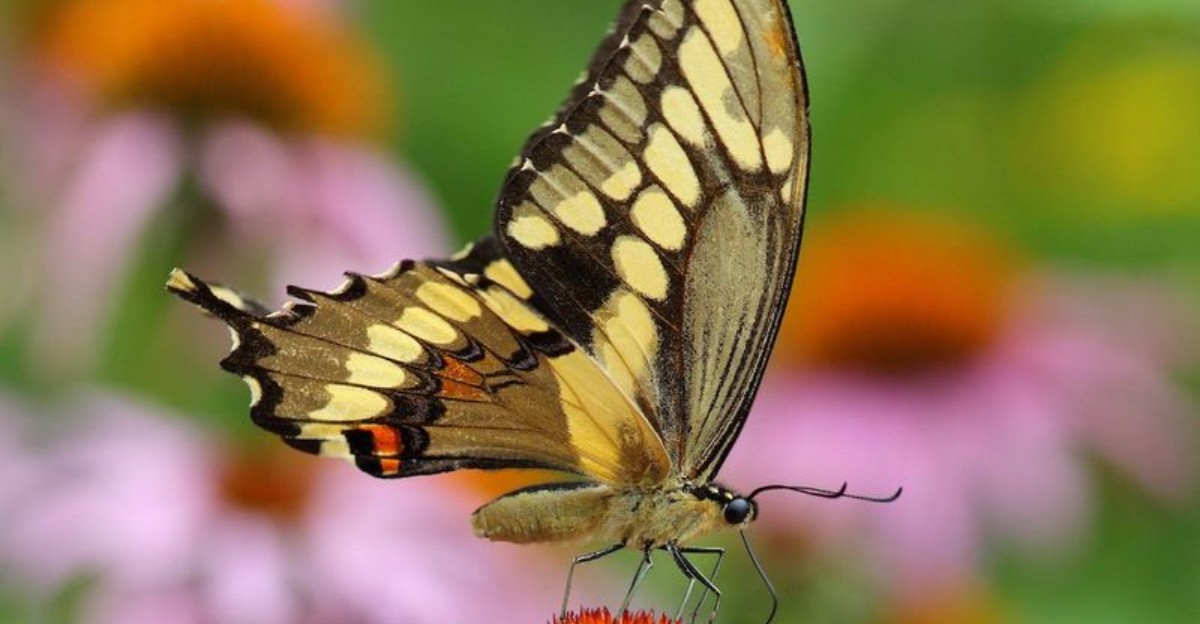
One of the caterpillars that may be munching your lemon tree looks exactly like a fresh bird dropping. That disguise is no accident, and it fools hungry birds surprisingly well.
The adult it turns into is one of the largest butterflies in North America. Its wings can stretch over five inches across, and it floats through gardens like a slow paper kite.
I love how a single visit from this winged guest can make a whole morning feel lucky. Plenty of people see these moments as signs of change, hope, or a fresh start.
Hear me out, though, because the real story is even better, and it says something about your yard itself.
Florida hosts several species in this family, and each one has picky tastes in plants. You’re going to love what that visit says about your porch, and how easily you can coax it back.
That Tailed Butterfly Picked Your Yard For A Reason
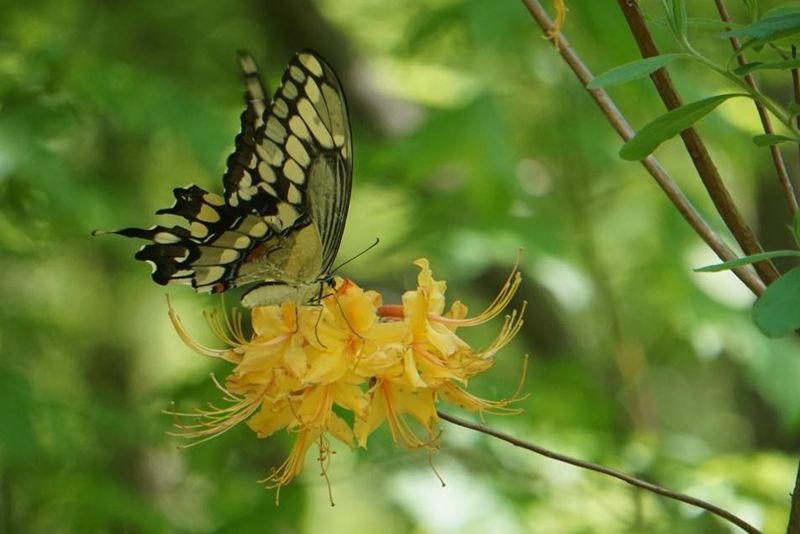
Butterflies rarely wander in by pure chance. A swallowtail cruising your garden is usually on a mission, either looking for nectar or searching for the right plant to lay eggs on.
Females are especially choosy. They tap leaves with their feet, which have taste sensors, to check whether a plant will feed their future caterpillars.
If one lingers around your citrus, parsley, or pawpaw, she may be doing exactly that.
Males behave a little differently. They often patrol sunny paths and open spaces looking for mates, so a quick flyby can simply mean your yard sits along a handy travel route.
In plain terms, a swallowtail visit is a compliment. Your space likely offers food, sunshine, shelter, or all three, which is more than many manicured lawns can say.
I find that far more exciting than any guess about luck. A butterfly cannot read your mood, but it can read your plants with remarkable accuracy.
So the first meaning worth noticing is practical. Something you planted, or forgot to pull, is working.
Take a slow walk around afterward and look for tiny round eggs or small caterpillars on the leaves nearby.
A Healthy Garden Often Shows Up On Swallowtail Wings
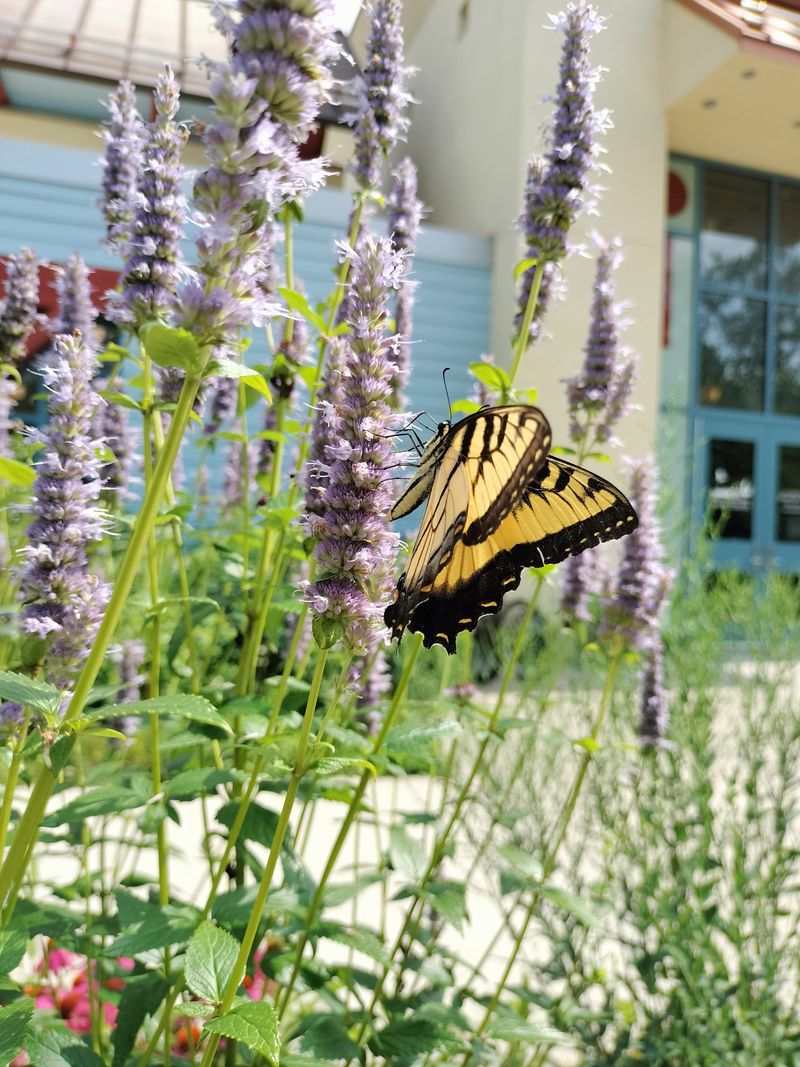
Scientists often treat butterflies as quiet report cards for an ecosystem. They respond quickly to pesticides, habitat loss, and missing plants, so their presence can hint that your yard is in decent shape.
Swallowtails need two very different kinds of support. Caterpillars require specific host plants, while adults need steady sources of nectar.
When you see adults returning week after week, both needs may be met somewhere close by.
Of course, one sighting does not prove your garden is perfect. Butterflies travel, and that visitor may have hatched three blocks away.
Still, repeat visits are a strong clue that you are doing something right.
You can boost this effect easily. Cut back on broad-spectrum insecticides, especially sprays that drift onto flowers and leaves.
UF/IFAS Extension recommends spot treatments and hand-picking pests whenever possible.
Leaving a few messy corners also helps. Leaf litter, shrubs, and taller plants give butterflies places to rest during storms and hot afternoons.
I like to think of every swallowtail as a small thank-you note. It tells you the habitat feels safe enough to linger.
That is a meaningful message for any gardener who cares about wildlife.
Bird Dropping Caterpillars On Your Citrus Tree Have A Secret
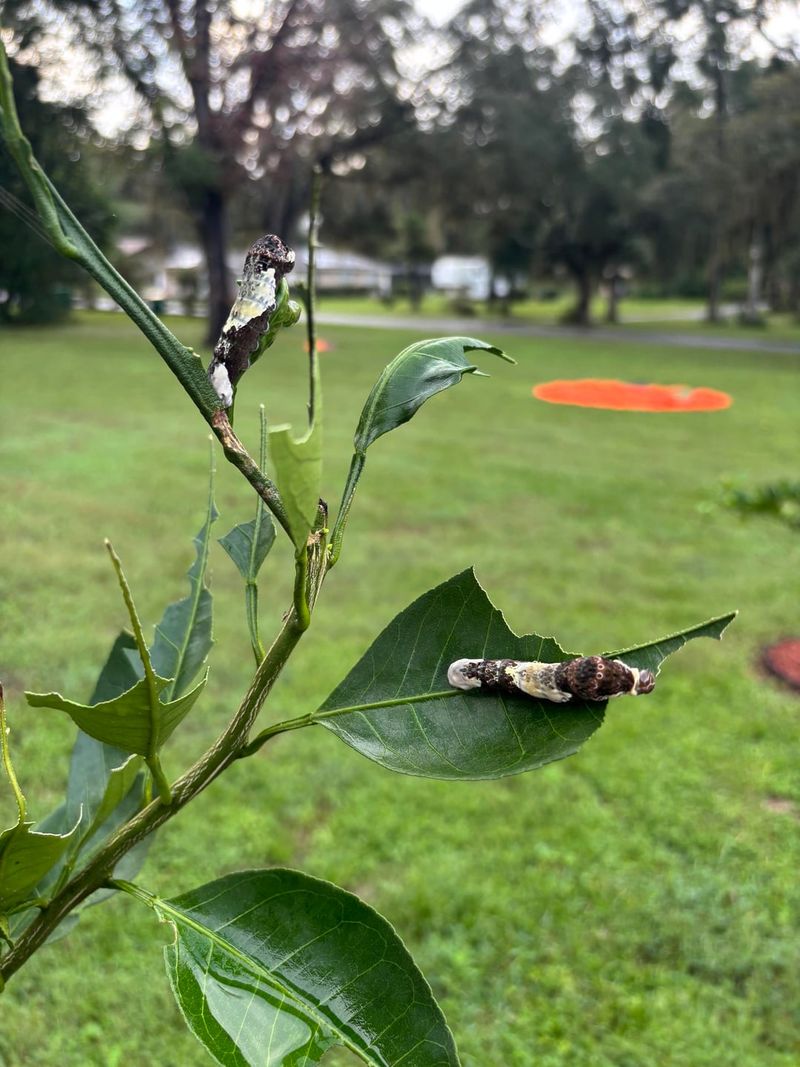
Spot something brown and white on your orange tree that looks like a bird made a mess? Look closer, because it might be a giant swallowtail caterpillar, often called the orange dog.
This clever disguise protects it from birds and other predators. When bothered, the caterpillar also pushes out a bright orange forked organ called an osmeterium.
It smells strong and helps scare enemies away.
Many citrus growers panic when they find these caterpillars. Honestly, a few rarely cause serious harm to a mature tree.
They eat some leaves, but healthy trees usually recover with fresh growth.
Young potted citrus is a different story. A hungry caterpillar can strip a small tree fast, so check little plants often.
You can gently move caterpillars to a larger tree or to native wild lime instead of removing them.
Fun fact: giant swallowtails expanded their range in Florida partly because of citrus farming. Their native hosts include wild lime and Hercules club.
Finding these caterpillars is a sign the butterfly cycle is happening right in your yard. In my book, that is worth a few chewed leaves.
Striped Caterpillars On Your Parsley Deserve A Second Look
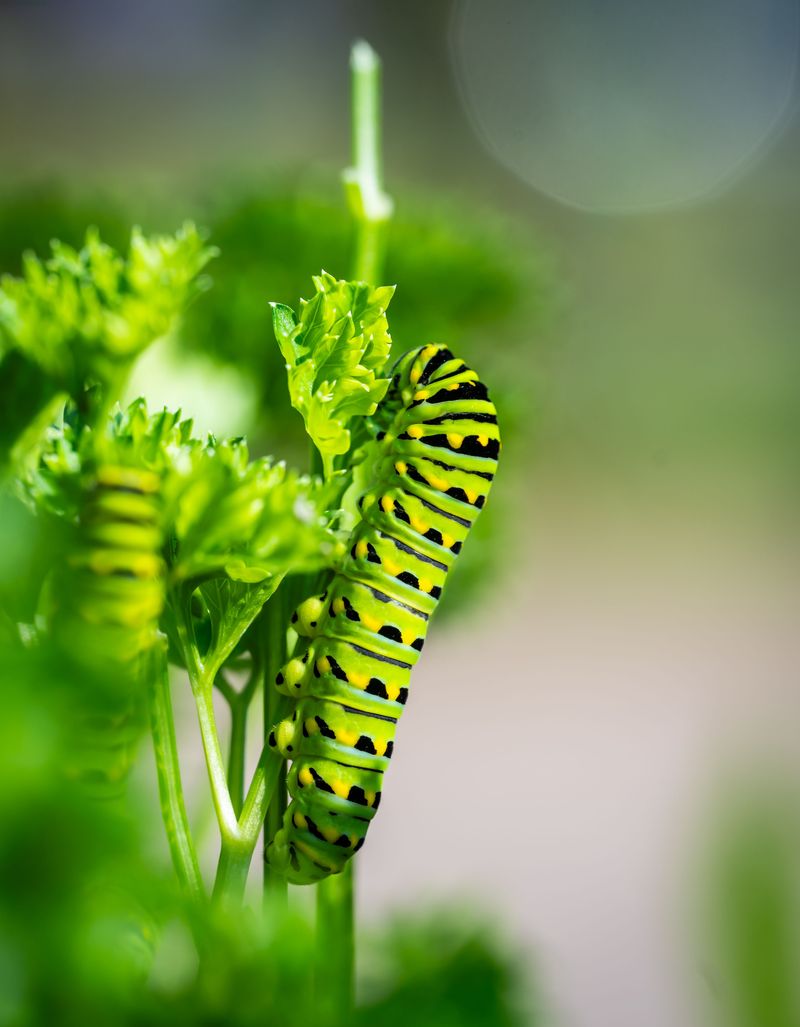
Last spring my parsley pot went bare overnight, and I nearly grabbed the bug spray. Then I noticed three chubby green caterpillars with black bands and yellow dots, looking extremely pleased with themselves.
Those were black swallowtail caterpillars. They love plants in the carrot family, including parsley, dill, fennel, and Queen Anne’s lace.
In Florida, a native host called mock bishopweed also feeds them.
Herb gardeners often see these guests more than any other swallowtail. The adults are dark with rows of yellow spots and a splash of blue near the tail.
The smart move is to plant extra. Grow a pot of parsley or dill just for the caterpillars, and harvest from another.
Cool months are the best season for these herbs in most of the state, since summer heat makes them fade.
Watch closely and you may see a caterpillar hang upside down in a J shape before forming a chrysalis. That chrysalis can be green or brown to match its surroundings.
Sharing your herbs feels like a small sacrifice. The reward is a front-row seat to one of nature’s best magic tricks.
Change And Fresh Starts Fly In On Swallowtail Wings
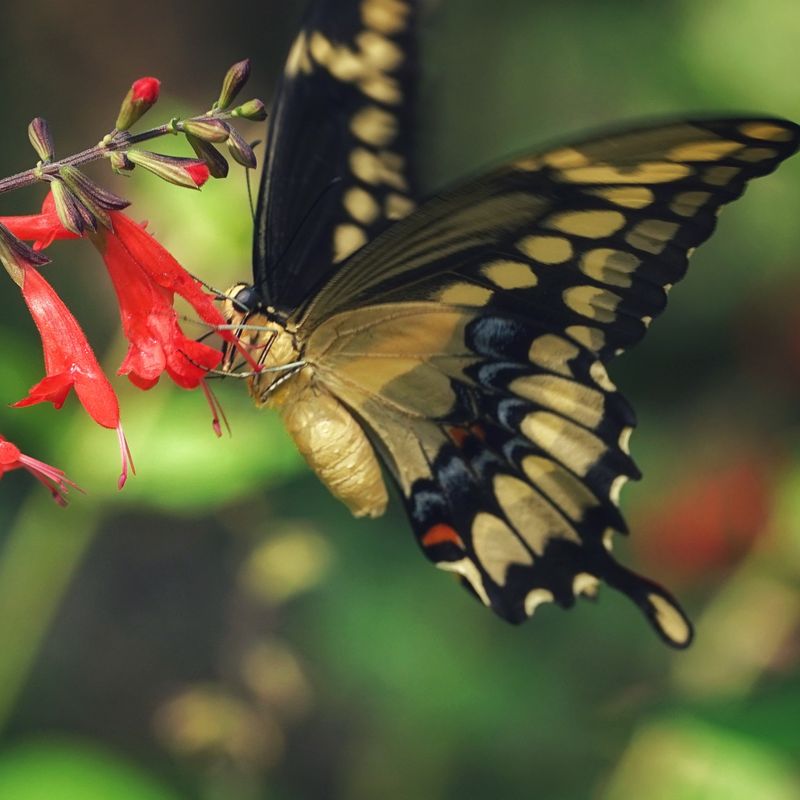
People have linked butterflies with transformation for thousands of years. The jump from crawling caterpillar to soaring adult is hard to ignore, and it makes a natural symbol for personal growth.
Many folks see a swallowtail as a nudge toward hope or a new chapter. Some feel a sense of comfort after a loss, while others take it as encouragement during a big life change.
These ideas come from culture, faith, and personal feeling rather than science. A butterfly is not delivering a coded message.
Still, the meaning you take from the moment can be real and valuable to you.
Different colors carry different associations in popular belief. Yellow tiger swallowtails often stand for cheer and optimism.
Darker swallowtails are sometimes linked to renewal and letting go of the past.
I enjoy these stories as long as they sit beside the facts. Knowing the biology actually makes the symbolism richer for me.
Next time one floats past, pause for a breath. Notice how you feel, then notice what it is visiting.
Both observations can teach you something, one about your life and one about your garden.
Several Swallowtail Species Call The Sunshine State Home
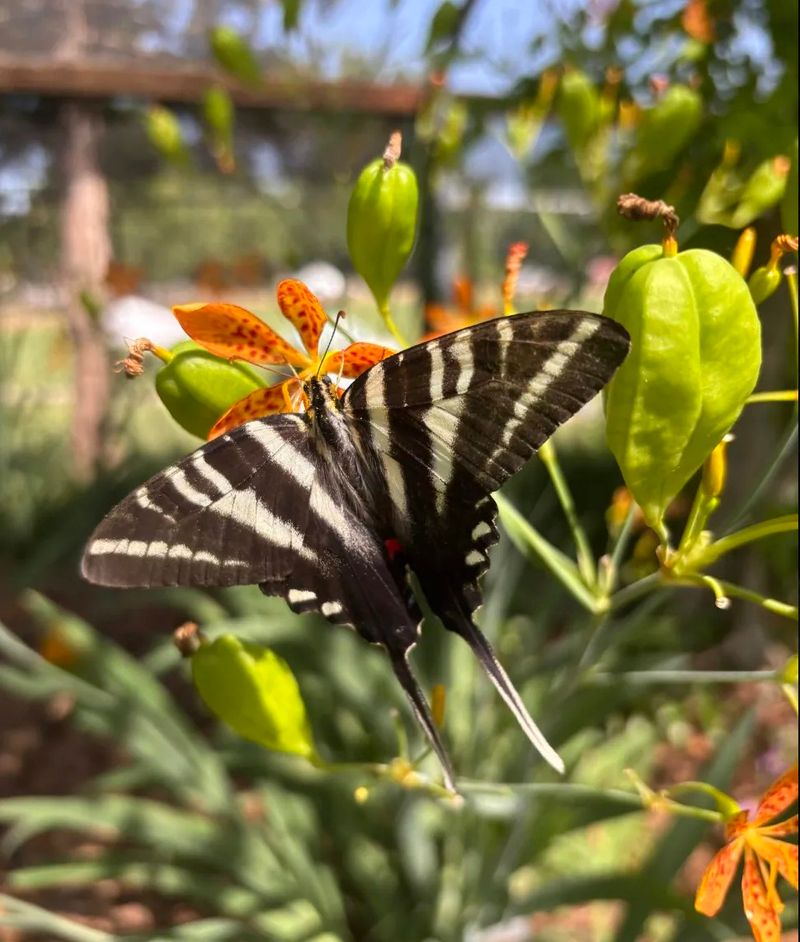
Quick quiz: how many swallowtail types might visit a Florida yard? The answer surprises plenty of gardeners, since the state has around ten species recorded, though some are rare.
Common ones include the giant, black, eastern tiger, palamedes, spicebush, zebra, and polydamas swallowtails. Each has favorite host plants, which helps explain where you see them.
Palamedes swallowtails love red bay and swamp bay near wet woods. Spicebush swallowtails also use red bay and sassafras.
Zebra swallowtails depend on pawpaw, and polydamas caterpillars feed on pipevines.
Location matters too. Tiger swallowtails and zebras are more common in north and central regions, while polydamas leans toward the south.
The rare Schaus’ swallowtail lives only in the Keys and Miami area and is federally protected.
Note one warning about pipevines. Avoid the giant Dutchman’s pipe, Aristolochia gigantea, which can harm polydamas caterpillars.
Stick with native options suggested by your county extension office.
Learning to tell these butterflies apart turns every sighting into a fun puzzle. Grab a field guide or a free app and start a yard list.
You may find more variety than you expected.
Nectar Flowers Keep Adult Swallowtails Coming Back
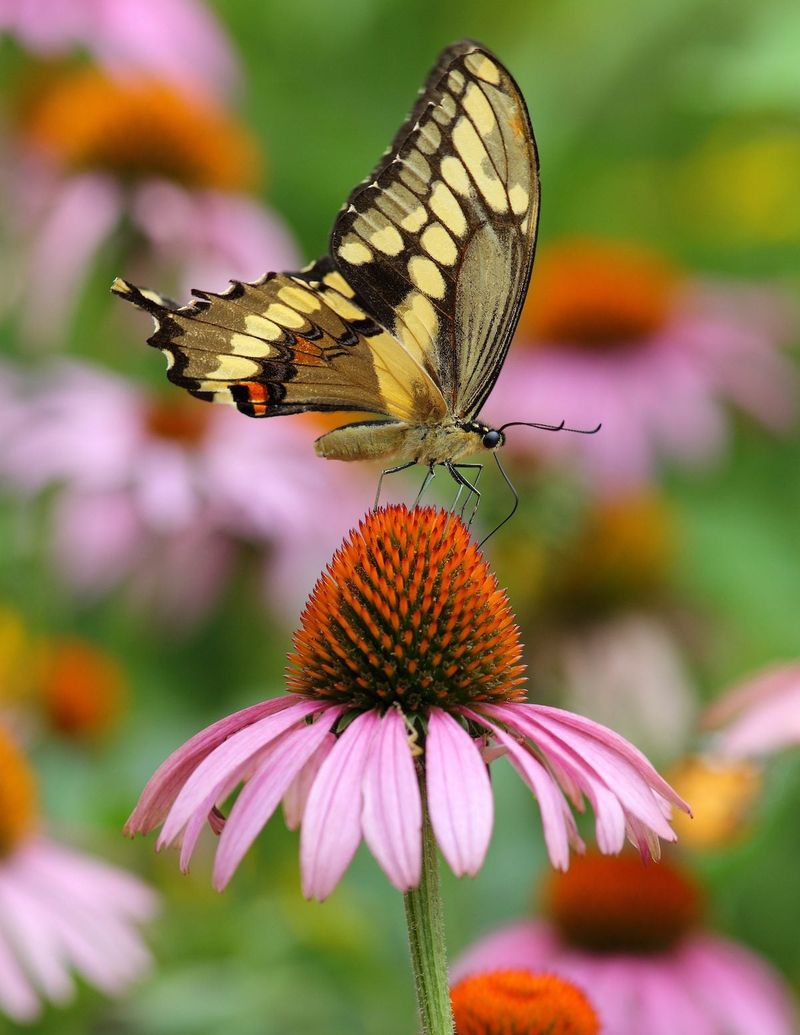
Adult swallowtails are big, busy fliers, and they burn plenty of energy. A steady supply of nectar keeps them fueled, so flowers matter as much as host plants.
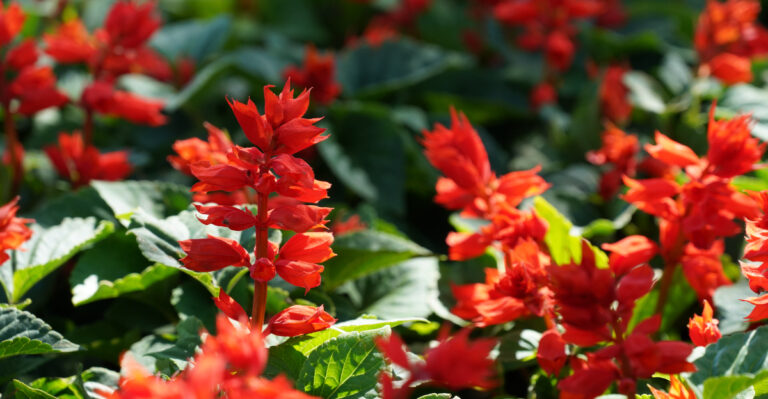
Native choices work beautifully here. Firebush, tropical sage, blazing star, Florida native milkweeds, and coral honeysuckle all draw butterflies.
Pentas, a non-native but non-invasive favorite, also gets plenty of visits.
Swallowtails seem to favor flowers in red, orange, pink, and purple. Clusters of blooms work best because they give the butterfly a sturdy place to land and sip.
Plan for color across the seasons. Many parts of Florida stay mild enough for butterflies to fly much of the year, especially in the south.
Mixing early, midseason, and late bloomers keeps the buffet open.
Plant in sunny spots, since butterflies need warmth to fly. A spot sheltered from strong wind helps too.
Here is a simple trick I use. Group at least three of the same flower together instead of scattering single plants.
Butterflies notice bigger patches from farther away, and you get a lovelier garden view as a bonus.
Turn One Lucky Butterfly Sighting Into A Swallowtail Garden
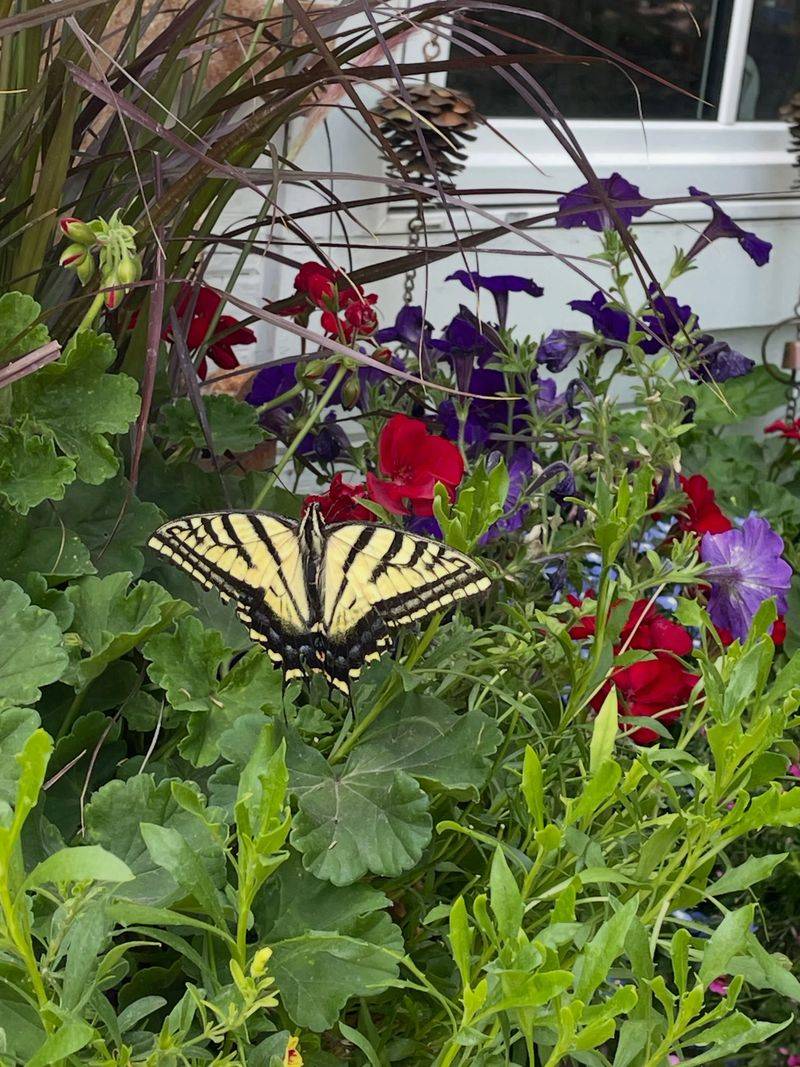
Ready to make that sighting a regular event? Start small and focus on one or two swallowtail species that already visit your area.
Pick at least one host plant. Parsley or dill suits black swallowtails, wild lime suits giants, and pawpaw suits zebras in the north.
Add red bay only if you can watch for laurel wilt, a disease harming many trees.
Then layer in nectar flowers that bloom at different times. A shallow dish with damp sand gives males a spot for puddling, where they sip minerals.
Be patient with caterpillars. Expect chewed leaves, and skip pesticides near your host plants.
Even organic sprays like Bt can harm caterpillars.
Keep notes on what you see and when. Many gardeners share sightings with citizen science projects, which helps researchers track butterfly populations.
The biggest takeaway is simple. A swallowtail in your yard means your garden is part of a living network.
With a few smart plant choices, you can turn a happy accident into a lasting habitat. I think that is the most meaningful message any butterfly could bring.