Why Georgia Homeowners May Notice Bobcats Near Their Yards This Fall
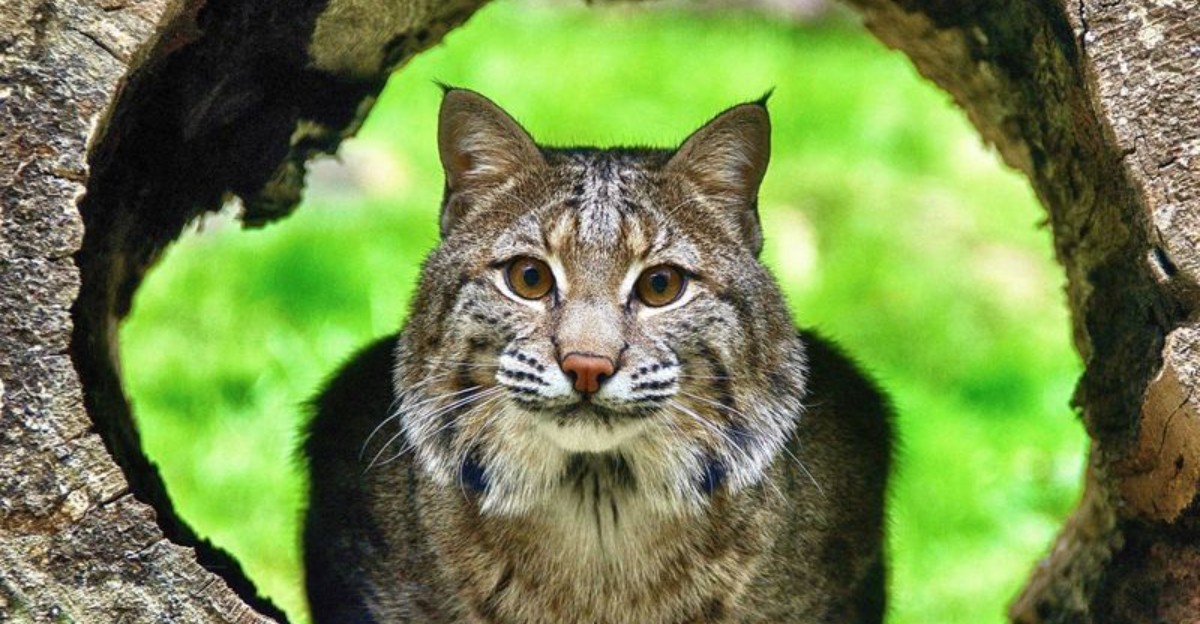
A paw print in your damp pine straw stops you cold. Georgia nights cool fast, and wildlife notices before you do. Bobcats sense the shift and start moving quietly toward your homes.
September pushes young cats out to find fresh territory near you. Cover thins across your yards, forcing animals into open view. Rodents multiply near your feeders, and predators follow that scent.
Your brush pile suddenly reads as prime hunting ground. Fences and porches become quiet checkpoints after dark. Homeowners from Marietta to Macon spot tufted ears at dusk.
These visitors rarely want contact with your dog or patio. They came for mice, not for confrontation with people. Word travels fast among animals when a yard delivers food.
Across Georgia, that same word spreads quicker than you expect. Knowing what moves through your yard changes how you watch it.
1. Falling Temperatures Stretch Bobcat Hunting Hours Near Homes
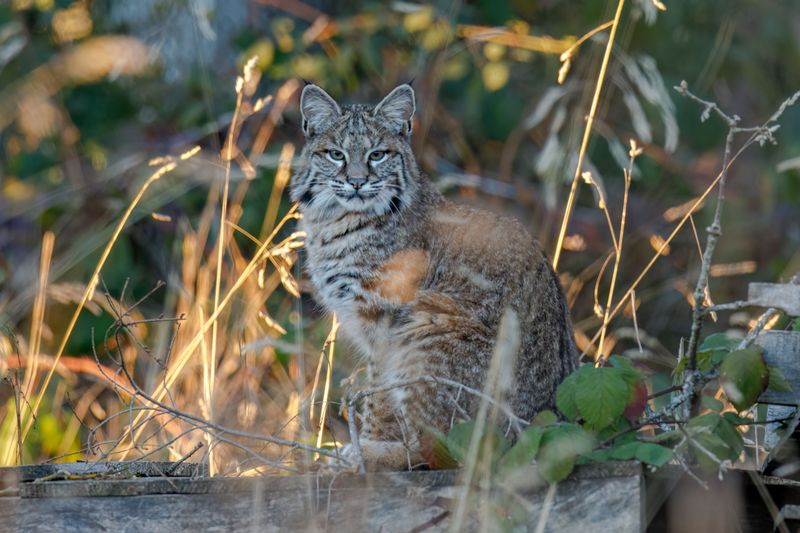
Cool September mornings do something funny to a bobcat’s daily routine across Georgia. Summer heat kept these cats resting under thick cover, so most hunting happened after dark.
Milder afternoons let them stay active longer, stretching their patrols into early evening hours. That small change puts a quiet predator on your street while you are grilling burgers.
Bobcats also need more calories as nights cool, because staying warm burns extra energy. Hunting longer is simply their way of covering that bill without complaining about groceries.
Neighborhood edges offer easy meals, since rabbits and rodents gather where lawns meet woods. A cat working that border may cross three backyards before anyone notices its tail.
Seeing one in daylight does not mean the animal is sick or confused. Georgia wildlife biologists say daytime movement is normal, especially when prey is active then.
Give the cat room and it will usually slip away within a minute. Standing tall, clapping once, and speaking firmly encourages a polite exit without any drama.
Keep dogs leashed during early morning walks, when both species share the same sidewalks. Small pets should stay indoors at dawn and dusk through the cooler months.
Motion lights near patios help, since bobcats prefer hunting without a spotlight overhead. Treat the sighting as seasonal traffic, not an invasion of your personal territory.
Trail camera footage in some Georgia suburbs tends to show more bobcat activity in October than in July. Owners often laugh at the footage, then double check the latch on the shed.
2. Rodent Populations Increase Around Fall Bird Feeders
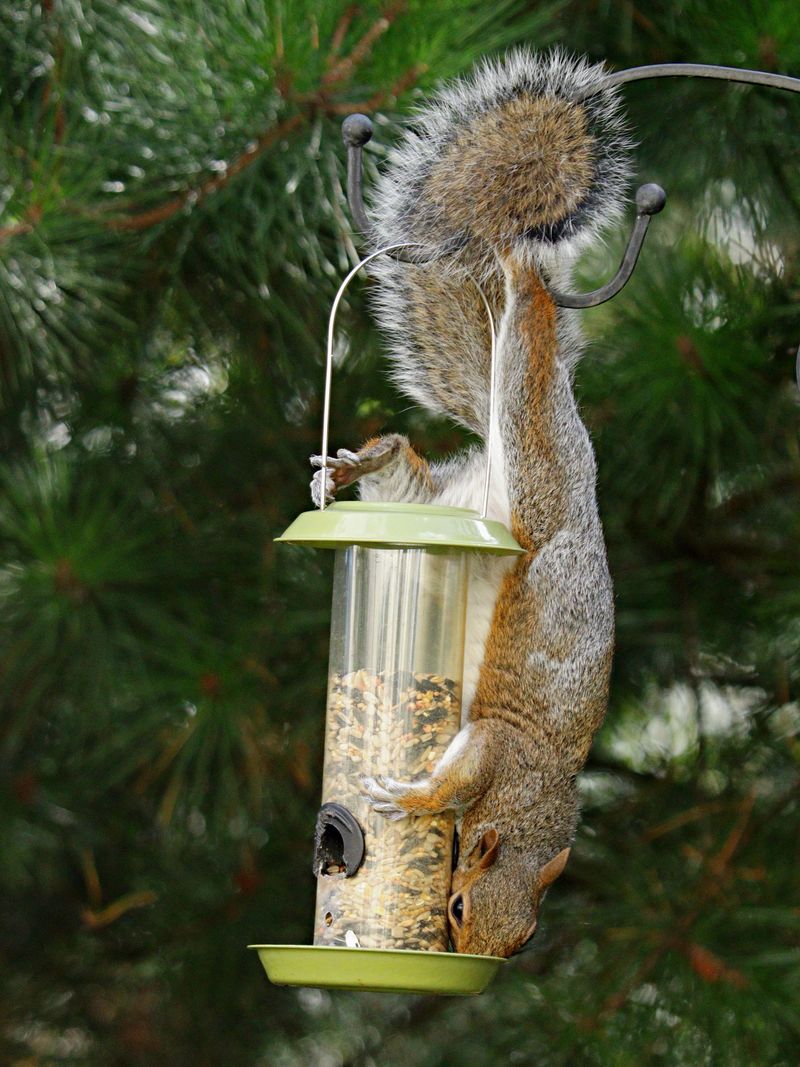
Hang a feeder in September and you’ve quietly created a reliable food source for mice. Spilled seed piles up underneath, feeding rodents that multiply fast in mild weather.
Bobcats show little interest in cardinals, but they watch the mice below closely. Your kindness toward songbirds accidentally creates a steady food source for passing predators.
Sweeping under feeders each evening removes the crumbs that draw rodents after sunset. Seed trays and tidy platforms cut waste better than open tube feeders alone.
Storing birdseed in metal cans keeps mice out of your garage supply. Plastic bins look sturdy, yet a determined rodent chews through them within days.
Fallen persimmons, acorns, and pecans add another layer to the autumn rodent increase. Raking fruit from the lawn weekly shrinks the crowd of small nighttime visitors.
Some homeowners report that nightly bobcat visits stop once feeders are moved or removed. The cat had no reason to linger once the mice thinned out.
Compost piles matter too, especially bins holding fruit scraps or old bread. Enclosed tumblers solve that problem while still making decent garden soil.
Chicken feed left in open bowls counts as a rodent invitation as well. Scoop leftovers before dark and store bags inside sealed containers.
Check under decks and sheds for nesting spots where rodents settle in fall. Sealing those gaps with hardware cloth removes both the tenants and their landlord.
Fewer mice means fewer reasons for a bobcat to memorize your address. Songbirds keep their snack, and the neighborhood cat finds dinner elsewhere.
3. Young Bobcats Leave Home And Claim New Territory
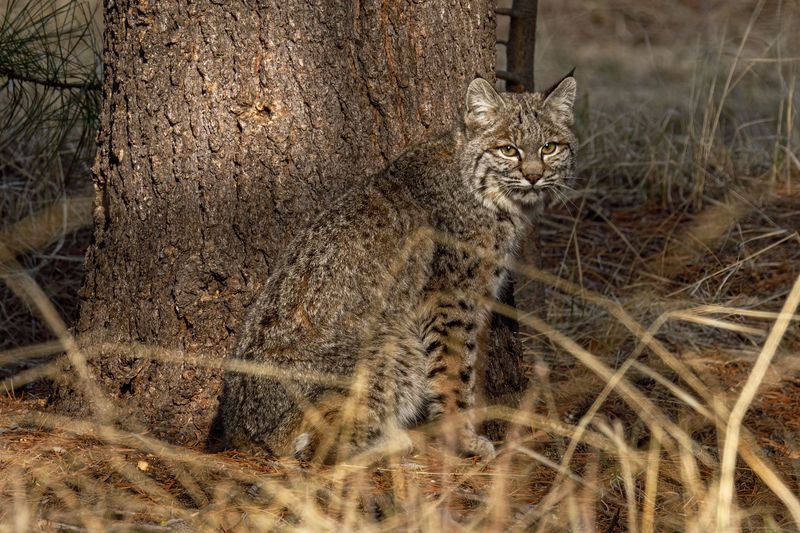
Kittens born last spring turn independent right about now, and teenagers travel far. Dispersal season sends young cats searching for territory that older adults have not claimed.
A juvenile bobcat may wander several miles, sometimes considerably farther, before settling on a place to stay. That journey often crosses subdivisions, greenways, powerline cuts, and somebody’s fenced backyard.
Inexperienced cats make rookie mistakes, like napping on a warm deck at noon. Adults know better and stick to thickets, which is why juveniles get spotted.
Bobcats are found in every Georgia county, so dispersing youngsters show up in most regions. Coastal marshes, Piedmont suburbs, and mountain hollows all host traveling young cats.
Most of these visitors move through within a night or two. Give them space and the situation resolves itself without any phone calls.
Do not feed a young bobcat, even if it looks thin and wobbly. Food from people teaches cats to linger, which helps nobody in the long run.
Report a cat that seems injured to Georgia DNR rather than approaching yourself. Trained staff carry equipment that no garage workbench can match.
Fencing helps if it stands tall with a smooth or angled top, since bobcats climb well. Bobcats climb well, so smooth surfaces and overhangs discourage the athletic ones.
Neighbors comparing camera clips often discover the same young cat crossing four yards. One traveler can create the impression of a whole roaming family.
Think of fall as graduation season for spotted teenagers with excellent balance. They are house hunting, not plotting, and your yard is merely a hallway.
4. Deer Season Activity Shifts Wildlife Toward Quiet Suburbs
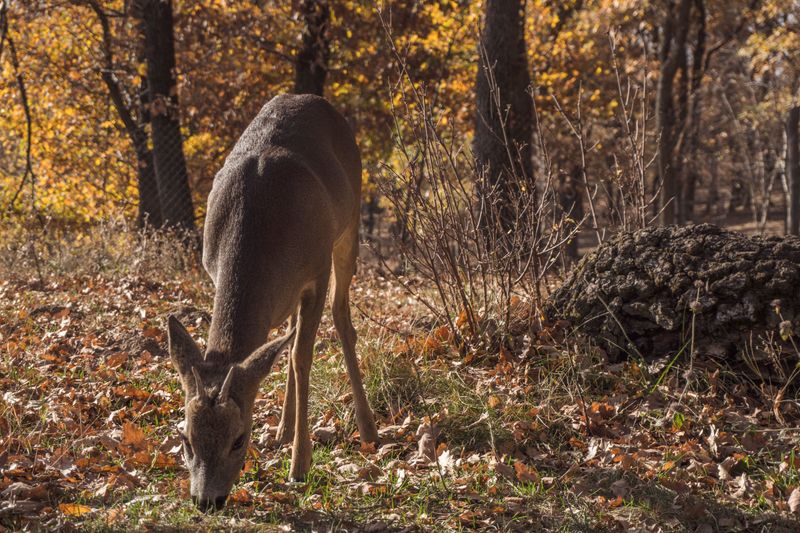
Hunting seasons open across Georgia in the fall, and rural woods get noticeably busier. Trucks, dogs, and foot traffic nudge wildlife toward calmer ground.
Quiet suburbs offer exactly that, with thick hedges, creek corridors, and fewer surprises. Bobcats read the landscape for safety first, food second.
Deer also move differently once pressure increases, drifting into neighborhoods where nobody bothers them. Where deer go, smaller prey and their predators tend to follow.
Gut piles and scraps left near property lines attract scavengers of every size. Bury or bag that material so your fence line does not become a cafeteria.
Suburban greenbelts act like highways connecting farmland to golf courses and parks. A bobcat can travel miles along a creek without touching a single road.
Homeowners near hunting clubs often notice the change first, usually in late October. Sightings climb, then settle again once the woods quiet down in winter.
Keep trash cans latched during those weeks, since raccoons draw cats indirectly. A yard without garbage is a yard without a crowd.
Outdoor cats face the biggest risk, so bring them in before sunset. Bobcats treat free roaming pets as competition and occasionally as opportunity.
Deer season also brings more people outside, which raises the odds of a sighting. More eyes in the woods means more photos of cats that were there already.
None of this signals danger for your family, just a reshuffled map. The woods got loud, so the neighbors moved in for a while.
5. Thinning Cover Makes Bobcats Easier To Spot
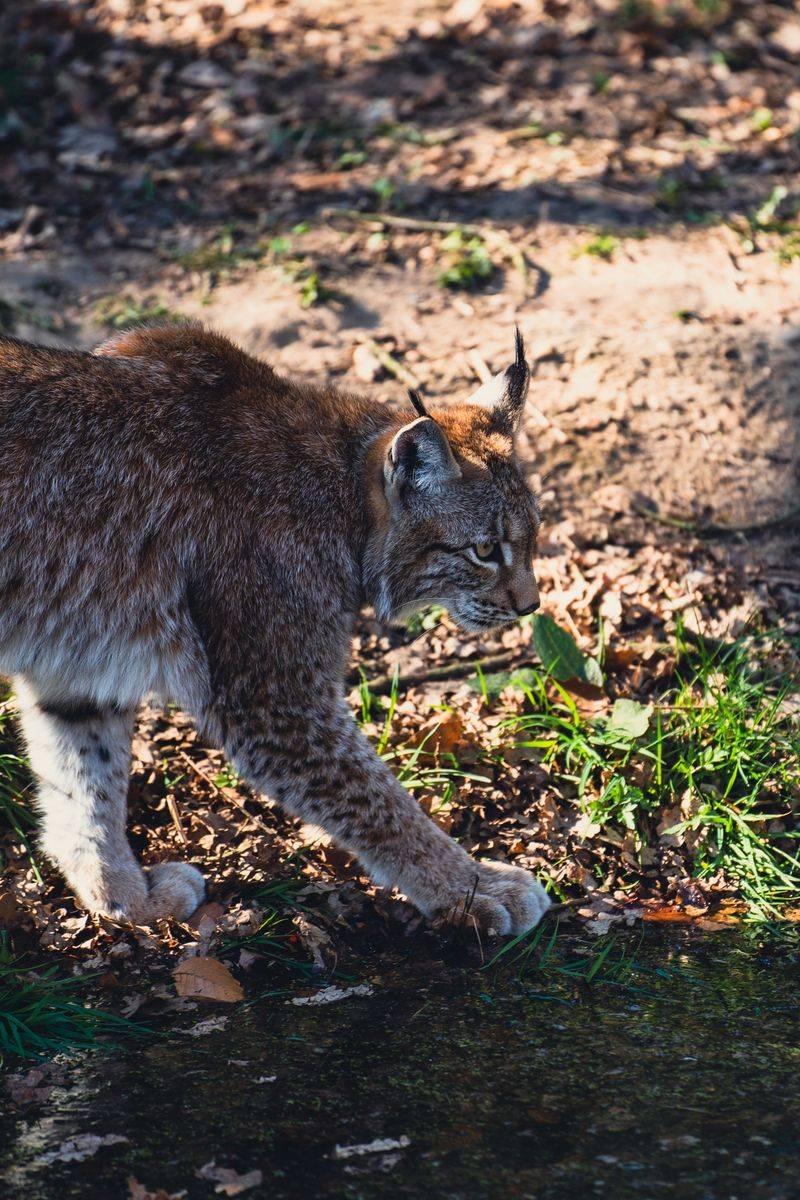
Georgia summers wrap yards in green walls of privet, kudzu, and honeysuckle. By October those walls thin out, and hidden animals suddenly appear in plain view.
The cats were there in August, padding past your azaleas without any audience. Leaf drop simply removes their curtain, turning routine behavior into a neighborhood event.
Sight lines stretch farther in fall, so a cat crossing the tree line reads clearly. Distance also tricks the eye, making a twenty pound bobcat look enormous.
Measuring the paw print helps settle arguments at the mailbox. Bobcat tracks run about two inches wide with four toes and no claw marks.
Tail length gives another clue, since a bobcat’s tail stops around six inches. House cats carry long tails, and coyotes carry bushy ones that hang low.
Trim overgrown shrubs and clear brush piles if you prefer fewer close encounters. Open yards feel exposed to a cat that survives by staying unseen.
Keep a little cover for songbirds, though, because bare lots help nobody. Balance beats extremes when you share ground with local wildlife.
Photograph from a window rather than chasing the animal across the lawn. Your phone zoom works better than your sprinting speed, honestly.
Neighbors often report their first sighting after a windy week strips the understory. Same cat, same path, brand new audience with smartphones ready. Fall doesn’t add bobcats to Georgia, it just removes the cover that hid them.
6. Backyard Chickens And Pet Food Attract Nighttime Visitors
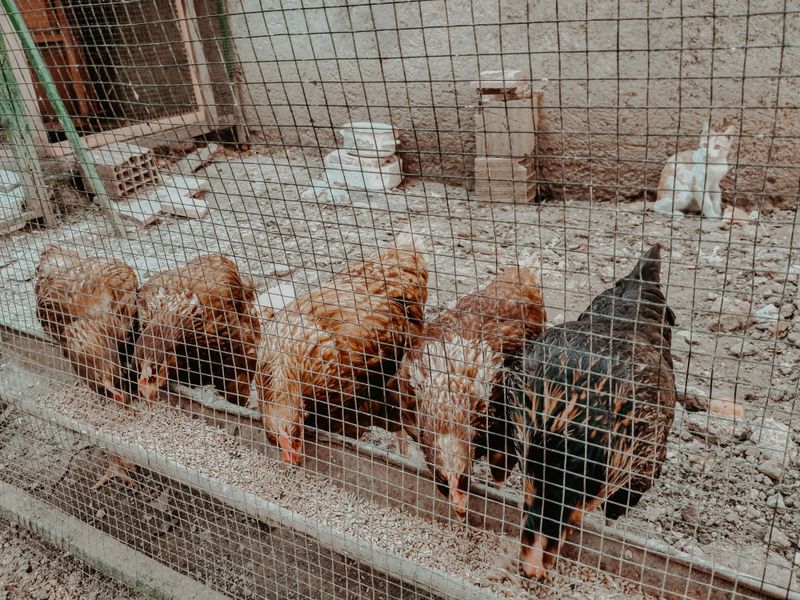
Backyard flocks have surged in popularity across Georgia, and bobcats noticed before you did. A coop full of hens smells like a slow moving opportunity.
Fall is when young cats test their skills, and poultry makes an easy lesson. Flimsy chicken wire slows nothing, since bobcats push and climb with real strength.
Hardware cloth with a fine mesh holds up far better than standard netting. Secure it to framing with screws and washers rather than staples.
Cover the run overhead, because a cat that climbs a fence drops straight in. Bury a wire apron several inches deep along the edges.
Lock birds inside a solid coop every evening without skipping nights. Automatic doors cost less than replacing a flock you raised from chicks.
Pet bowls on the patio invite raccoons and opossums, which invite bigger visitors. Feed dogs and cats indoors, then rinse the bowls before bedtime.
Water features matter as well during a dry Georgia autumn. Birdbaths, koi ponds, and leaky spigots draw prey animals that cats follow after dark.
Motion activated sprinklers work surprisingly well and provide free entertainment for the household. Most wildlife decides the sudden shower is not worth the trouble.
Guardian animals help some families, though geese make questionable roommates for quiet streets. Good fencing asks fewer favors and complains a great deal less. A well built coop removes the incentive for predators to linger, and your hens stay safer.
7. Shorter Days Overlap Bobcat Activity With Human Schedules
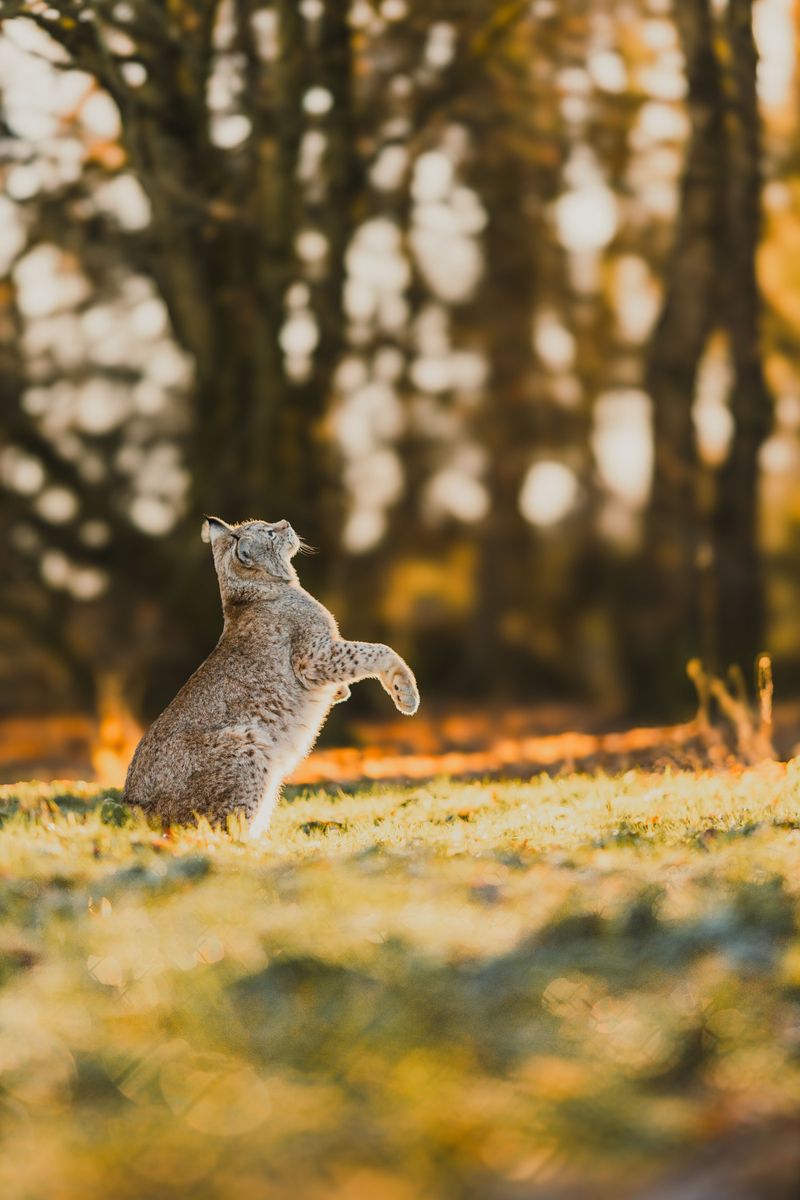
Daylight shrinks quickly after September, and sunset arrives while you are still outside. Bobcats hunt most at dawn and dusk, which now lands during commute hours.
Nothing about the cat’s behavior changed, only the timing of your porch light. Overlap creates sightings, and sightings create excited group texts across the whole street.
Evening dog walks become the most common moment for a surprise encounter. Carry a flashlight and keep the leash short along wooded stretches.
If you meet one, stop walking and let the animal choose its exit. Running triggers curiosity, and nobody wins that footrace anyway.
Bobcats rarely approach people, and confirmed incidents involving humans in Georgia are very rare. Most cats disappear into the brush before you finish reaching for your phone.
Teach children to stand still, back away slowly, and tell an adult. Practicing the routine once makes it stick better than a lecture.
Outdoor decorations and late yard work extend your own evening schedule. Lighting near walkways gives both species fair warning.
Time change in November shifts the pattern again, pushing dusk earlier still. Expect a second wave of sightings as the time change pushes dusk earlier.
Neighborhood apps light up every October with grainy photos and bold opinions. Half those pictures show a house cat with impressive posture.
Setting a porch camera answers questions faster than arguing about shadows. Footage usually shows one calm cat trotting by on its normal route.
Think of it as scheduling conflict rather than confrontation. You both want the same golden hour, and only one of you has whiskers.
8. Drought And Water Sources Pull Cats Toward Yards
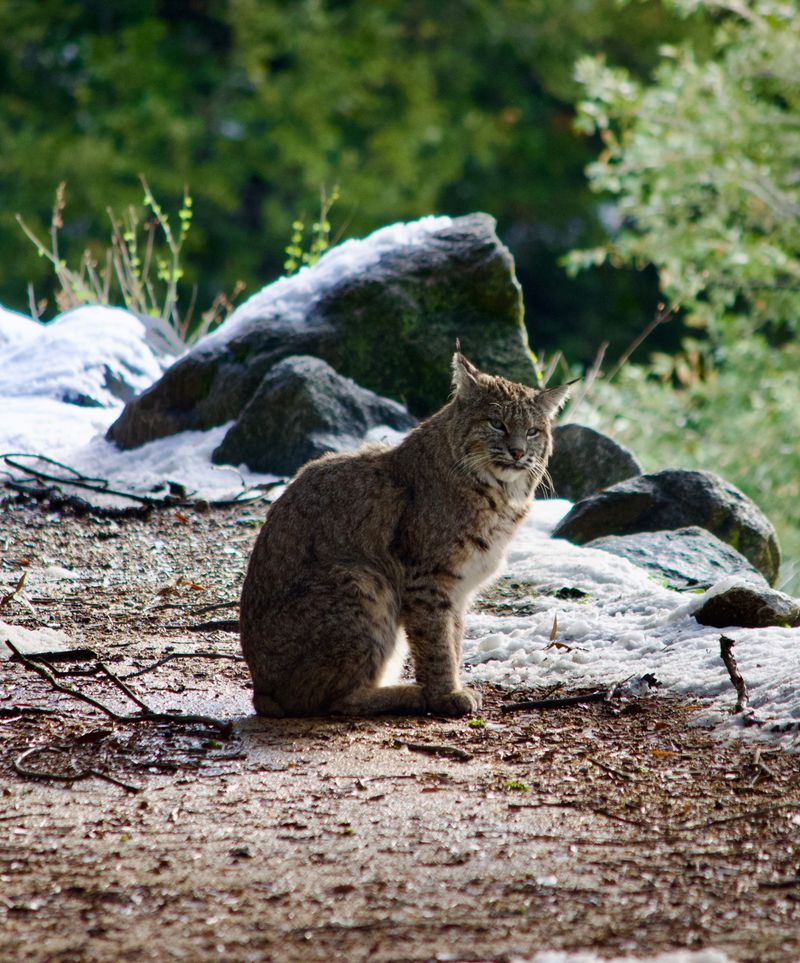
Late summer often leaves Georgia creeks running low, and September rain can be stingy. Animals follow water, and suburban yards hold more of it than dry woods.
Sprinkler systems, koi ponds, and birdbaths create reliable drinking spots during a dry stretch. Bobcats drink like everyone else, usually under cover of darkness.
Prey gathers at water too, which doubles the appeal of a damp corner. Rabbits, chipmunks, and birds cluster where the ground stays soft and green.
Fixing leaky hose bibs removes a small but steady attraction near the house. Every drip counts when the nearest stream sits half a mile away.
Ponds with steep edges and open banks invite visitors of all kinds. Clearing brush around the pond edge makes cautious animals feel exposed there.
Water for pets should sit indoors overnight rather than on the back steps. Refill bowls in the morning when the household wakes up anyway.
During drier stretches, wildlife sightings near homes tend to increase as animals search out reliable water.
Neighbors who shut off decorative fountains often see sightings drop noticeably. Cats simply relocate to the next reliable puddle down the greenway.
Sharing water occasionally is not a crisis, and bobcats keep rodent numbers down. Free pest control arrives with spotted fur and a very short tail.
Keep the relationship distant and everyone benefits from the arrangement. Admire from the kitchen window, coffee in hand, screen door firmly shut.