Acorns To Oaks: The Easy Winter Method For Growing Free Oak Trees In Ohio
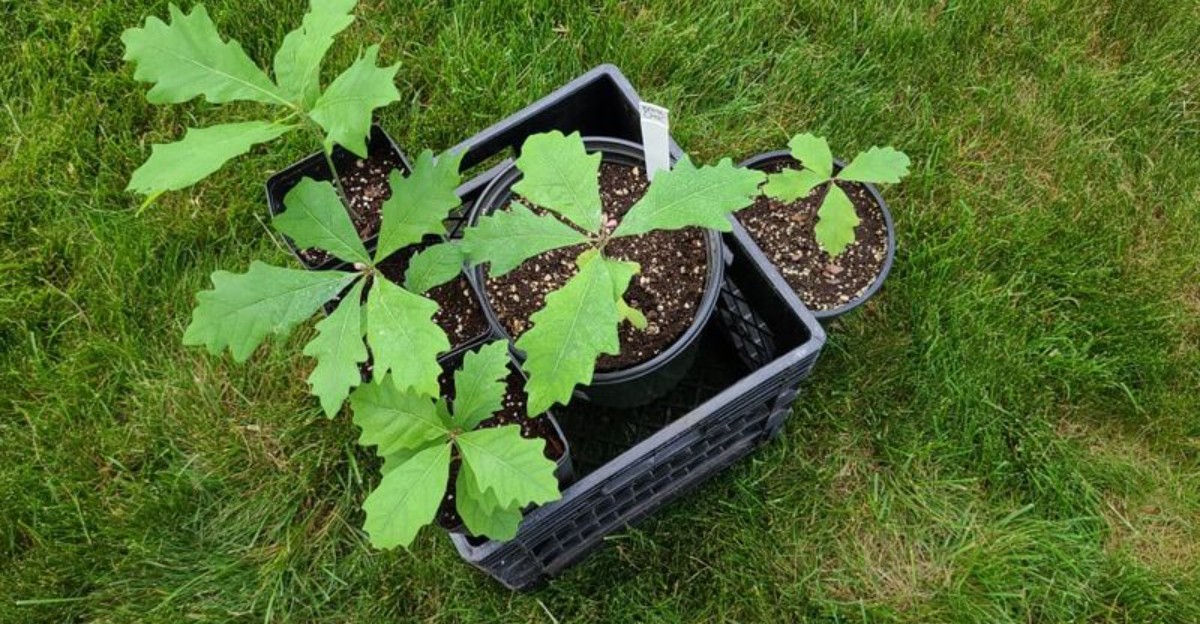
A single mature oak can drop thousands of acorns in a good year, and only about one in ten thousand may ever become a tree. Squirrels, deer, mice, and weevils claim most of the rest.
That number stopped me cold the first time I read it. It also made me look at my lawn differently every fall.
Here in Ohio, those wasted seeds are sitting under trees in parks, yards, and woodlots right now. I like the idea of rescuing a few of them.
You need almost no gear, no greenhouse, and no money at all.
The secret is a trick winter already performs in the woods every year. You just borrow it, move it into your fridge or a protected pot, and let the cold do the heavy work.
You didn’t hear it from me, but your gutter might be hiding a whole grove of future shade trees right now.
Those Fallen Acorns Are Waiting For A Cold Signal
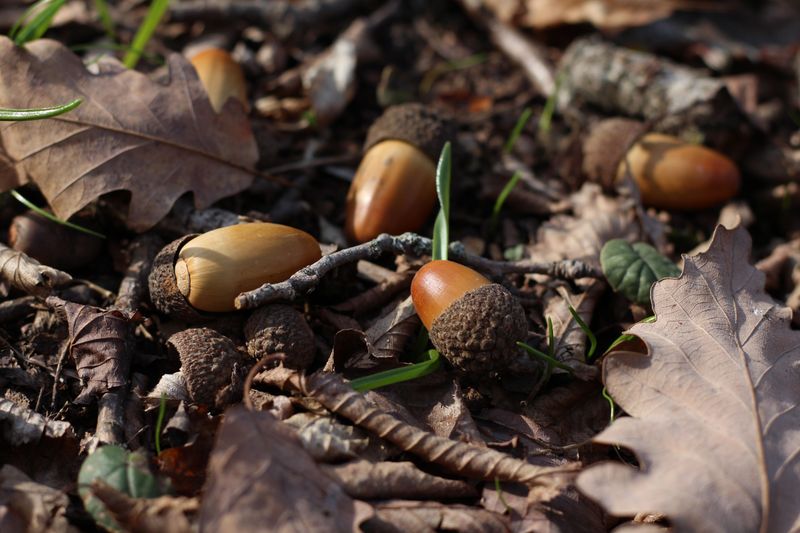
Out in the woods, an acorn falls, gets tucked under a blanket of wet leaves, and sits through months of cold. That long chilly rest is the whole trick behind the winter method.
Scientists call it cold stratification. Many seeds carry a built-in dormancy, a kind of internal lock that keeps them from sprouting too early.
Steady cold and moisture slowly open that lock, so the seed knows spring has arrived.
Oaks split into two big groups, and they behave differently. Red oaks, including northern red, pin, and black oak, have pointed leaf lobes and acorns that need a winter chill before they will grow.
White oaks, like white, bur, and swamp white oak, have rounded lobes and acorns that often send out a root soon after falling in autumn.
Knowing which group you have changes your plan. Red oak acorns need patience through the cold months.
White oak acorns need speed, because they can sprout in your collection bucket if you wait too long.
I find it oddly comforting that the tree handles most of the hard work. Your job is simply to copy the conditions a forest floor already provides, then step back and let biology take over.
Your Refrigerator Can Play The Role Of A Forest Floor
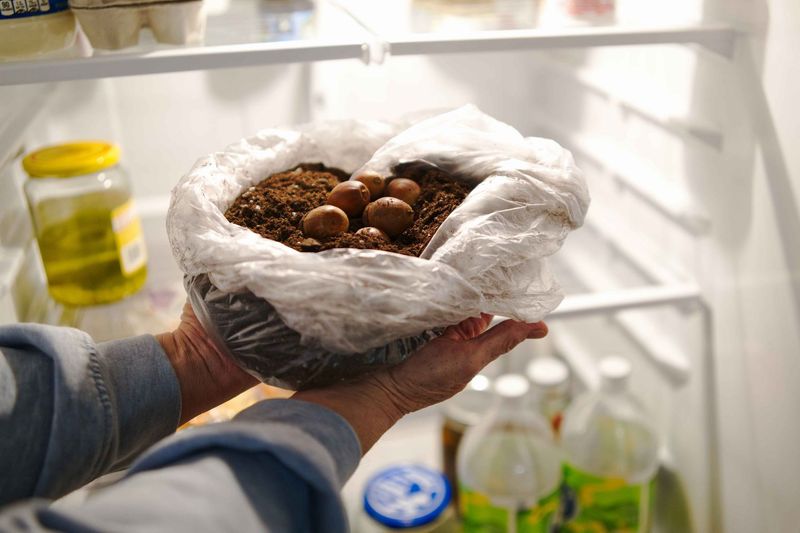
Grab a zip-top bag, a handful of damp peat moss or sand, and a spot in your fridge. That is honestly most of the setup.
Mix your cleaned red oak acorns with the moist material. It should feel like a wrung-out sponge, damp but never dripping.
Seal the bag loosely, label it with the date and the tree it came from, then slide it into the crisper drawer.
Aim for temperatures roughly between 34 and 41 degrees Fahrenheit. Most refrigerators already sit in that range.
Plan on about 60 to 90 days of chill, so acorns bagged in November are often ready by February or March.
Check the bag every couple of weeks. Add a few drops of water if it looks dry, and toss any acorns that turn moldy or mushy.
Keep the bag away from ripe apples, since the ethylene gas they release can affect stored seeds.
White oak acorns can go into the bag too if you cannot plant them right away. Many will push out little white roots while chilling.
When that happens, they are ready for soil, and you get the fun surprise of watching life start inside your kitchen.
A Bucket Of Water Sorts Good Acorns From Duds
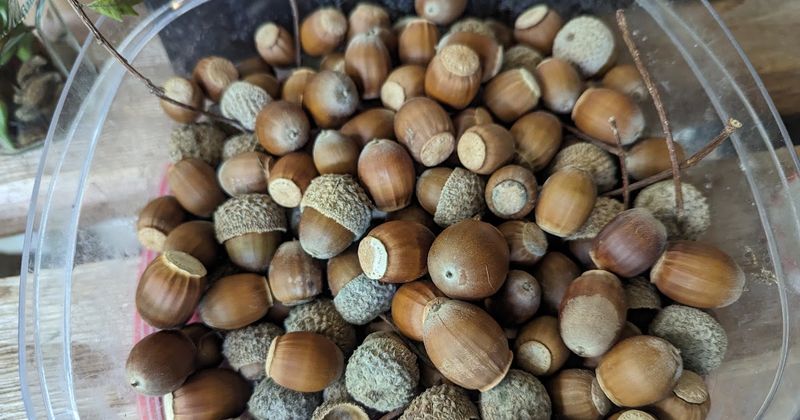
Fun fact for your next walk: floating acorns are usually telling you a secret. Many have been hollowed out by acorn weevil larvae or have dried out inside.
Gather acorns in Ohio from late September through November, depending on the species and the year. Pick ones that feel heavy and firm, with caps that pop off easily.
Skip any with small round holes, cracks, or dark soft spots.
Back home, dump your haul into a bucket of water. Wait a few minutes, then scoop off the floaters and add them to your compost.
The sinkers are your best bets for growing.
The float test is helpful but not perfect. A few floaters may still sprout, and a sinker can still fail, so collect extra.
Gathering two or three times as many as you want gives you a nice cushion.
Try to collect from healthy trees growing near you. Local seed comes from parents already suited to your soil and winters.
Ask permission on private land, and check rules before gathering in state parks or nature preserves, since collecting policies vary by location.
Deep Pots Give That Oak Taproot Room To Plunge
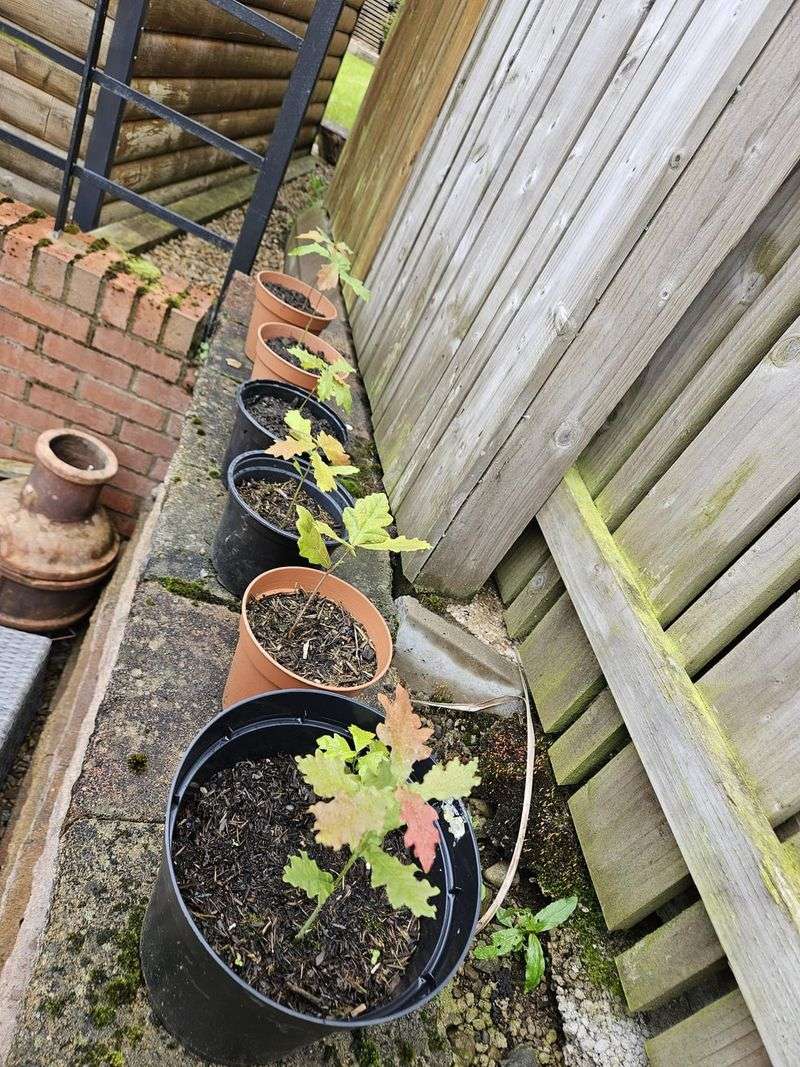
Oak seedlings are sneaky. Above the soil they look tiny, but underground a long taproot is racing downward, sometimes reaching several inches before the first leaves open.
Shallow cups cramp that root fast. Choose deep containers, at least 6 inches and ideally 8 or more.
Tall tree pots, cut-down milk cartons, or tall nursery pots all work well, as long as they have drainage holes.
Fill them with a light, well-draining potting mix. Set each acorn on its side about 1 inch deep, or point any visible root downward.
Water gently so the mix stays evenly moist, not soggy, since wet soil invites rot.
Sprouts usually appear within a few weeks once the pots sit somewhere warm. A bright south window or a simple shop light kept a few inches above the seedlings keeps stems sturdy instead of stretched and floppy.
Prefer the low-effort route? You can also plant stratified acorns straight into an outdoor bed in early spring.
Some gardeners skip the fridge and sow acorns outdoors in fall, letting the real winter handle the chill. That shortcut works well too, as long as you guard the spot from hungry visitors.
Squirrels Will Find Your Buried Acorns Unless You Block Them
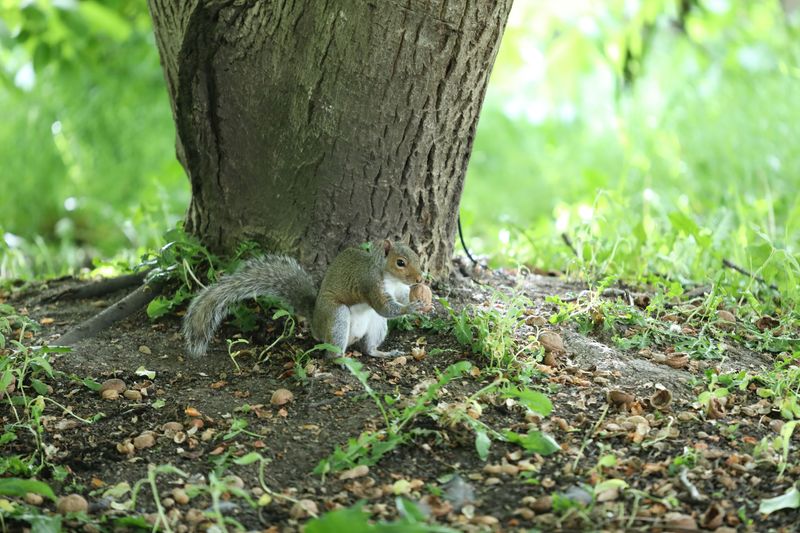
Gray squirrels bury acorns by the thousands, and they have a sharp nose for finding them again. Your carefully planted seeds look like a free snack bar to them.
Hardware cloth is your best friend here. Lay a square of quarter-inch or half-inch mesh flat over a seed bed and pin it down, or bend it into a small cage over each spot.
Shoots grow right through the holes while paws stay out.
Mice and voles cause trouble too, especially under thick mulch in winter. Keep mulch thin directly over buried acorns, and seal the sides of any cage by pushing the edges a couple of inches into the soil.
Once seedlings stand taller, deer become the bigger worry. Ohio has a large white-tailed deer population, and young oak tips are a favorite browse.
Plastic tree tubes or a ring of wire fencing about 4 to 5 feet tall gives saplings a fighting chance.
Rabbits like to nibble young bark in winter, so a mesh guard around the lower stem helps. Honestly, protection is the step people skip most, and it is often the reason a promising little tree vanishes overnight.
Young Oak Seedlings Need A Slow Introduction To Outdoor Life
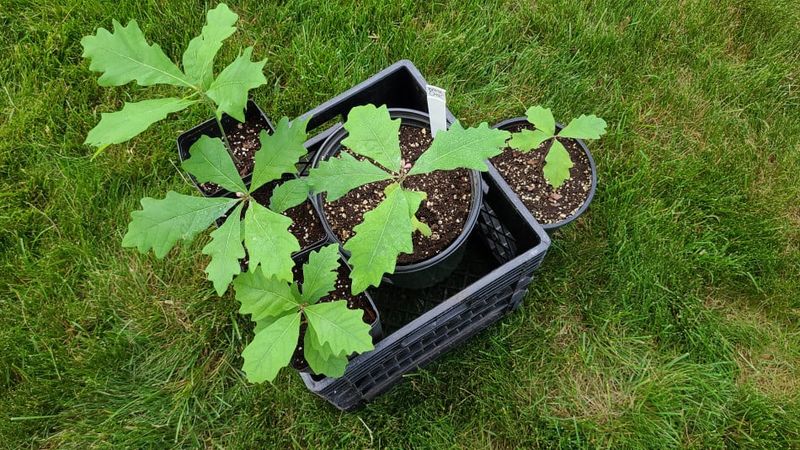
Moving a pampered indoor seedling straight into full sun and wind is a bit like sending someone from a cozy couch into a snowstorm. A gentle transition makes a huge difference.
Wait until frost danger passes in your area. That is often late April in southern Ohio and mid-May near Lake Erie and in the northern counties.
Then start hardening off your seedlings.
Set the pots outside in a shady, sheltered spot for an hour or two on day one. Add more time and more sunlight each day over one to two weeks.
Bring them inside on cold nights or during harsh storms.
Watch the leaves as you go. Pale or scorched patches mean the sun exposure jumped too fast, so dial it back a day or two.
Water often, since small pots dry out quickly in breezy spring weather.
Skip heavy fertilizer during this first season. Oaks put their early energy into roots, and a rich feeding mostly pushes soft top growth.
A light, balanced feeding is plenty if leaves look pale. By summer, your little trees should feel tough, leafy, and ready for the next stage.
Picking A Forever Spot For A Mighty Bur Or White Oak
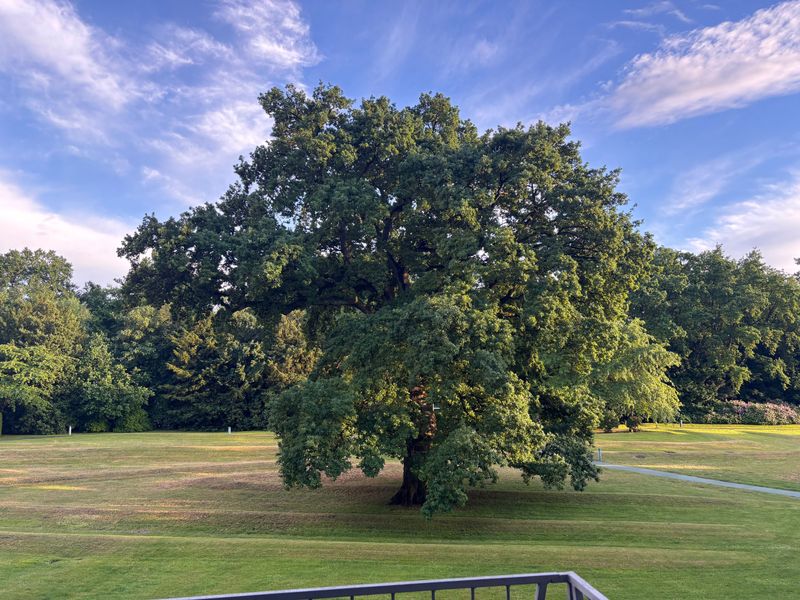
Some oaks live for centuries and spread wider than a house. That little seedling deserves a home with room to stretch.
Choose a sunny spot, since most oaks prefer full sun. Keep it well away from your foundation, septic system, driveway, and overhead power lines.
Many species reach 60 to 80 feet tall with a similar spread.
Match the oak to your conditions. Swamp white and pin oak handle wetter ground, while bur and chinkapin oak tolerate drier, alkaline soils found in parts of western Ohio.
Northern red oak grows fairly fast in average, well-drained sites.
Transplant while the seedling is still young, ideally in fall or early spring. Smaller oaks move far more easily because that taproot gets harder to dig as it lengthens.
Dig a hole two to three times wider than the root mass but no deeper, so the root flare sits at soil level.
Water deeply after planting and through dry spells for the first couple of years. Spread wood chips in a wide ring a few inches thick, keeping mulch off the stem.
Skip the volcano piles, since bark stays healthier when it can breathe.
One Backyard Oak Can Feed Hundreds Of Caterpillar Species
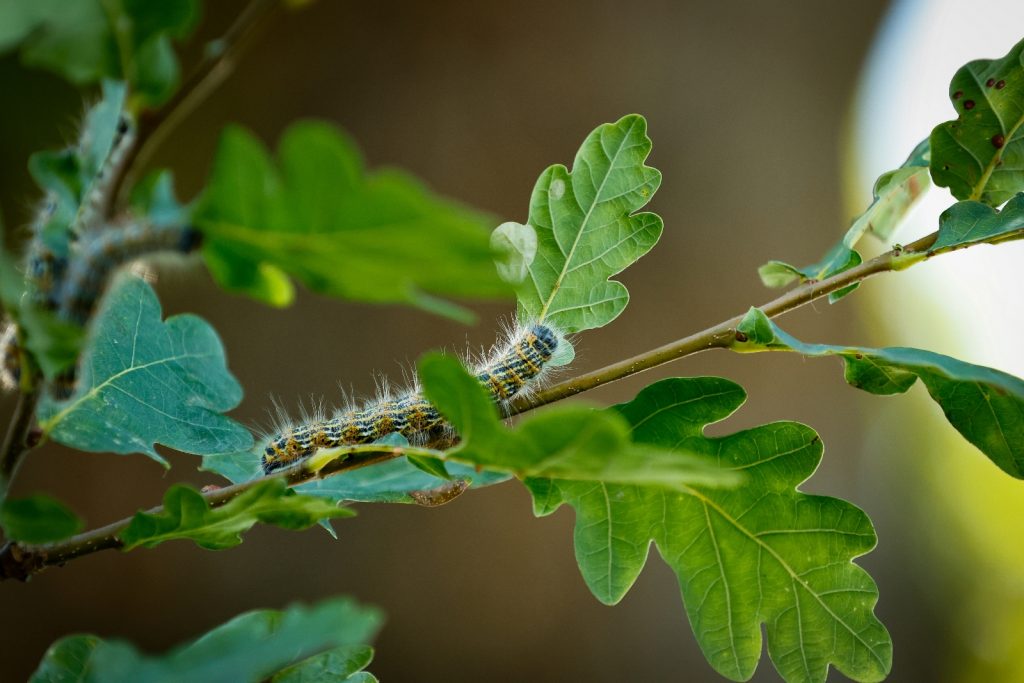
Entomologist Doug Tallamy, from the University of Delaware, found that native oaks support more species of moths and butterflies than almost any other tree in much of North America. His research counts hundreds of caterpillar species on oaks.
Those caterpillars matter more than they sound. Songbirds such as chickadees need thousands of them to raise a single brood.
Plant an oak, and you are basically stocking a bird nursery for decades.
Acorns also feed deer, turkeys, blue jays, woodpeckers, and squirrels. Even the fallen leaves help, sheltering beetles, spiders, and overwintering insects when left in beds.
Patience is part of the deal. Many oaks take 20 years or more before producing big acorn crops.
Still, they often grow faster than people expect, sometimes a foot or more a year in good conditions.
So here is a simple next step. Collect a dozen acorns this fall, chill them over winter, and share extra seedlings with neighbors, schools, or local conservation groups.
Ohio’s official state tree is the buckeye, but the humble acorn may be the most generous gift you can pass along to the next generation of gardeners.