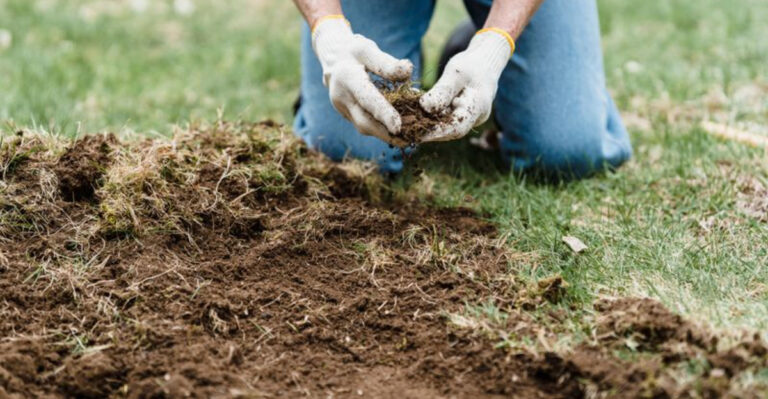
Plant These 8 Flowers in Your New York Garden Now and Thank Yourself in Spring
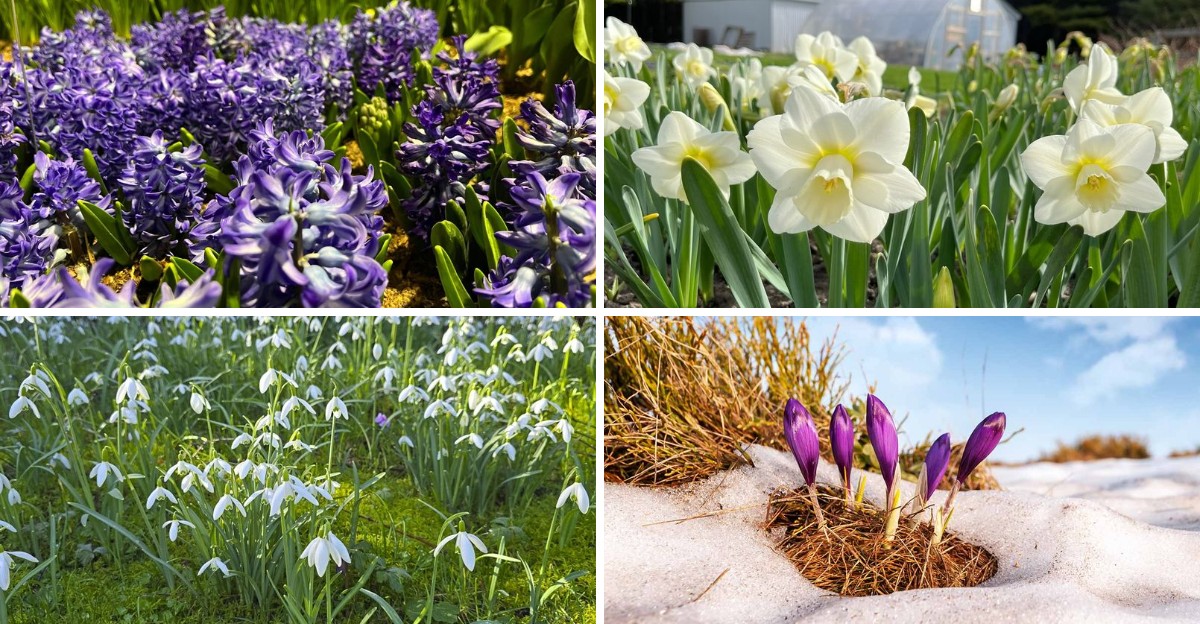
A bulb sitting in your frozen yard is not sleeping on the job. Many spring bloomers need roughly 12 to 16 weeks of steady cold before they will even think about flowering.
I learned that the hard way. One year I waited until March to plant, and my reward was a patch of floppy leaves and zero color. My garden taught me that spring flowers are really a fall project.
Here in New York, the window opens once the soil cools below about 55 degrees and closes when the ground freezes hard. That usually means late September through early December, depending on where you live.
So what goes in the ground now? A few choices shrug off deer, a couple bloom through snow, and one smells so sweet you will catch it from the sidewalk. Which one will you plant first?
1. Those Daffodil Bulbs Are Counting On a Cold New York Winter
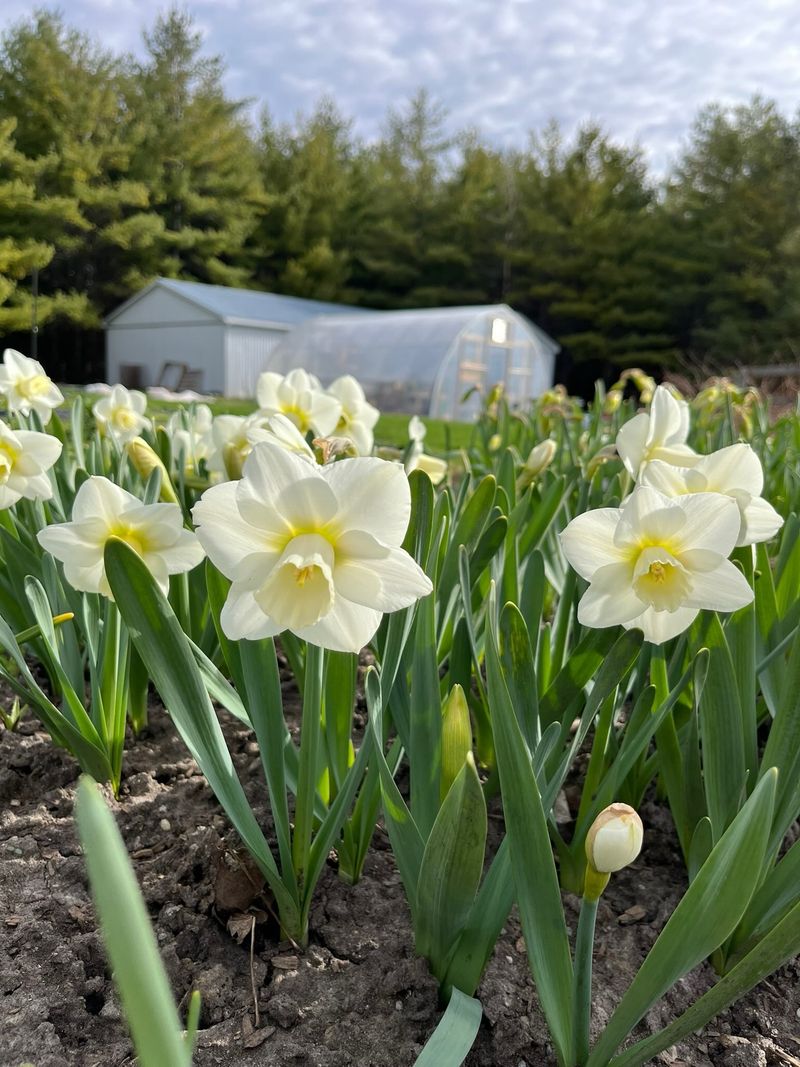
Cold is not the enemy of spring color. For daffodils, a long winter chill is the signal that tells the bulb to build its flower bud.
Bulbs planted in fall get that chill naturally underground. Skip it, and you often end up with leaves but no blooms.
That is why fall planting matters so much for this cheerful flower.
I call daffodils my no-drama bulb. Deer and squirrels mostly leave them alone because the bulbs and leaves contain bitter, toxic compounds called alkaloids.
If critters raid your garden every year, start here.
Plant each bulb about 6 inches deep with the pointy end up. Space them 4 to 6 inches apart in a sunny spot with soil that drains well.
Soggy ground leads to rot, so avoid low spots where puddles linger.
Across the state, aim for late September through November. Upstate gardeners in zones 4 and 5 should plant earlier, while folks near the city and on Long Island can often wait until late fall.
One tip I wish someone had told me sooner is to let the leaves stay after blooming. They feed the bulb for next year.
Wait until they turn yellow, usually about six weeks later, before you trim them. Treated well, daffodils come back for years and slowly multiply into bigger, brighter clumps.
2. Tulips Bring the Big Spring Show If You Outsmart the Deer
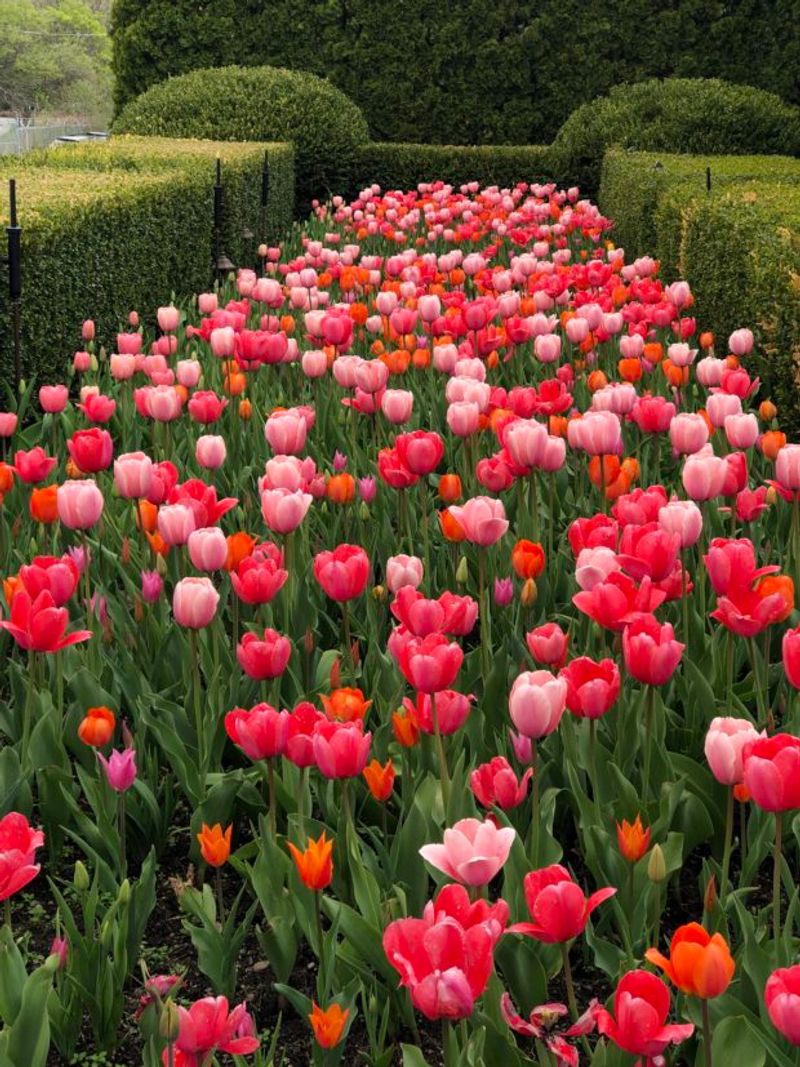
Back in the 1630s, tulip bulbs in Holland traded for wild sums of money. Today you can grab a bag for a few dollars, and the show is just as stunning.
Tulips come in nearly every color except true blue. By mixing early, mid, and late types, you can stretch blooms from April well into May.
I like planting a few of each so the color keeps rolling.
Deer, though, treat tulips like a salad bar. If they visit your yard, try a few tricks:
Lay chicken wire over the planting area before covering with mulch. Use deer repellent sprays in early spring as shoots appear.
Plant tulips closer to the house where deer feel less safe.
Set bulbs 6 to 8 inches deep in full sun with good drainage. Deeper planting helps them handle freezing and thawing cycles and may help them return.
Many fancy hybrid tulips bloom best in their first year and fade after that. If you want flowers that come back, look for Darwin hybrids or small species tulips like Tulipa tarda.
Those tend to perennialize better in cold climates.
Plant once soil cools, typically October through November. Tulips handle late planting better than most bulbs, so a bag found on clearance in early December can still go in if the ground can be dug.
3. Purple Crocus Cups Will Pop Up Before the Snow Melts
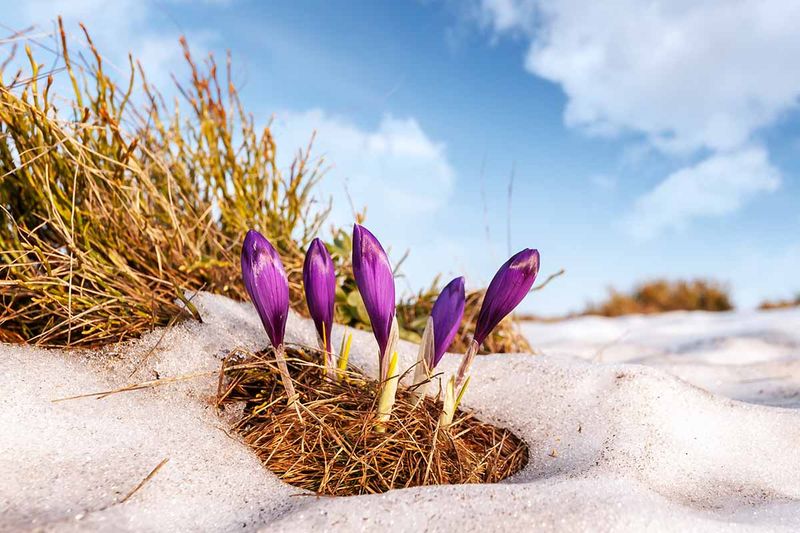
My favorite March surprise is spotting a purple crocus poking through a crust of snow. It feels like the garden is winking at me.
Crocuses are some of the earliest bloomers you can grow. Snow crocus types often open in late February or March, with larger Dutch crocuses following a couple of weeks later.
Their little cups open in sunshine and close on cloudy days.
Early bees love them too. On a warm late-winter afternoon, you may see honeybees and native bees tumbling around inside the blooms, dusted in orange pollen.
That alone makes them worth planting.
The corms are small, so planting goes fast. Tuck them about 3 to 4 inches deep and 2 to 3 inches apart.
Groups of 25 or more look far better than a scattered few.
Want a fun trick? Plant them right into your lawn.
Crocuses bloom and finish before most people mow, so they make a sweet carpet in the grass. Just hold off cutting until the leaves yellow.
Squirrels and chipmunks do enjoy digging them up. Covering the planted area with a piece of hardware cloth for the first winter helps.
Some gardeners also find that Crocus tommasinianus, often called tommies, gets bothered less. Plant them in September or October for the best start.
4. Tiny White Snowdrops Bloom When Nothing Else Dares
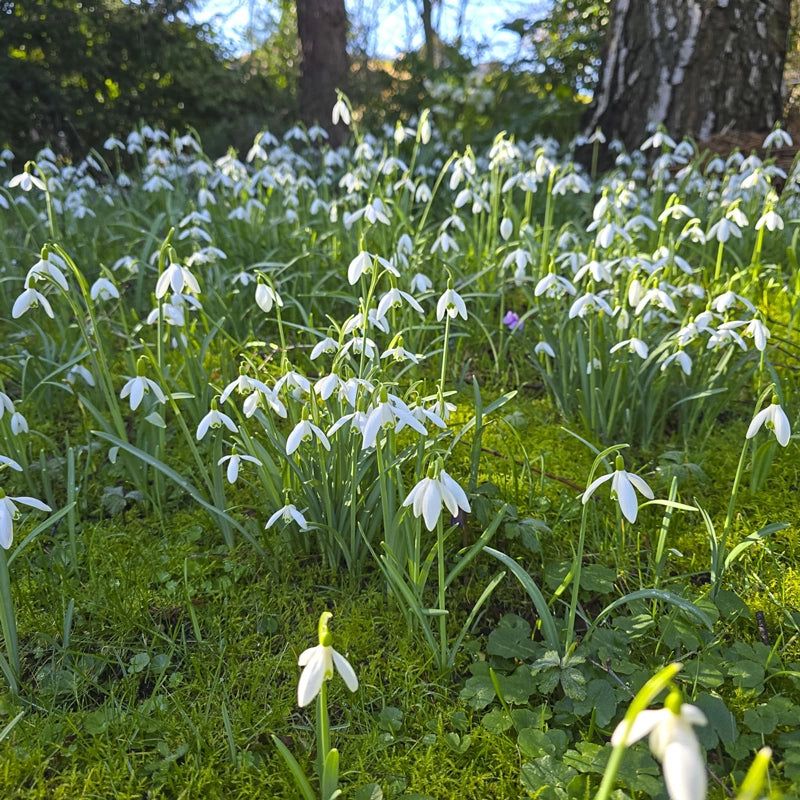
Snowdrops have a stubborn streak I admire. These tiny white bells can open in February, sometimes even late January in milder spots, while the rest of the yard is still brown.
The secret is a chemistry trick. Snowdrop leaves have hardened tips that help them push through frozen soil.
On frosty nights the flowers may flop over, then perk back up once the sun warms them.
Here is a quirky fact. A compound called galantamine, first studied from snowdrop relatives, is now used in a medication for memory loss.
Not bad for a flower barely 6 inches tall.
Snowdrops like what many New York yards already have. Think partial shade under deciduous trees, moist soil, and plenty of leaf litter.
They are happy in woodland edges where they get sun in late winter before trees leaf out.
Plant bulbs about 3 inches deep and 3 inches apart in early fall. Dried bulbs can be slow to settle in, so buy from a reputable seller and plant soon after they arrive.
Some gardeners prefer moving clumps in spring right after bloom, called planting in the green.
Deer and rodents mostly ignore them. Over the years, a small patch can spread into a lovely white drift if you leave it alone.
5. One Whiff of Hyacinth Blooms Will Stop You in Your Tracks
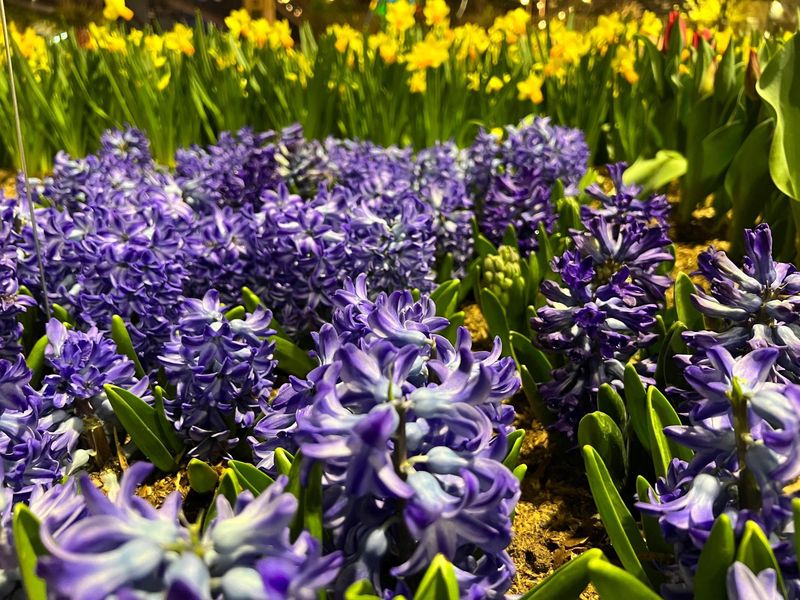
Ask anyone who walks past my front steps in April. The scent from a single row of hyacinths can drift several feet and makes people slow down to sniff.
Hyacinths grow thick spikes packed with star-shaped flowers. Colors include pink, purple, blue, white, apricot, and even pale yellow.
They bloom in mid-spring, often right alongside daffodils.
Since the fragrance is the star, plant them where you will actually smell them. Near doors, walkways, patios, or under a window you open on warm days.
I made the mistake once of hiding them at the back of a bed, and I barely noticed them.
Set bulbs about 5 to 6 inches deep and 5 inches apart. They prefer full sun to light shade and soil that drains well.
Wet feet lead to rot fast.
A quick heads-up is that the bulbs can irritate skin for some people. Wearing gloves while planting is a smart move.
Expect the first spring to be the biggest. In later years, flower spikes usually get looser and smaller, which many gardeners find more natural and charming.
Deer tend to pass them by. Plant in October or early November once the soil has cooled, and you will have a sweet-smelling welcome mat waiting next spring.
6. Giant Allium Globes Add Height After the Tulips Fade
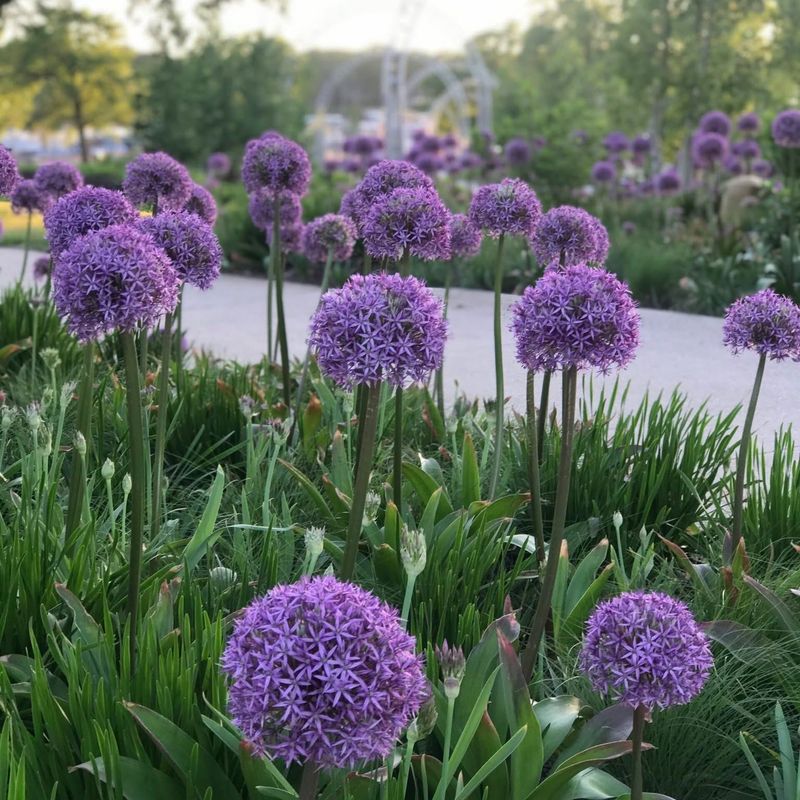
Purple lollipops floating above the garden. That is the best way I can describe ornamental alliums, and kids passing by usually agree.
Alliums are relatives of onions and garlic. That family connection gives them a mild oniony smell when crushed, which is exactly why deer and rodents usually leave them alone.
Pollinators, on the other hand, swarm the blooms.
They also solve a common problem. Many spring bulbs finish by mid-May, leaving a gap before summer perennials kick in.
Alliums fill that space, blooming from late spring into early summer.
Sizes vary a lot. Drumstick allium stays small and blooms in July, while Globemaster can reach 3 feet tall with heads as wide as a softball or bigger.
Mixing a few types gives you weeks of fun shapes.
The general rule is to plant bulbs about two to three times as deep as the bulb is tall. Large bulbs often go 6 to 8 inches down.
Give them full sun and well-drained soil, since heavy wet clay causes rot.
Most are hardy in zones 4 to 8, fitting nearly every part of the state. Their leaves often yellow while the flowers are still showing, so plant them among perennials that hide the foliage.
After blooming, leave the seed heads standing for extra garden texture.
7. Grape Hyacinth Clusters Make the Easiest Blue Carpet
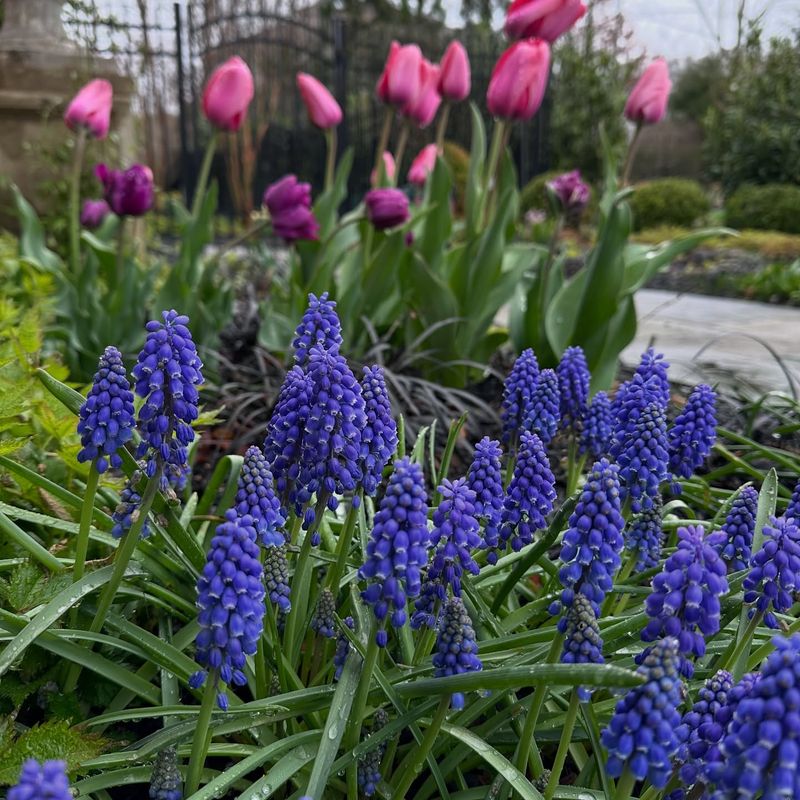
Honestly, grape hyacinths might be the most forgiving bulb I have ever planted. I have tossed them into rocky corners, under shrubs, and along the driveway, and they still showed up smiling.
Known by the botanical name Muscari, these little bulbs form tight clusters of tiny bell-shaped flowers. They look a lot like miniature bunches of grapes.
Most are cobalt or violet blue, with white and pale blue types available too.
Their small size makes them great helpers. Plant them in front of tulips or daffodils to create a blue river under taller blooms.
They also work beautifully in containers and rock gardens.
Planting couldn’t be easier. Set bulbs about 3 inches deep and a few inches apart in full sun or partial shade.
They are not picky about soil as long as it drains.
One quirk surprises new growers. Grass-like leaves often pop up in fall, right after planting.
That is normal, and the plants handle winter just fine.
Deer and rodents generally skip them. Over time, Muscari multiplies by offsets and sometimes seeds, so a handful turns into a generous patch.
If they wander where you do not want them, just dig some up after bloom and share with a friend. Plant from late September through October for strong roots.
8. Native Virginia Bluebells Give Bees a Spring Feast
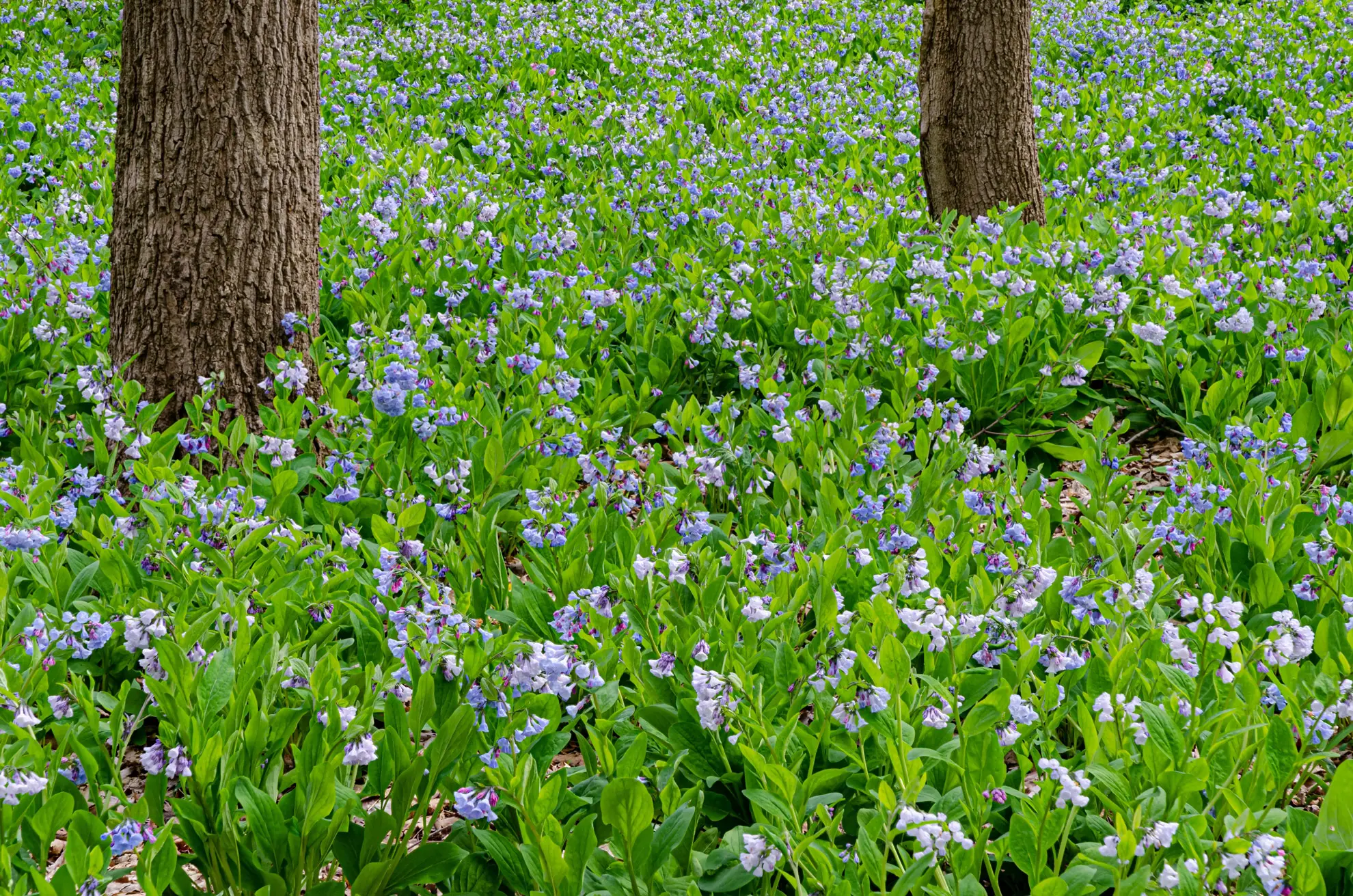
Not every spring flower comes from Holland. Virginia bluebells grow wild in parts of New York, and planting them is a lovely way to welcome native bees.
Their buds start pink and slowly open into sky-blue bells. Bumblebees can easily reach the nectar inside, so the plants buzz with activity in April and May.
By summer the plants go dormant and vanish, which is normal.
Fall is a great time to plant dormant roots or potted plants. Choose a spot with partial to full shade and moist, rich soil, much like a forest floor.
Set roots so the top bud sits about an inch below the surface. Because wild populations are protected in the state, buy nursery-grown plants rather than digging from the woods.
Pair them with hostas or ferns that fill in once the bluebells fade. That keeps your bed from looking bare by July.
Before you put the trowel away for winter, run through a quick checklist for every bulb on this list:
Water deeply right after planting to settle soil and start roots. Mix compost into heavy clay to improve drainage.
Once the ground freezes, spread 2 to 4 inches of shredded leaves or mulch to reduce frost heaving. A little effort now means a yard full of color, buzzing bees, and a very happy you come spring.