10 New York Fall Lawn Jobs Every Homeowner Should Check Off This Week
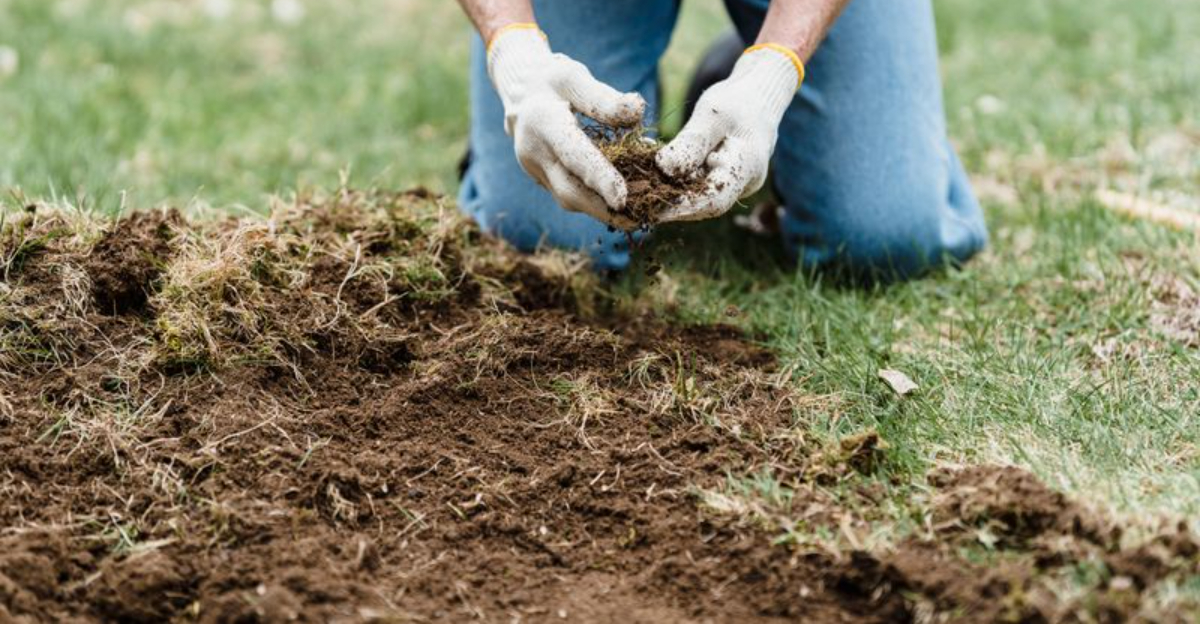
The secret to a greener, healthier lawn next spring starts before winter ever arrives.
Your lawn may be looking rough after a long summer. You have probably noticed thin spots, tired grass, or areas that just are not bouncing back.
The good news is that you still have time to help. Fall gives your grass a strong chance to rebuild its roots before colder weather arrives.
In New York, cooler temperatures and steady moisture create the perfect conditions for important lawn care steps that can transform your yard.
A few simple tasks can help you have a thicker, healthier lawn when spring comes around. Your weekend lawn routine might be the key to your best yard yet.
1. Reset Your Lawn Before Fall Gets Too Cold
Some homeowners think spring is the best time to fix a lawn, but lawn care experts will tell you that fall is where the real magic happens.
Cool-season grasses, which are the most common type grown throughout New York State, naturally shift into recovery mode when temperatures drop in late August and September.
The cooler air combined with soil that still holds summer warmth creates the ideal environment for roots to grow deep and strong.
Aeration, overseeding, and early fall fertilization are the three core steps of a proper fall lawn reset.
Aerating your lawn pulls small plugs of compacted soil out of the ground, opening up pathways for air, water, and nutrients to reach the roots.
Without this step, even the best fertilizer struggles to do its job because the soil is simply too tight to absorb it.
Homeowners in areas like Westchester and Long Island should aim to start their fall reset no later than mid-September.
The earlier you begin, the more time your grass has to recover and build strength before the ground freezes.
A well-timed reset now means a noticeably thicker, greener lawn when spring arrives.
2. Use This Week To Prepare Your Lawn For Spring
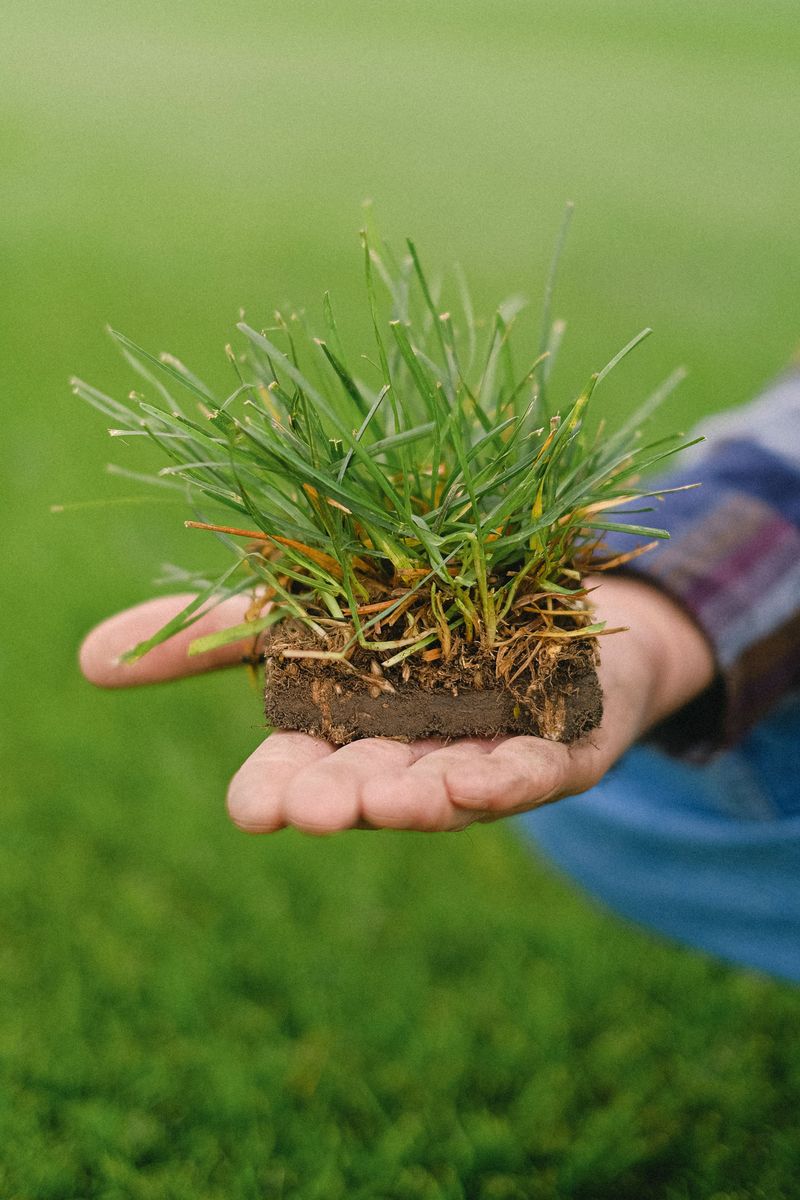
Timing is everything when it comes to fall lawn care, and there is a narrow window each year that makes all the difference.
Soil temperatures between 50 and 65 degrees Fahrenheit are ideal for cool-season grass seed to germinate, and that sweet spot typically lands somewhere between mid-August and mid-October depending on your part of the state.
Miss this window, and your seed either sits dormant or fails to establish before the ground freezes.
Overseeding during this period gives new grass seedlings several weeks to take root before cold weather fully sets in.
Aeration should also be completed in late summer or early fall while cool-season grass is actively growing and has enough time to recover before winter arrives. The ideal timing depends on your location, soil conditions, and weather patterns across the state.
Fall weed control can also be part of a lawn care plan, but timing depends on the specific weeds you are targeting and whether you plan to overseed. Pre-emergent products should be used carefully because they can prevent grass seed from establishing.
Your New York Garden Changes Every Week. Your Plan Should Too.
Gardening in New York changes quickly throughout the season. Every Friday you’ll receive a simple weekly plan showing exactly what to plant, prune, fertilize, harvest, and protect so you never miss the right timing.
Think of this one-week window as your lawn’s best shot at a head start on spring. Every day you wait past the ideal window reduces the number of weeks new grass has to establish itself.
Homeowners in Albany, Rochester, and Buffalo especially need to act fast since cooler temperatures arrive earlier in those regions than in other parts of the state.
3. Keep Mowing Until The Grass Stops Growing
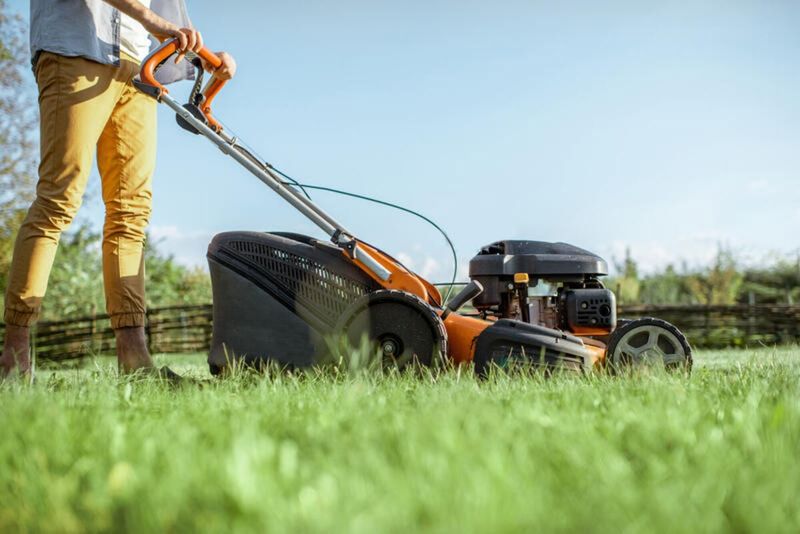
Changing how you mow in the fall is one of the easiest and most overlooked ways to protect your lawn through winter.
As temperatures drop and grass growth begins to slow, most homeowners make the mistake of either mowing too short or stopping mowing too early.
Both habits can leave your lawn vulnerable when cold weather and snow arrive.
For your final mow of the season, lawn professionals recommend keeping your mower blade around 3 inches high. Maintaining the right height helps protect the grass through winter while reducing the risk of problems caused by overly tall, matted turf.
This shorter length helps prevent matting under snow, which is a common cause of snow mold, a fungal disease that spreads under heavy snowpack and leaves brown, matted patches across the lawn in spring.
Cutting too short, however, stresses the grass and makes it more likely to suffer frost damage.
Keep mowing on your regular schedule until the grass completely stops growing, which usually happens after a few consistent hard frosts.
Skipping mows in late fall because the grass looks slow-growing is a common mistake that leaves your turf too long and matted heading into winter.
A little patience and one final well-timed cut can make a big difference for your lawn come March.
4. Overseed Bare Patches While The Soil Is Still Warm
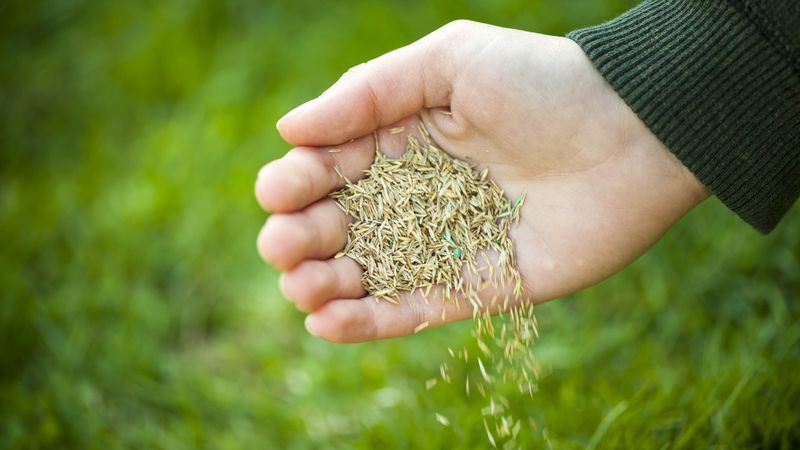
Bare patches in a lawn are not just an eyesore, they are open invitations for weeds to move in and take over.
Overseeding is the most effective way to fill those thin or bare spots and build a denser, more competitive turf across your entire yard.
For New York homeowners, the best time to overseed cool-season grasses is from mid-August through September, with Long Island residents sometimes able to push into early October.
Before spreading seed, take a few minutes to prepare the area properly.
Clear away any dried-out grass or debris, and use a rake or aerator to loosen the top half-inch of soil so seeds can make direct contact with the ground.
Good seed-to-soil contact is one of the most important factors in successful germination, and skipping this step is a common reason overseeding fails.
Using a starter fertilizer designed for new grass can help seedlings establish, but the right nutrient balance depends on your soil conditions. A soil test can help determine whether phosphorus or other nutrients are actually needed.
Water the overseeded area lightly but consistently, keeping the soil moist until the new grass is visibly established and about an inch tall.
Patience and consistent watering are your best tools here, and within a few weeks, those bare patches across your lawn will be filling in beautifully.
5. Feed Your Lawn Before Cold Weather Arrives
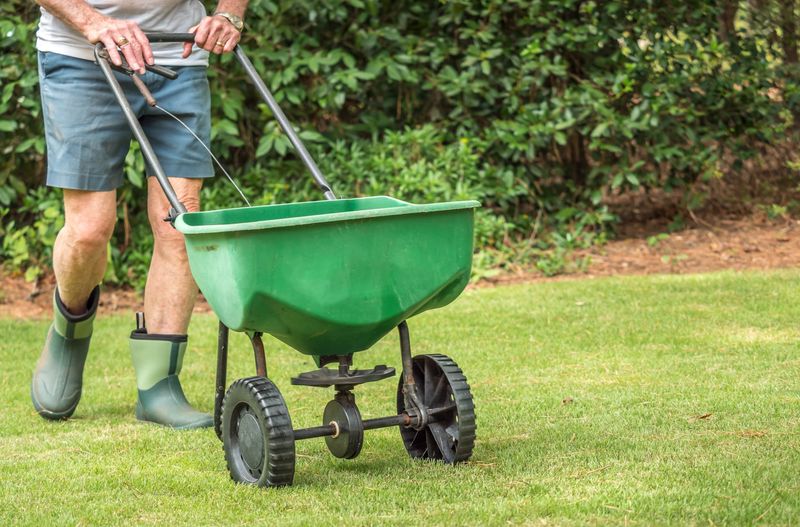
Feeding your lawn in the fall is not optional if you want thick, healthy grass in the spring, especially here in New York where winters can be long and brutal.
Many lawns benefit from well-timed fall fertilizer applications, with the exact schedule depending on grass type, soil conditions, and the overall health of the turf.
The first should happen around Labor Day or early September, using a slow-release fertilizer that is rich in nitrogen and potassium to support recovery from summer stress and fuel early root development.
The second application, commonly called a winterizer, should go down in late October or early November, roughly two to three weeks before the ground freezes.
A properly timed late fall fertilizer application with the right nutrient balance helps grass store energy, strengthen roots, and prepare for winter. The ideal formula depends on your lawn’s specific needs, which is why a soil test can help determine whether additional nutrients are actually required.
This stored energy translates directly into faster green-up and better disease resistance when spring returns.
Always follow the manufacturer’s recommended application rates to avoid burning your lawn or over-applying nutrients that can run off into waterways.
If you are unsure which formula to choose, a soil test done in early fall will tell you exactly what your lawn is missing.
Feeding your lawn at the right times with the right products is truly one of the highest-return investments a homeowner can make.
6. Clear Leaves Before They Smother Your Grass
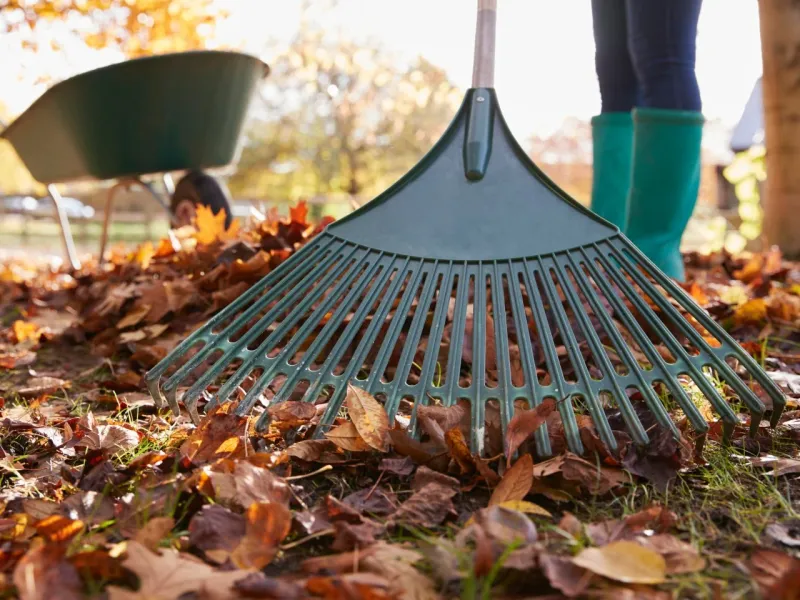
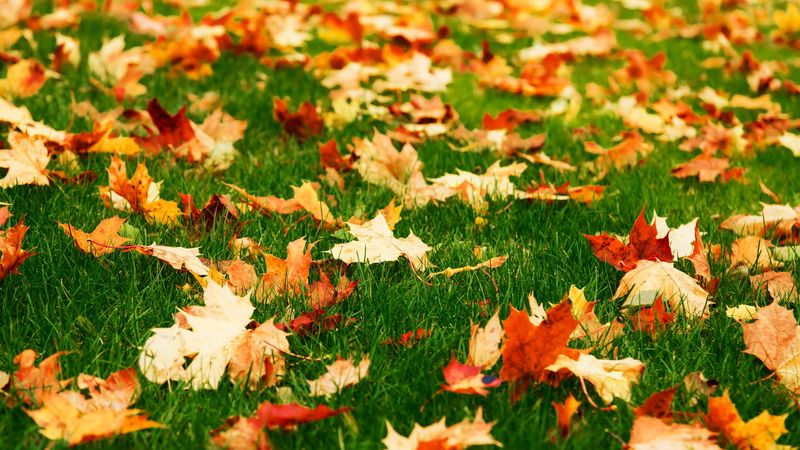
Autumn leaves may look beautiful drifting across your yard, but letting them pile up on your lawn is one of the fastest ways to run into serious turf problems over the winter.
A thick layer of leaves blocks sunlight, traps moisture, and cuts off the air circulation your grass needs to stay healthy.
This creates the perfect breeding ground for snow mold and other fungal diseases that show up as ugly brown patches when the snow melts.
Raking regularly or using a leaf blower to keep the lawn clear is the most straightforward approach.
If you prefer a low-effort option, a mulching lawn mower can shred fallen leaves into fine pieces that decompose quickly and return valuable phosphorus and organic matter back into the soil.
Just make sure the shredded material does not form thick clumps, because even finely mulched leaves can smother grass if they build up too heavily in one spot.
Aim to do a leaf cleanup pass at least once a week as fall foliage peaks across New York, typically from mid-October into early November in many parts of the state.
Staying on top of leaf accumulation is a small effort that pays off with a much healthier lawn heading into winter and a cleaner, greener yard when spring arrives.
7. Test Your Soil Before Adding More Nutrients
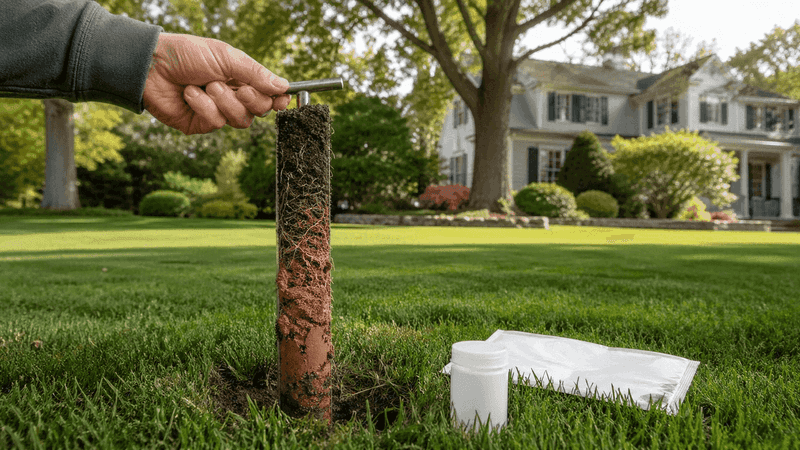
You can spend a lot of money on fertilizer and still see disappointing results if your soil pH is off.
Grass growing in soil that is too acidic or too alkaline simply cannot absorb nutrients efficiently, no matter how much product you apply.
Fall is the ideal time to run a soil test and find out exactly where your lawn stands.
Most cool-season lawns perform best when soil pH sits around 6.0 to 6.8, which allows grass to absorb nutrients more efficiently.
If your test comes back showing a pH that is too low, applying lime will help raise it over the coming months.
If the pH is too high, sulfur applications can bring it back down to a more grass-friendly level.
Fall aeration works hand-in-hand with soil testing because it physically opens up compacted ground and allows amendments, water, and oxygen to penetrate deeper into the root zone.
Many homeowners skip soil testing because they assume it is complicated, but most local cooperative extension offices and garden centers offer affordable test kits with easy-to-read results.
Knowing your soil’s condition before you fertilize means every dollar you spend on lawn products actually does what it is supposed to do.
8. Build Strong Roots Before Winter Sets In
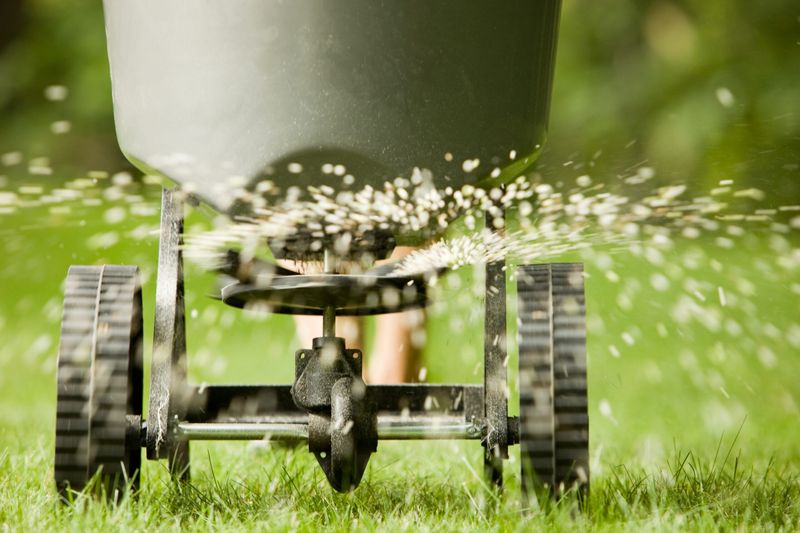
Strong roots are the foundation of a lawn that survives a winter and comes back looking great in spring.
Cool-season grasses naturally redirect their energy downward in the fall, focusing on root growth rather than producing new leaf blades.
This biological shift makes autumn the single most effective time to support and encourage deep root development.
Applying a winterizer fertilizer in late October or early November can help grass prepare for winter, with nutrients such as nitrogen and potassium supporting root growth, stress tolerance, and cold hardiness.
Phosphorus drives root cell development while potassium improves the plant’s ability to regulate water, resist freezing temperatures, and fend off disease.
Together, these nutrients help your lawn store the carbohydrates it needs to fuel a fast, healthy green-up when temperatures rise again.
Pairing fall fertilization with aeration completed in late August through mid-October makes the entire routine even more powerful.
Aeration breaks up compacted soil and creates direct channels for nutrients, oxygen, and water to reach the deepest parts of the root zone.
Homeowners in areas like Syracuse and Albany, where winters tend to be particularly harsh, will notice a dramatic difference in spring lawn quality when they commit to this root-building routine every fall.
9. Keep Up These Fall Lawn Habits For Thicker Spring Grass
Building a thick, lush lawn in spring starts with smart habits formed in the fall, and weed control is one of the most underrated steps homeowners can take.
Fall, particularly September and October, is actually the most effective time of year to go after stubborn broadleaf weeds like dandelions and clover.
During autumn, these weeds are actively pulling nutrients down into their roots to prepare for winter, which makes them highly receptive to systemic herbicides that travel through the plant and address it at the root level.
Applying a fall pre-emergent herbicide when soil temperatures drop toward 70 degrees Fahrenheit, which typically happens in early September across much of New York, can stop winter annual weeds like annual bluegrass, henbit, and chickweed from ever getting started.
Fewer weeds in fall means less competition for your desirable grass in spring, giving it more room, water, and nutrients to spread and thicken.
One important note: skip pre-emergent applications on any areas you plan to overseed, since these products prevent all seeds from germinating, including grass seed.
Plan your weed control and overseeding schedules carefully so they don’t conflict.
Homeowners who nail this balance in fall are always the ones with the thickest, most envy-worthy lawns come May.
10. Dethatch Your Lawn Before Winter
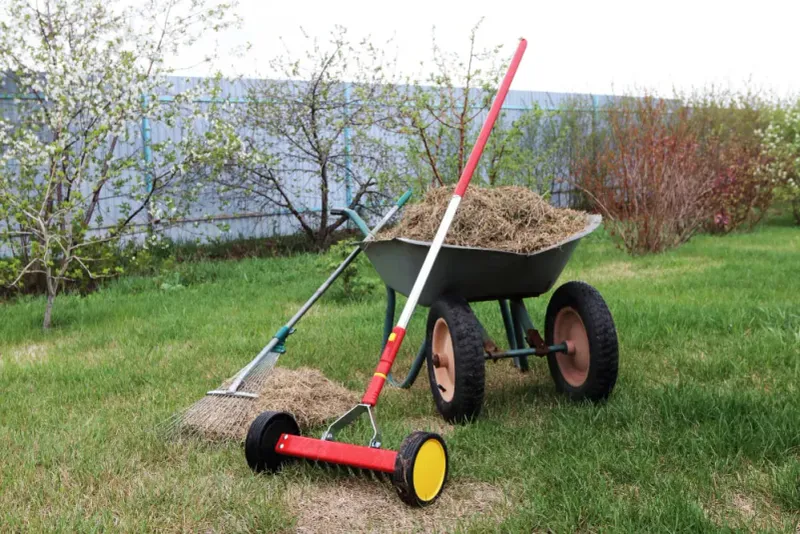
Beneath the green surface of some lawns lies a hidden problem called thatch, a dense layer of grass clippings, roots, and organic debris that builds up between the soil and the living grass blades.
When this layer exceeds half an inch in thickness, it starts acting like a barrier, blocking water, air, and nutrients from reaching the roots below.
Over time, thick thatch also becomes a cozy home for lawn diseases and insects that can weaken turf heading into winter.
Dethatching with a power rake or a specialized dethatching rake physically rips this layer out of the lawn, exposing the soil beneath and allowing the grass to breathe again.
The best time to dethatch is when cool-season grasses are actively growing and have enough time to recover before winter. Before starting, check the thickness of the thatch layer, because many healthy lawns do not need dethatching every year.
A thin layer of thatch under half an inch is actually fine and even helpful as a mild insulator, so the goal is removal of excess, not total elimination.
Right after dethatching, apply fertilizer to help your lawn recover quickly and take advantage of the newly exposed soil.
Following up with overseeding at this point is also a smart move since seed-to-soil contact is dramatically improved.
This one extra step each fall can transform a tired, struggling lawn into a dense, vigorous turf ready to shine come spring.