Cut A Tree On The Wrong Side Of A Georgia Property Line And Damages Can Triple
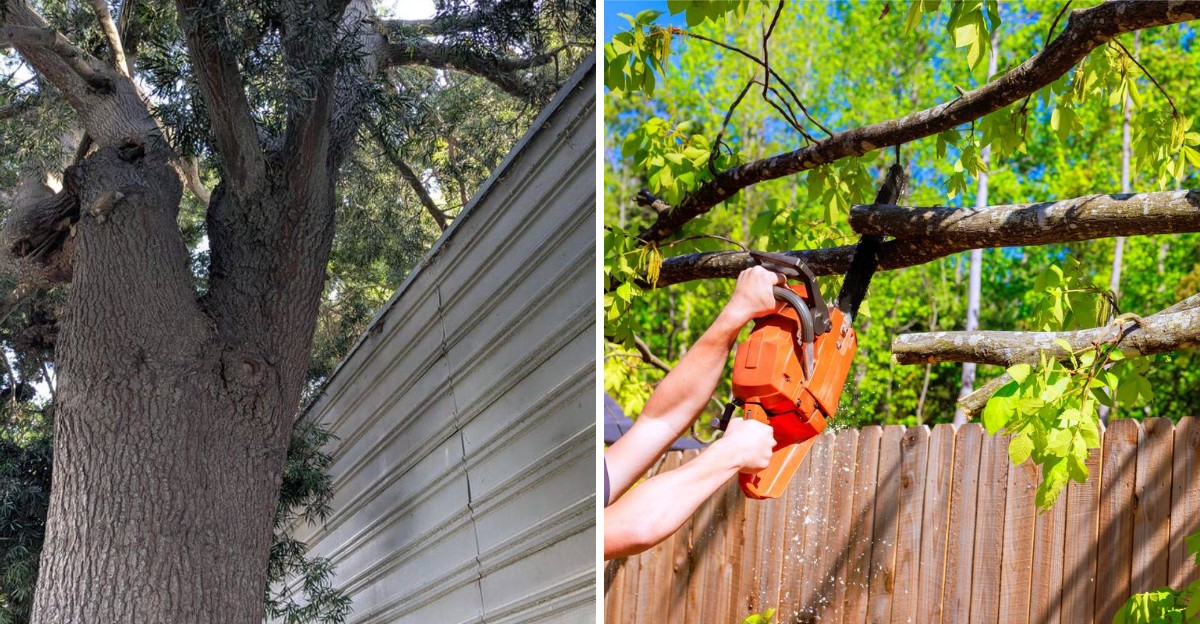
One pine sliced down by mistake can cost you three times its value in Georgia. That number surprised me the first time I read the actual statute.
The law does not care much whether you meant well.
The rule lives in the Georgia Code, right next to other laws about land and timber. It covers trees cut, removed, or even harmed on land you do not own.
Your chainsaw can turn a pleasant Saturday chore into a court case.
I love a tidy yard as much as anyone. Still, I can’t imagine paying for a neighbor’s oak three times over, plus their lawyer and replanting costs.
You need to know where your land ends before the first cut.
Where does your yard stop and your neighbor’s start? Most of us guess, and that guess might be the priciest mistake on the block.
1. That Stump Near The Fence Might Belong To Someone Else
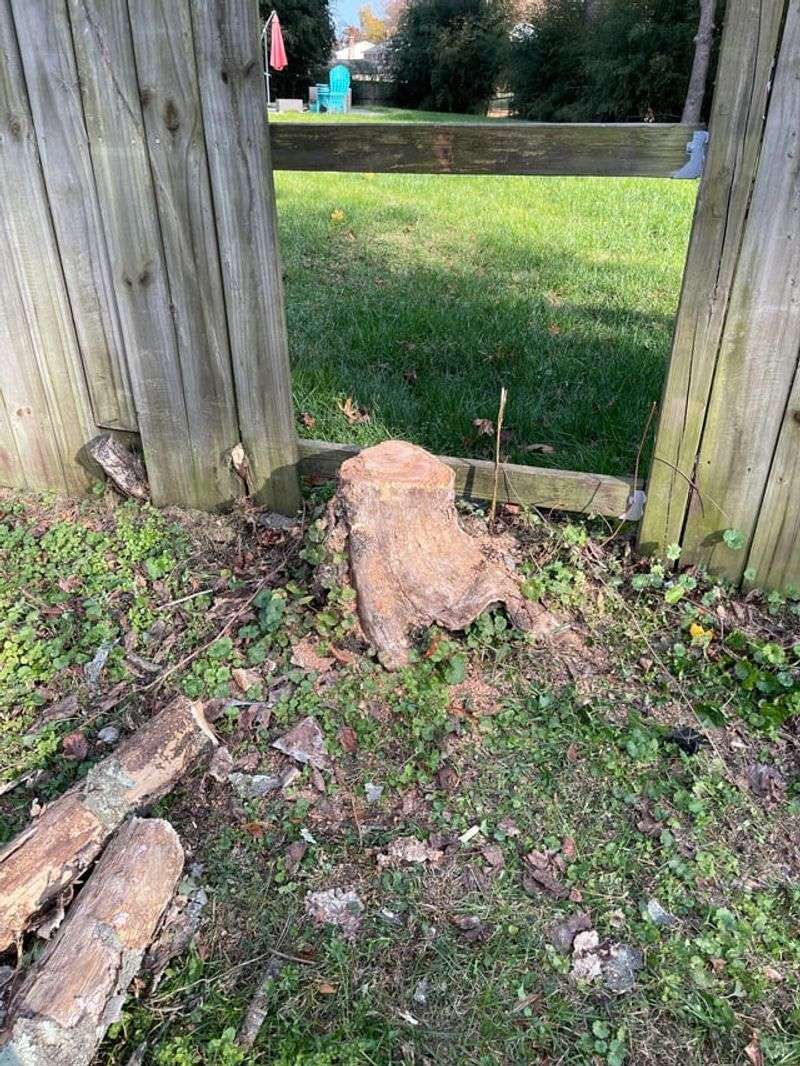
A fresh stump by the fence line can look like proof of a job well done. In Georgia, that same stump can become evidence in a lawsuit.
The legal term is cutting or converting timber without permission.
Georgia Code Section 51-12-50 covers people who cut, harm, or carry off trees on land they do not own. Your intent matters less than you might hope.
A careless mistake about where the line runs can still land you in trouble.
The law reaches beyond full removal, too. Harming a tree, such as cutting deep into it or damaging its trunk, can also count.
A tree service working for you may share the blame, but homeowners are often named as well.
I find this rule eye-opening because so many yards have fuzzy edges. Old fences wander, hedges creep, and survey pins vanish under mulch.
Many neighbors assume the fence marks the line, and that assumption is often wrong.
The safest mindset is simple. Treat any tree near a boundary as possibly belonging to your neighbor until you prove otherwise.
A quick conversation over the fence costs nothing, while a guess can cost thousands. Patience here pays off in more ways than one.
2. Treble Damages Can Turn One Felled Oak Into A Triple Bill
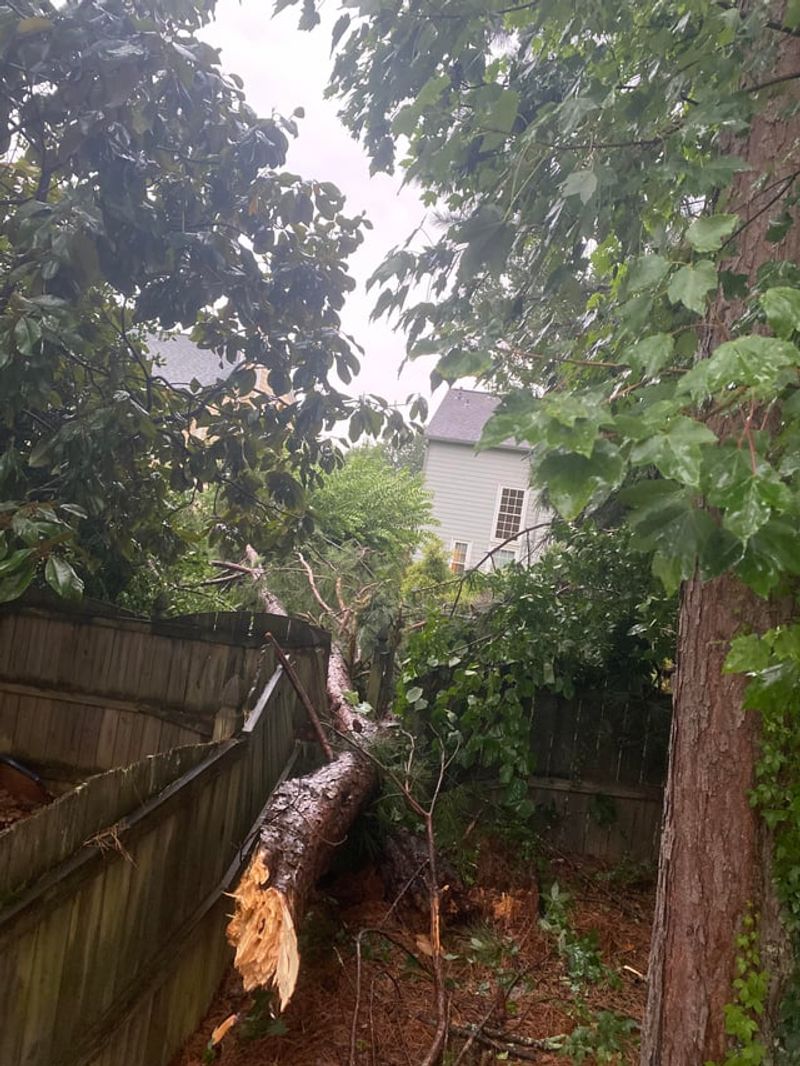
Three times the value. That is the number Georgia law puts on unauthorized tree cutting, and it is the heart of this whole topic.
Under O.C.G.A. 51-12-50, unauthorized cutting or removal of trees can result in damages, but the amount and availability of enhanced damages depend on the circumstances and applicable legal provisions.
That means three times the fair market value of the trees as they stood. Trees that were harmed but left standing can bring triple the drop in their market value.
The bill keeps growing from there. The statute also allows recovery of reasonable reforestation costs, meaning the expense of replanting.
Attorney fees and court costs can be added on top.
Let’s say a pine stand is worth $5,000 in timber. Triple that is $15,000 before replanting and legal fees enter the picture.
For a homeowner, that could match the cost of a new roof.
Personally, I think this rule exists for good reason. Timber theft has long been a real problem in rural Georgia, and the triple multiplier discourages it.
Courts weigh the facts of each case, though, so outcomes vary. If you face a claim or need to make one, a local attorney can explain how the statute fits your situation.
3. Find The Survey Pins Before You Fire Up The Chainsaw
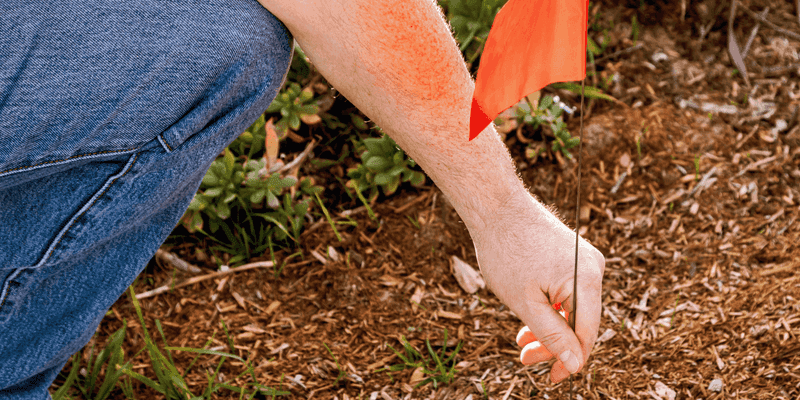
Old survey pins love to hide. They sink under leaves, get buried by landscapers, or vanish during fence work.
Finding them is your best defense against an expensive mistake. Start with your closing papers, since many include a plat showing the property lines.
Your county tax assessor or clerk of superior court may also have recorded plats online.
A metal detector can help locate iron pins at corners. Be careful, though, because a pin alone may not tell the full story.
Some get moved, and old plats sometimes disagree with newer ones.
When a valuable tree sits close to the line, hire a licensed land surveyor. The fee often runs a few hundred dollars or more, depending on lot size and location.
Compared with a triple damages claim, that is a bargain.
Ask the surveyor to flag the line clearly near the tree you plan to cut. Take photos of the flags before any work begins.
Those pictures become helpful records if questions come up later.
I also suggest sharing the survey results with your neighbor. Most people appreciate the heads-up, and it builds goodwill before any saw comes out of the shed.
4. The Trunk Base Decides Who Owns That Shade Tree
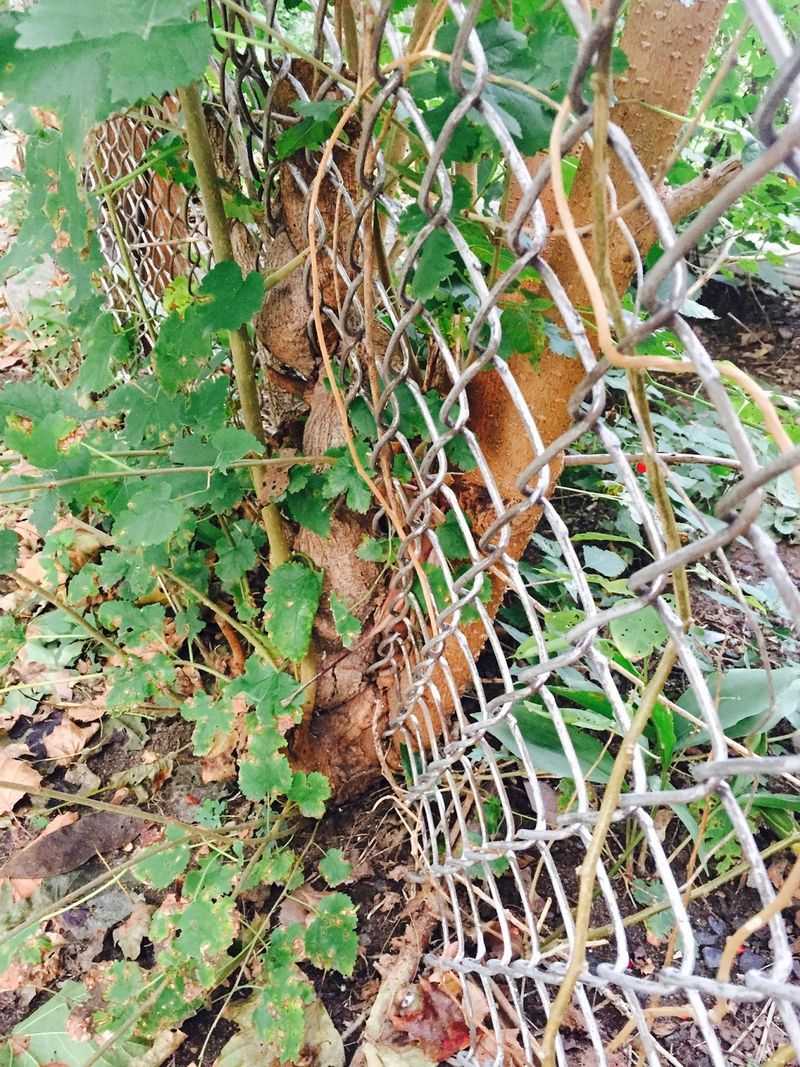
Branches wander, roots roam, but ownership mostly follows the trunk. That is the general rule courts use across the United States, Georgia included.
If the whole trunk stands on your side, the tree is typically yours. If it stands entirely on your neighbor’s side, it belongs to them, even if its canopy shades your patio all summer.
Overhanging limbs do not change who owns the tree.
Look at the spot where the trunk meets the soil. That base is what matters, not where the tree leans or where its leaves fall.
A leaning sweetgum can hang mostly over your yard and still be your neighbor’s property.
Owning a tree also brings some duty. Owners may face responsibility if they knew a tree was hazardous and did nothing, especially after notice.
That is one reason clear ownership helps everyone.
A friendly tip from my own yard: snap a photo of the trunk base with survey flags nearby. Keep it with your house records.
If a storm drops a limb or a dispute comes up, that photo saves a lot of back-and-forth. Clear facts make neighborly talks much calmer.
5. A Pine Straddling The Line Means You Share It
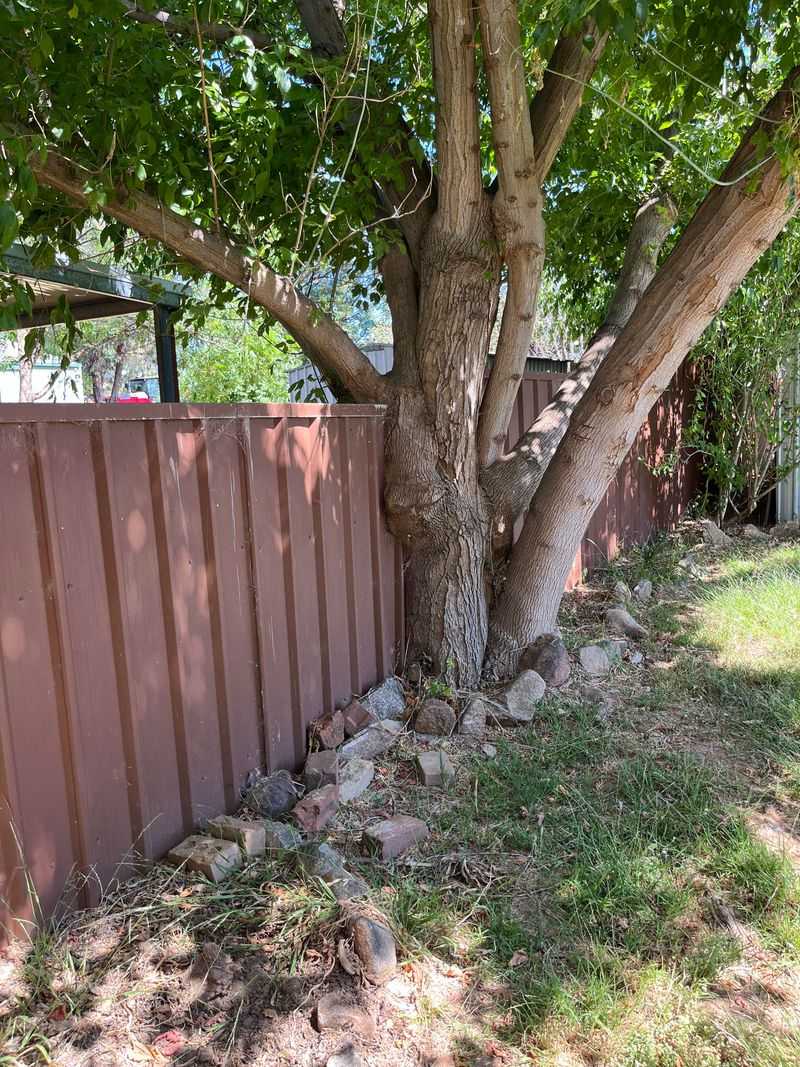
Some trees refuse to pick a side. When a trunk grows right across the property line, it is usually called a boundary tree.
Boundary trees are generally treated as owned jointly by both neighbors. That shared ownership means one person typically cannot remove or seriously harm a healthy boundary tree without the other’s agreement.
Going ahead alone could expose you to damage claims.
These trees are common in older Georgia neighborhoods. Loblolly pines, water oaks, and sweetgums often sprout along old fence rows where birds dropped seeds decades ago.
By now, many are huge.
So what can you do with a shared giant? Talk first.
Many neighbors split the cost of trimming or removal when a tree becomes a problem.
Put any agreement in writing, even a short signed note. It should say what work will be done, who pays, and who hires the tree company.
A clear plan protects both of you.
If your neighbor says no to removing a healthy tree, a certified arborist’s report can help. It may show the tree is sound, or it may reveal real risks.
Either way, facts tend to cool tempers better than arguments do.
6. Trimming Overhanging Branches Stops At The Property Line
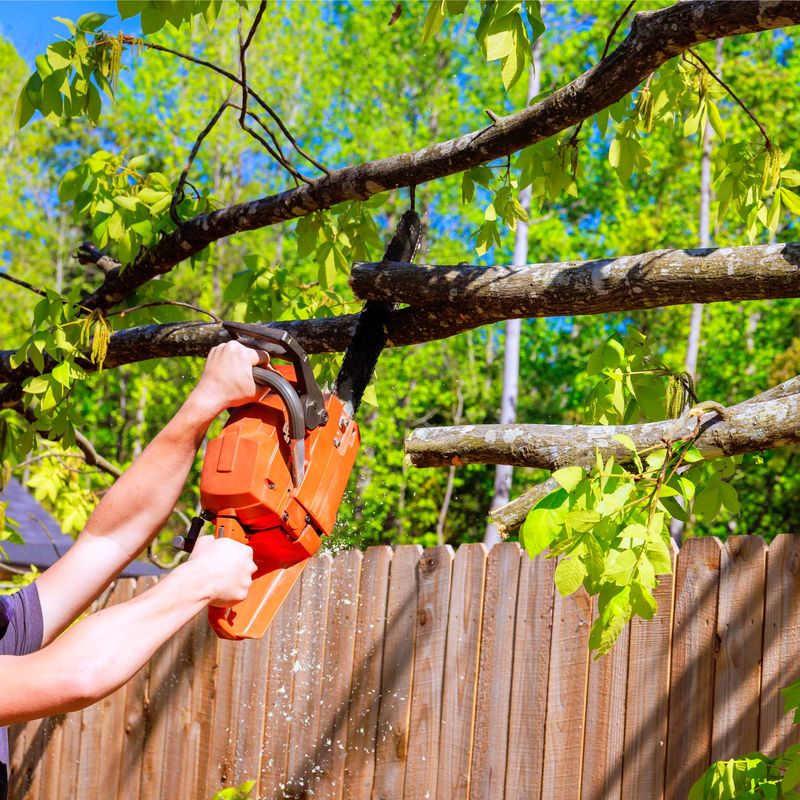
Overhanging limbs dropping acorns on your car? You likely have some right to trim them.
Georgia generally follows the common rule that you may cut branches and roots that cross onto your land, up to the property line. That self-help right comes with real limits.
You usually cannot step onto your neighbor’s yard to do the work without permission.
The bigger catch involves the tree’s health. Cutting so much that a healthy tree declines or falls can bring liability.
Heavy root cutting is especially risky, since many large roots sit in the top foot or two of soil.
A few habits keep you on safer ground. Prune from your side only, using proper cuts just outside the branch collar.
Avoid topping, which weakens trees and invites decay.
Before trenching for a patio or driveway near the line, call an arborist. Severing major roots can make a tree unstable, and that could become your problem.
Honestly, I like to give neighbors a quick heads-up even for small trims. It costs one short chat.
In return, you often get permission, a shared cleanup, or even help hauling branches to the curb.
7. Marked Boundary Lines Can Make A Tree Cutter Look Willful
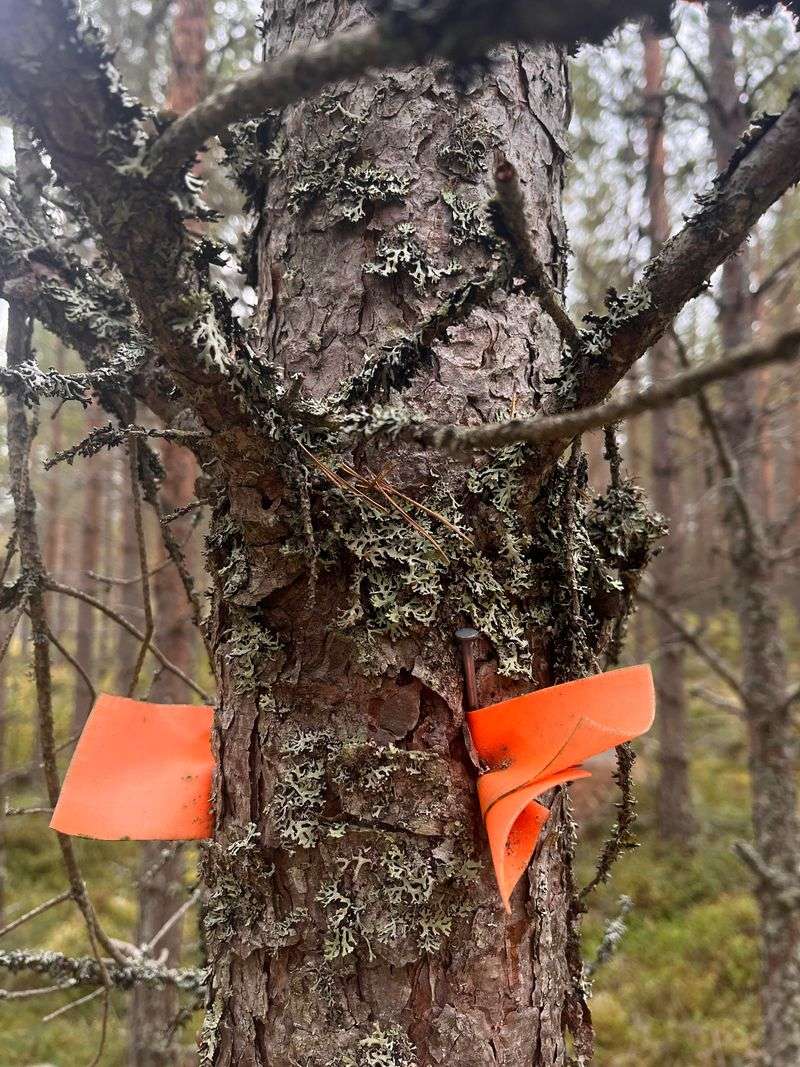
Bright paint on trees means something in the Georgia woods. Landowners often mark boundaries with paint bands or flagging tape, and the law pays attention.
Under Georgia law, if the boundary lines were clearly marked, a person who cut trees across them may be presumed a willful trespasser. A willful finding is serious.
It can open the door to punitive damages, which aim to punish rather than just repay.
Georgia also has related rules for timber harvesting, and loggers have duties to confirm lines before cutting. Rural landowners with timber tracts should know that clear marks help their case if something goes wrong.
For homeowners, this cuts both ways. Marking your own line protects your trees.
Ignoring your neighbor’s markings, though, could make your mistake look intentional.
Here is a fun bit of history I enjoy. Surveyors in early Georgia often used witness trees, blazed with axe marks, to note corners.
Some old deeds still reference specific oaks or hickories as landmarks.
Today, paint and metal pins do that job. If you see them near a tree you want removed, stop and confirm.
That pause could be the difference between a simple mistake and a costly lawsuit.
8. An Arborist And A Local Permit Check Belong On Your To-Do List
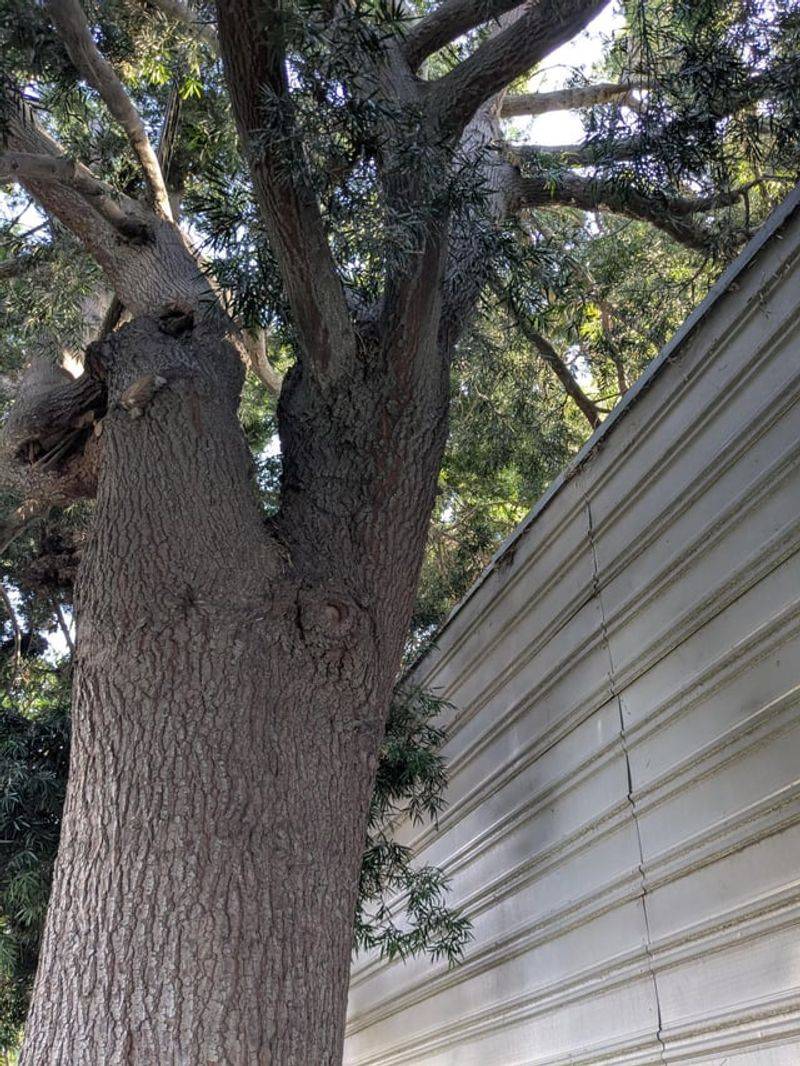
A good arborist sees things the rest of us miss. Fungus at the base, hollow sounds in the trunk, and hidden root damage all tell a story.
Hiring an ISA certified arborist before major tree work is smart. They can judge a tree’s health, suggest safer pruning, and even appraise its value if a dispute arises.
Courts often rely on these appraisals, which consider species, size, condition, and location.
Next, check local rules. Many Georgia cities and counties, including Atlanta, have tree ordinances requiring permits to remove certain trees, sometimes even on your own lot.
Fines and replanting requirements can apply if you skip the paperwork.
Your county extension office through UGA is another helpful resource. Staff can point you toward tree care guides and local contacts.
Your city planning department can explain permit rules.
Here is my simple checklist before any cut near a line. Confirm the boundary, talk with your neighbor, get an arborist’s opinion, and check permit requirements.
Keep written records of each step.
Trees take decades to grow and minutes to drop. A little planning protects your wallet, your neighbor friendship, and the shade everyone enjoys on hot summer afternoons.