Why Georgia’s Green Garden Lizards Turn Brown As Fall Temperatures Drop
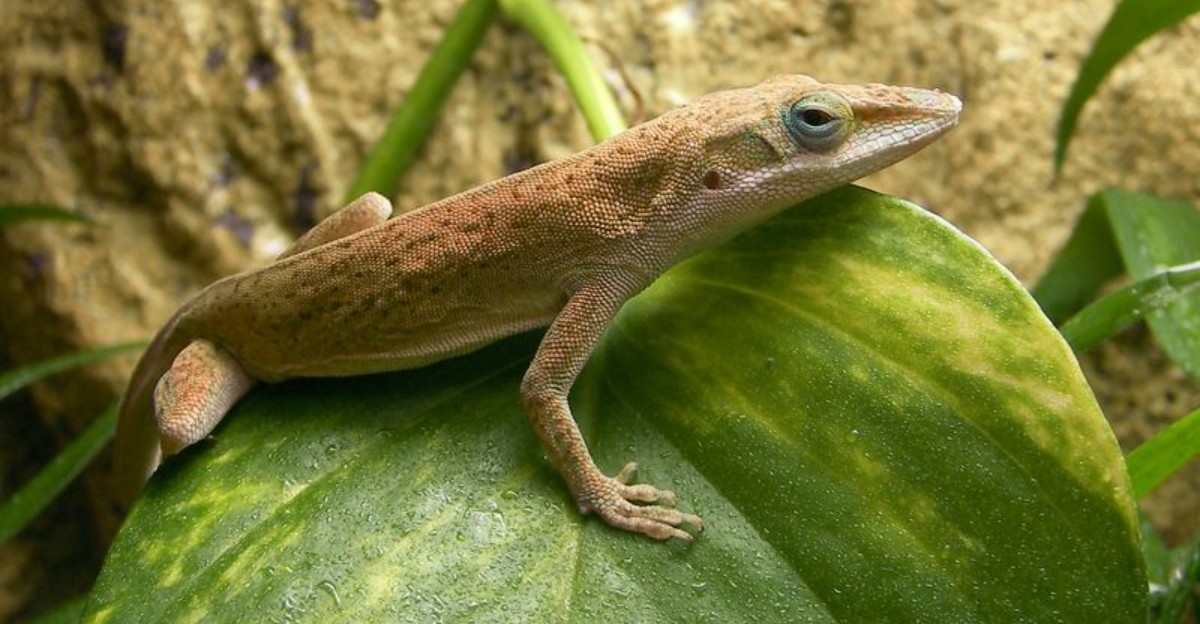
Overnight, your porch lizard traded neon green for muddy brown on purpose. Meet the green anole, the only anole native to Georgia. He is no chameleon, yet he runs a remarkably sophisticated color lab.
Beneath his skin, you would find stacked cells called chromatophores. Yellow pigment sits on top, while crystals below bounce blue light upward. Blend those, and you get that electric green.
When nights turn cold, dark melanin surges up and buries the show. Brown skin may help him warm up faster on cold autumn mornings. Stress, hormones, and rival males can trigger the same switch.
Across Georgia, you might also spot invasive brown anoles sharing his territory. Telling them apart takes a sharp eye and a little insider knowledge. Your green friend is fine, just dressed for autumn. Here is exactly what his shifting skin tells you.
1. Cooler Air Triggers A Color Switch
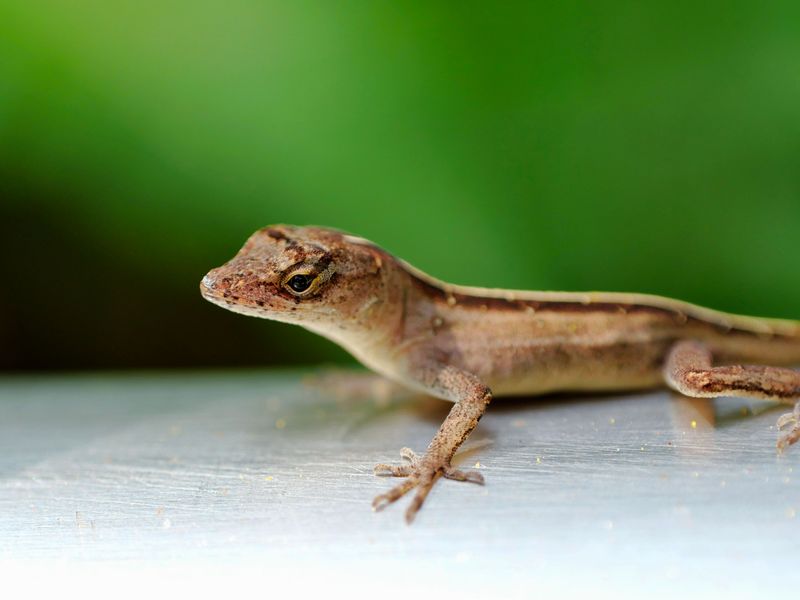
Many Georgia gardeners notice their porch lizards changing color when the first cool front arrives. They are onto something, because temperature really does affect anole color.
Green anoles are cold-blooded, which means their bodies match the temperature around them. When September nights dip into the 60s, their skin starts reacting to the change.
Cooler air tells an anole’s body to shift toward darker shades of brown. Scientists have found that anoles kept in chilly conditions turn brown more often than warm ones.
Early mornings are the best time to spot this in your own yard. Check fence posts or shrubs around 7 a.m., and you will likely see brown lizards soaking up heat.
Come back around lunchtime, and many of those same anoles may have turned green again. The switch can happen in just a few minutes once they warm up.
Georgia’s fall weather makes this easy to observe because temperatures swing so much in one day. A 58-degree morning can turn into an 82-degree afternoon without much warning.
Try keeping a simple color journal on your fridge this month. Write down the morning temperature and whether your porch anole looks green or brown.
Just remember to watch quietly from a few feet away so you do not spook them. A startled anole may flash brown from nerves, which could throw off your notes.
After a couple of weeks, you might notice a clear link between temperature and color. Kids love this project because it turns the backyard into a science lab.
2. Dark Skin May Help Them Warm Up
Ever worn a black T-shirt to a Georgia football game in August? You probably felt like a baked potato wrapped in foil by halftime.
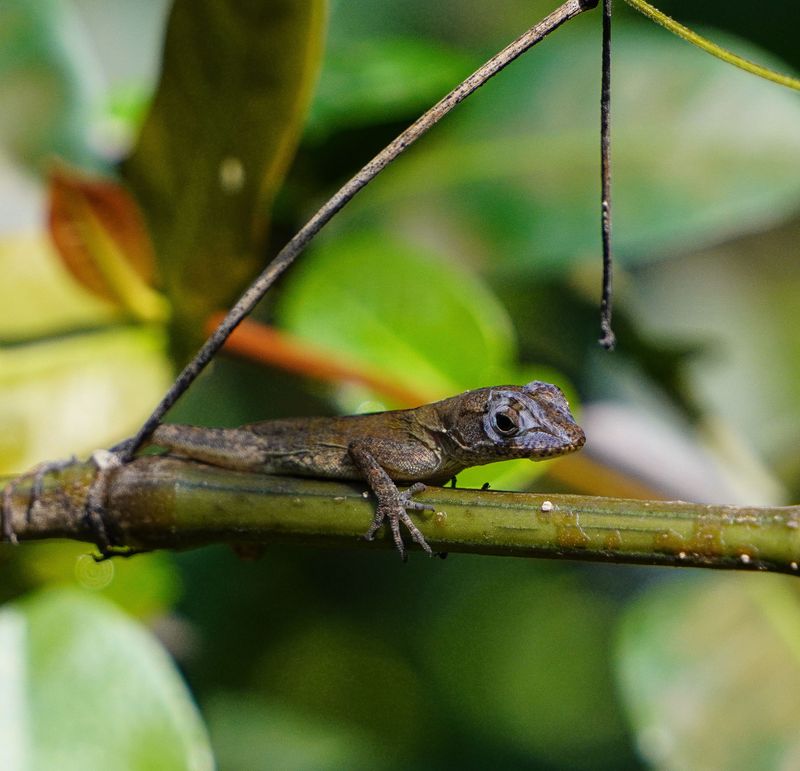
Dark colors absorb more sunlight than light colors, and they turn that light into heat. Green anoles use the exact same trick when fall mornings get nippy.
A darkened anole basking on a sunny brick wall warms up faster than a bright green one. Faster warming means the lizard can start hunting bugs sooner in the day.
Body heat matters a lot for these little reptiles. A chilly anole moves slowly, digests food poorly, and has a harder time escaping hungry birds.
Your Georgia Garden Changes Every Week. Your Plan Should Too.
Gardening in Georgia changes quickly throughout the season. Every Friday you’ll receive a simple weekly plan showing exactly what to plant, prune, fertilize, harvest, and protect so you never miss the right timing.
Scientists call this process thermoregulation, which is a fancy word for controlling body temperature. Anoles cannot make their own heat like we do, so they borrow it from the sun.
Watch closely, and you may see an anole flatten its body sideways toward the morning sun. That pose exposes more skin, working like a solar panel with legs.
You can help your garden anoles by offering good basking spots. Flat stones, wooden fence rails, and stacked firewood near shrubs all make excellent sunbathing decks.
Place these spots on the east side of your yard to catch early light. Keep some leafy cover close by, too, so they can dash away from danger.
Once the anole feels toasty, its skin often brightens back to green. Think of brown as its morning jacket, removed as soon as the day heats up.
3. Special Skin Cells Shift Their Pigment
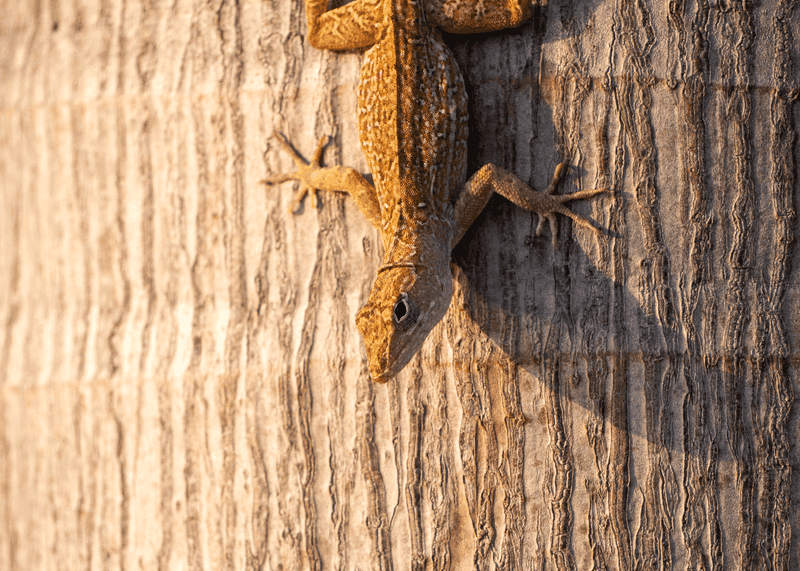
Under a microscope, anole skin looks like a stack of tiny paint trays. Each layer holds special cells called chromatophores, and each type has a different job.
The top layer contains bright yellow pigment cells known as xanthophores. Just below sit iridophores, which reflect blue light a bit like a shiny soap bubble.
Mix yellow and blue together, and you get that famous lime-green glow. Art class finally pays off in the lizard world, right?
The deepest layer holds melanophores, which are packed with dark brown pigment called melanin. Humans have melanin too, and it gives color to our skin, hair, and eyes.
When an anole needs to turn brown, those melanophores send their pigment upward through tiny branches. The dark color spreads over the yellow and blue layers, hiding the green underneath.
Picture pulling a brown blanket over a green bedsheet, and you have the basic idea. When the pigment pulls back down, the blanket slides off and green shows again.
Here is a fun fact to share at dinner tonight. Anoles are nicknamed American chameleons, yet they are not close relatives of true chameleons, which live mainly in Africa and Madagascar.
True chameleons change color mostly with reflective crystals, while anoles rely heavily on moving pigment. Both methods are impressive, but our Georgia lizards manage it with a simpler toolkit.
Anoles cannot pick a color like choosing a crayon, though. Their range sticks mainly to bright green, dull brown, and a few muddy shades in between.
4. Hidden Hormones Send The Brown Signal
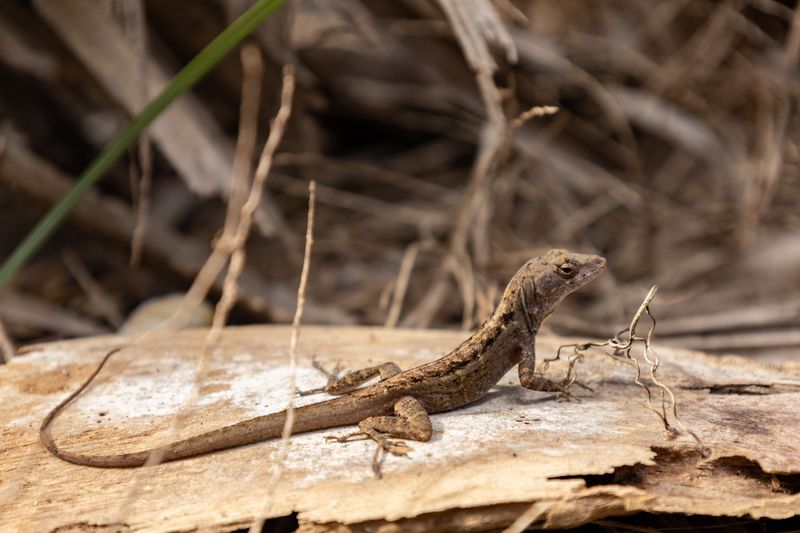
Think of hormones as tiny text messages zipping through an anole’s bloodstream. One message in particular says, ‘turn brown now,’ and the skin listens right away.
The main messenger is called melanocyte-stimulating hormone, or MSH for short. It comes from the pituitary gland, a tiny control center at the base of the brain.
When MSH reaches the skin, it tells melanophores to spread their dark pigment outward. Within minutes, a bright green anole can look like a twig covered in cinnamon.
Cool temperatures and dim light both seem to boost this hormone signal. Cloudy fall days in Georgia can produce plenty of chocolate-colored lizards, even around noon.
Stress hormones join the party too, and they can be pretty loud guests. Adrenaline, the same chemical that makes your heart pound before a test, can nudge an anole toward brown.
Scientists have studied anole color changes for over a hundred years. Early researchers even used anole skin to test hormone levels in labs, which sounds wild today.
Because hormones work through the blood, the change usually spreads across the whole body. Sometimes you might spot a small dark patch behind the eye that shows up first.
That little spot is called the eyespot, and it often appears during tense moments. Seeing it on your garden anole means it probably feels nervous about something nearby.
Give it some space, and the hormone levels should settle back down. A calm, warm anole is much more likely to show off its green again.
5. Brown Skin May Help Them Blend In
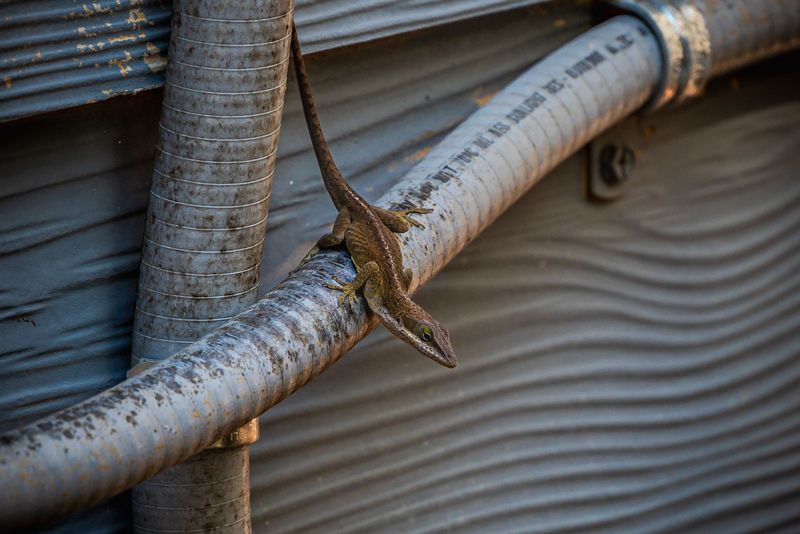
Hawks circling over a Georgia backyard have sharp eyes and big appetites. For a tiny lizard, blending in can mean the difference between lunch and becoming lunch.
By late September, Georgia gardens start trading summer green for tan, rust, and brown. Oak leaves drop onto mulch beds, and pine straw piles up under the trees.
A glowing green anole sitting on brown bark would stand out like a neon sign. Switching to brown helps it disappear against tree trunks, fence posts, and crunchy leaf litter.
Anoles have plenty of predators in the average backyard. Blue jays, mockingbirds, snakes, and even the family cat all consider them a tasty snack.
Researchers believe background color plays a role, though temperature and mood usually matter more. Either way, brown skin in autumn works out nicely for staying hidden.
Want to test your own spotting skills this fall? Walk slowly past a woodpile or a brick wall and scan for tiny heads bobbing up and down.
You may walk right past five camouflaged anoles before spotting one. That frustrating moment proves just how well their brown disguise works.
Gardeners can support this natural hide-and-seek by leaving some leaf litter in flower beds. Fallen leaves give anoles shelter, hunting grounds, and a perfect backdrop for their fall outfit.
Keeping outdoor cats inside also gives your local lizards a much better chance. Fewer predators mean more anoles gobbling up mosquitoes and garden pests next spring.
6. Stress And Mood Deepen The Shade
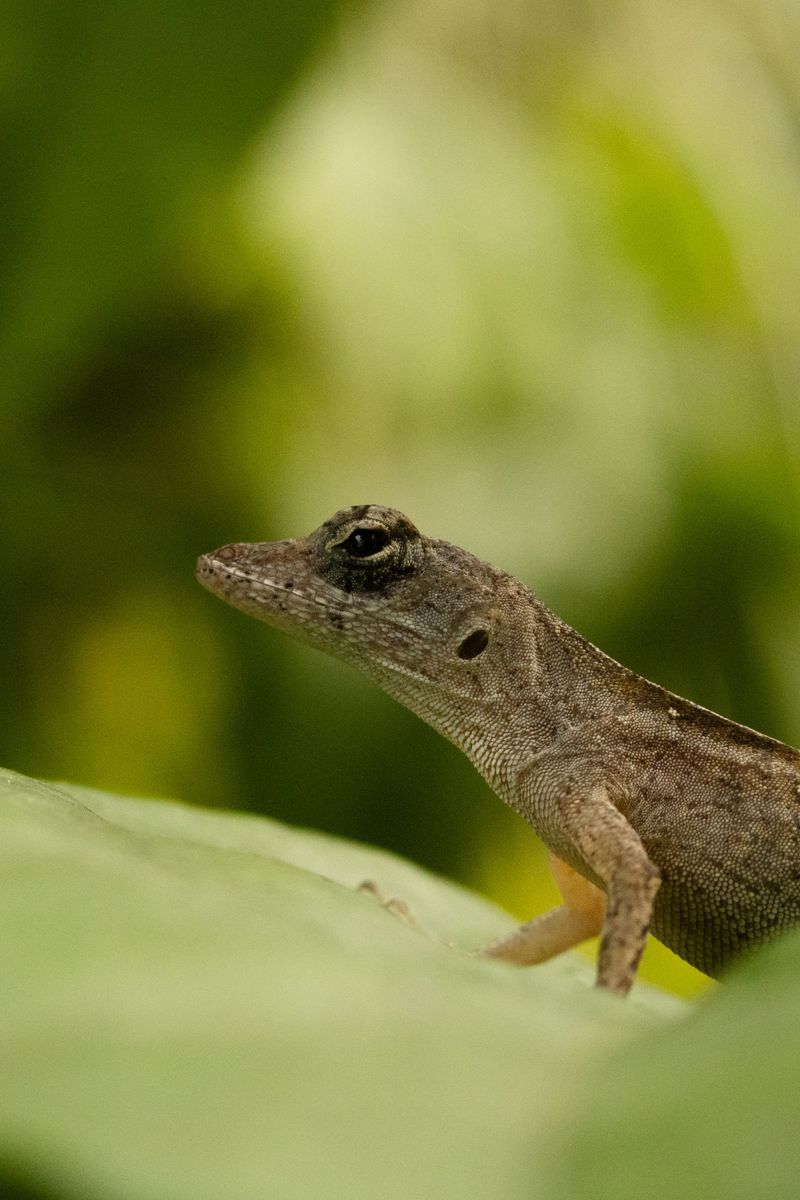
Anole drama is real, and your backyard might be hosting its own reality show. Male anoles guard their turf fiercely, and color plays a starring role in every showdown.
During a standoff, two males bob their heads, puff out their throats, and flash pink dewlaps. A dewlap is the colorful flap of skin under the chin.
The winner often stays bright green and struts around looking proud. The loser usually slinks away looking brown, as if embarrassed by the whole event.
Fall adds extra pressure to these mood swings. Food gets harder to find as insects slow down, and competition for sunny perches heats up.
Stress from any source can push an anole toward darker colors. A barking dog, a curious toddler, or a noisy leaf blower might all do the trick.
Pet owners who keep anoles indoors notice this quickly. A lizard that stays brown for days in a warm tank may be feeling stressed or unwell.
Outside, brown coloring during fall is usually no cause for worry. Cool weather and stress often team up, creating one very brown lizard on a tense morning.
To keep your garden anoles relaxed, try to limit sudden disturbances near their favorite hangouts. Rake leaves gently and avoid pesticides that reduce the insects they eat.
A chocolate-toned anole watching you from the fence is likely just cold or stressed. Give it an hour of sunshine and peace, and the green glow usually returns.
7. Shorter Days Prepare Them For Rest
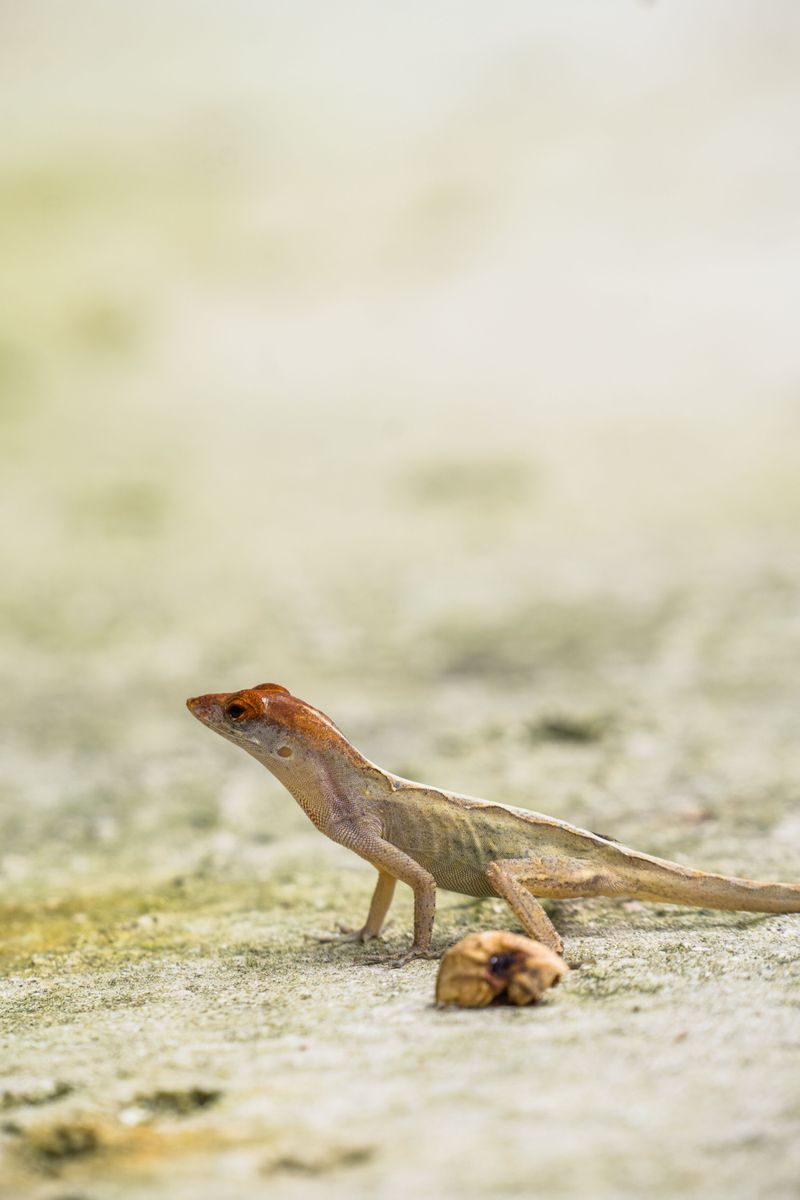
Georgia loses nearly two minutes of daylight each day during September. Anoles notice that shrinking sunshine long before we pull out our hoodies.
Shorter days signal that winter is on its way, and their bodies begin preparing for a long rest. Reptiles do not hibernate like bears, but they do something similar called brumation.
During brumation, anoles slow down, eat very little, and hide in cozy cracks and crevices. Favorite winter hideouts include loose bark, woodpiles, rock walls, and even gaps in your siding.
As they wind down, many anoles spend more time in brown mode. Lower activity and cooler hiding spots likely keep that darker color around for longer stretches.
Unlike animals up north, Georgia anoles take lots of winter breaks. On a warm January afternoon, you might see one pop out to sunbathe for an hour.
September is a great month to make your yard more anole-friendly for the colder season. Leave a few rock piles, hollow logs, or thick shrubs in place instead of clearing everything.
Try not to pressure-wash hidden corners of your deck or shed during late fall. A sleepy lizard tucked into a crack cannot escape quickly when it feels chilly.
Native plants like wax myrtle and yaupon holly offer excellent year-round cover. Their evergreen leaves shield anoles from wind while still letting a little sunshine peek through.
Come spring, your brown winter buddies will wake up hungry and ready to glow green. Their return feels a lot like welcoming back old friends after a long trip.
8. Brown Look-Alikes Confuse Many Gardeners
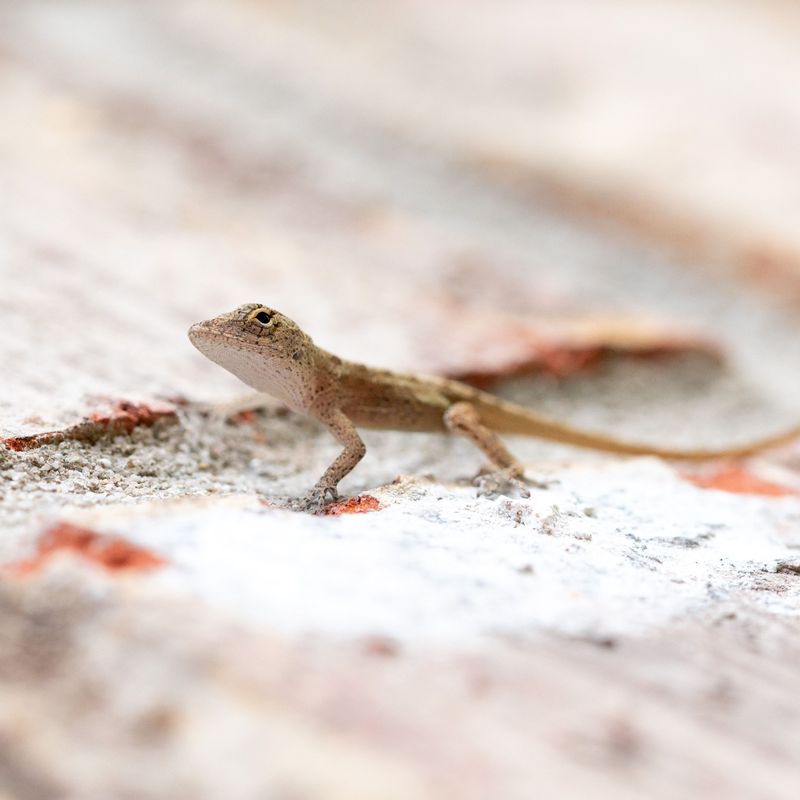
Plot twist: some brown lizards in your Georgia garden were not green to begin with. Meet the brown anole, a sneaky newcomer from Cuba and the Bahamas.
Brown anoles arrived in Florida over a century ago, likely hitching rides on plant shipments. They have since spread into Georgia, especially along the coast and in nursery-heavy areas.
Unlike our native green anole, a brown anole cannot switch to green at all. It shifts between light and dark brown, but that is the end of its color menu.
Telling them apart takes a little detective work. Brown anoles are stockier, and females and young often have a light stripe or diamond pattern down the back.
Their dewlaps are orange or reddish with a yellow or whitish edge, while green anoles show pink. Green anoles also have longer, pointier snouts that look a bit like a tiny alligator.
Why does this matter for your fall lizard watching? Brown anoles compete with green anoles for food and space, pushing natives higher into trees.
Scientists in Florida watched green anoles move up to higher perches after brown anoles showed up. Within about 15 years, the green anoles even evolved larger, grippier toe pads for climbing.
So if your brown lizard stays brown on a hot afternoon, check its snout and dewlap. You might be looking at a visitor rather than a native wearing its autumn costume.
Snapping a quick photo and sharing it with apps like iNaturalist helps scientists track both species. Your backyard curiosity could add real data to Georgia wildlife research.