Woodpecker Drilling Holes in Your Ohio House? Why You Can’t Just Get Rid of It
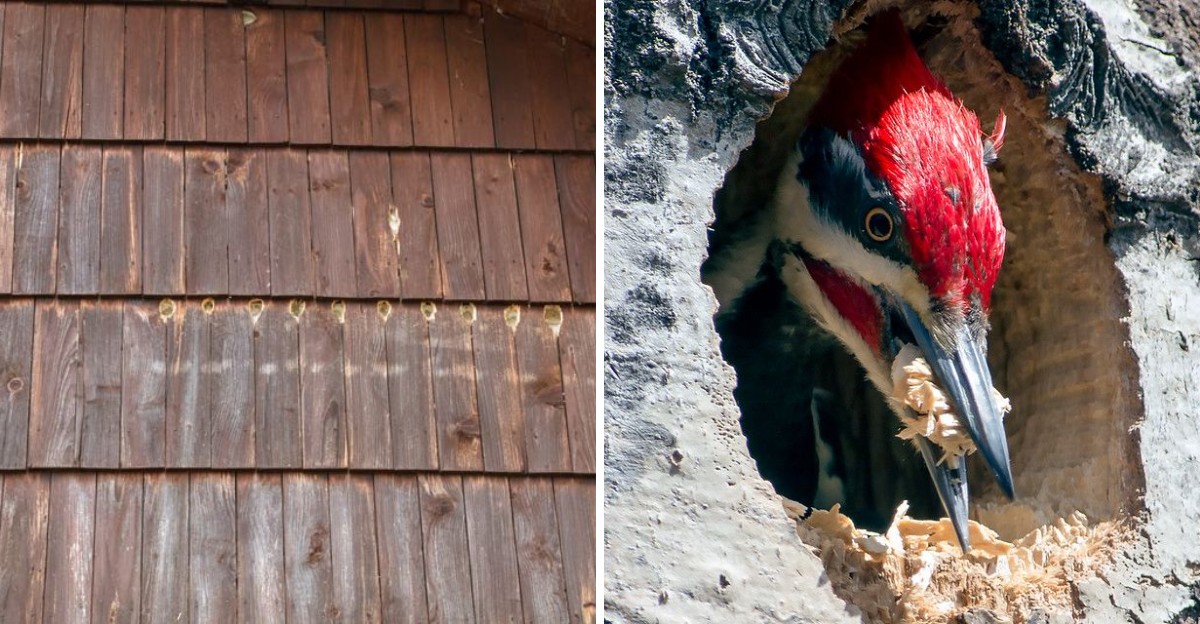
Pileated woodpeckers can chisel out wood chips longer than your thumb, and their smaller cousins can hammer a surface many times in a single second. Somehow, their brains stay safe through every blow.
I learned this the noisy way. Early one spring morning, my cedar trim sounded like someone was knocking to come in, and I found a neat little hole by breakfast.
If you live in Ohio, you may know that rattle well. You may also feel tempted to reach for the quickest fix you can find.
I get it, because siding repairs are not cheap.
That drilling bird carries federal protection, though, and the law is clear about it. What are your real options when a feathered carpenter picks your house as its favorite tree?
1. That Rat-a-Tat on Your Siding Has a Purpose Behind It
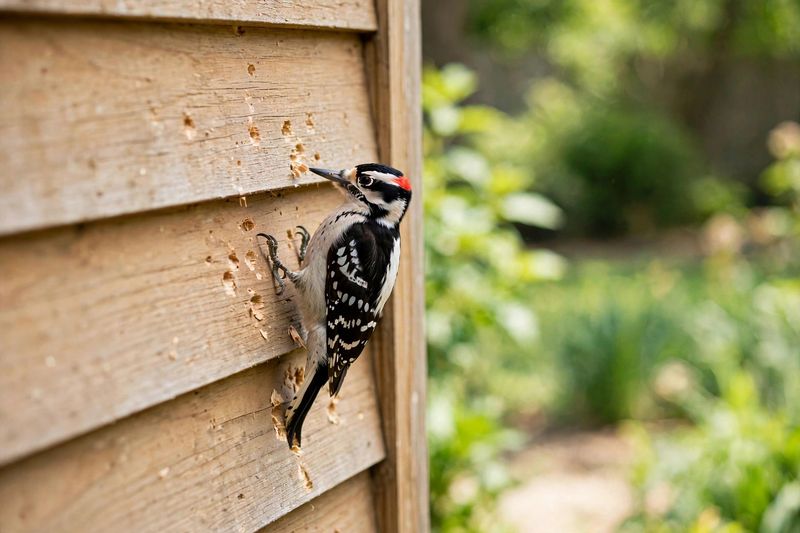
Woodpeckers rarely hammer on a house for no reason. To them, your siding looks a lot like a big, flat tree trunk, and trees offer food, shelter, and a great place to make noise.
Ohio has several common woodpeckers that visit homes. Downy, hairy, and red-bellied woodpeckers show up most often, while the northern flicker is a frequent house visitor too.
Each one comes with its own habits, but the reasons behind the pecking are usually the same.
Ohio State University Extension and other wildlife experts point to three main goals. The bird is hunting insects, drumming to claim territory, or carving out a cavity to sleep or nest in.
Cedar, redwood, and other natural wood siding gets hit more often than vinyl or brick.
Personally, I find it helpful to see the bird as a messenger. Its choice of spot can reveal hidden bugs, soft wood, or a surface that simply echoes nicely.
That clue matters, because the best fix depends on the reason.
So before you get angry, grab a notebook. Write down the time of day, the season, and what the holes look like.
Those notes will guide every step that follows, from repairs to deterrents.
2. Federal Law Protects Every Woodpecker Drilling on Your House
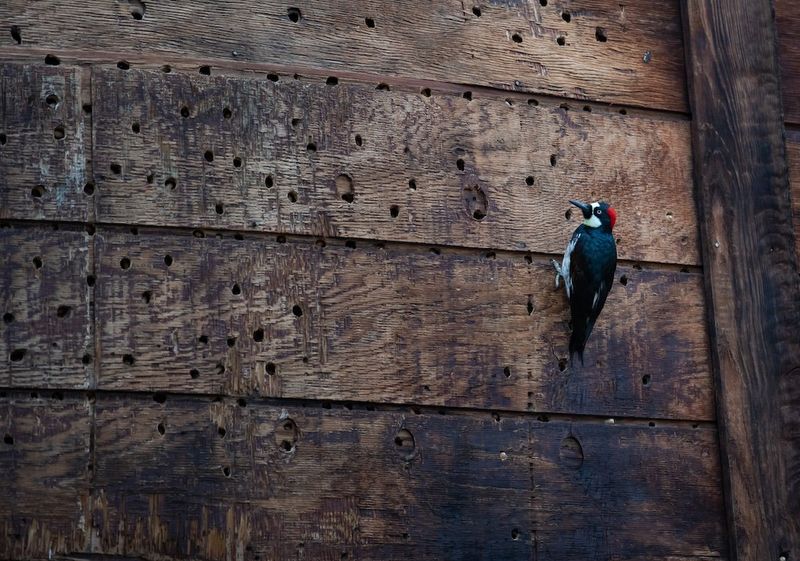
Here is the part that surprises many homeowners. Native woodpeckers are protected under the Migratory Bird Treaty Act of 1918, a federal law enforced by the U.S.
Fish and Wildlife Service.
That protection covers the birds, their eggs, and their active nests. You cannot shoot, trap, poison, or harm them without a special federal permit.
Ohio wildlife rules back this up, and the Ohio Division of Wildlife handles questions at the state level.
Depredation permits do exist, but they are hard to get. Officials usually expect homeowners to try non-harmful methods first and show real, ongoing damage.
For most people, that permit simply is not a realistic path.
Fines for breaking the law can be steep. Even moving an active nest with eggs or young inside can count as a violation, so wait until the young birds have left.
I know this feels frustrating when your trim looks like Swiss cheese. Still, there is a bright side to the rule.
It pushes us toward fixes that last longer, like repairs and barriers, instead of quick actions that only bring the next woodpecker to the same tempting spot.
3. Hidden Insects in Your Wood Siding Might Be Ringing the Dinner Bell
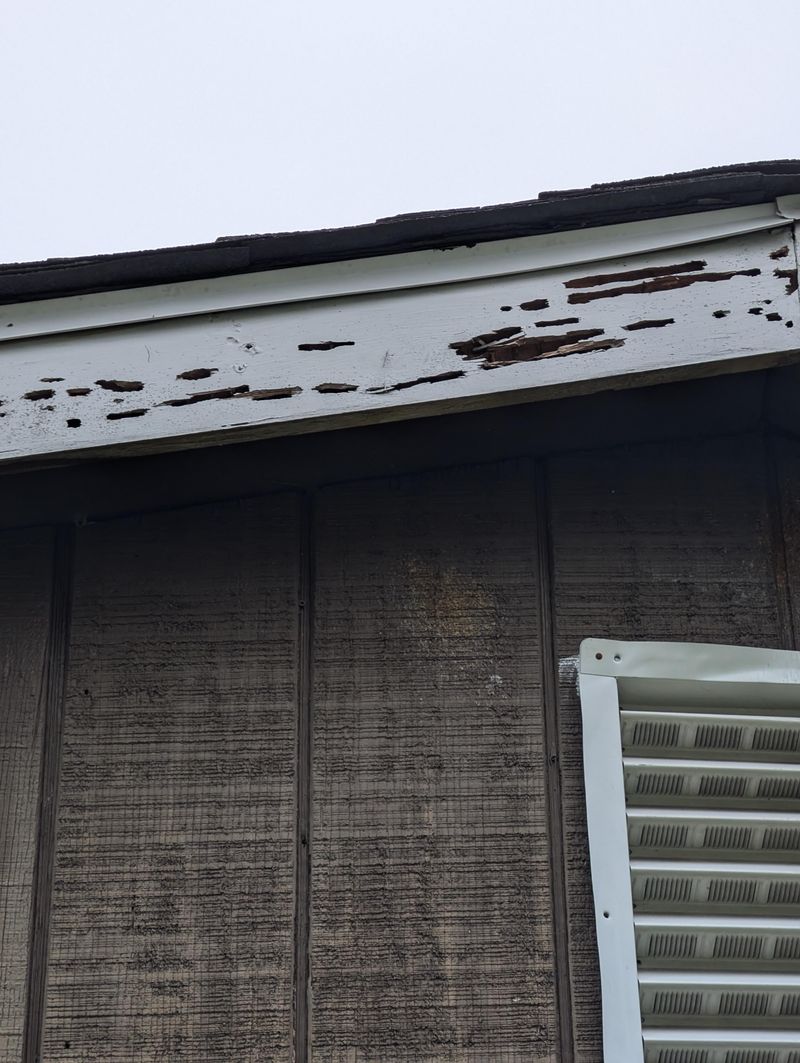
Woodpeckers have amazing hearing and long, barbed tongues. They can pick up faint sounds of larvae chewing inside wood, then drill right to them like a dentist finding a cavity.
Carpenter bees are a big culprit in Ohio. These large, shiny black bees bore round tunnels into fascia boards, eaves, and decks in spring.
Their larvae grow inside those tunnels through summer, which makes a tasty snack for a hungry bird.
Wood-boring beetles, ants, and other insects can draw woodpeckers too. Damage from feeding often looks like a scatter of small, uneven holes, sometimes in a rough line.
You need to check for bugs before anything else. Look for sawdust piles, perfect half-inch holes, or soft spots you can press with a screwdriver.
A pest professional can confirm what lives inside.
Once the insects are treated and the holes are sealed, the buffet closes. In my experience, this step solves more woodpecker problems than any shiny gadget ever could.
Painting or staining bare wood afterward also makes it less inviting to carpenter bees next season, which helps keep the cycle from starting again.
4. Loud Drumming on Gutters Is Really a Springtime Love Song
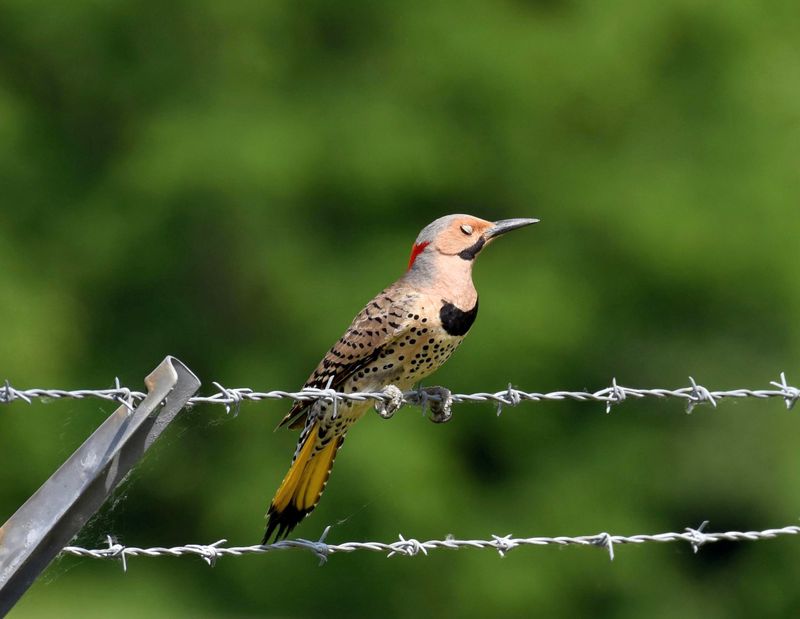
Some mornings sound like a drum solo on your roof. If the pounding comes from a metal gutter, chimney cap, or vent, you are likely hearing a woodpecker announce itself to the neighborhood.
Drumming works like a bird song. Males, and sometimes females, hammer on loud surfaces to claim territory and attract mates.
In Ohio, this peaks from late winter through spring, often starting at dawn.
Metal makes the perfect speaker, so northern flickers and downy woodpeckers love it. This type of pecking often causes little real damage.
It is more of a noise problem than a repair bill.
Funny enough, the louder your house sounds, the better it seems to the bird. A hollow corner board or a dented downspout can become a favorite stage every single day.
To quiet things down, pad the spot. Foam, rubber, or a soft cloth behind the surface can muffle the echo and make the bird look for a better drum.
Covering a metal cap with netting may help too. With a little patience, the season passes and the concert usually ends by early summer.
5. A Big Round Woodpecker Hole Could Become a Nest or Roost
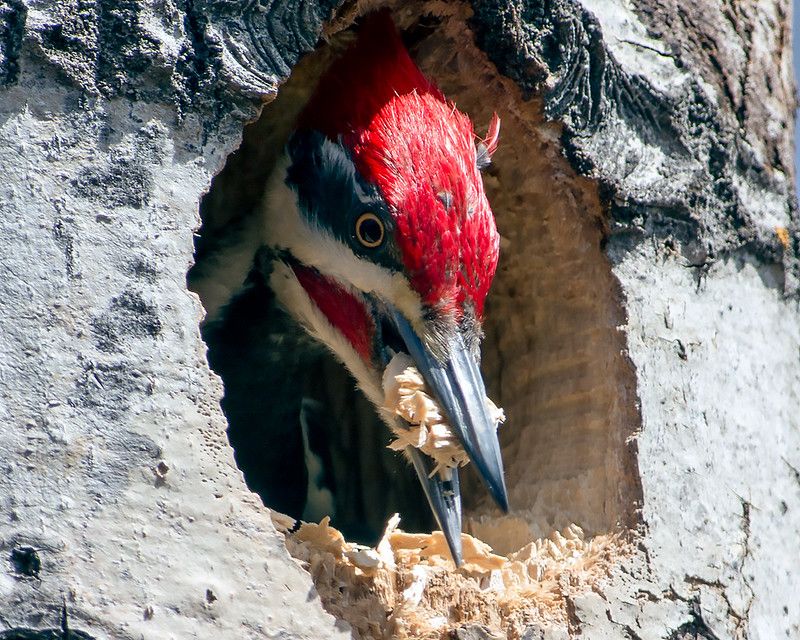
A small, perfect circle about one to three inches wide tells a very different story. That clean hole often means a woodpecker is building a home, not grabbing lunch.
Birds dig nesting cavities mostly in spring. In fall, some carve roosting holes for shelter on cold Ohio nights.
Wood chips on the ground below are a common clue.
Timing matters a lot here. If eggs or young birds are inside, the nest is protected, and you must wait until the family leaves.
Most woodpecker young leave the nest within about a month after hatching.
Once the cavity is empty, act quickly. Check for other critters first, since starlings, squirrels, or bats sometimes move into old woodpecker holes.
Then fill the opening with wood filler or cover it with a patch, and paint it.
Want a kinder twist? Mount a woodpecker roosting box near the problem spot, filled with a few inches of wood shavings.
Some birds take the offer, and some do not, but it gives them a choice. I love watching a downy peek out of one on a frosty morning.
6. Shiny Tape and Fluttering Streamers Can Scare Off a Woodpecker

Woodpeckers are a bit jumpy. Sudden flashes of light and movement near their favorite spot can make them uneasy enough to leave.
Reflective scare tape, pinwheels, hanging old CDs, and strips of foil all work on this idea. Hang them a foot or two from the damaged area so they twist in the breeze.
Mylar balloons with big eye designs can help too.
The trick is to keep things fresh. Birds get used to anything that stays the same, so move your scare items every few days.
Start early, ideally the moment you notice pecking, because a bird with a habit is harder to change.
Noise deterrents are hit or miss. Clapping or a recorded alarm call may chase a bird for a moment, but it usually returns.
Many wildlife experts call these short-term helpers at best.
Skip sticky gels and glue products. They can harm feathers and may break the protection rules.
Fake owls rarely fool anyone for long, either. Think of visual scare tools as a quick first step while you plan a longer fix like repairs or barriers.
7. Bird Netting Over Damaged Siding Keeps Sharp Beaks Away
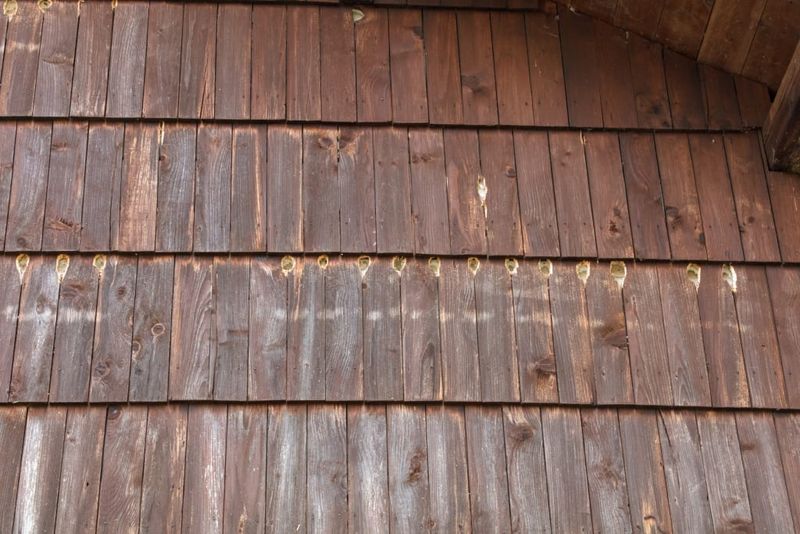
When I want results that last, barriers win every time. If a woodpecker cannot reach the wood, it cannot drill it.
Lightweight plastic bird netting is the top choice from many extension services. Hang it from the eaves down past the damaged area, keeping it at least three inches from the siding.
That gap stops the bird from pecking through the mesh.
Pull it tight so birds do not get tangled, and check it often. Loose netting can trap wildlife, which is the last thing you want.
For smaller spots, metal works great. Hardware cloth, aluminum flashing, or thin sheet metal can cover a favorite corner.
You can paint it to match your house so it blends right in.
Fix old holes, too. Fill them with wood filler or caulk, then paint over them.
Leftover holes act like an open invitation for the next bird.
Planning new siding? Fiber cement, vinyl, and aluminum resist woodpeckers much better than cedar.
Some folks say lighter paint colors help, although proof is limited. Either way, sturdy materials save you a lot of headaches down the road.
8. Native Trees and a Suet Feeder Give Woodpeckers a Better Place to Peck
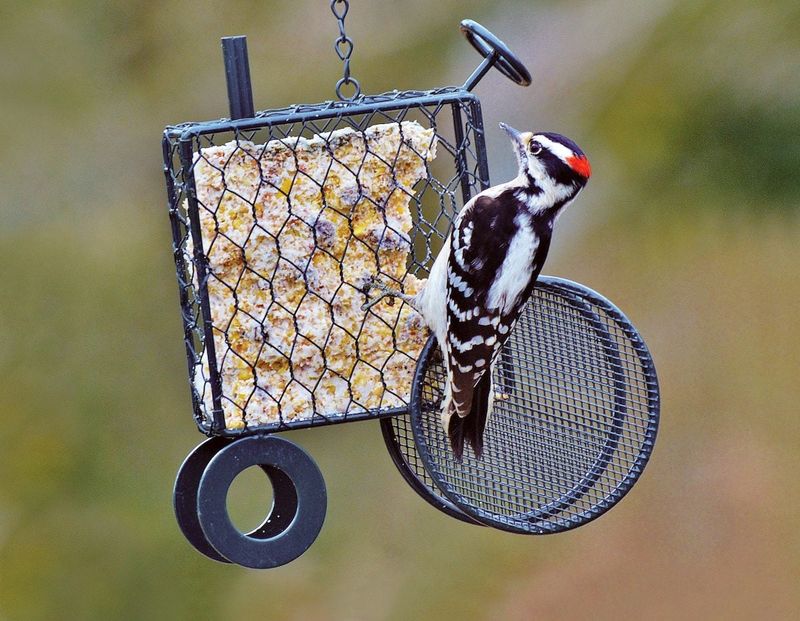
Sometimes the smartest move is to offer a better deal. A happy woodpecker with plenty of food nearby may leave your siding alone.
A suet feeder placed away from the house can draw birds to a new spot, especially in cold months. Some people report fewer house visits once a feeder goes up.
Results vary, so pair it with barriers and repairs.
Native trees are a gift to woodpeckers. Oaks, hickories, and black cherry support loads of insects that birds love.
If it is safe, leaving a standing old snag at the back of your yard gives them a natural spot to drill and nest.
If your woodpecker keeps returning even after repairs, deterrents, and netting, call for help. A licensed wildlife control operator in Ohio knows the law and can suggest safe, legal options.
You can also reach the Ohio Division of Wildlife with questions.
I truly believe living with these birds is easier than fighting them. They eat many insects that would bother your trees and home.
With smart fixes and a little patience, you can protect your house and still enjoy their cheerful drumming.