7 Common Houseplants That Can Be Risky For Pets In California Homes
A single seed from one trendy patio plant can send a curious dog straight to the emergency vet. Even a few licks of pollen from another popular bloom can seriously harm a cat’s kidneys within days.
I learned this while repotting my favorite greenery, with my tabby supervising every move from the windowsill. Many beloved indoor plants carry hidden chemical defenses that evolved to stop hungry animals from nibbling their leaves.
California homes are packed with leafy decor, thanks to sunny windows and mild weather that plants adore. You might notice your pet sniffing a new pot within minutes, because fresh soil and leaves smell exciting.
Personally, I still keep plenty of greenery, but I place each pot with my animals in mind first. So which familiar California favorites deserve a higher shelf, and which ones mostly cause a grumpy tummy?
1. Sago Palm

Prehistoric looks come standard with this plant, since cycads have been around since long before flowering plants appeared. Those stiff, glossy fronds feel almost plastic under your fingers, and the chunky trunk looks like a pineapple.
Despite the name, a sago palm is not a true palm at all, but a cone-bearing relative of conifers. Cycas revoluta grows slowly, sometimes taking around fifty years to reach fifteen feet, so many people keep it potted.
Every part contains a toxin called cycasin, and the bright orange seeds hold the highest concentration by far. Veterinarians warn that swallowing just one or two seeds can be life-threatening for dogs, which often treat them like toys.
Early signs can show up within fifteen minutes to several hours, including vomiting, drooling, diarrhea, and belly pain. Liver damage may follow, leading to yellowish gums, bruising, weakness, tremors, or seizures, so fast veterinary care matters enormously.
In Southern California and around Sacramento, sago palms appear in countless front yards, patios, and sunny living rooms. I have to admit I was surprised how often these plants show up in apartment landscaping near dog walking paths.
If you already own one, remove any seeds or cones promptly and sweep up fallen fronds before your pup investigates. Keep potted sagos behind a gate or in a room your pets cannot enter, especially young dogs who chew everything.
Should you ever suspect a nibble, call your veterinarian or the ASPCA Animal Poison Control Center at once. Bring a photo or a piece of the plant, because quick identification helps the medical team choose treatment faster.
2. Easter Lily
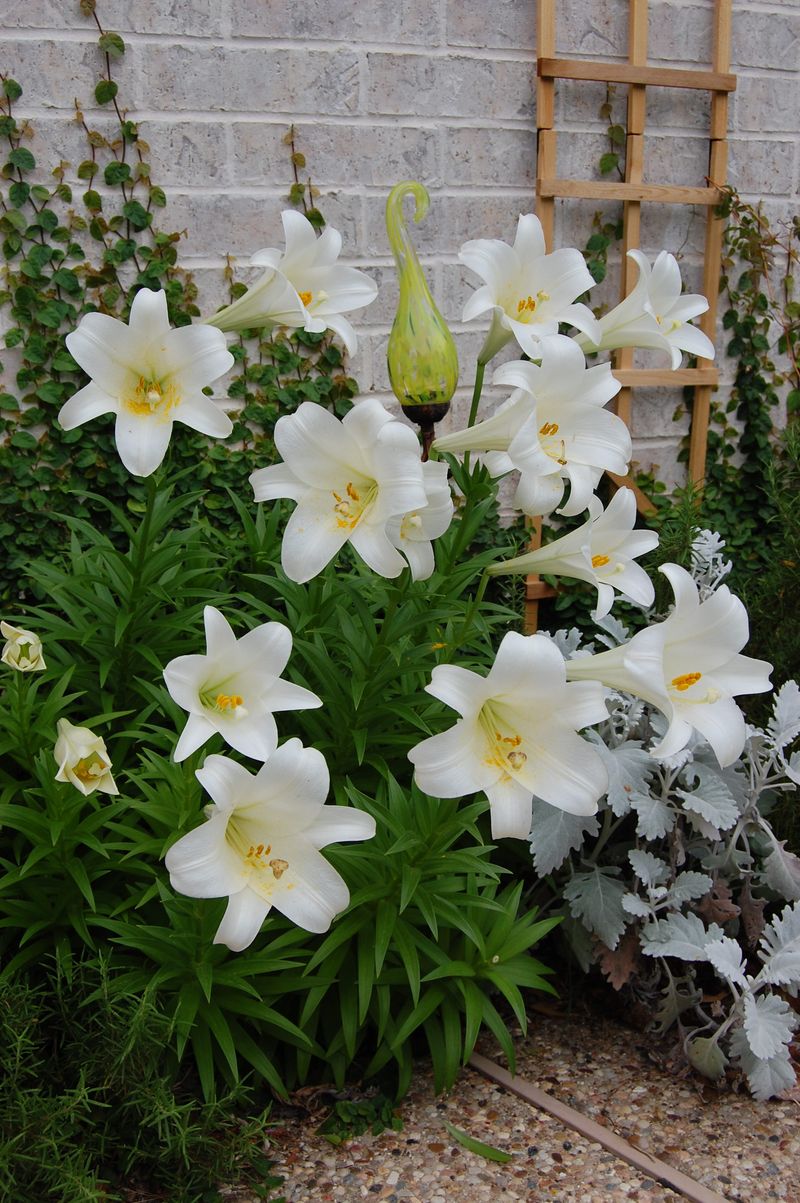
That sweet, heavy fragrance drifting from a trumpet-shaped white bloom feels like springtime packed into one little pot. For cat owners, though, Lilium longiflorum ranks among the most serious plant hazards you can bring indoors.
Scientists still have not identified the exact toxin, yet every part of true lilies causes harm to cats. Petals, leaves, stems, pollen, and even the water in the vase can trigger sudden kidney failure in felines.
Personally, the pollen detail shocks me most, since a cat could simply brush past the flower and lick its fur later. That tiny amount of dust may be enough to cause serious illness, which is why vets urge extreme caution.
Watch for vomiting, low appetite, sluggish behavior, dehydration, or changes in how often your cat uses the litter box. Without treatment, kidney damage can become life-threatening within one to three days, so speed makes a huge difference.
Dogs usually face milder trouble, mostly an upset stomach, but you still want them kept away from the leaves. Grocery stores across California stock these potted lilies every spring, so they often arrive as thoughtful gifts from friends.
You need to know the name matters here, because peace lilies and calla lilies are not true lilies at all. Those plants cause mouth irritation instead, while daylilies and tiger lilies share the same kidney risk for cats.
If a lily gift arrives, consider enjoying it outdoors or passing it along to a pet-free household. Silk or paper lily arrangements give you that springtime look without any worry about curious whiskers and noses.
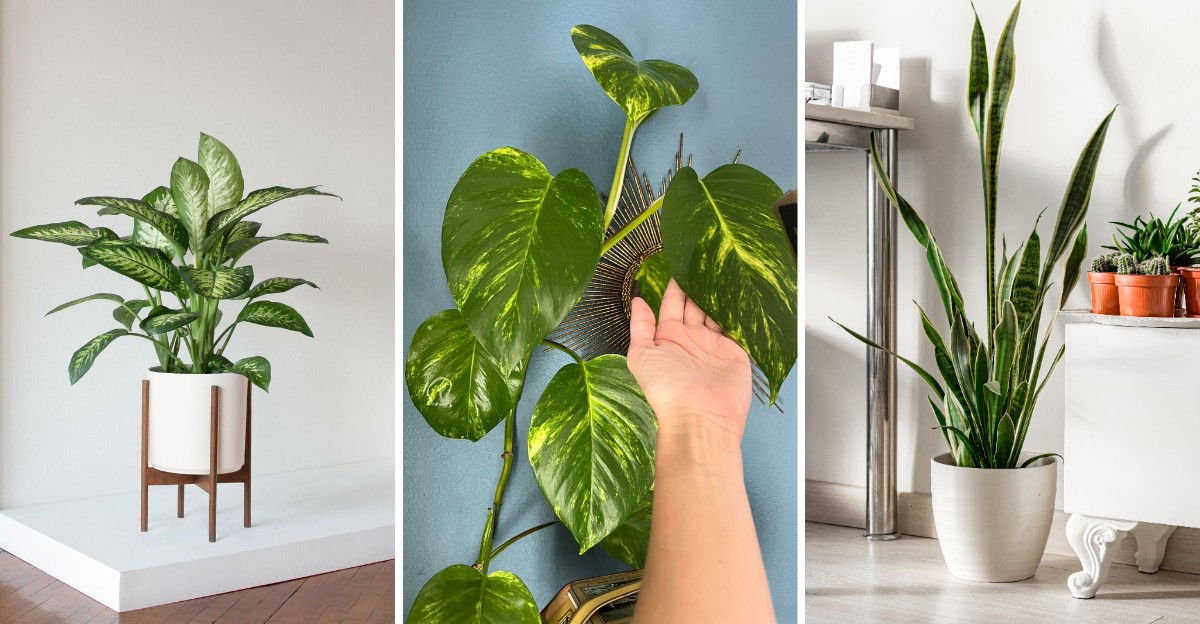
3. Dieffenbachia
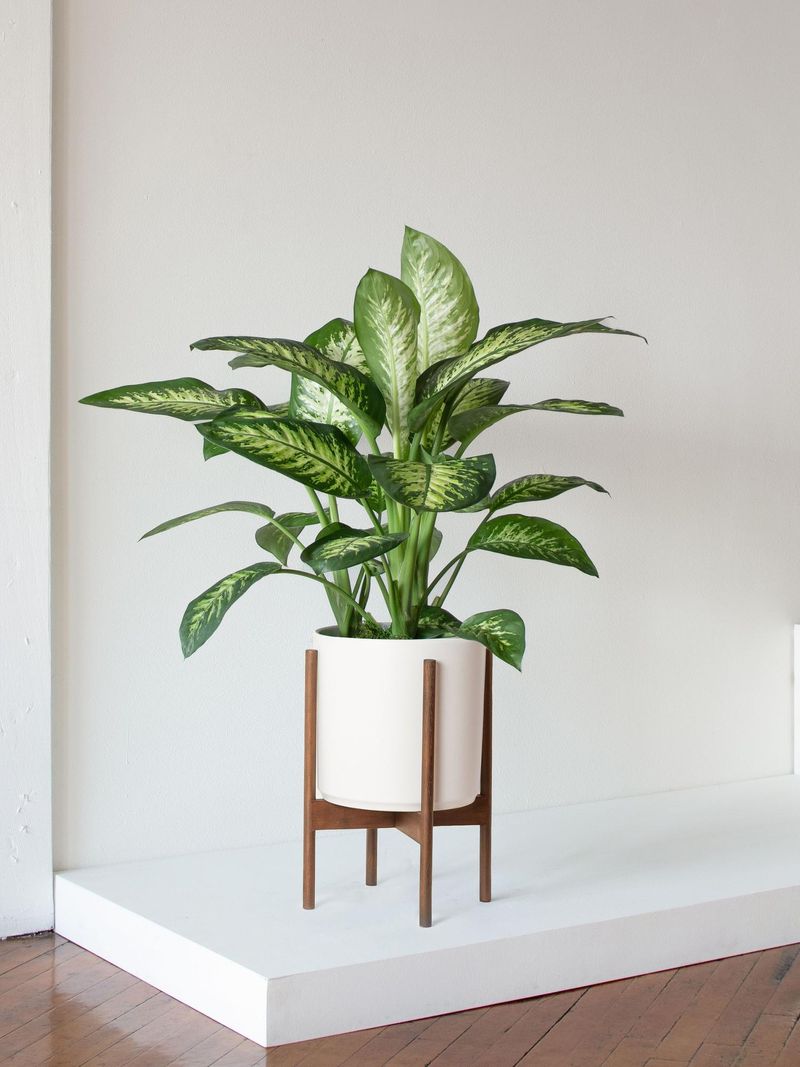
Old-timers nicknamed this leafy beauty dumb cane, because chewing it can make the mouth swell so badly that speaking hurts. Its broad leaves splashed with cream and green honestly look like someone painted them with a soft brush.
Dieffenbachia thrives in shaded indoor corners, which explains why so many offices and living rooms showcase its tropical foliage. I love how quickly a healthy plant fills an empty spot, but its sap deserves real respect around animals.
Inside every leaf and stem sit tiny needle-shaped crystals called insoluble calcium oxalate raphides, packed into special cells. When a pet bites down, those cells fire the crystals into soft tissue, causing instant burning and stinging pain.
Most dogs and cats react right away with heavy drooling, pawing at the face, retching, or sudden vomiting. In more severe cases, swelling at the back of the throat can make breathing difficult and requires a vet visit.
Since the pain starts immediately, many pets stop after a single bite, which helps limit how much they actually swallow. Still, puppies and bored cats sometimes try again, so placing the pot high up is a smart move for everyone.
Wear gloves when pruning or propagating, because the sap can irritate human skin and eyes too, especially for sensitive gardeners. Wipe your tools afterward and toss trimmed leaves into a covered bin rather than an open kitchen trash can.
If your pet chews a leaf, gently rinse its mouth with water and call your veterinarian for guidance. Calcium-rich treats like plain yogurt may ease discomfort, but your vet should confirm what is safe first.
4. Philodendron
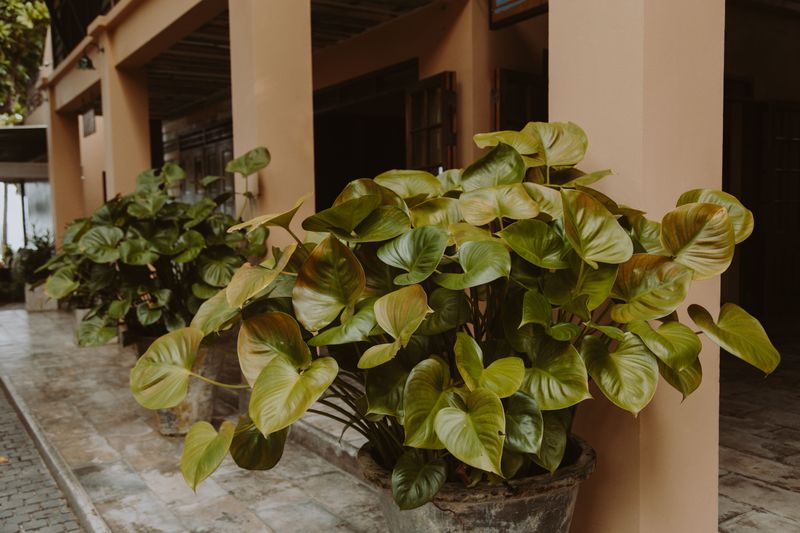
Heart-shaped leaves tumbling over a bookshelf might be the most classic houseplant look of the last fifty years. Philodendron hederaceum, often called the heartleaf or sweetheart plant, earns that spot by growing happily in almost any bright room.
The genus itself is enormous, with trailing vines and bushy varieties that show off dramatic lobed leaves. Nurseries across California keep them stocked year round, and I can’t imagine a plant swap without at least one cutting.
Like its cousins in the arum family, a philodendron carries insoluble calcium oxalate crystals within its leaves and stems. A curious cat chomping a dangling vine will usually feel burning in the lips, tongue, and throat within seconds.
Drooling, vomiting, and occasional diarrhea may follow, and some pets shake their heads or paw at their mouths. Veterinary sources describe the severity as mostly low, and many cases can be handled at home with professional guidance.
That reassurance does not mean ignoring it, because swelling can occasionally become uncomfortable enough to affect swallowing or breathing. Call your vet or a pet poison hotline anytime you notice ongoing distress or a puffy face.
Trailing vines are the real temptation, since swinging leaves look like a fun toy to playful kittens and puppies. Trim long strands regularly, or train them up a moss pole where little paws cannot easily grab and tug.
Hanging baskets work well too, as long as nearby furniture does not create a handy launch pad for adventurous cats. Pinched stems root easily in water, so share extra cuttings with pet-free friends instead of tossing them on floors.
5. Pothos
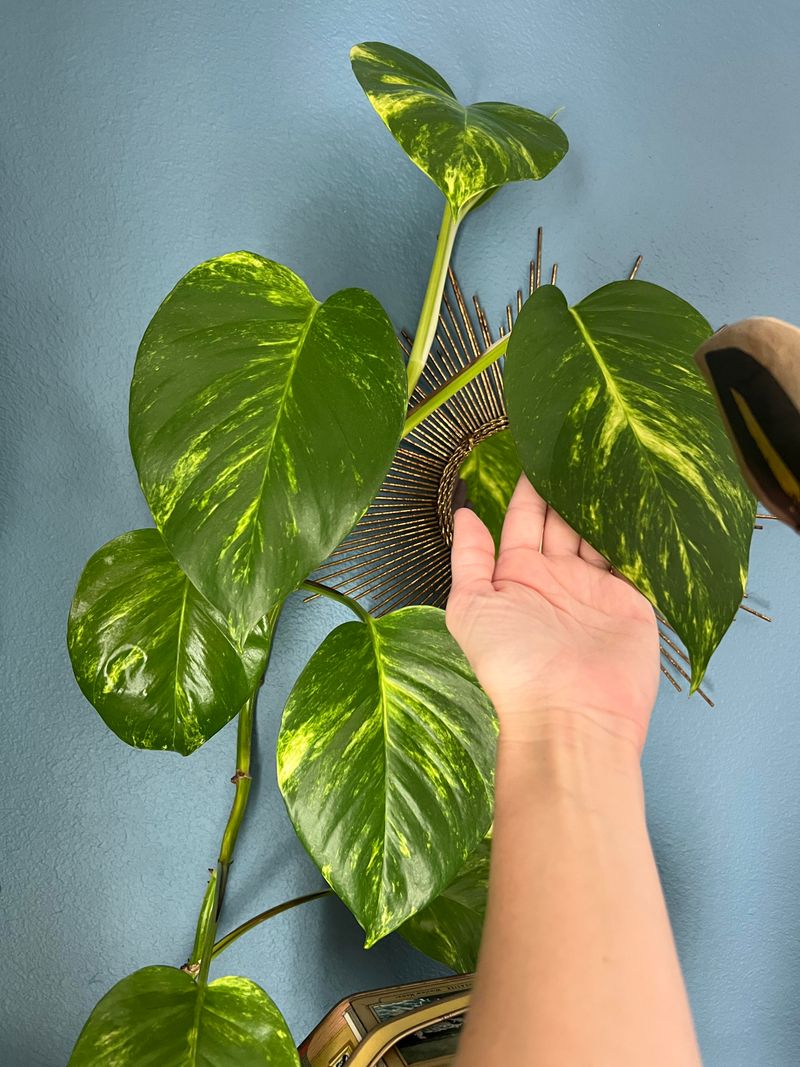
Nicknamed devil’s ivy because it stays green even in dim corners, this vine seems almost impossible for beginners to ruin. Its waxy, heart-shaped leaves come splashed with gold, cream, or white, and new growth unfurls in a cheerful lighter shade.
Epipremnum aureum was once labeled Pothos aureus, which is why the old common name stuck around so stubbornly. You’re in for a surprise if you underestimate its speed, because a happy plant can trail several feet quickly.
Sadly, the same insoluble calcium oxalate crystals found in philodendrons hide inside pothos leaves and stems as well. Chewing releases them into the mouth, causing burning, swelling of the lips and tongue, and plenty of drooling.
Vomiting and diarrhea can follow, though most cases are considered low severity and resolve with supportive care at home. What surprises me most is how often cats keep chewing anyway, especially when the plant sits near their favorite window.
In sunny California apartments, pothos often lives on top of refrigerators or bookcases, which cats treat as personal climbing towers. Moving the pot is only half the battle, since long vines can drape down to an easily reached height.
Snip the trailing ends whenever they dip below shelf level, and root those cuttings in a jar for gifting. A pet-safe cat grass pot nearby can redirect chewing urges, giving your feline something tasty and harmless instead.
If you see swelling around the face or hear labored breathing, contact your veterinarian right away for advice. Keep the plant label handy, since knowing the exact species helps the vet staff judge risk without guessing.
6. Aloe Vera
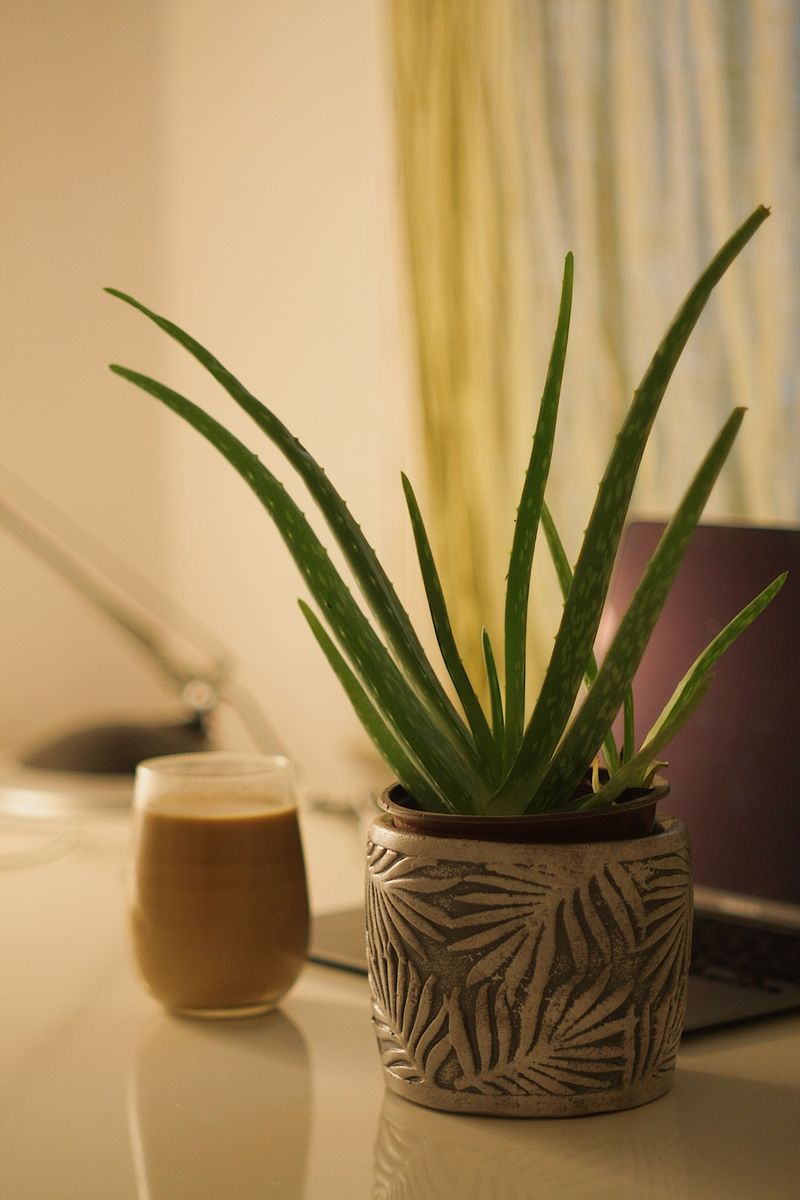
Most of us reach for aloe after a sunburn, so it feels strange that this soothing plant can upset pets. Those plump, spiky rosettes look friendly on a kitchen windowsill, and the cool gel inside smells faintly green and fresh.
Aloe vera, sometimes listed as Aloe barbadensis, stores its trouble in a bitter yellow latex just beneath the leaf skin. The clear inner gel is not the main concern, but pets rarely bite neatly enough to avoid the latex layer.
That latex contains saponins and anthraquinones, natural compounds that act as a strong laxative in dogs and cats. Typical signs include vomiting, diarrhea, drooling, sluggishness, and a sudden lack of interest in food or treats.
Larger amounts may cause reddish urine or muscle tremors, according to veterinary sources, so a big chew deserves a phone call. Most bites lead to a messy stomach upset rather than an emergency, yet monitoring your pet closely remains wise.
Bright light and dry air suit this succulent, so it grows happily on patios in many warmer California regions. Frost can damage it though, so gardeners in colder inland spots often bring pots indoors during winter nights.
I believe the easiest fix is placement, since aloe tolerates high shelves and sunny ledges that most dogs cannot reach. Water deeply only when the soil dries out, because soggy roots invite rot faster than almost anything else.
When harvesting gel for yourself, cut leaves away from pets and rinse the yellow sap down the sink. Store homemade aloe products in sealed containers, since a lick of pure latex can still cause tummy trouble.
7. Snake Plant
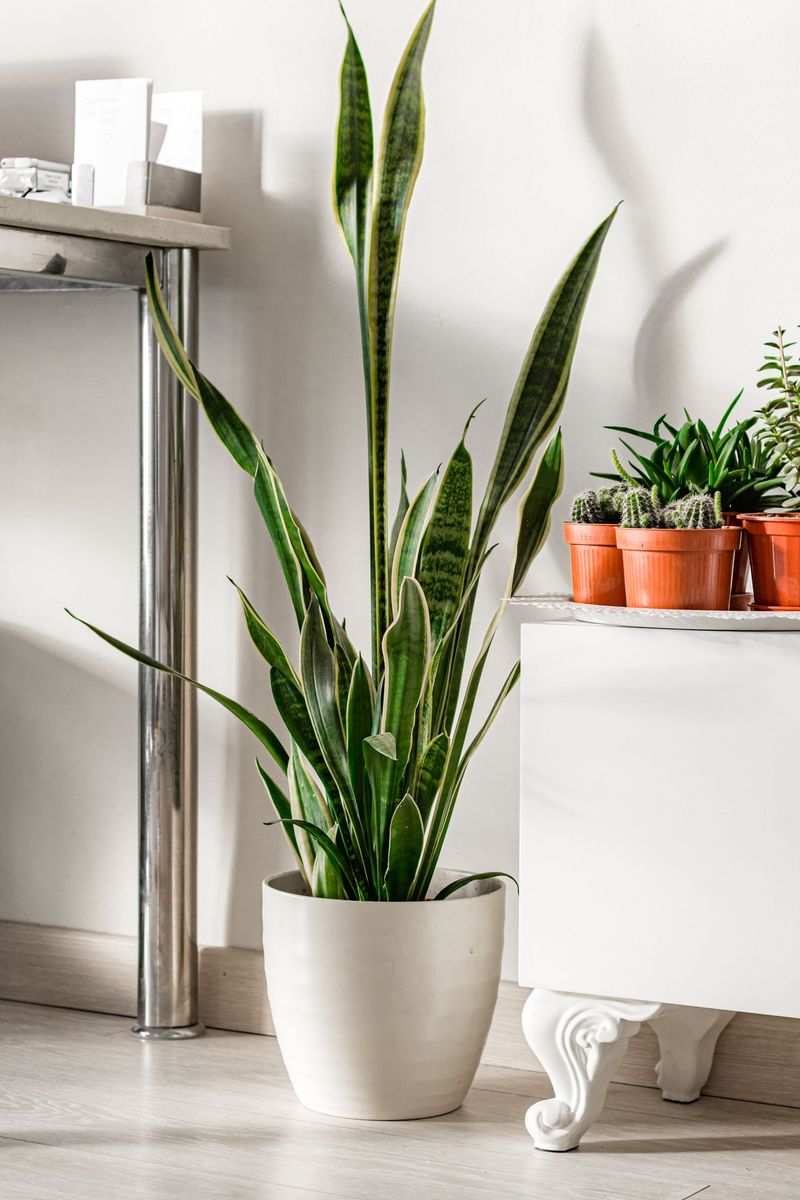
Stiff, sword-shaped leaves striped like a jungle cat give this plant a bold look that suits modern rooms perfectly. Botanists recently moved it from Sansevieria into the genus Dracaena, so you may spot Dracaena trifasciata on newer plant tags.
Fans love that it tolerates low light and long stretches without water, making it a top pick for busy households. Some varieties show silver or gold edges, and I have to say the golden-edged types glow beautifully near a window.
Unfortunately, the leaves contain saponins, plant compounds that can irritate the stomach and intestines of dogs and cats. Symptoms usually include nausea, vomiting, diarrhea, low energy, and a reduced appetite after a pet chews the foliage.
On the bright side, most cases stay mild, and the tough, fibrous leaves are not especially tempting to many pets. Teething puppies are the exception, since that rigid texture can feel satisfying against sore gums and growing teeth.
Snake plants are hugely popular in California homes and offices, partly because they handle dry indoor air without complaint. That popularity means friends may gift you one, so plan its spot before it lands on the living room floor.
Tall varieties work well on plant stands, while compact bird’s nest types fit neatly onto high shelves or bathroom ledges. Water only when the soil dries fully, because overwatering causes mushy roots long before any pet becomes a problem.
If your pet does take a bite, remove leftover plant pieces from its mouth and offer fresh water to drink. Call your veterinarian if vomiting continues or your pet refuses food, since lingering symptoms deserve a professional look.