Got A Poison Ivy Rash From Clearing Vines In North Carolina This Fall? Here Are 8 Things To Do
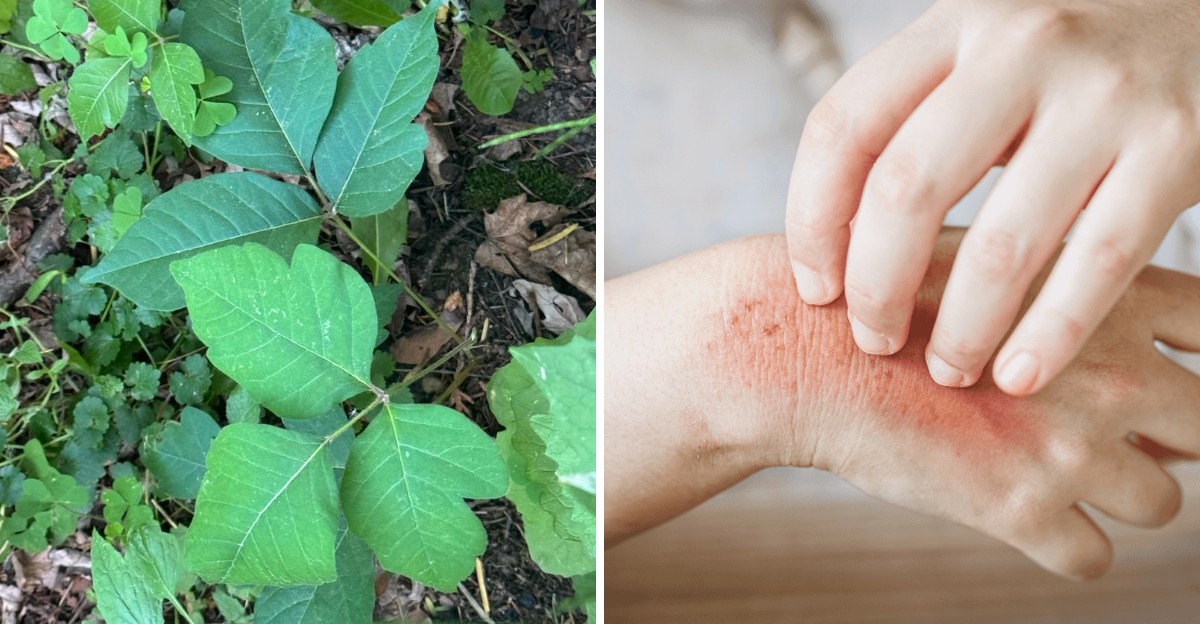
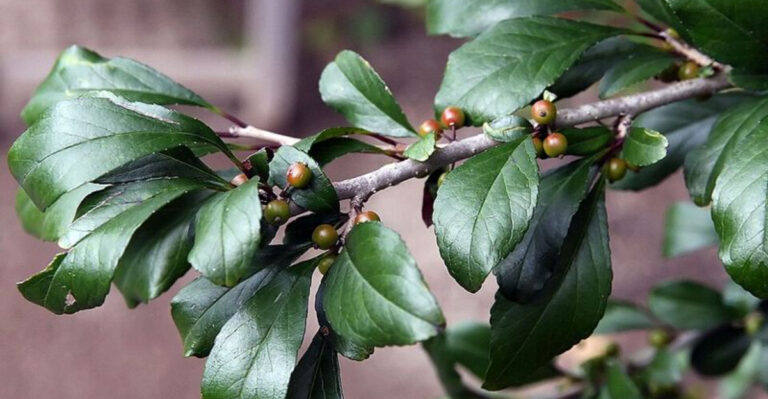
Those fuzzy brown ropes hugging your backyard oaks still carry a sneaky oil, even after their red leaves have fallen. According to dermatologists, that oil can stay active on pruners or work gloves for years.
Here in North Carolina, fall cleanup season sends plenty of us into tangled fence lines armed with loppers and good intentions. A day or two later, angry red streaks and blisters start showing up on our wrists and forearms.
Most gardeners learn this lesson once and remember it for life. Surprisingly, much of the misery comes from small mistakes made after the clearing is already done.
The itch is real, but a smart plan can shorten the ordeal and keep the rash from spreading around your home. What should a scratchy North Carolina gardener do first, and when is it time to call a doctor?
1. Scrub The Oil Off Your Arms With Dish Soap Fast

Urushiol starts sinking into skin within minutes, so the first half hour after touching those vines really matters. I like to think of it as a race, and plain soap and water is your fastest runner.
The American Academy of Dermatology suggests washing exposed skin right away with lukewarm, soapy water to remove the oil. Grease-cutting dish soap works nicely because urushiol behaves a lot like a sticky kitchen grease on your hands.
Scrub gently for a few minutes rather than giving a quick splash and calling the job finished. Hard rubbing with a rough brush can irritate skin, which only gives the rash a head start later.
Pay extra attention to fingernails, since oil hides under them and rides along to your face and neck. A soft nail brush and a little patience can save you from surprise patches on your eyelids tomorrow.
Special cleansers made for poison plant oils, such as Tecnu, are handy to keep in the garden shed. Rubbing alcohol wipes can also help in the field when a sink is far away from your work spot.
Washing will not stop a rash if the oil has already bonded, but it can reduce how much spreads. Even a partial cleanup often means a smaller, milder rash compared with skipping the step altogether.
My own rule is simple: wash first, then sit down with a cold glass of sweet tea. Your sensitivity can change over time, so past luck with these vines is no promise for this year.
2. Toss Your Gloves And Garden Clothes Straight Into The Washer
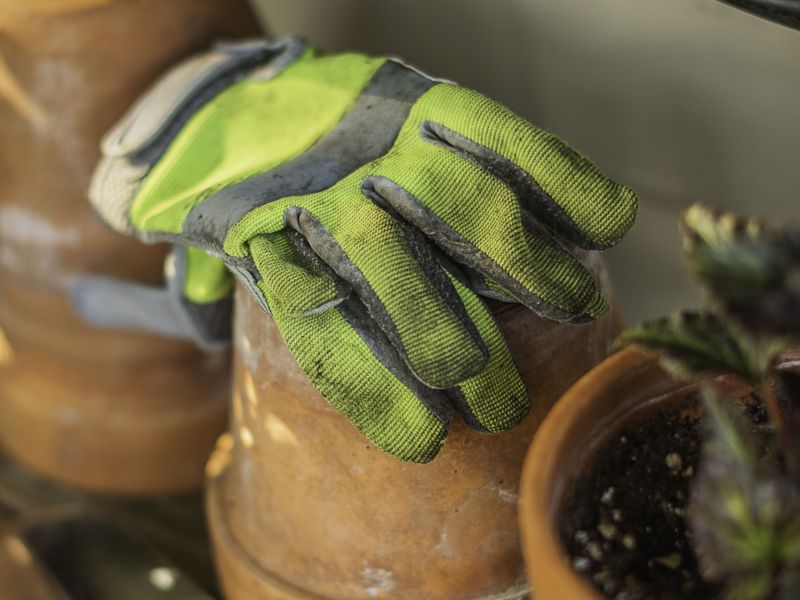
Picking up the same work gloves next weekend can hand you a brand new rash without touching a single leaf. Urushiol clings to fabric, leather, and metal, and it can stay active on those surfaces for a very long time.
Peel off your clothes carefully, rolling them inside out so the oily outer side stays away from your skin. Wash them in the longest cycle with regular detergent, and keep them apart from the rest of the family laundry.
Leather gloves and boots are trickier, because a hot wash can ruin them and the oil soaks deep inside. Wipe them with rubbing alcohol or a special cleanser, and consider retiring badly soaked gloves to the trash.
Your loppers, pruners, and saw handles deserve a careful wipe too, ideally while you wear disposable gloves. Rubbing alcohol or soapy water on a rag removes most oil, then a light coat of oil prevents rust.
Do not forget the wheelbarrow handles, steering wheel, and doorknobs you touched on your way inside the house. Those spots explain a lot of mystery rashes that seem to pop up weeks after the cleanup ended.
Dogs rarely react to urushiol because of their fur, yet they happily carry it onto couches and laps. Bathe a vine-exploring pup with pet shampoo while wearing rubber gloves, then rinse the tub well afterward.
I keep one bucket by the back door just for contaminated gear after a big fence line cleanup. It sounds fussy, but that simple bucket has saved my forearms more than once during autumn chores.
3. Let A Cool Washcloth And Oatmeal Bath Calm Red Itchy Skin
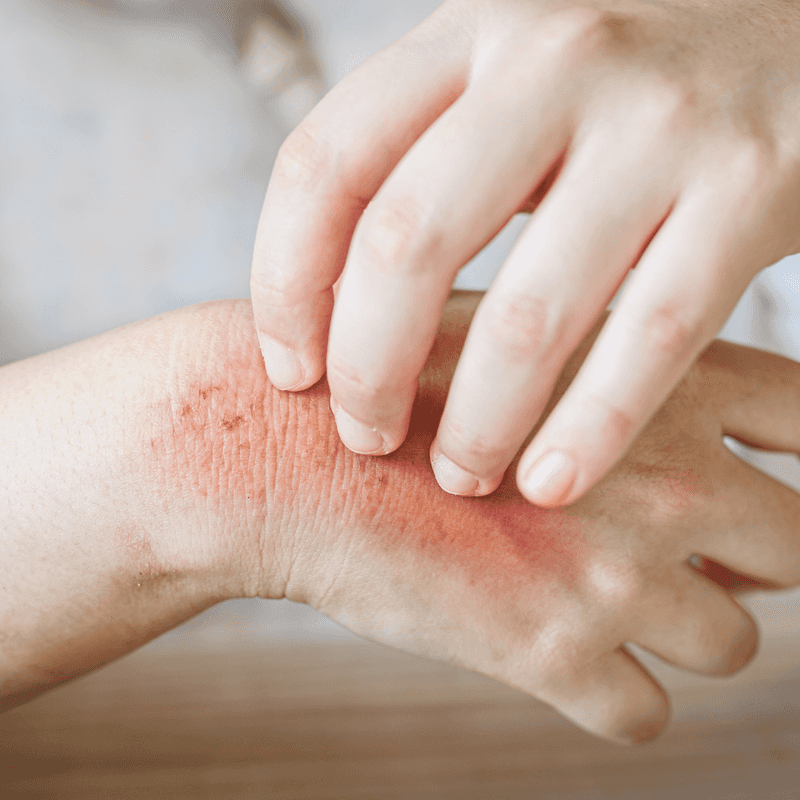
Nothing on the pharmacy shelf beats the instant hush of a cold, damp washcloth on a burning rash. I find it fascinating that something so ordinary can quiet the itch faster than many fancy creams.
Soak a clean cloth in cool water, wring it out, and rest it on the rash for about fifteen minutes. Repeat several times a day, especially when the blisters feel hot or the itch flares up in the evening.
Wrapped ice packs work too, but keep a towel between the ice and your skin to avoid cold damage. Wash the cloths after each use so you are not pressing old fluid and germs back onto tender spots.
For rashes that spread across your legs or arms, a short lukewarm bath can cover much more ground. Colloidal oatmeal, the finely ground kind sold for baths, forms a soothing film over irritated skin.
Follow the package directions and soak for roughly fifteen minutes, keeping the water lukewarm rather than steaming hot. Hot water can feel good for a moment, yet it often makes inflammation and itching worse afterward.
Plain baking soda mixed into the bath is another option dermatologists mention for drying oozing patches. Pat yourself dry with a soft towel instead of rubbing, since friction wakes the itch right back up.
A cool soak just before bed is my favorite trick for getting through a rough night or two. Relief from these methods is temporary, so pair them with the treatments in the next few sections.
4. Grab Calamine Lotion Or Hydrocortisone Cream From The Pharmacy
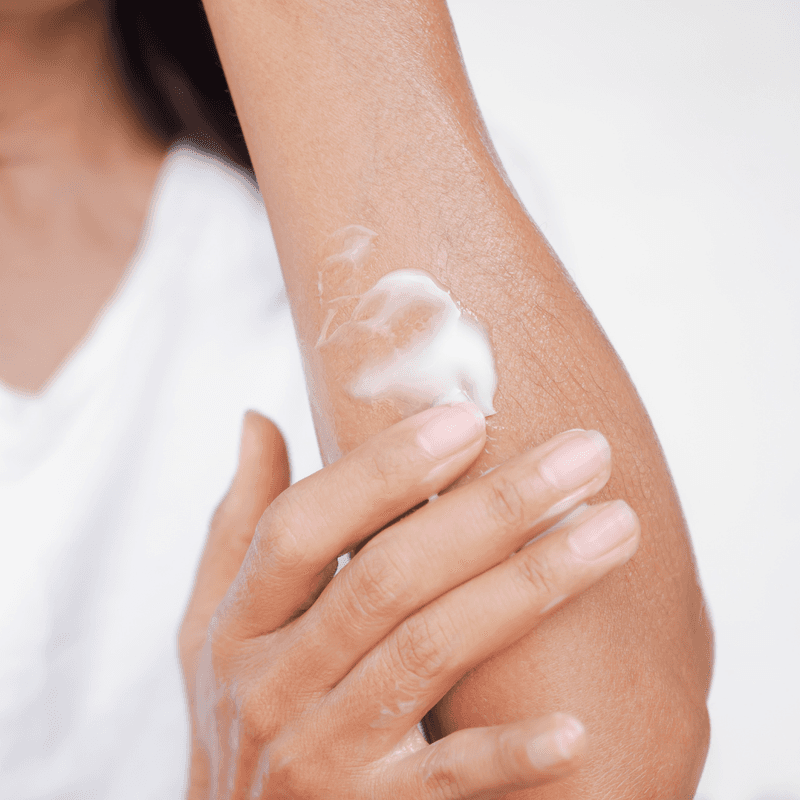
That chalky pink bottle in grandma’s medicine cabinet still earns its spot, and dermatologists continue to recommend it. Calamine contains zinc oxide, which helps dry weeping blisters while leaving a cool feeling as it evaporates.
Shake the bottle well, then dab the lotion onto the rash with a cotton ball and let it air dry. You can reapply several times a day, following the label, once the old layer starts flaking off.
Over-the-counter hydrocortisone cream at one percent strength is the other popular shelf choice for milder, smaller rashes. This mild steroid can calm redness and itching, though it works best on small patches rather than big areas.
Spread a thin layer on clean skin, usually up to a few times daily, as the package directs. Skip it on broken, oozing skin, and check with a doctor before using it on a child’s face.
What surprises many gardeners is the advice against topical antihistamine creams and numbing creams with benzocaine. The AAD warns these products can trigger their own allergic rash on top of the one you already have.
I keep both calamine and hydrocortisone in a little shoebox labeled for garden mishaps and splinters. Having them on hand means you can start treatment the moment those first itchy bumps appear on your skin.
Expect these remedies to ease symptoms rather than make the rash vanish overnight like some sort of magic trick. Most rashes run their course in one to three weeks, and good care simply makes that stretch more comfortable.
5. Swallow An Antihistamine When The Itch Keeps You Awake
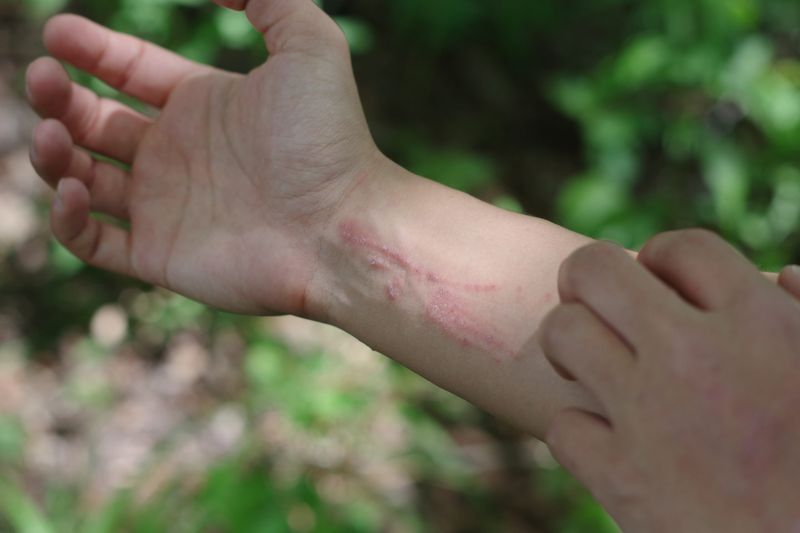
Midnight is when a vine rash seems to throw its loudest party, with itching that ignores every pillow flip. An oral antihistamine works from the inside, and many people find it takes the edge off that restless feeling.
Diphenhydramine, sold as Benadryl, is a common choice at bedtime because it often makes people quite sleepy. That drowsiness can be a blessing at night, but it makes driving or using a chainsaw a bad idea.
Non-drowsy options like cetirizine or loratadine may help during the day, though some experts say their itch relief is modest. Poison ivy itch is not driven by histamine as much as hay fever, so results can vary between people.
Read the dosage directions carefully, and do not double up on products that contain the same active ingredient. Many nighttime cold medicines already include diphenhydramine, so check labels before mixing anything from your medicine cabinet.
Talk to a pharmacist first if you take other medicines, are pregnant, or have conditions like glaucoma. Older adults and young kids can react strongly to drowsy antihistamines, so their doses need extra care.
I treat these pills as a helper rather than a cure, much like a good pair of knee pads. They help you rest while the skin heals, and a rested gardener scratches far less than a tired one.
Combine the pill with cool compresses and calamine for a layered approach that tackles itch from several angles. If nothing seems to touch the itch after several days, that is your cue to call a doctor.
6. Keep Your Fingernails Away From Those Weeping Blisters
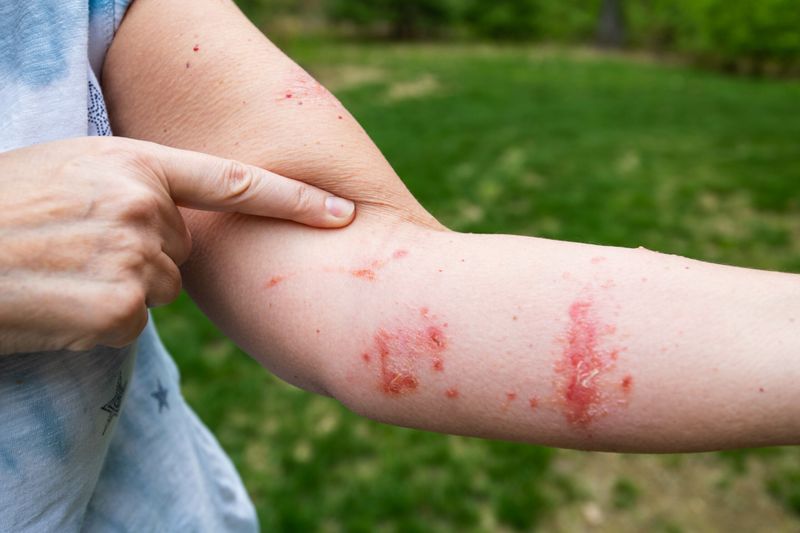
Scratching feels heavenly for about three seconds, then it leaves you with torn skin and a longer recovery. I know the temptation well, because nobody’s willpower is perfect when a rash itches like a swarm of ants.
Fingernails carry plenty of bacteria, and broken blisters give those germs an easy doorway into the skin underneath. That is how a simple rash sometimes turns into an infection that needs antibiotics from a doctor.
You might find it hard to believe, but the fluid inside the blisters does not spread the rash. New patches usually come from leftover oil on skin, clothes, or tools, or from areas that reacted more slowly.
Leave blisters alone when you can, since the intact skin acts like a natural bandage over raw tissue. If one breaks on its own, wash it gently with soap and water and keep it clean.
Trim your nails short during a flare, and consider wearing thin cotton gloves to bed for a few nights. Loose, soft clothing over the rash also helps, because it blocks sleepy scratching without trapping heat.
When the urge hits, try pressing a cool cloth on the spot or tapping lightly around it instead. Distraction counts too, so a good book or a seed catalog can keep idle hands busy for a while.
Healing takes patience, and most uncomplicated rashes fade within about two to three weeks without leaving scars. Your future self will be grateful you left those blisters alone while the skin quietly repaired itself.
7. Skip The Burn Pile For Those Hairy Poison Ivy Vines
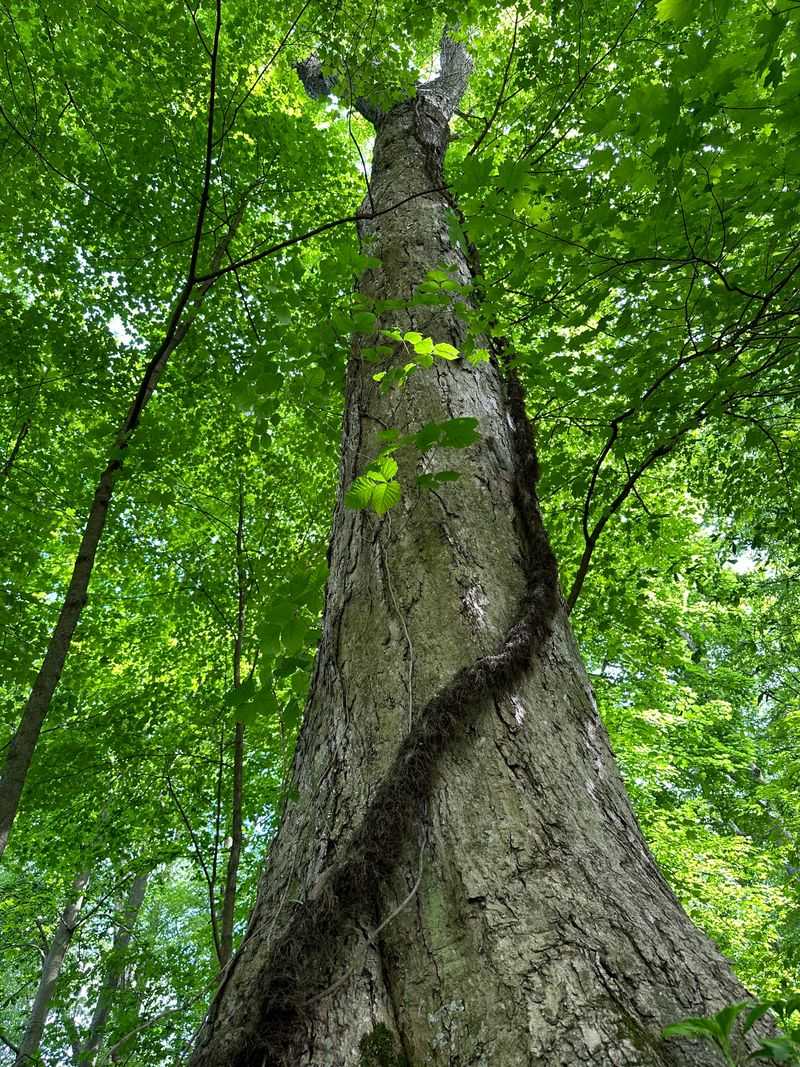
That tidy heap of cut vines might look like perfect fuel for a backyard fire on a crisp evening. Burning it is one of the worst moves you can make, because urushiol rides along in the smoke.
Breathing that smoke can irritate your lungs and airways, and health experts treat it as a serious medical concern. It can also reach eyes and skin of neighbors downwind, which is not a great way to stay friendly.
Many counties in North Carolina have burning rules and fall fire warnings anyway, so check before lighting anything outdoors. For these vines, though, my advice is simple: bag them up instead of striking a match at all.
Wear long sleeves and disposable gloves, then stuff the cuttings into heavy plastic bags for your regular trash. Avoid composting them, since the oil lingers in leaves, stems, and roots long after the plant is cut.
Those bare, hairy vines on tree trunks still hold plenty of urushiol after the red fall leaves drop. Even the roots can cause a rash, so dig carefully and handle every piece like it is still green.
Remaining stumps can resprout next spring, so N.C. State Extension suggests repeated cutting or a labeled herbicide for control.
Read and follow every label direction, and choose calm days so sprays stay where you aim them.
I like to mark the base of tricky vines with bright flagging tape before starting any big cleanup. That small visual reminder keeps me from grabbing the wrong rope while I am focused on the job.
8. Call A Doctor When The Rash Reaches Your Face Or Spreads Wide
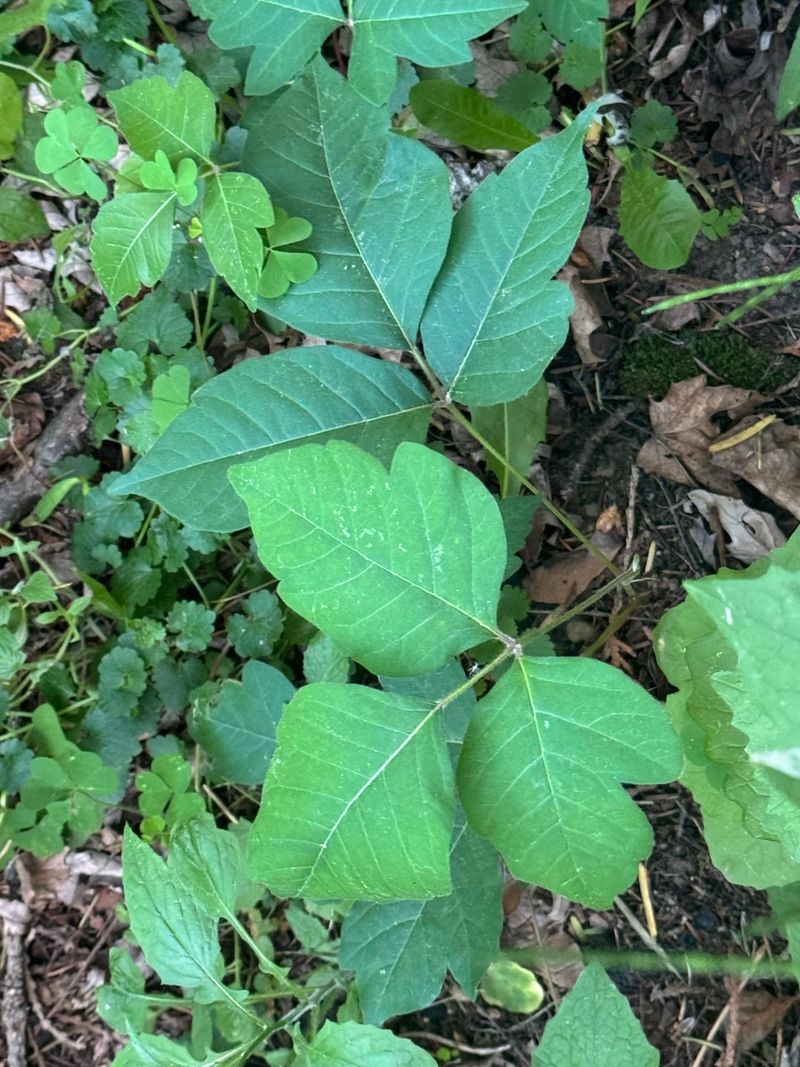
Most vine rashes are a nuisance you can handle at home, yet a few warning signs deserve professional help. Knowing those signs ahead of time takes the guesswork out of a stressful, itchy week in the garden.
Head straight to an emergency room if you have trouble breathing or swallowing after contact or smoke exposure. Swelling of the face, lips, or throat also counts as urgent, so call 911 rather than waiting it out.
The AAD recommends seeing a doctor when the rash covers a large part of your body or keeps spreading. Rashes on the face, near the eyes, or on the genitals also deserve a prompt medical visit.
Watch for pus, yellow crusts, spreading warmth, or a fever above 100 degrees, which can signal infection. A doctor can prescribe antibiotics for infection, which home remedies like oatmeal baths simply cannot provide.
When itching keeps you from sleeping or the rash lingers past a few weeks, an appointment makes sense. Prescription steroid creams or a tapering course of oral prednisone can calm severe reactions much faster.
Stopping oral steroids too early can cause the rash to rebound, so follow the full schedule your doctor gives. Ask questions at the visit, because understanding the plan makes it easier to stick with the tapering doses.
I like knowing that urgent care clinics across North Carolina see plenty of these rashes during cleanup season. Getting help early is a smart gardening move, and it gets you back to raking leaves much sooner.