South Carolina Pecans Falling Right Now Need One Extra Step Before Thanksgiving Baking
A freshly fallen nut can hold roughly a quarter of its weight in water. That sounds harmless until it ends up in your holiday pie tasting flat, soft, or a little musty.
I learned the hard way that fresh off the ground does not mean ready for the oven. Years ago, I cracked a bowl of shiny brown nuts straight from the yard and baked them that same week. The kernels came out chewy and dull, and nobody asked for seconds.
Here’s what gets me. Across South Carolina, backyard trees are dropping their crop right as Thanksgiving plans heat up, so the timing feels perfect. You rake, you gather, you dream about pralines.
Truth is, the nuts need something from you before they earn a spot on the table. It costs nothing, takes no fancy gear, and fits neatly before the big day. Yet somehow, most of us skip it every year.
Those Freshly Fallen Pecans Are Hiding More Water Than You Think
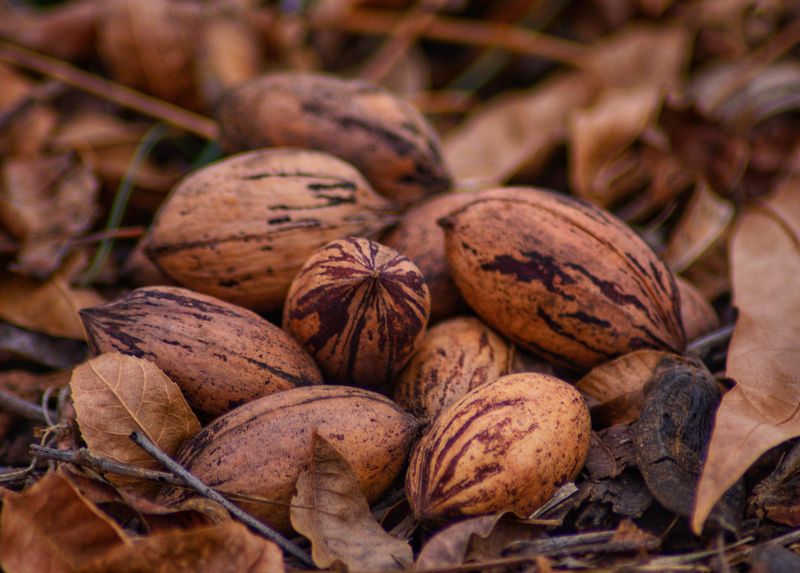
Shiny shells fool almost everyone. A pecan that just dropped from the tree looks finished, but inside, the kernel is often still carrying around 20 to 30 percent moisture.
That number comes from university extension guidance, and it matters a lot for flavor. Pecans are packed with natural oils, and oils plus water plus warm fall days make a tricky combination. Damp kernels can grow mold, turn soft, or pick up bitter, stale notes much faster than dry ones.
I used to blame the variety or the tree when nuts tasted off. It took me a while to realize the problem started after harvest, not before it. The tree did its job just fine.
Moisture also hides in plain sight. You can’t see it through the shell, and a wet kernel may look plump and golden right after cracking. The trouble shows up later, in the pantry or the pie.
Fresh nuts that fall in October and November across South Carolina often land on cool, dewy ground too. Rainy spells add even more moisture to the mix. So the shell you pick up may be wetter outside and inside than it seems.
Knowing this changes how you handle the whole harvest.
Curing Your Backyard Pecans Is The Step That Changes Everything
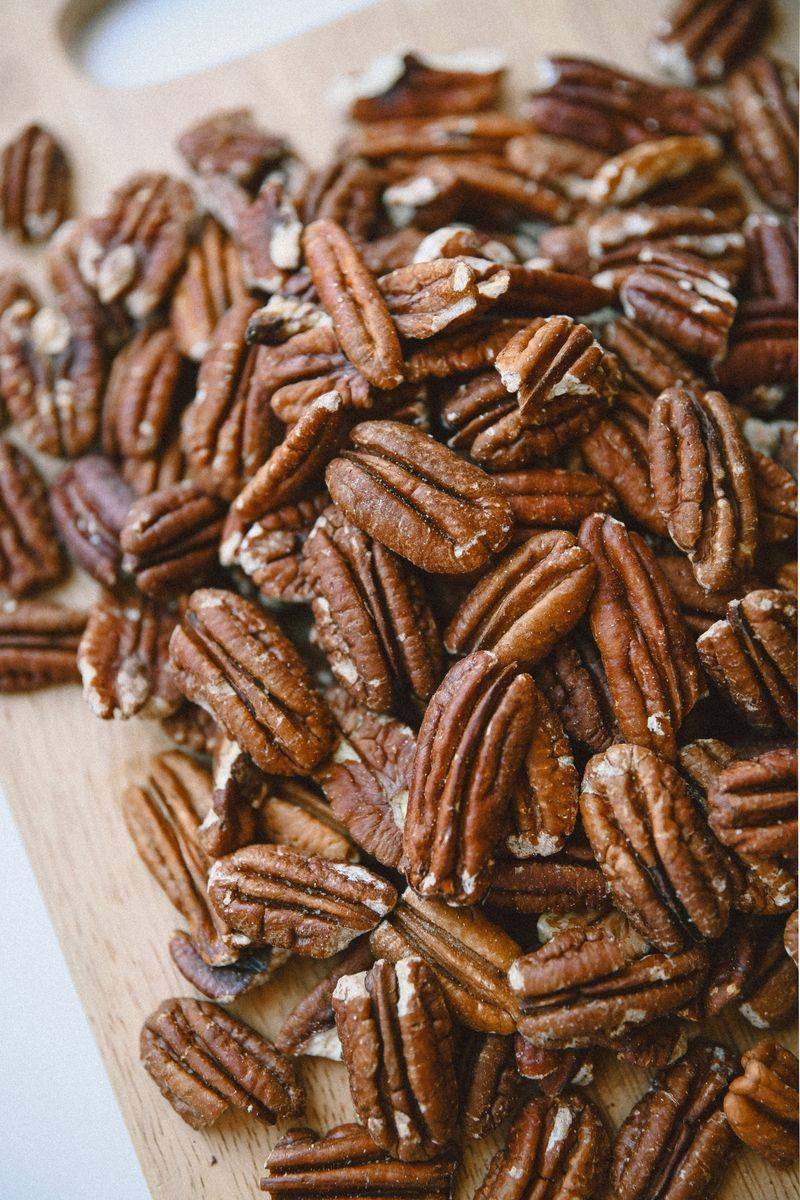
Curing is the secret, and it is wonderfully low-tech. The goal is to dry pecans down to roughly 4 to 4.5 percent moisture, which is the range extension specialists recommend for quality and storage.
At that level, the kernel firms up and the flavor gets richer and cleaner. Proper drying also helps protect the nut’s oils from going rancid. You end up with that crisp, buttery bite everyone loves in pie.
Skip it, and you risk the opposite. Under-dried kernels can turn dark, rubbery, and dull, and they spoil faster once they are shelled.
Not going to lie, the first time I cured a batch properly, I felt a little silly about all my earlier rushed harvests. The difference was obvious from the first handful. The nuts snapped instead of bending.
Curing works best with nuts still in the shell. The shell slows drying just enough to keep it even, so the kernel doesn’t shrivel. Shell them later, after they are fully dry.
Fun fact: commercial growers often use forced-air dryers to speed this up. At home, plain old air and patience do the same job beautifully.
A Simple Screen Or Tray Setup Dries Pecans Beautifully At Home
Old window screens are my favorite pecan tool, hands down. Prop one up on a couple of bricks, spread the nuts in a single layer, and air can reach them from every side.
No screens? Shallow cardboard trays, baking sheets lined with paper, or mesh produce bags hung from a hook all work. The key is airflow and a thin layer, not a deep pile.
Pick a spot that is dry, shaded, and well ventilated. A spare room, covered porch, or garage away from car fumes works nicely. Keep the nuts out of direct sun and away from heaters, which can overheat the oils.
Guilty as charged, I once left a bucket of pecans sitting in the corner and called it drying. The bottom layer stayed damp and smelled musty within days. Lesson learned.
Stir or shuffle the nuts every couple of days so they dry evenly. A small fan set on low can help on muggy days, which South Carolina has plenty of even in November.
Before spreading them out, toss any cracked, wormy, or hollow-feeling nuts. A quick float test in water can reveal duds, but dry the keepers right afterward.
Two Weeks Of Drying Puts Pecan Pie Right On Schedule
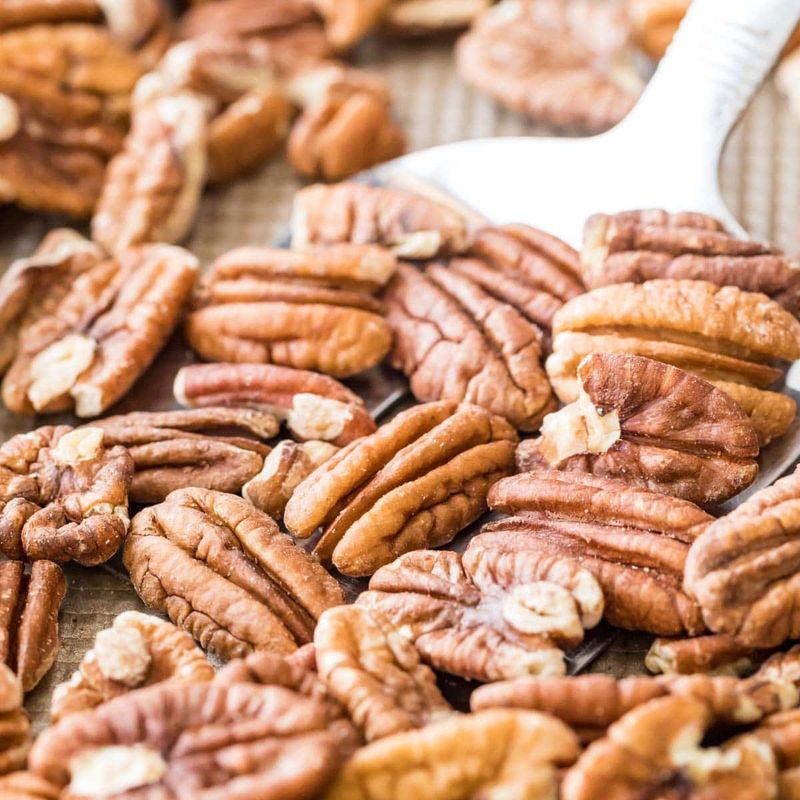
Mark your calendar, because timing works out nicely this year. Under good, dry conditions, home-cured pecans usually need about two weeks to reach the right moisture level.
Gather nuts in late October or the first week or so of November, and they can be ready right around Thanksgiving. Late stragglers may need to wait for Christmas cookies instead, and that’s fine.
So how do you know they’re done? Crack a few as a test. A cured kernel feels firm, looks light golden brown, and snaps cleanly in half when you bend it.
If the kernel bends, feels spongy, or looks pale and moist near the center, give the batch a few more days. Humid weather can stretch the process, so trust the snap test over the calendar.
I check mine around day ten and again at day fourteen. It’s oddly satisfying to hear that first crisp crack.
Fair warning, the taste test is part of the job. Cured pecans have a sweeter, nuttier flavor than fresh ones, and you may find a few disappearing before pie day. Count it as quality control and set aside extra for snacking.
Squirrels And Soggy Ground Won’t Wait For Your Pecan Harvest
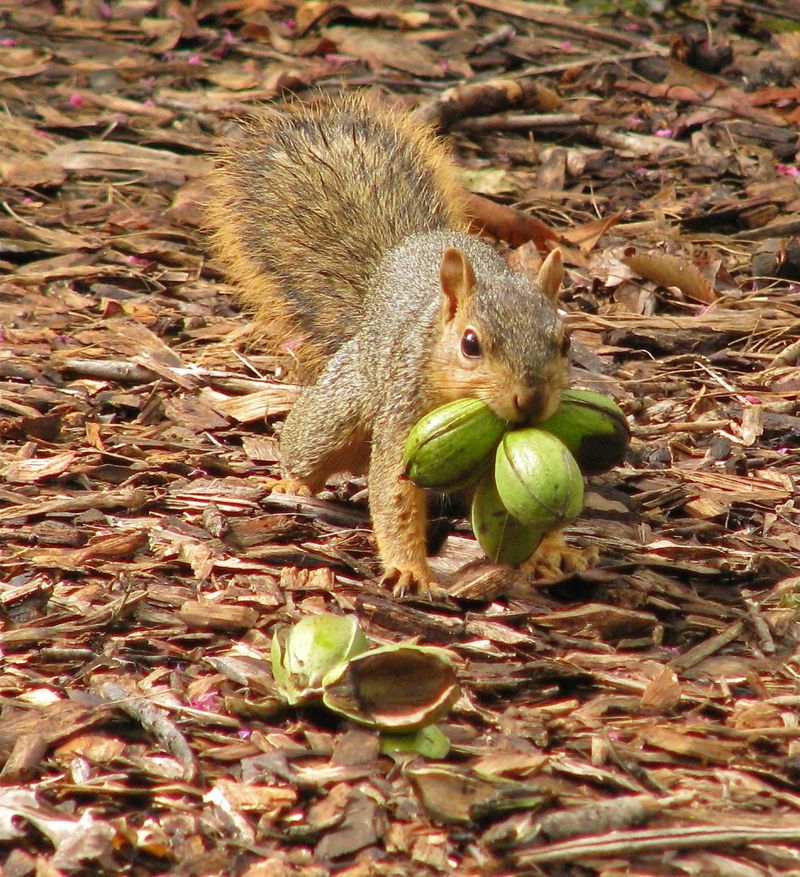
Squirrels keep a closer eye on your tree than you do. Gray squirrels, crows, blue jays, and even deer happily help themselves to fallen pecans, often before breakfast.
Quick gathering is your best defense. Try to pick up nuts every day or two during peak drop. Extension experts note that pecans left on the ground lose quality, especially in wet weather.
Damp soil is the sneakier problem. Long contact with wet grass or mulch can encourage mold and darken kernels, and dirty shells may carry bacteria into your kitchen. Picking up promptly keeps the crop cleaner.
Trust me on this one: a little prep before the drop saves a lot of crouching. Mow short and rake leaves and sticks away from under the canopy so nuts are easy to spot.
A rolling nut gatherer, the kind with a wire cage on a handle, makes the job much easier on your back. Kids tend to love using one too.
Leave behind nuts with black, sticky husks still clinging tight. Those often had issues on the tree, like pecan scab or weevil damage, and they rarely cure into anything worth baking.
Cold Storage Keeps Cured Pecans Tasting Fresh For Months
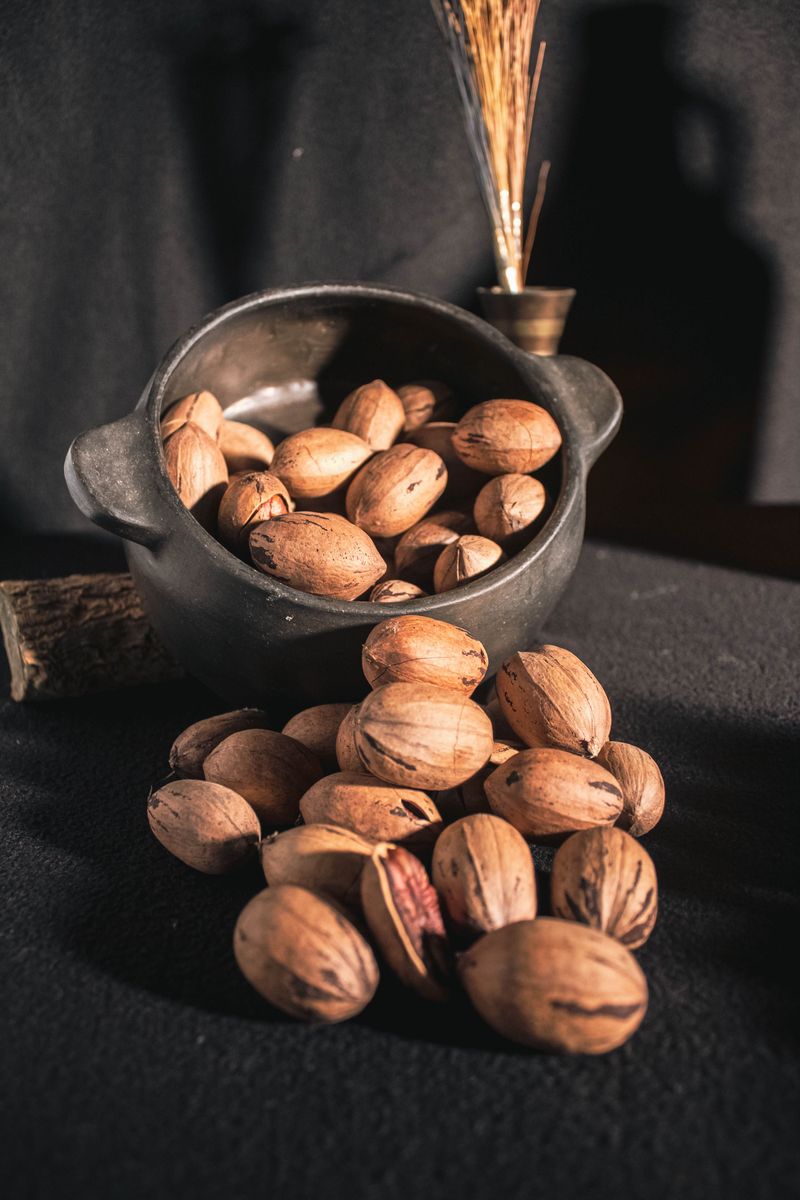
Once dry, pecans become a bit like butter. Their healthy oils are what make them so tasty, but those same oils slowly turn rancid in warm rooms.
Cool storage slows that change way down. In-shell nuts keep better than shelled ones, since the shell acts like a natural wrapper. Store either kind in airtight containers.
For longer holding, the fridge and freezer shine. Shelled pecans can stay fresh in the refrigerator for roughly six to nine months and in the freezer for up to two years, according to pecan industry and extension guidance.
I’m a sucker for freezing them in recipe-sized bags. One cup for pie, half a cup for sweet potato casserole, and a handful for oatmeal. It makes holiday baking feel organized.
Keep them sealed tight, though. Pecans soak up odors easily, and nobody wants onion-flavored pralines.
Frozen nuts thaw quickly on the counter and can go straight into most recipes. You can even refreeze them without much harm to quality. That flexibility makes a big backyard harvest far less stressful, since you don’t need to bake everything at once.
Cracking And Toasting Pecans Brings Out Their Best Holiday Flavor
Cracking day feels like opening presents early. Cured shells break more cleanly, and the kernels pop out in nicer halves than fresh, damp ones.
A basic lever-style cracker works, but some folks swear by soaking in-shell nuts in hot water for a few minutes first. That softens the shell a bit and reduces broken kernels. Let them dry on a towel before storing.
Pick out any bits of bitter inner membrane as you go. Those papery pieces can add an unpleasant taste to sweet desserts.
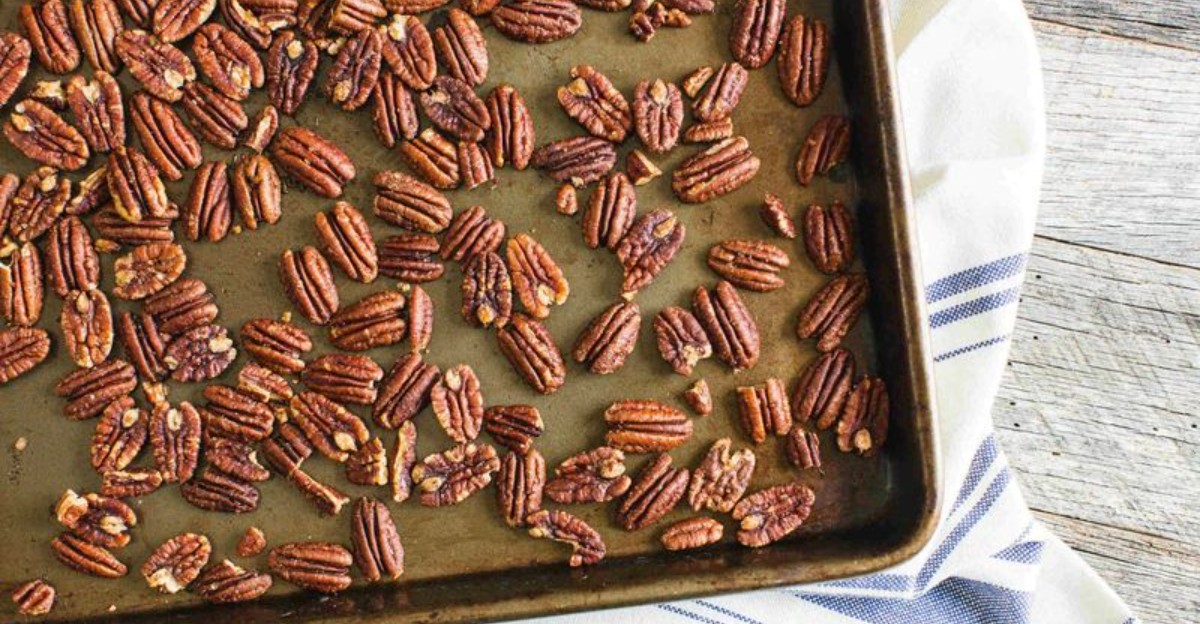
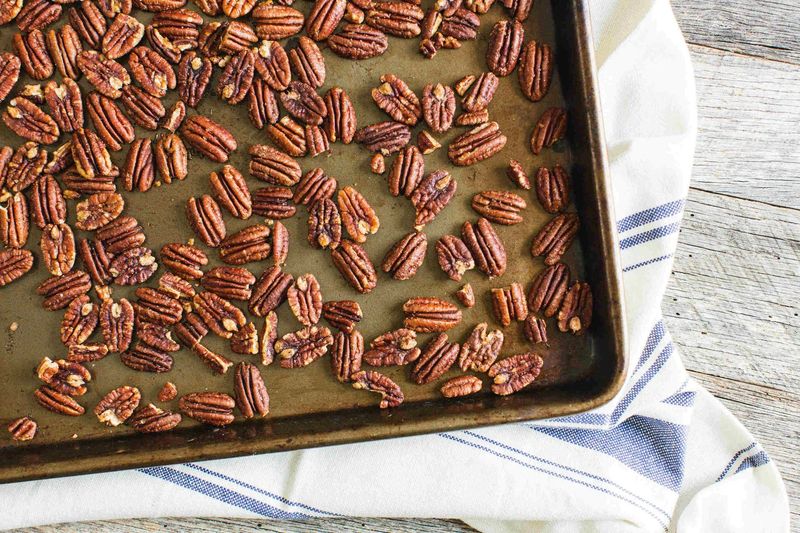
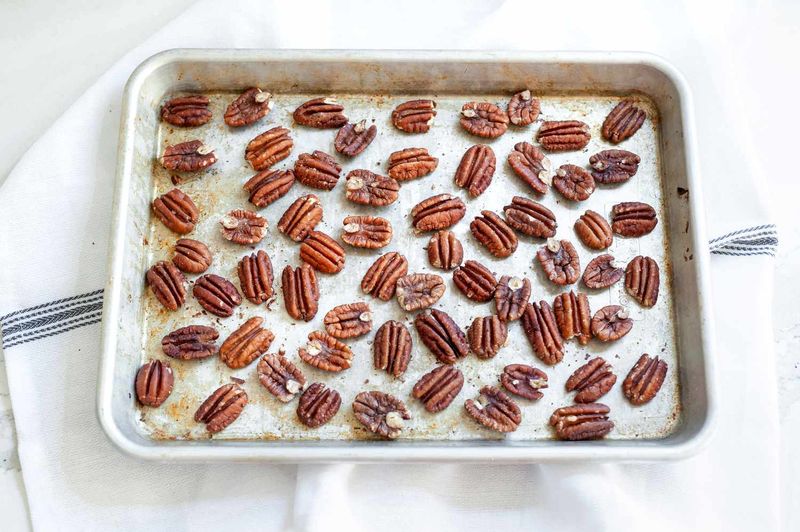
Now for my favorite trick. Spread shelled pecans on a baking sheet and toast at about 350 degrees for 6 to 10 minutes, stirring once. The kitchen will smell incredible, and the flavor deepens noticeably.
Watch closely near the end, since nuts go from golden to scorched fast. Pull them when they smell rich and toasty.
Toasted pecans are lovely in pie topping, stuffing, salads, and homemade candied nuts. If you plan to toast ahead, cool them fully before bagging. Store toasted nuts cold too, since heat brings oils closer to the surface and they lose freshness sooner.
Your Patient Pecan Harvest Pays Off On The Thanksgiving Table
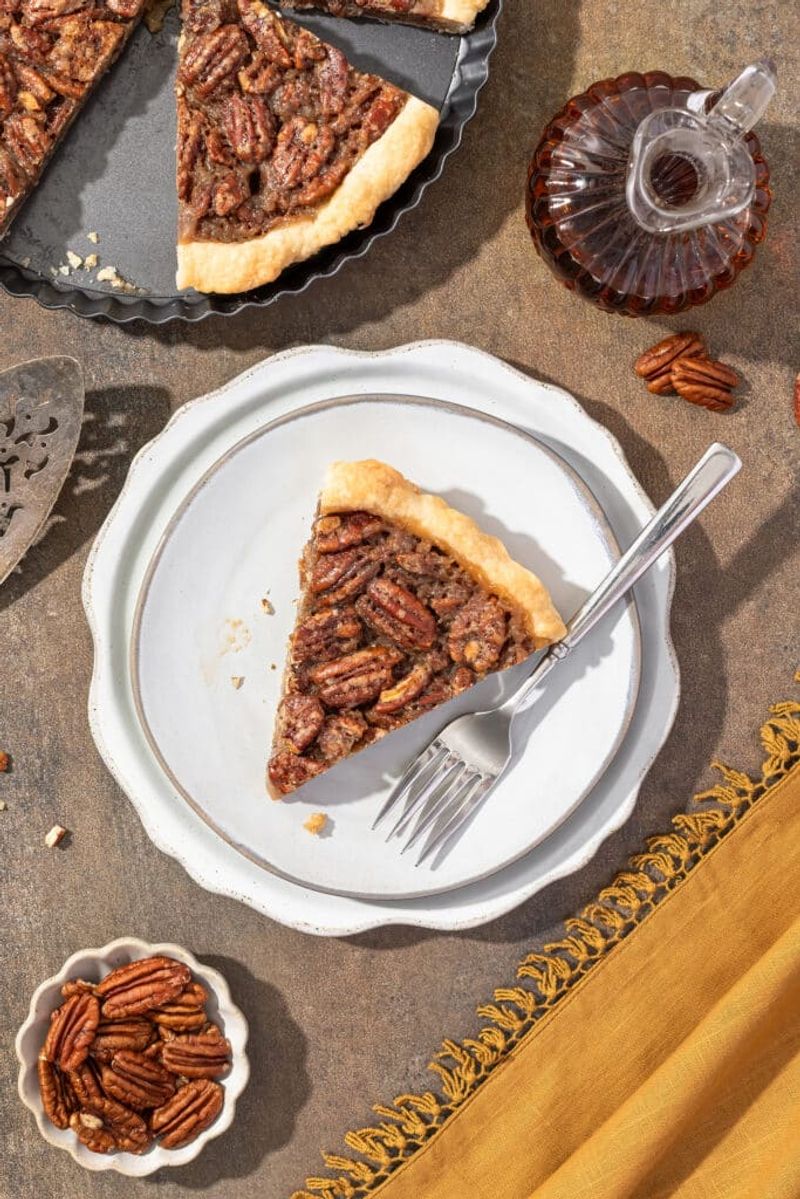
Every fall I promise myself one thing: no rushed pecans. That small promise has turned decent pies into the ones relatives request by name.
The process really is simple. Gather nuts quickly, toss the bad ones, cure in a single layer for about two weeks, test with a snap, and store cold. That’s the whole routine.
South Carolina growers have a long tradition with this tree, and pecans are a beloved part of Southern holiday cooking. Treating your backyard crop with care keeps that tradition tasting its best.
Keep notes this season too. Write down when nuts started dropping, how long curing took, and which tree gave the best flavor. Those notes will help you plan next year’s baking even better.
If your trees had a light crop, don’t worry. Pecans often alternate between heavy and lighter years, which is normal behavior for the species.
Share the extras with neighbors in little jars with a ribbon. Cured, properly stored pecans make a thoughtful gift. And when that first slice of pie comes out crisp-topped and buttery, you’ll know those two weeks were worth every minute.