Should Virginia Homeowners Worry About Bobcats Near Their Homes?
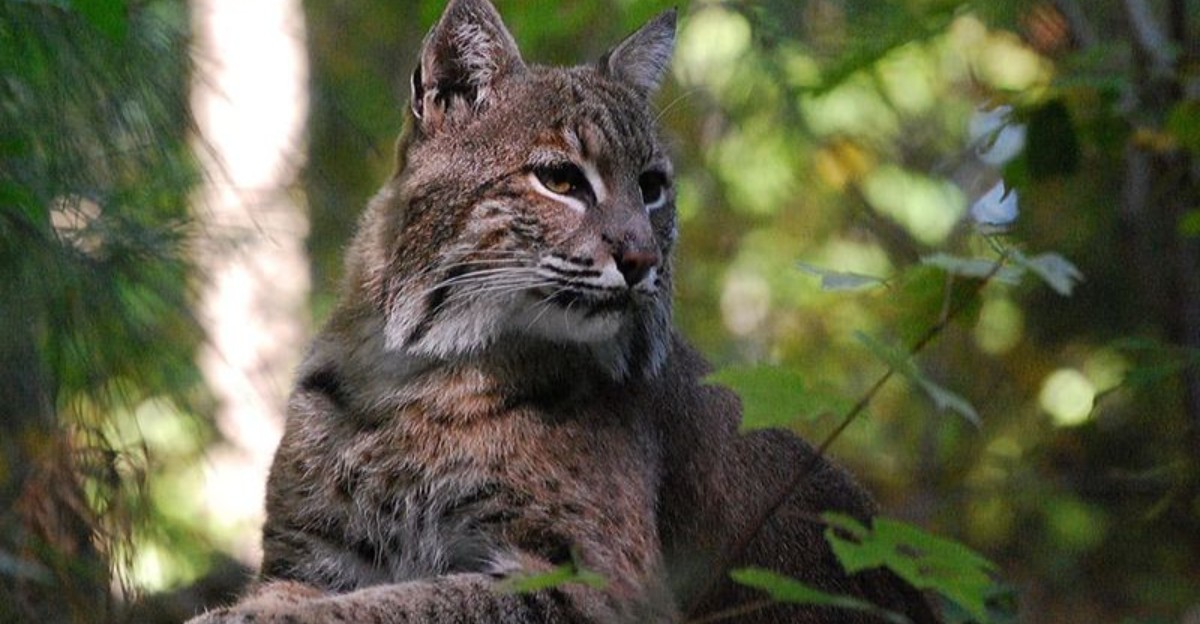
This wild cat with a stubby six-inch tail can leap roughly ten feet in a single bound. That same animal may be strolling past your tomato beds while you sleep.
Virginia hosts only one native wild cat, and it has quietly lived here all along. It hunts mostly at dawn and dusk, slips through brushy edges, and rarely lets people get a good look.
I find that equal parts thrilling and a little humbling.
I love finding tracks in soft garden soil after a rain. Four round toes, no claw marks, and a print about the size of a silver dollar.
You start to wonder how many nights you missed the show.
Should a trail camera photo make you nervous, or is it something you can smile about over your morning coffee? The answer depends on a few things you can control.
1. That Bobtailed Cat In Your Trail Camera Photo Is Mostly Shy
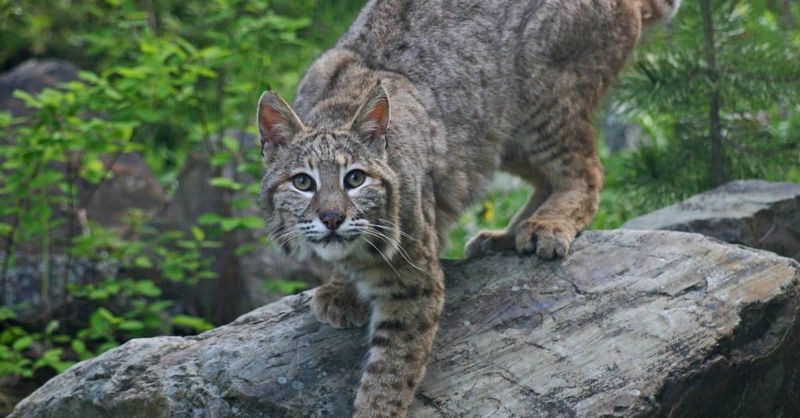
Most folks who spot a bobcat near the house get only a few seconds before it melts into the trees. That quick exit tells you a lot about its personality.
Bobcats are the only wild cat living in Virginia, and they are found across the state. Adults usually weigh about 15 to 35 pounds, roughly twice the size of a big house cat.
Look for tufted ears, a spotted tan coat, and that short, blunt tail with a black tip on top.
Their favorite places are edge habitats, where forest meets fields, pastures, or open lawns. If your property backs up to woods, a creek, or an overgrown hedgerow, you may live right beside a natural travel route.
That is normal, not a sign of trouble.
Bobcats are mostly active around dawn, dusk, and night. Seeing one in daylight does not mean it is sick, either.
Mothers feeding kittens in spring and summer often hunt longer hours.
I like to think of them as quiet neighbors who keep odd hours. They want food and cover, not company.
When they sense people, the usual move is to slip away fast and stay hidden.
2. People Rarely Face Any Real Danger From A Bobcat
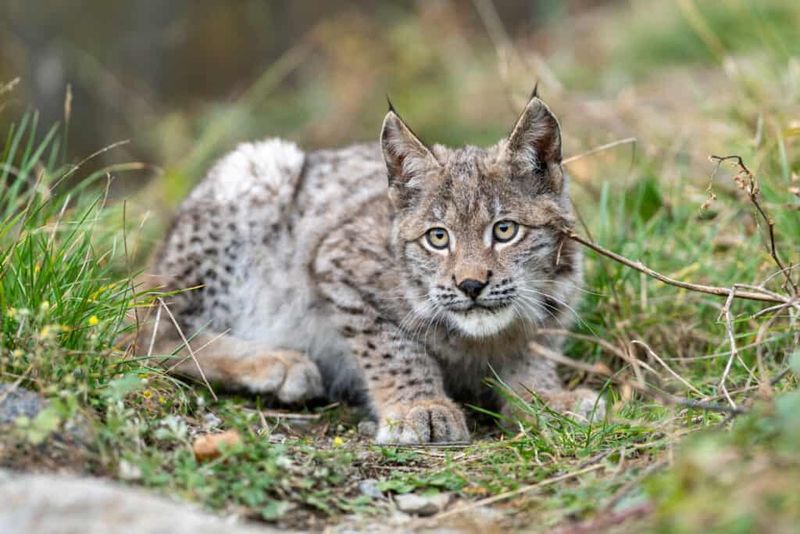
Take a deep breath, because the risk to people is very low. The Virginia Department of Wildlife Resources notes that conflicts with bobcats are uncommon, and attacks on humans are extremely rare.
A healthy bobcat sees you as a large, noisy animal worth avoiding. It has no interest in chasing kids across the yard or guarding your garden.
Most sightings end with the cat trotting off before you can grab your phone.
The rare cases of aggression usually involve rabies. Rabies does occur in Virginia wildlife, mostly in raccoons, foxes, and skunks, with bobcats affected less often.
A cat that charges, staggers, acts confused, or shows no fear needs attention right away.
If you do meet one up close, stay calm and stand tall. Make noise, clap, or wave your arms, and give it a clear path to leave.
Do not run, and do not corner it near a shed or porch.
Teach children to back away and tell an adult. I keep it simple at my house: look, admire, and let the cat leave.
That plan works nearly every time and keeps everyone safe.
3. Small Pets And Backyard Chickens Need Extra Protection
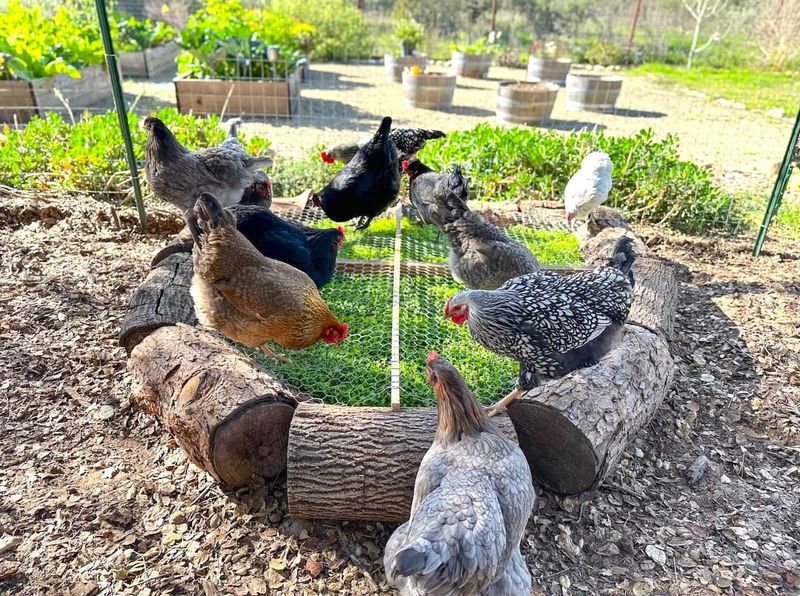
My first worry after seeing tracks was the hens, and that instinct was right. Small animals face far more risk than people do.
Bobcats are skilled hunters of rabbit-sized prey. Free-ranging chickens, ducks, rabbits in hutches, and outdoor cats can look like an easy meal.
Very small dogs left outside alone at night may also be at risk.
The best fix is timing. Bring pets indoors from dusk to dawn, when bobcats hunt most.
Walk little dogs on a leash in the evening instead of letting them roam.
Poultry need a solid coop locked every night. Use half-inch hardware cloth, since bobcats and raccoons can tear through thin chicken wire.
Cover the run with a roof or wire top, because these cats climb and jump with ease.
Bury fencing about 12 inches deep or add a wire apron along the ground to stop digging. Electric poultry netting adds another layer of defense.
Spring deserves extra care. Female bobcats raise kittens then and need more food.
A sturdy coop costs less than replacing a flock, and you will sleep better too.
4. Rabbits And Voles In Your Garden Bring The Bobcat Around
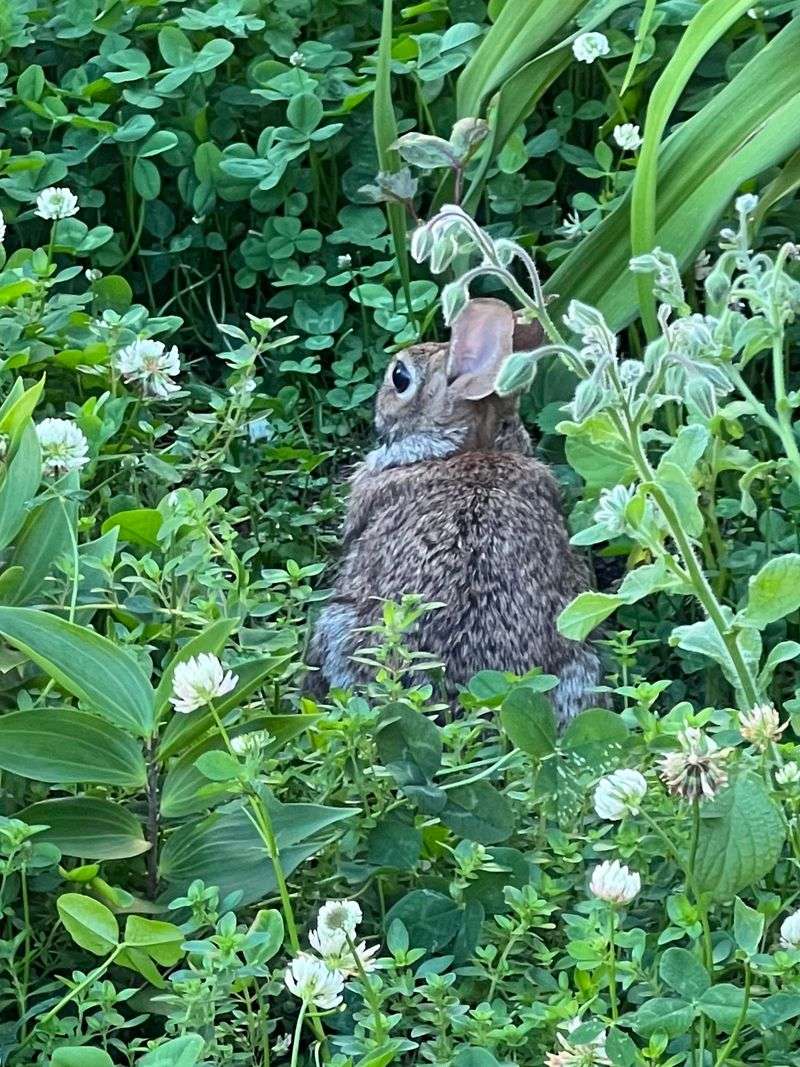
Follow the food chain and the mystery clears up fast. A bobcat usually visits your yard because its dinner already lives there.
Their menu is mostly rabbits, mice, voles, squirrels, and birds. Gardens are full of those critters.
Cottontails munch your lettuce, voles tunnel under mulch, and squirrels raid the feeder.
Bird feeders deserve a closer look. Spilled seed draws mice, chipmunks, and squirrels, and those snacks draw predators.
Try a tray under the feeder, or take feeders down for a few weeks if a bobcat shows up often.
Pet food left on the porch works the same way. It feeds rodents and other wildlife, so bring bowls inside at night.
Store birdseed and feed in metal cans with tight lids.
Fallen fruit, open compost with food scraps, and messy grain spills also feed rodent crowds. Keep compost in a closed bin and pick up dropped fruit.
Here is a fun upside. A bobcat passing through may help control rabbits and voles that chew your plants.
Some gardeners quietly welcome that free pest patrol, as long as their pets stay safe.
5. Thick Brush Piles And Open Crawl Spaces Look Like Bobcat Dens
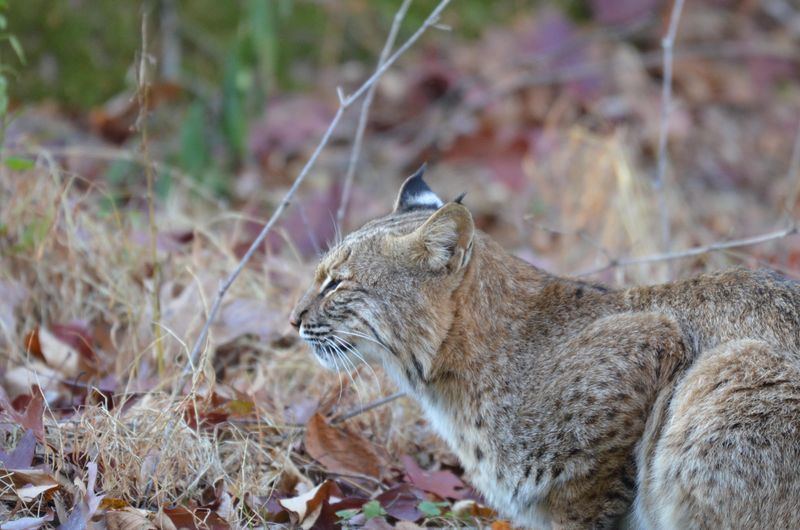
Bobcats are ambush hunters. They like cover close to their meals, and a cluttered yard can offer plenty.
Dense shrubs, tall weeds, rock piles, and stacked lumber all make good hiding spots. A cat can crouch there and watch your rabbits or chickens.
Trimming low branches and clearing heavy brush near the house removes those stalking points.
Den sites matter too. Mother bobcats look for sheltered nooks to raise kittens, often in spring.
Gaps under decks, sheds, and porches can look very tempting.
Seal those openings with sturdy wire mesh or lattice that reaches into the ground. Do this work in fall or winter when kittens are unlikely.
If you suspect a den is already in use, wait or call for advice before closing it up.
Gardeners can still keep wildlife-friendly spaces. Simply place brush piles and native thickets far from coops and patios.
That way birds and pollinators get habitat while predators stay at the back of the property.
I moved my woodpile to the far fence line years ago. The garden got neater, and the chipmunk crowd near the porch shrank noticeably.
6. Motion Lights And Loud Noises Can Send A Bobcat Packing
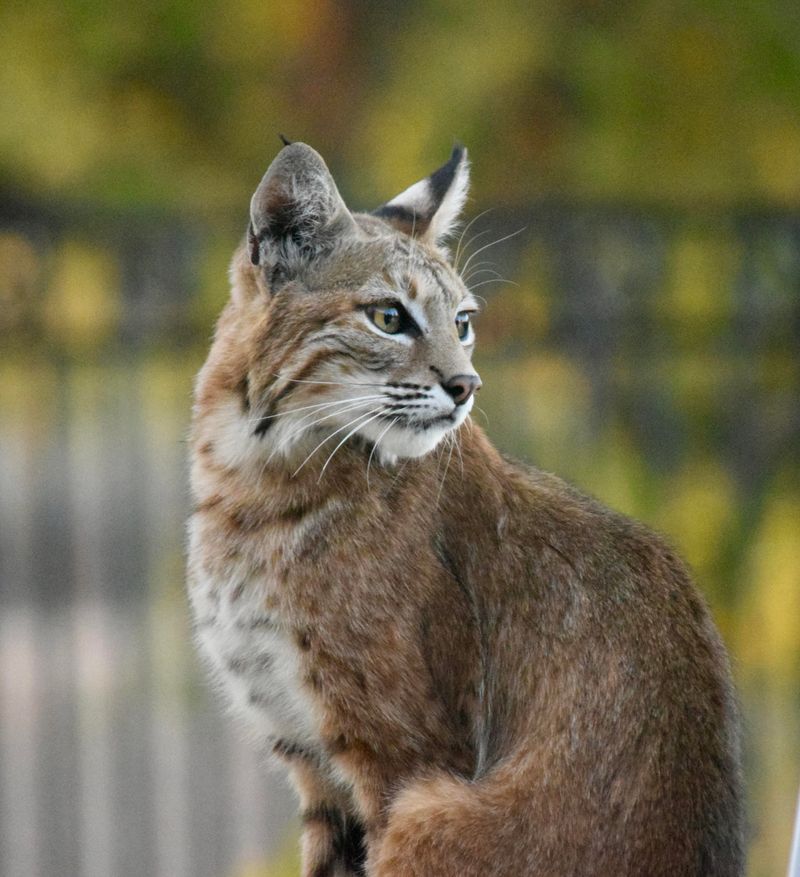
A little startle goes a long way with a shy cat. Hazing simply means making your yard feel uncomfortable without causing harm.
Motion-activated lights near coops, sheds, and walkways can spook a bobcat that prefers darkness. Sprinklers on motion sensors add a surprise splash.
Both work best when placed where the cat travels.
Noise helps too. Clapping, shouting, banging pots, or spraying a garden hose tells a bobcat to move along.
A radio playing talk shows near the chicken run at night can mimic human activity.
Wildlife can grow used to any trick, so switch things up. Move lights, change the radio spot, and use deterrents mainly at night.
Mixing methods keeps the cat guessing.
Some people try strong scents like vinegar-soaked rags. Results vary, so treat smells as a minor bonus, not your main defense.
Fences and locked coops still do the heavy lifting.
Never feed a bobcat or leave treats out to watch it. Fed wildlife loses its natural caution, and that is when trouble starts.
A wary bobcat is a safer bobcat for everyone on the block.
7. Trapping And Moving A Bobcat Breaks Virginia Rules
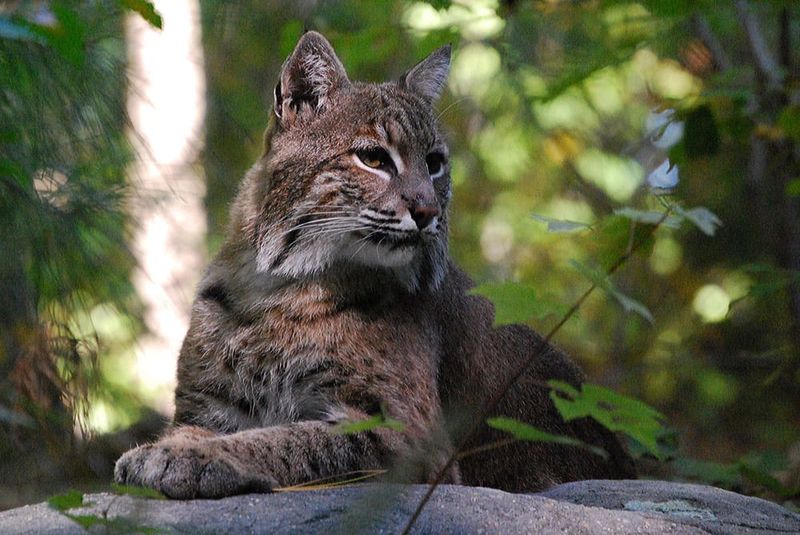
Plenty of homeowners think a live trap and a drive to the country solves everything. In Virginia, it does not, and it can land you in hot water.
State law does not allow people to relocate trapped wildlife to new areas. Moved animals often struggle in unfamiliar territory, and relocation can spread disease.
Bobcats are also a regulated furbearer with set seasons for licensed hunters and trappers.
Landowners facing real damage to poultry or livestock have legal options, but rules apply. Check with the Virginia Department of Wildlife Resources before taking any action.
Local county ordinances may add more limits.
The easiest first call is the Virginia Wildlife Conflict Helpline at 1-855-571-9003. Staff can walk you through prevention steps and explain what is allowed on your property.
Licensed wildlife control operators can help when problems continue.
Call animal control or the police right away if a bobcat seems sick, aggressive, or unafraid. If anyone is scratched or bitten, wash the wound well and see a doctor, then report it to your local health department.
Knowing the rules up front saves stress. Prevention is cheaper and legal every time.
8. Bobcat Tracks In The Garden Mean Your Land Is Healthy
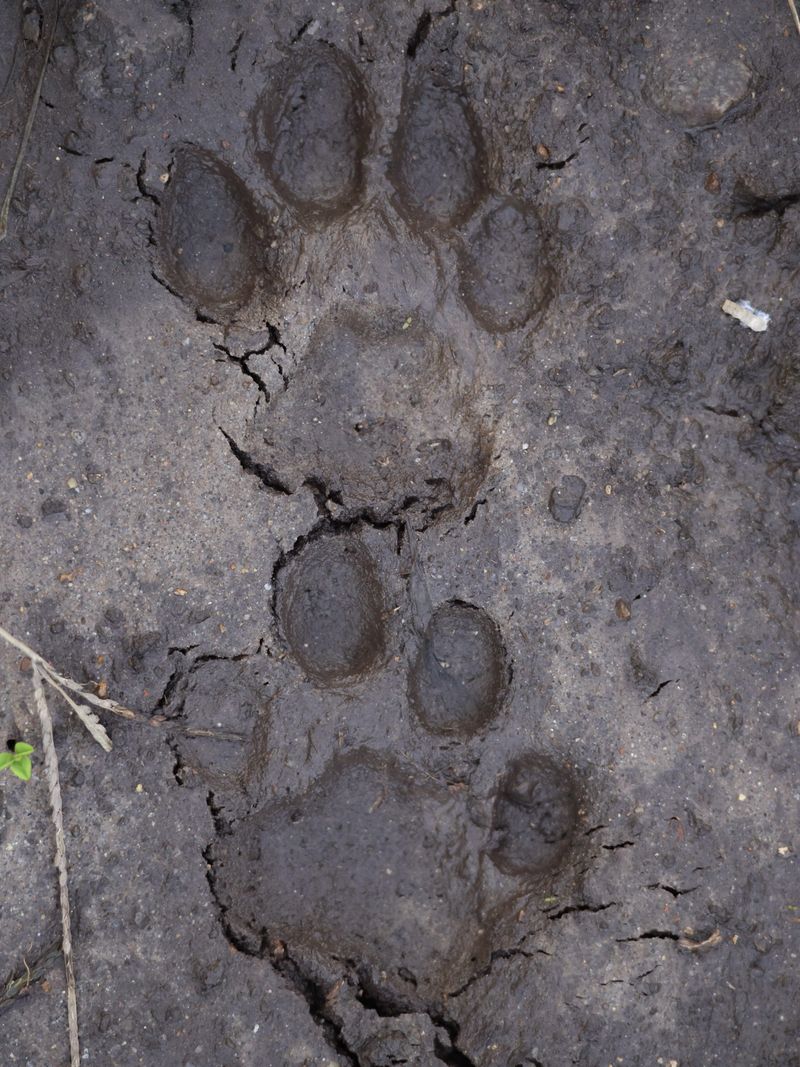
Finding round cat tracks in the garden still gives me a small jolt of joy. It means a top predator thinks my little patch of land is worth visiting.
Bobcats help balance rodent and rabbit numbers. Fewer voles mean fewer chewed roots and bulbs.
Their presence also hints that nearby woods and edges are healthy enough to support a full food web.
So should Virginia homeowners worry? Mostly no, as long as pets and poultry are secured.
The real job is managing food, shelter, and nighttime habits around the house.
Start with a quick checklist this week. Lock the coop at dusk, bring pet bowls inside, and tidy the bird feeder area.
Clear brush near the house and check sheds and decks for gaps.
Then enjoy the show from a distance. A trail camera aimed at the woodland edge can reveal fascinating nighttime visitors.
Share photos with neighbors so everyone learns the same simple habits.
Planting native shrubs at the back of your yard can keep wildlife habitat where it belongs. Calm, prepared neighbors make room for wild cats and gardens to thrive side by side.