Thanksgiving Leftovers Your Maryland Compost Pile Can Handle And The Ones It Can’t
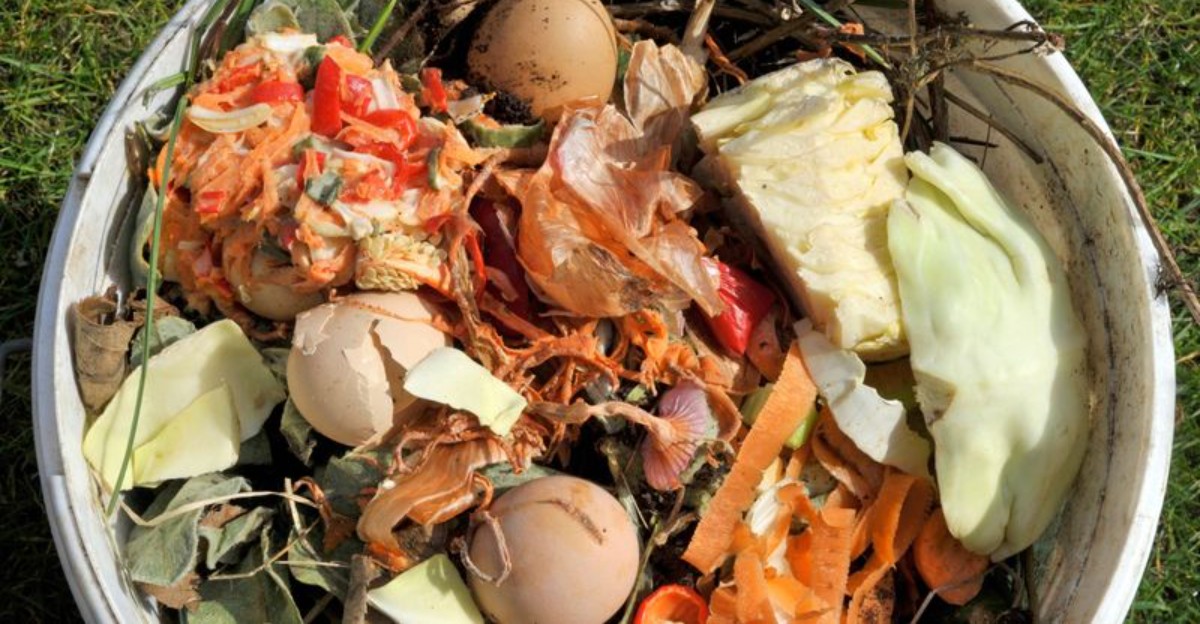
A single roasted turkey carcass can sit in a cool backyard bin for many months and still look like a turkey. I learned the hard way that bones are stubborn guests. They outlast the pumpkin, the potato peels, and sometimes my patience.
That holiday spread on your counter is a mixed bag for a home pile. Some scraps break down into rich, crumbly soil by spring. Others invite raccoons, rats, and a smell that drifts right onto the porch.
Truth is, I used to toss the whole feast out back and hope for the best. Here in Maryland, late November brings chilly nights, so a backyard pile slows way down right when we feed it the most. Timing and sorting suddenly matter a lot.
Sorting the holiday scraps comes down to knowing which ones the bin can take and which ones need another destination. A few of these answers caught me off guard.
That Turkey Carcass Has No Business In Your Backyard Bin
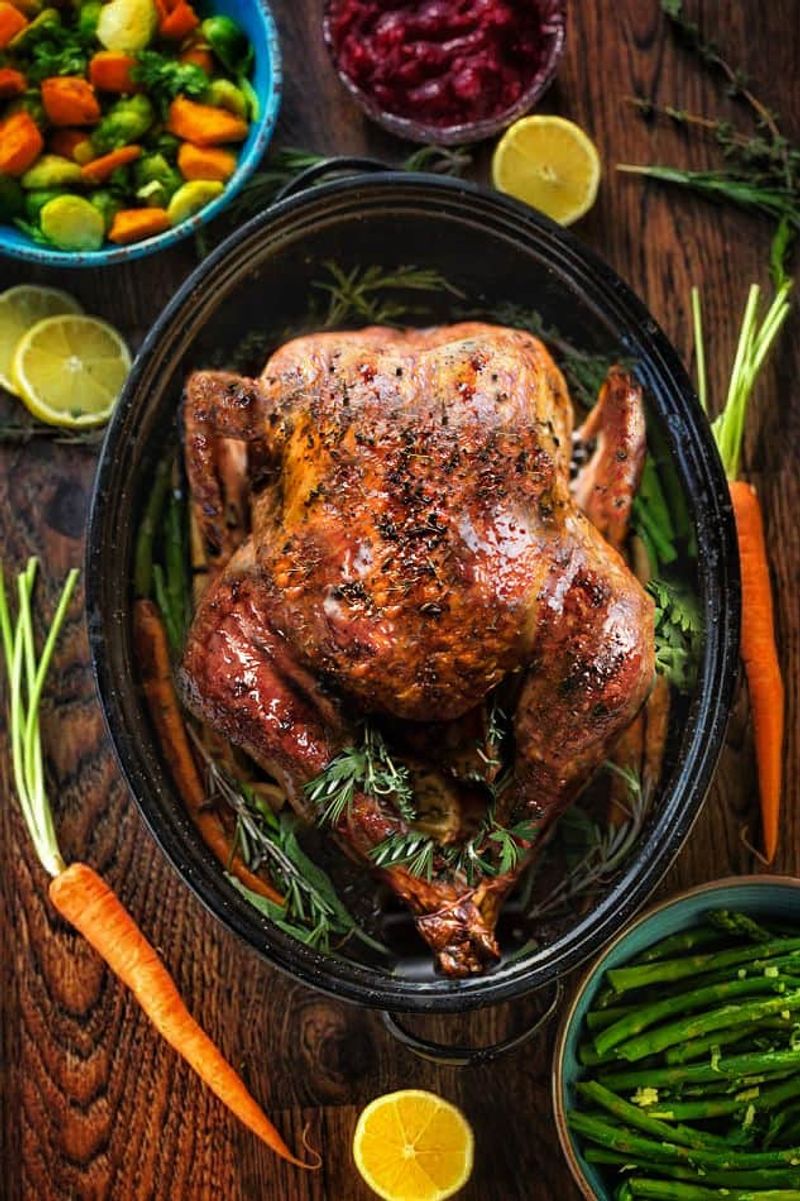
Guilty as charged, I once buried a whole turkey frame in my pile and hoped the worms would sort it out. By April, the bones were still there, and something with tiny claws had dug a tunnel straight to them.
Meat, bones, skin, and fat are the biggest no for a home compost pile. The University of Maryland Extension advises gardeners to keep meat, fish, bones, and dairy out of backyard bins. These foods break down slowly, create strong odors, and attract raccoons, rats, opossums, and neighborhood dogs.
Home piles rarely stay hot enough for long enough to handle animal products safely. Commercial facilities run much hotter and manage the process carefully, which is why some of them accept meat.
So what should you do with that carcass? Simmer it into broth first, then strain out the bones. You get a pot of soup and fewer scraps to deal with.
After that, bag the bones and put them in the trash, or check whether your county offers food scrap collection that takes meat. Wrapping them tightly helps keep curious critters out of your garbage can, too.
Vegetable Peels And Pumpkin Scraps Are Compost Gold
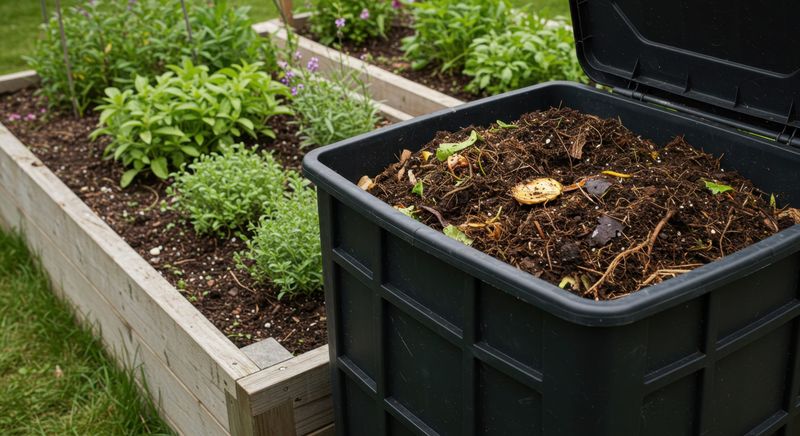
Every fall, my cutting board turns into a mountain of peels by noon on Thanksgiving. That mess is the best thing your compost pile will get all month.
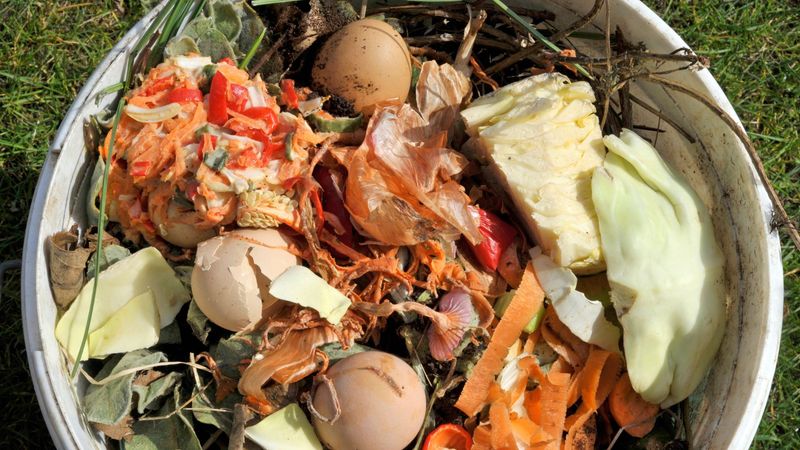
Plant scraps from holiday cooking are welcome in a backyard bin. Carrot and potato peels, sweet potato skins, onion and garlic papers, celery ends, herb stems, apple cores, and pear scraps all break down well. Raw cranberries that went soft can go in, too.
Pumpkins and winter squash are especially handy. The flesh, skin, and stringy guts rot down fast. One tip, though. Seeds can sprout next summer if your pile does not get very warm, so you may see surprise pumpkin vines.
Size matters more than most folks realize. Smaller pieces give microbes more surface to work on, so chop big items before tossing them in.
Corn cobs and husks are fine but slow, so cut cobs into chunks or split them lengthwise. A decorative jack-o-lantern from October can join the party as long as it has no paint, glitter, or candle wax. Smash it first and bury it under leaves.
Keep a lidded container on the counter while you cook. Fewer trips outside means more scraps actually reach the bin.
Fallen Oak And Maple Leaves Keep The Food Scraps In Balance
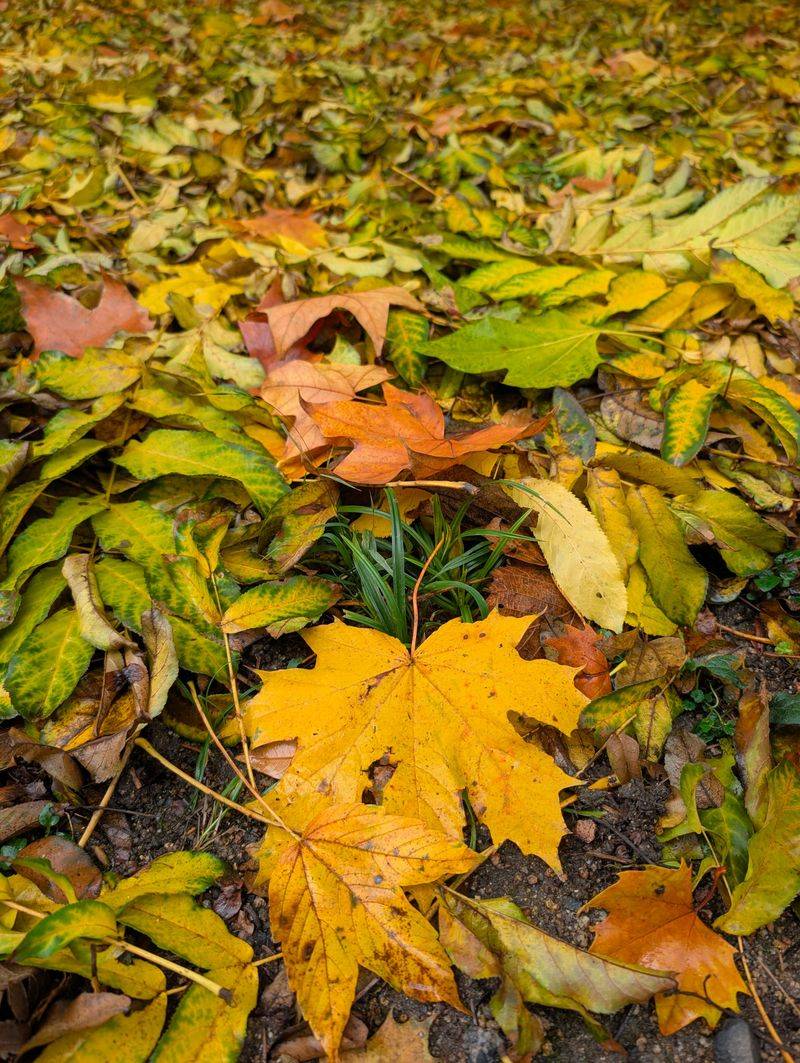
Not going to lie, my leaf pile used to feel like a chore. Then I realized it was the secret partner my holiday scraps needed.
Food scraps count as greens, which are rich in nitrogen. Dry leaves count as browns, which supply carbon. A healthy pile needs both, and most guides suggest roughly two to three parts browns for every part greens by volume.
A big feast dumps a pile of wet greens all at once. Without enough browns, the mix turns slimy and sour. Adding a thick layer of leaves soaks up moisture and keeps air moving.
Late November timing works in your favor. Oaks, maples, and tulip poplars have dropped plenty of leaves across the state by then. Run them over with a mower first so they break down faster and do not mat together.
Shredded plain cardboard, paper towels without grease, and newspaper make solid browns, too. Skip glossy paper and anything coated in plastic.
Here is my habit. Dig a small hole in the middle of the pile, drop in the fresh scraps, and cover them with about six inches of leaves. Critters notice less, and the smell stays hidden.
Bag some extra leaves now. Winter scraps will need them.
Buttery Mashed Potatoes And Gravy Boats Spell Trouble
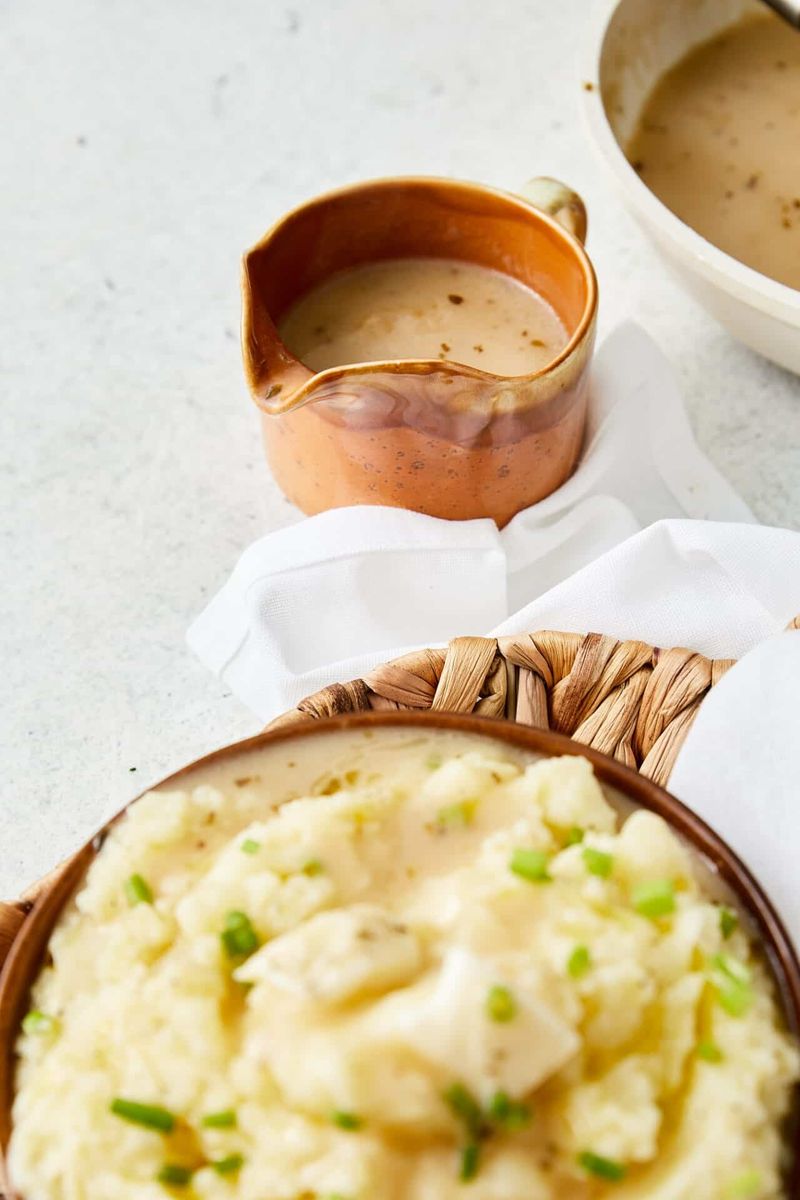
Plain potatoes are a compost favorite. Whip them with a stick of butter, a cup of cream, and a ladle of gravy, and the story changes fast.
Dairy, oils, and greasy foods cause problems in home piles. Fats coat other materials and block air and water, which slows the microbes that do the real work. The result is often a sticky, smelly patch that draws animals from across the yard.
That list includes a lot of Thanksgiving favorites. Mashed potatoes made with milk and butter, cheesy casseroles, creamed onions, gravy, and stuffing soaked in pan drippings should stay out. Leftover butter and cooking oil belong in the trash or a sealed container, not the bin.
Please skip pouring fat down the sink, too. Grease hardens in pipes and sewer lines, and utilities often see more clogs right after the holidays.
A smarter move is to eat or freeze those dishes. Mashed potatoes freeze well for shepherd’s pie later. Extra gravy makes a great base for a weeknight stew.
Tiny smears on a plate are not a disaster. The real trouble comes from scraping a whole casserole dish into your pile. Wipe greasy pans with a paper towel and toss that towel in the trash.
Pie Crusts, Rolls, And Cranberry Sauce Fall Into A Gray Area
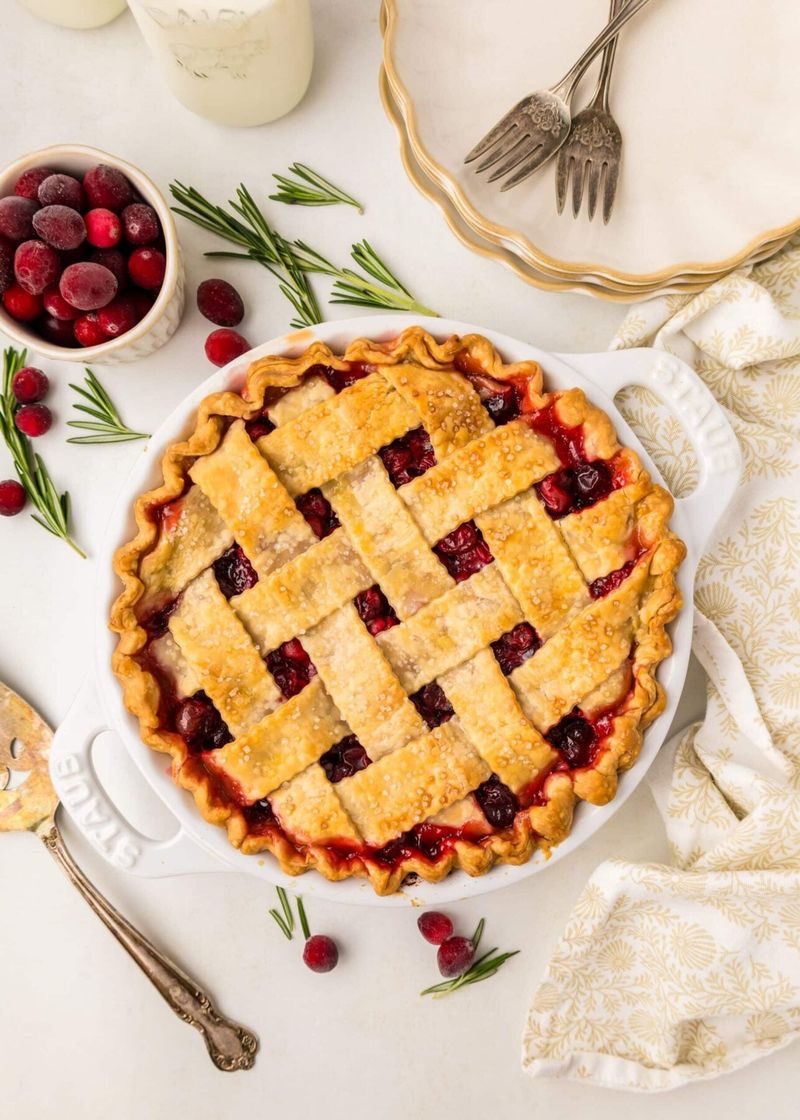
Ever stare at half a pumpkin pie and wonder if the compost pile would like dessert? I have, more times than I care to admit.
Breads, rolls, pie crusts, and sweet sauces land in the middle zone. They are plant based, so they can break down. Many contain butter, eggs, or lots of sugar, though, which makes them more tempting to pests.
Plain stale bread and unbuttered rolls are usually fine in small amounts. Tear them up and bury them deep under leaves. A spoonful of homemade cranberry sauce mixed into the center of an active pile should not cause much trouble either.
Whole slices of pie are a different matter. Custard fillings contain eggs and milk, and buttery crusts add fat. Cake with frosting brings the same issues, plus a sugar rush for ants and raccoons.
My rule of thumb is simple. If it is mostly flour and plain fruit, a little is okay. If it is rich, creamy, or frosted, it skips the bin.
Stale bread can also become stuffing, bread pudding, or croutons. Using leftovers first beats composting them anyway, according to the EPA food recovery hierarchy, which ranks feeding people above composting.
Plastic-Lined Plates And Foil Sneak Into Holiday Scrap Buckets
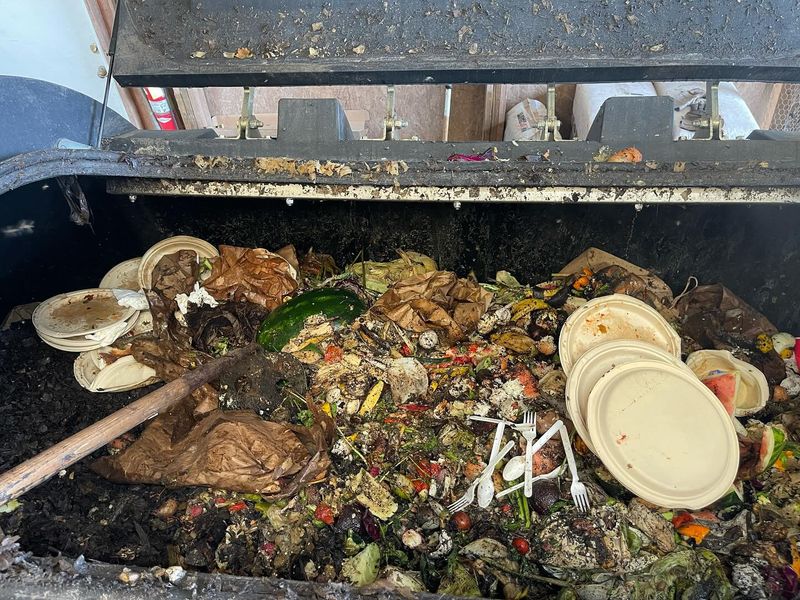
Don’t laugh, but I once found a plastic fork in finished compost two years after a family party. It looked exactly the same, just a little dirtier.
Non-food items often slip into scrap buckets during busy holiday cleanups. Many paper plates and cups have a thin plastic or wax coating that does not break down in home piles. Aluminum foil, plastic wrap, and disposable utensils will not budge either.
Tiny items cause trouble, too. Produce stickers are usually plastic, and some tea bags use plastic mesh or plastic in the seal. Twist ties and rubber bands from herb bunches deserve a quick check.
Products labeled compostable can be tricky. Many are designed for commercial facilities that reach high temperatures, so they may linger in a cool backyard pile for a long time. Read the label for the words home compostable.
A simple fix is setting out two bins after dinner. One gets plant scraps, and the other gets everything else. Kids actually enjoy being the scrap sorter, in my experience.
Plain uncoated paper napkins without grease can go in with your browns. Natural cork stoppers from bottles of sparkling cider will break down too, if you chop them into small bits first.
County Food Scrap Programs Can Take What Your Pile Can’t
I didn’t expect my county to be a better composter than me, but here we are. Some local programs can handle the very scraps my backyard bin refuses.
Several Maryland communities offer food scrap collection or drop-off sites. Prince George’s County runs a large composting facility and a curbside food scrap program in some areas. Howard County, Montgomery County, and cities like Hyattsville and Baltimore have offered collection or drop-off options too.
These programs work at higher heat and larger scale, so many accept meat, bones, dairy, and even approved compostable plates. Rules differ by location, so check your county or city public works website before sorting.
Private compost haulers serve parts of the state as well. A small monthly fee buys you weekly bucket pickup and sometimes finished compost in return.
For your own pile, a few winter habits help. Keep adding leaves with each batch of scraps, and turn the pile when the weather allows. A dark tarp or bin lid holds in some warmth and keeps out heavy rain.
By spring, you should have dark, sweet-smelling compost for tomato beds and flower borders. Your holiday peels will be feeding next year’s garden, and that feels like a pretty great trade.