What You Should And Should Not Do To Live Oaks Before Winter In California
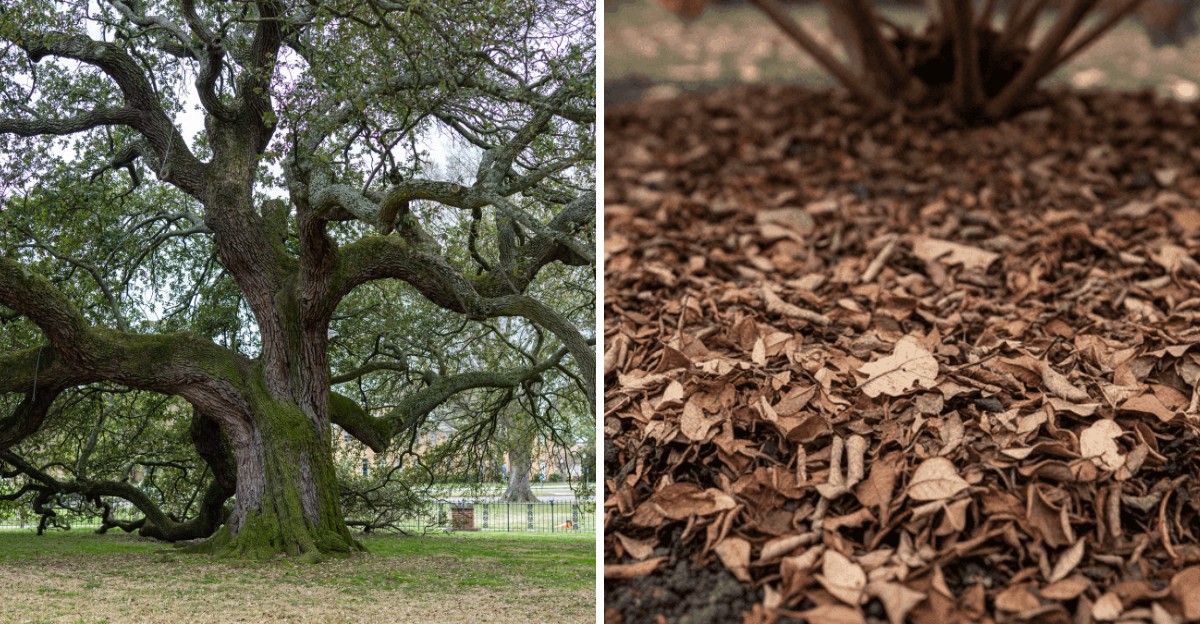
Coast live oaks can have roots extending well beyond the edge of their canopies, which makes an ordinary fall landscaping project surprisingly risky. A trench for new irrigation, a pile of extra soil, or a freshly installed patio can affect far more of the tree than you might expect.
Once California’s rainy season approaches, the urge to tidy up the yard gets stronger. Branches seem overdue for trimming, fallen leaves look messy, and sprinklers may still be running on their summer schedule.
I’ve learned that good intentions can create trouble when these trees are involved. Their roots need air, their trunks benefit from staying dry, and extra fertilizer rarely does them favors.
A few small adjustments before winter can protect a mature tree for years. The trick is knowing which garden chores deserve a pause.
Make my opening more specificPreview the key do-not-do choices
Your Live Oak Pruning Saw Has A Better Season Than This One
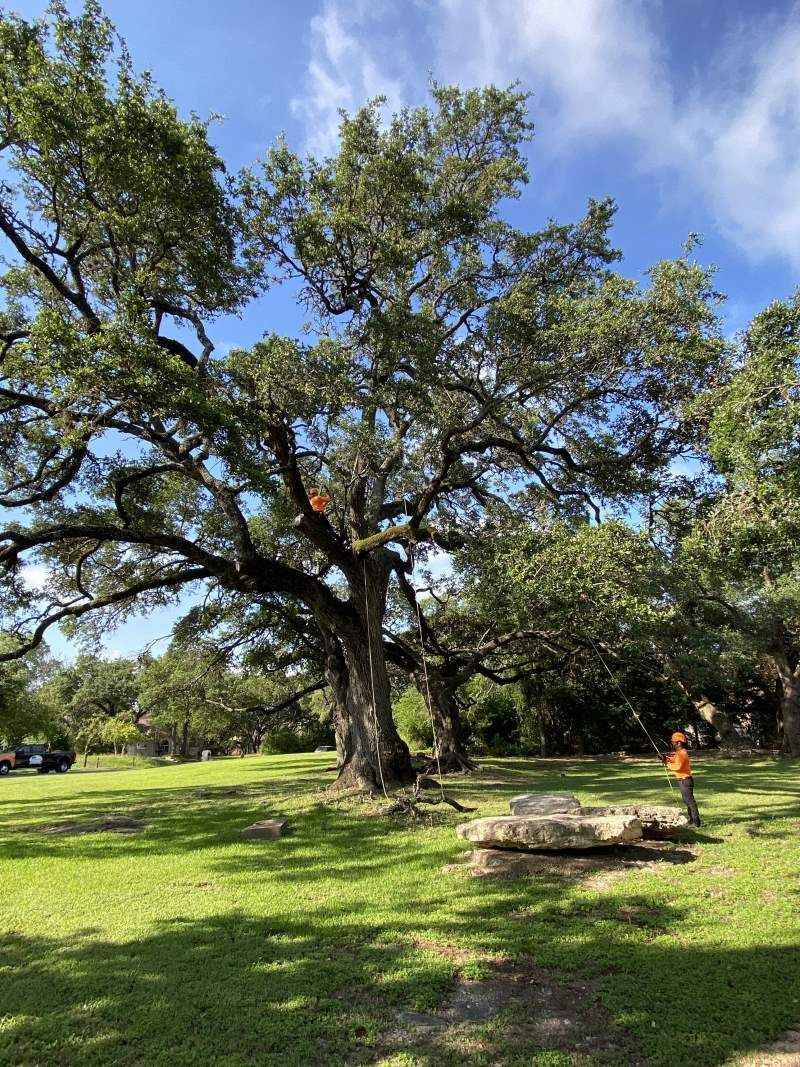
Pruning cuts are open doors, and fall rains hold those doors wide open. UC Agriculture and Natural Resources advises pruning oaks during the dry season, often mid to late summer, when fungal spores and the pathogen behind SOD are least active.
So if you missed that window, the smartest move before winter is to leave healthy branches alone. Wet bark and fresh wounds give decay fungi an easy way in. I know it feels productive to tidy up in October, but your tree prefers patience.
Storm damage is the exception. A cracked or hanging limb over a roof, driveway, or path needs attention now, so call a certified arborist to make a clean cut just outside the branch collar.
Skip the wound paint. Research shows sealants rarely help oaks recover and can trap moisture under the coating. Also avoid flush cuts and long stubs, since both slow the tree’s natural sealing process.
Keep any work light. Removing more than about 20 to 25 percent of the live canopy in one year stresses the tree and triggers a burst of weak sprouts. Most mature live oaks only need the occasional removal of broken or brittle limbs.
Turn Those Sprinklers Away From The Oak Trunk
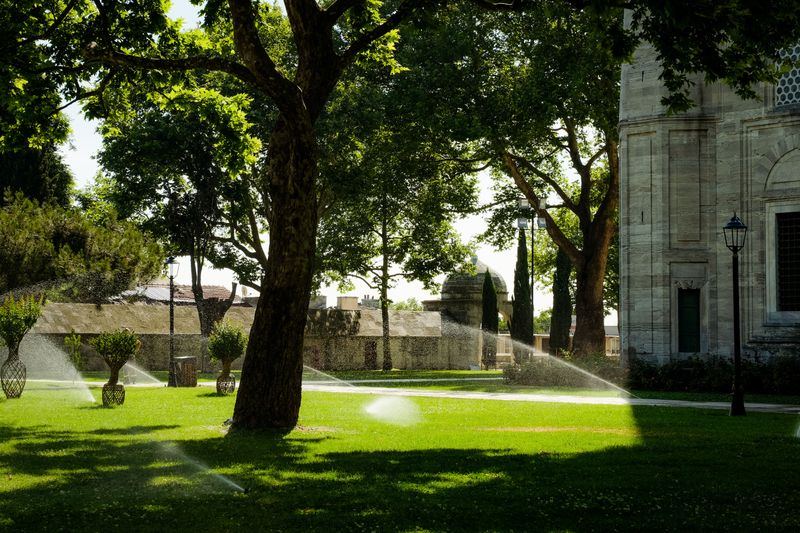
Ask any seasoned arborist about the most common way people harm a live oak, and many will point straight at the sprinkler. These trees evolved with wet winters and bone-dry summers, and their roots expect that rhythm.
The area within about six feet of the trunk, called the root crown zone, needs to stay dry. Constant moisture there invites Phytophthora root rot and oak root fungus, Armillaria mellea, both of which can spread for years before you notice thinning leaves.
Before winter, check your irrigation lines. Point spray heads away from the trunk, cap drip emitters near the base, and shut off zones that hit the oak once fall rains begin. Normal winter storms usually give mature trees all the water they need.
Dry winters are a different story. If rain stalls for weeks, a slow, deep soak out near the drip line about once a month can help, according to UC guidance. Keep that water well away from the trunk.
Young oaks planted within the last two or three years still need occasional deep watering during dry spells. Let the soil dry between sessions so roots grow deep and sturdy.
Fallen Oak Leaves Make The Best Free Mulch Around
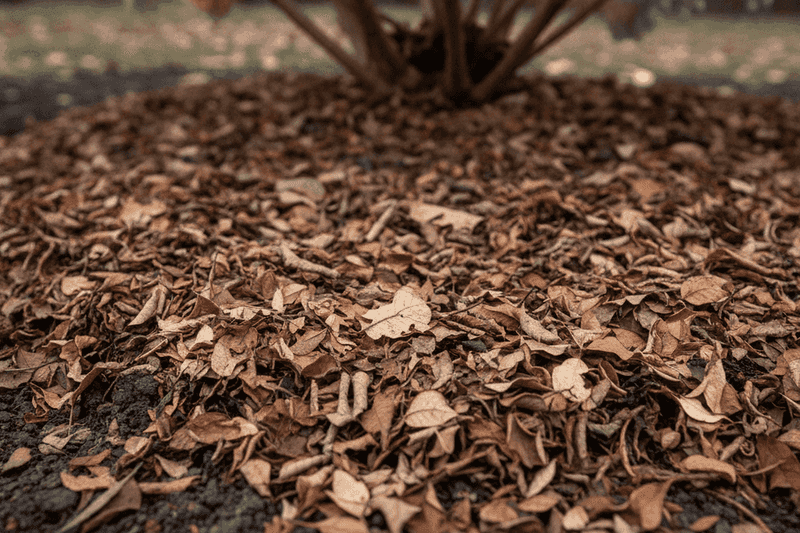
Raking up every fallen oak leaf feels neat, but you’re actually tossing out a free gift. Leaf litter is the natural mulch these trees build for themselves, and it slowly feeds the soil as it breaks down.
A layer of fallen leaves or 2 to 4 inches of wood chips under the canopy keeps soil temperatures steady and holds winter moisture. It also supports the helpful fungi that partner with oak roots, called mycorrhizae, which help the tree pull in water and nutrients.
One rule matters more than the rest. Keep mulch and leaves pulled back several inches from the trunk, and ideally clear a wider ring around the root crown. Mulch piled against bark holds dampness right where rot problems start.
I like to spread mulch out toward the drip line and beyond, since feeder roots stretch far past the edge of the canopy. Skip plastic sheeting and landscape fabric, which block air and water.
Fun fact? Coast live oaks shed many of their older leaves in spring, right as fresh ones push out. That makes late fall a handy, low-stress time to top up wood chips before the rainy months.
That Bag Of Fertilizer Can Stay Away From Mature Live Oaks
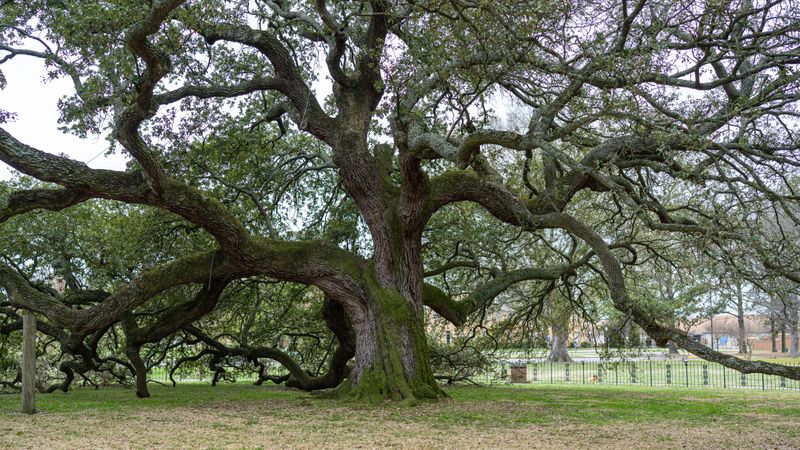
Wild oaks on California hillsides have fed themselves for centuries without a single bag of fertilizer. Healthy, established live oaks in a typical yard rarely need extra nutrients, and UC experts generally recommend against feeding them.
Extra nitrogen pushes a flush of soft, leafy growth. That tender growth attracts aphids and other sap feeders, and it can come at the expense of roots. Fall feeding is especially poor timing, since rain carries nutrients into the soil just as the tree wants to slow down.
Fertilizer near the trunk adds another problem. Salt-heavy products can burn fine roots, and frequent feeding often goes hand in hand with extra watering, which oaks dislike.
So what should you do instead? Let leaf litter and mulch handle the job. If a soil test from a reputable lab shows a real deficiency, or a young oak looks pale and stunted, ask a certified arborist for a light, targeted plan, usually timed for late winter or spring.
Lawn fertilizer counts too. Feeding turf under the canopy feeds the oak whether you planned it or not, so keep weed-and-feed products out of that root zone.
Bay Laurel Trees Next To Your Oaks Deserve A Second Look
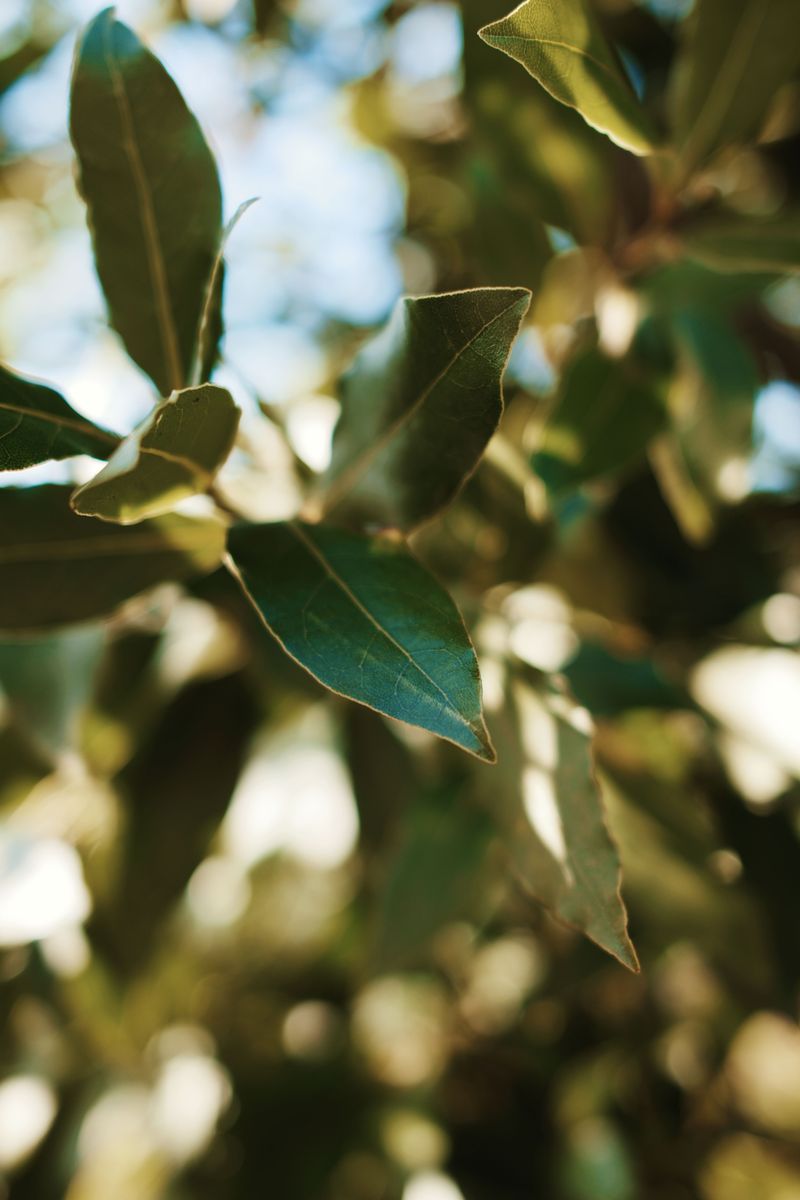
Coast live oaks in coastal counties from Humboldt down to Monterey face a sneaky threat that rides in on winter rain. Phytophthora ramorum, the water mold behind SOD, multiplies on California bay laurel leaves and splashes onto nearby oak trunks during storms.
Oaks themselves do not spread the spores well. Bay laurels do the heavy lifting, which is why UC researchers suggest removing small bays, roughly 4 inches in trunk diameter or less, growing within about 30 feet of valuable oaks. Fall, before steady rains, is the right time for that job.
For high-value trees in infested areas, a certified arborist can apply a phosphonate spray to the trunk. It works as a preventive, not a cure, and is typically repeated every one to two years.
Watch for bleeding cankers, which look like dark, reddish sap oozing from the lower trunk. If you spot them, contact your county UC Cooperative Extension office or the Oak Mortality Task Force to help confirm the cause.
Clean soil and leaves off boots, tires, and tools after hiking or working in infested woods. Moving plant material from these areas is regulated, so check the rules before hauling green waste.
Heavy Equipment And Soil Piles Can Crush Live Oak Roots
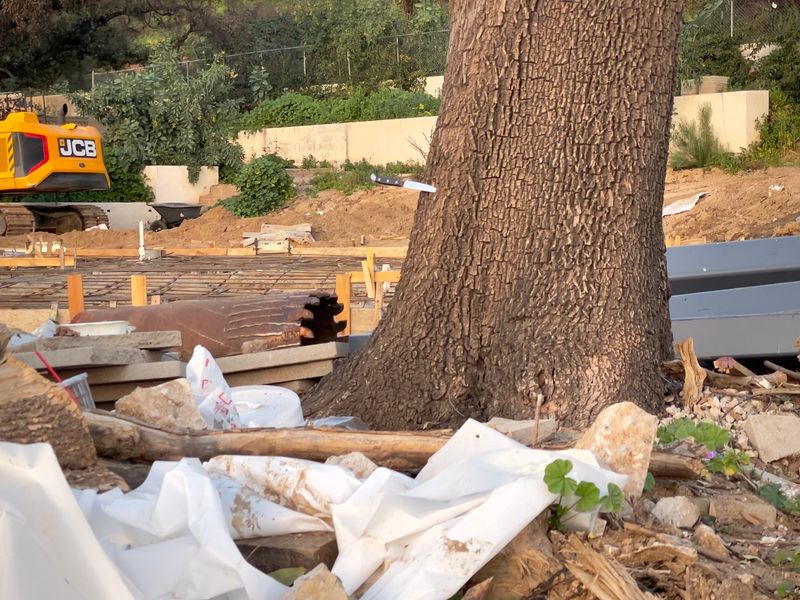
Most of a live oak’s roots live in the top 2 to 3 feet of soil, spreading well beyond the canopy edge. That shallow network breathes through the ground, and it reacts badly when people pile, pave, or pack the surface.
Fall is a popular season for home projects, from new patios to trenching for sprinklers. Before you start, protect the root zone. Avoid parking cars, stacking lumber, or running heavy equipment under the canopy, especially once rain softens the soil and compaction gets worse.
Changing the grade is another big no. Adding even a few inches of soil over roots cuts off oxygen, while scraping soil away tears up feeder roots. Many cities and counties protect native oaks by ordinance, so check local rules before digging near or removing any tree.
Thinking about planting under your oak this fall? Choose summer-dry natives such as hummingbird sage, coffeeberry, or native bunchgrasses, and keep them several feet from the trunk. Skip thirsty lawns and tropical shrubs.
Fall planting lets winter rain handle the watering, so newcomers settle in without much summer irrigation. Your oak gets friendly company without the soggy soil it dislikes.
Local Firewood And A Quick Oak Trunk Check Go A Long Way
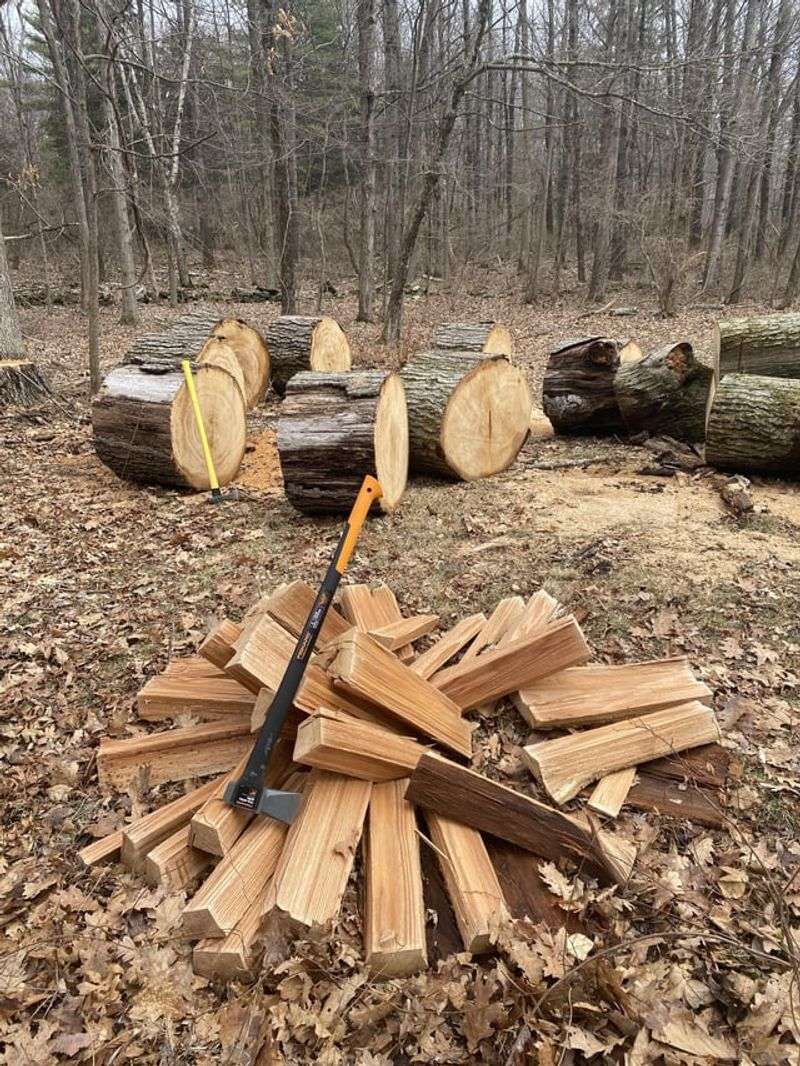
A load of cheap firewood from another county might carry hitchhikers you didn’t invite. The goldspotted oak borer, a beetle first confirmed in San Diego County, has spread to other parts of Southern California through moved firewood and has caused the loss of many coast live oaks.
Winter is peak firewood season, so buy it locally and burn it close to where you bought it. That simple habit slows the spread of borers and diseases.
While you’re outside, take a slow walk around your own oak. Look for small D-shaped exit holes in the bark, dark staining or ooze on the trunk, mushrooms clustered at the base, or sudden thinning in the canopy. Snap a few photos so you can compare them next year.
Spotting trouble early gives you more choices. A certified arborist or your local UC Cooperative Extension office can help sort normal leaf drop from real problems.
The biggest lesson from all this? Live oaks thrive on a little care and a lot of restraint. Keep the trunk dry, the roots undisturbed, and the saw in the shed until summer, and your tree can shade your home for generations.