When To Cut Back Ornamental Grasses In California In November
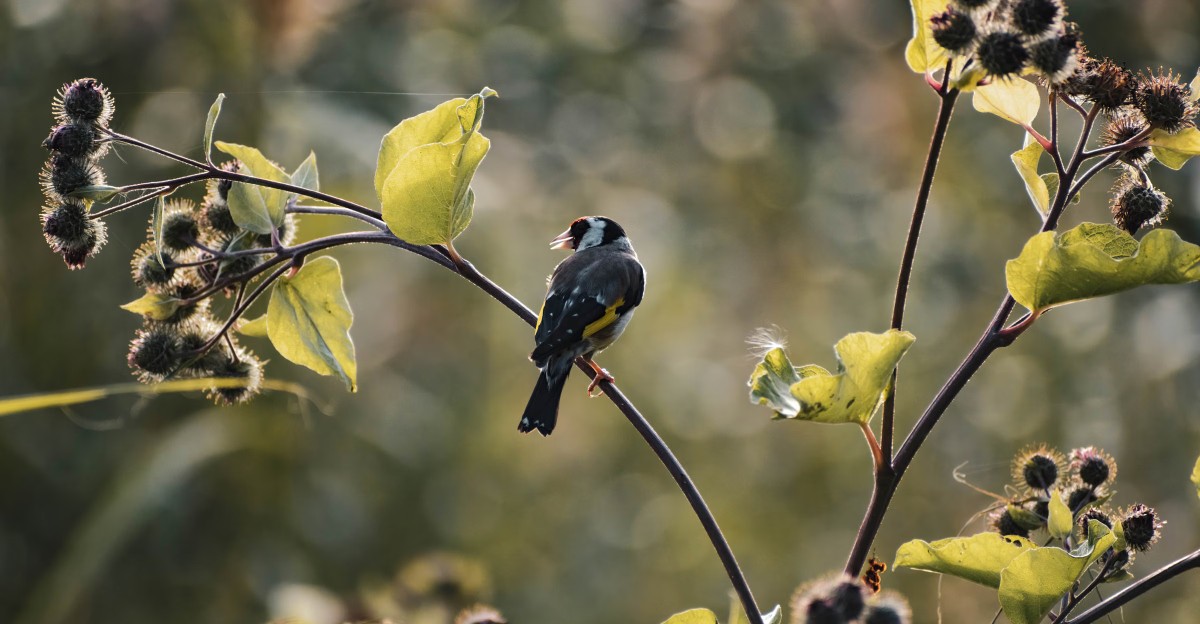
A goldfinch can find a winter meal in a single dried grass seed head, which makes November pruning a little more complicated than grabbing the shears and tidying up. Those faded clumps may still be feeding birds long after summer has passed.
Confession time, I used to think brown ornamental grass meant the garden needed a cleanup. Now I pay closer attention to what is growing at the base and how close the clump sits to the house.
California’s coastal gardens, inland valleys, and foothill yards face different winter conditions, so pruning dates deserve a little flexibility. Dry warm-season grasses near buildings may need attention sooner, while cool-season varieties often benefit from waiting.
Could leaving a few scruffy clumps actually improve your winter garden? The answer depends on which grasses you grow, and one small distinction can change your entire pruning plan.
Those Tan November Grass Clumps Are Asking A Bigger Question
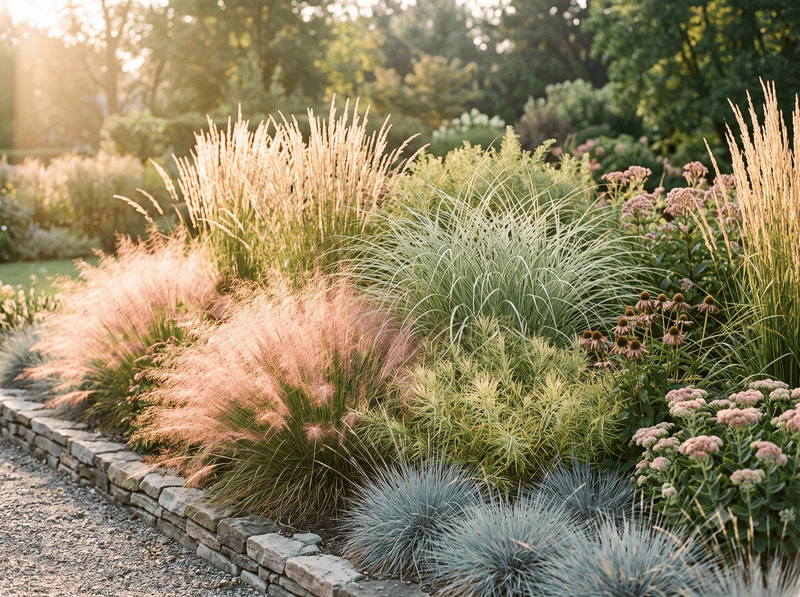
Walk past a clump of tan, rustling grass in November and your fingers start itching for the pruners. I get it, because faded foliage can look messy next to a freshly raked path.
The general rule from most experts is simple. Late winter to early spring is the main cutback window for ornamental grasses, usually January through early March in California, right before fresh blades push up.
November is still not off limits, though. The right answer depends on three things: the type of grass you grow, where your garden sits, and whether that dry growth creates a fire concern near your home.
Coastal gardens rarely freeze, so grasses there often stay attractive well into winter. Inland valleys and foothills bring colder nights and drier conditions, which can change the math.
Before you snip anything, look closely at your plant. Is it green at the base? Is it brown from top to bottom? Is it tucked right up against your house or fence?
Those quick observations sort most grasses into a clear plan. Once you know which group you have, the November decision becomes much easier and a lot less stressful for you and your plants.
Dry Warm-Season Grass Near Your House Can Come Down Now

Fire safety changes everything. Cal Fire asks homeowners to keep the first five feet around a house lean and clean, and dry grass is light fuel that ignites quickly.
Warm-season grasses like switchgrass, little bluestem, and many miscanthus types grow in summer heat and then go dormant. By November they are often brown and crispy from tip to base.
If one of these clumps sits close to your walls, deck, or wooden fence, a late fall cut is a smart move. Trim it down to about three to six inches above the ground.
Fall rains in California can arrive late, and the Santa Ana winds often blow strongest from October into winter in Southern California. That makes November cleanup in fire-prone areas a practical choice instead of a cosmetic one.
Clumps farther out in the yard can stay up longer if you enjoy them. Personally, I like a mixed approach that trims what touches the house and leaves the distant ones for winter interest.
Bag or compost the clippings right away. A pile of dry blades left by the garage defeats the whole purpose of trimming early.
Cool-Season Grasses Like Blue Fescue Would Rather Wait
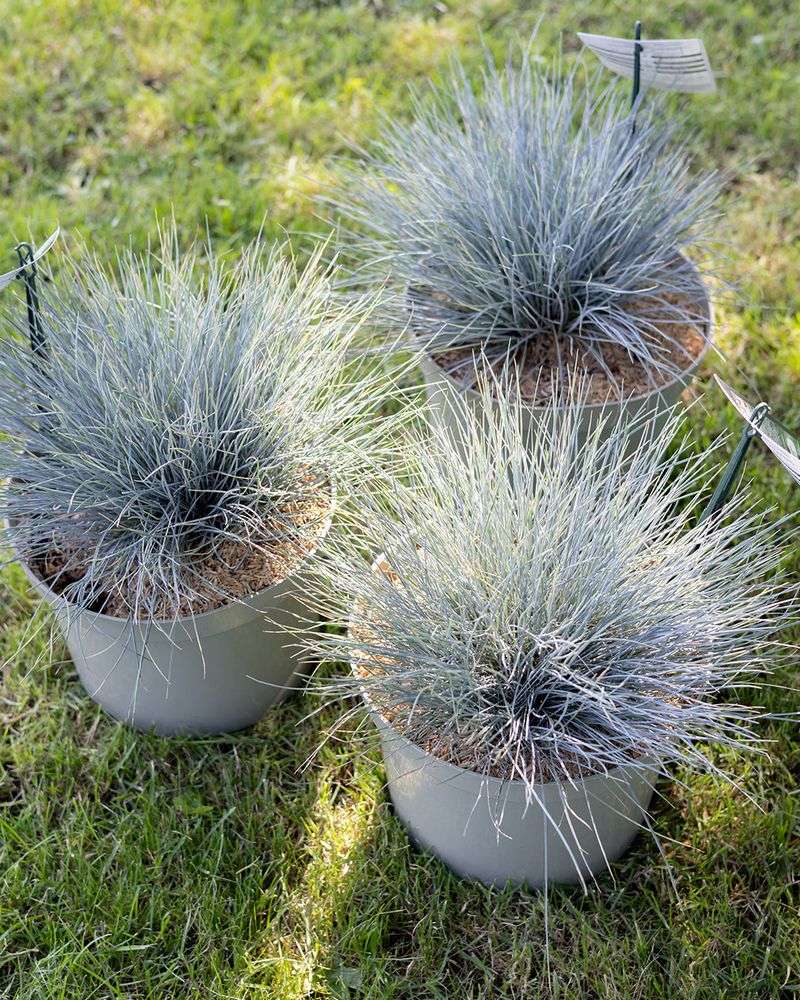
Blue fescue, feather reed grass, and many native bunchgrasses run on a completely different clock. They grow most in the cool, wet months, which is exactly what a California winter offers.
Cut them hard in November and you remove the very leaves they rely on during their busy season. That can leave a weak, patchy plant come spring.
Instead, let them enjoy the rain. In late winter or early spring, trim them back lightly, removing roughly one-third of the height and keeping the growing crown safe.
Native favorites deserve a special mention here. Purple needlegrass, California’s state grass, and deer grass are beloved in water-wise yards, and many gardeners simply comb or rake out old growth instead of a full chop.
Deer grass can handle a harder cut every few years if it gets thatchy, but late winter suits it best. Fresh blades then fill in quickly as the weather warms.
So when November arrives, these plants get a free pass. Admire their texture, watch rain bead on the blades, and save your pruners for a few months down the road.
Evergreen Carex And Lomandra Just Want A Gentle Comb
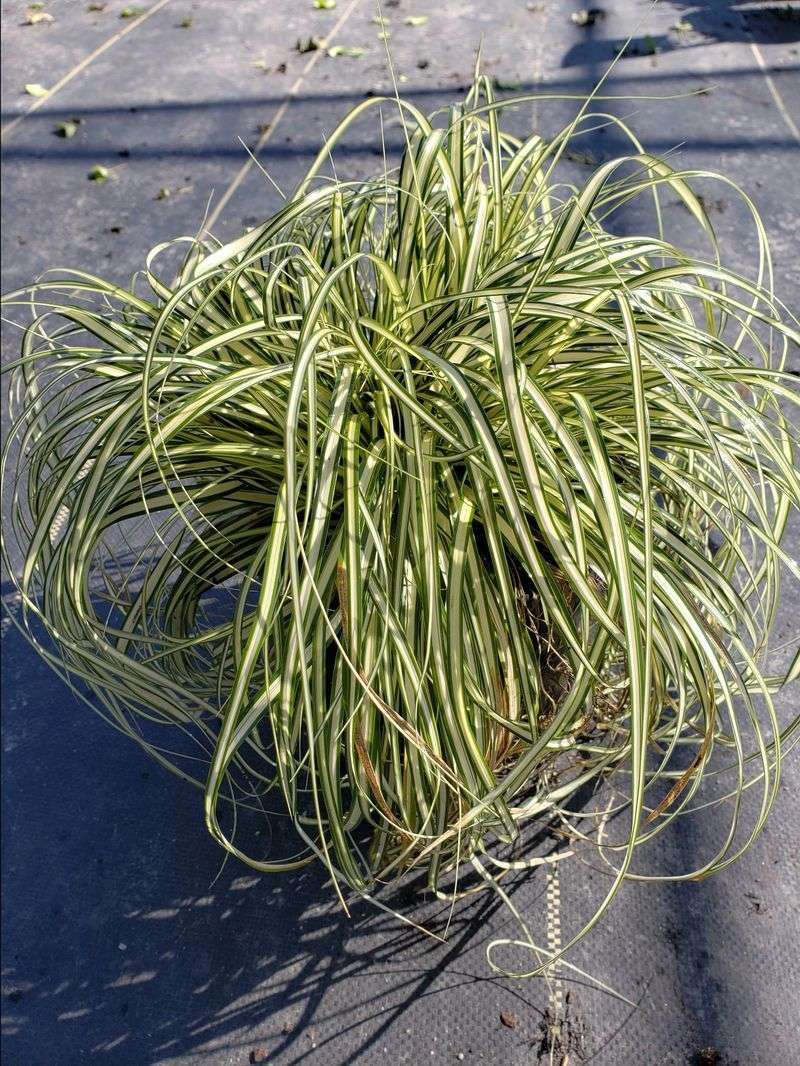
Plenty of popular grass-like plants never really go brown. Sedges such as Carex, plus Lomandra and blue oat grass, stay green most of the year in mild California yards.
A full buzz cut on these plants often backfires. Some recover slowly, and blue oat grass in particular resents being chopped low.
A better trick is grooming. Slip on gloves, spread your fingers like a rake, and pull through the clump to drag out the tired brown blades.
Late winter or early spring is the ideal time for this tidy-up. Still, if a few ugly strands bother you in November, pulling them out by hand does no harm at all.
Grooming also opens the plant to air and light. Better airflow helps reduce the soggy, matted spots that can invite rot during rainy stretches.
I find this job oddly relaxing, kind of like brushing a shaggy dog. Ten minutes per clump is usually plenty, and the plant looks freshly styled without losing its year-round color or shape.
Save the pruners for broken or badly damaged sections only.
Goldfinches Love The Seed Heads You Leave Standing
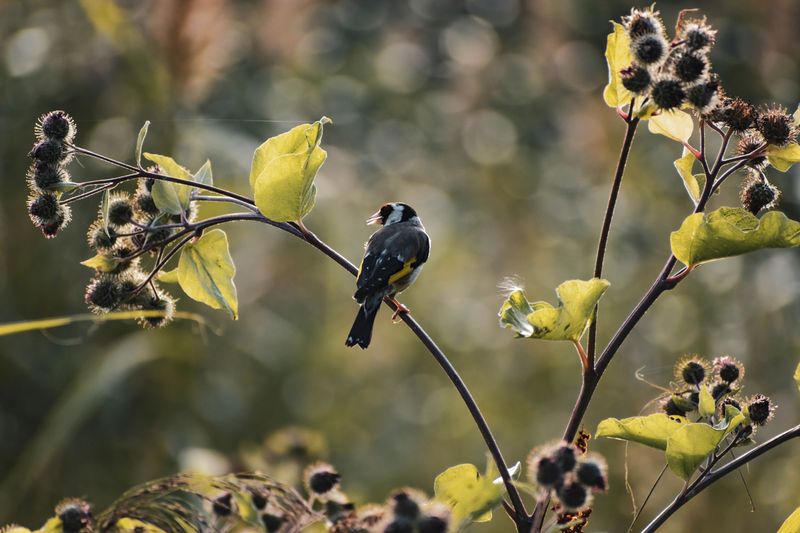
A flash of yellow on a nodding seed stalk might be the best reason to put the shears away. Lesser goldfinches, sparrows, and juncos happily pick seeds from standing grasses through fall and winter.
Old stems help small creatures too. Ladybugs, native bees, and other helpful insects can tuck into hollow stalks and dense clumps when the weather turns cool.
Leaving grasses up also protects the plant itself. The old foliage shields the crown from cold snaps, which matters most in inland valleys and higher elevations where frost is common.
Bird-friendly gardening groups often suggest waiting until late winter for exactly these reasons. You get winter food for wildlife and a softer, more natural landscape at the same time.
I adore the sound of grass rustling on a breezy December morning. Frosty seed heads catching sunrise light are a small treat that a bare garden bed simply cannot offer.
The one exception is fire risk. Keep the wildlife clumps away from your house, and let the ones in open beds stay standing until new shoots get ready to rise.
A Little Twine Makes Cutting Big Grass Clumps So Much Easier
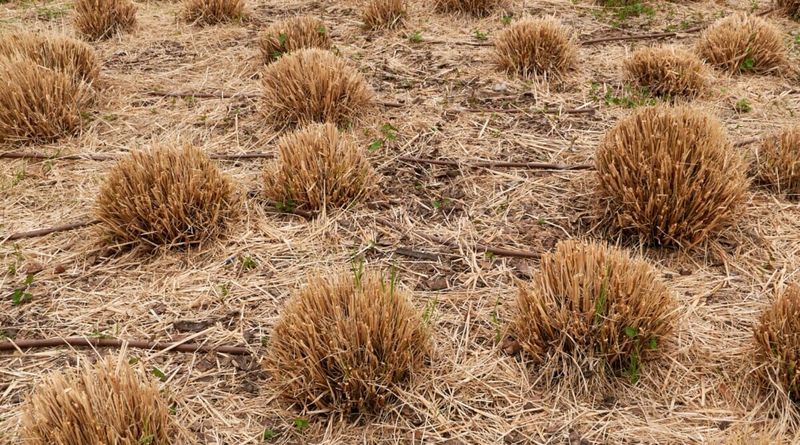
Grass blades can slice skin like paper cuts. Pampas grass is famous for it, and even friendly switchgrass has sharp edges.
Gear up first. Wear sturdy gloves, long sleeves, and eye protection, especially with tall clumps that wave around while you work.
Here is a trick experienced gardeners swear by. Wrap twine or a bungee cord tightly around the middle of the clump, like a ponytail, before you cut anything.
Then slice below the tie with sharp hand pruners, hedge shears, or an electric hedge trimmer for large plants. The whole bundle lifts away in one neat piece, and cleanup takes minutes instead of an hour.
Keep your blades sharp and clean. Dull tools crush stems instead of cutting them, which leaves ragged ends.
One quick warning about pampas grass and its cousin jubata grass. Both are invasive in California, spreading aggressively along the coast. If you have them, removing the seed plumes before they scatter is a kind favor to nearby wildlands.
Many gardeners eventually replace pampas with native deer grass. It offers a similar fountain shape without the weedy reputation.
Leave A Few Inches Of Grass Stubble To Protect The Crown
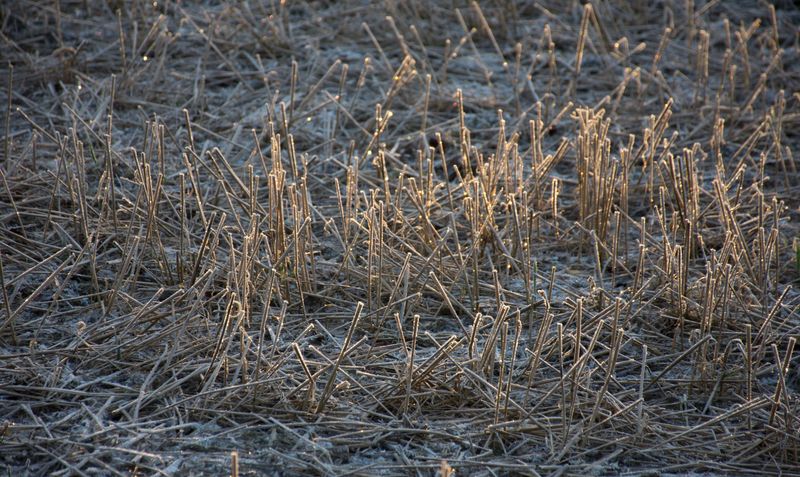
Cutting too low is the mistake I see most often. Scalping a clump down to the soil can injure the crown, where new shoots form.
For warm-season grasses, aim for about three to six inches of stubble. Cool-season types need a lighter touch, losing only about a third of their height.
After cutting, rake away the loose clippings from the center of the clump. Wet, packed debris holds moisture against the crown during California’s rainy months and can lead to rot.
Skip the fertilizer in November. Grasses do not need a growth boost going into winter, and many thrive in lean soil anyway.
Watch the center of older clumps over the next season. A hollow or brown middle means it may be time to divide the plant in spring, replanting the healthy outer pieces.
So the takeaway is pretty friendly. Cut dry warm-season grass near your home now, let cool-season and evergreen types wait until late winter, and leave a few clumps standing for the birds.
Your garden gets safer, healthier, and livelier, all from one thoughtful November choice.