Why Holiday Greenery Near California Boxwoods Can Spread Disease
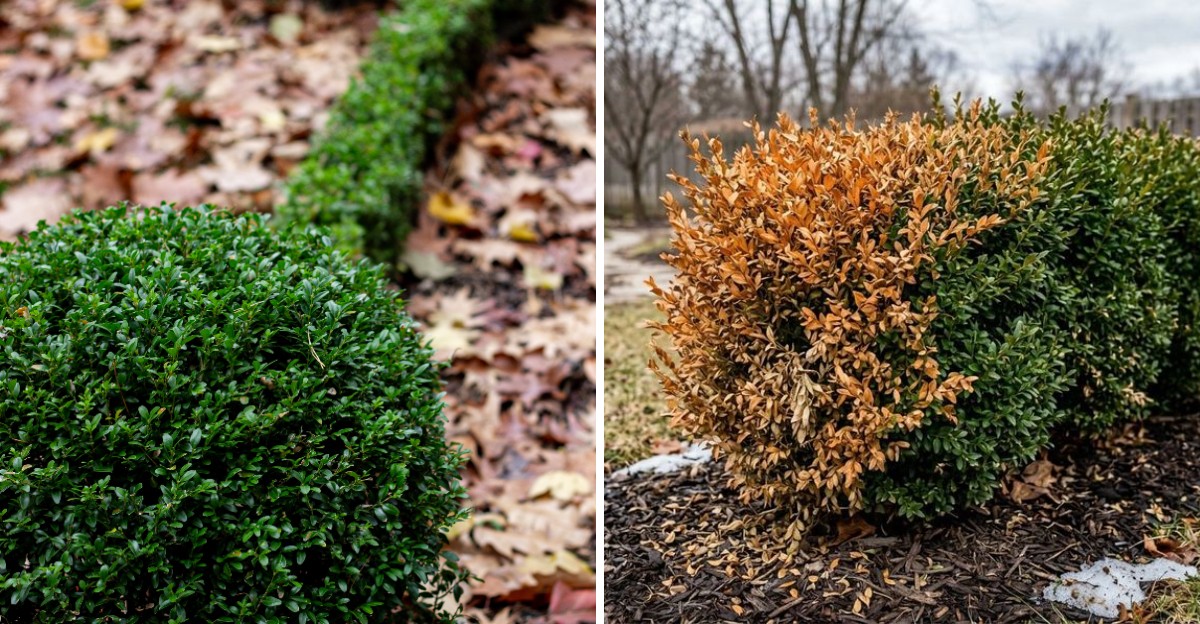
A fresh wreath can bring an unexpected guest to your garden: a fungal pathogen that travels on cut greenery, tools, gloves, and fallen leaves. That makes holiday decorating worth a second thought when clipped evergreen hedges frame your California porch.
The risk is easy to overlook. A decoration may look perfectly healthy while carrying spores, and winter rain can help move them onto susceptible shrubs nearby. By the time foliage starts turning brown and dropping, the original source may be long gone.
I used to think of wreath cleanup as little more than sweeping up a few brittle leaves. Now I see why the greenery itself deserves some attention, especially when living shrubs grow close to the front door.
A few changes to what you buy, where you hang it, and how you dispose of it can make a difference. Festive curb appeal should not come at the expense of a healthy hedge.
connect the warning to California readersexplain the safest wreath cleanup steps
1. Boxwood Blight Rides In On Fresh Holiday Wreaths
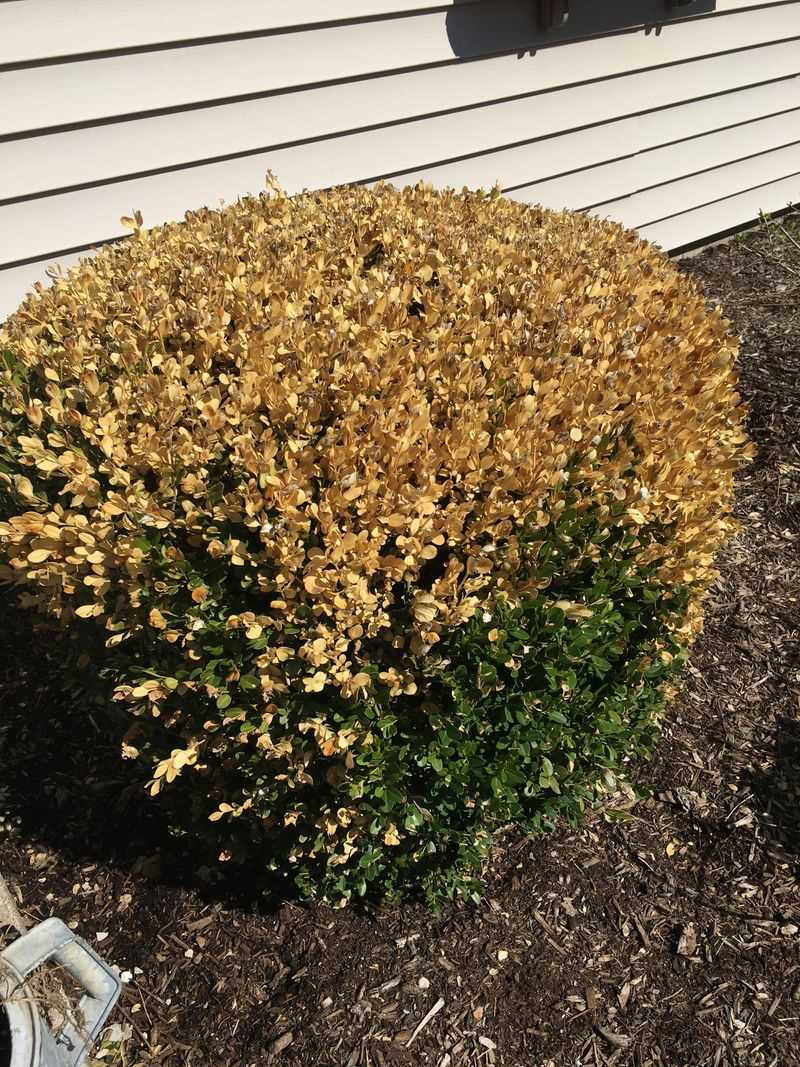
Fresh boxwood wreaths smell faintly green and earthy, and that soft scent makes them a favorite on holiday doors. Sadly, cut boxwood can carry boxwood blight, a serious disease caused by the fungus Calonectria pseudonaviculata.
Plant health officials in several eastern states have found infected boxwood in holiday greenery sold at stores. Those findings showed how easily the fungus can hop between regions on decorations instead of nursery plants.
Most holiday boxwood is grown and cut far from where it is sold, then shipped across state lines. I find it surprising that a cheerful centerpiece might have traveled farther than my last family road trip.
Cut stems may look fresh for weeks, yet spores on the leaves can stay viable during that time. Wreaths outdoors sit in damp air, which gives any hidden spores a better chance to spread.
You need to treat boxwood decorations as plant material, not simple decor, when living shrubs grow nearby. Faux wreaths or greenery from other plants offer the same festive look with far less worry.
Fir boughs and native toyon sprigs are not hosts for boxwood blight, so they make handy substitutes. Personally, I like mixing fir with pinecones for a rustic door swag that smells wonderful for weeks.
If you already own a boxwood wreath, keep it well away from any living boxwood in your yard. A little planning now can spare you a frustrating mystery when spring growth should be flushing bright green.
2. Brown Leaf Spots And Black Stem Streaks Signal Boxwood Blight
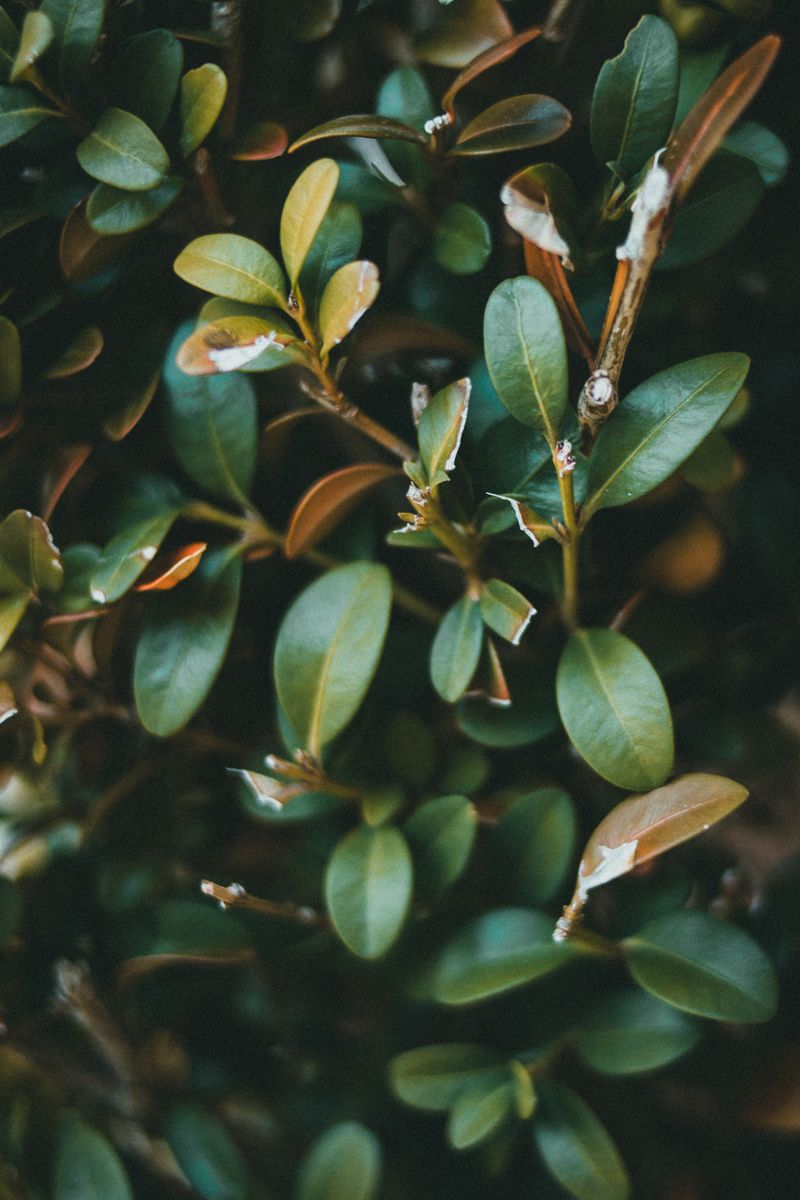
Boxwood blight leaves a calling card that looks a bit like someone splattered tiny coffee stains across the foliage. Dark or light brown leaf spots often show a darker border, sometimes with a yellowish halo.
Look closely at the green stems too, because the fungus paints narrow black streaks along them. Those dark streaks are one of the clearest clues separating blight from ordinary winter bronzing or drought stress.
Once infection gets going, leaves turn straw colored and drop quickly, often starting low on the plant. A shrub can lose much of its foliage within a couple of weeks during warm and humid weather.
Bare stems often stay green for a while, which makes the plant look oddly plucked rather than dried out. I find that patchy, balding look more unsettling than any aphid swarm I have ever battled.
Other boxwood problems can look similar, including Volutella blight and root rot from soggy, poorly drained soil. Volutella tends to cause orange-pink spore masses on leaf undersides, which helps you tell the two apart.
You should not rely on guesswork, since several issues share brown leaves and thin, struggling growth. Snap a few clear photos and collect a bagged sample before touching any other plants in the garden.
Your county agricultural commissioner or local UC Master Gardener program can help confirm what you are seeing. Reporting suspected blight matters in California, because officials track this disease closely to protect nurseries and landscapes.
3. Sticky Fungal Spores Travel On Gloves And Pruning Shears
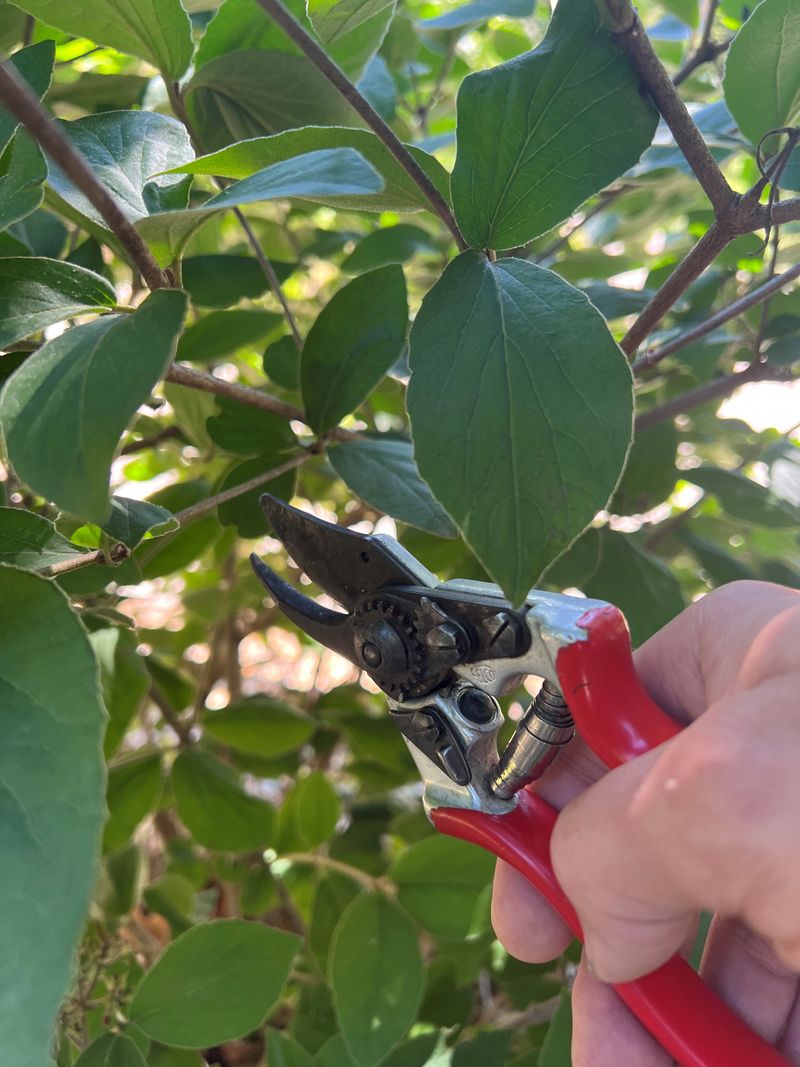
Unlike dusty spores that float on the breeze, boxwood blight spores are sticky and travel like glitter after a craft project. They cling to gloves and pruning shears, then ride along wherever you happen to walk next.
Researchers report that spores spread mostly through splashing water and contact with contaminated items rather than long wind journeys. That means your own hands can carry the fungus farther than a breezy afternoon ever could.
Making a wreath at the kitchen table can leave leaf bits on your clothing and craft tools. If you head outside afterward to trim the hedge, those fragments may come along for the trip.
I keep a separate pair of snips for holiday crafts so they stay far from my garden bucket. You might find that habit easy to adopt, especially if you already own an older spare pair.
Clean tools after working with any boxwood, whether it came from a store or your own yard. Extension specialists often suggest dipping blades in a household disinfectant, then rinsing and oiling them to prevent rust.
Shake out gloves and brush off shoe soles before walking near your shrubs after decorating. Washing work clothes promptly sounds fussy, yet it removes hidden leaf fragments that might otherwise drop beside your hedge.
Professional landscapers who visit many yards follow similar cleanup routines for this exact reason. Asking your crew about their sanitation habits is perfectly reasonable, and good companies will appreciate that you care.
4. Winter Rain Splashes Spores Onto Nearby Boxwood Hedges
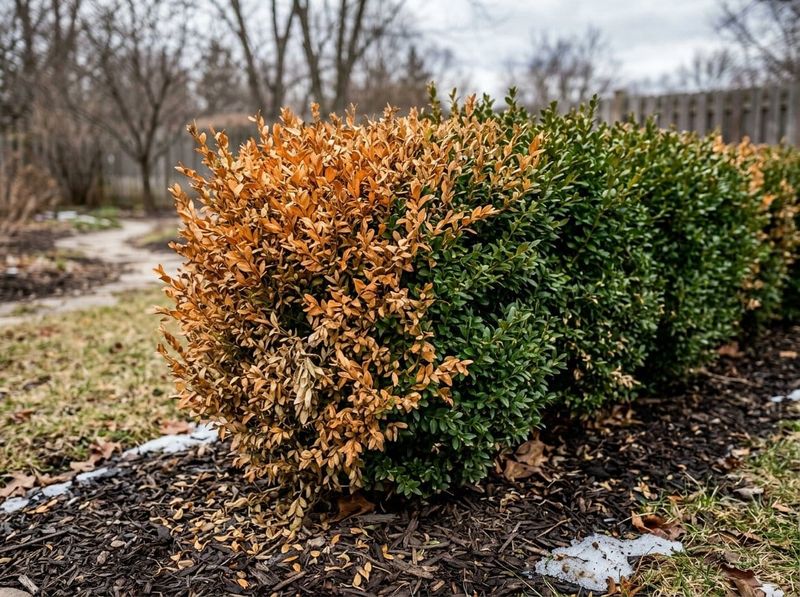
Every winter storm turns your garden into a tiny splash zone, and that is exactly where this fungus thrives. Raindrops bounce off infected leaves and fling sticky spores onto nearby foliage within a short distance.
Much of California receives most of its yearly rain between late fall and early spring. That timing overlaps neatly with the weeks when wreaths and garlands hang on porches and garden gates.
The fungus favors mild temperatures, roughly sixty to eighty degrees, with long periods of leaf wetness. Mild coastal winters and foggy mornings can sometimes supply enough moisture for infection to take hold.
I have watched raindrops ricochet off my front steps onto the low hedge beside them during heavy downpours. You might be surprised how far a single splash can carry soil and leaf debris across a walkway.
Overhead sprinklers create the same splashing action, even on sunny days when no rain falls at all. Switching boxwood beds to drip irrigation keeps leaves drier and reduces this hidden pathway for spores.
Water early in the morning if you must spray, so foliage dries quickly as the sun rises. Thinning dense shrubs slightly also helps air move through branches and shortens the time leaves stay damp.
A layer of mulch beneath shrubs can soften the impact of falling drops and limit soil splashing upward. That simple step costs little and pays off by keeping the lowest, most vulnerable leaves cleaner.
5. Fallen Boxwood Leaves Can Hold Fungus For Years
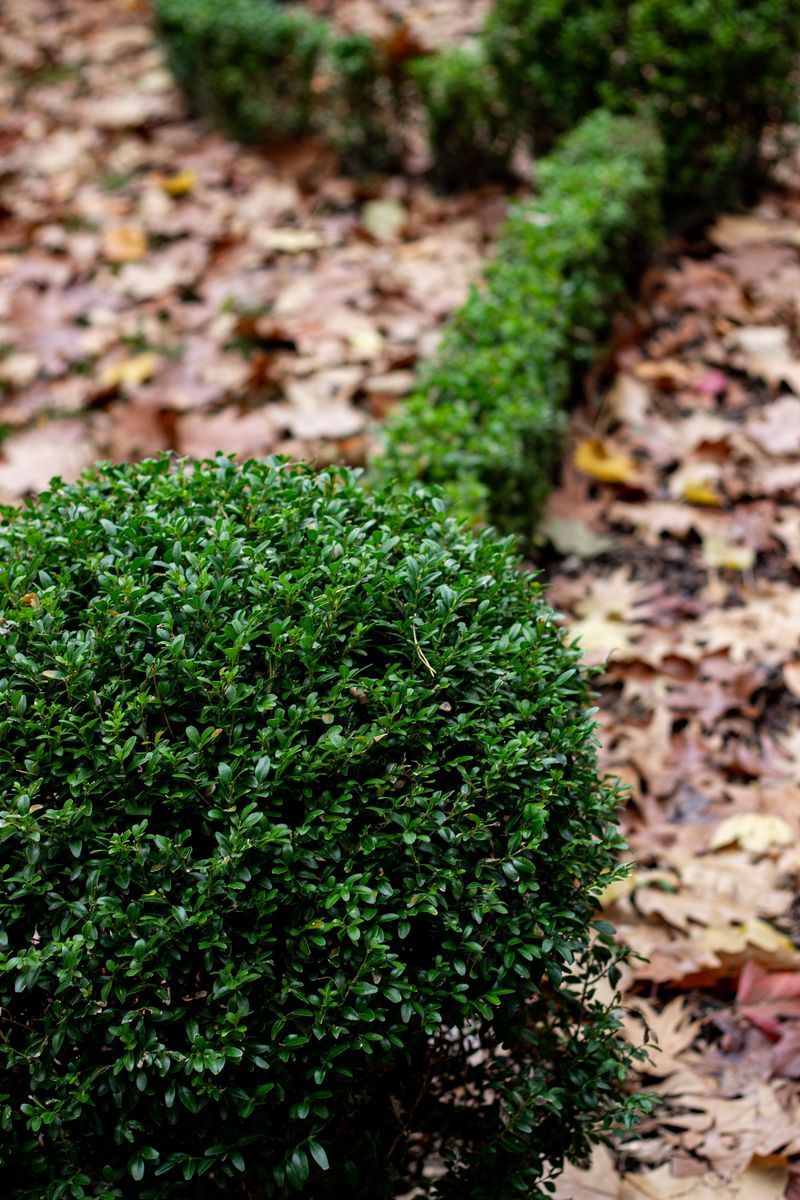
Fallen boxwood leaves might look harmless, yet infected ones can shelter tough fungal survival structures for years. Researchers have found these resting bodies, called microsclerotia, remaining viable in leaf debris for five years or more.
Once leaves drop onto soil or mulch, they quietly wait until warm and wet conditions return. Then the fungus can produce fresh spores that splash back onto any boxwood growing nearby.
Holiday greenery sheds leaves as it dries, especially when wreaths hang on breezy doors for several weeks. Those crunchy little leaves often end up swept into flower beds without anyone noticing them at all.
I like to place an old towel beneath indoor garlands so dropped leaves collect in one easy spot. Outdoors, you can sweep porches and steps regularly and toss the sweepings straight into the trash.
Avoid blowing leaf litter into planting beds, because a leaf blower can scatter debris far beyond the porch. Gathering material with a broom gives you much more control over where every little leaf lands.
If boxwood blight ever shows up, experts recommend removing fallen leaves and the top layer of mulch nearby. Fresh mulch then creates a cleaner barrier between old debris and the leaves of healthy plants.
Personally, I find these small chores oddly satisfying after the holiday rush finally settles down. A clean bed beneath your shrubs gives them a fresh start as new growth arrives later in spring.
6. Pachysandra And Sweet Box Can Catch Boxwood Blight Too
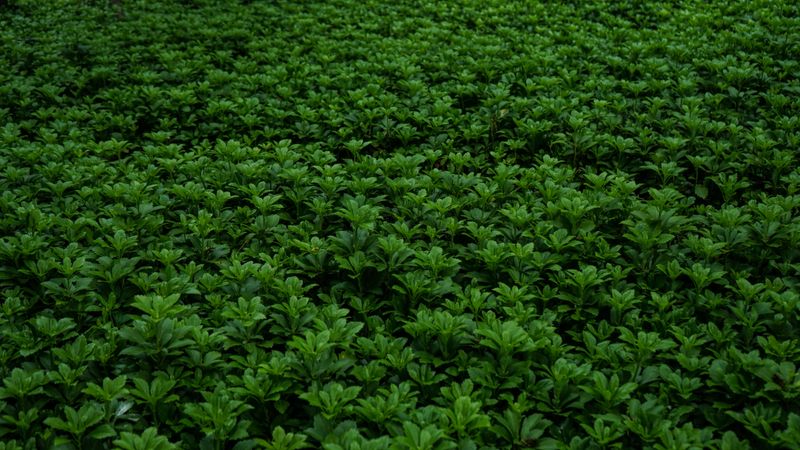
Boxwood blight has a few cousins on its menu, and some of them may already grow in your shade garden. Pachysandra, the low groundcover often called Japanese spurge, belongs to the same plant family as boxwood.
Sweet box, or Sarcococca, is another relative that can become infected by the same fungus. Its tiny winter flowers smell wonderfully of vanilla, which makes it a popular choice near shady doorways.
I love how sweet box perfumes a chilly path, but its location near entries puts it close to wreaths. That closeness means a contaminated decoration could reach these plants just as easily as a boxwood hedge.
Pachysandra often carpets the ground beneath shrubs, so infected leaves dropping from above may land directly on it. The groundcover can then hold spores close to the soil, where splashing water easily moves them around.
You need to check these companion plants whenever you inspect your boxwoods for leaf spots and streaks. Symptoms on pachysandra often appear as brown blotches with rings and darkened stems near the base.
Gardeners in mild coastal regions grow sweet box widely because it tolerates dry shade once established. That popularity makes it worth adding to your mental checklist each winter before decorations go up.
Keep holiday boxwood away from every host plant, not just the clipped shrubs flanking your door. Treating the whole plant family as vulnerable is a simple mindset shift that offers much broader protection.
7. Hang Holiday Wreaths On Doors Away From Boxwood Shrubs
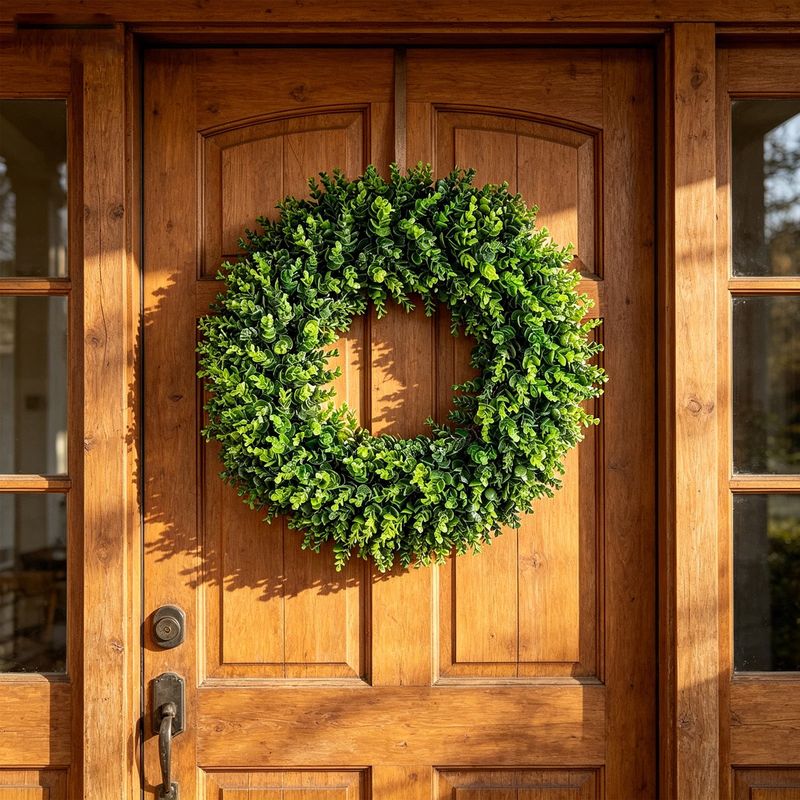
Front doors love a wreath, but the boxwood hedge flanking those steps would rather keep its distance. Placement may be the easiest free tool you have for reducing disease risk this holiday season.
Hang boxwood decorations on doors or covered railings that sit well away from living host plants. Covered spots also stay drier, which limits the splashing rain that helps spores move around the yard.
Avoid draping garlands directly over hedges or tucking sprigs into planters that contain live boxwood. Direct contact gives spores the shortest possible route from cut stems onto actively growing leaves.
I once tucked boxwood sprigs into a potted topiary for a festive touch, and I would skip it now. You might enjoy decorating topiaries with ribbon and small ornaments instead, which look charming without the risk.
Indoor displays usually pose lower risk, since rain splash and garden contact are far less likely inside. Keep tables and mantels clear of living boxwood houseplants, though, if you choose fresh cut stems.
Consider whether pets or kids might carry fallen leaves outside on paws and shoes during busy gatherings. A doormat inside and a quick sweep afterward will catch most of those tiny wandering bits.
No single distance guarantees safety, so more space between decorations and shrubs is simply better. Even moving a wreath to the opposite side of the porch can make a real and lasting difference.
8. Bag Old Boxwood Garlands Instead Of Composting Them
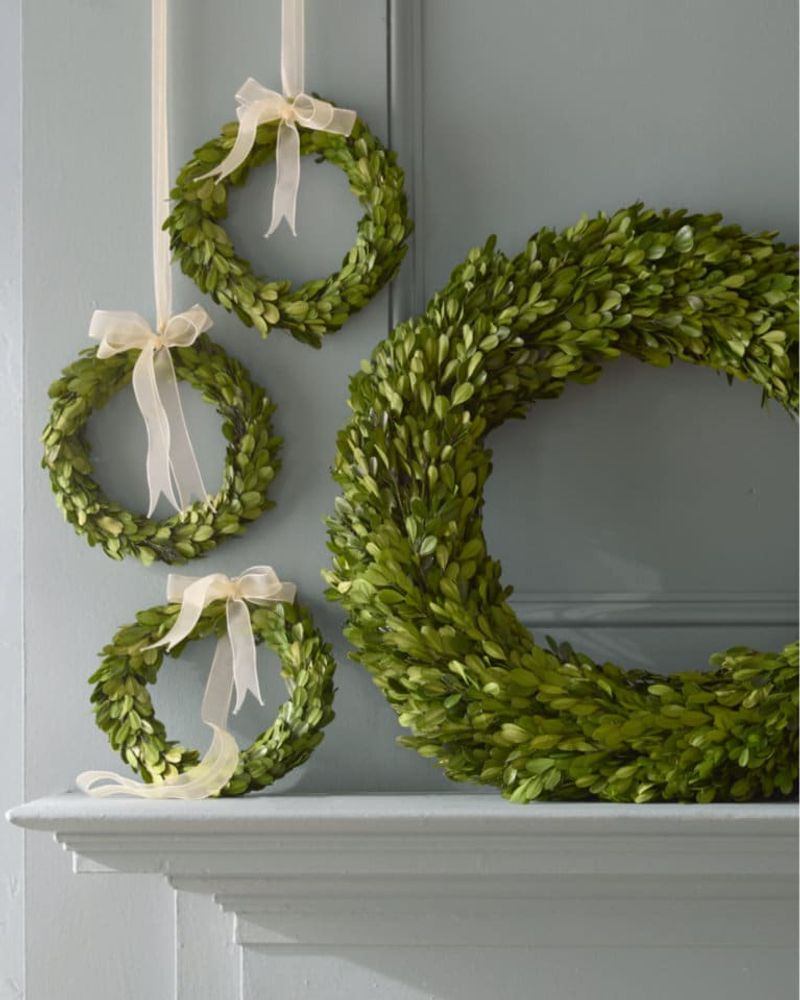
That tired wreath on the door after New Year may tempt you toward the compost bin. Please resist the urge, because home compost piles rarely get hot enough to reliably eliminate this fungus.
University experts recommend bagging boxwood greenery and sending it to the landfill with regular household trash. Double bagging adds extra security and keeps loose leaves from spilling out during the trip to the curb.
Green waste carts may seem like the responsible choice, yet extension guidance generally advises against them for infected boxwood. When in doubt, contact your local hauler about how they handle potentially diseased plant material.
I place the old wreath straight into a bag right at the door, so it skips any trip across the garden. You might find that this tidy habit also saves you from sweeping up brittle leaves later.
Burning greenery is not a good option either, since many local air districts restrict residential burning. Bagging keeps things simple and keeps the material contained while it travels away from your yard.
Wipe down the door hook and any surfaces where the wreath rested for several weeks. Wash hands well afterward, and give gloves a good rinse before you head outside to garden.
Taking down holiday decor rarely feels exciting, but this step carries big benefits for your landscape. Ten minutes of careful cleanup now can help protect shrubs that took many years to grow.