How To Keep A Gifted Poinsettia Looking Good Through The Holidays In California
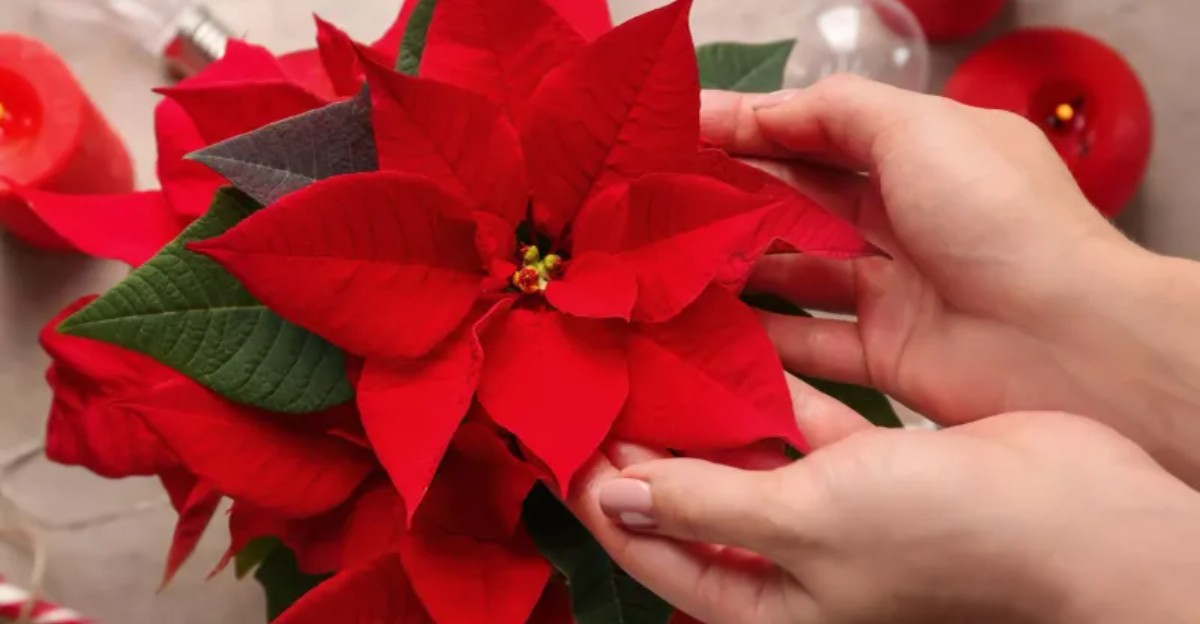
Red holiday plants sold with tight, unopened yellow buttons in their centers tend to keep their color the longest. Once those tiny true flowers shed pollen, the colorful leaves around them often start dropping soon after.
These shrubs come from the forests of southern Mexico and like steady temperatures between 65 and 75 degrees by day. A short walk to the car through cold air can cause damage, so a paper sleeve helps on chilly evenings.
Let me save you some trouble and skip the plant food until spring. You might notice a few leaves falling during the first days at home, which is normal after life in a cozy greenhouse.
Plenty of holiday centerpieces drop their color because they landed beside a heater vent or a drafty front door. A few easy adjustments with light, water, and a pebble tray could keep yours glowing well into January.
Those Red Poinsettia Bracts Are Really Hard Working Leaves
Flip your thinking for a second. That bold red display is made of bracts, which are modified leaves that change color in response to long, dark nights.
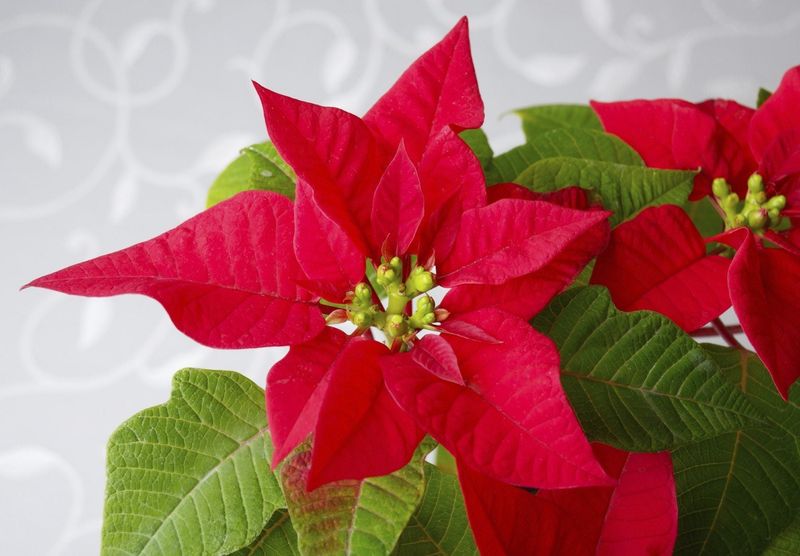
The true flowers are the small yellow-green clusters called cyathia sitting right in the middle. Once those tiny flowers open fully and start shedding pollen, the plant often begins dropping its colorful leaves soon after. Plants sold with tight, unopened cyathia tend to last the longest.
Because bracts are leaves, they react to stress just like regular foliage does. A sudden chill, a dry spell, or a soggy pot can make them droop, curl, or fall off. Steady conditions are the secret ingredient behind a plant that stays bright for weeks.
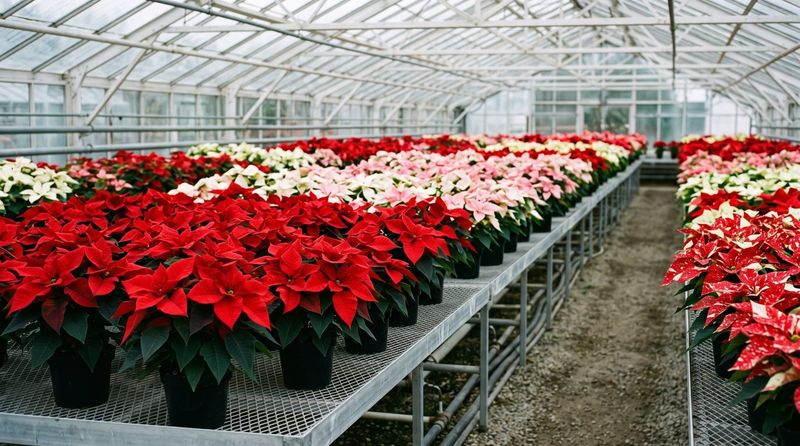
Poinsettias come from the forests of southern Mexico, where they grow as large shrubs. Growers in places like Encinitas helped turn them into the potted holiday favorite we know today. The Ecke family farm in Southern California once supplied a huge share of the world’s poinsettias.
So when you look at your gift plant, think of it as a living ornament with a few simple needs. Give it calm, consistent care, and it will reward you with color all season long.
Set Your Poinsettia Near A Bright Window Without Harsh Sun
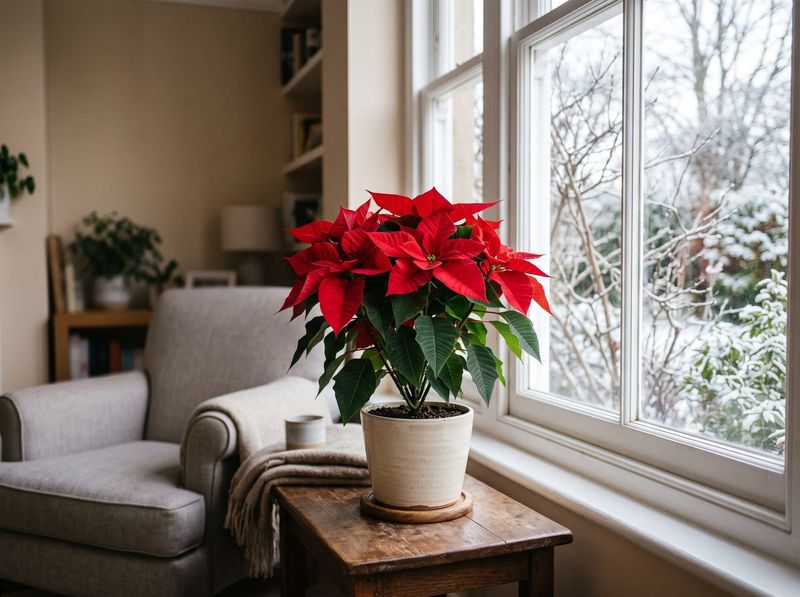
Light is fuel for that holiday glow. University extension experts recommend at least six hours of bright, indirect light each day to keep leaves green and bracts rich.
An east, west, or south-facing window often works well. In sunny inland areas like Sacramento or Riverside, afternoon rays can get strong even in December, so a sheer curtain helps soften the light. Direct sun pressed against the glass may fade bracts or scorch leaf edges.
Dim corners are another story. A poinsettia tucked on a dark shelf will often drop lower leaves and lose its sparkle within a week or two. I like to place mine where it gets plenty of light by day, then move it to a party spot for evening gatherings.
Watch for leaves touching cold window glass at night. Coastal homes can get surprisingly chilly near windows after sunset, and that contact can cause damage.
A quick rotation every few days keeps the plant growing evenly. Otherwise, the stems lean toward the light and the shape gets lopsided. Small moves like these add up to a fuller, happier plant that looks great in every holiday photo you take.
Poke A Hole In That Shiny Poinsettia Foil Wrap
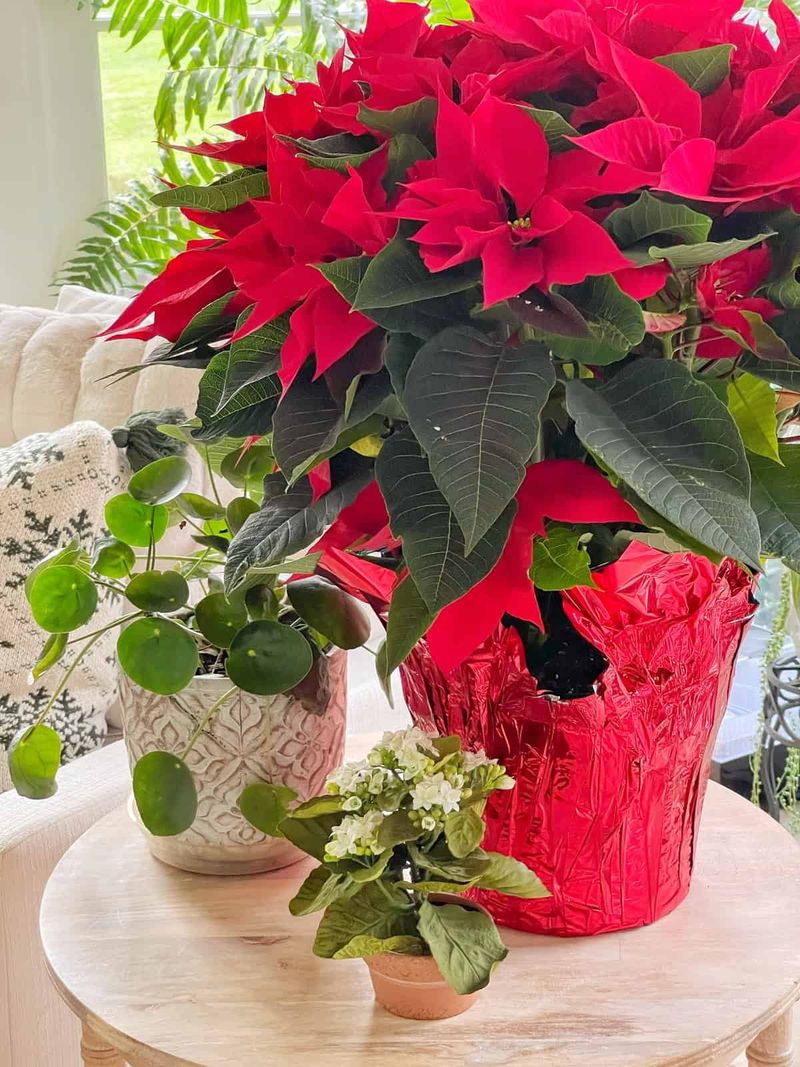
Pretty foil wrapping hides a sneaky problem. When you water, the extra moisture gets trapped inside, and the roots end up sitting in a puddle.
Soggy roots are one of the top reasons gift poinsettias decline. Overwatering can lead to root rot, yellow leaves, and sudden wilting that looks oddly like thirst. You can fix this in seconds by poking holes in the bottom of the foil or removing it before watering.
My favorite routine is simple. I carry the plant to the sink, water until it drains freely, let it drip for a few minutes, then slip it back into its wrap or saucer. Empty any leftover water right away.
Check the soil each day by pressing a finger into the top inch. When it feels dry, it is time for a drink. If it still feels damp, wait another day.
Pots in warm, sunny rooms may need water every couple of days, while cooler spots dry out more slowly. Lifting the pot helps too, since a dry plant feels noticeably lighter. Learning that weight difference makes watering much easier and keeps guessing out of the picture.
Heater Vents And Drafty Doors Can Make Poinsettia Leaves Drop
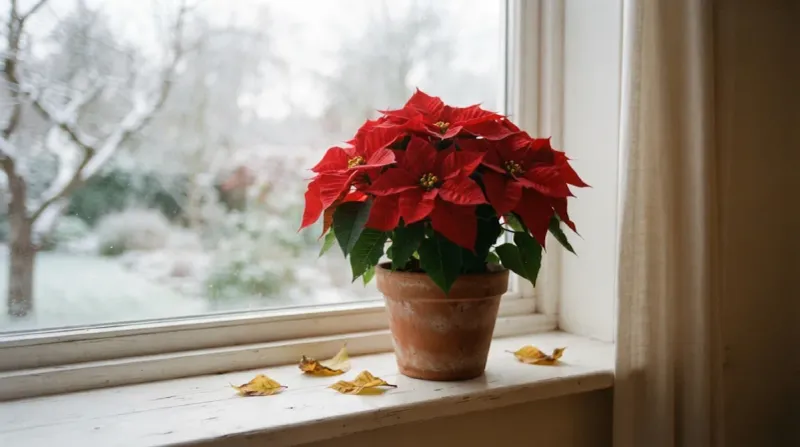
Picky about temperature? Absolutely, in the nicest way. Poinsettias are happiest between about 65 and 75 degrees during the day, with nights no colder than roughly 55 degrees.
Trouble often comes from spots we barely notice. A heater vent blowing dry air, a fireplace mantel, or a front door that opens all day can stress the plant fast. Leaf drop is the classic warning sign.
Cold is especially rough on these tropical shrubs. Temperatures below 50 degrees can harm leaves, and even a short trip in freezing air can cause damage. Wrap the plant in a paper sleeve or bag when carrying it from the store to your car.
California weather adds a twist. Desert and mountain areas get cold nights, while coastal towns can swing from mild days to chilly evenings. A plant on a patio may look fine at noon but suffer after dark.
Keep your poinsettia indoors through the holidays, away from vents and doors. A spot in the middle of a room often stays the most even. Your plant will thank you by holding onto those vivid leaves much longer than a neighbor’s plant parked by the furnace.
Yellow Or Wilting Poinsettia Leaves Are Sending You A Message
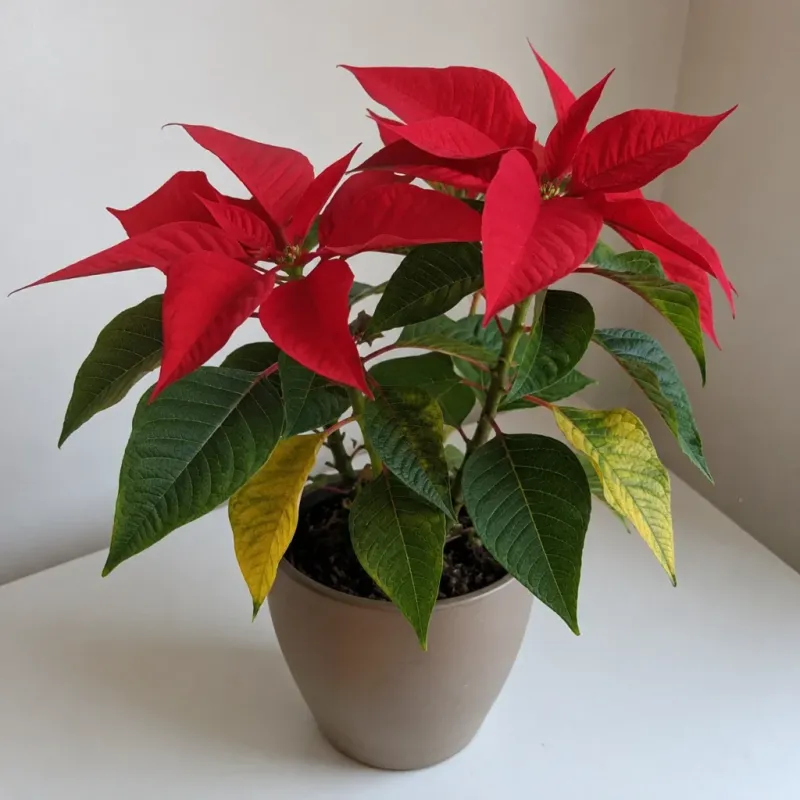
Plants cannot talk, but poinsettias come close. Their leaves give you clear clues when something is off.
Yellow lower leaves usually point to too much water or too little light. Wilting can mean the soil is bone dry, but it can also signal soggy roots that cannot take up water. Check the soil before reaching for the watering can.
Sudden leaf drop often ties back to temperature swings. Think about whether the plant sat in a cold car, near a drafty door, or beside a heater recently. Moving it to a steadier spot usually helps.
Keep an eye out for tiny white insects fluttering up when you brush the leaves. Whiteflies are a common greenhouse pest on poinsettias. A gentle rinse or insecticidal soap can manage small numbers.
Do not panic over a leaf or two falling. Some shedding is normal after a move to a new home, since the plant is adjusting from ideal greenhouse conditions. What matters is the trend over several days.
Make one change at a time, then watch. That way you learn what your plant needed, and next year you will spot trouble even faster.
A Pebble Tray Helps Poinsettias Handle Dry Winter Air
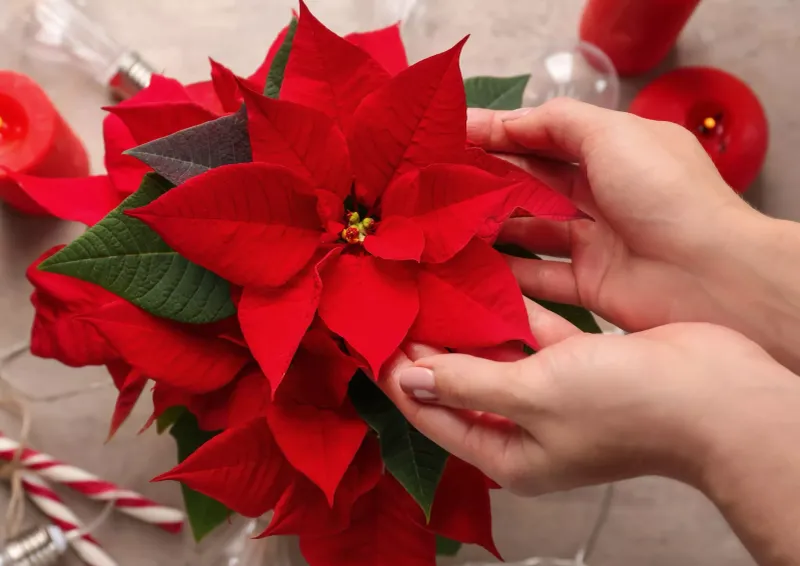
Winter heaters dry indoor air quickly, and California homes are no exception. Santa Ana winds in Southern California can push humidity even lower during the season.
Poinsettias prefer moderate humidity. Very dry air can make leaves crisp at the edges and cause bracts to look tired sooner than expected.
A pebble tray is a cheap, clever fix. Fill a shallow dish with small stones, add water just below the top of the pebbles, and set the pot on top. As water evaporates, it adds a bit of moisture around the leaves.
Keep the bottom of the pot above the waterline. Otherwise, the soil can soak up water and lead to the root problems you worked hard to avoid.
Grouping plants together helps too. Houseplants release moisture through their leaves, so a cluster creates a small humid pocket. I love how a poinsettia looks surrounded by ferns or a little potted pine.
A room humidifier works well if you already own one. Misting leaves gives only a brief boost, so I skip it. Simple, steady humidity beats a quick spray every time.
Skip The Plant Food While Poinsettias Are In Full Color
Feeding a gift plant feels kind and generous. During the holidays, though, your poinsettia usually needs no fertilizer at all.
Growers give these plants a carefully timed nutrition plan in the greenhouse. By the time it lands on your table, the plant has finished its big growth push and is simply showing off. Extra fertilizer now rarely adds color and can stress the roots.
Save the plant food for spring. Many extension guides suggest starting light feeding after new growth appears, usually around late winter or early spring. That timing supports fresh green stems if you decide to keep the plant.
Here is a fun bit of trivia. Getting a poinsettia to color up again requires around 14 hours of uninterrupted darkness every night for several weeks in fall. Commercial growers manage this precisely.
For now, focus on light, water, and temperature. Those three basics do far more for holiday beauty than any bottle of fertilizer on the shelf.
Think of this season as a rest period for you, too. One less chore means more time to enjoy those cheerful leaves with family and friends.