What To Do With Acorns Covering Your California Lawn
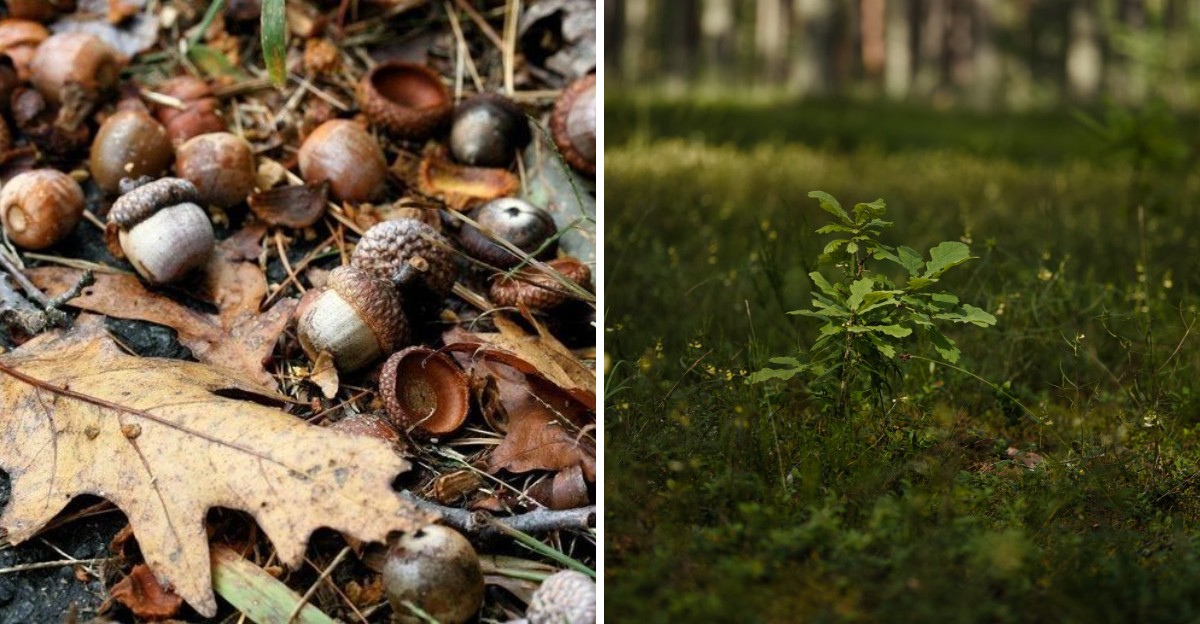
An oak can spend decades building a root system and canopy, then cover a California lawn with hundreds of acorns in a matter of weeks. That sudden autumn cleanup can leave homeowners wondering whether to rake, mow, compost, or simply let nature take its share.
The first thing to know is that a heavy acorn crop is usually part of a healthy oak’s natural cycle. Some years bring a modest scattering, while others leave the grass looking almost carpeted in brown.
I once underestimated how quickly those little nuts could turn a simple lawn chore into a weekend project. A rolling nut gatherer would have saved me plenty of bending, especially once the first rains arrived.
Fortunately, the pile has more than one possible destination. Some acorns belong in the compost, others can feed local wildlife, and a select few might become the next oak in your yard.
Add a safer acorn cleanup sequenceClarify which acorns belong where
That Carpet Of Acorns Under Your Oak Has A Backstory
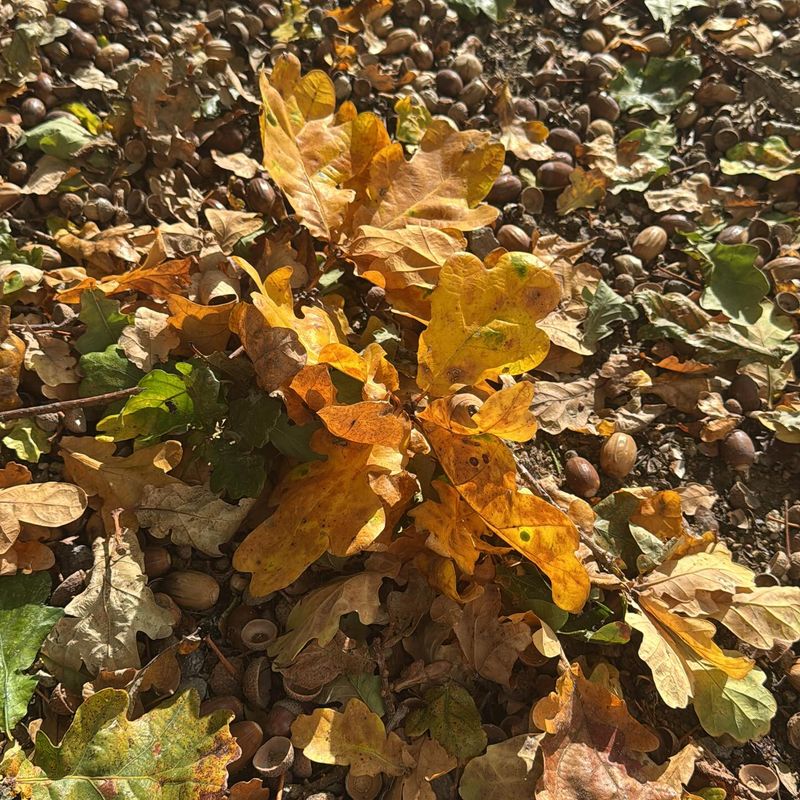
Oak trees run on a boom-and-bust schedule. Some autumns bring a light sprinkle, and others bury the grass in what researchers call a mast year.
UC research on California oaks shows that mast years can vary widely from tree to tree and region to region. Rainfall, spring weather during flowering, and the tree’s stored energy all seem to play a role. One leading idea is that big crops overwhelm acorn eaters, so more seeds survive to sprout.
Timing depends on where you live. Coast live oaks, valley oaks, and blue oaks mostly drop acorns from September through November, and canyon live oaks can take two years to ripen their crop. In foothill towns, the drop may start earlier than along the cooler coast.
Your yard isn’t cursed, and your tree isn’t sick. A heavy drop is a normal part of an oak’s life, not a warning sign. In fact, a tree that can pump out that many seeds is usually healthy and well established.
Knowing the pattern helps you plan. If last year was quiet, keep your rake handy, because this fall may surprise you.
Grab A Rake Or Nut Gatherer Before The Pile Gets Bigger
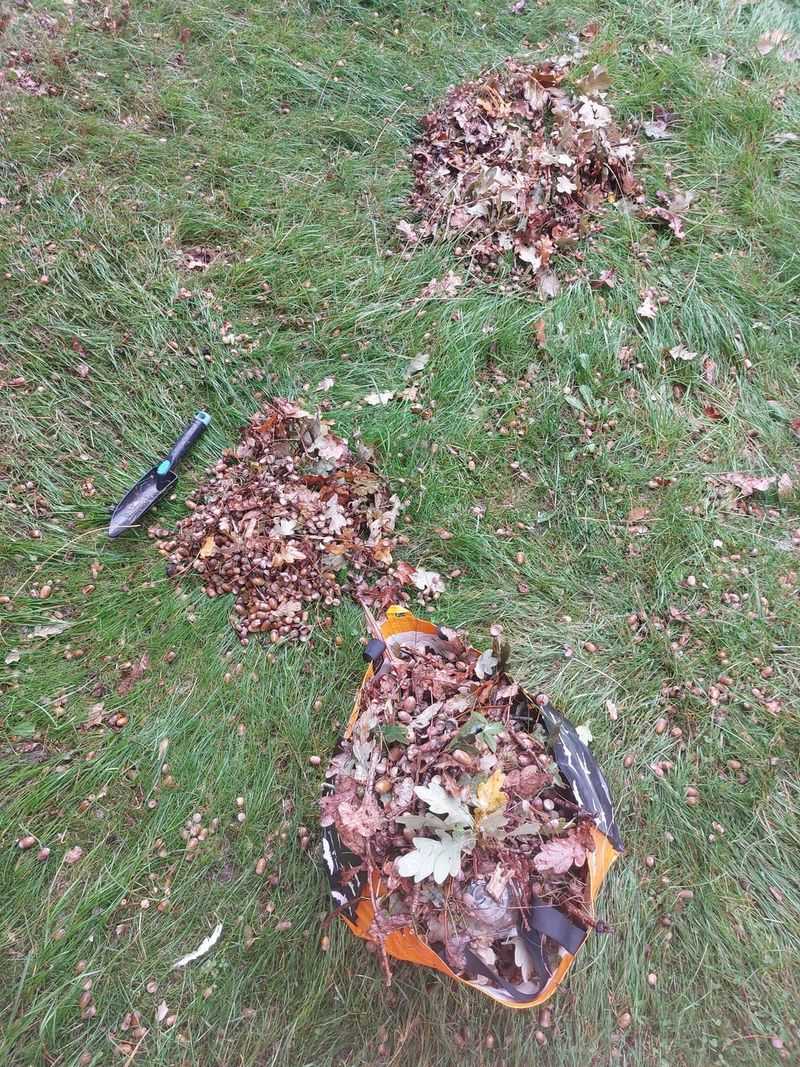
Speed matters more than strength with this chore. Picking up acorns every few days during peak drop beats one exhausting weekend of hauling.
For small yards, a flexible leaf rake works well. Pull acorns into piles on the grass, then scoop them into a bucket with a dustpan or your gloved hands. Rigid metal rakes can scrape the turf, so save those for bare soil.
Bigger lawns call for better gear. A rolling nut gatherer, the kind with a wire cage on a long handle, picks up acorns without bending. You just roll it back and forth, then pop the nuts into a bin through a built-in opener.
Push lawn sweepers also handle acorns along with leaves and twigs. They work best on dry grass, so wait until morning dew burns off.
A mower with a bagger can grab a thin layer, but go easy. Thick patches dull blades and can launch acorns at high speed, so clear the heavy spots first and wear eye protection. A leaf blower helps push acorns off patios and onto a tarp for easy pickup.
Thick Acorn Layers Can Leave Your Grass Patchy And Thin
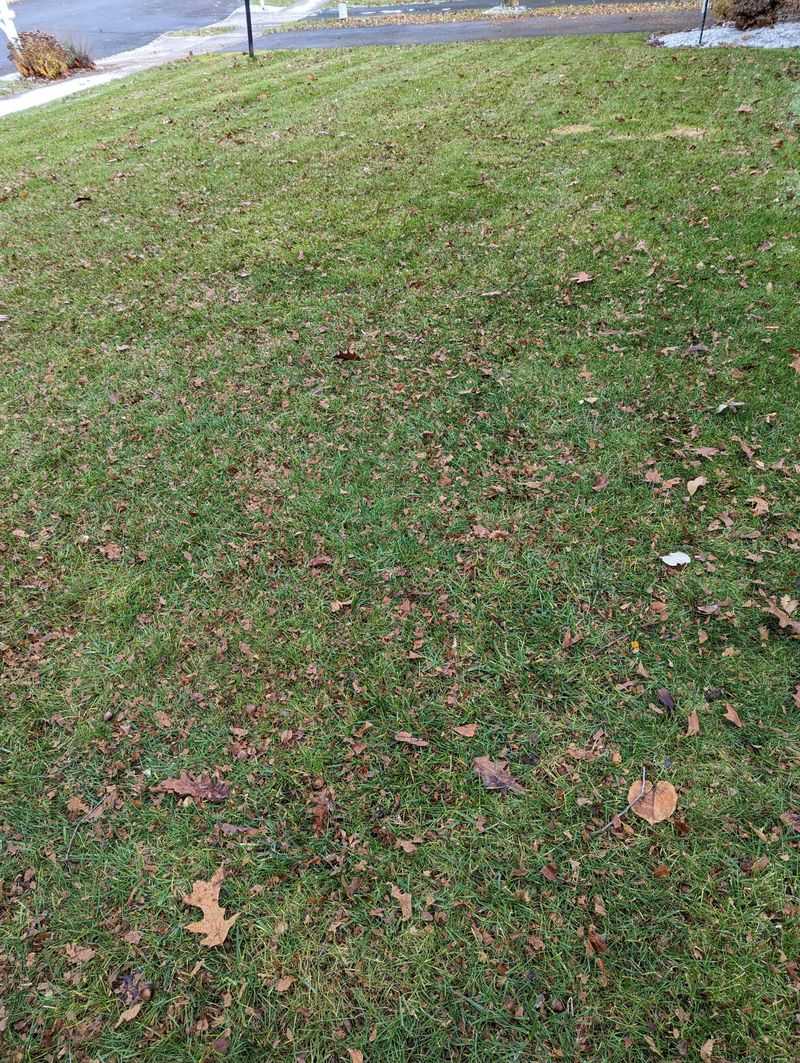
Grass needs sunlight like we need breakfast. Leave a dense blanket of acorns and oak leaves on it for weeks, and the turf below starts to fade.
Heavy debris blocks light and slows airflow. Damp pockets form under the pile, which can invite fungus and leave yellow or bare spots by winter. In California, fall rains often arrive right when acorns peak, so the problem builds quickly.
Shade from the oak itself adds stress too. Most lawn grasses struggle under a big canopy, so turf near the trunk is already working hard.
Watering matters here as well. Established native oaks like coast live oak and valley oak can suffer root problems when lawns near the trunk get frequent summer irrigation. UC experts suggest keeping the area right around an oak’s trunk dry and free of thirsty lawn.
Some homeowners solve both issues at once. They swap the grass under the canopy for a ring of wood chip mulch or oak leaf litter. Acorns then fall into a spot where they matter less, and the tree gets conditions it actually likes.
Pull Oak Seedlings While They Are Still Tiny
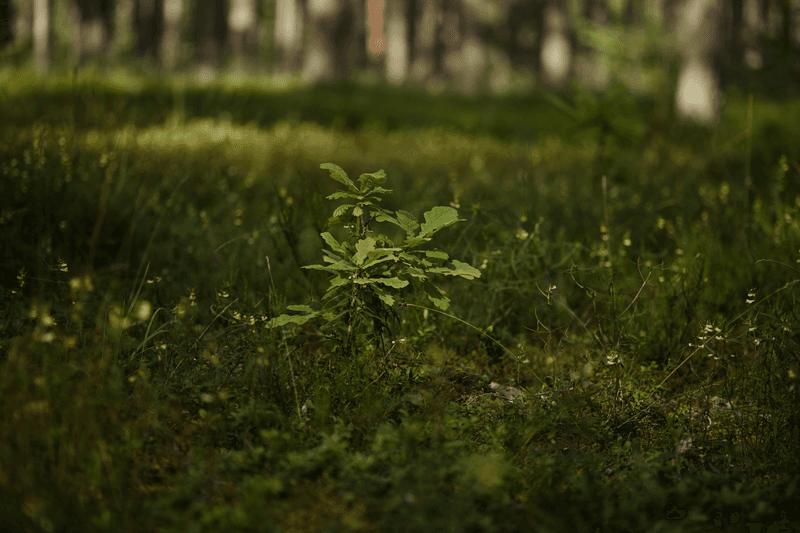
Every acorn is a little tree in waiting. Miss a few, and spring will remind you with sprouts popping up across the lawn.
Acorns from white oak types, like valley oak and blue oak, often sprout within weeks of falling. Some send a root down almost right away. Live oak acorns also germinate readily once winter rains soak the ground.
Young seedlings come out easiest when the soil is moist. Grab low on the stem and pull straight up, or use a narrow weeding tool to loosen the root. Wait too long, and that taproot digs deep fast.
Mowing alone rarely solves it. Cut seedlings often resprout from the root, especially once they’re a few months old.
Flower beds and gravel paths deserve a check too. Squirrels and scrub jays bury acorns all over the place and forget plenty of them. Those forgotten stashes are a big reason oaks spread, and they explain why seedlings show up far from any tree.
A quick walk every couple of weeks in late winter and spring keeps this job small and manageable.
Scrub Jays And Woodpeckers Would Love Your Leftover Acorns
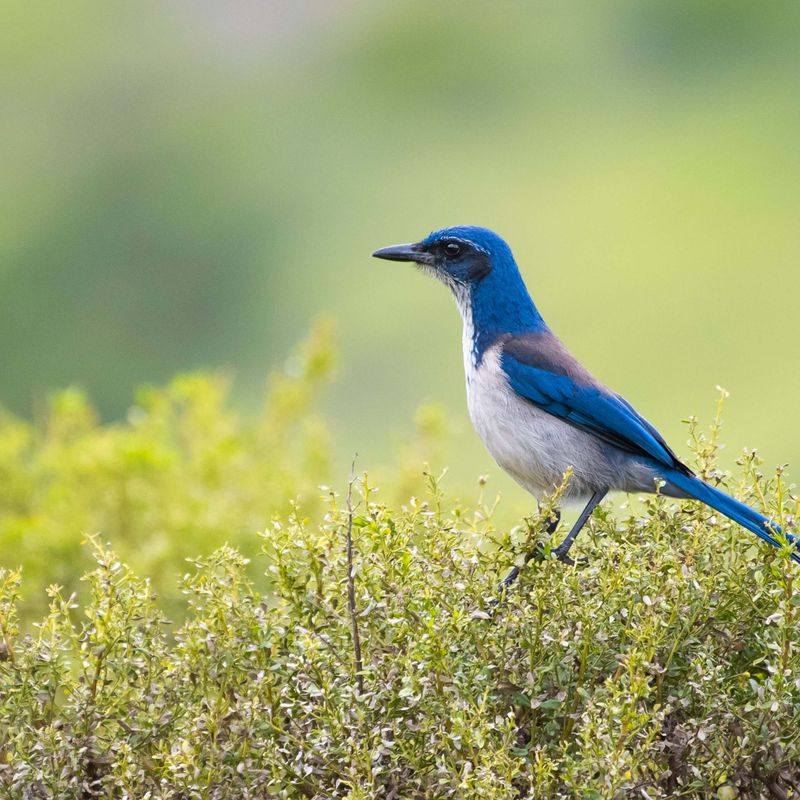
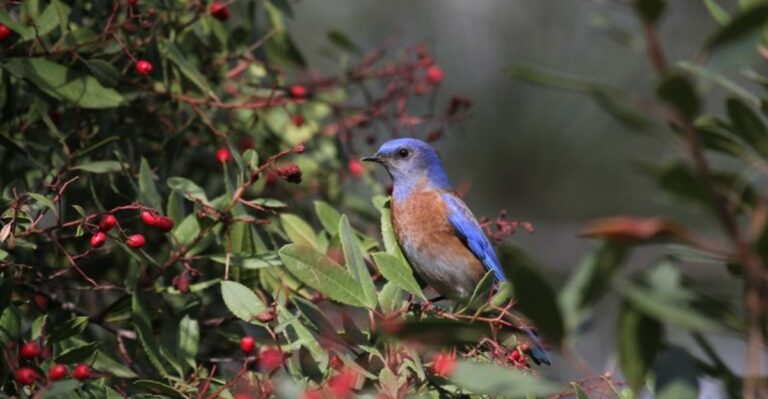
Spend ten minutes watching a scrub jay, and you’ll see a true acorn collector at work. These clever blue birds bury thousands each fall and remember many of the spots.
Acorns feed a long list of California wildlife. Acorn woodpeckers, wild turkeys, deer, ground squirrels, and band-tailed pigeons all depend on them. The California Department of Fish and Wildlife notes how important oak woodlands are for hundreds of animal species.
You can share without wrecking your lawn. Rake acorns into a back corner, a brushy area, or under shrubs away from the house. That way wildlife eats, and your grass breathes.
A little caution goes a long way. Big piles near your foundation can attract rats and mice, which may wander indoors as nights cool off. Keep the wildlife zone a good distance from doors and crawl spaces.
Deer deserve extra thought. Feeding them on purpose is discouraged by state wildlife officials, and acorn piles may draw them toward roads and gardens. Natural scattering in a back corner is a gentler approach than a heaping pile next to the veggie beds.
Crushed Acorns Can Feed Your Compost Pile
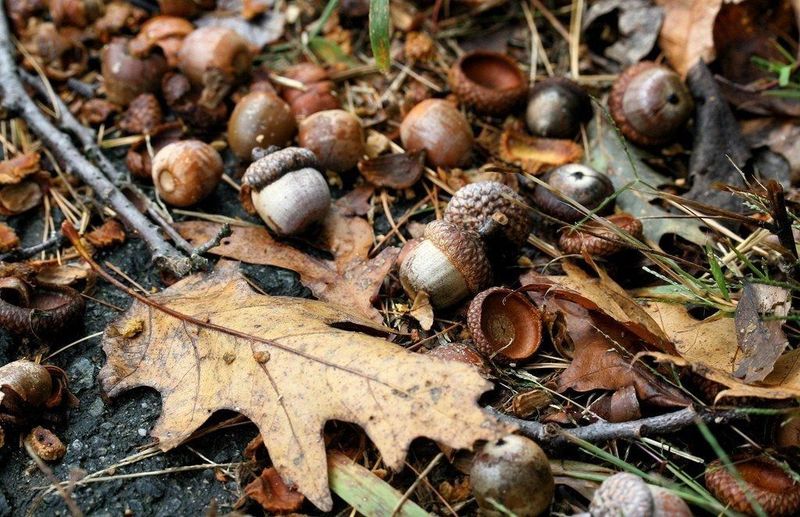
Ever tossed whole acorns in a compost bin and found them still intact a year later? Those tough shells break down slowly unless you give them a head start.
Crushing is the trick. Spread acorns on a driveway and roll over them with a car, or smash them with a tamper. Some gardeners run them through a chipper or under a mower set high on a hard surface.
Once broken, acorns act as a brown material in compost. Mix them with green stuff like grass clippings and kitchen scraps, and keep the pile about as damp as a wrung-out sponge. Turning it every week or two speeds things up.
Acorns do contain tannins. In a balanced compost pile, those break down as everything decomposes, so finished compost is safe for most plants. Just don’t make acorns the main ingredient.
Crushed acorns also work as rustic mulch around trees and shrubs. They hold moisture and slowly add organic matter to the soil. Skip spreading them on the lawn itself, since a thick layer blocks light and air just like the pile you started with.
Plant A Few Acorns And Grow Your Own Native Oak
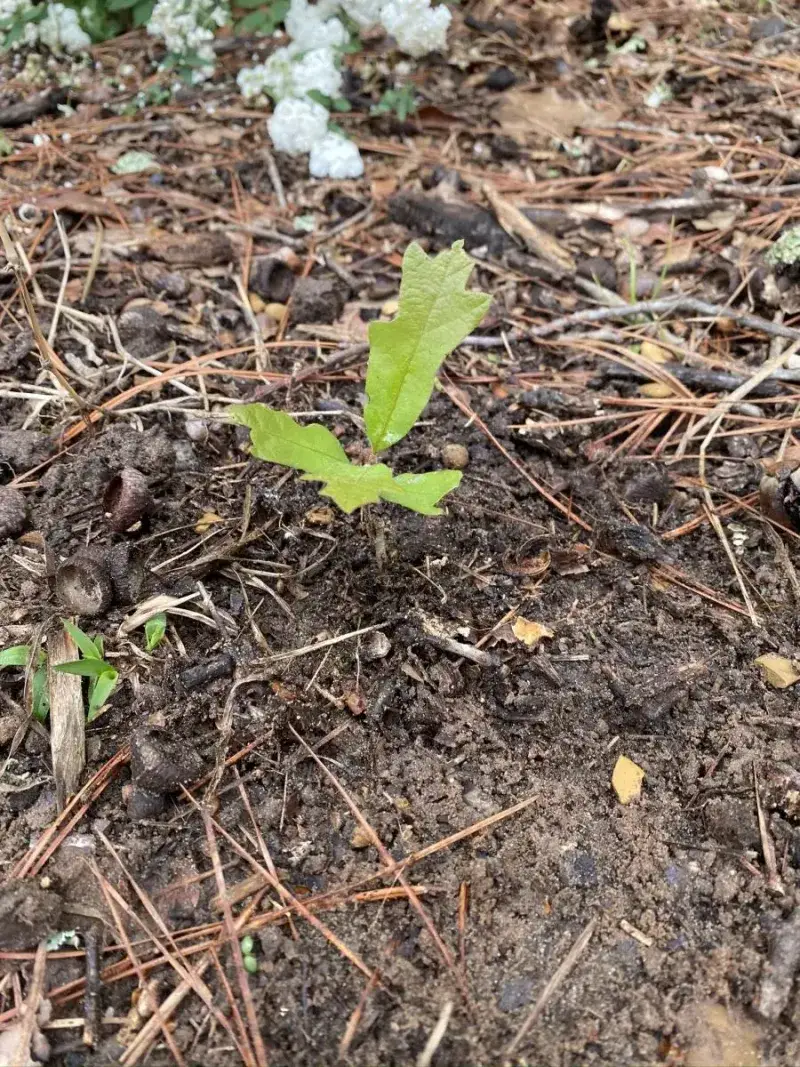
Here’s my favorite part of acorn season. A handful of nuts from your own yard could become a towering native oak someday.
Start by picking good ones. Choose heavy acorns with no cracks or tiny holes, which often mean weevils moved in. Drop them in water, and toss the floaters, since they’re often hollow or damaged.
Plant fresh acorns soon after collecting. UC Oaks guidelines suggest burying them about one inch deep, on their side, in fall or early winter so rain helps them root. Pick a sunny, well-drained spot far from buildings and power lines, because valley oaks can reach 70 feet or more.
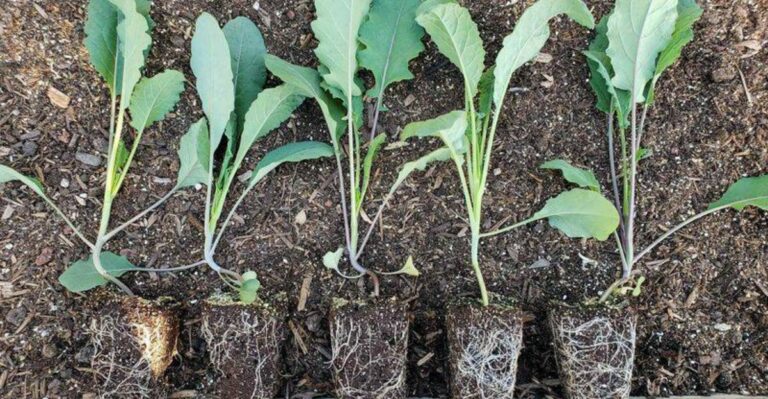
Tall, narrow pots work if you want to start them indoors. Oaks grow a long taproot quickly, so transplant within the first season.
Protection is the real challenge. Gophers, squirrels, and deer adore young oaks, so a wire cage below and above ground helps. Water occasionally during the first couple of dry summers.
Local acorns are the smart pick. They come from trees already adapted to your soil and climate, which gives seedlings a better start.