Could You Be Fined for Feeding Deer in Your Ohio Neighborhood?
A bag of corn tossed on your lawn could earn you a fine in Columbus. Not going to lie, that made me look twice at the bucket of apples by my back door.
Truth is, the rules shift depending on where you live in Ohio. A friendly snack that is fine in one town can count as a misdemeanor a few miles away.
I get it. Those soft brown eyes at the edge of the yard are hard to resist, especially when snow covers everything.
Between local ordinances, disease zones, and the hostas next to your patio, a kind gesture gets complicated fast.
That Pile of Corn by the Deer Trail Might Break a Rule
Most people assume feeding deer is either fully legal or fully banned. The real answer sits somewhere in the middle, and that is what trips folks up.
Ohio has no single statewide law that stops you from feeding deer on your own private land everywhere. But a few layers of rules sit on top of that. State wildlife lands have their own ban, certain counties fall under disease rules, and many cities write their own ordinances.
So the same pile of corn could be fine on a farm in one county and earn a ticket in a suburb an hour away. Your address matters more than your intentions.
I think of it like a stack of pancakes. The state sets the bottom layer, special disease zones add another, and your city or village might pour syrup over the whole thing with stricter local rules.
Before you set out anything, check three places. Look at the Ohio Division of Wildlife website, scan the current disease surveillance map, and search your city code for words like feeding wildlife or deer.
A ten-minute search beats a court date. It also gives you a clear answer to share with neighbors who wonder the same thing.
Columbus and Other Ohio Cities Can Hand You a Deer Feeding Ticket
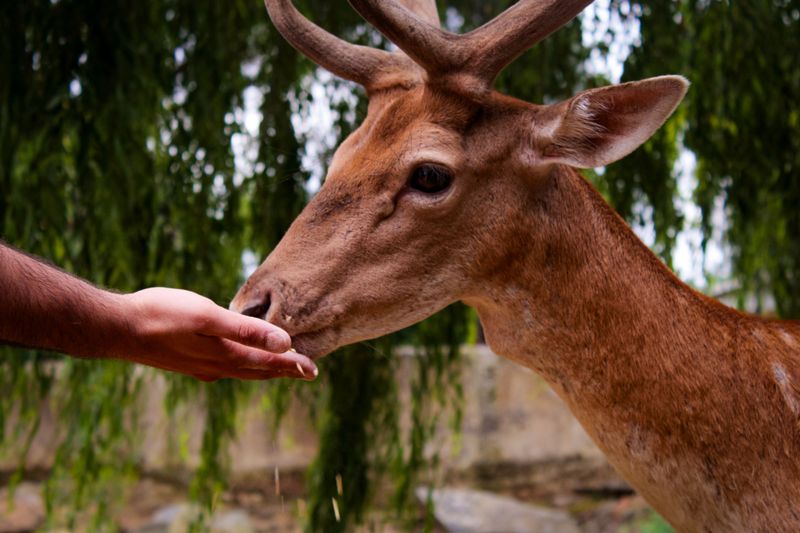
Here is the part that answers the big question. Yes, you really can be fined, and several cities have the paperwork to prove it.
Columbus made feeding deer illegal, with violations treated as a misdemeanor that carries a fine. Dublin also has a no-feed ordinance with a penalty. Kent treats feeding deer or other wildlife as a minor misdemeanor with a fine as well.
Worthington has a No Feeding Ordinance that bans putting out fruits, grains, vegetables, or salt licks for deer. Repeat offenders there can face misdemeanor charges. Middleburg Heights has city rules against feeding deer, and St. Clairsville bans intentionally feeding wildlife when it creates a nuisance.
Notice a pattern? These are mostly suburbs and small cities where deer crowd into yards, roads, and parks.
Fines can climb if you keep doing it after a warning. Some cities start with a friendly letter, while others go straight to a citation after a complaint.
Complaints usually come from neighbors, by the way. One annoyed person with a chewed-up rose bed can start the whole process.
If your town is not on this list, do not assume you are in the clear. Plenty of smaller communities have similar rules tucked into their codes.
Chronic Wasting Disease Zones Bring a Stricter Deer Feed Ban
Chronic Wasting Disease sounds scary, and honestly, it is. The illness affects the brains of deer, spreads between animals, and has no cure or vaccine.
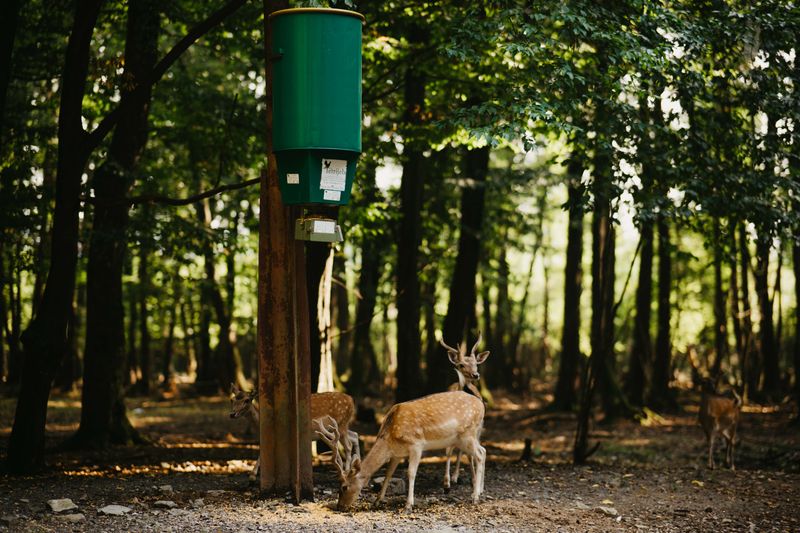
To slow it down, Ohio created Disease Surveillance Areas. Inside these zones, placing any feed, salt, or mineral for deer is unlawful, even on private property.
For the 2026-27 season, the zone includes all of Allen, Hardin, Marion, and Wyandot counties. It also covers certain townships in Crawford, Delaware, Hancock, Morrow, and Union counties.
There are a few exceptions. Normal farming practices and planted food plots are generally allowed, since crops in a field are not the same as a mound of corn.
Boundaries can change as wildlife officials track new cases. A township outside the zone one year might land inside it the next.
My advice is simple. Check the Ohio Division of Wildlife CWD map every fall before you even think about salt blocks or feeders.
Hunters in these areas often face extra rules too, like carcass movement limits. If someone in your family hunts, share the map with them as well.
State Forests and Wildlife Areas Are Off Limits for Deer Feed
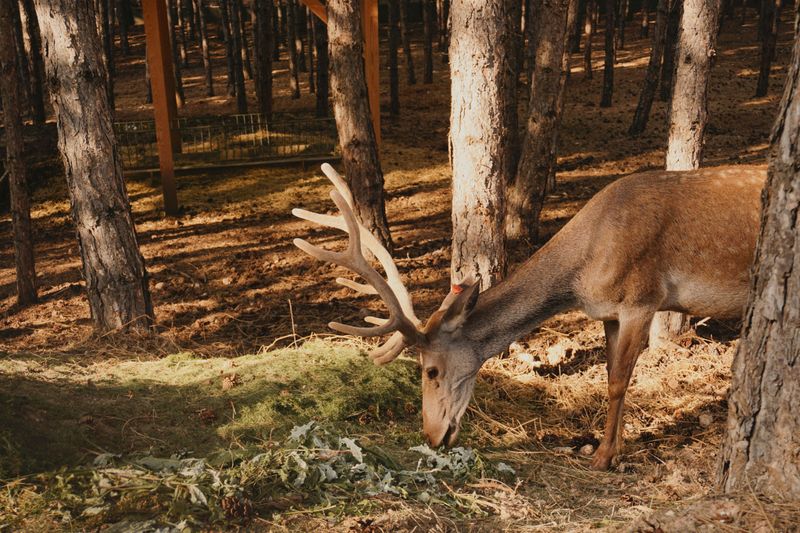
Plenty of people love a fall walk through a state forest with a pocket full of apple slices. Trouble is, leaving those slices for deer on that land breaks the rules.
Ohio makes it unlawful to place feed, salt, or minerals for deer on lands managed by the Division of Wildlife. That includes public hunting areas and wildlife areas, unless you have written permission.
State forests and parks have their own regulations too. Many local park districts, like Geauga Park District, also ask visitors not to feed wildlife at all.
Why so strict on public land? These places host thousands of visitors and hunters. Feed piles could draw deer together, change hunting conditions, and spread illness quickly.
A ranger can write you up just like a city officer. And a fine on a fun family hike is nobody’s favorite souvenir.
Bring binoculars instead of snacks. Watching a doe browse on acorns and twigs is a lot more rewarding when you know she found them herself.
Snap photos, keep your distance, and pack out every crumb from your own lunch. Even dropped chips can teach animals to linger near trails.
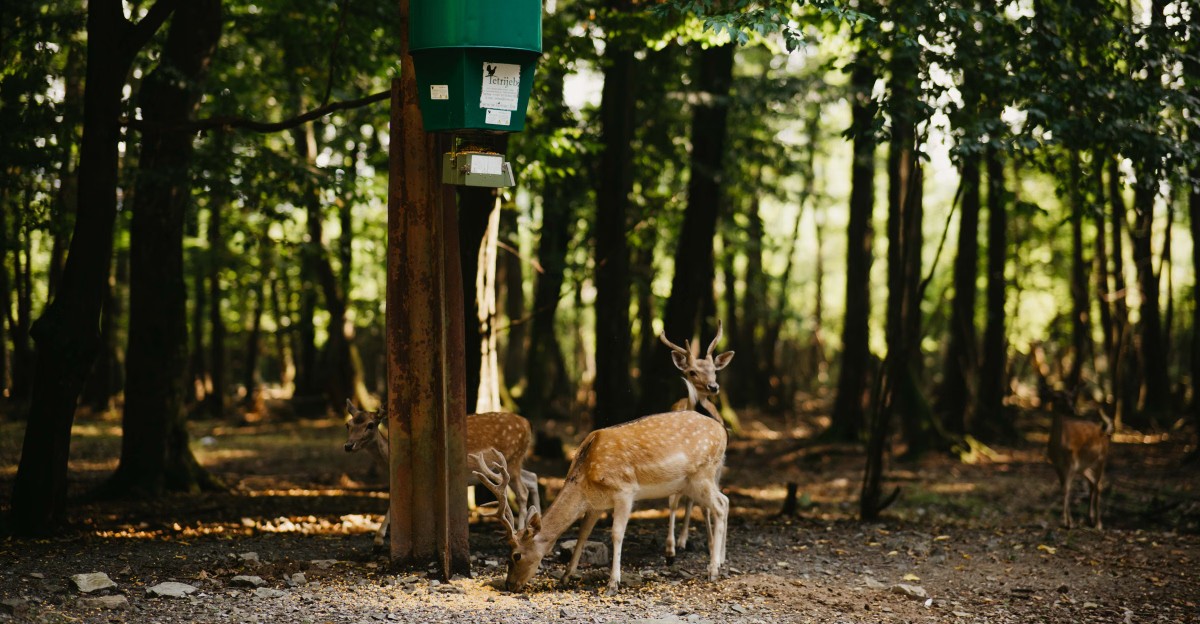
Crowded Deer at a Feeder Can Spread Illness Fast
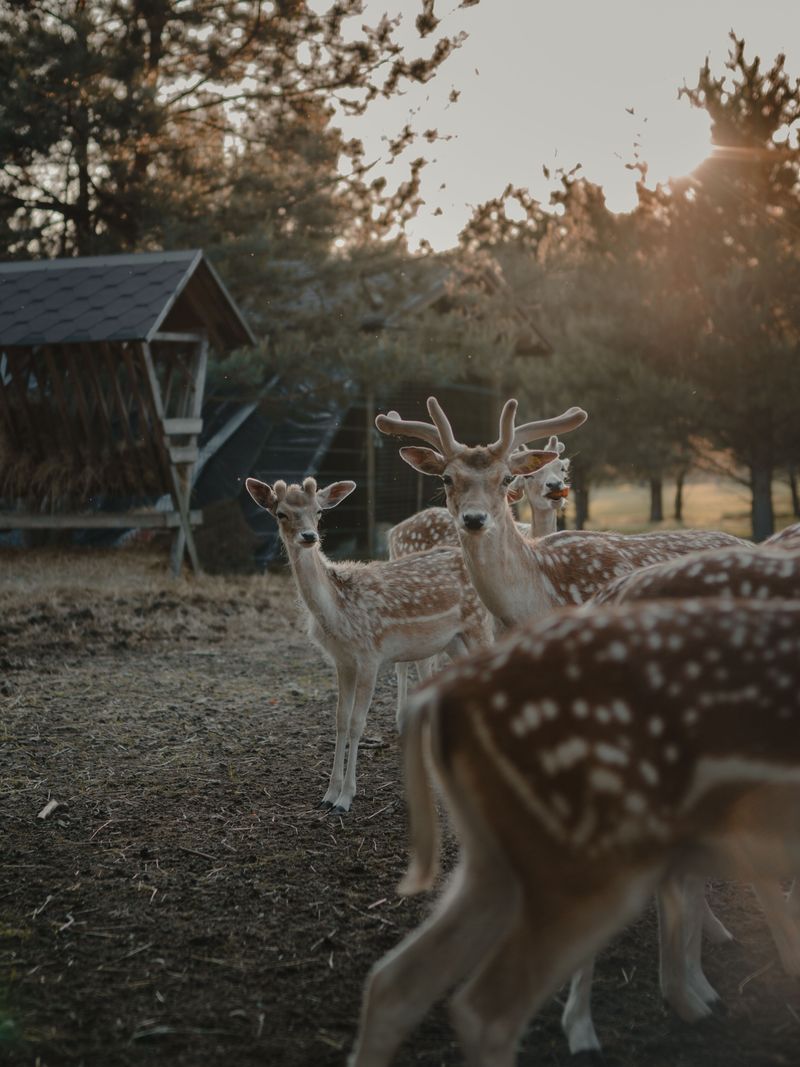
Watch a feeding spot for a while and you will see something odd. Deer that would normally spread out across the woods suddenly stand nose to nose.
That closeness is the real problem. Saliva, droppings, and shared food make it easy for diseases to pass from one animal to the next, including Chronic Wasting Disease.
Crowding also sparks squabbles. Bigger deer push smaller ones aside, and kicking matches can leave fawns and weaker animals hungry or hurt.
Then there is the food itself. A deer’s stomach adjusts slowly to new foods, and a sudden load of corn in winter can upset its digestion badly.
Wildlife biologists point out that deer are built for twigs, buds, acorns, and leaves. Their bodies switch gears with the seasons, and a feeder throws off that rhythm.
Feeding spots can also pull predators and coyotes closer to homes. Fun fact: deer naturally slow their metabolism in winter, so they need less food than you might guess.
The kindest choice is often to step back. Healthy deer have spent thousands of years getting through Midwest winters without our help, and most handle it well.
Hungry Visitors Will Find Your Hostas Next
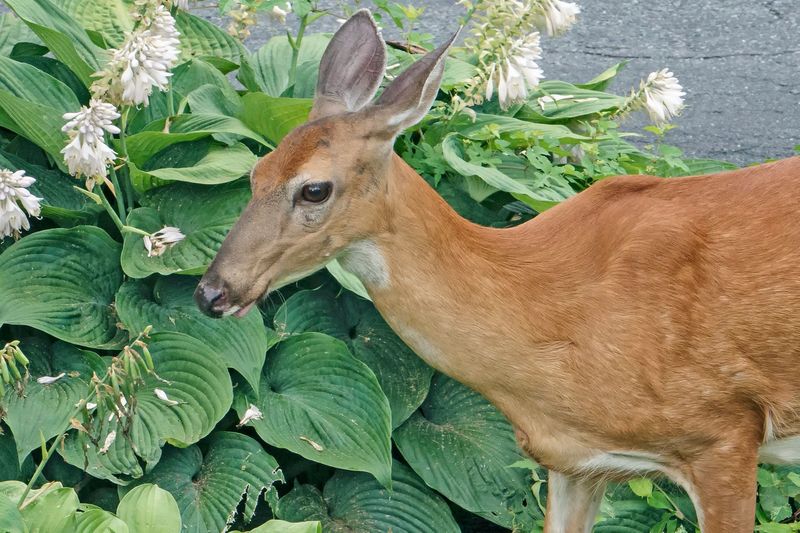
Guilty as charged, I once thought a few carrots would keep deer busy and away from my beds. Instead, they brought friends and stayed for dessert.
Feeding teaches deer that your yard equals easy meals. Once the treats run out, they move on to the nearest snack, and hostas are basically deer candy.
Daylilies, tulips, arborvitae, and young fruit trees follow close behind. Bucks may also rub antlers on saplings in fall, scraping off bark.
The damage often spreads beyond your property line. Neighbors start seeing chewed shrubs and trampled vegetable patches, and that is usually when the complaint calls begin.
Deer that hang around homes also cross more roads. Ohio sees thousands of deer-vehicle crashes every year, with a big spike in October and November.
Tame deer bring one more surprise. They lose their natural wariness, and a large doe protecting a fawn or a buck in rut can act boldly around people and pets.
Your garden is a much happier place when deer see it as a passing stop, not a restaurant. Skip the handouts and the browsing pressure usually eases over time.
Bird Feeders and Vegetable Gardens Usually Get a Pass
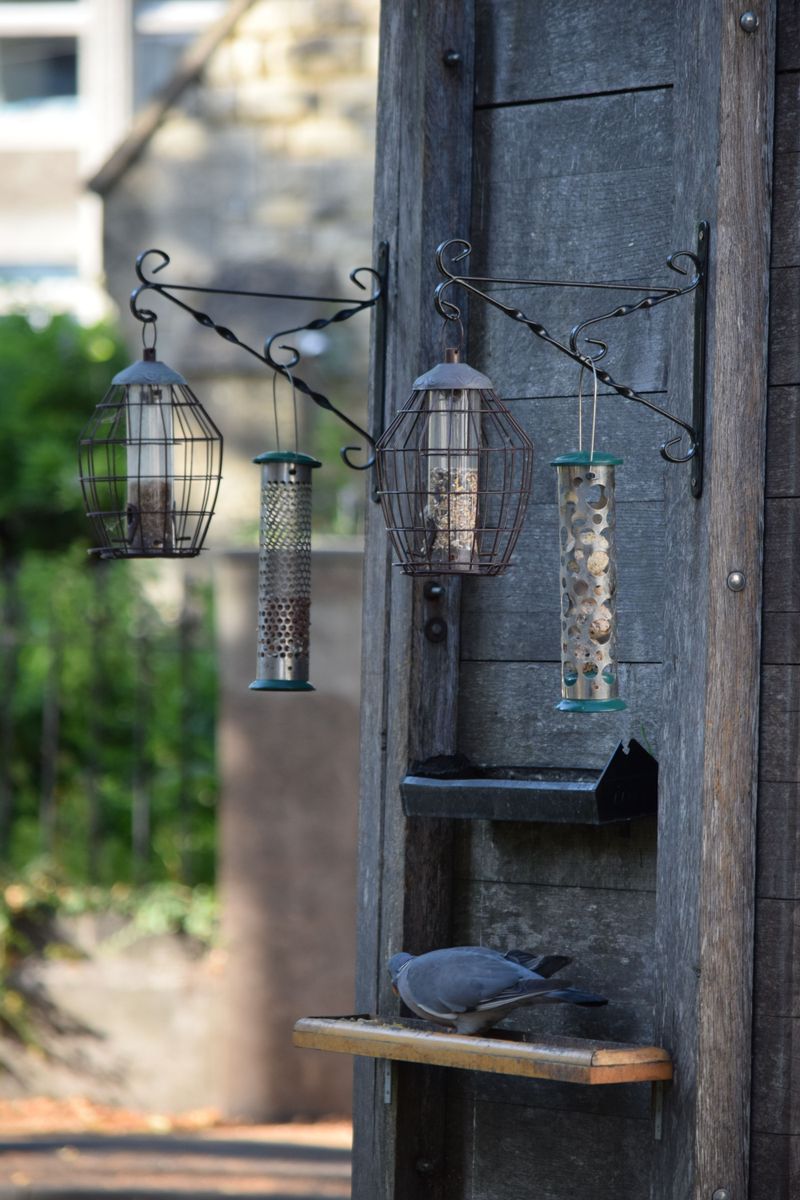
Relax, your cardinals are safe. Most city ordinances in Ohio aim at people who intentionally feed deer, not at ordinary backyard hobbies.
Worthington, for example, generally exempts bird feeders, gardens, and compost piles. Kent also excludes songbird feeders and gardens, as long as they do not create a nuisance.
That nuisance part matters. If deer are clearly feasting on spilled seed every night, an officer could still view your setup as a problem.
A few easy habits keep you on the right side of things. Hang feeders high, at least five or six feet up, and use trays to catch falling seed.
Bring pet food inside, since Worthington specifically asks residents to secure it from deer. Fence compost bins and avoid tossing fruit scraps on open piles.
Inside a CWD zone, the rules get tighter. Even salt blocks and mineral licks are out, so ask the Division of Wildlife if you are unsure about something.
The goal is simple. Enjoy your birds and tomatoes without accidentally running an all-night diner for the neighborhood herd.
Fences, Repellents, and Deer-Resistant Plants Work Better Than Handouts
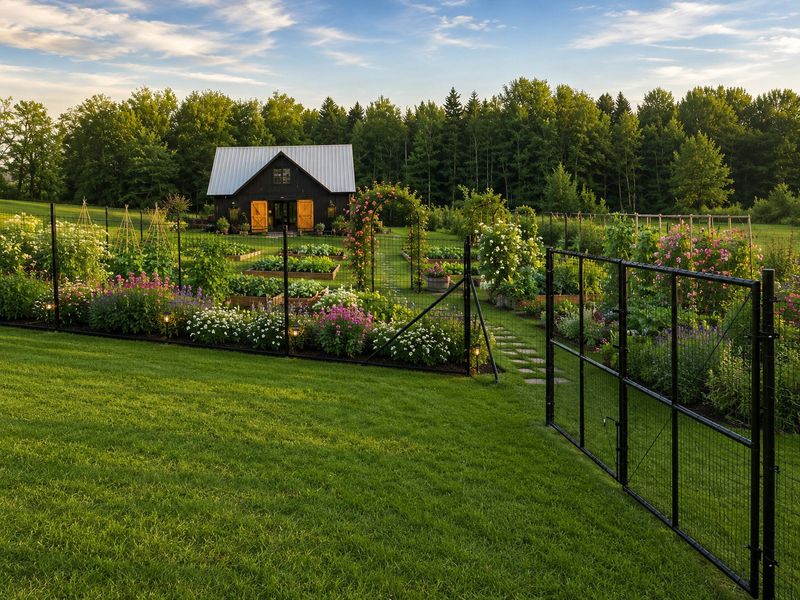
So what should a deer-loving gardener actually do? Enjoy them from a distance, and make your yard a little less tempting.
Fencing is the most reliable fix. A fence around eight feet tall keeps out most deer, while shorter double fences or netting around small beds can also help.
Repellents work best when you rotate them. Deer get used to one scent, so switch between egg-based, garlic, and hot pepper sprays, and reapply after rain.
Plant choice makes a huge difference. Native picks like purple coneflower, wild bergamot, ostrich fern, and butterfly weed are less often browsed, and pollinators love them.
Fragrant herbs like lavender, salvia, and catmint also tend to be ignored. No plant is fully deer-proof, but hungry deer usually pass these by first.
Motion-activated sprinklers and lights add a startle factor. Move them around every few weeks so the deer stay guessing.
Finally, check your local code and the state CWD map once a year. Letting deer stay wild keeps them healthier, protects your garden, and keeps your wallet free of a surprise ticket.