Do This Around Your Florida Home Before Thanksgiving If You Don’t Want Rats Moving In

A roof rat can squeeze through a gap only about half an inch wide. That is smaller than most of the holes I find around my own garden shed.
These sleek climbers love Florida yards, and they often travel along fences, power lines, and palm fronds. Fallen citrus and open pet bowls are like a free buffet to them.
I’ll defend this to the end: nobody wants scratching sounds in the attic while the turkey roasts. You need to know that cooler fall nights and fewer outdoor snacks can nudge rodents toward the cozy spaces in our houses.
The fixes are simpler than you might expect. Most take an afternoon, a pair of pruners, and a sharp eye.
You didn’t hear it from me, but your yard might be leaving a few doors wide open tonight.
1. Those Roof Rats Are Scouting Your Attic for a Reason
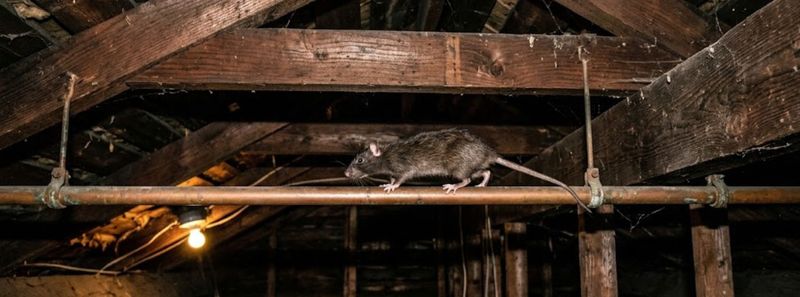
Florida’s most common house rat is the roof rat, and the name fits it well. These slim, long-tailed rodents climb like little acrobats and prefer high, dry nesting spots.
Attics are perfect for them. They’re warm, quiet, and full of soft insulation that makes great bedding.
UF/IFAS experts note that roof rats often enter homes from above, not from the ground.
Fall is a natural time for this move. Our winters stay mild, but cooler nights and a shrinking supply of wild fruits and seeds push rats to look for steady shelter and food.
Your home offers both.
I first noticed the signs in a friend’s garage. There were small dark droppings, greasy rub marks along a beam, and chewed fruit near the door.
You can watch for the same clues.
Listen too. Scratching or scampering sounds at night, especially in the ceiling, are a classic warning.
Norway rats live here as well, but they mostly burrow under slabs, sheds, and woodpiles. Knowing which rat you’re dealing with helps you focus your effort.
For most Florida homeowners, the answer starts with looking up. Rooflines, soffits, and nearby trees deserve your attention first.
2. Trim Tree Branches Away From Your Roofline

Branches touching your roof work like a private bridge for rats. A roof rat will happily run along an oak limb and hop right onto your shingles.
Grab your pole pruner and walk the perimeter. Cut back any limbs, palm fronds, or vines so they sit several feet from your roof and walls.
Many pest experts suggest a gap of at least three to six feet.
Don’t forget the climbing vines. Ivy, bougainvillea, and creeping fig that wrap your walls give rats a handy ladder and a shady hiding place.
I like to tackle this on a cool morning. It’s much easier work in November than in August, and plants handle light pruning well this time of year.
Look at utility lines and fences too. Rats travel along them, so think about where those lines touch your house and whether a nearby branch makes the route even easier.
For big trees close to power lines, call a licensed tree service or your utility company. Safety matters more than finishing the job yourself.
Once the bridges are gone, rats have a harder time reaching those tempting attic vents and soffit gaps.
3. Small Gaps Around Soffits, Vents, and Pipes Need Sealing
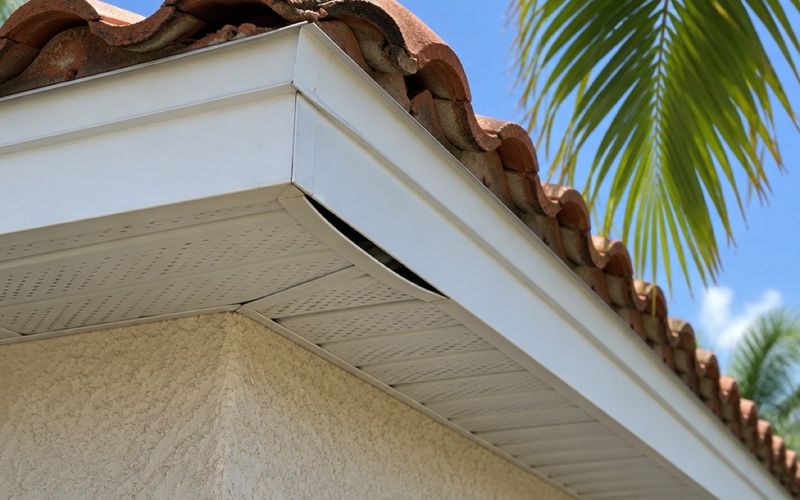
Here’s a fun but slightly creepy fact. Young rats can wiggle through openings around half an inch wide, because their skulls are narrow and flexible.
That means tiny gaps matter. Walk around your house with a flashlight and check where the soffit meets the fascia, around gable and attic vents, and at roof returns.
Next, look low. Gaps around plumbing pipes, AC lines, dryer vents, and cable wires are common entry points.
Garage door corners and worn bottom seals are favorites too.
Try the daylight test on doors. If you can see light under a closed door, a rat can probably feel a draft and find its way in.
A sturdy door sweep fixes this fast.
I keep a little notebook during my inspection. Writing each gap down helps me plan supplies and makes sure nothing gets forgotten.
Fresh droppings, gnaw marks, or dark smudges near an opening tell you it’s already in use. Those spots get top priority.
One caution matters here. If rats are already inside, trap them before sealing the final opening.
Otherwise they may get stuck in your walls and create an unpleasant smell.
4. Steel Wool and Hardware Cloth Beat Expanding Foam
Rats have teeth that grow nonstop, and they gnaw to keep them in shape. Soft foam, plastic, and plain caulk won’t slow them down for long.
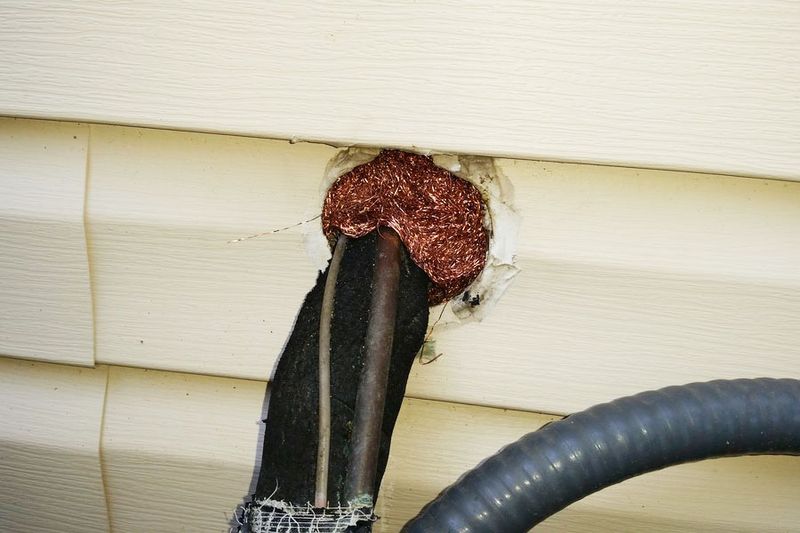
Choose tougher materials instead. Stuff small holes tightly with copper mesh or coarse steel wool, then seal over them with caulk or mortar.
Copper won’t rust in our humid air, which is a big plus in Florida.
For larger openings, use hardware cloth with a quarter-inch mesh or smaller. Galvanized sheet metal also works well for wide gaps around eaves.
Vent screens deserve a quick look. Many older ones are flimsy, so replacing them with heavy wire mesh adds lasting protection.
I learned this lesson the hard way. My first patch was foam, and within weeks something had chewed a neat tunnel right through it.
This sealing work is called exclusion, and pest specialists consider it the most reliable long-term approach. Traps handle the rats you have, but exclusion keeps new ones out.
For tall roof work or tricky spots, a licensed wildlife or pest professional can help. Many offer exclusion services with a warranty.
5. Fallen Citrus and Pet Bowls Are a Rat Buffet
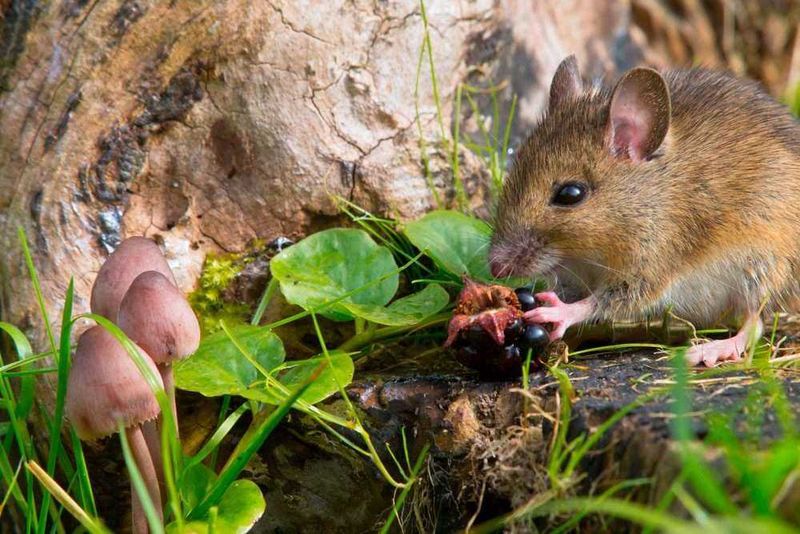
Every rotting orange on your lawn is a midnight snack waiting to happen. Roof rats love fruit, and Florida backyards are full of it.
Pick up fallen citrus, mangoes, avocados, and other fruit every day or two. Harvest ripe fruit promptly so it doesn’t hang around too long on the tree.
Bring pet food bowls inside each evening. A bowl of kibble on the patio is one of the easiest meals a rat could ask for.
Bird feeders are trickier. I love watching cardinals as much as anyone, but spilled seed draws rodents.
Use a seed tray, clean up the ground often, or take feeders down for a while if you spot rats.
Trash cans need tight lids. Keep them closed and, if possible, store them away from your walls.
Compost piles can attract rats too. Skip meat, dairy, and oily scraps, and use a closed bin rather than an open heap.
With Thanksgiving leftovers on the way, plan ahead. Bag food scraps well and get them to the curb on pickup day.
6. Woodpiles and Overgrown Shrubs Make Cozy Rat Hideouts

Clutter is basically a rat apartment complex. Piles of lumber, old pots, leaf heaps, and stacked boxes give rodents shelter from hawks, owls, and weather.
Start with woodpiles. Stack firewood on a rack at least a foot off the ground and keep it away from your house walls.
Thin out thick shrubs pressed against your foundation. A small gap between plants and the house lets you spot trouble and removes a sheltered pathway.
Dense ground covers can hide burrows too. Norway rats often dig under sheds, decks, and slabs, so check those spots for fresh dirt and holes.
Palms deserve special attention. Dry frond skirts hanging under the canopy are popular roof rat nesting spots, so trimming old brown fronds helps.
Leave green fronds alone, since over-pruning stresses palms.
I find this job oddly satisfying. A tidy yard looks better, and you’ll often discover forgotten tools along the way.
Haul away yard debris rather than piling it in a corner. Your county’s yard waste pickup makes this easy.
7. Skip the Rat Poison and Call a Pro for Rats Already Inside
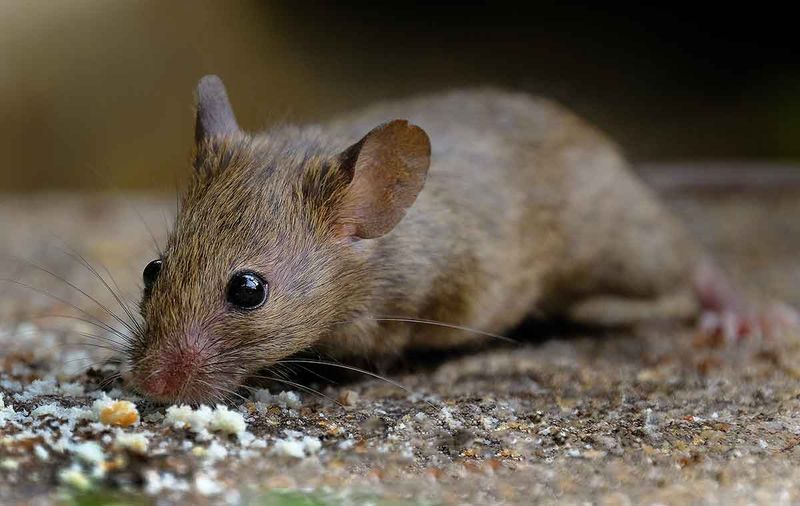
Owls, hawks, and bobcats help manage rodents for free. Rat poison can put those helpers at risk.
Many common rodenticides are anticoagulants, and when a predator or pet eats a rat that took the bait, it can get sick too. Wildlife agencies have reported this kind of secondary poisoning in raptors across the country.
Glue boards are best avoided as well. They often catch lizards, snakes, and songbirds by accident.
If rats are already living in your attic or walls, a licensed pest or wildlife professional is your best bet. Many use one-way exclusion doors that let rats leave but block them from coming back in.
Pros can also find hidden entry points you might miss, especially along high rooflines and tricky soffits. Many offer exclusion work with a warranty, which gives you peace of mind.
Ask any company you call how they handle rats already inside, and choose one that avoids poison baits around your home.
Cleanup matters too. The Florida Department of Health recommends wearing gloves and using a disinfectant spray on droppings before wiping them up, since rodents can carry diseases.
Once the rats are out and the gaps are sealed, your home stays protected without putting local wildlife at risk.
8. One Last Walk Around the House Before the Turkey Goes In
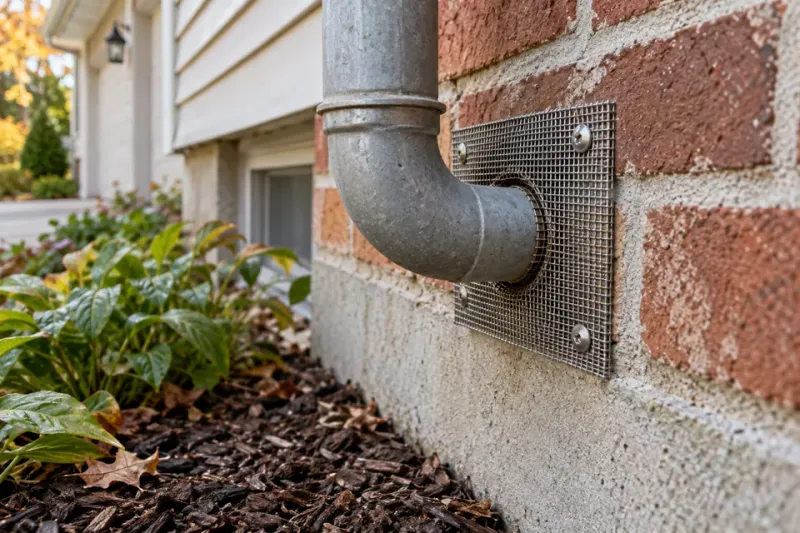
The week before Thanksgiving is a great time for a final patrol. Grab a flashlight and take a slow lap around your home.
Check your fresh patches first. Make sure nothing has been chewed, pulled loose, or shifted.
Peek at trash can lids, pet bowls, and the ground under fruit trees. Five minutes of cleanup now saves a mess later.
Head into the garage and attic if you can. Look for new droppings, shredded insulation, or chewed boxes.
Store holiday food and pet food in sealed metal or thick plastic containers.
I like to make this walk a small tradition. It feels good to know the house is snug before family shows up.
Keep an eye out after the holiday too. Rats breed throughout the year here, so a quick check every month or two keeps small issues small.
Prevention is mostly about habits. Trimmed branches, sealed gaps, tidy yards, and covered food add up to a home rats will skip.
Then you can enjoy your feast with only invited guests at the table.