A Bald Eagle Circling Your Arizona Property Means More Than You Think
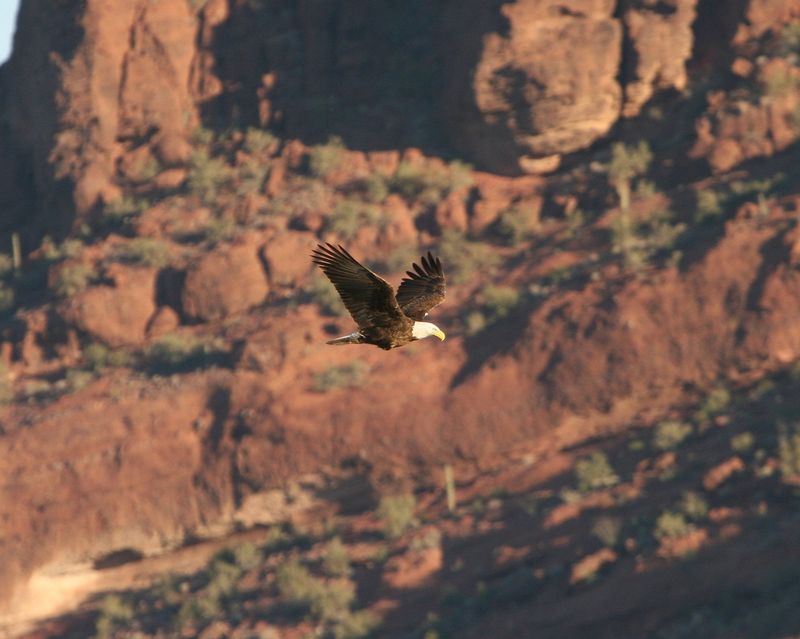
A bald eagle circling over your Arizona property means a wild, protected bird is using the wider landscape around you. That is the plain answer, and it is a pretty cool one.
Why it is up there can be hard to tell from the ground. Water, perches, season, and repeat visits can add clues, so here is how to read them without jumping to conclusions.
What a Circle in the Sky Can Tell You
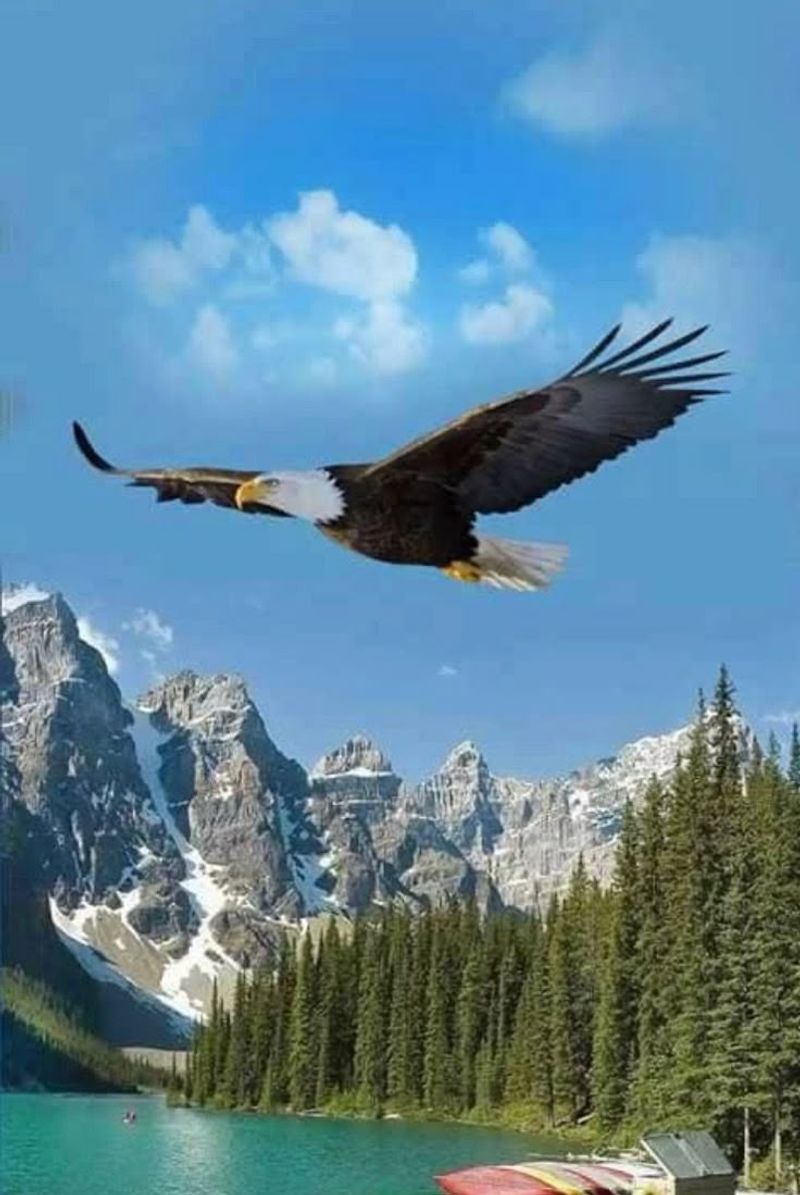
Here is the practical answer: a circling eagle is using the wider landscape, and the circle alone cannot tell you why. It might be riding warm air, or it might be searching for food.
Circling gives you only limited wildlife context.
A single sighting does not prove a nest nearby, a hunt in your yard, or any reaction to you. It also is not an omen, a message, or a clue about the bird’s mood.
Those ideas make good stories, but they are not something wildlife biologists can point to.
What you can do is treat the moment as a chance to watch a protected wild bird. U.S.
Fish and Wildlife Service describes bald eagles as large birds that soar and hunt from the air or from perches, so a high circle fits normal eagle behavior.
Look around for water, tall trees, or other clues. Jot down the date and time.
If the eagle shows up again and again, those notes will start to tell a bigger story than one circle ever could.
Soaring and Searching for Food
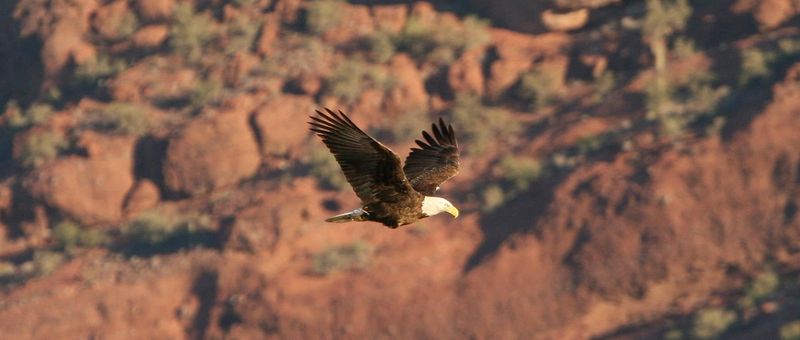
Eagles are masters of the lazy glide. They can ride rising warm air and cover a lot of ground without flapping much, which makes soaring a very plausible reason for a circle overhead.
Searching for prey is another plausible reason. Bald eagles hunt with sharp eyesight, either from the air or from a perch.
Their diet is mostly fish, but they also take waterfowl and other prey, and they will scavenge.
In Arizona, that diet and the bird’s habits are laid out in a U.S. Fish and Wildlife Service biological opinion covering the Roosevelt Lake area.
Still, knowing what eagles eat does not tell you what one eagle is doing above your yard. It could be hunting, riding air, or just passing through.
A good clue is whether it dives, drops to a perch, or keeps drifting along.
If you see it, enjoy it from a distance. Check your own surroundings for a pond, canal, or lake that might explain the visit.
Skip any claims that eagles will reduce pests at your home, because nothing supports that.
Arizona Eagles Use Varied Habitats
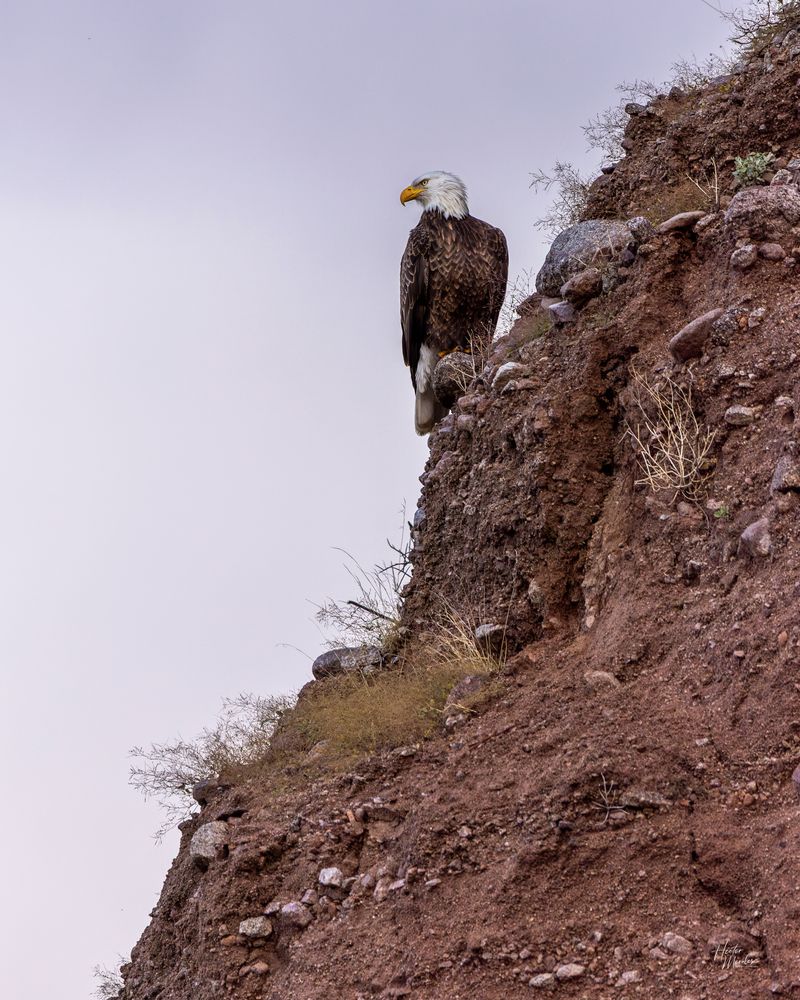
Many people picture eagles only near big rivers, and that is a fair start. Arizona bald eagles are strongly linked to rivers and lakes, where fish and waterfowl can be found.
They are not limited to those spots, though. Arizona Game and Fish Department notes in its living with raptors guidance that these birds can use urban areas and other habitats too, so a sighting over town is not shocking.
Take a quick look at the landscape around you. Is there open water within a few miles?
Tall trees, power poles, or cliffs that could serve as perches? A wide stretch of open space?
Those are clues about the bigger landscape, nothing more.
They do not prove that your yard has a nest, or that it supplies any particular meal. An eagle can pass over a neighborhood on its way somewhere else entirely.
A simple habit helps: note what is nearby each time you spot the bird. After a few sightings, patterns may appear, and that is much more useful than guessing from one flyover.
Breeding Season Does Not Confirm a Nearby Nest
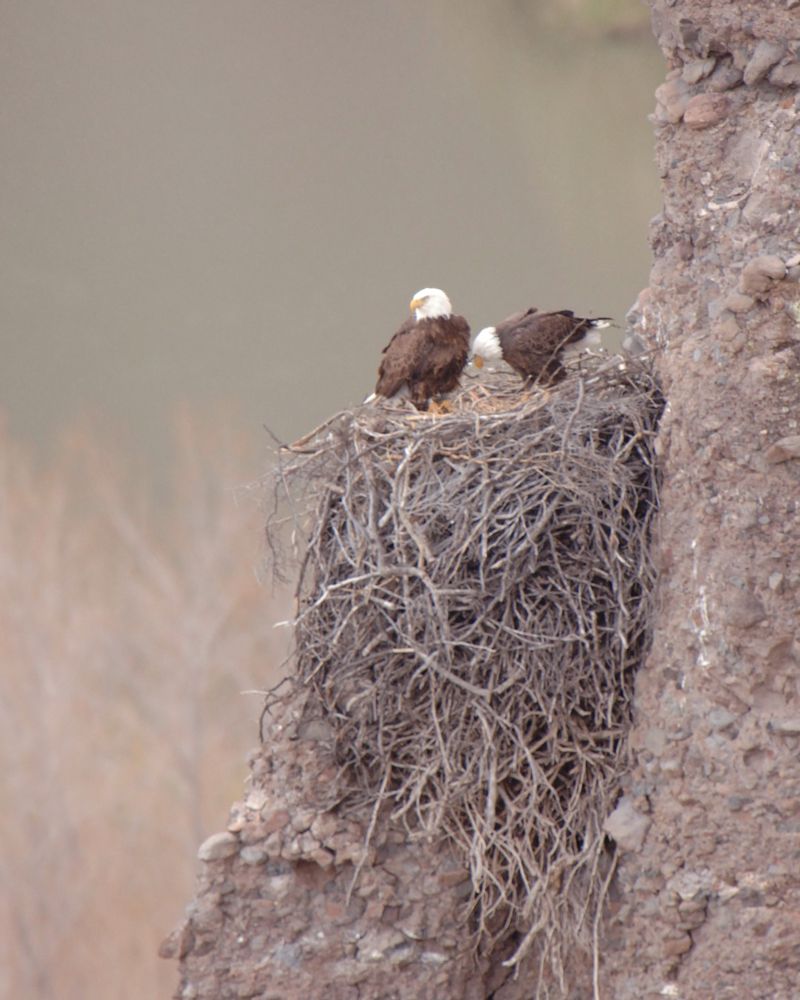
Arizona has a resident breeding population, so some eagles live here all year and raise young. The state’s breeding season runs from December through August, and pairs at higher elevations nest later.
That is statewide context, and it is worth knowing. Arizona Game and Fish Department explains seasonal closures that protect nesting birds in its breeding season update.
It does not mean the eagle over your house is nesting close by. A bird circling in January or May could be nesting miles away, or it could be a visitor or a young bird that does not breed yet.
If you do suspect a nest, keep your distance and do not go looking for it. The state’s Nestwatch Program for bald eagles is built around watching from afar so the birds are not stressed.
Population numbers shift from year to year, so check current figures from the state before you quote any. For your own backyard, the safest approach is simple: watch, note, and let the eagles be.
Young Bald Eagles Look Different
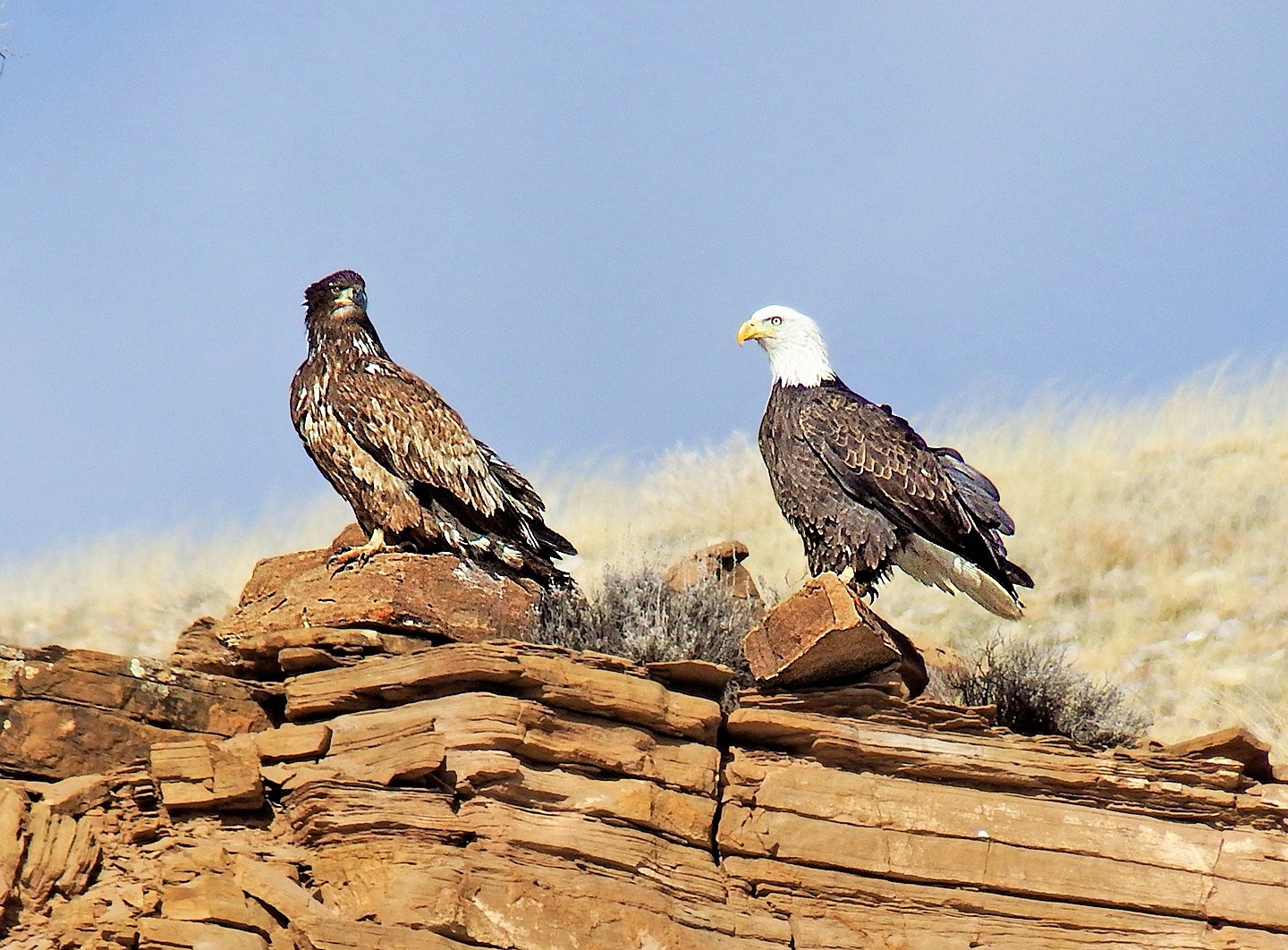
That big brown bird overhead may still be a bald eagle. Young ones do not have the fully white head and tail that adults are famous for, so they can look like a different species altogether.
Confusion is common. U.S.
Fish and Wildlife Service describes how immature birds differ from adults, and they can be mistaken for golden eagles or other large birds.
Arizona Game and Fish Department also covers several large raptors in its living with raptors guidance, which is a handy place to compare.
So what should you do? Try to take a photograph, even a rough one, and note the head, tail, bill, and overall pattern of the feathers.
Then compare those marks with trusted wildlife sources.
If you cannot tell for sure, simply say so. Calling it a large raptor is perfectly fine, and it keeps you from making claims about nests, behavior, or protections that may not fit the bird you actually saw.
Frantic Circling and Calls Call for More Space
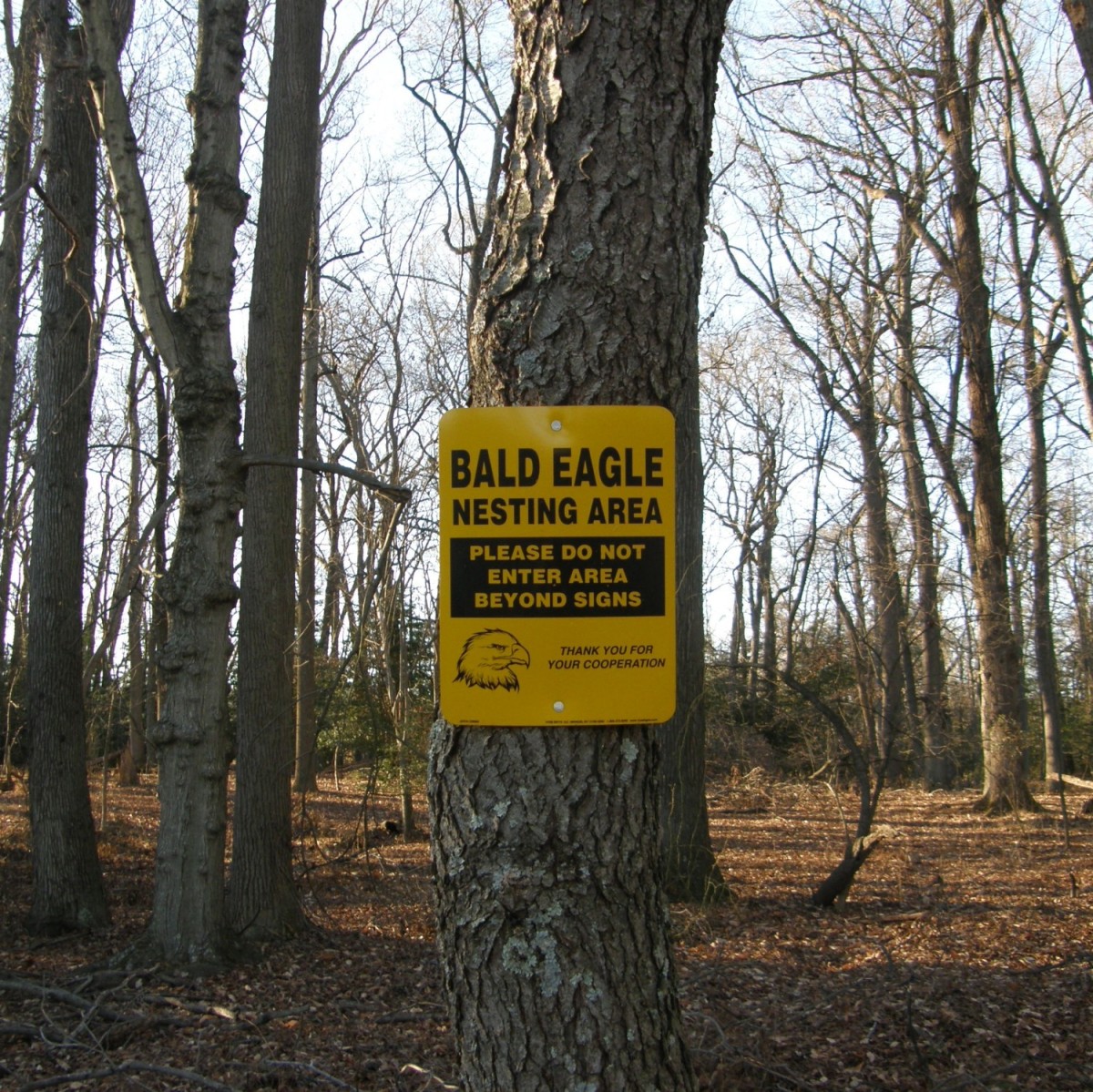
Normal circling is smooth and unhurried. Frantic circling paired with loud calling is something else, and it can happen near breeding areas when an eagle is upset by people.
Arizona Game and Fish Department advises leaving when an eagle is vocalizing and circling frantically, and it explains this in its breeding season guidance.
Biologists also treat circling, calling, or changes in nesting behavior as possible signs that an eagle does not tolerate human activity when they assess new breeding areas, as described in a state recovery update.
That is a specific situation, not a rule for every eagle you see. A calm bird drifting over your roof is not warning or challenging you.
If you notice the noisy, agitated behavior near a suspected nest, back away and give the birds more room. Watching from far off, with binoculars or a camera zoom, lets you enjoy them without adding stress.
Give Eagles and Their Nests Room
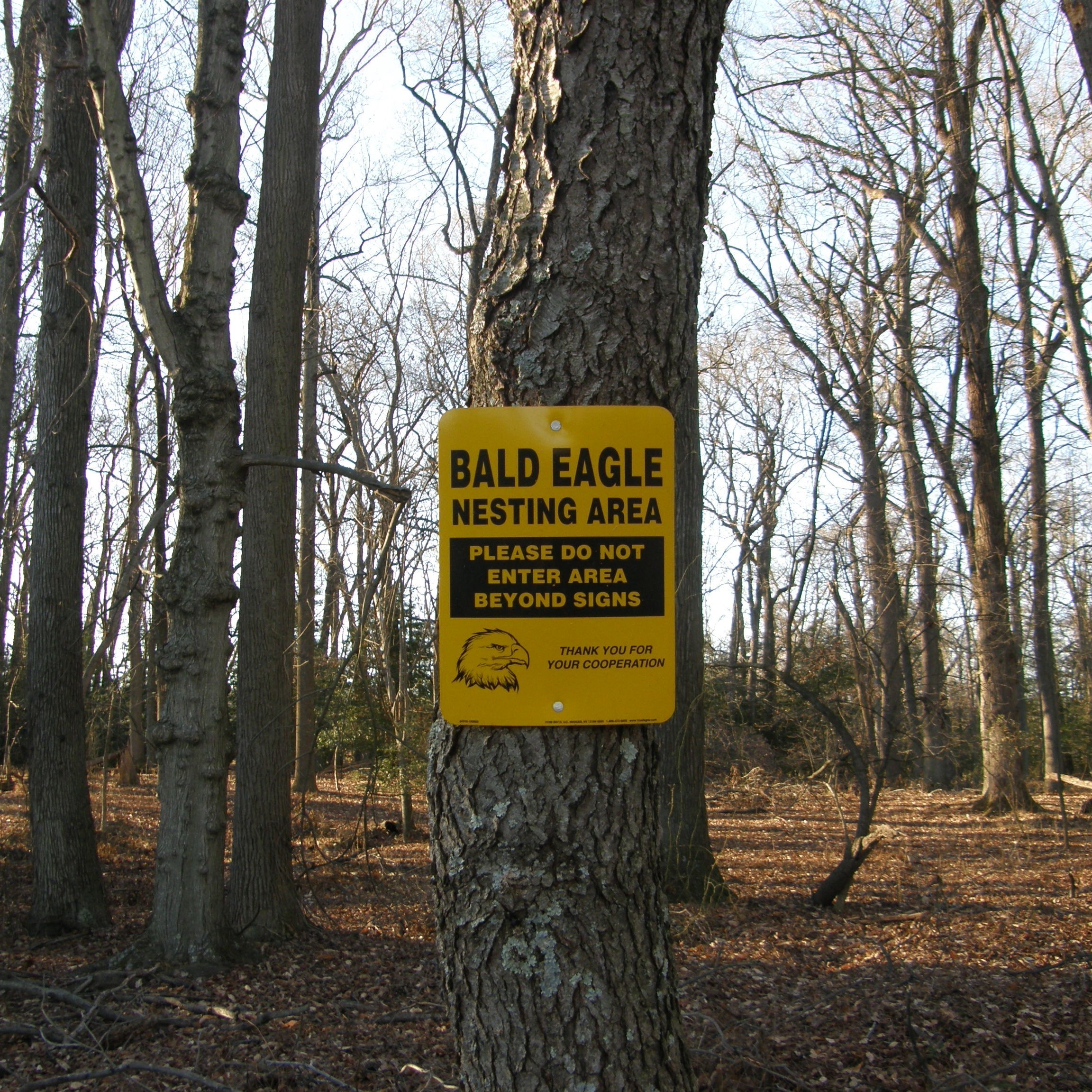
Eagles are protected, and the rules are simple in spirit. Do not feed, harass, capture, or interfere with an eagle or its nest, and respect any posted closures.
The Bald and Golden Eagle Protection Act bars unauthorized take, and you can read the law at the U.S. Code.
Disturbance depends on conduct and its effects. Federal rules look at actions that cause or are likely to cause injury, reduced productivity, or nest abandonment.
Drones near eagles are a bad idea, and so is walking up to a suspected nest for a closer look. The Nestwatch Program encourages watching from afar for the same reason.
There is no single safe distance that fits every activity and site. If you are planning work near a nest, contact the U.S.
Fish and Wildlife Service for case-specific guidance, and ask before you start rather than after.
A Sighting Does Not Automatically Stop Daily Life
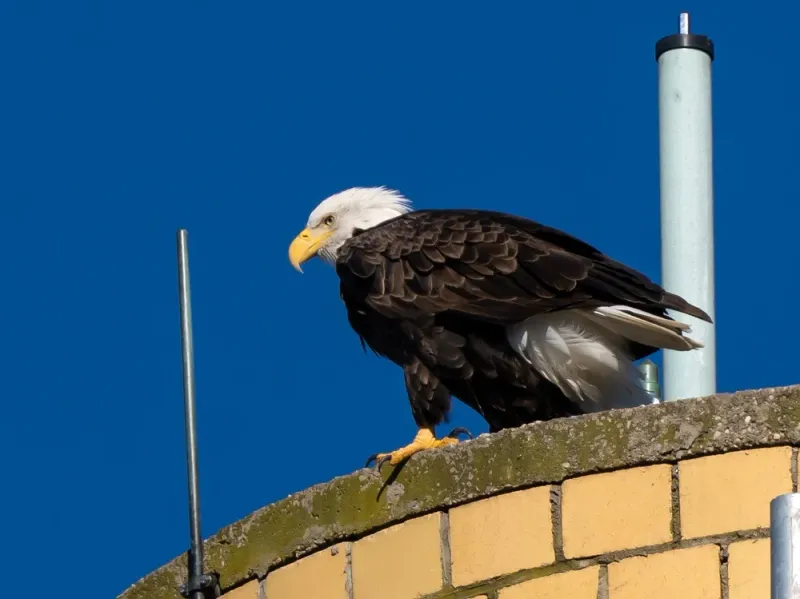
Spotting an eagle does not mean you must stop mowing, driving, or hanging laundry. The U.S.
Fish and Wildlife Service says routine use of an existing home or road is unlikely to disturb bald eagles.
New activities near a nest are different and may need case-specific review, as explained in the agency’s eagle disturbance permit guidance. Building, blasting, or other big changes are the kinds of things to ask about first.
So keep going with normal life, and stay curious. Notice the water, perches, and open space around you, and write down when the bird returns.
Back off if you see signs of disturbance, and skip firm conclusions from one flyover.
The sky over your yard is a small piece of a very big eagle neighborhood, and you just got a glimpse of it.