This Toxic Illinois Tree Gets Less Attention Than A Copperhead
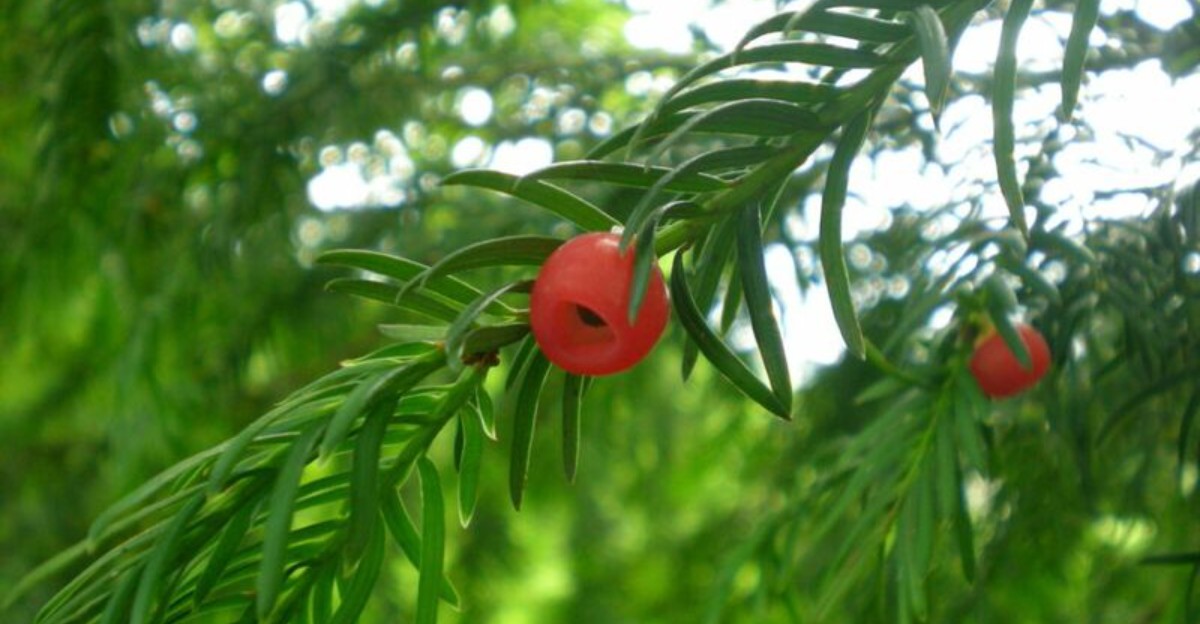
A single handful of glossy needles from a popular landscape tree can stop a horse’s heart. Ranchers and vets have documented this quiet danger for centuries.
Yet I walk past these trees at libraries, churches, and suburban front doors all over Illinois. Kids pluck the bright red berries.
Birds gobble those berries, too, and dogs happily nap in their shade. Copperheads get the headlines, the shovels, and the panicked neighborhood posts across Illinois.
Those snakes deserve respect, but their bites rarely end in tragedy for people. I am surprised how quiet we stay about the plant sitting right beside the mailbox.
You probably trimmed one last fall without a second thought. I dug into the research, and what I found changed how I see my own front yard.
Bag every clipping, because a pile left in reach of a neighbor’s pony is a poison waiting to be eaten.
That Tidy Evergreen With Red Berries Hides A Serious Secret
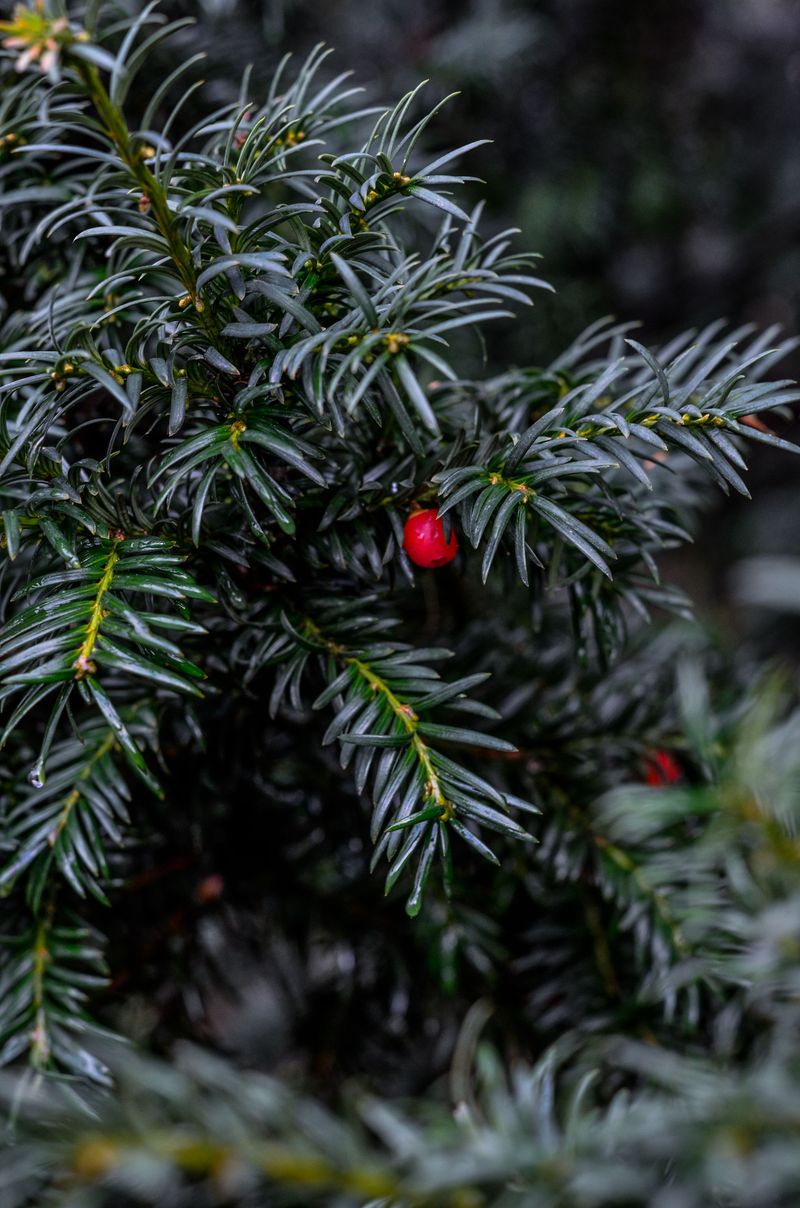
Walk any older neighborhood in Chicago, Peoria, or Springfield and you will spot it. A dense, dark green hedge hugs the foundation, clipped into neat boxes or soft mounds.
That hedge is very likely a yew, a member of the Taxus family. Japanese yew, English yew, and their popular hybrid, Taxus x media, are some of the most planted evergreens in the Midwest.
Nurseries love them because they handle shade, tolerate heavy pruning, and stay green through harsh winters.
Those same traits explain why yews show up nearly everywhere. Landscapers tuck them under windows, along walkways, and around playgrounds without much thought.
Many of the shrubs are now decades old and have grown into small trees with reddish, peeling trunks.
Toxicology sources, including veterinary references and poison centers, rank yew among the most poisonous ornamental plants in North America. Purdue and other extension programs specifically warn horse and cattle owners about it.
Here lies the gap that surprised me. People will chase a snake out of a woodpile, yet they will happily let a toddler play under a yew loaded with berries.
Knowing which shrub you actually have is the first and smartest safety step you can take this season.
Yew Needles, Bark, And Seeds Carry A Potent Heart Toxin
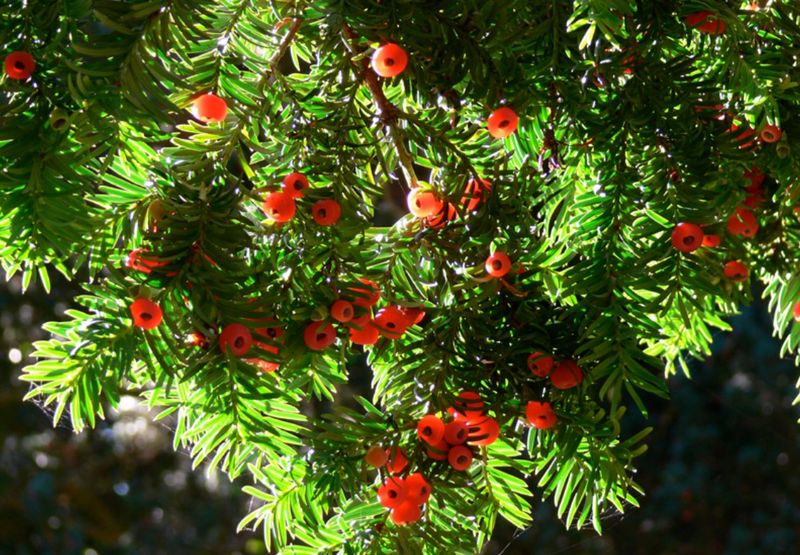
Chemistry gives the yew its punch. Nearly every part of the plant contains compounds called taxine alkaloids, which interfere with the way heart muscle cells handle calcium and sodium.
The needles, twigs, bark, and seeds all carry these toxins. The one exception is the soft, juicy red cup around each seed, called an aril.
That fleshy part is mostly harmless, which is why birds eat it without trouble. The catch sits right in the middle, because the hard seed inside is toxic if chewed.
Research shows taxine levels tend to run higher in winter. That timing matters in Illinois, where yews are one of the few green things left in a snowy yard.
Hungry deer, curious dogs, and bored livestock may nibble them more when other food disappears.
Fun fact for plant nerds. Scientists discovered a cancer drug called paclitaxel, sold as Taxol, in the bark of the Pacific yew.
Medicine from the same family of plants that sickens animals shows just how powerful these compounds are.
So the danger is not a myth or an old wives’ tale. It is well studied, year-round, and built into the plant from root to tip.
Copperhead Snakes Look Scarier Than A Yew Shrub, But Are They?
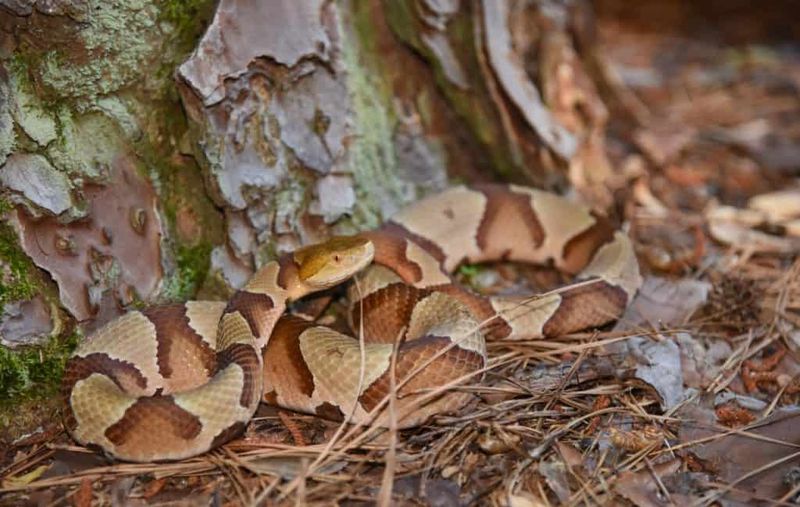
Copperheads deserve their spot on the respect list. In Illinois, these handsome snakes with hourglass bands live mostly in the southern third of the state, around rocky bluffs, forests, and places like the Shawnee National Forest.
A bite hurts, swells, and needs a trip to the emergency room. Still, medical data paints a calmer picture than most people expect.
Copperhead venom is considered mild compared to many pit vipers, and human fatalities from these bites are extremely rare in the United States.
Many bites happen when someone tries to handle the snake or steps on one while barefoot. Leaving the snake alone and wearing shoes outdoors prevents most problems.
Now compare that with yew. Animals and people can swallow a toxic dose quietly, with no warning hiss and no fang marks.
Horses and cattle have collapsed within hours after eating yew clippings, and veterinary case reports document this pattern again and again.
I find that contrast eye-opening. The copperhead is visible, local, and rarely life-threatening to healthy adults.
The yew is planted across Illinois, sits by the front door, and gets almost no attention. Both deserve caution, but only one gets the shovel.
Horses, Dogs, And Kids Face Different Risks Around Yew Branches
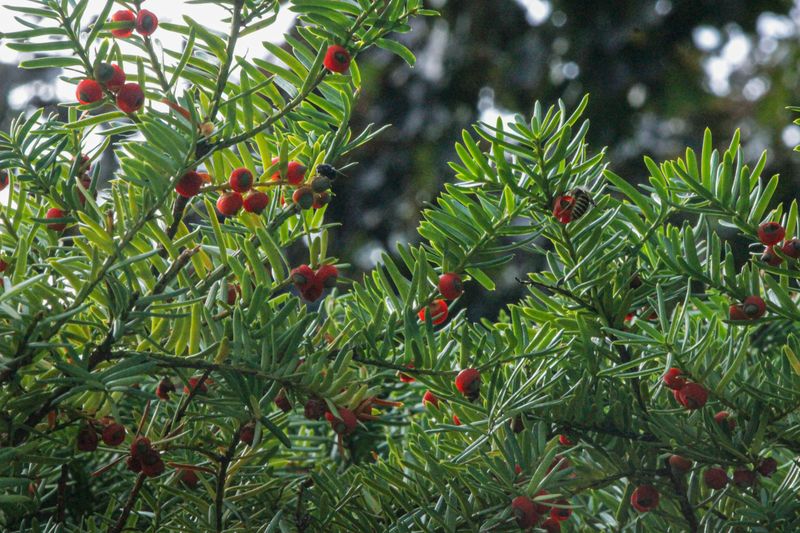
Large animals sit at the top of the worry list. Horses are famously sensitive, and veterinary references note that a small amount of yew, sometimes just a few mouthfuls of needles, can trigger a sudden collapse. Cattle, goats, and sheep are also at serious risk.
Dogs and cats tend to chew less, but they are not off the hook. Symptoms in pets may include trembling, drooling, vomiting, weakness, wobbly walking, trouble breathing, and an irregular heartbeat.
A dog that gnaws on a branch or swallows a pile of berries needs a vet right away. Children usually go for the bright red berries. The red flesh is mostly harmless, and kids often spit out the bitter seed.
That is why many reported cases involving kids turn out mild. Even so, poison centers treat any yew ingestion as worth a call, because chewing the seeds or leaves raises the risk.
Adults rarely get sick by accident. The most serious human cases usually involve intentional ingestion.
My practical takeaway? Think about who actually uses your yard. A house with a toddler, a puppy, or a pasture next door needs a different plan than a quiet patio.
Flat Needles And Red Arils Help You Spot A Yew Fast
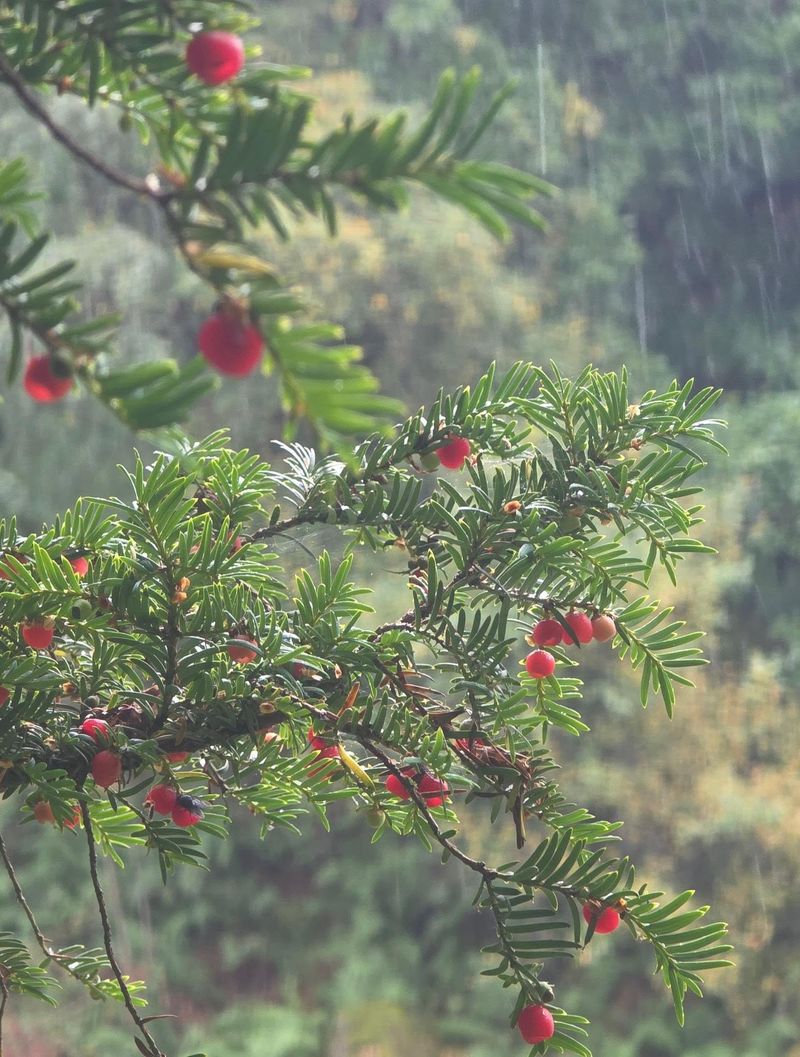
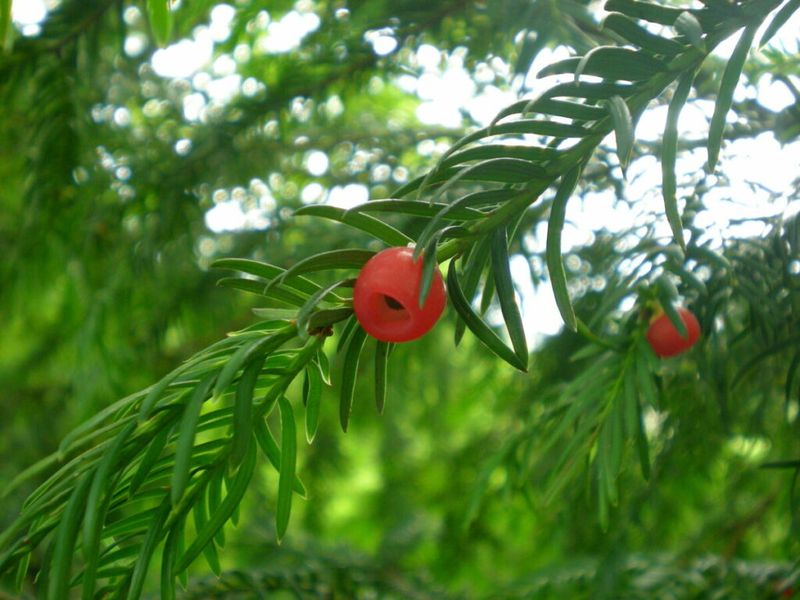
Grab a twig and look closely, because yews have a few giveaway features. The needles are flat, soft, and about half an inch to an inch long.
They are dark glossy green on top and paler yellow-green underneath. Run your finger along a stem. Needles grow in a spiral, but they often twist so they look like two neat rows.
Unlike pine, there are no bundles, and unlike spruce, the needles do not feel sharp or square.
In late summer and fall, female plants produce red arils. Each one looks like a tiny open cup or a pink-red gumdrop with a dark seed peeking out the top. Male plants skip the berries but still carry the toxins.
Older shrubs show thin, reddish-brown bark that flakes in strips. Mature specimens can reach tree size if nobody prunes them.
Hemlock and fir sometimes cause confusion. Hemlock needles have two white stripes below and tiny cones, while firs grow larger cones that stand upright on the branches.
Still unsure? Snap a clear photo and send it to your local University of Illinois Extension office. They help homeowners identify plants all the time, often for free.
Those Yew Clippings Stay Dangerous Long After You Prune
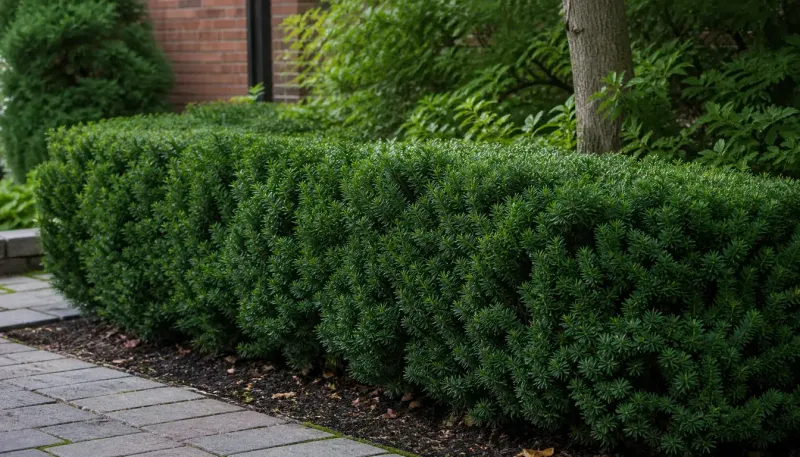
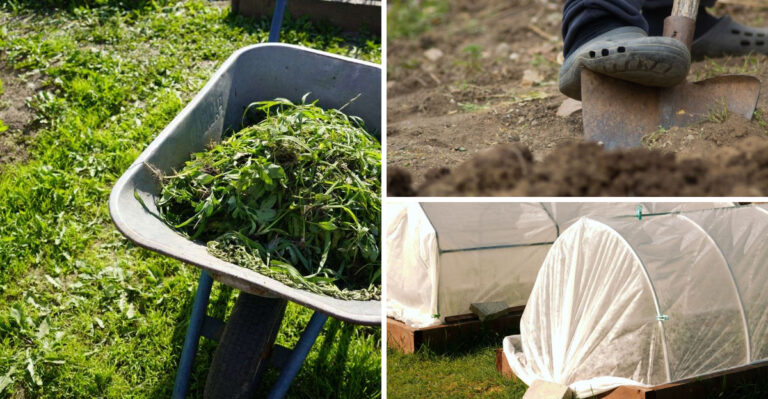
Pruning day is when many livestock poisonings start. A homeowner shapes a hedge, tosses the trimmings over the fence, and a horse or cow happily eats them. Veterinarians report this exact story far too often.
Wilted and dried yew stays toxic. Some studies suggest the plant material may even become more tempting to animals as it dries. So a brush pile in the back corner is not a safe spot.
Try this routine instead. Wear gloves and long sleeves, since the sap can irritate sensitive skin.
Lay a tarp under the shrub so needles do not scatter into the lawn. Bag everything right away and send it out with yard waste pickup, or confirm your local compost site accepts it.
Skip feeding clippings to chickens, goats, or rabbits, even small amounts. Also avoid using yew branches in holiday wreaths or garlands where pets or kids can chew them.
Timing helps, too. In Illinois, late winter or early spring before new growth is a good pruning window.
A light touch-up in early summer keeps the shape tidy. Clean up the same day, every time, and you remove the biggest risk this shrub creates.
Quick Action Matters If Someone Nibbles A Yew Berry
Panic helps nobody, so save these numbers now. For people, call Poison Help at 1-800-222-1222, which connects you to the Illinois Poison Center around the clock.
For pets, call your vet, the ASPCA Animal Poison Control Center at 888-426-4435, or the Pet Poison Helpline.
Gather a few facts before you call. Note what part of the plant was eaten, roughly how much, and when it happened.
Take a photo of the shrub or bring a sprig along. Those details help experts decide how serious things are.
Do not try to make anyone vomit unless a professional tells you to. Home remedies can cause more harm than good.
Watch for warning signs like dizziness, nausea, trembling, weakness, slow or uneven heartbeat, and trouble breathing. In animals, symptoms can appear suddenly, and some horses show few signs before collapsing.
Any of these symptoms means an emergency visit, not a wait-and-see approach. I keep both numbers taped inside a kitchen cabinet and saved in my phone. It took two minutes.
If a curious kid or a sneaky beagle ever finds that hedge, those two minutes could make a huge difference.
Lower-Risk Evergreens Can Replace That Old Foundation Yew
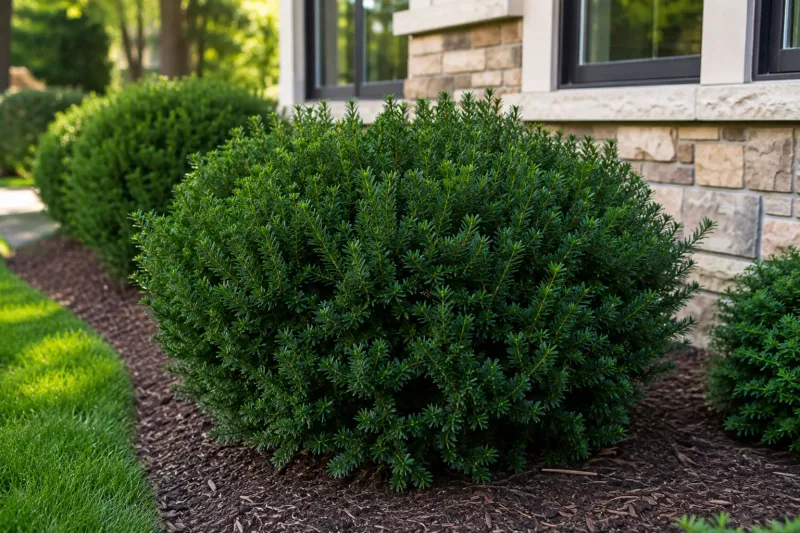
Ripping out every yew in Illinois is not the goal. A mature hedge in a fenced yard with no pets, kids, or nearby livestock may pose very little real-world risk. Awareness matters more than fear.
Things change when you share space with animals or little ones. Removing yews near play areas, pastures, and dog runs makes good sense. Spring and early fall are friendly times to dig and replant here.
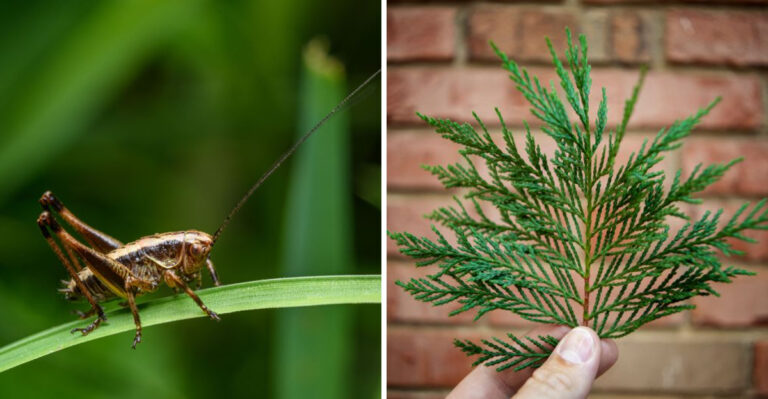
For replacements, many gardeners turn to American arborvitae, a native evergreen found in northern parts of the state. Junipers, including low spreading types, handle sun and tough soil well.
Deciduous natives like ninebark, chokeberry, and serviceberry add flowers and wildlife value.
Plant toxicity lists do update, so check the ASPCA plant database and ask your extension office before you buy. Read nursery tags, too, since some popular shrubs like boxwood carry their own risks for pets.
Skip invasive options such as burning bush and Japanese barberry, which Illinois natural areas already struggle to control.
My final thought? The copperhead will likely stay the villain in backyard stories. You can quietly protect your household by knowing your plants, cleaning up clippings, and choosing wisely next time you shop.