What Pennsylvania Law Says About A Neighbor’s Drainage Flooding Your Yard
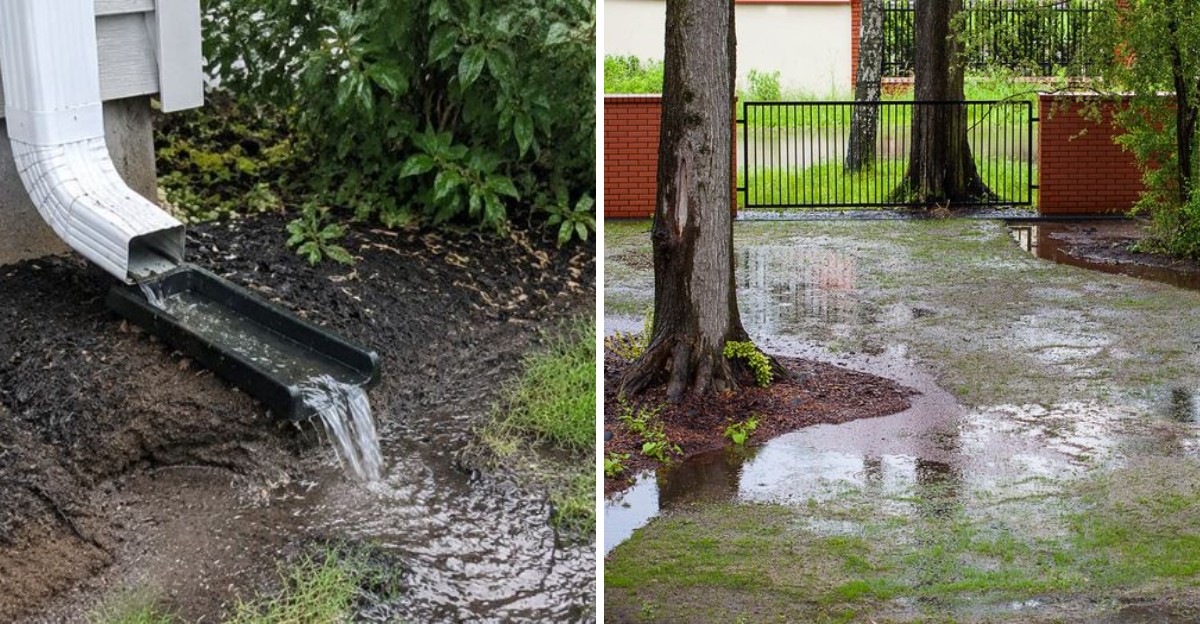
Pennsylvania courts have been sorting out arguments about rainwater between neighbors for well over a century. Some of those old rulings still shape what happens in backyards today.
I used to assume water just rolls downhill and nobody can do a thing about it. To my surprise, the law draws a sharp line between water that drifts naturally and water that a person pushes your way. A downspout, a new patio, or a regraded lawn can change the whole story.
You know your soil better than anyone. You notice when the hostas sit in a puddle for days or when mulch washes across the lawn after every storm. Those little clues can matter more than you think.
So who really owns the problem when a soggy mess spills over the property line? The answer depends on a few details most gardeners overlook.
1. That Runoff Crossing Your Property Line Might Not Be Natural
Rain doesn’t read property surveys, and old Pennsylvania courts knew it. Judges long ago settled on a simple idea for surface water. If water flows naturally from higher ground to lower ground, the downhill owner generally has to accept it.
That idea is often called the common enemy rule, though Pennsylvania’s version has important limits. Your neighbor can’t treat your yard like a free storm drain.
Courts have held that an uphill owner becomes responsible when they artificially collect, concentrate, or redirect water onto a neighbor in a greater amount or with more force.
Quality counts too. If someone unreasonably changes the water, like sending muddy or polluted runoff your way, that can also create liability.
So the real question isn’t whether water lands in your yard. The question is how it got there. A gentle sheet of rain soaking across the grass after a storm is usually just nature doing its job.
A fresh gully carved through your vegetable bed by a pipe pointed at your fence is a very different situation.
Keep that difference in mind as you watch your yard this season, because nearly every drainage dispute in the state turns on it.
2. A Downspout Aimed At Your Garden Can Change Everything
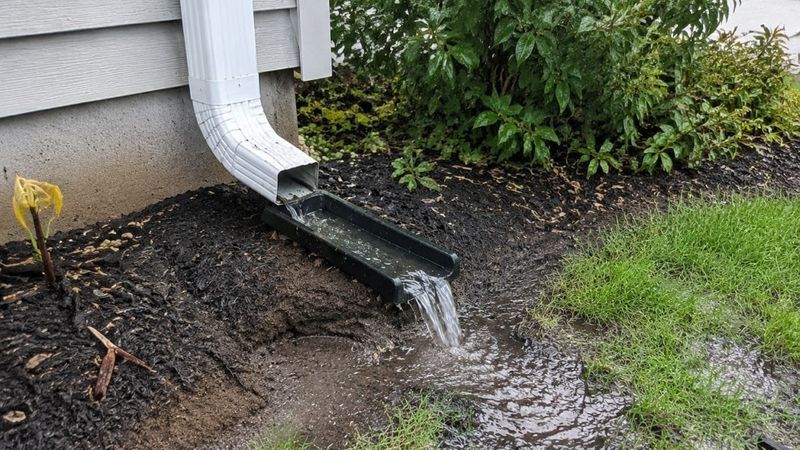
One plastic gutter extension can turn a neighbor from innocent to responsible. Pennsylvania courts look closely at man-made changes that send water somewhere it didn’t go before.
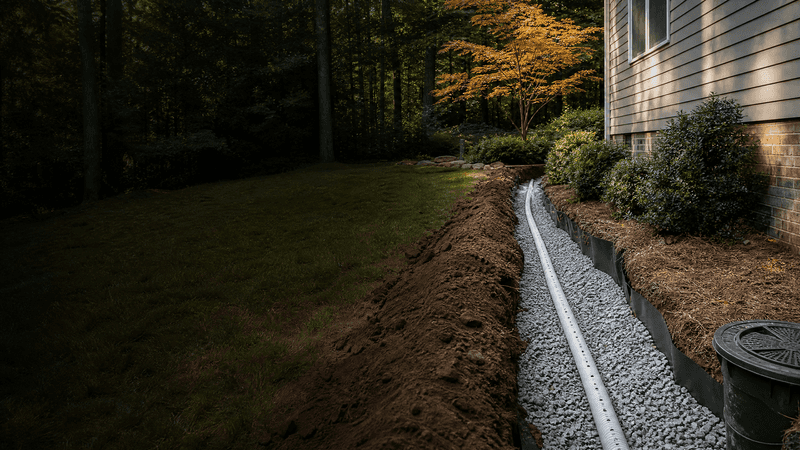
Common culprits include downspouts, sump pump outlets, drain pipes, French drain discharges, and new hard surfaces.
A paved driveway, large patio, or new shed roof sheds water fast. Grass and soil used to soak much of that rain up.
Regrading counts as well. If your neighbor built up their lawn with fill dirt and now water pours over the edge into your yard, that alteration may cross the legal line.
Here’s a surprising detail many people miss. Following a building permit doesn’t automatically protect a neighbor from responsibility if their project concentrates water onto your land.
A permit says the work met local rules, not that it can’t harm anyone downhill. Intent isn’t the main issue either.
Plenty of homeowners redirect a downspout without a second thought about where the water ends up.
The law tends to focus on the result, meaning more water, faster water, or channeled water landing on your property. That’s why spotting the source matters so much.
3. Grab Your Rain Jacket And Watch Where The Water Enters
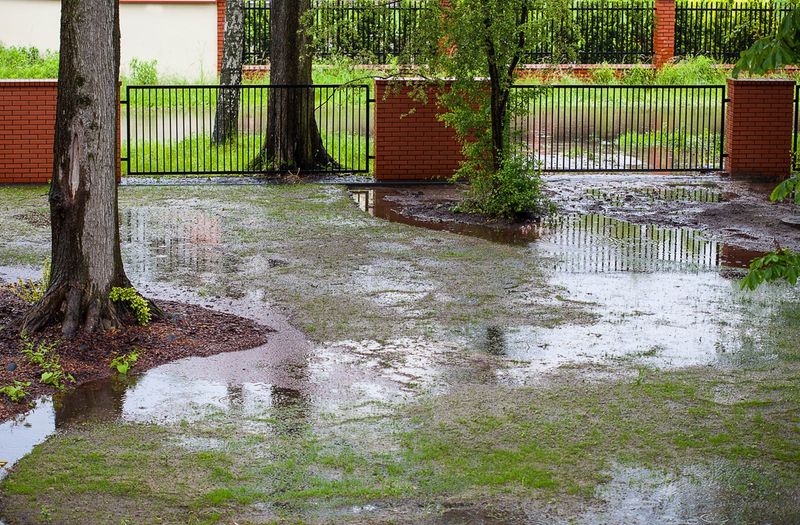
My favorite drainage tool costs nothing. It’s a phone camera and a little patience during a good downpour.
Head out safely during heavy rain and notice how water arrives. A wide, thin sheet spread across the lawn usually points to natural flow. A narrow, fast stream from one spot often points to something man-made.
Look over the fence line, too. Check for downspouts pointed your way, pipe ends, sump pump hoses, or new pavement sloping toward you. Snap photos and short videos, and write down the date and rainfall.
Repeat this over several storms. One soggy afternoon proves little, but a steady pattern tells a clear story. Courts and municipal officials both appreciate solid records.
Track the damage as well. Note washed-out mulch, eroded soil, drowned perennials, standing water that lingers for days, or a damp basement. Keep receipts for replacement plants and repairs.
Before-and-after photos help most. If you have older pictures of your yard staying dry before your neighbor’s project, save them in a safe folder. That timeline can show exactly when the trouble started and what likely caused it.
4. Pennsylvania’s Stormwater Management Act Backs Up Downhill Gardeners
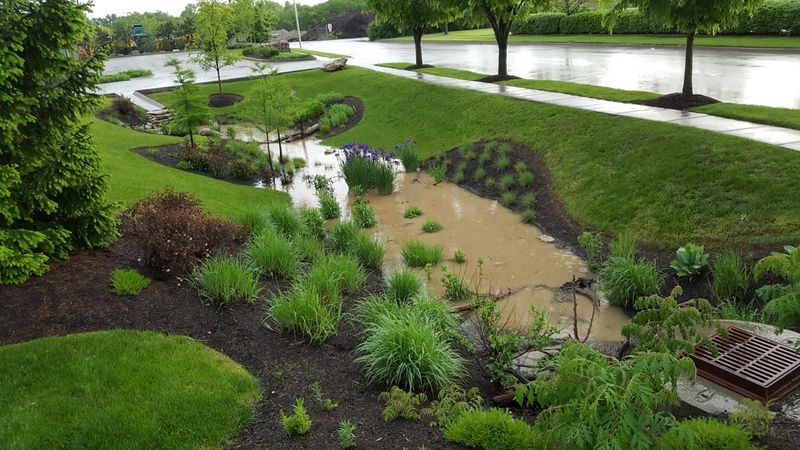
Back in 1978, lawmakers in Harrisburg passed the Storm Water Management Act, known as Act 167. It added a statewide layer on top of older court rulings.
The Act says anyone who develops or alters land must take reasonable measures to prevent harm from increased runoff.
A key goal is that the peak rate of runoff after development shouldn’t exceed what flowed before.
The law also allows a person injured by someone’s failure to follow these duties to seek relief. That gives homeowners another legal angle beyond the old common law rules.
Counties prepare stormwater plans for their watersheds. Local municipalities then adopt ordinances that set rules for construction, grading, and new impervious surfaces.
That’s why requirements in a Pittsburgh suburb may look different from those in Lancaster County.
Many towns also follow federal and state requirements for municipal storm sewer systems, which push for better runoff control. Some offer guidance on rain gardens and infiltration beds.
For gardeners, the practical takeaway is simple. Your local stormwater ordinance may spell out exactly what your neighbor needed to do. Ask your township or borough office for a copy.
5. A Friendly Chat Over The Fence Often Fixes Soggy Flower Beds
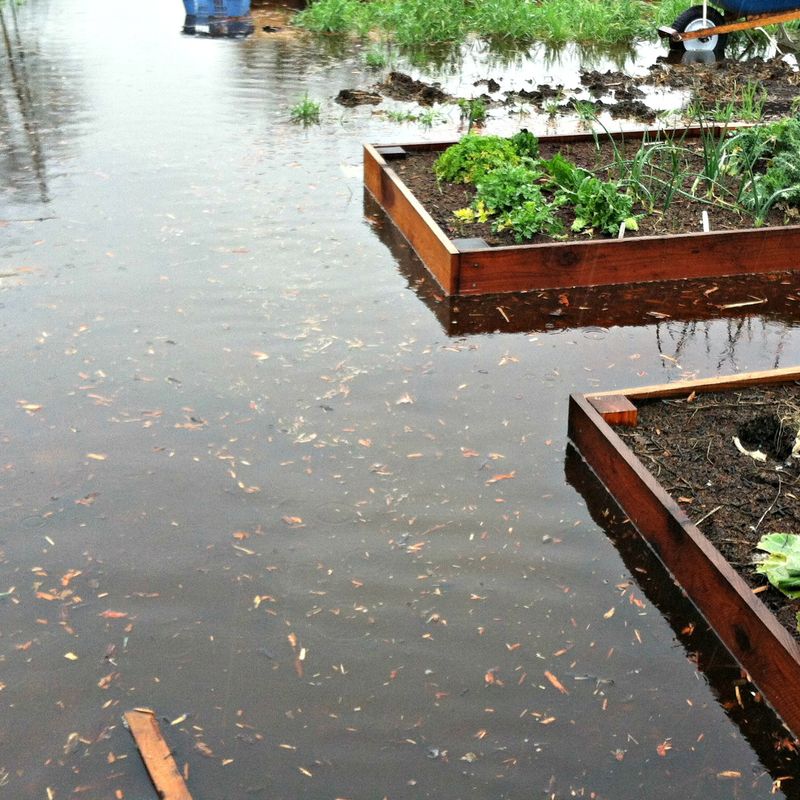
Most neighbors aren’t plotting to drown your tomatoes. Many have no clue their new patio or downspout is sending water next door.
Start with a calm, friendly conversation. Bring a few photos and explain what you’ve seen during storms. Keep the tone curious rather than accusing.
Offer easy ideas they can do on their own side. A downspout can be turned or extended toward their lawn. A rain barrel can catch roof water for their garden.
A dry well or small rain garden can soak runoff into the ground before it reaches the fence.
Penn State Extension shares helpful guidance on rain gardens. Native plants such as swamp milkweed, blue flag iris, and switchgrass handle wet feet well and attract pollinators.
Sometimes splitting a small cost makes sense. A shared swale or regraded strip can solve the trouble for both yards and keep the peace.
Afterward, send a short, polite note or text summarizing what you agreed on. That creates a simple record.
If things go well, you’ve saved money and a friendship. If they don’t, you’ve shown you tried in good faith.
6. Your Township Zoning Officer Can Check That New Patio

Local officials can be surprisingly helpful allies. When talking doesn’t work, a call to your borough or township office is a smart next move.
Ask whether your neighbor’s driveway, addition, patio, or grading needed a permit. Find out if a stormwater plan was required and whether the work matched it. Zoning officers and municipal engineers can often inspect the site.
If the project broke a local ordinance, the municipality may issue a notice or citation. That can push your neighbor to fix the drainage without you hiring anyone.
Local rules vary a lot across the state. Some places regulate even small increases in hard surfaces, while others only review larger projects. Your municipal office can tell you what applies on your street.
Bring your photos, dates, and notes when you call or visit. Organized evidence helps staff understand the problem quickly.
Also ask about conservation district resources. Nearly every county in the state has one, and staff can sometimes offer technical advice on erosion and runoff.
An official finding of a violation can strengthen any later legal claim. It also shows you went through proper channels first.
7. Flooded Lawns Can Lead To Nuisance And Trespass Claims
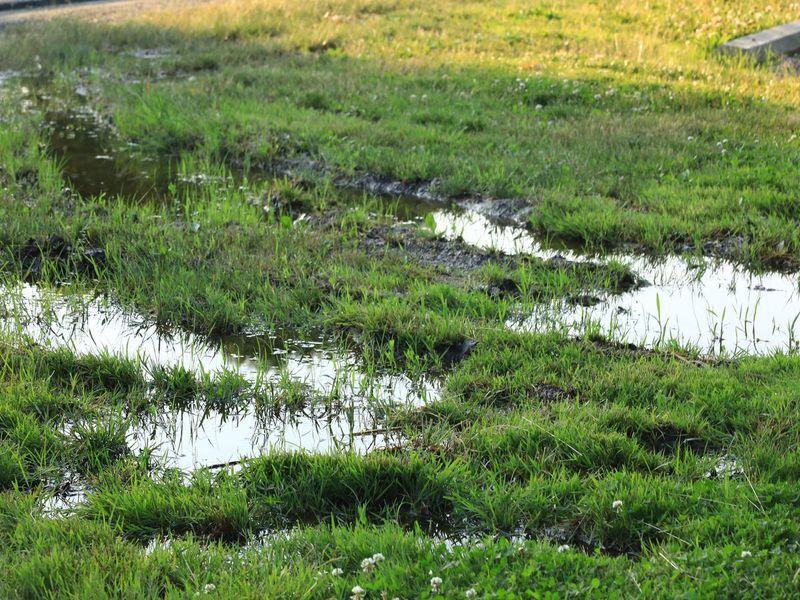
Courtrooms are a last stop, but it helps to know what’s there. Pennsylvania homeowners harmed by redirected runoff usually rely on private nuisance or trespass claims.
A private nuisance claim says your neighbor’s conduct substantially and unreasonably interferes with using and enjoying your property.
A puddle after one storm won’t cut it. Ongoing flooding, erosion, or basement water often carries more weight.
Trespass involves a physical intrusion onto your land. Water artificially sent onto your property can count, and repeated runoff may be treated as a continuing trespass.
Remedies can include money for repairs or lost property value. A court may also order the neighbor to change or remove the cause, called an injunction.
Deadlines matter. Pennsylvania generally sets a two-year limit for trespass and nuisance damage claims, though continuing problems can be handled differently. Waiting too long could weaken your case.
These cases depend heavily on the facts, and an engineer’s report is often helpful. A local real estate attorney can review your evidence and explain your options.
Many offer a first consultation, so you can learn where you stand before committing to anything.
8. Before You Build A Berm, Make Sure You Aren’t Next
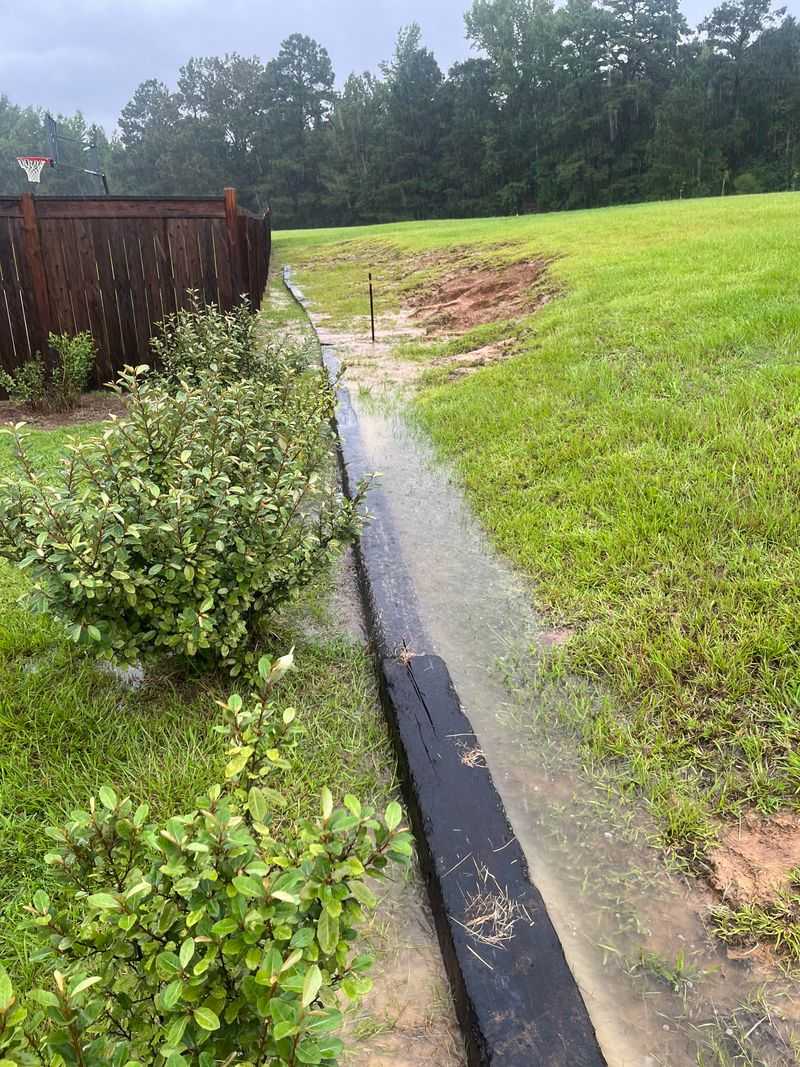
Frustration can tempt anyone to grab a shovel. Hold that thought for a minute, because the same rules apply to you.
Blocking natural water flow with a wall or berm could push water back onto another neighbor. Piping your collected runoff into someone else’s yard could also make you the responsible party.
Safer fixes work with water instead of against it. A shallow swale can guide flow gently along your yard.
A rain garden filled with native plants soaks up runoff. Extra compost improves how soil absorbs rain over time.
Before digging anything, contact PA One Call by dialing 811. State law requires notice at least three business days before excavation so utility lines get marked.
Check with your municipality before major grading, too. Unpermitted work can lead to orders to undo it, costing you twice.
Here’s my favorite takeaway. Document carefully, talk kindly, call your township, and save legal steps for when you truly need them. A drainage pro or landscaper can design solutions that protect your plants.
With a smart plan, your garden can bounce back stronger and handle the next big storm with ease.