How To Protect Lavender From Cold And Winter Wet
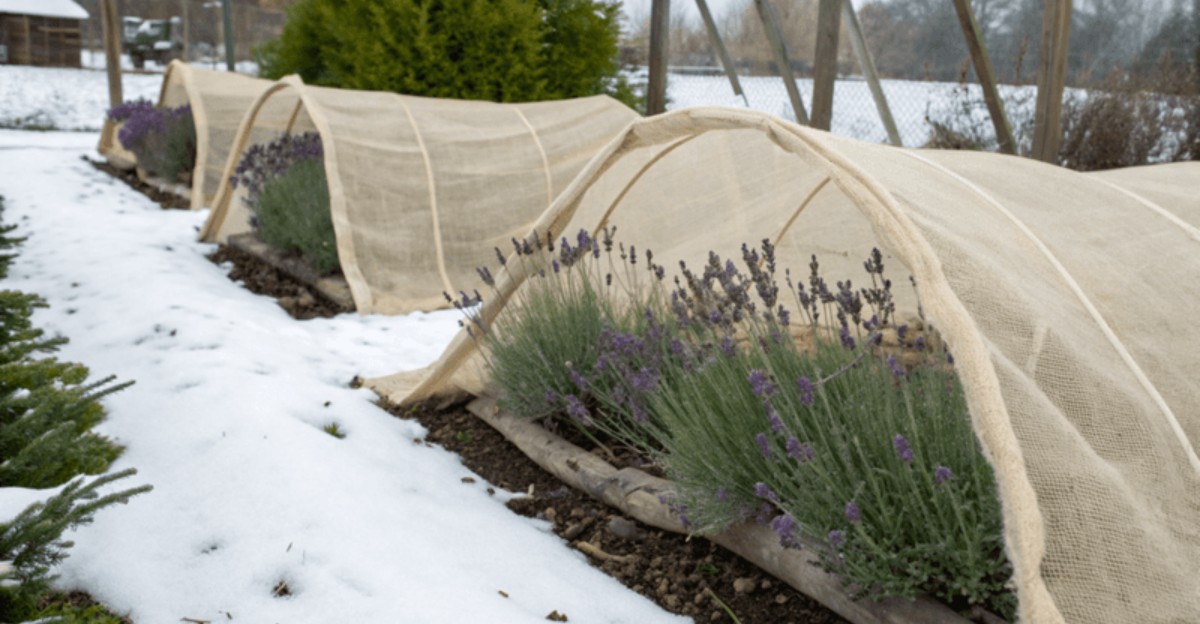
A soggy January can harm a Mediterranean herb faster than a night at 10 degrees below zero. Researchers and growers keep pointing to the same culprit, and it usually comes from the sky as rain, not snow.
I learned the hard way that cold gets blamed for a lot. My silver-leaved bush looked fine in December, then turned gray and floppy by April. The thermometer was innocent, and the puddle by its base told the real story.
Truth is, this plant evolved on rocky hillsides with dry summers and fast-draining ground. Its roots crave air almost as much as water. Heavy clay soil in a wet winter feels like a cold bath that lasts for months.
The difference between plants that bounce back in spring and those that quietly fade starts below the soil line, and it may surprise you.
Those Lavender Roots Fear Puddles More Than Frost
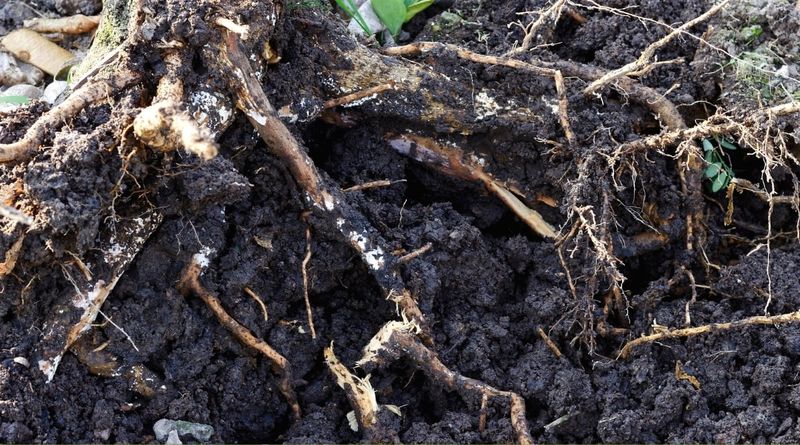
Every gardener in a rainy region eventually meets the gray, mushy lavender that refused to wake up in spring. Most of the time, cold is not the main problem. Waterlogged soil is.
English lavender can handle frigid air in USDA zones 5 through 8 and often beyond. Its roots, though, need oxygen. When water fills every air pocket in the soil for weeks, those roots suffocate and rot sets in, especially around the crown where stems meet the ground.
Cold and wet together make a rough pairing. Frozen, soggy soil stays saturated longer, so roots sit in icy water instead of draining. Plants in heavy clay or low spots tend to struggle first.
Walk your garden after a big rain and watch where the water lingers. If puddles still sit around your lavender an hour later, that spot is a red flag. Utah State University Extension notes that lavender prefers well-drained, even somewhat poor soil, and that rich, moist ground often shortens its life.
Fixing drainage gives you the biggest payoff of any winter step. Once the roots can breathe, the plant handles cold far better than most people expect.
Raised Beds And Gritty Soil Keep Lavender Crowns Dry
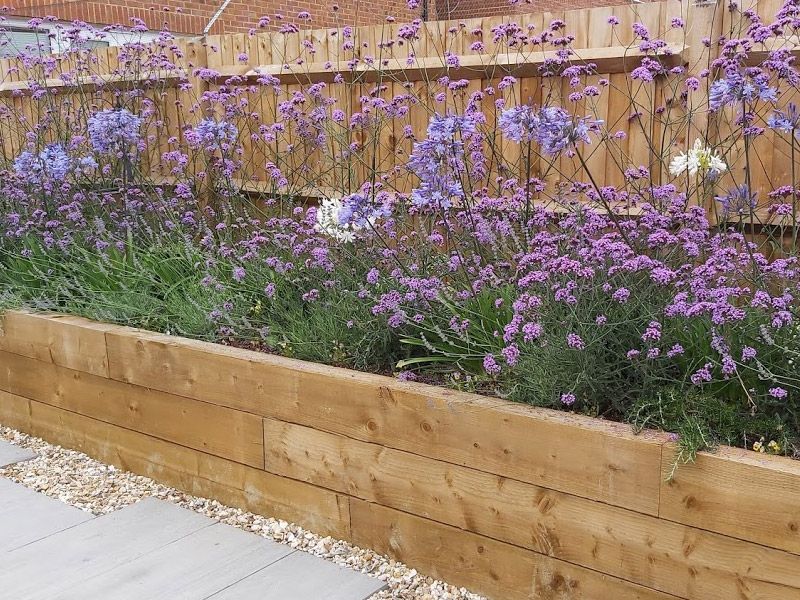
Ground level is often the worst address for lavender in a wet climate. Lift the plant a few inches, and suddenly rainwater drains away from the roots instead of soaking them.
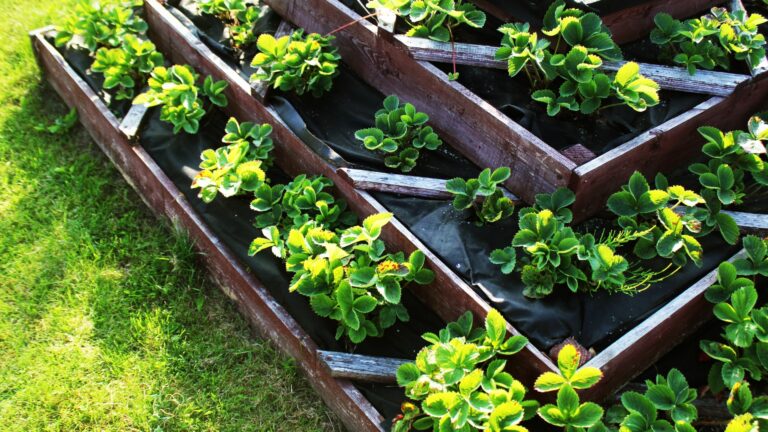
Raised beds, berms, and mounded rows all work well. Many commercial lavender farms in the Pacific Northwest plant on mounds for exactly this reason. Even a 6 to 12 inch rise can change how a plant comes through winter.
Soil mix matters too. Blend coarse sand, small gravel, or grit into heavy ground to open it up. Skip fine play sand, since it can pack down with clay and make drainage worse.
Planting on a slope is another smart trick. Water naturally runs downhill and away from the crown. A spot against a south-facing wall adds warmth and often stays drier, especially under eaves that block some rain.
Fall is a tricky time to move established plants, so treat this as your planning season. Mark the soggy spots now, then build or amend beds in spring before replanting. For new plants, set the crown slightly above the surrounding soil so it never sits in a dip. Small changes in height pay off big when the rain keeps falling.
Gravel Mulch Beats Bark Around Lavender Stems
Guilty as charged, I once tucked a thick blanket of shredded bark around my lavender, thinking I was being kind. By spring, the stems at the base had turned soft and brown.
Organic mulches like bark, straw, compost, and leaves hold moisture right against the crown. That is wonderful for roses and terrible for Mediterranean herbs. Trapped dampness invites crown rot, the problem you are trying to avoid.
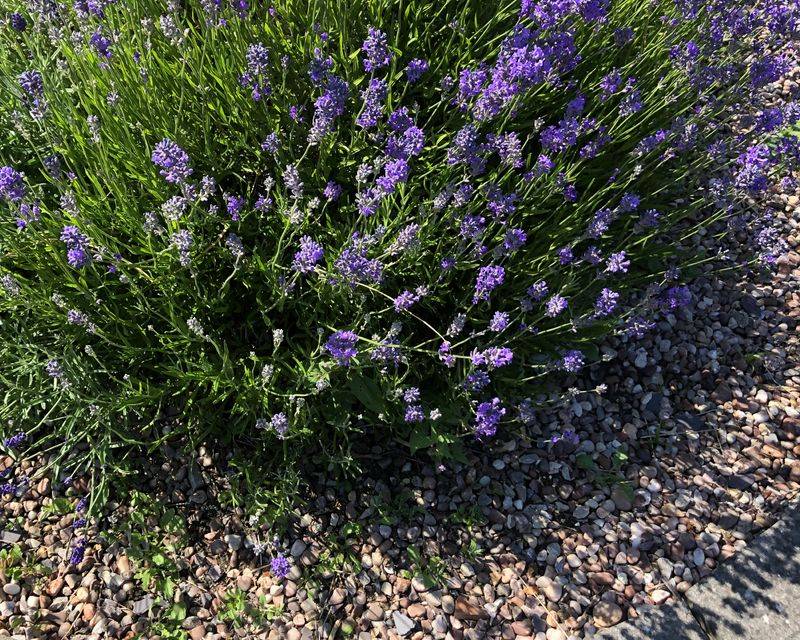
Inorganic mulch works better. Pea gravel, crushed stone, or grit spread about an inch deep lets water pass through fast. Light-colored stone also reflects sunlight up into the plant, which helps foliage dry out after rain and fog.
Keep the gravel a little loose around the base rather than packed tight. Airflow at the crown is the goal.
In very cold areas, like zone 5 with little snow cover, some growers add a loose layer of evergreen boughs over plants after the ground freezes. Boughs shade foliage and catch snow without smothering stems the way soggy leaves can. Remove them in early spring as growth begins. One fun bonus of gravel mulch is that it cuts down on weeds and looks tidy all year.
Hardy English Lavender Handles Winter Better Than Spanish Types
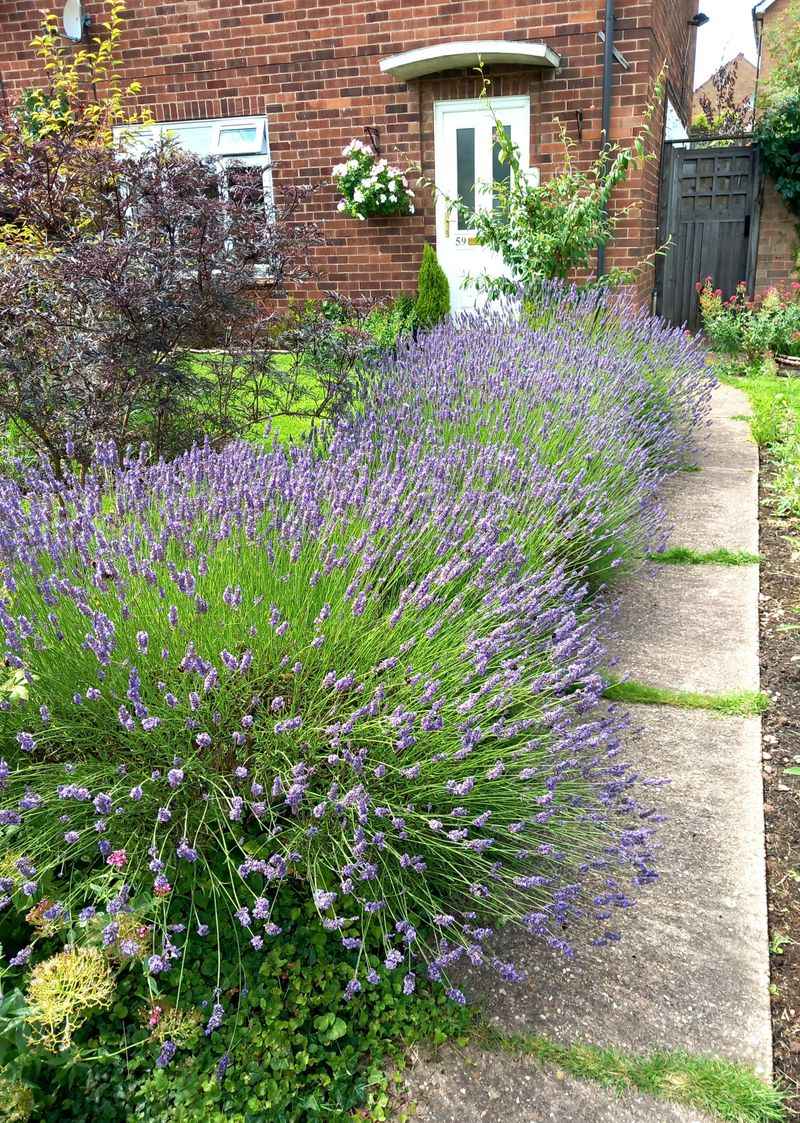
Not every lavender plays by the same rules. Pick the wrong type for your area, and no amount of mulch will save it.
English lavender, Lavandula angustifolia, is the toughest of the bunch. Cultivars like Munstead and Hidcote are reliable in zone 5 and often survive colder spots with good drainage and snow cover. Lavandins, the hybrids known as Lavandula x intermedia, are usually hardy to zone 5 or 6. Phenomenal is a popular lavandin praised for handling both cold and humid summers.
Spanish lavender, with its bunny-ear petals on top, and French lavender with toothed leaves are much more tender. Both mostly belong in zones 8 to 10 or in pots that come inside for winter.
Plant tags can be confusing, since the common names get swapped around. Look for the scientific name to know what you are actually buying.
Did you know English lavender does not come from England at all? It is native to the mountains of the western Mediterranean, where cold winters and rocky ground are normal. That background explains its toughness. Choosing a hardy type for your zone makes every other winter step far easier.
A Light Late Summer Lavender Trim Sets Up Winter Success
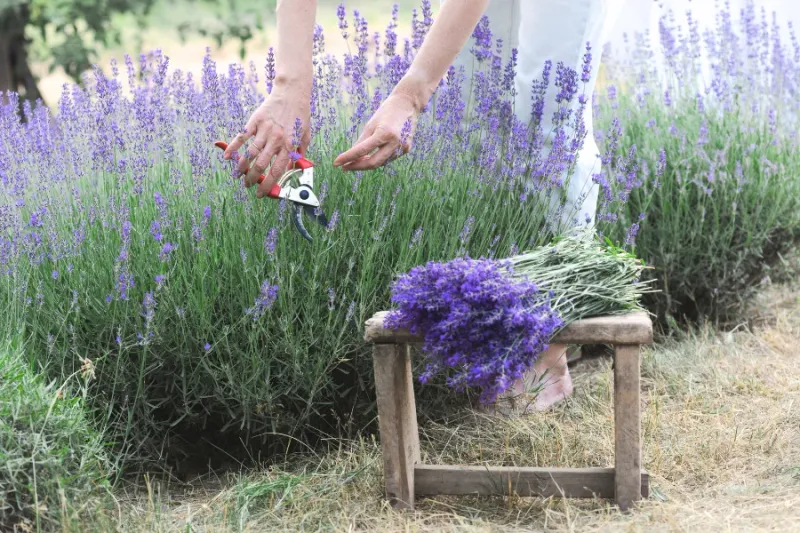
Timing a haircut sounds simple until you see what a late fall prune can do. Cutting lavender hard in October or November can push tender shoots that frost quickly damages.
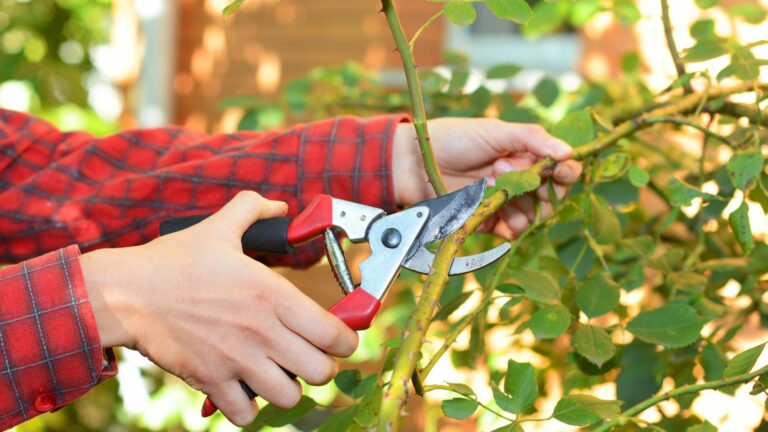
The sweet spot is a light trim right after the main bloom, usually late summer. Snip off spent flower stalks plus an inch or so of leafy growth. The plant then has weeks to firm up before cold arrives.
Keep a good mound of gray-green foliage on the plant going into winter. Those leaves help shield the woody center and shed water off the crown. A tidy, rounded shape also stops snow from splaying the stems open.
Avoid cutting into bare, brown wood. Older lavender stems often fail to resprout from leafless sections, so a deep cut can leave holes that never fill in.
Save any serious shaping for spring, once new green growth appears along the stems. That growth shows you exactly where the plant is alive, so you can trim with confidence. My own rule is easy to remember. Light trim after flowers, hands off in fall, and a careful cleanup when buds start swelling in spring.
Potted Lavender Needs A Sheltered Winter Spot
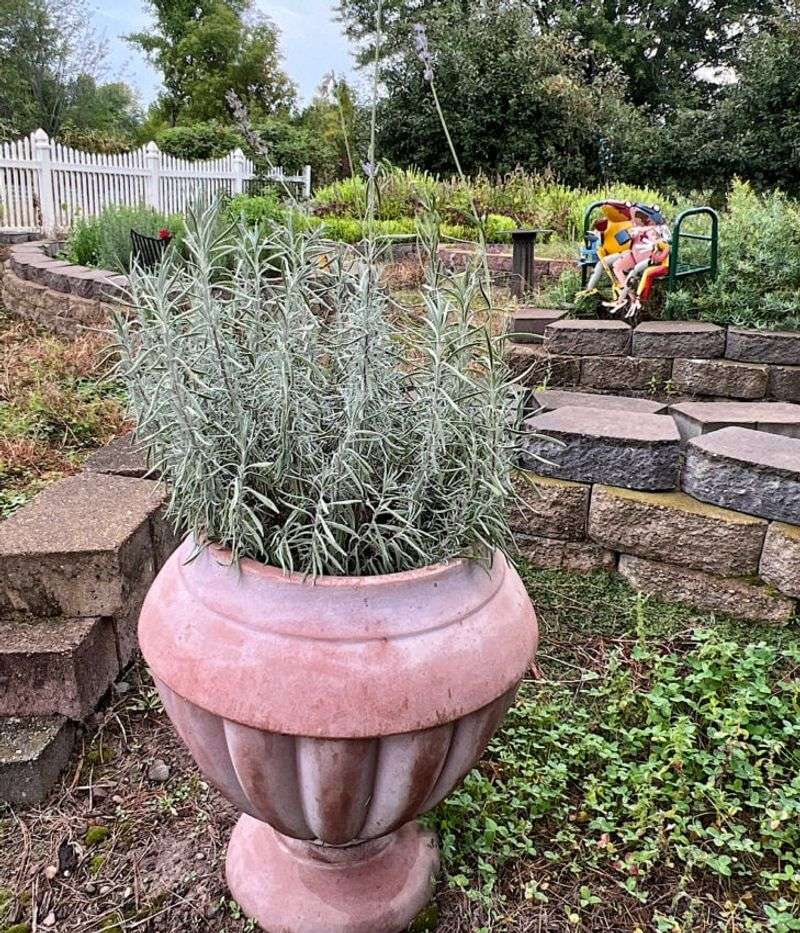
Containers turn lavender into a balancing act. Roots in a pot lack the insulation of garden soil, so they freeze faster, yet the pot can also hold water like a bucket.
Start with drainage. Every pot needs open holes, and saucers should go away for winter. Set pots on feet or bricks so water escapes freely instead of pooling underneath.
Next, move pots out of the open rain. A covered porch, the dry side of a house wall, or an unheated garage with a window all work for hardy types. Grouping pots together and wrapping them in burlap or bubble wrap adds extra root protection.
Tender Spanish and French lavenders usually need to come indoors in zones colder than 8. A bright, cool window suits them best. Warm, dim rooms tend to cause weak, stretched growth.
Not going to lie, hauling heavy pots is a chore. Use a plant dolly or pick lighter resin pots if you know you will move them each fall. Terracotta breathes well and dries out faster, which lavender likes, though it can crack in hard freezes. Glazed frost-resistant pots offer a middle ground.
Winter Wind And Extra Watering Both Stress Lavender Leaves
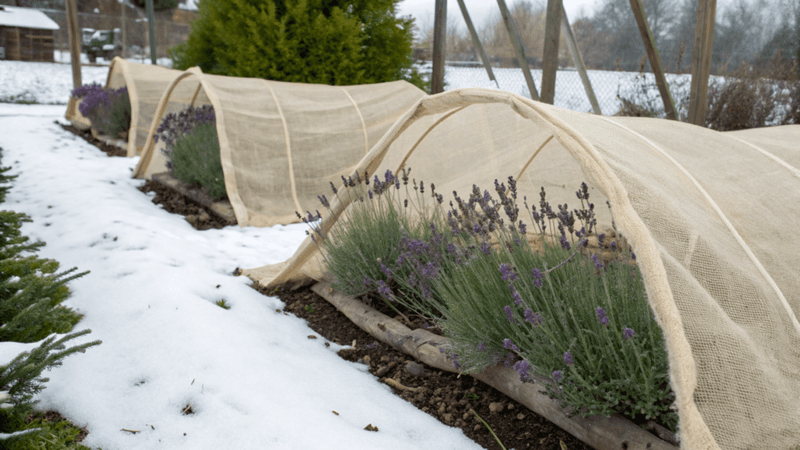
Don’t laugh, but I once thought my lavender was suffering from cold when drying wind was the real issue. The leaves looked crisp and bronze on the windy side only.
Lavender keeps its foliage through winter. Cold, dry wind pulls moisture from those leaves, while frozen roots cannot replace it. The result is winter burn, often seen as browned tips facing the prevailing breeze.
A fence, hedge, or wall on the windward side makes a big difference. For exposed beds, a temporary burlap screen staked a foot away from plants blocks gusts without trapping moisture. Avoid wrapping plastic directly around lavender, since it holds humidity and heat on sunny days.
Watering takes a gentle touch. Established plants in the ground rarely need extra water in winter, as rain and snow usually cover it. In dry, snowless regions like parts of the Mountain West, a deep drink during a mild spell when soil is unfrozen and dry can help.
Potted plants dry out faster, so check an inch down. Water only when that layer feels dry, and let every drop drain away. Less really is more during dormancy.
Skip The Fall Fertilizer And Let Lavender Rest
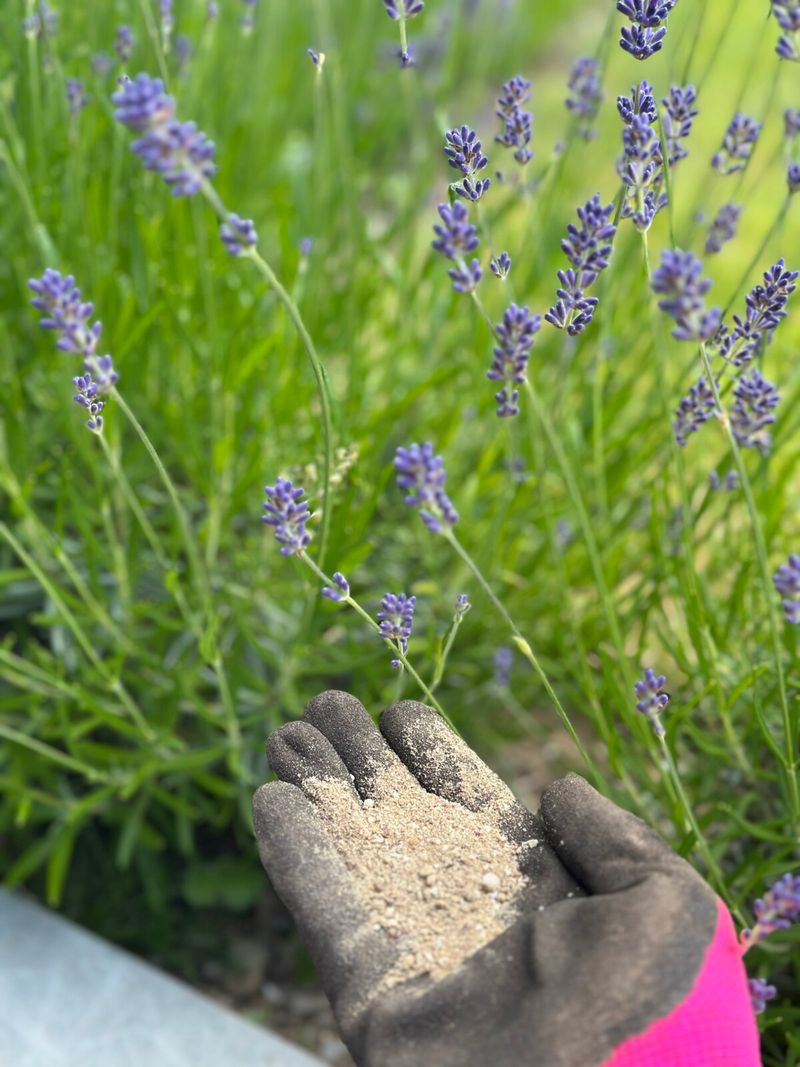
Lavender is one of the easiest plants to love too much. A scoop of fertilizer in fall feels generous, yet it often does more harm than good.
Nitrogen pushes soft, leafy growth. Late in the season, those fresh shoots lack time to harden before freezing nights arrive, so they get damaged first. Rich feeding also makes plants floppy and can reduce the fragrant oils gardeners grow lavender for.
Wild lavender grows in lean, rocky soil, and garden plants do best with a similar diet. Most beds need little to no fertilizer at all. If your soil is very poor, a light dose of balanced fertilizer or a thin layer of compost in spring is plenty.
Soil pH matters more than food for many growers. Lavender likes neutral to slightly alkaline ground, so a soil test from your local extension office can guide whether lime would help.
As winter settles in, your job is mostly to step back. Good drainage, gravel mulch, a hardy variety, and shelter from wind cover the essentials. Check plants after storms, brush off heavy snow, and wait for spring green to show up along the stems.