9 Homemade Gifts You Can Make From Your New York Garden Harvest
Lavender probably got its name from the old Latin word lavare, which means to wash or bathe. Romans tossed the fragrant flowers into bathwater, and that tiny history lesson changed how I see my garden.
My kitchen shelves in late summer look like a tiny general store, packed with jars and dried bundles. A New York garden hands you more harvest than one family can eat, especially once August heat arrives.
I started giving away my extra harvest years ago, and friends treated those simple jars like small treasures. You build real goodwill when a gift carries the smell of your own soil and sunshine.
Store-bought presents rarely spark the same happy grin as something you grew yourself and packed by hand. So which crops from a New York backyard turn into the most charming gifts for friends this year?
1. Sun-Dried Tomatoes Packed In Little Gift Jars
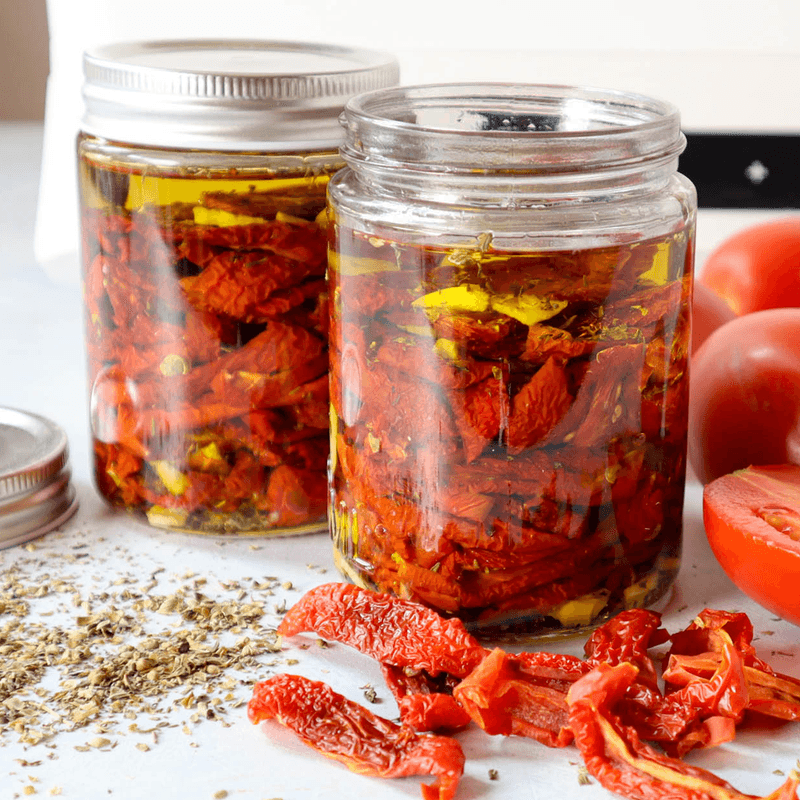
Paste tomatoes shrink to chewy, sweet little jewels once their water disappears, and the flavor gets wildly intense. I still remember my first batch, because I ate half of them straight off the drying tray.
Meaty varieties like Roma or San Marzano work best since their thick walls hold less juice. Pick them fully ripe and deep red, then slice them in half and scoop out the seedy centers.
Humid summers make true sun drying tricky, so most backyard growers rely on a dehydrator or low oven instead. Dry the halves until they feel leathery and bend easily without any sticky wet spots left inside.
Plain dried tomatoes packed in a clean jar make the safest shelf-stable gift you can hand over. Covering them with oil changes the rules, because low-oxygen conditions can let botulism bacteria grow quietly.
University food safety experts say homemade oil mixtures with fresh garlic or herbs belong in the fridge. Use those within four days, or freeze them, and tell your friends exactly how to store them.
I like tying a handwritten tag around each jar with storage notes and a favorite pasta idea. Your friends will appreciate the honest instructions almost as much as the bright, sunny taste of summer.
2. Fresh Basil Pesto Frozen For Friends
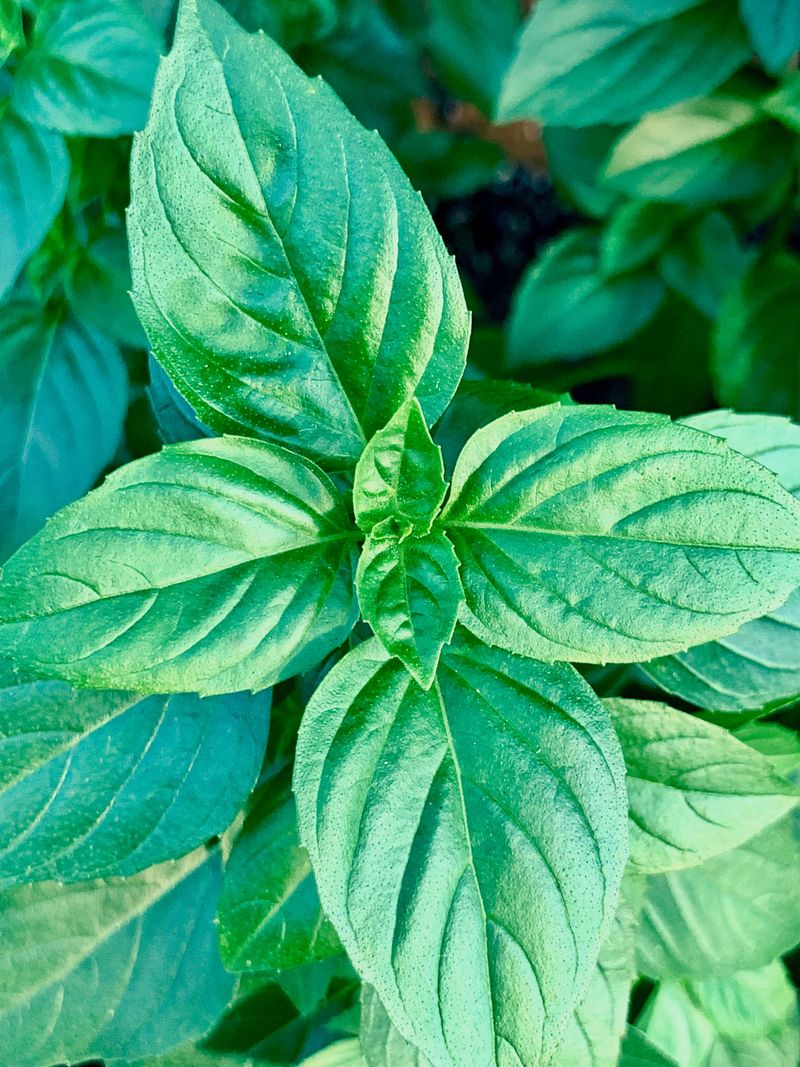
Brushing past a basil plant on a hot New York afternoon fills the whole yard with a peppery, sweet perfume. Homegrown leaves taste noticeably richer than grocery bunches, and friends can tell the difference in one bite.
Basil loves warmth, so wait until frost danger passes before planting it outside in a sunny spot. Upstate New York gardeners usually plant around mid-May, while New York City growers can often start a few weeks earlier.
Pinch off the tops regularly to keep plants bushy and slow down flowering for a longer harvest. I snip stems right above a pair of leaves, and the plant answers with two new branches.
Pesto makes a wonderful gift because it freezes beautifully for months in small jars or ice cube trays. Blend basil with nuts, cheese, garlic, and olive oil, then pack it tightly and freeze right away.
Skip the idea of shelf-stable basil oil made with fresh leaves, since moist herbs in oil carry botulism risk. Frozen pesto avoids that worry and tastes bright and fresh whenever your friend finally opens it.
Purple or lemon basil adds a fun twist if you want your gift to stand out on the table. A little label suggesting pasta, sandwiches, or eggs helps the recipient use every last green spoonful.
3. Crunchy Dill Pickles From Garden Cucumbers
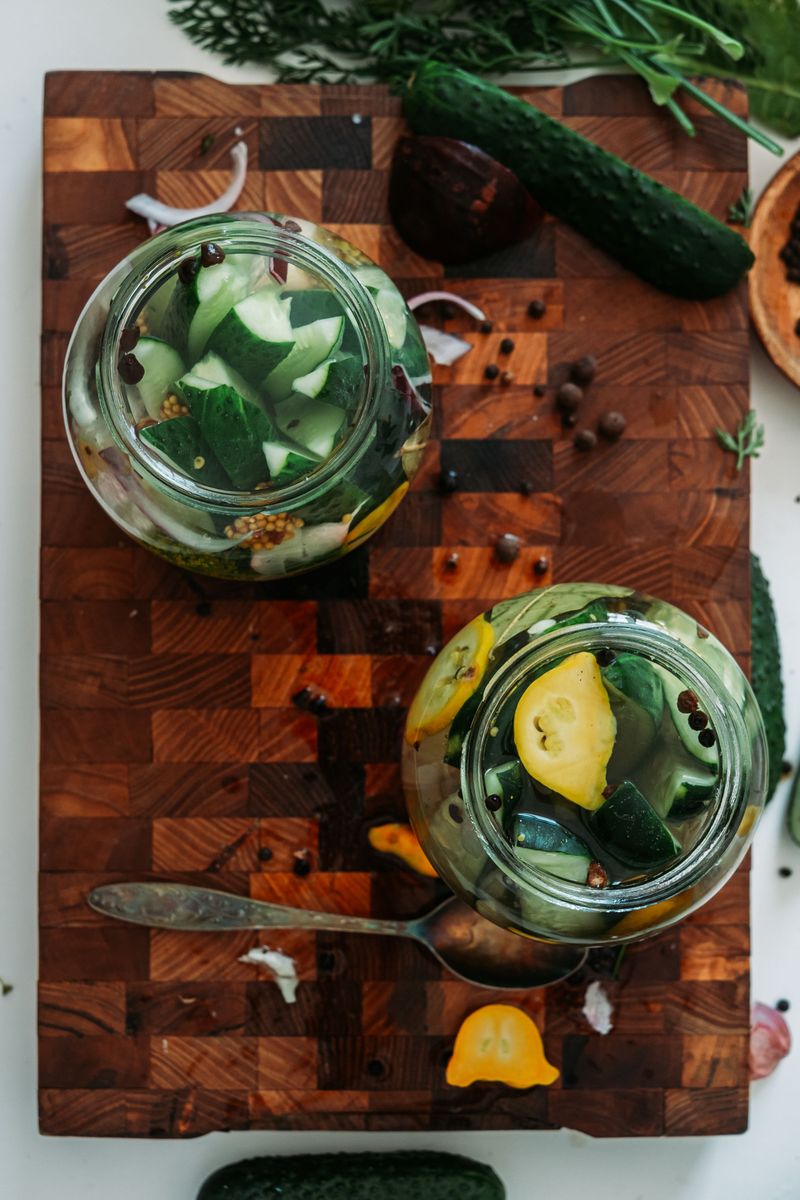
Few sounds beat the loud snap of a homemade pickle, and that crunch starts right out in your garden. Small pickling cucumbers have firmer flesh and thinner skins, so they stay crisp after soaking in brine.
Cucumbers want full sun and rich, well-drained soil, plus steady water during hot spells. I check my vines every single morning in July, because a hidden cucumber can balloon overnight.
Harvest them young and slender, before seeds get big and the centers turn soft or watery. Pickling types often taste best around three to five inches long, which also fits neatly into jars.
Quick refrigerator pickles are the easiest starting point, though they need cold storage and should be eaten within weeks. Shelf-stable pickles require tested recipes with the right vinegar strength and careful water bath processing times.
Cornell Cooperative Extension shares tested canning guidance for New York home cooks, and I trust their recipes completely over random guesses. Changing vinegar amounts or skipping steps can let harmful microbes sneak into an otherwise lovely jar.
Tuck a fresh dill head and a garlic clove into each jar for a picture-perfect look. A plaid ribbon around the lid turns a simple pickle into a gift people actually brag about receiving.
4. Zucchini Bread Mix Layered In A Mason Jar
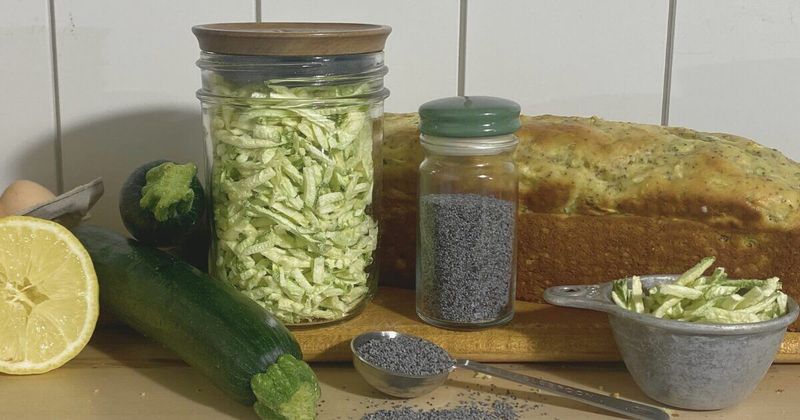
Every gardener has a zucchini story, usually involving a giant squash discovered hiding under leaves the size of umbrellas. One healthy plant can churn out more fruit than most households know how to handle by midsummer.
Zucchini thrives in full sun with rich, well-draining soil once the ground warms to about sixty degrees. Long Island growers often plant in early May, while cooler upstate gardens usually wait until early June.
Pick fruits at six to eight inches for the best flavor and texture, plus more harvests later. Letting one grow huge signals the plant to slow down, which I learned the hard way one summer.
A layered bread mix in a mason jar looks charming and stays handy on a pantry shelf. Fill it with flour, sugar, cinnamon, baking soda, and salt in neat stripes for a cheerful look.
Dried zucchini can join the mix if you slice it thin and dehydrate it until brittle and crisp. Otherwise, attach a tag telling your friend to stir in fresh grated squash, eggs, and oil at baking time.
I like adding a wooden spoon tied to the jar with kitchen twine for a homey finishing touch. Your recipient gets a warm loaf with almost no effort, and you finally clear some squash off the counter.
5. Homemade Raspberry And Blueberry Jam
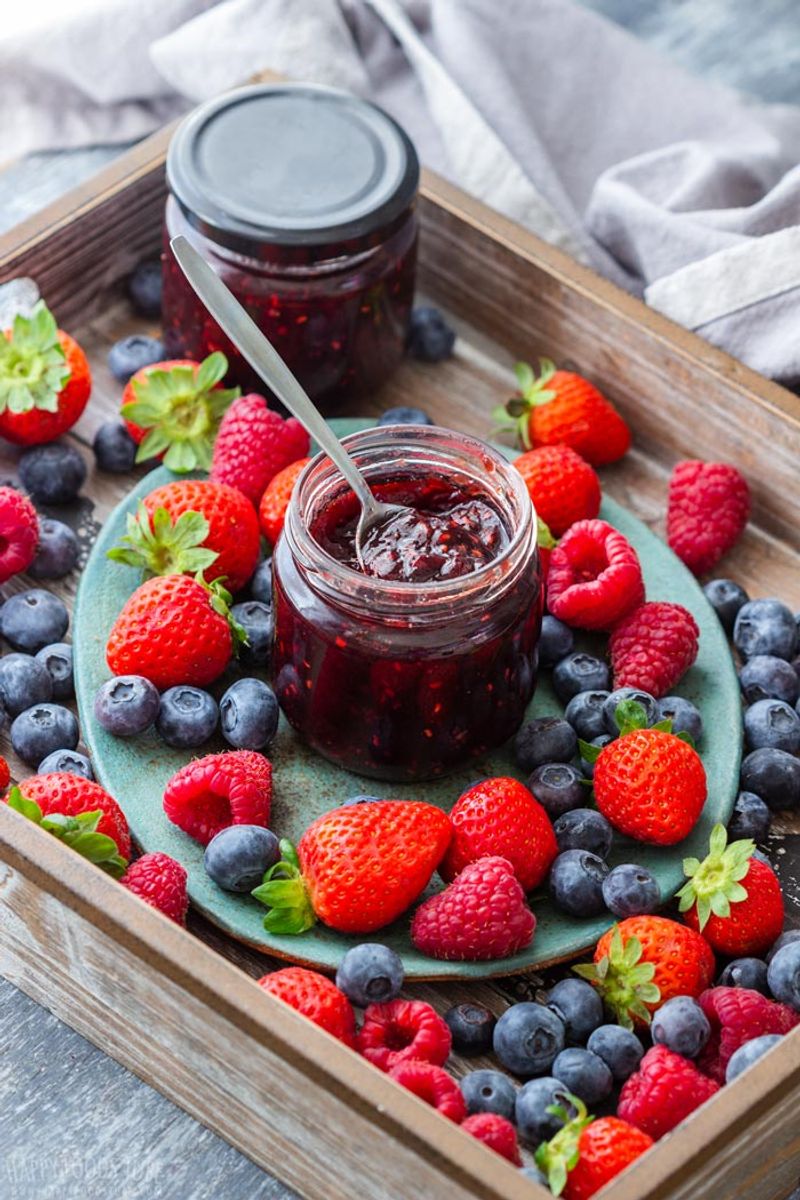
Stained fingertips are a badge of honor during berry season, and I wear mine proudly every July. Spreading homemade jam on toast in February feels like opening a tiny window straight back into summer.
Northern highbush blueberries such as Bluecrop and Patriot handle cold winters well across much of the state. They demand acidic soil around pH 4.5 to 5.5, so a soil test before planting saves plenty of frustration.
Raspberries are more relaxed about soil and reward you with heavy summer or fall crops, depending on the variety. Pick berries fully ripe, when they slip off easily, because sweetness peaks right at that moment.
Jam needs fruit, sugar, and usually pectin, then processing in a boiling water bath following a tested recipe. Berries are naturally high in acid, which makes them friendly for beginners trying water bath canning for the first time.
Fruit leather offers a fun alternative if you would rather skip canning altogether this year. Puree ripe berries, spread them thin, and dry them around 135 to 145 degrees until flexible and no longer sticky.
Kids especially love fruit leather rolled up in parchment and tied with colorful string. Grown-ups usually swoon over a jar of jewel-toned jam topped with a square of gingham fabric.
6. Sweet And Spicy Jalapeno Pepper Jelly
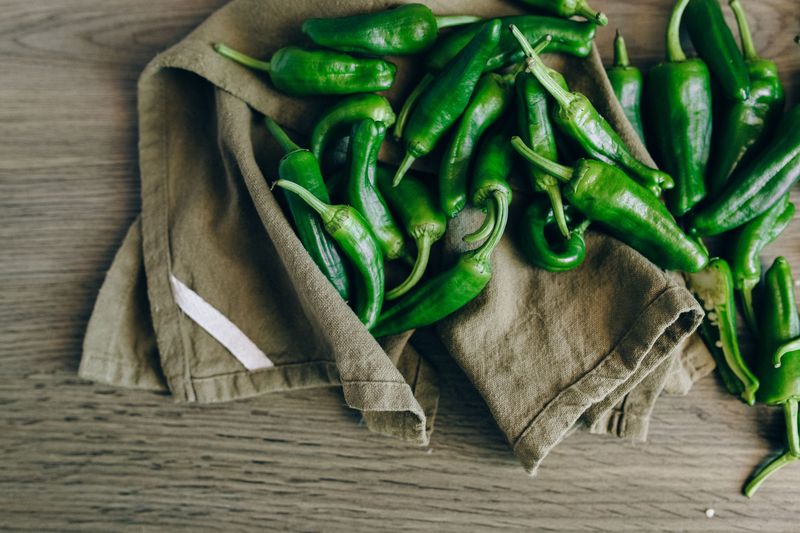
Pepper jelly sounds like a strange idea until you taste it spooned over cream cheese on a cracker. Sweet heat hits your tongue first, then a gentle warmth lingers, and suddenly the whole plate disappears.
Jalapenos love hot weather, full sun, and well-drained soil, so plant them out once nights stay warm. Mine stall during chilly June weeks, then burst with fruit once real summer heat finally settles in.
Harvest peppers when they reach full size and their mature color, whether glossy green or ripened red. Mixing both colors in one batch creates a confetti look inside the jar that people love.
Pepper jelly combines chopped peppers, sugar, vinegar, and pectin, then gets processed using a tested canning recipe. Wear gloves while chopping, because pepper oils cling to skin and sting badly if you rub your eyes.
Hot sauce and pickled peppers make great gifts too, but acidity matters a lot for safe storage. Shelf-stable versions need a pH below 4.6, so follow trusted recipes instead of improvising with ingredient amounts.
I label my jars with a little heat rating so timid eaters know what they are getting into. Pair a jar with a box of crackers, and your gift becomes an instant party snack.
7. Dried Mint Tea Blends In Pretty Tins
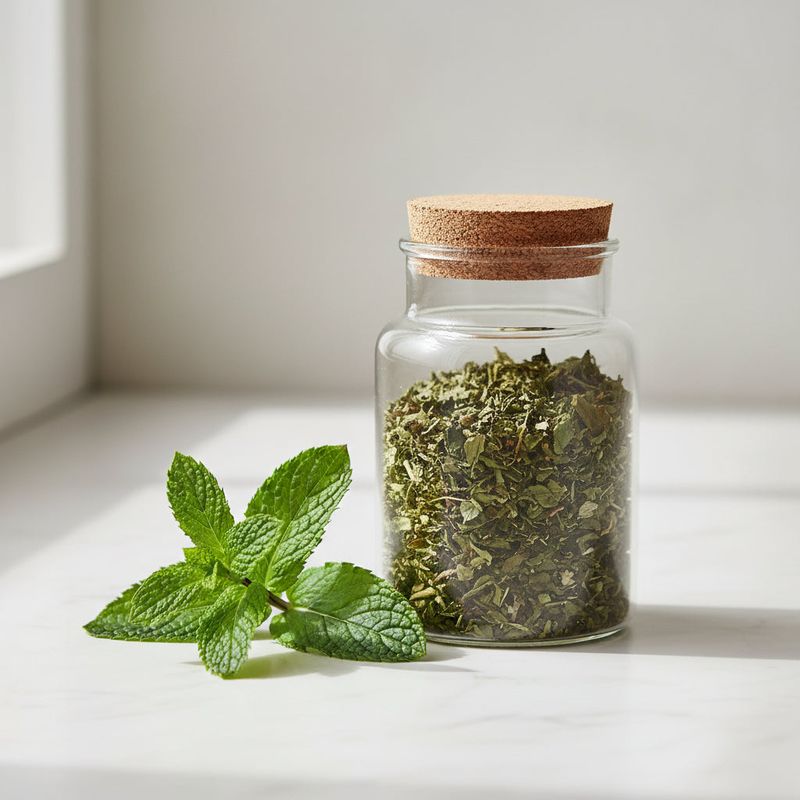
Mint has a sneaky habit of wandering across garden beds through underground runners, popping up far from where you planted it. Growing it in containers keeps the peace with neighboring plants, and I learned that lesson the messy way.
Spearmint tastes sweet and mellow, while peppermint delivers a bold, cooling menthol punch. Both grow easily in moist soil and handle anything from part shade to full sun without much fuss.
Cut stems often, since regular harvesting encourages fresh growth and helps keep the plant tidy. Gather leaves in the morning after dew dries, when their oils smell strongest and the flavor stays bright.
Dry the leaves on screens in a dark, airy room or use a dehydrator on a low setting. Once they crumble easily, store them in airtight tins away from sunlight to protect the color and aroma.
Blending mint with dried lemon balm or chamomile creates a soothing evening tea that friends adore. Mint simple syrup is another fun option, lasting two to three weeks in the fridge or months frozen.
I tuck a few empty tea bags or a small strainer into each gift for convenience. A handwritten brewing tip on the lid makes your little tin feel thoughtful and personal.
8. Lavender Sachets And Lavender Sugar
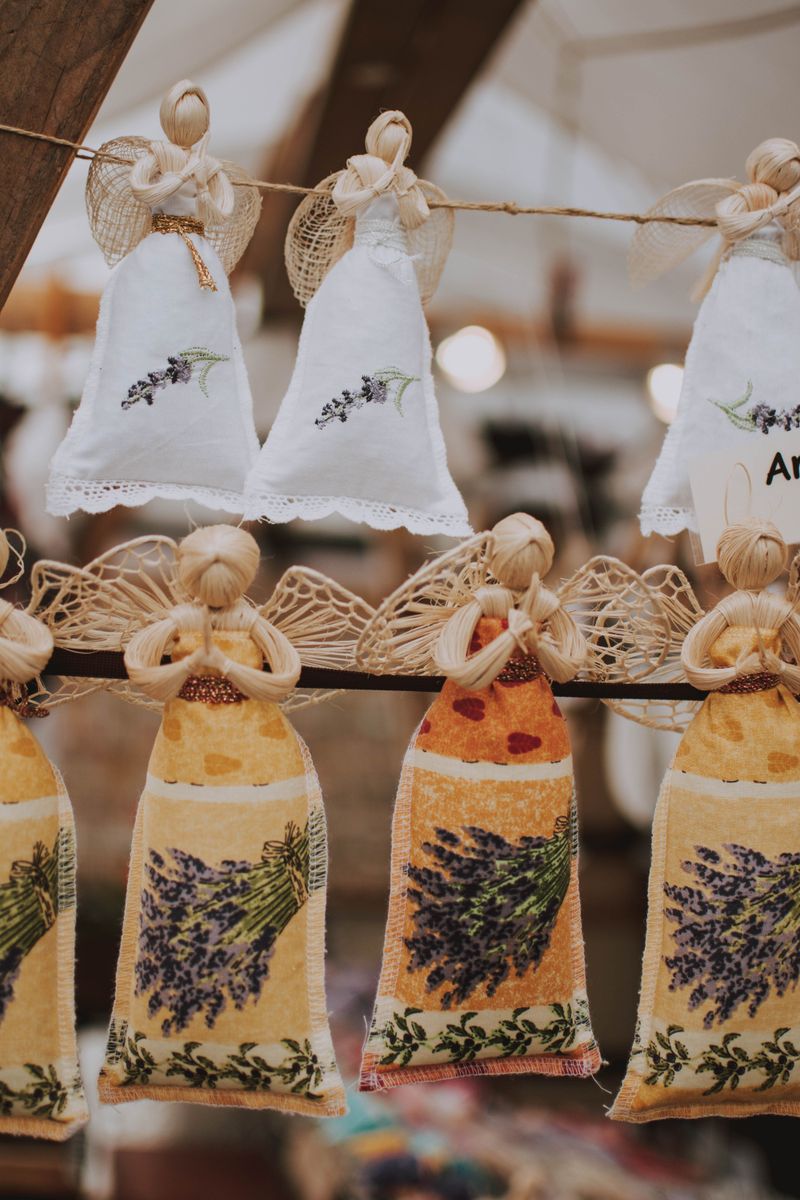
Opening a dresser drawer and catching a whiff of lavender feels like a tiny spa visit in your bedroom. English lavender gives you that scent for months, plus it attracts happy bees all summer long.
Hardy varieties like Munstead and Hidcote handle cold winters across much of New York surprisingly well. Their biggest enemy is soggy soil, so mix in grit or sand where heavy clay holds too much water.
Plant lavender where it gets at least six to eight hours of sunshine each day. Harvest on a dry morning as the first flowers start opening, cutting stems just above the leafy growth.
Hang small bundles upside down in a dark, airy spot until the buds rub off easily. Pour those dried buds into little cotton or linen bags, and you instantly have sweet-smelling sachets for drawers.
Lavender sugar makes a lovely kitchen gift for anyone who enjoys baking cookies or sweetening lemonade. Grind dried culinary lavender with a little sugar, mix it into more sugar, then let it sit sealed about a week.
Only use lavender you grew without pesticides for anything edible, and go easy on the amount. A little goes a long way, and too much can make treats taste soapy instead of delightful.
9. Softneck Garlic Braids For Hanging
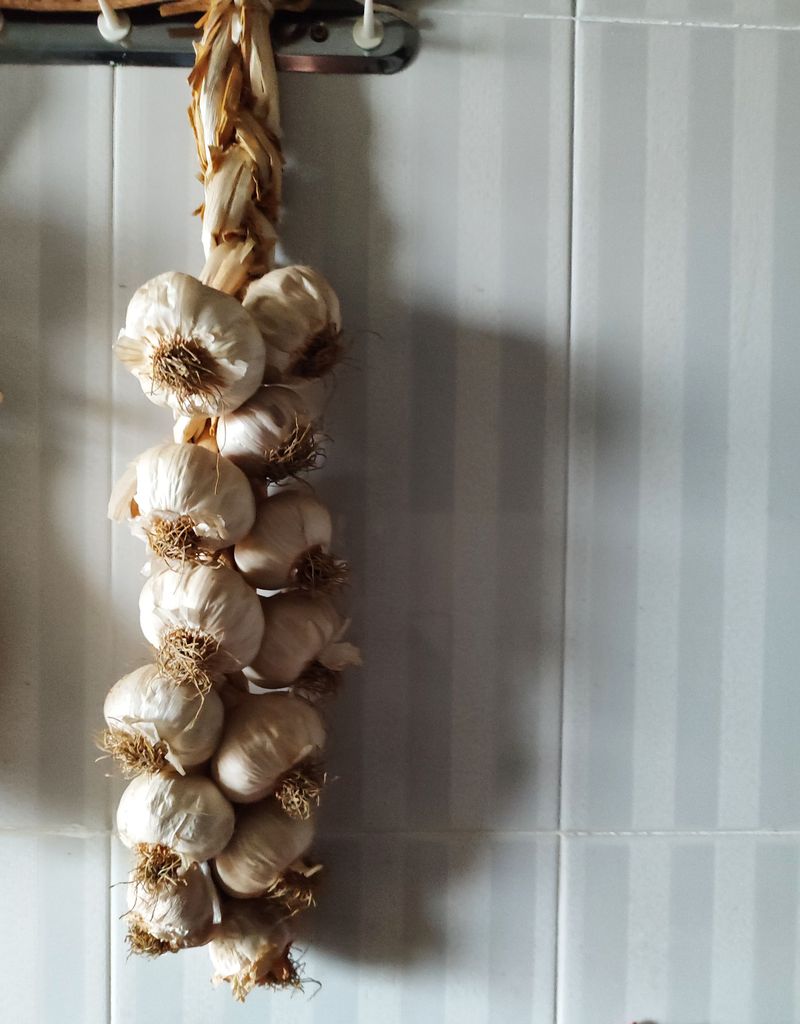
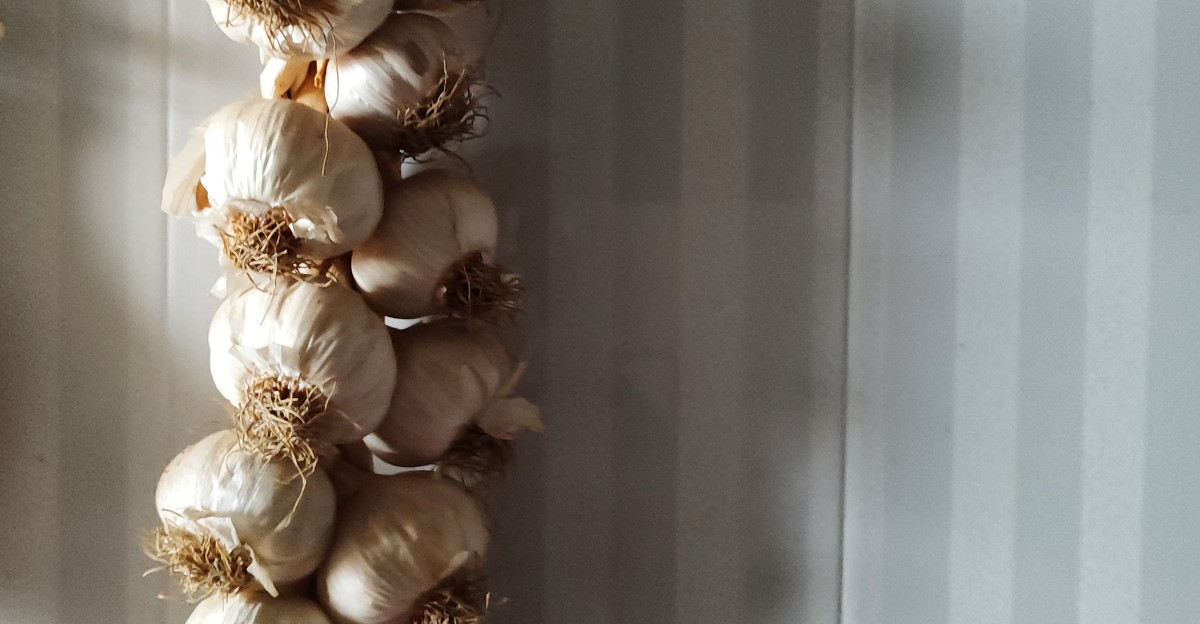
A garlic braid hanging in the kitchen looks like something straight out of an old farmhouse storybook. It works as decoration and practical storage at once, which makes it my favorite gift to hand over.
Softneck garlic is the variety you want, because its stems stay bendy after drying. Hardneck types grow well in cold climates too, but their stiff central stalks snap when you try braiding them.
Cure freshly dug bulbs somewhere shady and airy for two to four weeks, depending on humidity. Afterward, trim the roots and brush off loose dirty layers while leaving the papery protective skins in place.
Start with three large bulbs tied together, then braid the stems like hair, adding a new bulb each time. Braid snugly so everything holds as the stems shrink, and finish with twine tied into a hanging loop.
Encourage your friends to hang the braid somewhere cool, dry, and well ventilated for the longest storage. Kept that way, bulbs can last around six months, though a warm kitchen may cause earlier sprouting.
Avoid gifting homemade garlic oil unless your friend plans to refrigerate it and use it within four days. Raw garlic in oil carries botulism risk, so the braid stays the safer and prettier choice.