The Gray Patches On Trees Pennsylvania Homeowners Should Scrape Now
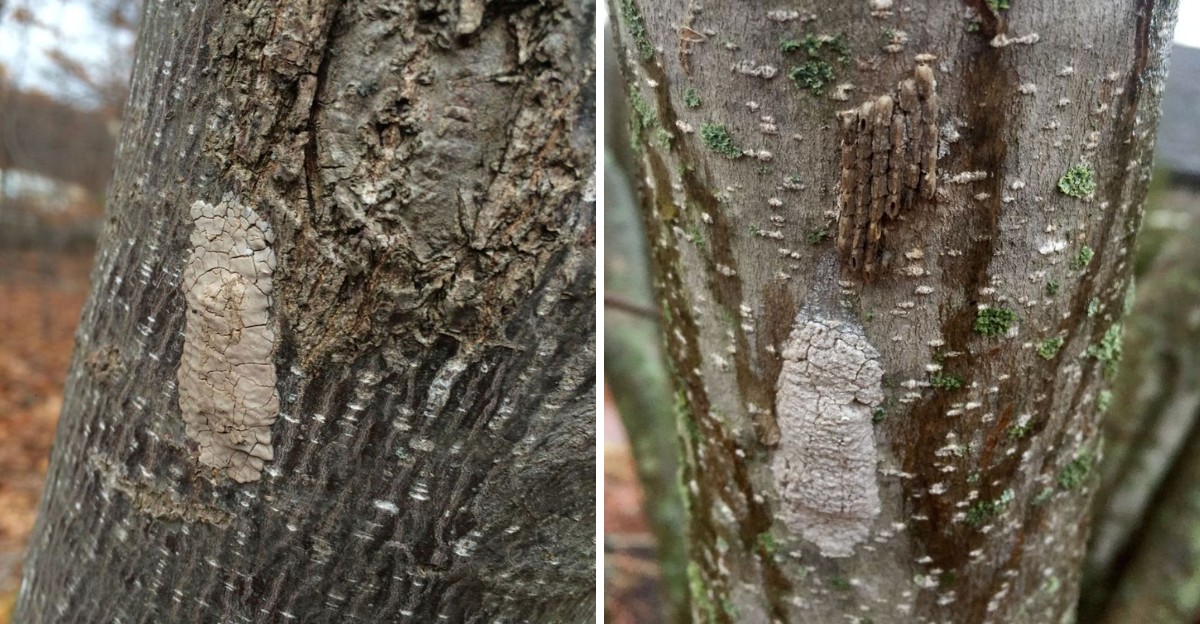
A smear of dried mud on a maple trunk can hold up to 50 baby bugs waiting for spring. I used to walk right past those flat gray blotches, until a friend pointed one out on my own backyard tree.
Nobody warned me how sneaky they look. They blend in with bark, stone, and old paint like tiny camouflage patches.
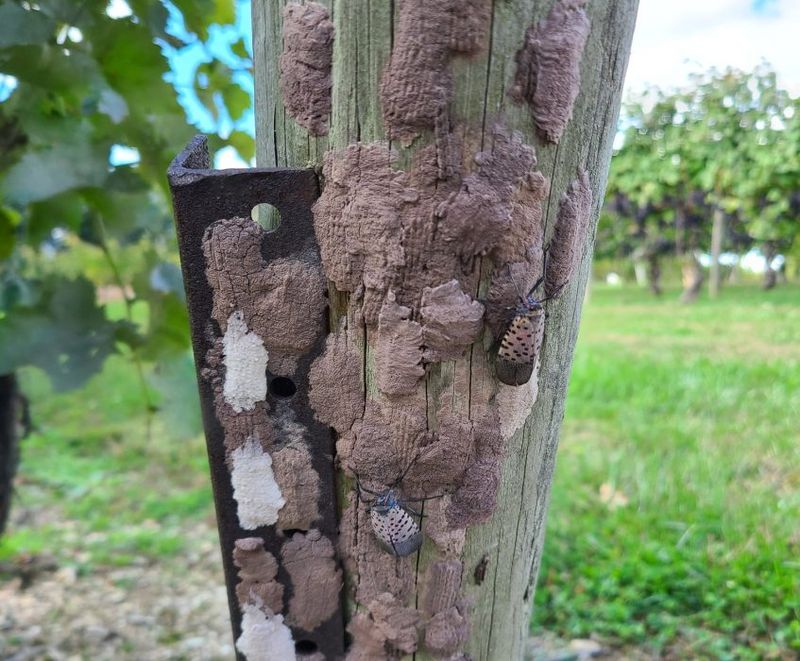
Believe it or not, they show up on picnic tables, sheds, car bumpers, and even rusty wheelbarrows. Each one starts out glossy white, then turns dull gray within hours.
If you live in Pennsylvania, chances are good one is hiding somewhere in your yard right now. Late fall and winter make them easier to spot, since the leaves are gone and the bark is bare. So, how many have you already walked past this week?
That Muddy Gray Smudge On Your Tree Bark Is Hiding Something Alive
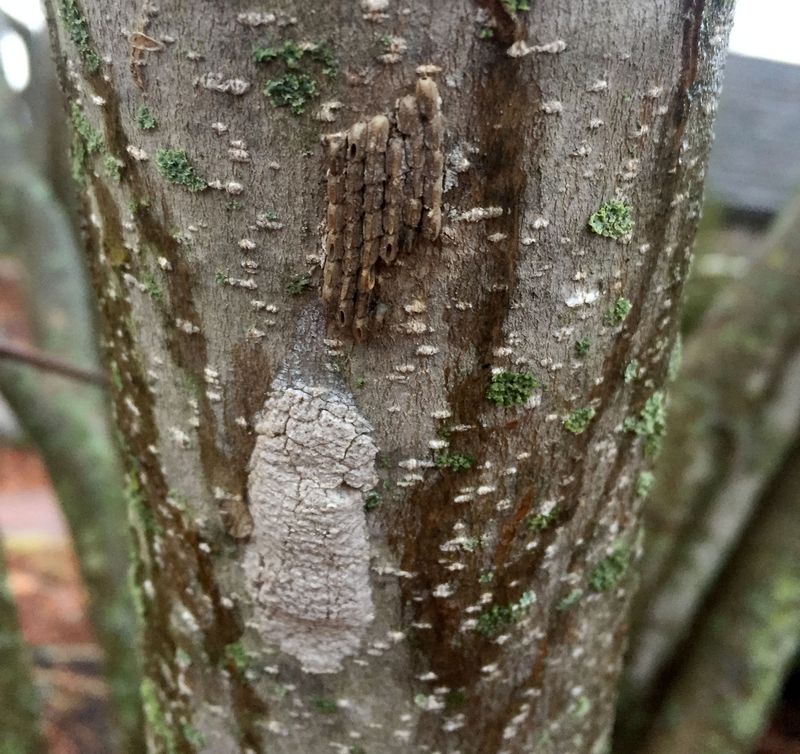
Those crusty gray patches are spotted lanternfly egg masses, and each one is a tiny nursery for next summer’s pests. A single patch usually holds 30 to 50 eggs tucked under a protective coating.
Spotted lanternflies are an invasive planthopper from Asia. They were first found in Berks County in 2014 and have since spread across much of the state and beyond.
The insects live for just one year. Adults lay eggs from late summer into early winter, with October as the busiest month. Once a hard frost arrives, the adults are gone, but the eggs sit tight through the cold.
Around late April or early May, those eggs hatch into small black nymphs with white spots. By midsummer, they grow into the colorful adults you probably saw crawling on your deck or car.
Here is the part I find most useful. The egg mass is the only stage of this bug’s life that stays still. Adults hop and fly, and nymphs scatter fast, but eggs cannot run away.
That makes winter the perfect window for you to get ahead of the problem. Every patch you remove now means dozens fewer hungry bugs in your garden next year.
A Plastic Card And Rubbing Alcohol Make Scraping Egg Masses Easy
Grab an old gift card and you already own the best tool for this job. Penn State Extension suggests a plastic card, putty knife, or even a butter knife to pop egg masses off surfaces.
Before you start, fill a zip-top bag or small jar with rubbing alcohol or hand sanitizer. Hold the bag right under the patch while you scrape, so the eggs fall straight into the liquid.
Press firmly and push downward in one smooth motion. The eggs are packed in tight rows, so take your time and get every bit.
Keep the eggs soaking in that liquid. Eggs that land on the ground can still hatch in spring, which undoes all your hard work.
Once the bag is sealed and sitting for a while, you can toss it in the trash. I like keeping a bag in my coat pocket during winter walks around the yard.
Another option works when you lack supplies. Simply smash the egg mass right where it sits, using firm pressure until the eggs burst open. You should hear a little crunch or see a bit of liquid, which tells you the job is done.
Fresh Lanternfly Eggs Look Different From Old Hatched Ones
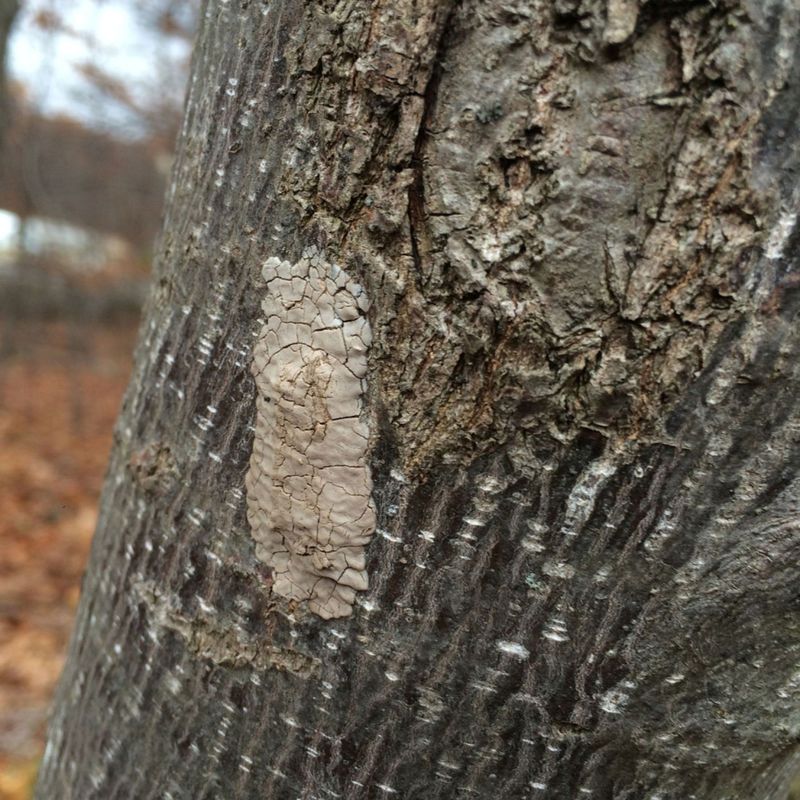
Spotting the difference between fresh eggs and empty shells will save you a lot of wasted effort. Not every gray patch still holds living eggs.
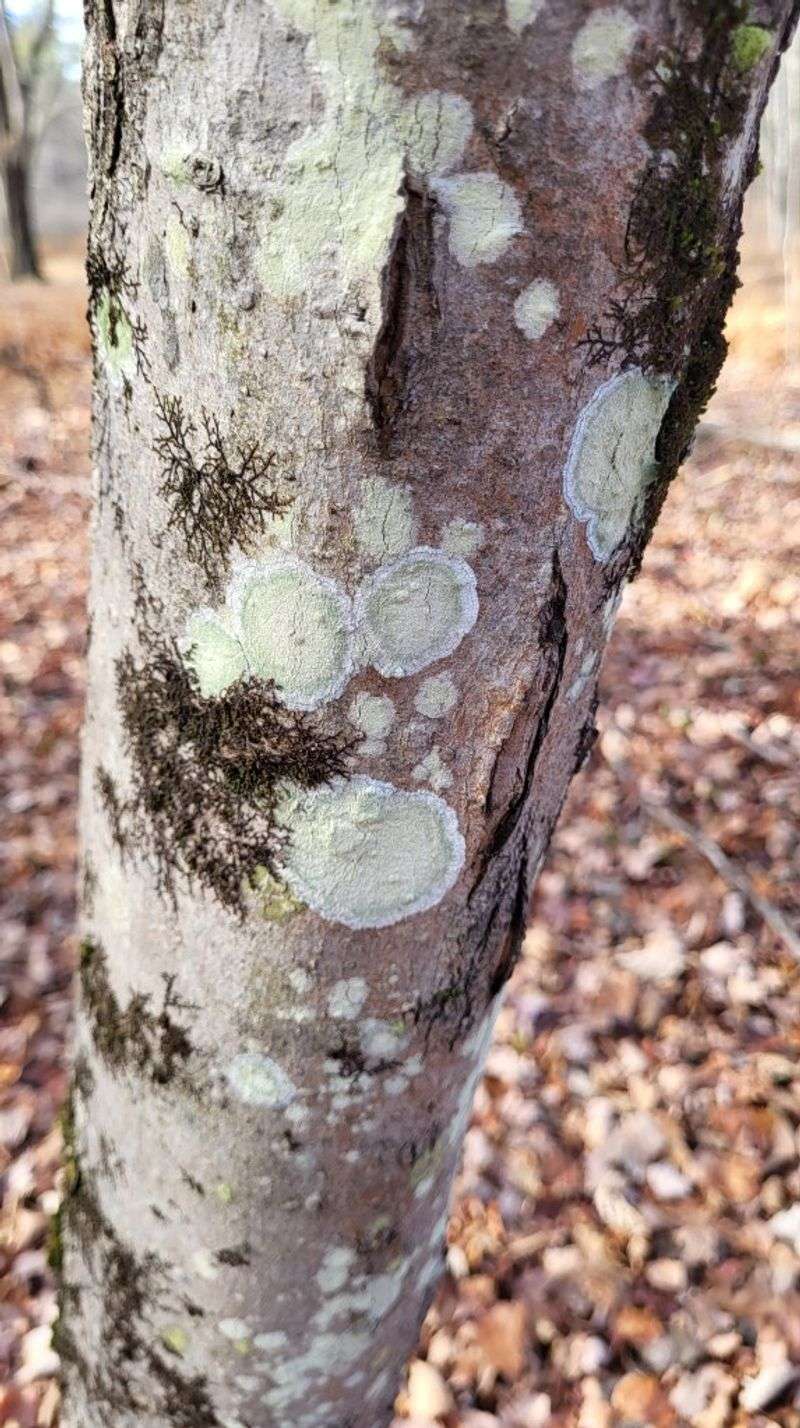
A newly laid mass starts out white and glossy, kind of like wet putty. Within a few hours, it dries to a dull gray or brown that looks like dried mud, cement, or a patch of lichen. Most masses measure about one to one and a half inches long.
Over time, wind and rain wear away that putty coating. Underneath, you will see neat rows of small, seed-like eggs lined up side by side.
Old masses from last season look a little different. Each egg has a tiny oval opening at the top, sometimes called a hatch door, where a nymph already crawled out.
If you see those little holes, the eggs are empty and harmless. You can leave them or scrape them off just to tidy up.
Unhatched eggs in winter are the ones that matter most. Look for a smooth, intact coating or solid rows of eggs without openings. Those are the patches worth your time before spring warms things up.
Check Under Branches, Rocks, And Patio Furniture Too

Tree trunks get all the attention, but these egg layers are not picky. I once found three patches clustered on the bottom of a wooden bench I hardly ever sit on.
Female lanternflies like protected spots that face downward or sit at an angle. The undersides of branches are a favorite, along with crevices in rough bark.
They also lay eggs on all kinds of things that are not alive. Rocks, fence posts, sheds, grills, trailers, firewood, and outdoor furniture are all fair game.
Walk your property slowly and bend down often. Many masses sit low, within easy reach, but some hide higher up where you need sharp eyes. Here are a few spots worth checking:
Tree of heaven and maple trunks, stacked firewood, the backs of signs, lawn equipment, stone walls, and the wheel wells of vehicles parked outside.
Masses are often grouped together, so finding one usually means more are nearby. Take an extra look around the same area before moving on.
A flashlight helps on cloudy winter days. The light makes the slightly raised edges of each patch stand out against the surface.
Sticky Honeydew And Black Sooty Mold Follow Hungry Lanternflies
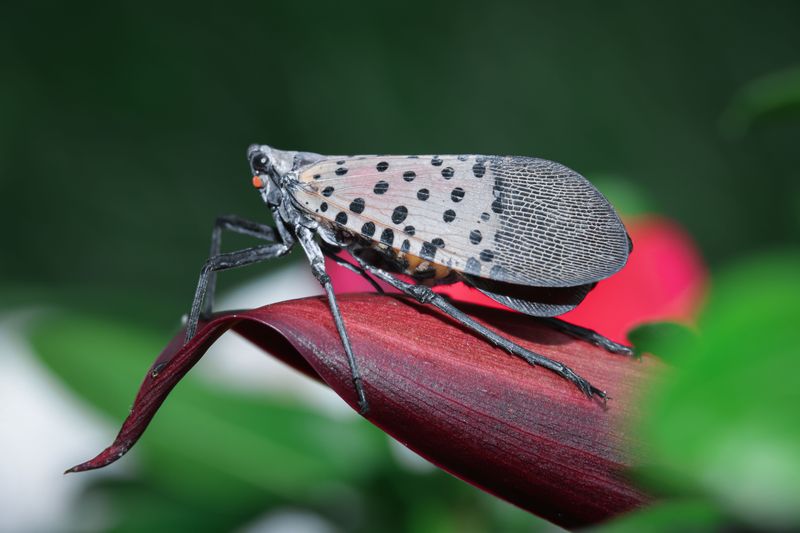
Ever parked under a tree and come back to a car covered in sticky goo? Spotted lanternflies could be part of the reason.
These bugs feed by sucking sap from plants. All that sap passes through them and comes out as a sugary liquid called honeydew.
Honeydew drips onto leaves, decks, cars, and anything else below. It draws in bees, wasps, and ants, which can make outdoor time a little less relaxing.
After a while, a black fungus called sooty mold grows on the sticky film. It does not infect plants directly, but it coats leaves and blocks sunlight, which slows the plant’s ability to make food.
Heavy feeding can stress plants and cause wilting or curled leaves. Grapevines get hit hard, and this pest is a serious worry for vineyards, orchards, nurseries, and the timber industry.
Some reassuring research comes from Penn State. Studies suggest most established hardwood trees in Pennsylvania handle lanternfly feeding better than many people feared.
Still, nobody wants a gooey patio or moldy plants. Fewer egg masses this winter means less mess next August.
Leave The High Egg Masses On Tall Trees To A Pro
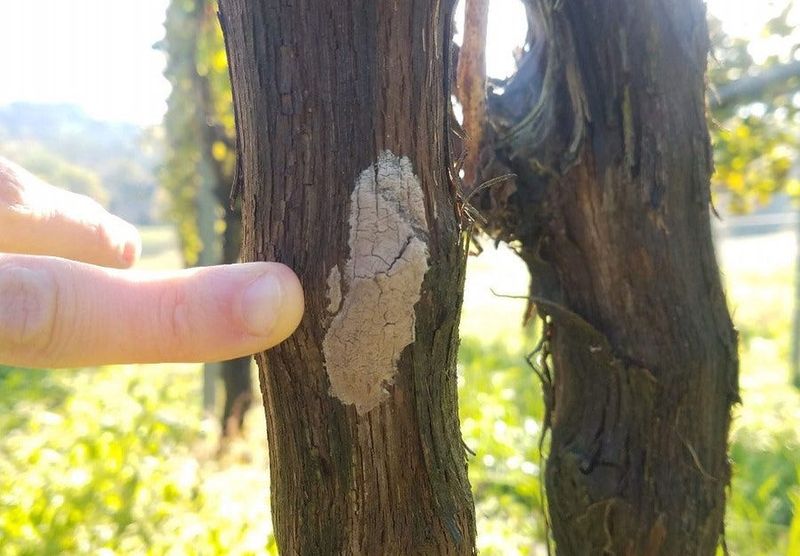
Safety comes first, even when you spot a cluster of eggs taunting you from fifteen feet up. Experts advise homeowners not to climb trees or stand on ladders to reach them.
Winter bark can be slick with frost or moisture. One slip is not worth a few dozen bug eggs.
Focus on the masses you can reach comfortably from the ground. Removing the easy ones still makes a real difference in your yard.
For patches high in the canopy, a certified arborist or tree care company can help. They have the right gear and training to work safely at height.
Some professionals use horticultural oils on egg masses in late winter or early spring. These oils coat the eggs and can reduce how many hatch.
Results vary, and timing matters, so a pro can judge whether spraying makes sense for your trees. Ask about products labeled for spotted lanternfly and follow local guidance.
Personally, I keep a mental list of trees with unreachable masses. Come spring, I watch those trunks closely for nymphs. That way I know where to place traps and focus my effort once hatching begins.
Your Car And Firewood Can Carry Lanternfly Eggs Across County Lines
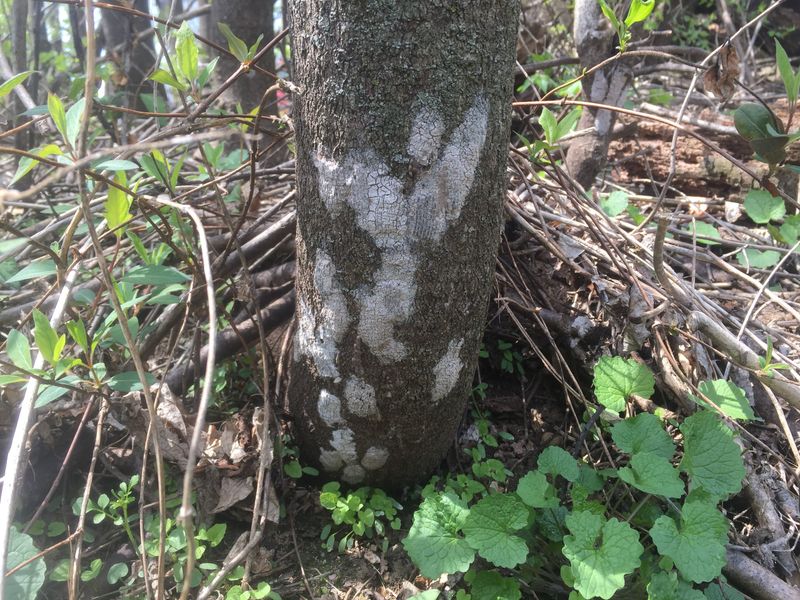
Lanternflies are terrible long-distance fliers, yet they keep popping up in new places. The secret is hitchhiking, and people often give them the ride.
Egg masses stick to cars, trailers, campers, firewood, and outdoor gear. When you drive away, those eggs travel with you and hatch somewhere new in spring.
Pennsylvania has a spotted lanternfly quarantine covering many counties. Businesses moving goods in and out of these zones need a permit, and residents are asked to inspect items before traveling.
Before any trip, take a quick walk around your vehicle. Check bumpers, wheel wells, roof racks, and trailer hitches for gray smudges.
Firewood deserves extra care. Buy it close to where you plan to burn it, and avoid hauling logs from home to a campsite.
Moving to a new house or hosting a yard sale? Look over outdoor furniture, potted plants, and garden tools before they leave your property.
A two-minute inspection can keep this pest from reaching a friend’s vineyard or a brand new county. I think of it as being a good neighbor on a much bigger scale.
Report Lanternfly Egg Masses And Remove Tree Of Heaven For Lasting Results
Scraping eggs is a great start, but a few extra steps make your effort go further. Think of this as your winter game plan.
Found egg masses in an area that seems new for lanternflies? Snap a photo, destroy the eggs, and report the sighting to Penn State Extension or the Pennsylvania Department of Agriculture. Reports help officials track where the pest is spreading.
Next, look for tree of heaven on your property. This fast-growing invasive tree is a favorite food for lanternflies, and it often pops up along fences and roadsides.
You can spot it by its long compound leaves and a strong, unpleasant smell when the leaves or stems are crushed. Removal can be tricky because it sprouts back from roots, so check extension guidance or hire a pro.
In spring, consider circle traps on tree trunks to catch climbing nymphs. Skip sticky bands without guards, since they can trap birds and other wildlife.
My favorite takeaway is simple. Every egg mass you scrape this winter is a small win for your garden, your neighbors, and local farms. Grab a card, a bag, and get out there this weekend.