7 Soil Amendments Arizona Gardeners Should Add This Winter for a Better Spring
Most desert yards hold less than one percent organic matter, which is shockingly low for growing anything leafy. Healthy garden soil elsewhere often carries three to five percent, so our dirt starts the race far behind.
Arizona soil also leans alkaline, and that high pH quietly locks away iron your plants badly want. Add a crusty caliche layer underground, and roots can struggle to find water or room to stretch out.
I have to admit my first tomato bed looked like baked pottery by the middle of May. You might notice the same thing, especially when water beads up and rolls away instead of soaking in.
Cooler fall weather in Arizona gives us a rare window to fix the ground before spring planting arrives in earnest. So which seven humble bags and seeds can turn that stubborn crust into soft, sweet-smelling earth this year?
1. Dark Crumbly Compost For Hungry Desert Beds
Grab a handful of finished compost and you will smell rain on a forest floor instead of dusty driveway. Personally, I think that earthy scent is the best sign your beds are about to wake up.
University of Arizona extension experts point out that our native soils carry very little organic matter compared with wetter regions. Compost fixes that gap faster than almost anything else you can buy, haul, or make yourself.
In heavy clay, those crumbly bits open tiny air pockets so water and roots can finally move downward. In sandy ground, the same material acts like a sponge and holds moisture longer between your watering days.
Compost also feeds a busy crowd of bacteria and fungi that slowly release nutrients as the weather cools. Those microbes keep working through mild desert winters, which gives your spring seedlings a stocked pantry waiting below.
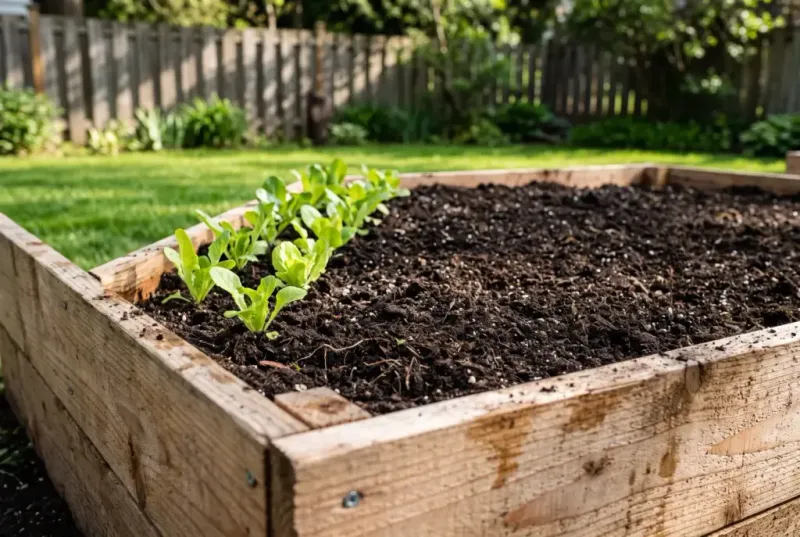
For new beds, work two to three inches of finished compost into the top six to eight inches. Established beds simply need an inch or two spread on top this fall, then a slow soaking with the hose.
2. Shredded Bark And Leaf Mulch Around Desert Plants
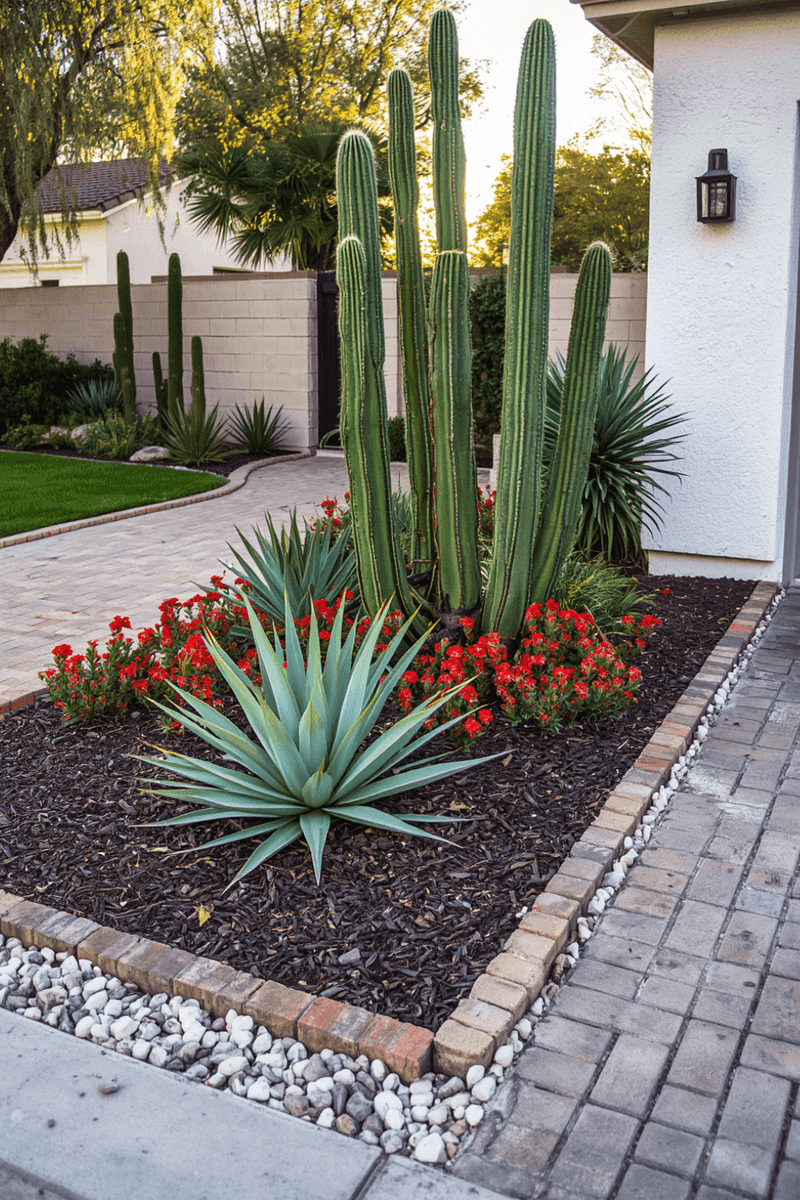
Bare desert dirt can lose moisture remarkably fast, even on a breezy sixty-degree afternoon in late October. A cozy layer of organic mulch slows that escape and keeps the soil surface from crusting over.
I love how mulch quietly earns its keep without asking for anything except a refill now and then. Shredded bark, wood chips, and fallen leaves from your own trees all work well over open beds.
Mulch also buffers soil temperature, so roots feel fewer swings during those rare frosty mornings in the low desert. Higher-elevation gardeners in places like Prescott get even more benefit when real cold settles in after Thanksgiving.
As the bottom layer breaks down, it adds fresh organic matter right where earthworms and fungi love to feed. Lizards and ground beetles often hide underneath, too, and those helpers happily snack on garden pests for you.
Spread two to three inches across the bed, but keep it a few inches away from stems and trunks. Piling it against bark holds moisture there and can invite rot, which is a headache nobody needs next spring.
3. Elemental Sulfur For Yellowing Leaves In Alkaline Soil
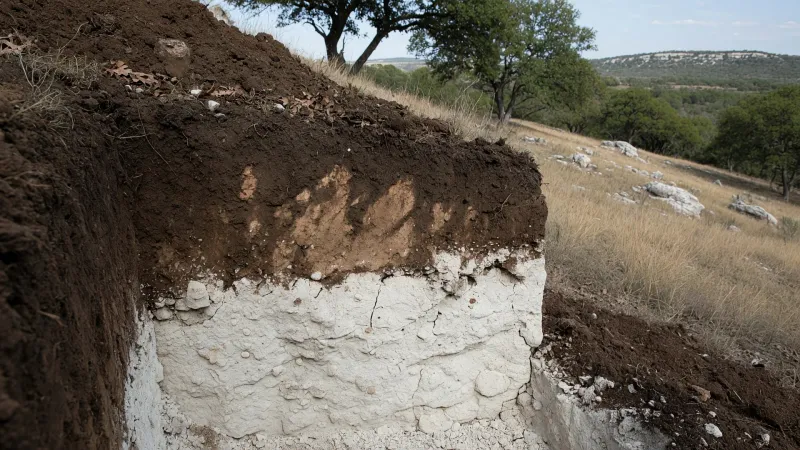
Yellow leaves with bright green veins often mean iron is present but stuck, not missing from your soil. Desert ground commonly runs between pH 7.5 and 8.5, and that alkaline chemistry holds iron tightly.
Elemental sulfur works slowly because soil bacteria must convert it into a mild acid before anything changes. Cool fall months give those microbes plenty of time, so applying now makes sense before spring growth kicks off.
I have to be honest, though, because extension specialists note an important limitation with many desert soils. Ground loaded with natural lime can neutralize sulfur quickly, so dramatic, permanent pH drops are rarely realistic across a whole yard.
Sulfur shines brightest in small zones, like a vegetable bed, a container mix, or the drip line of a struggling plant. Working it in alongside compost seems to help, since the organic matter supports the bacteria doing the conversion.
Get a soil test first, then follow label rates carefully, because too much sulfur can harm roots and soil life. Water it in well afterward, and give the bed several weeks before setting out tender transplants.
4. Black Porous Biochar Mixed Into Garden Soil
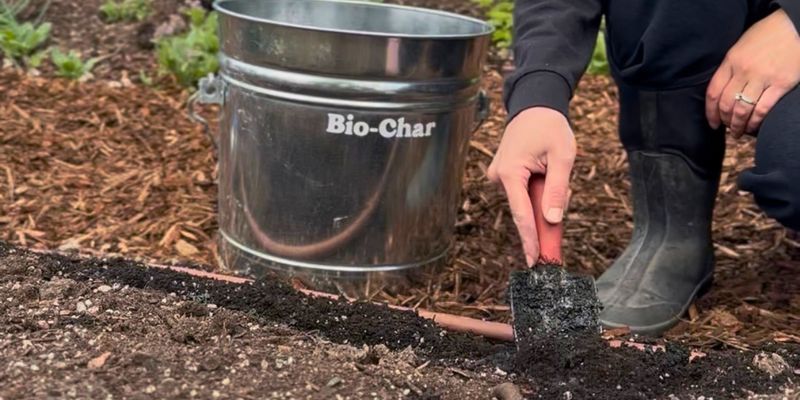
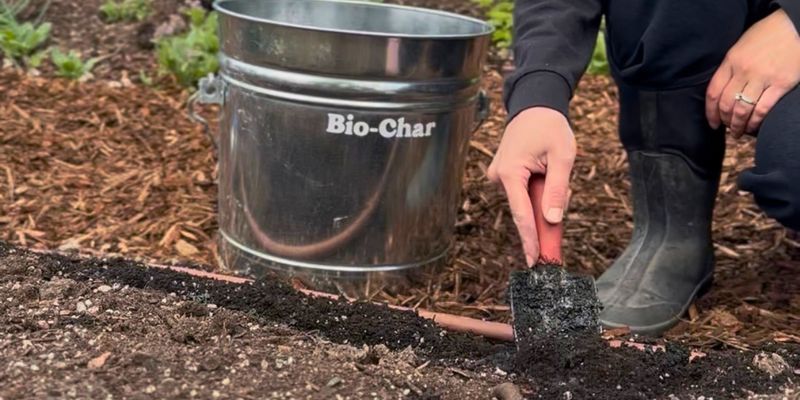
Ancient farmers in the Amazon basin built rich dark soils called terra preta, partly by burying charred plant material. Modern biochar borrows that clever idea, and I find it thrilling that such old wisdom fits our dry yards.
Biochar forms when wood or crop waste is heated with very little oxygen, leaving a lightweight, honeycombed carbon. Those countless tiny pores hold water and nutrients that might otherwise wash straight past thirsty roots in sandy beds.
The same pores also give beneficial microbes safe little apartments to settle into and multiply over the cooler months. Researchers continue studying long-term results, so expect gradual improvements rather than overnight miracles in your vegetable patch.
One caution matters for alkaline desert ground, because many biochars carry a high pH of their own. Raw biochar can also grab nutrients at first, which may leave young seedlings looking pale for a while.
Charging it solves most of that, so soak biochar in compost tea or blend it into finished compost first. Aim for roughly five to ten percent of your bed mix, then let it mellow over winter.
5. Rich Worm Castings Top Dressed On Vegetable Beds
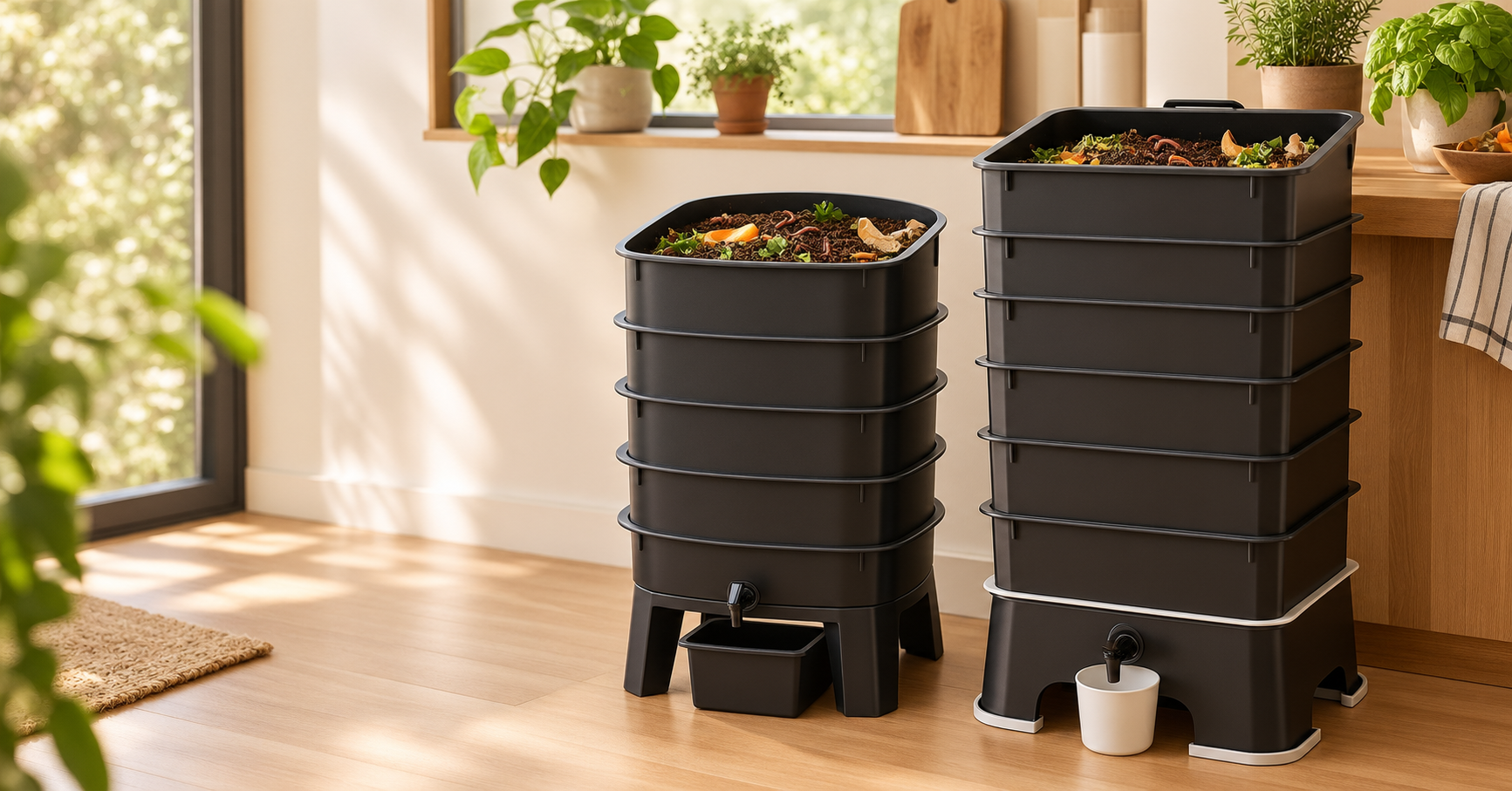
Red wiggler worms turn kitchen scraps into dark, fluffy castings that smell faintly sweet rather than sour. I can’t imagine a more charming way to recycle banana peels and coffee grounds through the long desert winter.
Castings carry nutrients in a gentle, plant-friendly form, so they rarely burn tender roots the way strong fertilizers can. They also deliver a lively dose of beneficial microbes that keep cycling food long after you spread them.
You might notice castings improve crumbly structure, letting water soak into tight soil rather than puddling on the surface. That steady moisture matters a lot for cool-season lettuce, peas, and carrots planted across low-desert gardens this fall.
Some studies suggest castings may help plants shrug off sap-sucking insects like aphids, though results vary between gardens. I treat that as a pleasant bonus rather than a guaranteed pest plan for your citrus or roses.
Sprinkle about half an inch around plants or mix a few handfuls into each planting hole this month. Keep a small worm bin in a shady spot outdoors, since winter temperatures here suit red wigglers nicely.
6. Clover And Vetch Cover Crops In Winter Garden Beds
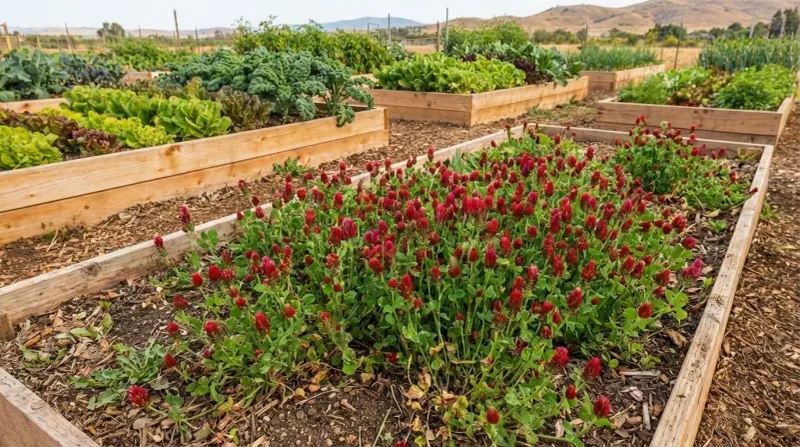
Bees buzzing over a bed of purple vetch in February feels like a small miracle in a desert backyard. Cover crops planted this October can deliver that scene while quietly rebuilding the soil beneath your feet.
Legumes like clover, vetch, and fava beans partner with root bacteria that pull nitrogen from the air. That stored nitrogen becomes free fertilizer once you cut the plants and work them into the bed later.
Daikon radishes take a different approach, driving thick taproots down to loosen compacted layers your shovel avoids. When those roots decay, they leave open channels that guide water and future roots deeper into the ground.
Living plants also shield bare soil from wind, and the blooms attract lady beetles and lacewings that hunt aphids. Personally, I love inviting those tiny predators early, since they hang around once spring vegetables start leafing out.
Low-desert gardeners can sow cover crop seed from October through November, then water lightly until seedlings settle in. Cut the plants down before they set seed, usually a few weeks before your spring planting date arrives.
7. Kelp Meal Sprinkled Around Young Plant Roots
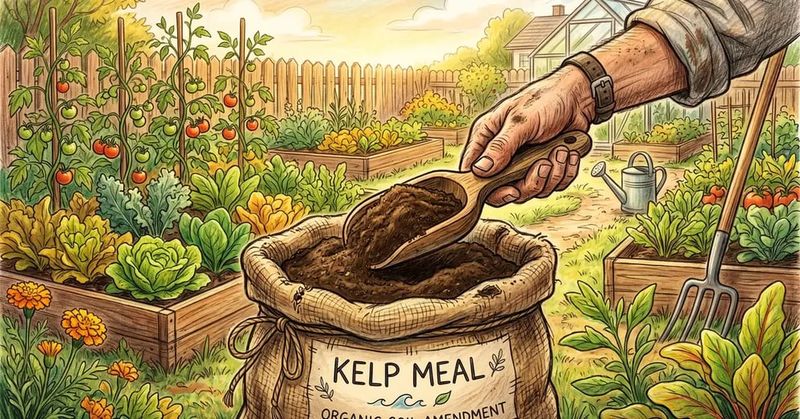
Few things feel stranger than sprinkling dried seaweed into a garden hundreds of miles from the nearest ocean. Kelp meal brings a little coastal magic to our dry beds, and the salty smell fades within a day.
Ground from dried ocean kelp, it supplies dozens of trace elements along with natural growth compounds called cytokinins. Those compounds encourage root branching, which helps transplants settle in faster and reach water more efficiently later.
Kelp meal works more like a gentle tonic than a heavy fertilizer, since its main nutrient numbers are fairly low. I like pairing it with compost so plants get both steady food and that extra boost of micronutrients.
Some growers report plants handle stress better after regular kelp feedings, including heat spells and occasional chilly nights. Evidence varies by crop, so watch your own garden closely and decide how much difference it truly makes.
Scatter roughly one to two pounds per hundred square feet, then scratch it lightly into the top inch. Fall applications give soil microbes several months to break it down before spring roots go looking for nourishment.