Why Living Ground Covers Are Replacing Gravel In Arizona Landscapes
Something is changing in Arizona yards, and it started with a frustration many homeowners know well.
The gravel went in years ago. Low maintenance, the landscaper said. Practical for the desert, the neighbor confirmed. And for a while, it was both of those things.
Then came the reality. Dust coating everything by Tuesday. Heat radiating off the rock at eleven in the morning like an open oven. A yard that looks exactly the same in January as it does in September, which is fine until it genuinely is not.
Have you ever stood in your gravel yard in July and wondered whether this was the best the desert could actually offer?
It is not.
Arizona has an entire category of plants shaped by this climate specifically. Low water. Heat tolerant. Some bloom for months.
Some actively cool the air around them. Several spread across bare gravel and make the whole yard look finished in a way that rock never quite manages.
The shift is already happening across the state. Here is what is driving it.
1. Living Carpets Cool Spaces Better Than Bare Rock
On a summer afternoon in Phoenix, bare gravel can reach 160 degrees Fahrenheit at the surface. That heat does not stay on the ground.
It radiates upward into the yard, across the patio, and through the walls of the house. The rock is not just decorative at that point. It is actively working against comfort.
Plants shade the soil beneath them, which cuts surface temperatures significantly. Vegetated surfaces can run 30 to 50 degrees cooler than exposed rock or pavement during peak heat hours.
That difference is not just a comfort improvement. It reduces the urban heat island effect that makes Arizona neighborhoods feel genuinely oppressive through July and August.
Living ground covers also release moisture through transpiration as water moves through the plant and evaporates from the leaves.
The surrounding air cools measurably in the process. Even low-water desert plants produce this effect. Gravel produces none of it.
Shading the soil also protects the biological life underneath. Bare gravel compresses the earth over time, making it increasingly hard and difficult to work with later.
A living carpet keeps soil loose, aerated, and biologically active through the season.
Pairing ground covers with a thin layer of organic mulch around each plant base locks in moisture and keeps roots cooler through the worst heat.
Start small. A test area near a south-facing wall, where heat pressure is most intense, shows results faster than any other spot in the yard.
The gravel had one job and it raised the temperature. The plants are doing considerably better.
2. Groundcovers Soften Harsh Gravel Yard Edges
Gravel yards carry a particular kind of harshness that is difficult to describe until you notice it. Sharp transitions where rock meets concrete.
Abrupt stops where a path ends and a wall begins. Everything looks utilitarian and slightly unfinished, even when it is technically maintained.
A well-placed ground cover changes that without requiring major work.
Low-growing plants spread and trail naturally along edges, creating soft visual lines that move the eye around the yard rather than stopping it cold.
Your Arizona Garden Changes Every Week. Your Plan Should Too.
Gardening in Arizona changes quickly throughout the season. Every Friday you’ll receive a simple weekly plan showing exactly what to plant, prune, fertilize, harvest, and protect so you never miss the right timing.
Instead of a hard boundary where gravel ends, a gradual layered look develops that reads as intentional. Landscape design calls this borrowed softness. It is a practical concept, and it works.
Around pathways, trailing plants that creep slightly over path edges make walkways look polished rather than merely functional.
They frame the path rather than sitting awkwardly beside it. Visitors register this even when they cannot articulate why the yard feels more welcoming than the one next door.
Near walls and fences, low spreaders fill in the zones where gravel piles up unevenly and weeds find their way in. A mat-forming plant in those corners handles both problems simultaneously.
Matching plant scale to yard size matters for this to work well. Compact spreaders suit smaller yards and stay tidy without constant management. Larger open areas can support more vigorous plants that cover ground faster.
Getting that scale right is the difference between a polished yard and one that looks like it got away from the gardener sometime in May.
3. Trailing Lantana Adds Color Where Gravel Looks Flat
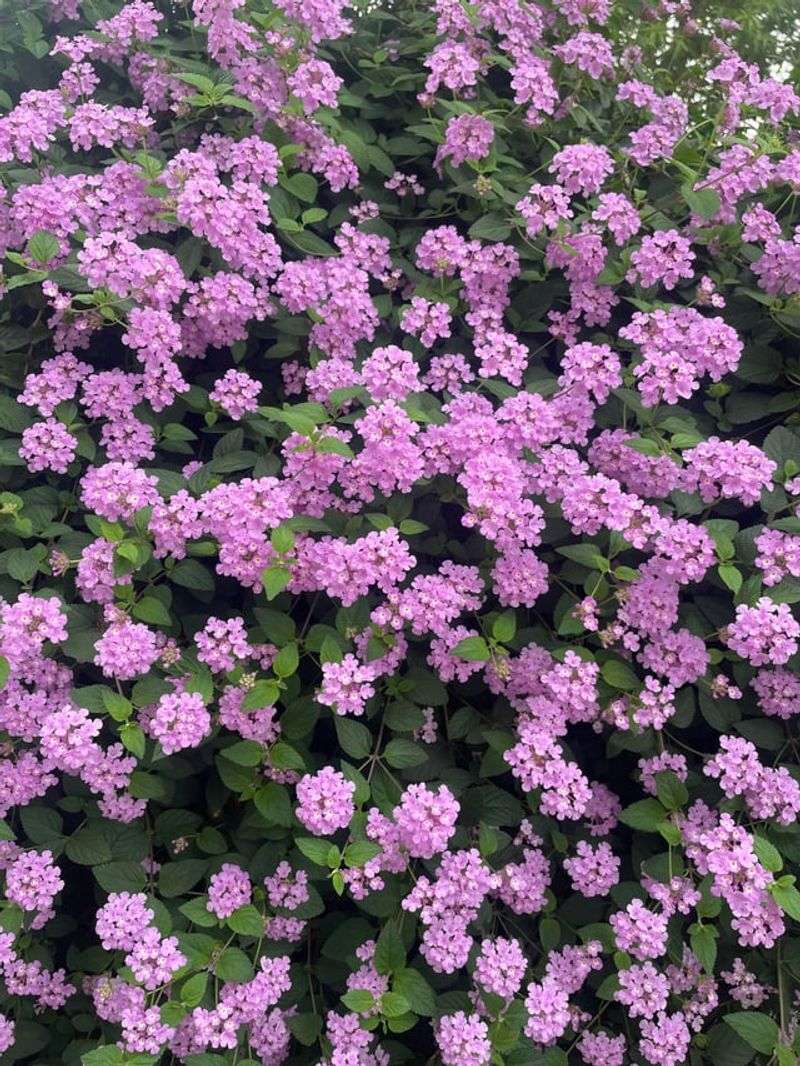
A gravel yard has a palette. Gray, tan, rust, and occasionally beige. Everything blends into the same flat visual field that looks identical in every season and at every hour.
Trailing lantana enters that situation and immediately makes its presence known.
Bold flower clusters bloom from spring straight through fall in Arizona’s low desert zones. The color does not pause for heat. It does not retreat in July. It simply keeps going while everything around it is reconsidering its choices.
Lantana montevidensis handles full sun without visible stress, thrives in reflected heat from walls and driveways, and asks for very little water once established.
That combination is genuinely difficult to find in a single plant. Research on Arizona desert landscapes consistently identifies it as one of the most reliable flowering ground covers available for low-water conditions.
Flower clusters arrive in purple, yellow, white, and mixed tones depending on the variety. Butterflies and bees respond immediately.
Pollinators need consistent nectar sources, and lantana delivers across multiple seasons in a way that bare gravel never could.
Spacing of three to four feet between plants allows for natural spread. Lantana fills gaps quickly in warm months and produces dense, weed-suppressing coverage that looks deliberate rather than accidental.
Hard cutback in late winter before new growth starts keeps the plant tidy and drives fresh vigorous blooms when temperatures return.
A gravel yard in June looks the same as it did in March. A lantana-covered yard in June is a completely different conversation.
4. Dalea Covers Dry Soil With Pollinator Friendly Blooms
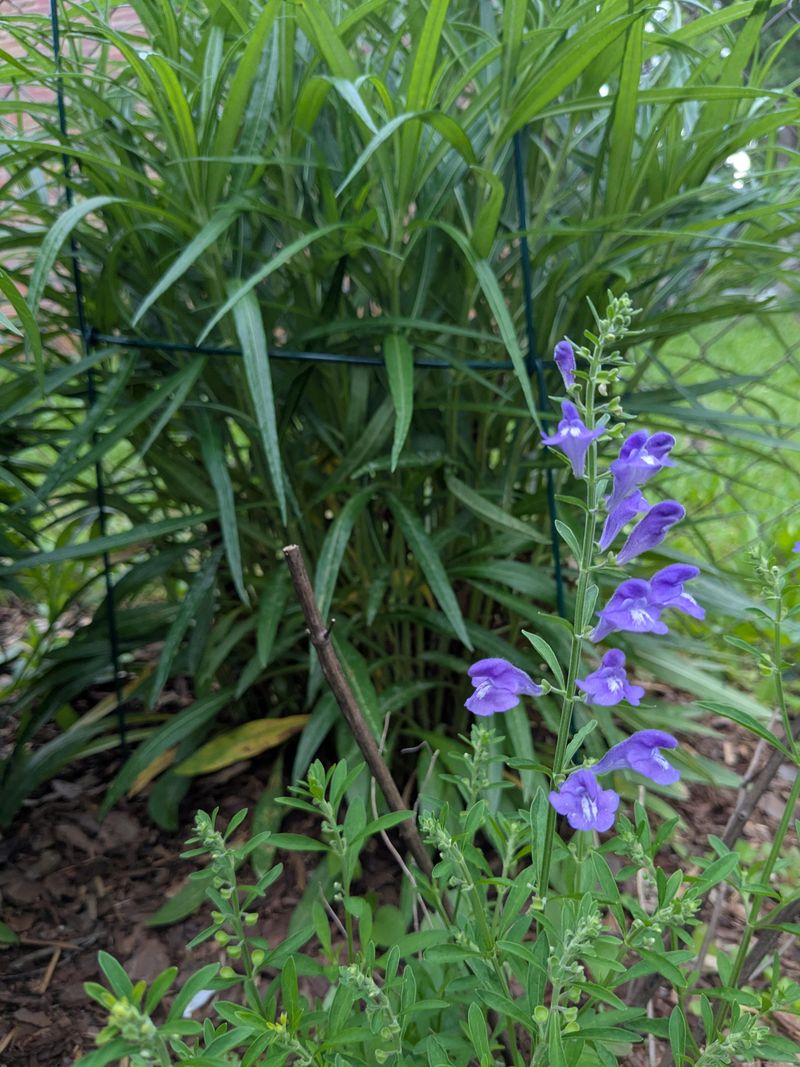
Dry, compacted soil between gravel patches is one of the most discouraging planting situations in an Arizona yard.
Most plants put there underperform, struggle, or simply decline without producing much of anything worth noting. Dalea greggii treats those conditions as a starting point rather than a problem.
Native to the Chihuahuan Desert, this low spreader grows about twelve inches tall and extends up to six feet wide over time.
The fine gray-green foliage looks attractive even outside bloom periods. When spring arrives, the plant covers itself in small purple flower spikes that native bees respond to immediately and consistently.
Dalea ranks consistently as a top-tier native pollinator plant for low-water landscapes in research across Arizona desert horticulture. The ecological function it provides is something bare gravel cannot begin to replicate.
Water needs are minimal after the first season. Deep infrequent watering during establishment builds a strong root system.
Once that system is in place, rainfall in most Arizona regions is sufficient to maintain the plant through the year. Dalea is genuinely one of those plants that rewards being left alone.
It also fixes nitrogen in the soil, which improves growing conditions for neighboring plants over time. Dry berms, rocky slopes, and open desert-style beds give it the drainage it needs to perform consistently.
Overwatering is the primary risk. Root problems develop quickly in heavy clay or poorly draining sites. Drainage is not optional with this plant. It is the whole strategy.
Dalea thrives where most plants would politely decline. That is exactly the kind of employee every gravel yard needs.
5. Trailing Rosemary Handles Heat With Useful Fragrance
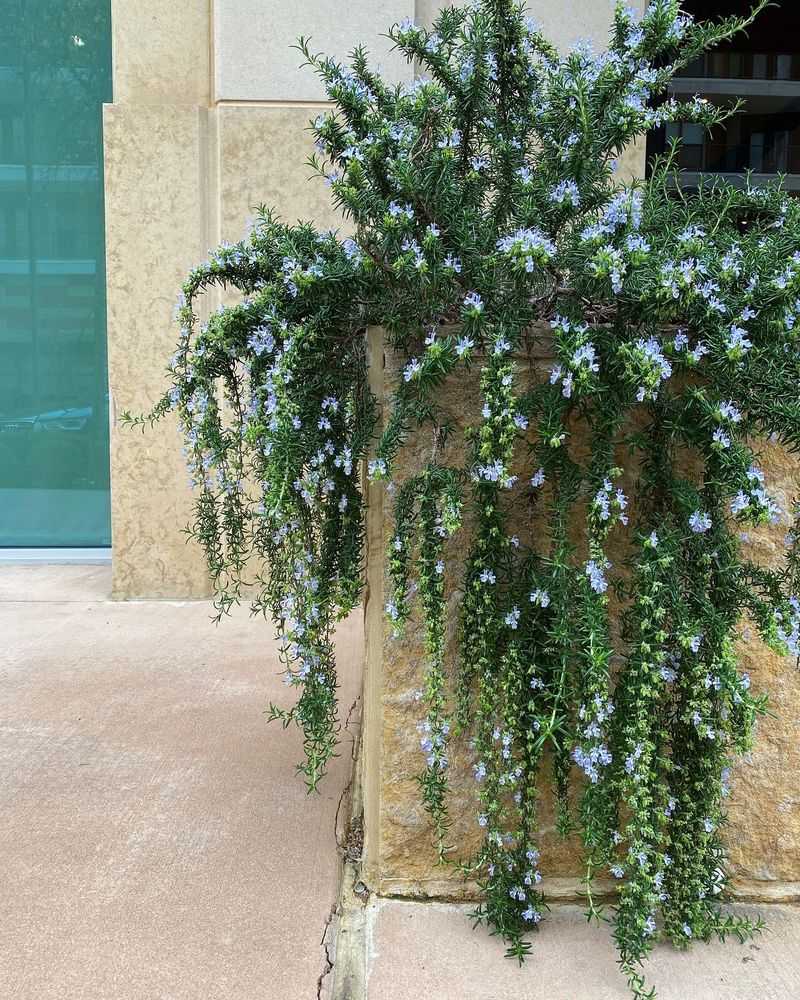
Walk past trailing rosemary on a warm Arizona morning and the fragrance registers before anything else does.
Sharp, herbal, and surprisingly refreshing against dry desert air. That quality alone justifies planting it near pathways and entryways where contact with the plant happens naturally.
Rosmarinus officinalis Prostratus grows low and wide rather than upright, which makes it well suited for slopes, raised berms, and dry sunny edges where erosion can develop during monsoon rains.
The stems root as they spread, locking soil in place and reducing washout in a way that gravel cannot manage. Practical and aromatic is an unusual combination.
Small blue flowers appear in late winter and spring. They arrive before most other plants have started for the season, which gives early-emerging bees a reliable nectar source when options are genuinely limited across a typical gravel yard.
Full sun with well-drained lean soil produces the best performance. Rich or heavily amended soil reduces drought tolerance and increases susceptibility to root problems.
Trailing rosemary performs better under conditions that would discourage most plants. Treat it well and it underperforms. Plant it tough and it rewards that approach for years.
Light trimming after flowering maintains the shape and prevents the plant from looking untended. Cutting into old wood should be avoided since it does not regenerate from that point reliably.
Trailing rosemary cools the air, anchors the soil, feeds early pollinators, and smells like a kitchen. Most landscape plants accomplish maybe one of those things.
6. Myoporum Spreads Fast Across Sunny Open Areas
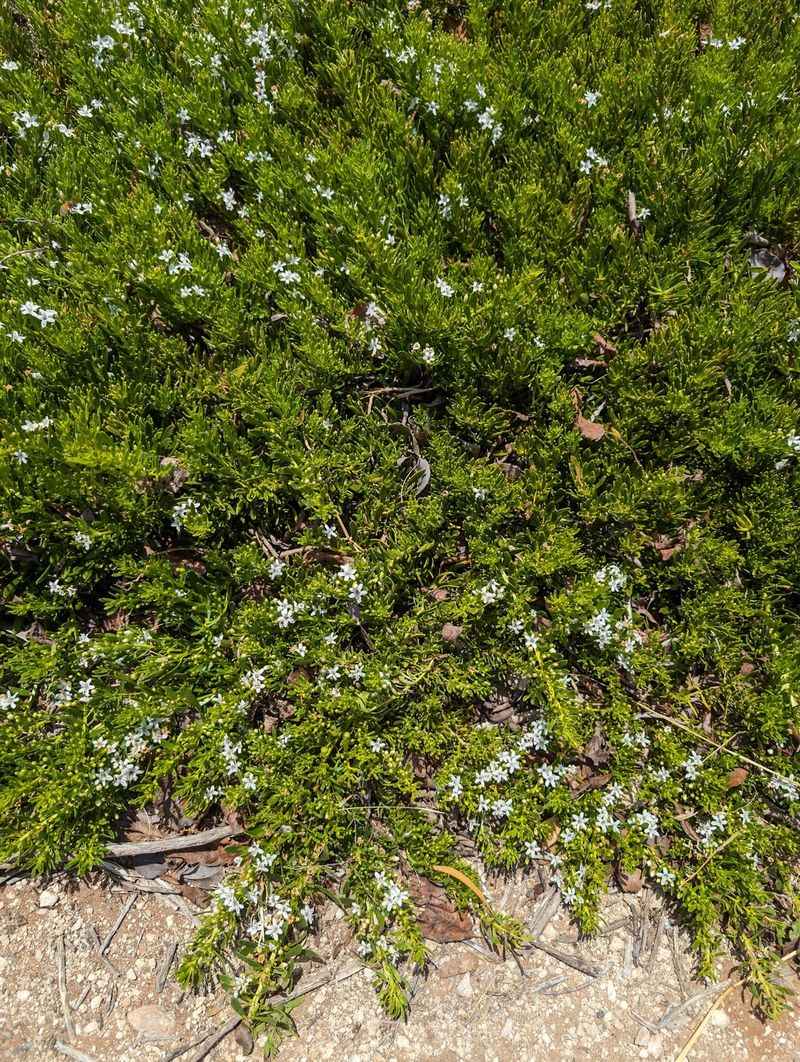
Large open gravel sections are the most difficult part of any Arizona yard renovation. They look overwhelming, and most planting approaches take years to produce enough coverage to register as a visual improvement.
Myoporum parvifolium does not operate on that timeline.
This plant spreads aggressively, covers ground quickly, and stays low enough that it never becomes a management challenge.
The glossy green leaves remain attractive year-round. Small white flowers appear in spring. It is not the showiest bloomer available, but the dense carpet-like coverage it produces is genuinely impressive and arrives faster than alternatives.
For erosion control on flat or gently sloping open areas, myoporum is among the most effective options available.
Roots knit together beneath the surface and hold soil in place. During monsoon season, when heavy rain strikes bare gravel, erosion is a real and recurring problem. A thick myoporum mat absorbs that impact and keeps soil where it belongs rather than redistributed across the patio.
Site selection requires attention. Good air circulation is important, and low spots where water pools after rain are poor locations.
Poor drainage creates root problems that become increasingly difficult to address once the plant has spread across a significant area.
Spacing of four to six feet works well for large open sections. Deep infrequent watering during establishment, tapering off as coverage develops, keeps the plant moving in the right direction.
Year one requires patience. Year two tends to eliminate the need for it entirely.
7. Damianita Brings Yellow Flowers To Low Water Beds
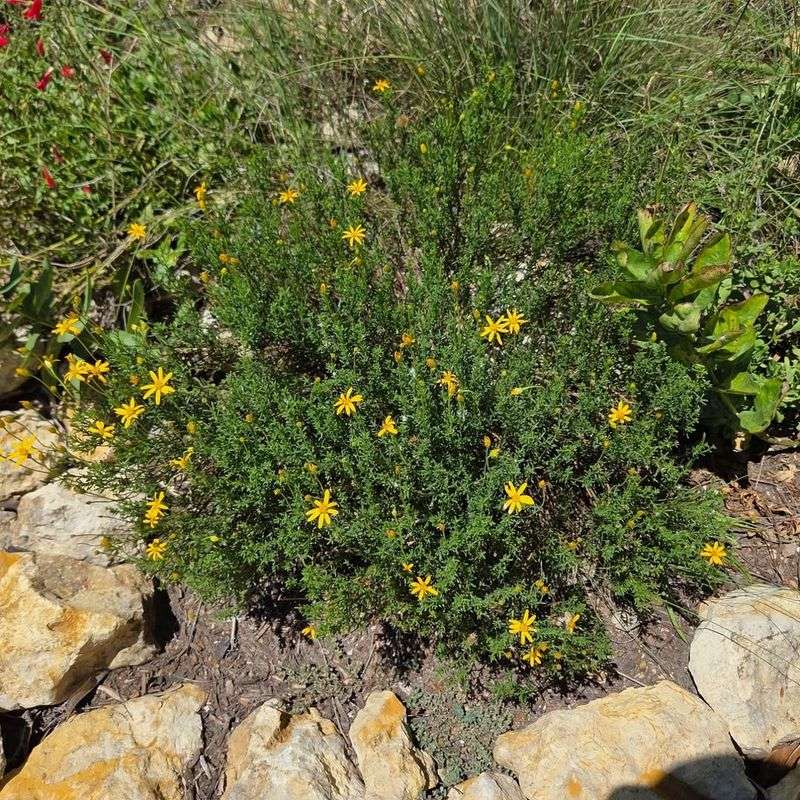
Bright yellow in a desert yard is immediately noticeable. It reads as energy and warmth in a landscape that trends heavily toward neutral.
Damianita delivers that color consistently, even in the hottest and driest conditions where most plants reconsider their commitment to the project.
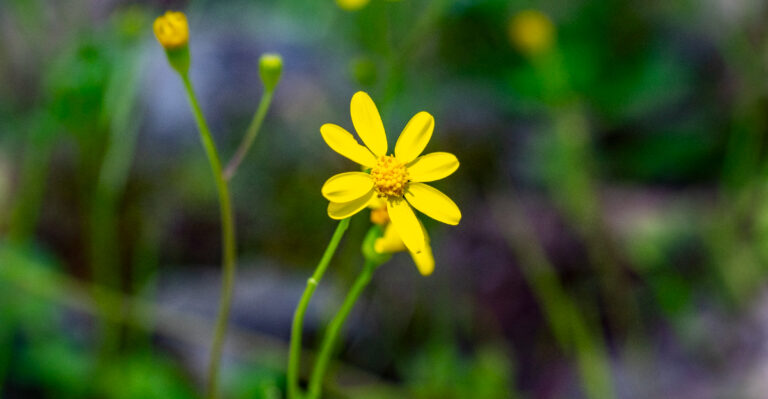
Chrysactinia mexicana is a compact native shrub from the Chihuahuan Desert that functions as a ground cover in low-water beds and rock gardens.
It grows twelve to eighteen inches tall and equally wide, which keeps it proportional in tight spaces where larger plants would overwhelm the design.
The needle-like foliage is dark green and pleasantly aromatic when touched, carrying a quality similar to chamomile.
Yellow daisy-like flower clusters appear in spring and often return in fall after monsoon rains trigger a second bloom cycle.
Two flowering periods in a single year from a plant that prefers lean soil and minimal water is a genuinely good arrangement.
Drought tolerance is exceptional. Damianita survives on rainfall alone once established in most Arizona low desert regions.
It performs worse in rich amended beds where excess moisture and fertilizer push the plant beyond its preferred conditions. The instinct to enrich the soil works against this one.
As an edging plant at the front of a bed or in a low mass planting between boulders, its compact size and cheerful blooms create a tidy, considered look.
Light pruning after each bloom cycle encourages fresh growth. Heavy cutting stresses the plant and is worth avoiding entirely.
Damianita blooms twice, needs almost no water, and smells good when touched. Some plants barely manage one of those things.