This Underrated Arizona Shrub Can Replace Tired Seasonal Flower Beds
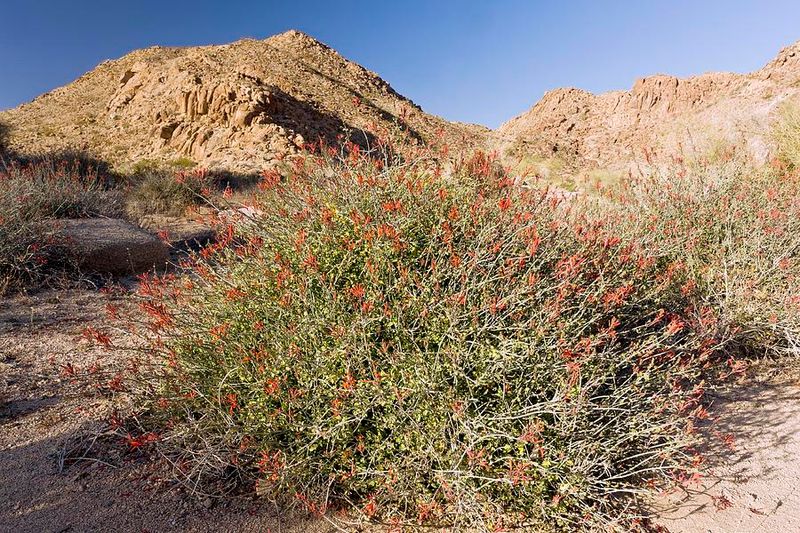
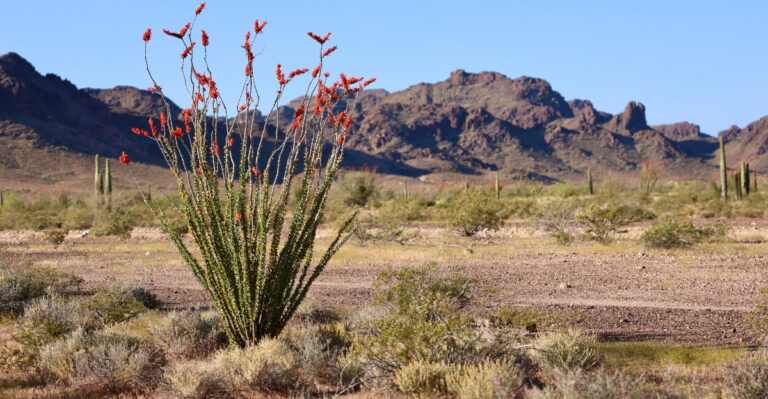
Chuparosa can take the place of some tired seasonal flower beds in a low-desert Arizona yard. It brings red tubular blooms that hummingbirds love, and it needs far less replanting than annuals.
Call it underrated if you like, since that is my opinion and not a measured fact. Stick around to see how it fits, where it struggles, and what to expect.
Build The Bed Around A Shrub
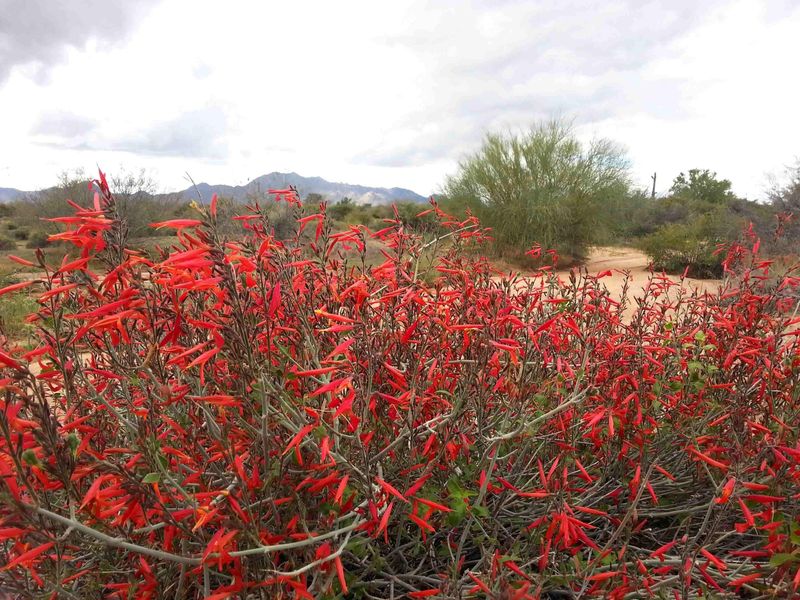
Swapping annuals for a shrub changes the whole plan. Chuparosa can be a lasting feature in a bed, but it will not copy the dense, even, predictable show that fresh seasonal flowers give you.
Think of it as redesigning around one strong character. The Arizona-Sonora Desert Museum recommends it for landscape accents, flowers, screening, and xeriscapes, so it has several jobs to offer.
Tucson Water also lists it among desert landscape plants, which tells you it has a place in lower-water designs. I would call it a good fit for people who want a shrub-led bed instead of a one-for-one flower swap.
Ask yourself a simple question before you buy. Are you happy with a relaxed, natural look and color that shifts with the seasons?
If so, chuparosa deserves a spot at the center of the bed, with other desert plants around it.
Make Room For Its Informal Shape
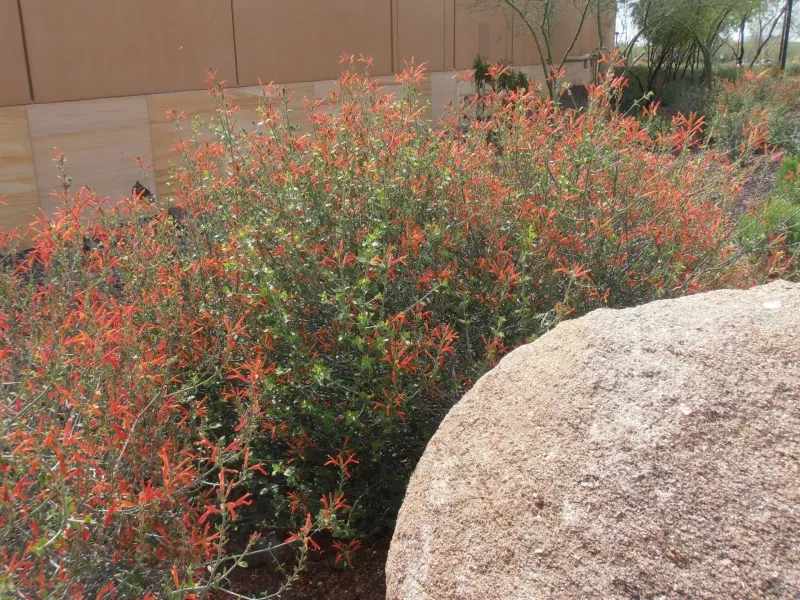
Chuparosa has a loose, easygoing look, with blue-green stems that carry bright red tubular flowers. It can also look lanky or a bit brambly, and that is part of its charm for many gardeners.
Published sizes do not match. The Desert Museum lists up to 5 feet tall by 8 feet wide, while Tucson Water lists 4 by 4 feet.
Neither number is a promise for your yard.
So leave extra space for a shrub that may spread sideways. Crowding it against a walkway or a neat edge can lead to constant frustration.
The Desert Museum also cautions that its form may be too unkempt for formal gardens. If you love clipped hedges and tidy rows, this shrub may not suit that style.
If you enjoy a natural, wild feel, it will fit right in.
Expect Seasonal, Not Constant, Color

Chuparosa color comes in waves, not a steady stream. The Desert Museum reports prominent winter and early-spring blooms, and says flowers may show up in any month except during drought or just after freezes.
Other sources paint a slightly different picture. Audubon describes blooms from fall into winter and again from spring into early summer.
The University of Arizona lists chuparosa across the whole year in its low-desert pollinator bloom calendar. That suggests long-season color is possible when conditions are friendly.
Weather, dry spells, and freezes all change the show. Plan on good color at certain times, with quieter stretches in between.
Pairing it with other desert bloomers can fill those gaps nicely.
Hummingbirds Are The Clearest Wildlife Benefit
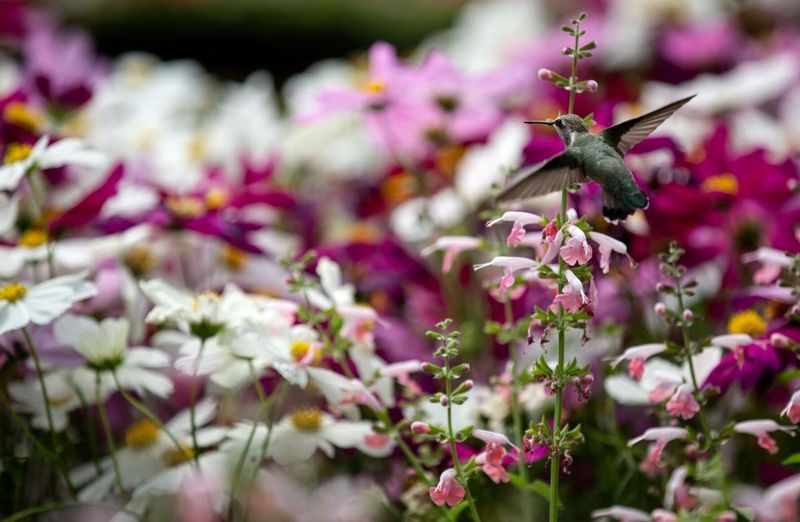
If you want wings in your garden, chuparosa delivers. Hummingbirds are the best-documented wildlife benefit, and the red tubular flowers are a natural fit for their long bills.
Tucson Water’s landscape guide says chuparosa attracts hummingbirds. Audubon also lists Anna’s hummingbird among the birds linked to this shrub.
I would stop there when it comes to wildlife claims. The sources back up hummingbird visits, not any power to repel scorpions, ticks, or mosquitoes.
Enjoy it for what it does well. A bed that hums with tiny visitors is a lovely reward that a flat patch of annuals rarely gives.
Match It To A Low-Desert Site

Chuparosa is a Sonoran Desert native, found in areas from Yuma and Tucson north to Phoenix. The Arizona Native Plant Society describes it as a low-desert plant of well-drained sandy or rocky soils.
Full sun gives the best flowering and a tighter form, according to the Desert Museum. Give it good drainage and plenty of light, and it will reward you.
Arizona is a big state, though, and the low desert is the strongest fit. Higher places need different choices, as the University of Arizona explains in its guide to shrubs above 6,000 feet.
Walk your yard and look for warm, sunny spots with soil that drains well. Those are the places where this shrub is most likely to thrive.
Low-Water Does Not Mean No Water
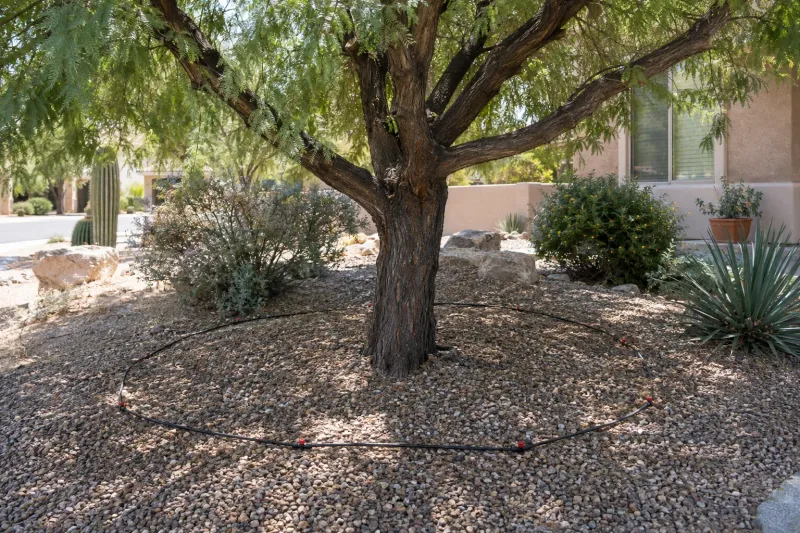
Drought tolerant is not the same as never needs a drink. University of Arizona xeriscape guidance says desert-adapted plants need extra water while they settle in, often for at least one growing season and sometimes longer.
After that, the Desert Museum suggests infrequent but regular watering for established chuparosa, such as every week or two.
Treat that as a starting point. Adjust to your soil, the weather, and how the plant looks.
Wilting or leaf drop can be a clue to check the soil before you grab the hose.
Low-water potential is real, but no source here promises a set drop in your water bill. Enjoy the lighter watering load without counting on exact savings.
Check Local Conditions Before Planting
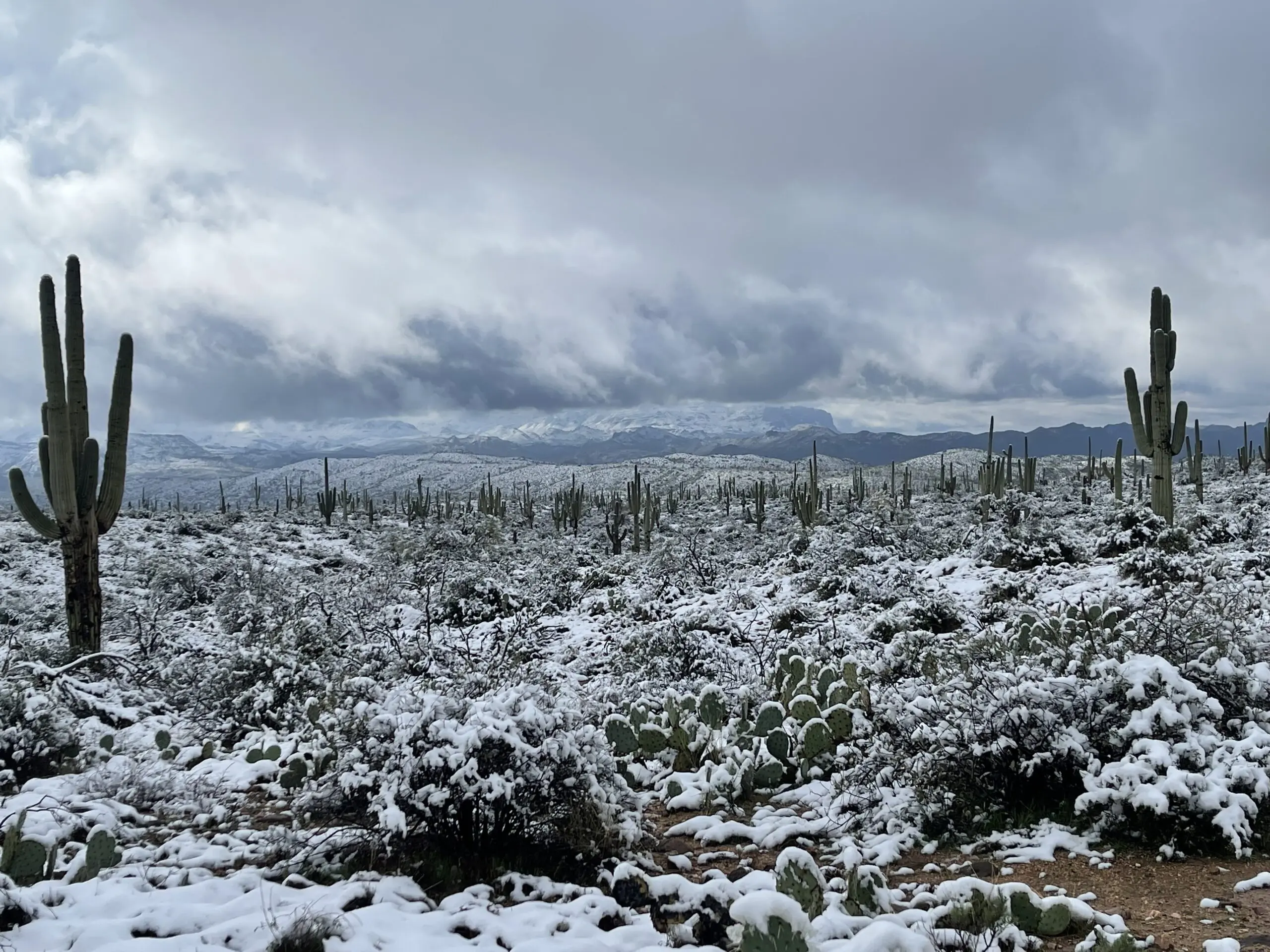
October can be a fine time to plant, but it is a local decision, not a statewide rule. Check your temperatures, frost risk, elevation, and microclimate first.
University of Arizona planting guidelines advise transplanting shrubs when temperatures are above freezing and conditions are not too hot and dry.
Frost matters for chuparosa. The Desert Museum says prolonged freezes at or below 26 degrees F can damage it, even though it tolerates brief dips to 22 degrees F.
Those numbers are source-specific, not guarantees.
Where conditions call for it, consider frost protection or a south-facing wall. A warm, sheltered corner can make a real difference on cold nights.
Plan For Leaves And Flowers To Come And Go
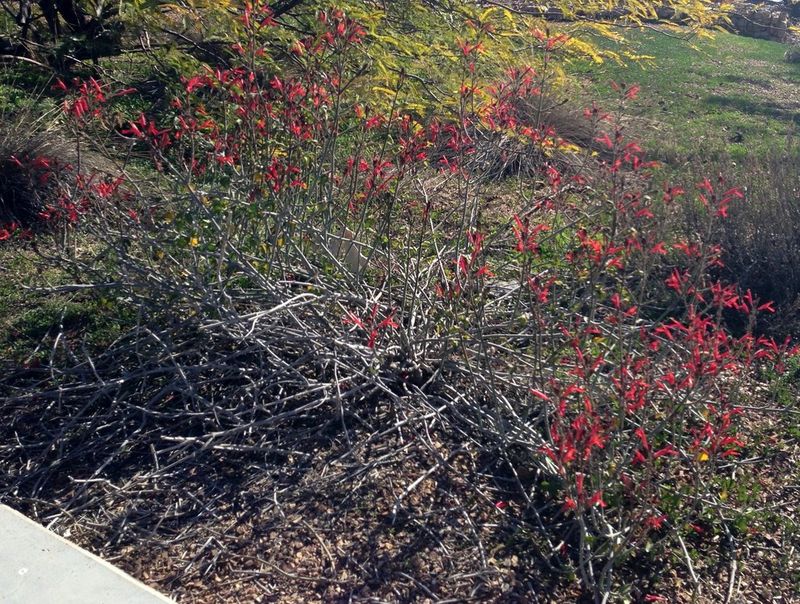
Chuparosa can drop its leaves during drought or after severe frost. A bare-looking shrub may simply be reacting to conditions, so check the stems and soil before you worry.
The Desert Museum notes this leaf loss, and the Arizona Native Plant Society mentions its lean, lanky look. Neither source describes a reliably evergreen plant.
Weigh those changes against what you gain: structure, seasonal red color, and hummingbird visits. For many gardeners, that trade is well worth it.
It suits people who accept an informal form and variable performance, not those who want a guaranteed evergreen or annual-like display. Some of the best garden plants simply keep their own calendar.