8 Arizona Plants That Keep Fireflies Coming Back Every Monsoon Season
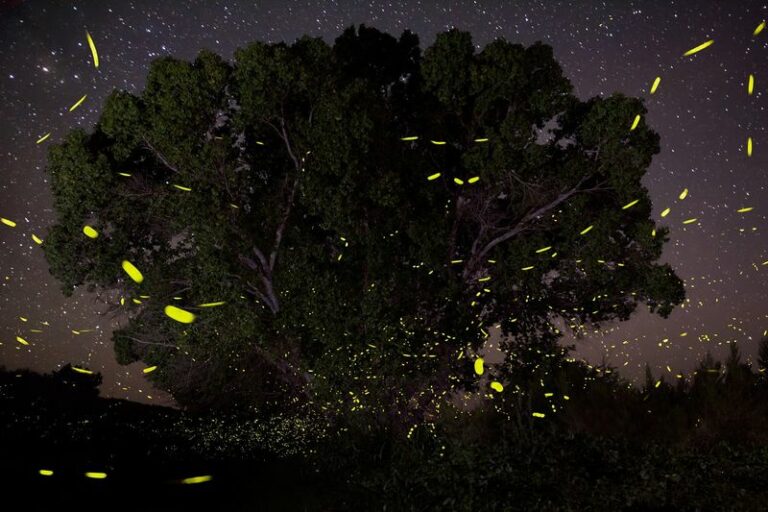
Most people think fireflies only glow in wetter parts of the country, but Arizona has them too, especially when monsoon rains roll in. The trick is filling your yard with the right native plants that give fireflies food, shade, and moist soil to raise their young.
The best part is these same plants shrug off desert heat, sip very little water, and ask for almost no fuss from you. Here are eight desert-tough plants that can turn your yard into a glowing summer hangout year after year.
1. Desert Willow (Chilopsis linearis)
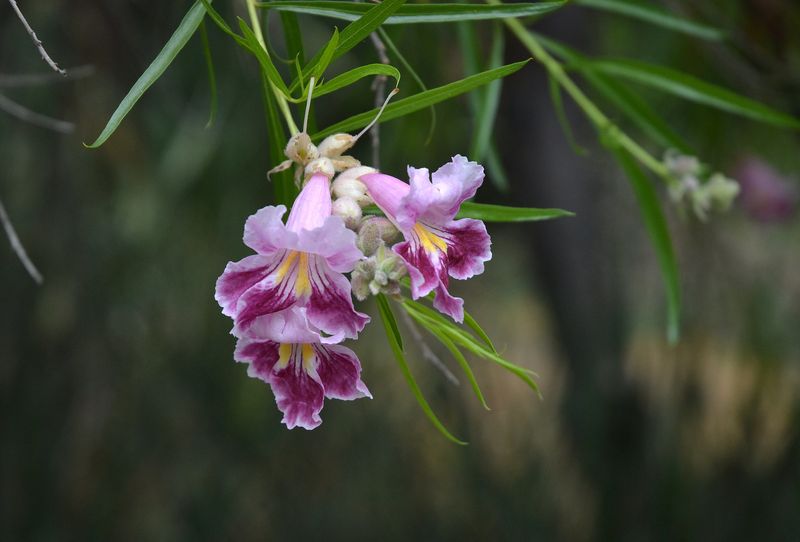
Few desert trees put on a show quite like the Desert Willow, with its soft pink trumpet flowers dangling like tiny lanterns all summer long. When the monsoon arrives, those blooms and the cool canopy below become a favorite gathering spot for adult fireflies.
The shady, slightly moist ground it creates is exactly what firefly larvae look for while they grow. Because larvae need damp, protected soil, the shade this tree throws can make a real difference in dry desert yards.
Desert Willow handles blistering 100-degree afternoons without complaint and drinks very little once its roots settle in. Plant it in fall so it can establish before the next scorching summer hits.
Beyond fireflies, the flowers pull in hummingbirds and bees, so your yard stays busy from morning to nightfall. Fun bit: despite the name, it is not a true willow at all, just a lookalike with the same graceful, drooping style.
For low-desert homeowners wanting one tree that works hard and looks lovely, this is a smart place to start.
2. Palo Verde (Parkinsonia species)
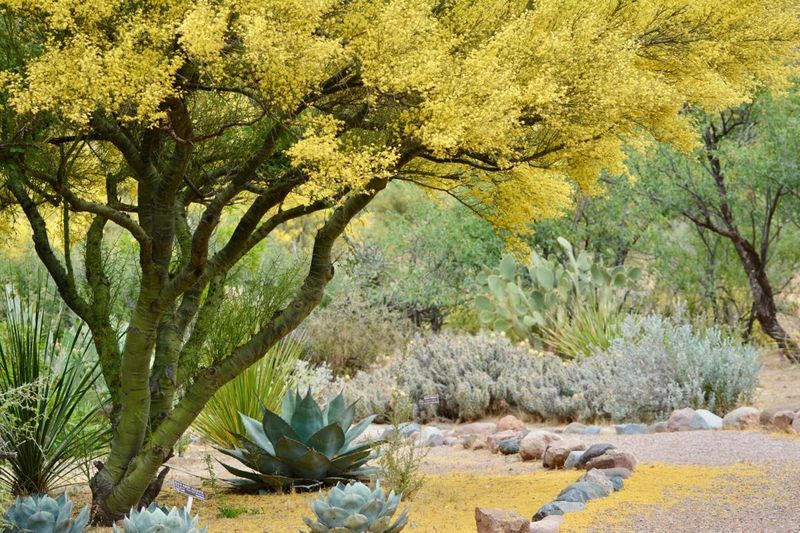
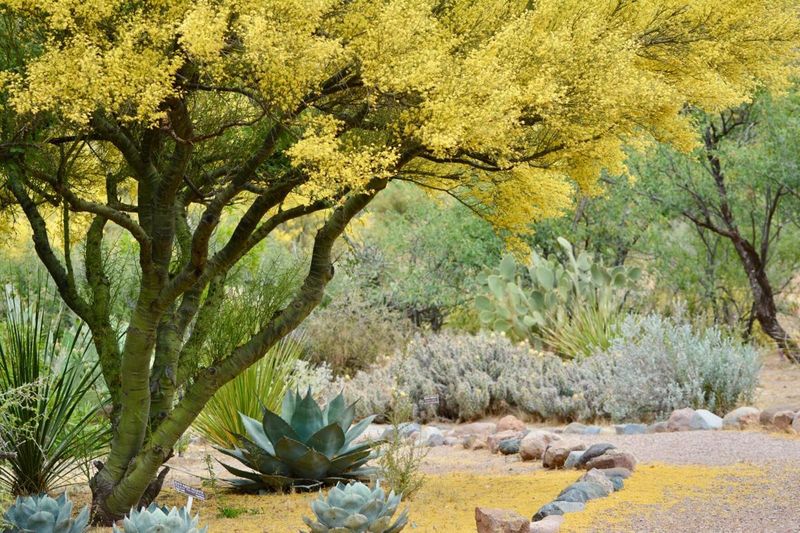
Arizona’s state tree earns its fame with green bark that photosynthesizes and a burst of yellow blooms that light up spring. What makes it a firefly friend, though, happens quietly on the ground below.
The tiny leaves it drops build up a layer of leaf litter, and that soft, sheltered ground is prime real estate for firefly larvae to hide, hunt, and grow. That same canopy also cools the soil, holding in a bit of the moisture larvae crave after monsoon storms.
Tough does not begin to describe it. Palo Verde survives brutal heat and long dry stretches on almost no supplemental water once established.
Give it space to spread its light, airy shade, and you get a cooler microclimate that benefits your whole yard. Birds nest in it, pollinators swarm the flowers, and beneath it all, the firefly nursery hums along.
If you only have room for one iconic native, this classic Sonoran survivor delivers shade, color, and habitat in a single easygoing package that practically raises itself.
3. Velvet Mesquite (Prosopis velutina)
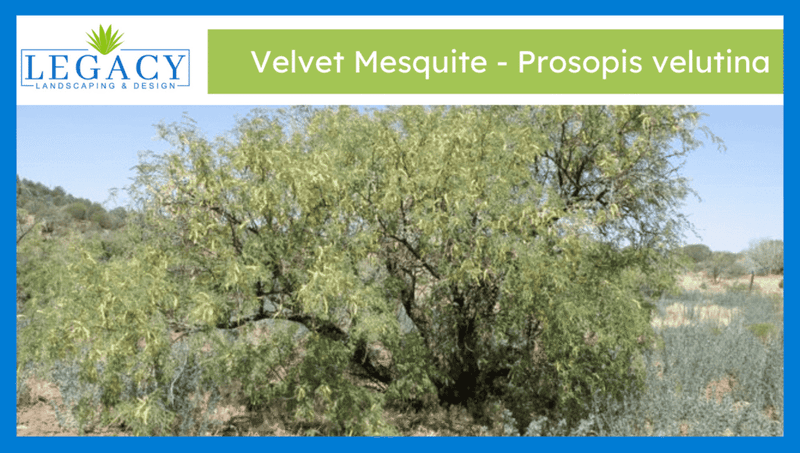
Old-timers in the desert have leaned on mesquite for shade, wood, and food for generations, and fireflies appreciate it just as much. Velvet Mesquite throws generous, feathery shade while quietly dropping leaves that pile into rich litter underneath.
That leaf litter is a buffet and a bedroom for firefly larvae, sheltering the tiny insects, snails, and slugs they feed on. The more life stirring in that soil, the better the odds glowing beetles return each monsoon.
Your Arizona Garden Changes Every Week. Your Plan Should Too.
Gardening in Arizona changes quickly throughout the season. Every Friday you’ll receive a simple weekly plan showing exactly what to plant, prune, fertilize, harvest, and protect so you never miss the right timing.
Water-wise gardeners love how little this tree needs. Deep roots let it ride out drought, and it barely notices triple-digit heat once it is settled in.
The dappled canopy keeps the ground below cooler and slightly damper, softening the harsh desert conditions that would otherwise dry larvae out. Plant it where you want relief from the afternoon sun and a natural gathering place for wildlife.
A quick heads-up: mesquite drops pods and can grow wide, so give it room away from paths. In return, you get a hardworking shade maker that doubles as a firefly haven.
4. Deer Grass (Muhlenbergia rigens)
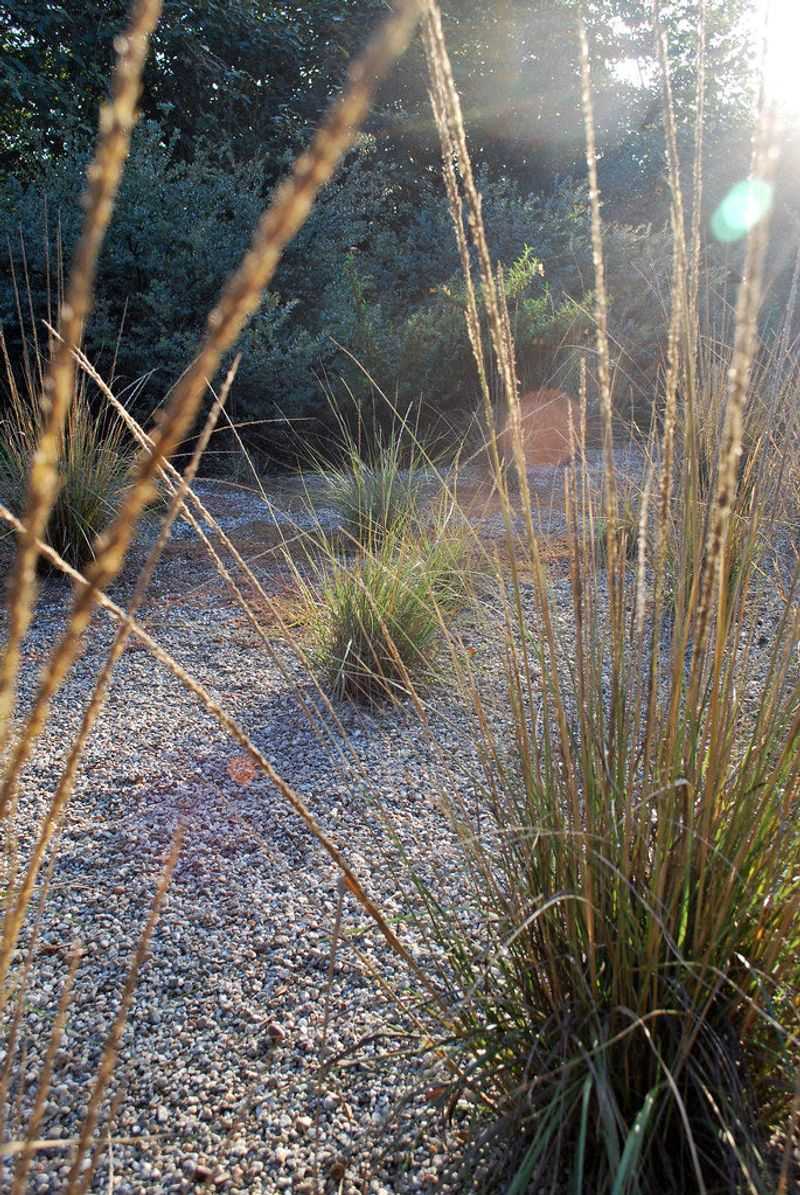
Picture a fountain of slender green blades catching the last light of day, and you have Deer Grass. Those tall, narrow stalks are more than pretty movement in the breeze, they double as perches and launch pads for adult fireflies looking to flash and find a mate.
Fireflies like to climb before they take off and signal, so vertical grasses give them exactly the stage they need. The dense clumps also offer daytime hideouts where the beetles rest safe from heat and hungry birds.
Toughness is this grass’s middle name. It thrives on dry, sandy, even gravelly ground and asks for hardly any water once rooted.
Around the base, it shelters a mix of small insects, feeding the larger food web that firefly larvae depend on. Trim it back in late winter and it bounces right back come spring.
For a low-desert yard that needs texture, softness, and a functional firefly feature all at once, this native grass earns its keep without demanding your attention every weekend.
5. Frogfruit (Phyla nodiflora)
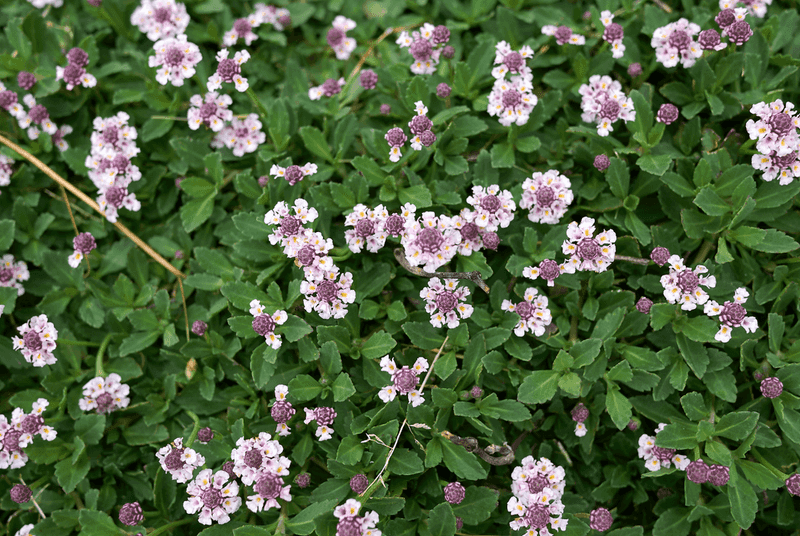
Down at ground level, Frogfruit quietly does some of the most important firefly work of all. This creeping native spreads into a living carpet of tiny leaves dotted with small white and purple blooms.
Those flowers draw in beneficial insects, and many of those insects become food for hungry firefly larvae hiding in the cool soil below. It is a tidy little food chain playing out right under your feet.
Moisture is the real secret weapon here. By blanketing the ground, Frogfruit shades the soil and helps hold onto the dampness that fireflies want when they lay eggs and their young develop.
Cooler, moister earth after a monsoon storm is a welcome mat for the next generation. And it does all this while sipping barely any water and standing up to full desert sun.
Use it to fill bare patches, edge pathways, or replace thirsty lawn. It stays low, spreads on its own, and hardly ever needs mowing, making it a gentle, hands-off way to invite glowing beetles closer to home.
6. Buttonbush (Cephalanthus occidentalis)
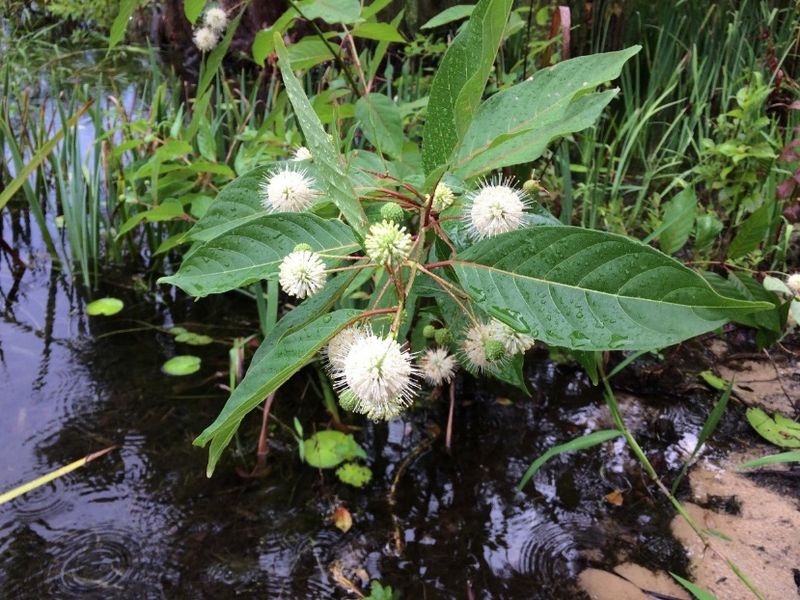
If your yard has a low spot that stays damp or a spot near a pond, Buttonbush belongs there. This native shrub naturally grows along Arizona’s streambanks and marshy edges, the very kind of moist ground fireflies adore.
Its quirky flowers look like little white pincushions, spherical and spiky, and they buzz with pollinators all summer. Beneath that busy canopy, the dense branches give adult fireflies a shady, protected place to rest and mate through the warm nights.
Moisture-loving as it is, Buttonbush can adapt to a range of conditions once it settles in, though it truly shines where water lingers. That makes it a perfect pick for rain garden basins that catch monsoon runoff.
By holding humidity and shelter together in one plant, it recreates the riparian feel fireflies evolved with. Think of it as your yard’s little slice of a desert wetland.
Pair it with a shallow catch basin and you build the moist, shady pocket that keeps glowing beetles returning season after season, all while feeding bees and butterflies too.
7. Desert Hackberry (Celtis pallida)
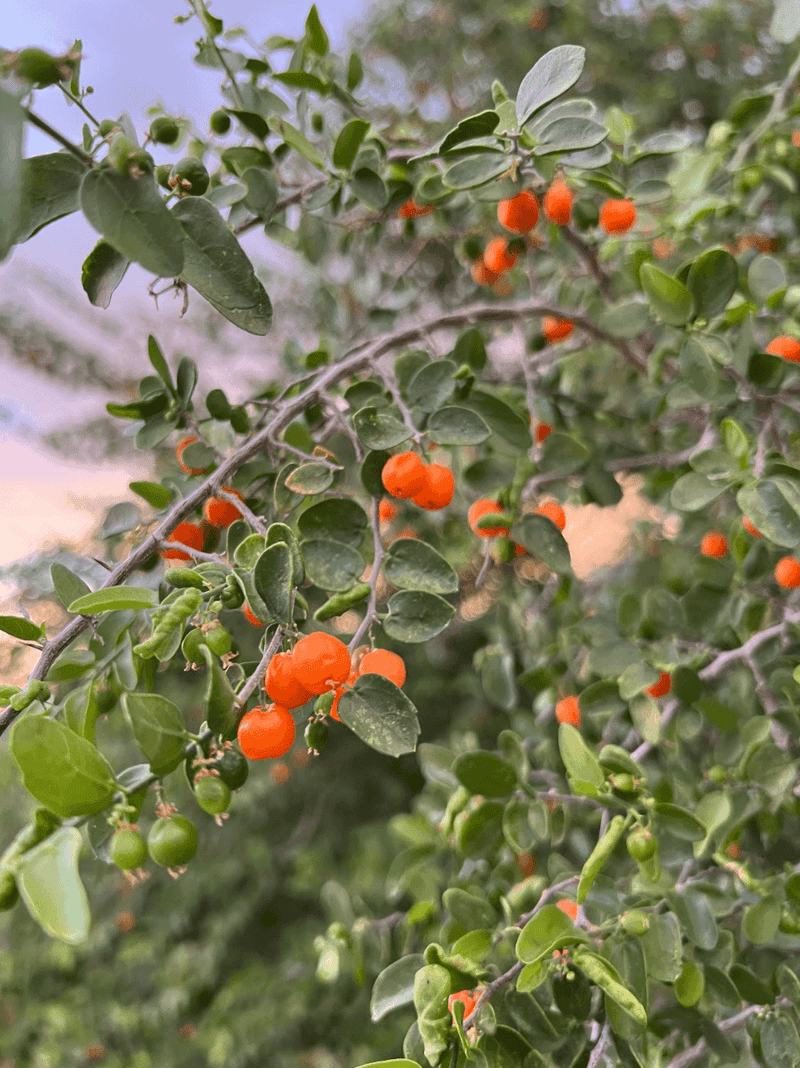
Tangled, thorny, and full of life, Desert Hackberry is the bodyguard of the firefly world. Its dense, spiny branches create a fortress of cover where fireflies and countless other small creatures can shelter safely from predators and blazing sun.
All that protection builds a busy little ecosystem. Insects, spiders, and other tiny critters thrive in the thicket, and those become the prey that firefly larvae rely on to grow strong.
Small orange berries add another draw, feeding birds and lizards that keep the whole habitat balanced and humming. More life above ground usually means healthier soil and better hunting for larvae below.
On the care side, this shrub is nearly unkillable in the best way. It laughs off alkaline caliche soils, endures long dry spells, and never flinches at desert heat.
Let it grow into a natural hedge along a fence line or property edge, and it becomes both a privacy screen and a wildlife magnet. For homeowners who want a plant that works overtime with zero pampering, this thorny native quietly delivers.
8. Goldenrod (Solidago species)
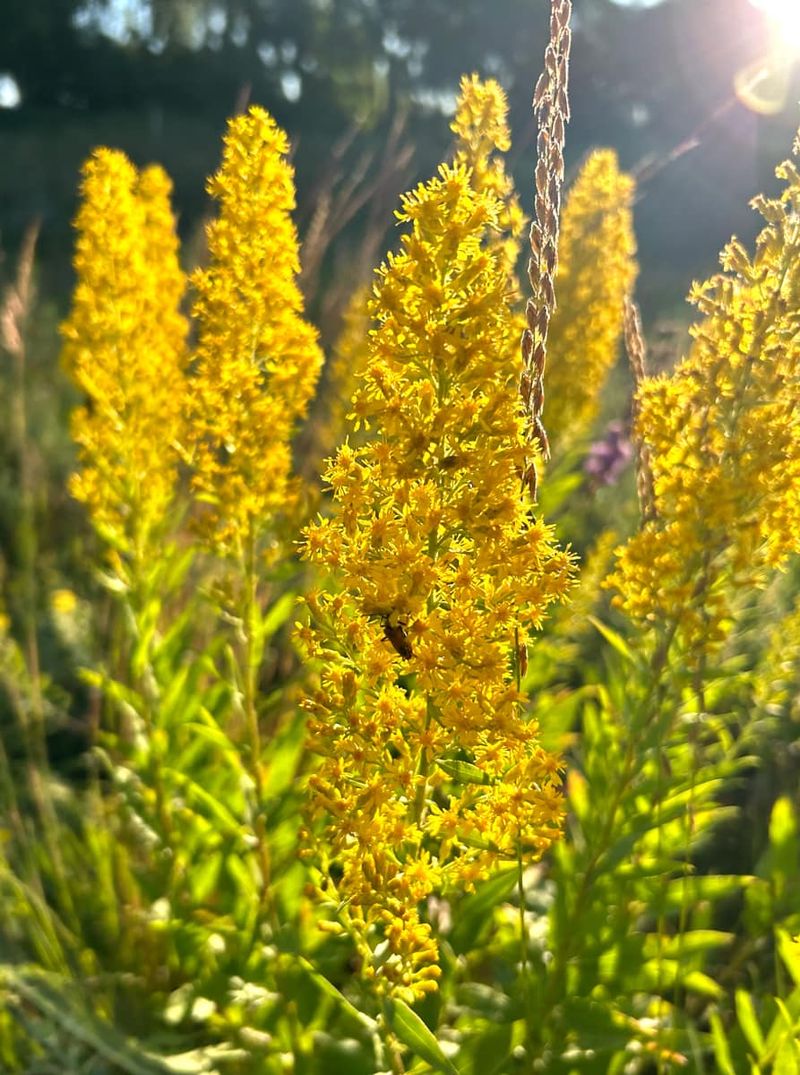
Come late summer, Goldenrod erupts in cheerful golden plumes that seem to glow all on their own. Those bright blooms are insect magnets, and that is exactly why fireflies benefit from having it around.
The many small bugs drawn to Goldenrod feed the firefly larvae waiting in the soil nearby, keeping the food chain well stocked. Meanwhile, the leafy stems give adult fireflies both cover during the day and nectar to fuel their nightly light shows.
Native goldenrod varieties handle the Arizona environment better than people expect, tolerating heat and getting by on modest water once established. They pair beautifully with grasses and shrubs to create the layered, diverse planting fireflies love.
A quick myth-buster: Goldenrod often gets blamed for fall allergies, but the real culprit is usually ragweed blooming at the same time. This plant’s pollen is heavy and sticky, meant for insects, not the wind.
Tuck it into a sunny corner and let it feed the pollinators by day and glow with fireflies by night, rounding out a yard that truly buzzes and sparkles with desert life.