8 Thornless Berry Bushes Arizona Gardeners Should Plant Bare-Root This Winter
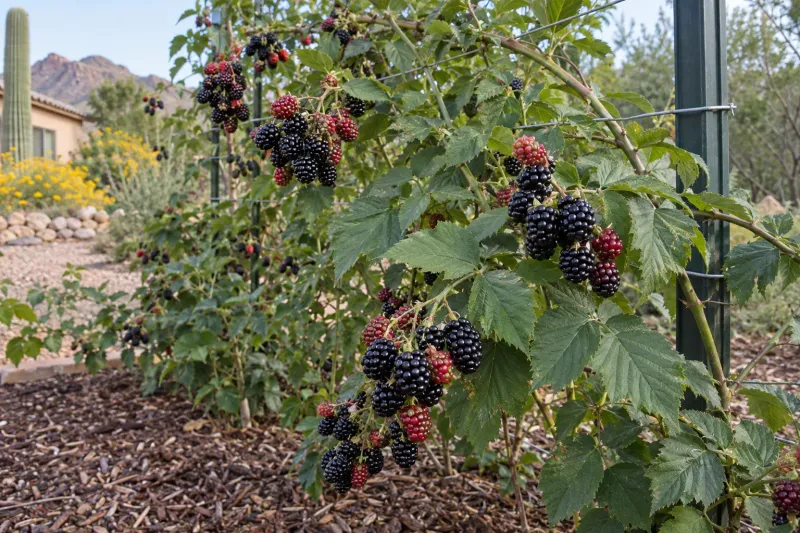
My favorite fruit plants arrive in the mail with zero soil, just bare roots tucked inside damp packing material. They look like a bundle of sticks, yet their roots meet your native soil right away.
In Arizona, the cool months give those roots time to spread before the first scorching June afternoon arrives. Nurseries usually ship dormant canes from late January through March, so October is the perfect month to plan.
I have to admit, I used to avoid berry patches because every harvest ended with scratched arms and grumbling. Thornless types changed my mind, and you might notice how much more often you actually pick them.
Several of my picks feed birds and pollinators too, and two of them grow wild across Arizona already. So which spineless shrub deserves that empty corner of your yard when planting season rolls around?
1. Triple Crown Blackberry
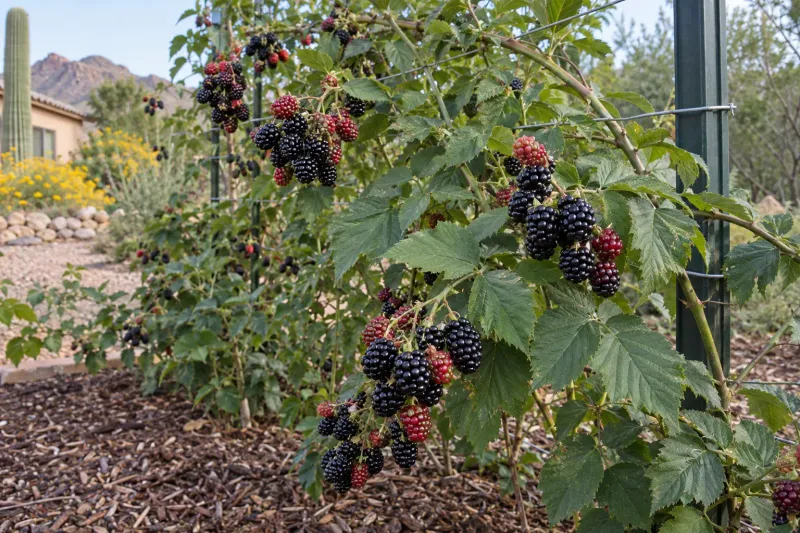
Breeders at the USDA released this blackberry in 1996, and gardeners still rave about its huge, glossy fruit every summer. I love how one ripe berry can fill a spoon, bursting with sweetness and a mellow, rich finish.
The canes grow semi-erect, so they arch outward and appreciate a simple two-wire trellis for sturdy everyday support. Without one, heavy fruit clusters can drag the canes toward the ground and invite rot from wet soil over time.
In low desert yards, give this plant morning sun and some afternoon shade from a wall or taller tree. Fruit ripens later than many varieties, so steady drip irrigation keeps berries plump and juicy as the summer heat builds.
Personally, I use October to amend the planting row with compost and test drainage before the bare-root canes arrive. Blackberries prefer slightly acidic soil, so a little sulfur and plenty of organic matter help offset alkaline desert dirt.
After harvest, cut the spent floricanes at ground level and let the fresh green primocanes take their place. Birds will happily hunt for missed berries, which turns your patch into a lively snack bar for local wildlife.
2. Navaho Thornless Blackberry
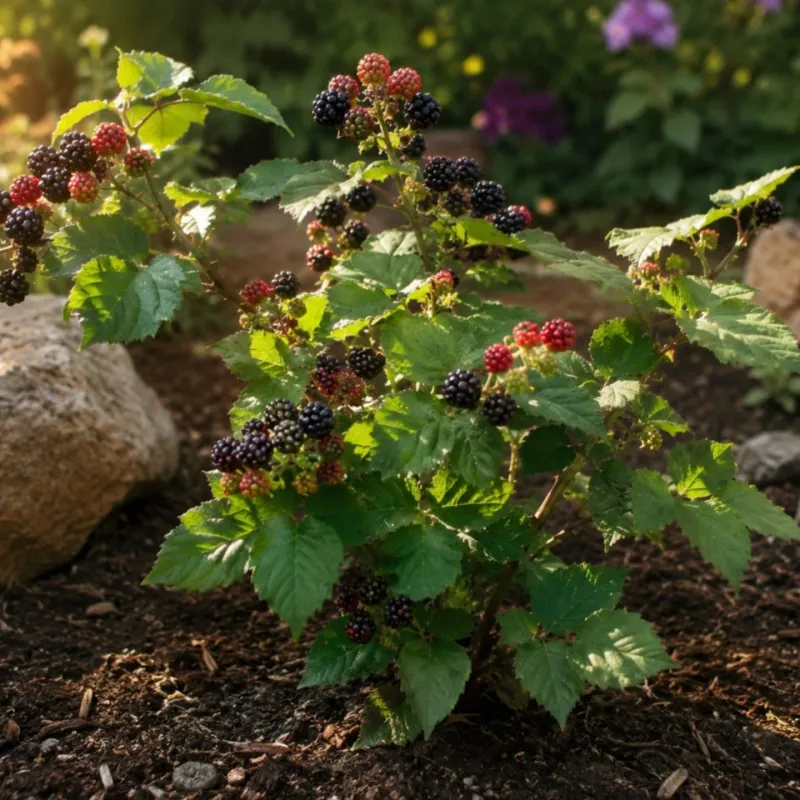
Few blackberries stand up on their own as proudly as this one, with stiff canes that need no trellis. Released by the University of Arkansas in 1989, it became one of the first erect thornless blackberries for home gardens.
I like how its compact shape fits along a side yard fence without swallowing the whole walkway each spring. Mature plants usually reach about four to five feet tall, which keeps picking easy for kids and grandparents alike.
The berries are firm and sweet, with small seeds that make them a pleasure to eat straight off the cane. They also hold up well after picking, so a bowl can last several days in the refrigerator without turning mushy.
Plant bare-root Navaho in full sun at higher elevations, but low desert gardeners should add filtered afternoon shade. Shade cloth stretched over a simple frame works nicely, and it can come down again once autumn arrives.
You need to tip new canes at about four feet in summer, which encourages side branches loaded with flowers. Those blooms pull in native bees, and those busy visitors often pollinate your nearby squash and melons as well.
3. Prime-Ark Freedom Blackberry
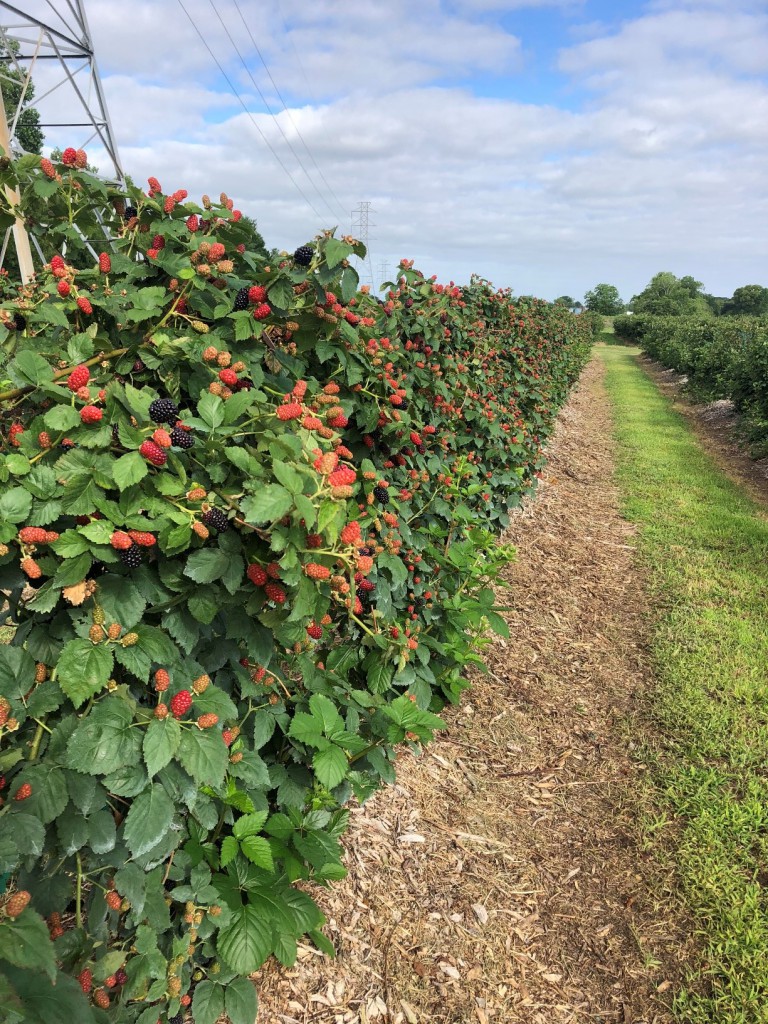
Most blackberries make you wait a full year for fruit, but this rebel can produce berries on brand-new canes. Released in 2013, it was billed as the world’s first thornless primocane-fruiting blackberry by its Arkansas breeders.
What surprises me most is the bonus crop, since older canes can fruit in early summer before new ones take over. That double schedule gives you two chances at a harvest from the very same patch of ground each year.
Desert heat can reduce the late crop, because blossoms on new canes often struggle during long stretches of extreme heat. Afternoon shade and thick mulch help, and the early summer floricane crop usually makes up the difference for patient gardeners.
Plant bare-root canes in deep, well-drained soil, and spread a few inches of wood chip mulch to keep roots cool. October is a smart time to build a raised row, since heavy caliche soils can drain slowly and suffocate roots.
I believe the upright canes look tidiest with a short trellis, though they stand reasonably well alone in calm yards. Thin crowded canes during late winter pruning so air moves freely and ripe berries stay easy to spot.
4. Raspberry Shortcake Raspberry
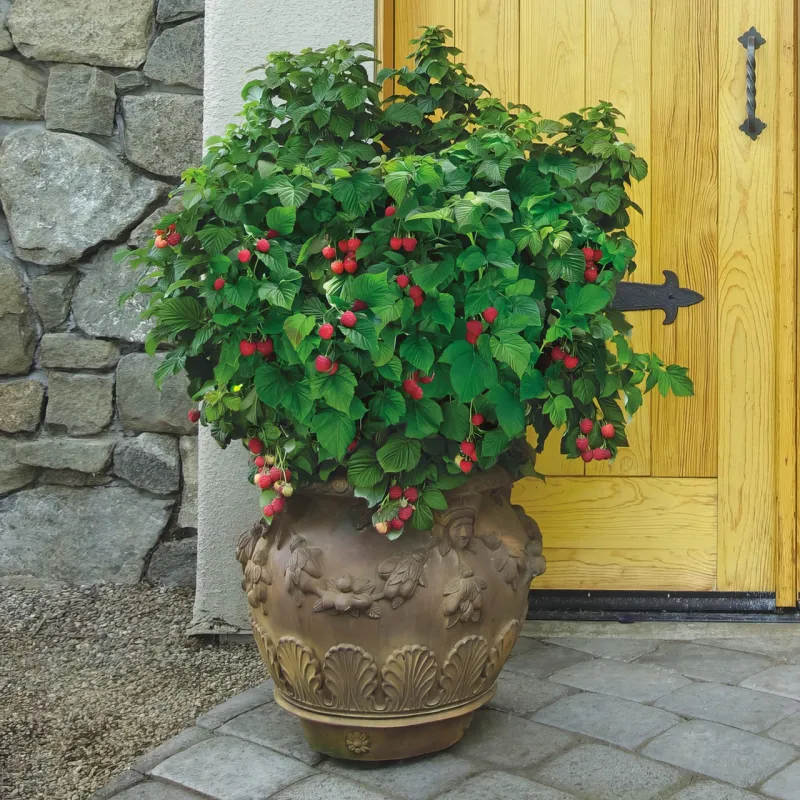
Raspberries usually sulk in desert heat, so I was skeptical when a friend handed me this tiny thornless shrub. Grown in a big pot on a shaded patio, it rewarded me with sweet berries and zero scratched fingers.
Part of the BrazelBerries collection, this dwarf variety forms a rounded mound only two to three feet tall. The compact size means you can roll the container into deeper shade when summer afternoons turn brutal in July.
Choose a pot at least twenty inches wide, and fill it with a rich potting mix that drains quickly. Raspberries dislike soggy roots, yet they wilt fast when the mix dries, so check moisture with a finger every morning.
Bare-root plants go into pots in late winter, so October is a fine time to shop for roomy glazed containers. Cooler mountain towns can grow it in the ground, while low desert gardeners do better keeping it mobile.
No staking is needed, and the self-pollinating flowers set fruit without a second plant nearby to help with pollination. After harvest, snip out the canes that fruited and let fresh ones take over to carry next year’s crop.
5. Sunshine Blue Blueberry
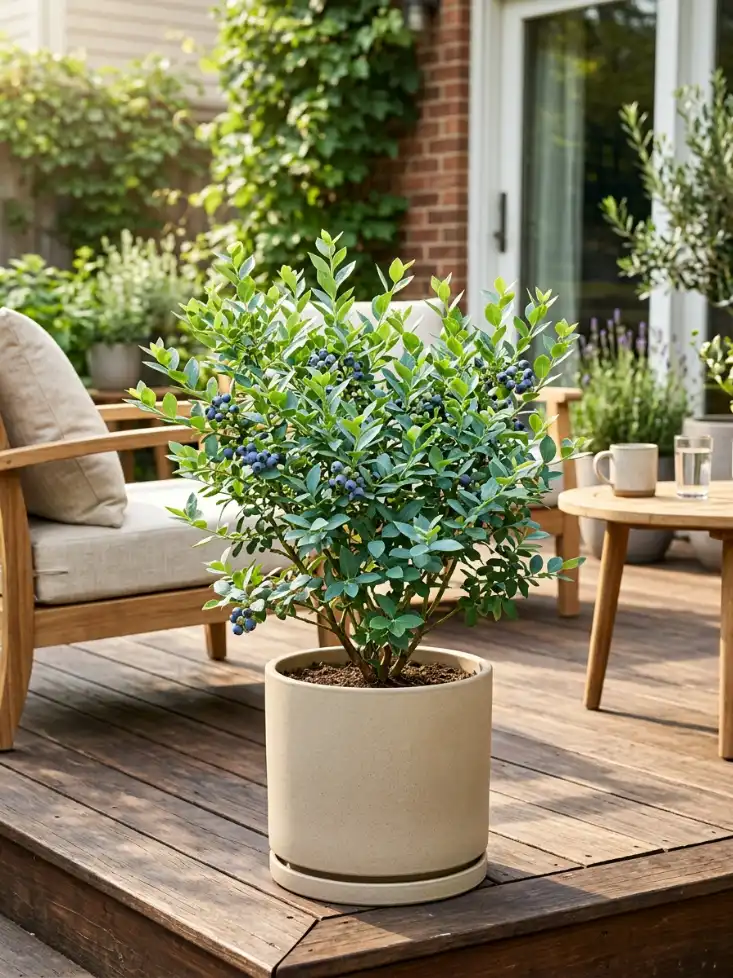
Pink spring blossoms and silvery blue-green leaves make this blueberry pretty enough for a shady front porch planter. It needs only about 150 chill hours, which is why it has earned a loyal following in warm southern regions.
I have to be honest, though, because desert soil and blueberries get along about as well as cats and bathwater. Our alkaline ground locks up iron, so the leaves turn yellow unless the roots sit in acidic potting mix.
You need to grow it in a large container filled with an acid-loving plant mix rich in peat or bark. Aim for a pH between 4.5 and 5.5, and test it every few months with an inexpensive soil meter.
Tap water here is often alkaline, so collecting rain or using filtered water keeps the soil acidic much longer. Morning sun with afternoon shade suits it best, especially once temperatures climb past one hundred degrees in summer.
The self-fertile plant stays around three to four feet tall, and its leaves often hang on through mild winters. Gather your pot and acidic mix this October so the bare-root shrub can settle in the day it arrives.
6. Golden Currant
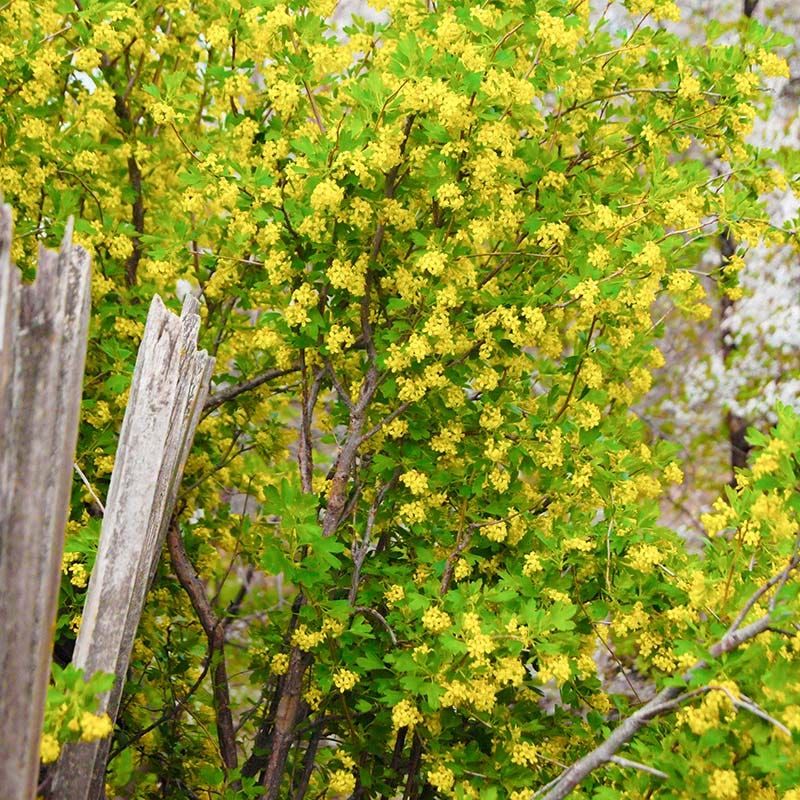
Late winter smells a little like cloves when this native shrub opens its tubular golden flowers along slender stems. Hummingbirds find those blossoms fast, and early native bees crowd in right behind them for a nectar sip.
Ribes aureum grows wild along streams and canyons in Arizona, so it already understands our weather and stubborn rocky soil. Unlike fussy imports, it shrugs off alkaline ground and needs little extra water once its roots settle in.
Summer brings small berries that ripen from gold to deep red or nearly black, depending on the plant. They taste tart and a bit sweet, and I like them tossed into muffins or simmered into a bright jam.
Birds love those berries too, and a busy shrub full of finches makes the yard feel lively and wild. Expect a height of three to eight feet, with spreading suckers that slowly fill in a loose informal hedge.
Low desert gardeners should tuck it into afternoon shade, while cooler higher towns can plant it in full sun. Native plant nurseries often stock bare-root or small plants in fall, so an October shopping trip can pay off nicely.
7. Blue Elderberry
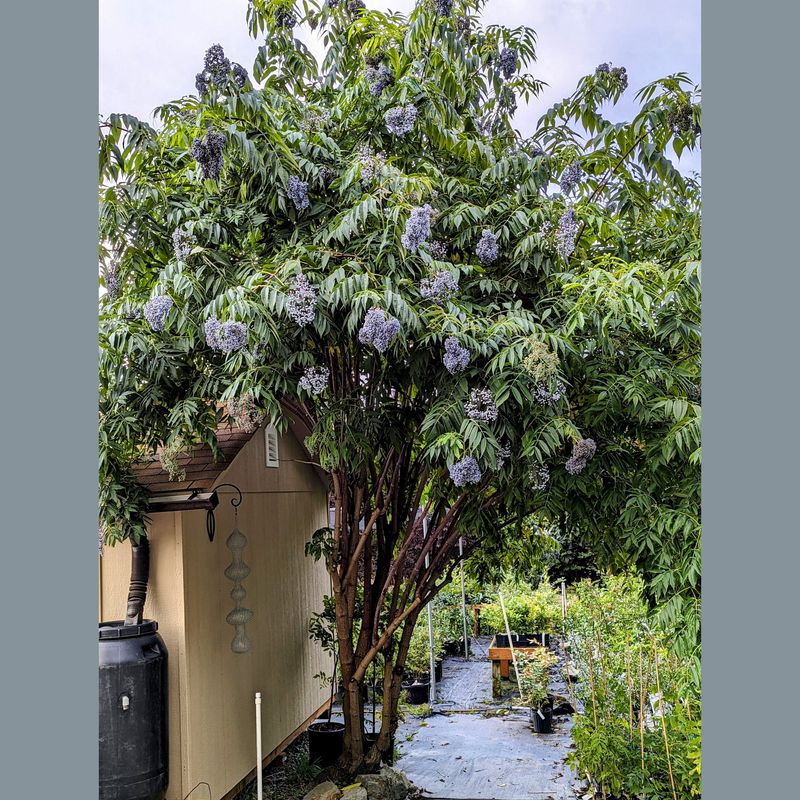
Those dusty blue berries look frosted, thanks to a natural waxy bloom that rubs off under a gentle fingertip. This native elderberry grows fast and can tower over fifteen feet, casting welcome shade across a hot desert yard.
In spring and early summer, flat creamy flower clusters attract a parade of pollinators to the garden for weeks. Later in the season, songbirds such as phainopeplas and western bluebirds gather each summer to feast on the ripening fruit.
I can’t imagine a better shrub for anyone who wants a backyard buzzing with wildlife from dawn until dusk. Still, give it room, because a mature plant often spreads as wide as it grows tall within a few seasons.
A word of caution matters here, since the leaves and stems contain compounds that can make people and pets sick. Ripe berries should be cooked before eating, and they turn into lovely syrup or jelly once gently heated.
Plant bare-root elderberry in winter where it can catch some runoff, like the low corner of a sloped yard. Deep, occasional watering during its first two summers helps roots chase moisture down into cooler soil layers far below.
8. Thornless Boysenberry
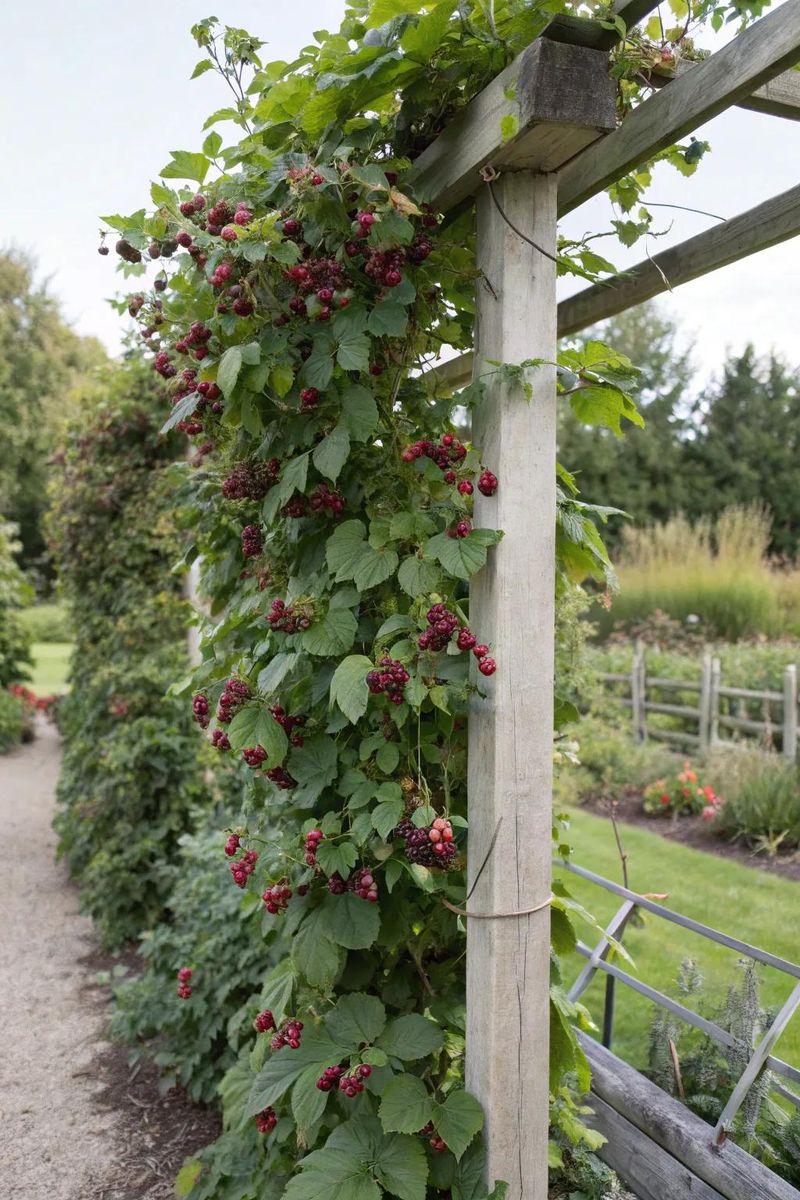
Walter Knott helped make this berry famous in the 1930s, selling boysenberry pies and preserves at his California farm stand. Today you can grow a thornless version, skipping the scratches that came with the original wildly prickly canes.
The fruit is huge and deep maroon, with a tangy flavor that tastes like blackberry with a raspberry twist. I love how one handful stains your fingers purple, which honestly feels like a badge of early summer.
The berries are so soft that stores rarely carry them, so a backyard plant may be your only source. Canes trail along the ground instead of standing upright, so tie them to a sturdy two-wire trellis early.
In the low desert, this plant appreciates afternoon shade and a thick layer of wood chip mulch over its roots. Gardeners at higher elevations, like Prescott, can usually give it full sun and enjoy heavier crops in early summer.
Space plants about five feet apart so air flows freely and the leaves dry quickly after morning watering. Use October to set trellis posts in place, and your bare-root canes will be ready to climb this winter.