Put Away The Fertilizer For Georgia Gardenias – One Winter Step Matters More
Just one January night in the teens can quietly erase a whole summer of flowers before you notice a thing. The shrub looks fine for days.
Then the buds turn brown and drop like tiny marbles.
I learned this the hard way in my Georgia yard. My first instinct was to grab a bag of plant food and help the poor thing toughen up.
That was the wrong move, and it made things worse.
Here’s what surprised me most. Next summer’s flower buds are already sitting on the branches right now, formed back in late summer and fall.
You can’t see much, but every one of them matters.
What does a sleepy, glossy-leaved shrub really want from you when the cold rolls in? The answer is simpler than a fertilizer schedule, and it costs almost nothing.
I bet you already own the supplies.
1. Next Summer’s Gardenia Buds Are Already Waiting On The Branches
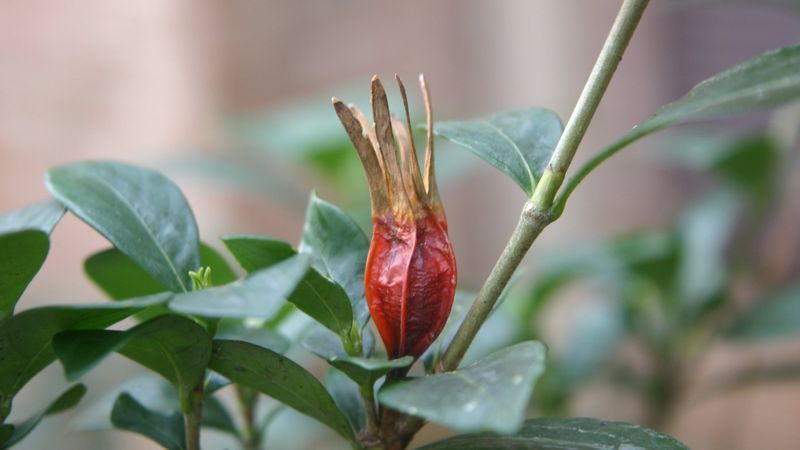
Lean in close to your shrub this winter and you might spot small, tight green nubs at the branch tips. Those little knobs are next year’s flowers, and they formed during late summer and fall.
That timing changes everything about winter care. The plant has already done its big job for the year, so it doesn’t need food to make blooms.
What it needs is for those tiny buds to survive until warm weather returns.
Gardenias are tougher than orchids but softer than most hedges. Many common types start to struggle when temperatures slip into the low 20s, and buds can be injured before the leaves show any trouble.
A hard freeze may brown the buds, causing them to drop in spring with no warning.
Georgia spans USDA hardiness zones 6b through 9b, with zone 9 extending across parts of southern and coastal Georgia. North Georgia mountain towns get much colder nights than Savannah or Valdosta.
That means your neighbor two hours away may face very different risks.
Once you see those buds as precious cargo, the winter priority becomes clear. Protecting them from cold beats any product you could sprinkle on the soil.
Everything else on your list comes second.
2. A Frost Cloth Over Your Gardenia Shrub Is The Winter Step That Counts
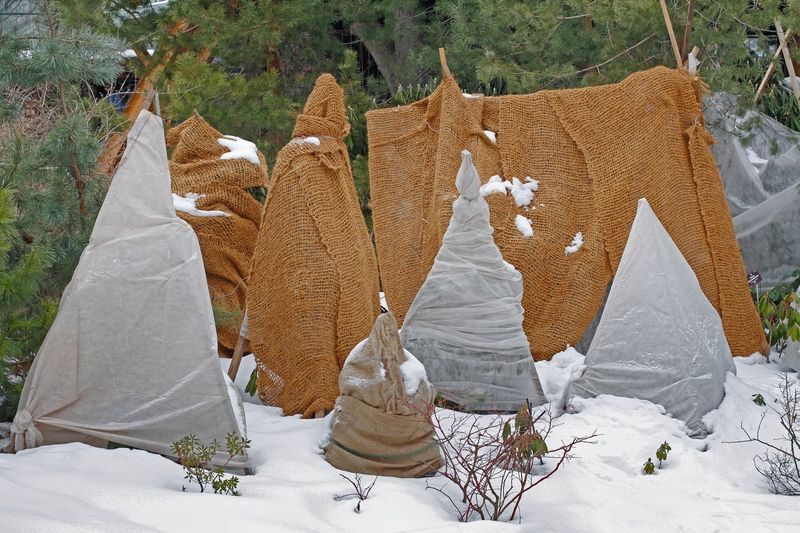
Honestly, the hero of this whole story is a cheap piece of fabric. When the forecast calls for temperatures in the low 20s or teens, covering your gardenia does more good than anything else you can do.
Use a breathable frost cloth, an old bedsheet, or a light blanket. Drape it so it reaches all the way to the ground on every side.
Soil releases stored warmth overnight, and a cover that touches the ground traps that heat around the plant like a tent.
Skip plastic sheeting if you can. Plastic touching leaves can transfer cold and cause damage, and it can cook the plant if left on during a sunny day.
If plastic is all you have, build a frame of stakes so it doesn’t rest on the foliage.
Weigh the edges down with bricks or rocks so wind doesn’t strip it away at 3 a.m. Then pull the cover off the next morning once temperatures climb above freezing.
I keep a folded frost cloth in my garage all winter. It takes about two minutes to toss over a shrub.
That tiny effort can save a whole season of fragrant white blooms.
3. Leave That Bag Of Gardenia Fertilizer In The Shed Until Spring
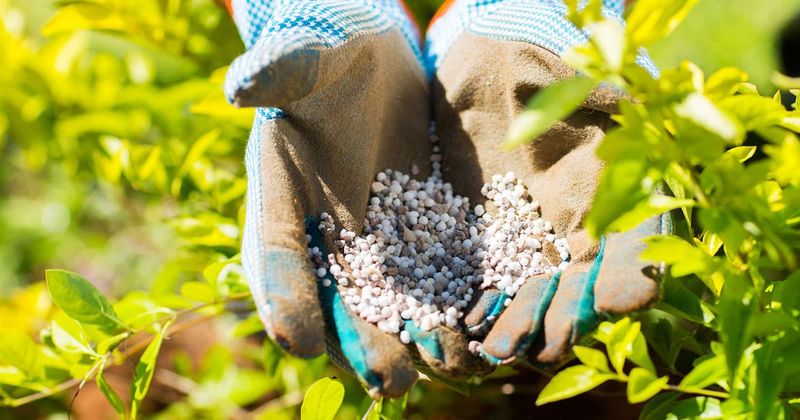
Feeding a resting shrub is a little like handing someone a big breakfast at midnight. The plant simply isn’t ready to use it.
Gardenias slow down when the weather cools, and their roots take up far less. Fertilizer in late fall or winter can push out soft new shoots, and those tender leaves are easy targets for the next freeze.
Extra salts from unused fertilizer can also build up in the soil and stress the roots.
The UGA Cooperative Extension and most Southern gardening experts suggest feeding gardenias in spring, once new growth begins and frost danger has passed. In much of Georgia, that lands somewhere around late March to April.
Gardeners in the mountains may wait a bit longer.
Choose a fertilizer made for acid-loving plants, like those labeled for azaleas and camellias. A slow-release type is easier on roots and less likely to cause a sudden growth spurt.
Some growers add a light second feeding in early summer after blooming.
Stop feeding by late summer. That gives new growth time to harden before cold weather arrives.
Your patience now pays off with healthier leaves and a stronger flower show later.
4. Pine Straw Around Gardenia Roots Keeps The Chill Away
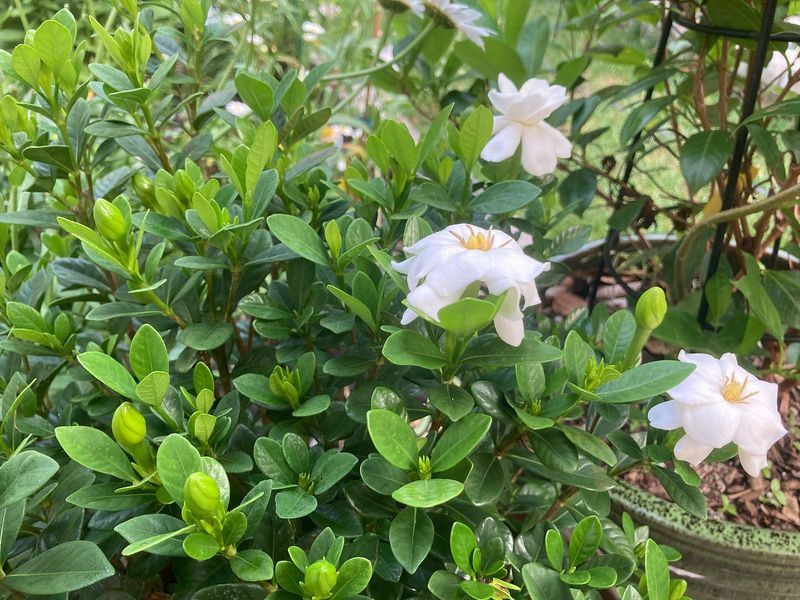
Georgia has a secret weapon falling from its trees every year. Pine straw makes one of the best winter blankets you can give a gardenia, and it’s often free.
Spread about two to three inches of mulch over the root zone. Pine straw, pine bark, or shredded leaves all work well.
Mulch helps hold steady soil temperatures, keeps moisture in, and softens the shock of quick freeze and thaw swings.
Keep the mulch pulled back a couple of inches from the main stem. Piling it against the trunk can hold moisture there and invite rot or pests.
Think donut, not volcano.
Gardenias love slightly acidic soil, and pine straw fits right in. It breaks down slowly and won’t mat down like some heavier mulches.
Air and water still move through it easily.
If your mulch has thinned out over the year, winter is a perfect time to refresh it. A quick top-up after the first cold snap gives roots extra protection for the coldest weeks.
I find this job oddly satisfying on a crisp afternoon. It smells wonderful, it looks tidy, and your shrub quietly benefits for months.
5. Soggy Soil Can Hurt Gardenia Roots More Than Cold Air
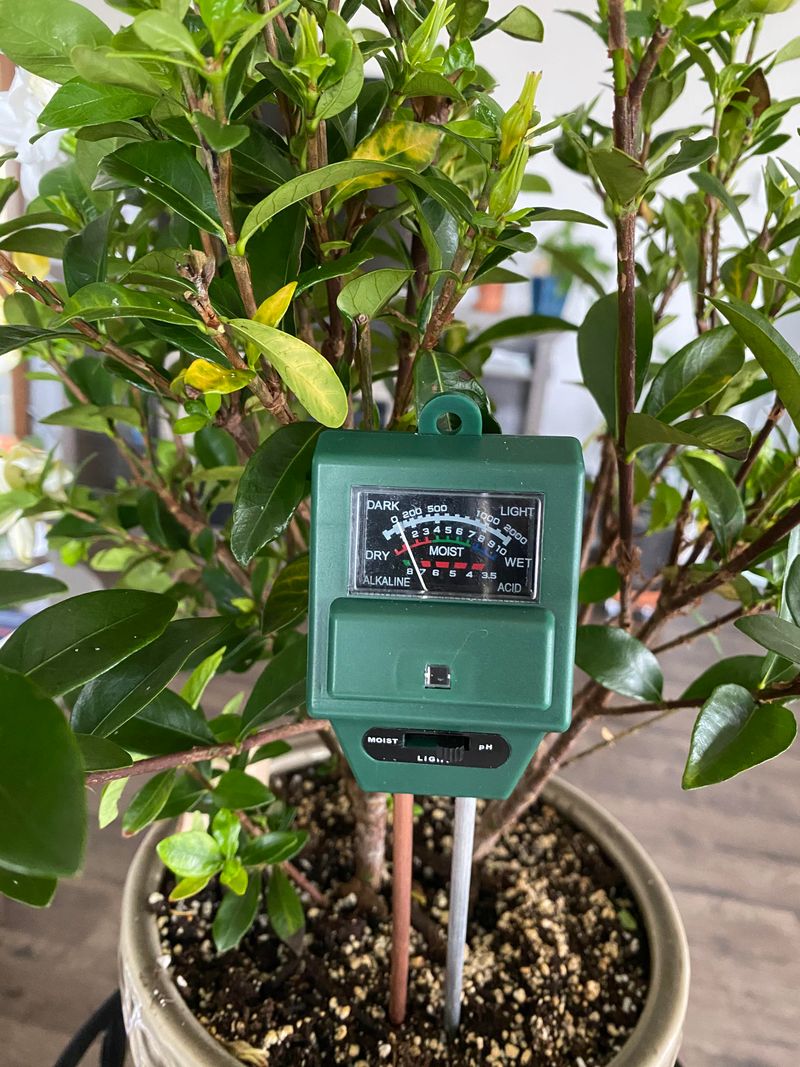
Winter watering trips up plenty of gardeners, me included. A gardenia that sits in cold, wet soil for weeks can develop root rot, and yellowing leaves often follow.
Georgia winters bring plenty of rain in many areas, so outdoor shrubs may need little extra help. Check before you water.
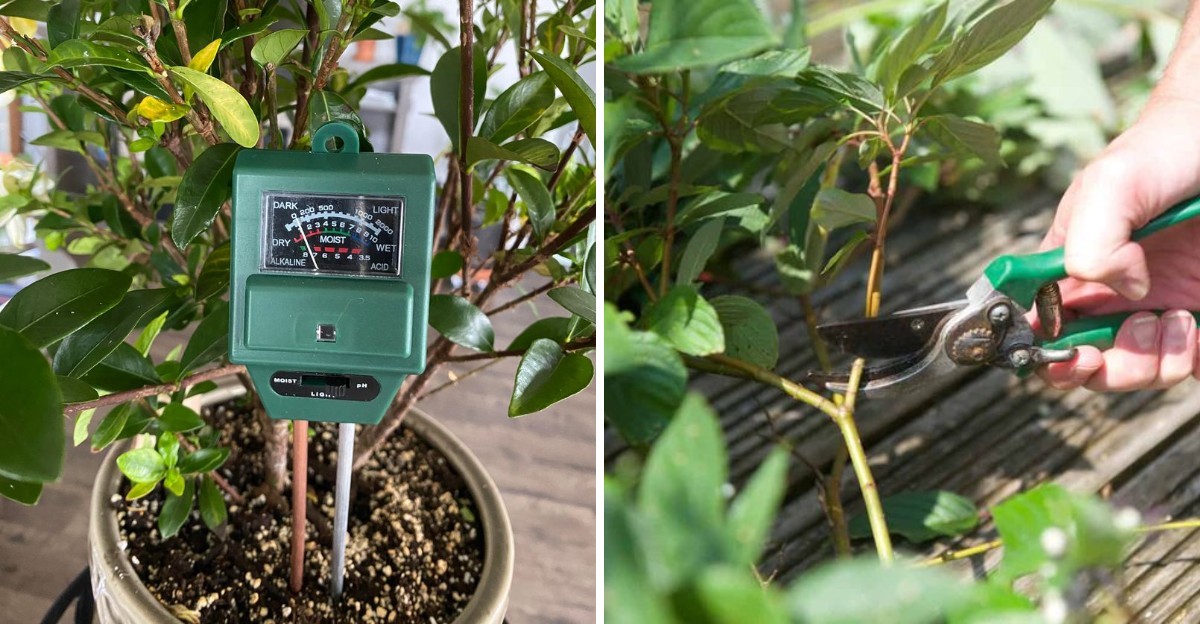
Push a finger into the soil, and if the top inch or two feels dry, give it a slow, deep drink.
Moist soil does have one winter perk. Damp ground holds and releases heat better than bone-dry ground.
Watering a day before a hard freeze, if the soil is dry, can help roots handle the cold.
Drainage matters just as much as watering. Heavy red clay, common across much of the Piedmont, can hold water for a long time.
Planting in raised beds or mixing in organic matter when you plant helps excess water drain away.
For potted gardenias, make sure drainage holes are open and saucers don’t hold standing water. Wet feet in a cold pot is a fast path to trouble.
A careful, check-first habit beats any calendar schedule.
6. Pruning Shears Should Stay Away From Gardenias In Winter
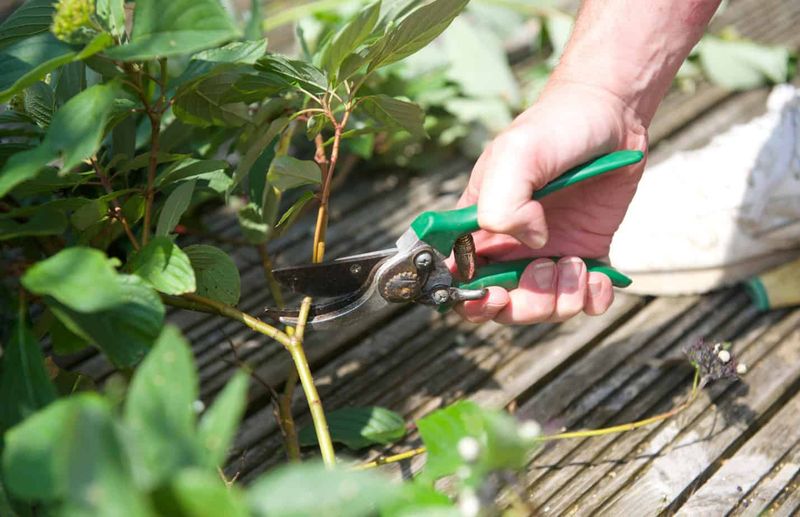
A scraggly branch sticking out in January can be hard to ignore. I get it, because tidy shrubs look nice from the kitchen window.
Still, winter pruning is one of the fastest ways to lose flowers. Since gardenias set buds in late summer and fall, any cut now snips off blooms you were counting on.
Pruning can also nudge the plant to push new growth that frost may damage.
The best time to prune is right after the main bloom wave fades, usually in early to mid summer in Georgia. That gives the plant time to grow and form new buds before fall.
Light shaping is all most gardenias need.
There is one exception worth knowing. If a branch was hurt by cold, wait until new spring growth appears.
Then you can clearly see which parts are brown and brittle and trim back to healthy green wood.
Removing a broken branch after a storm is fine anytime. Just make a clean cut and leave the rest alone.
Put the shears in a drawer and admire your shrub’s shape as it is. Summer you will be glad you waited.
7. Cold-Hardy Gardenia Varieties Make Winter Much Easier
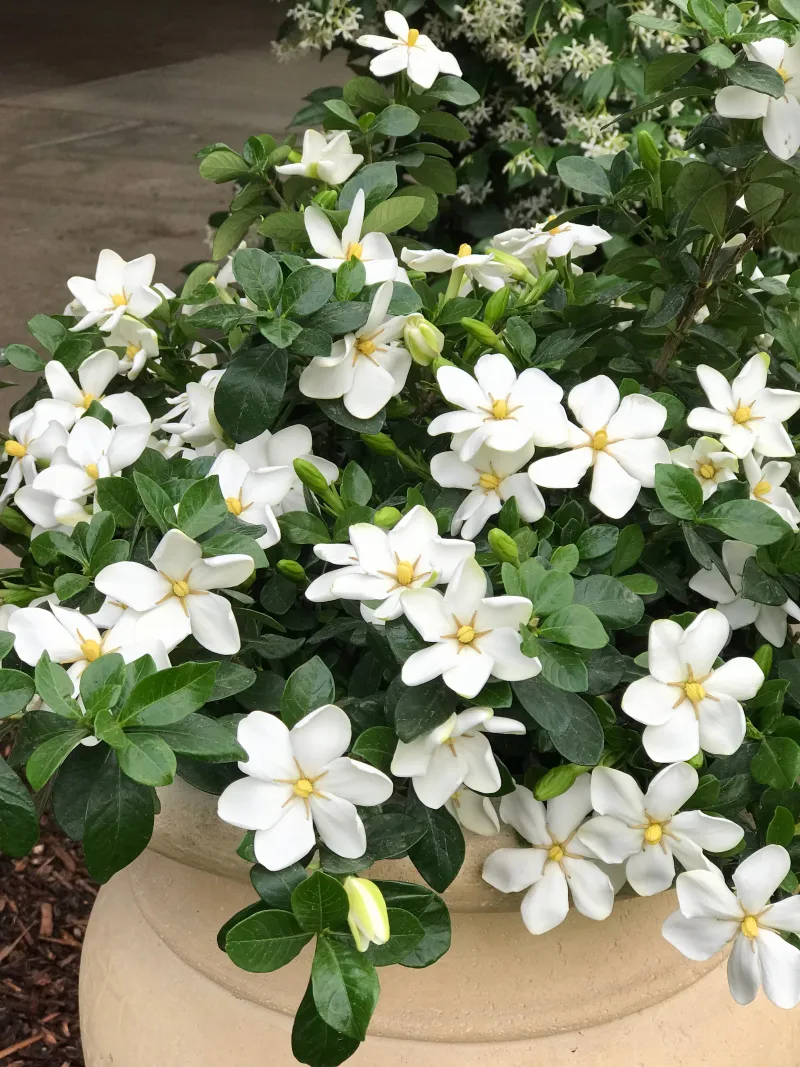
Some gardenias shrug off winter far better than others, and picking the right one saves you plenty of worry. If you live in north Georgia or a chilly low spot, variety choice really matters.
‘Kleim’s Hardy’ is a favorite for colder yards, with single white flowers and solid cold tolerance. ‘Frost Proof’ is another popular choice known for handling cold better than many older types. The Jubilation and Crown Jewel selections are also marketed as tougher options.
Planting spot counts too. A site near a south or east wall gets extra warmth and protection from harsh winter winds.
Morning sun with light afternoon shade suits gardenias well across most of the state.
Container gardeners have extra flexibility. Bring potted plants into a garage or cool, bright room during hard freezes.
Pots freeze faster than ground soil, so they need protection sooner.
Here’s my favorite takeaway from all of this. Pick a sturdy variety, give it a sheltered spot, and keep a frost cloth handy.
Then hold off on fertilizer until spring, and your Georgia gardenia will likely reward you with that famous sweet perfume when summer arrives.