7 Warning Signs of Feral Hogs Near Your Texas Property
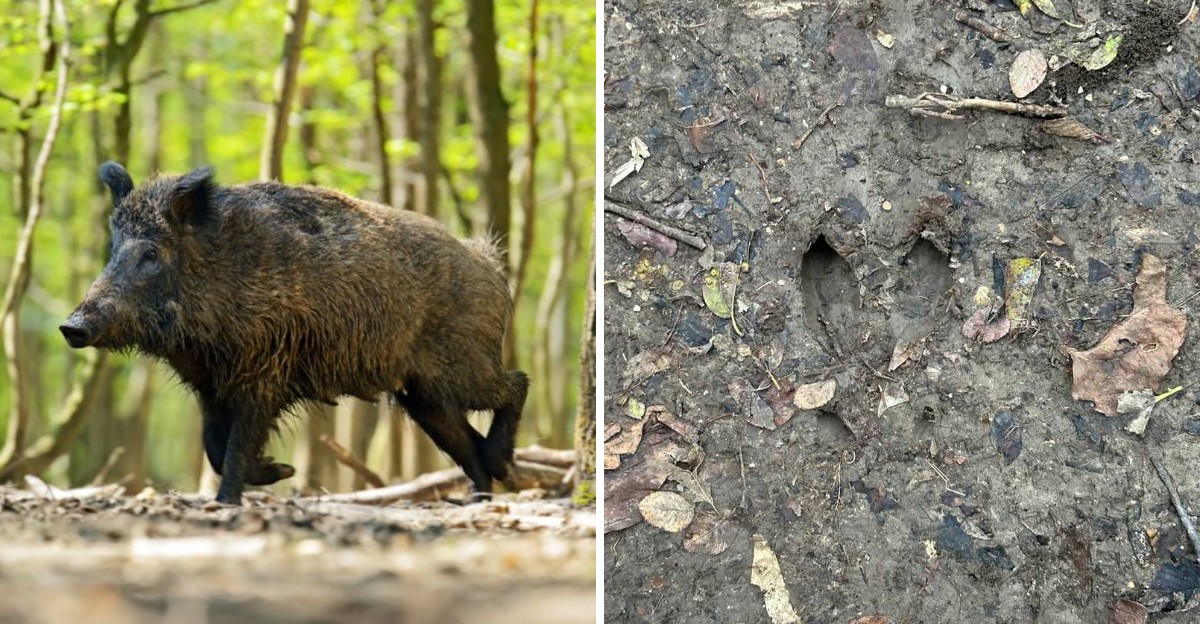
A creature with very few working sweat glands now roams 253 of the 254 counties in Texas. It plows soil with its snout at night and can leave your lawn looking like a rough field by morning.
These visitors work surprisingly quietly, often finishing their mischief long before sunrise. Texas A&M AgriLife experts estimate the state’s population likely tops two and a half million animals.
Plenty of gardeners first notice the clues near their vegetable beds, where neat rows suddenly look flipped like pancakes. Many hints show up days before you ever spot one of the culprits.
Some clues sit right at your feet, while others are smeared on tree bark at about knee height. How many of these signs are already hiding in plain sight around your backyard?
1. Torn Up Turf From Feral Hog Rooting
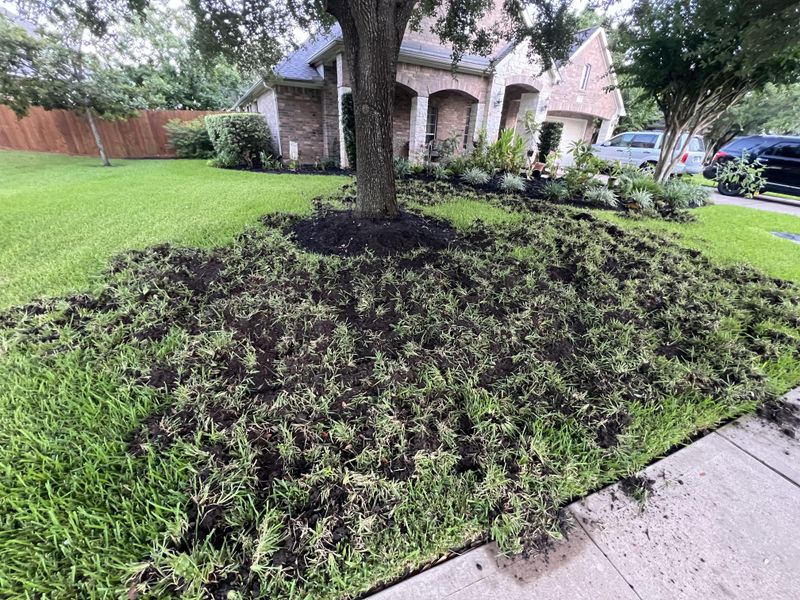
My first real shock came at sunrise, when a patch of lawn looked like someone had tilled it overnight. Feral hogs flip sod with tough, disc-shaped snouts, hunting for grubs, earthworms, roots, and tender bulbs underground.
AgriLife specialists note that rooting can reach several inches deep and sometimes stretches across entire pastures. Armadillos dig too, but their holes are small and cone-shaped, scattered here and there instead of broad torn patches.
Hog rooting usually looks like big chunks of sod rolled back, almost as if a small plow wandered through. You will often find it along damp creek bottoms and shady field edges that sit near heavy brush.
Moist ground makes the job easier for them, so damage often jumps after a soaking rain. Watered lawns and fresh garden beds can attract them during dry spells when wild soil turns hard.
Bare, churned soil also washes away quickly, carrying sediment into ponds and muddying water you may rely on. Slopes suffer the most, and native grasses can struggle for months before they fill the gaps again.
My advice is to walk your property edges early in the morning after any wet night. Fresh rooting looks dark and moist, while older damage dries out pale and starts sprouting weeds.
Snap a few photos and note the dates, because patterns help you or a trapper predict their return. Pressing sod back down and reseeding quickly gives native plants a better chance to recover from the mess.
2. Rounded Hog Tracks With Wide Dewclaws
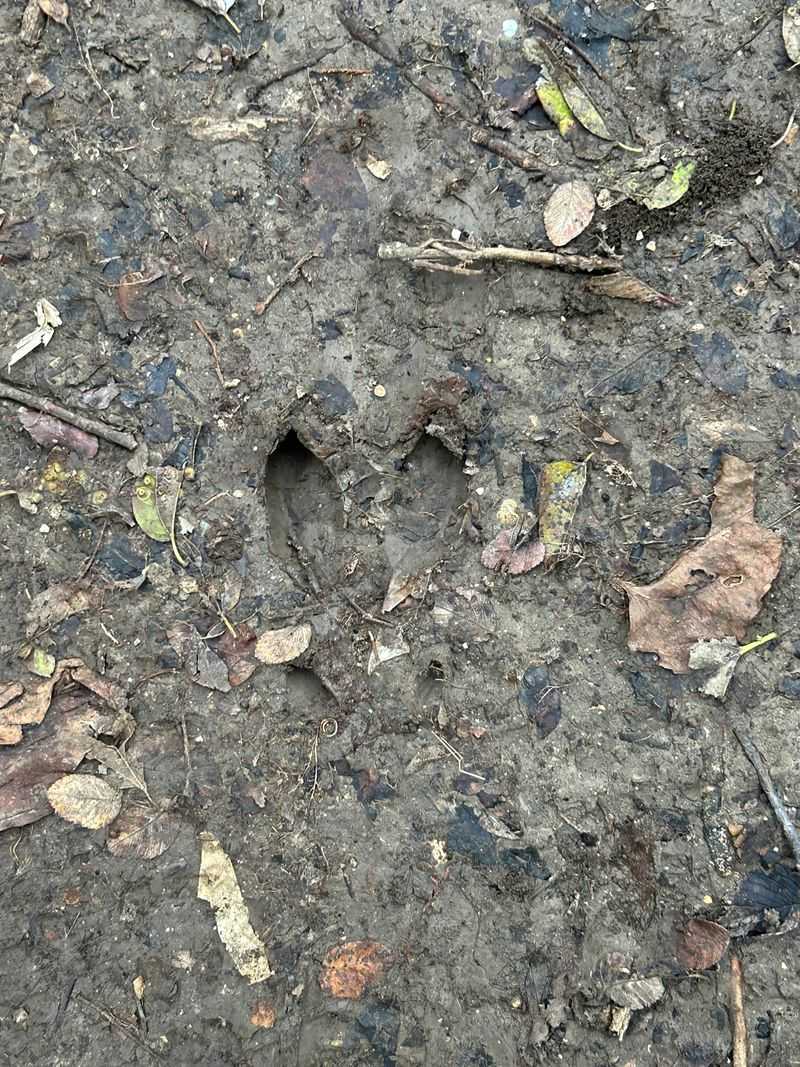
Soft mud near a stock tank tells stories better than any security camera, if you know what to read. Hog prints look a lot like deer prints at first, but a closer look reveals clear differences.
Deer hooves leave a slim, heart-shaped mark with pointed tips that usually face the direction of travel. Feral hog prints look rounder and blunter, with toes that seem squared off rather than sharply pointed.
Dewclaws are the real giveaway, those two small toes set higher up on the back of the leg. On hogs, dewclaw marks often spread wider than the main hoof, while deer dewclaws usually line up narrower.
Adult tracks typically measure around two to four inches long, depending on the size of the animal. Heavy bodies press deep into wet soil, so prints often look sharper than those of a lighter deer.
I like checking creek banks and gate openings, where animals tend to squeeze through the same narrow spots. Many small prints mixed with large ones can point to a sow traveling with her young piglets.
Laying a smooth patch of damp sand near a suspected crossing works like a free tracking station. Check it each morning, and you will quickly learn which visitors are passing through your land at night.
Pressing a coin or ruler beside a print before taking a photo makes size comparison much easier later. Wildlife biologists and county extension agents can help confirm tricky prints if you send them clear pictures.
3. Muddy Hog Wallows Along Pond Banks
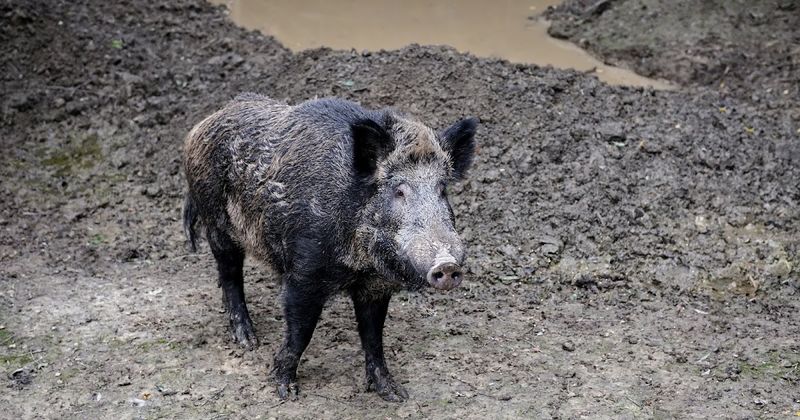
Feral hogs have very few working sweat glands, so on a hot afternoon they head straight for mud. Wallowing lets them cool down, and the gooey coating also shields their skin from biting insects and sunburn.
A wallow usually looks like a shallow, soupy dip pressed into wet ground near creeks or leaky seeps. You may notice body-shaped impressions in the muck, along with stray bristles stuck to the sides.
Hot summer weather in Texas makes these spots busier, since hogs need relief during long sticky stretches. Even a leaky water trough or a soggy drip line can turn into a tempting spa.
Repeated rolling chews up pond banks, and the loosened soil slides into the water with every rain. Clear ponds can turn murky brown, which is rough news for fish and for any livestock drinking there.
Hogs can also carry diseases and parasites, so avoid letting pets splash around in a fresh wallow. Swine brucellosis and pseudorabies are two concerns that wildlife officials mention, especially for hunting dogs around Texas.
I could be wrong, but I think wallows are the easiest sign to spot from a distance. Fresh ones look glossy and wet, while older ones crack and dry like a broken clay plate.
Fixing dripping faucets and leaky hoses near your garden removes an easy invitation for these mud lovers. Fencing small ponds with sturdy hog panels can protect banks while still letting native wildlife reach water.
4. Muddy Rub Marks On Tree Trunks And Posts
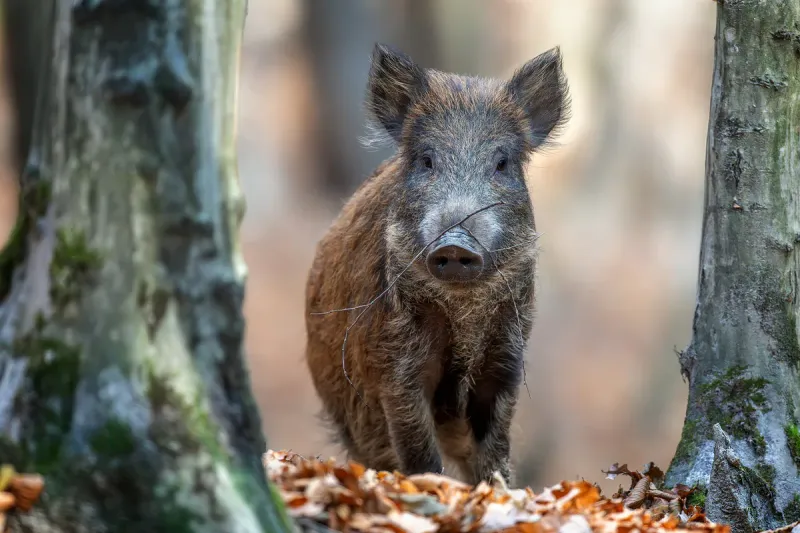
After a good mud bath, a hog wants a back scratch, and your trees might be its favorite brush. Rubbing helps them scrape off drying mud and loose hair, along with ticks and lice hitching a ride.
Look for dark, crusty smears on tree trunks and fence posts that stand close to water sources. Most marks sit between one and two feet high, which matches the shoulder height of an average hog.
Run your fingers over rough bark, and you may find stiff black or reddish bristles wedged in cracks. Those coarse hairs feel nothing like soft deer fur, so they make a handy clue for identification.
What I find funny is their apparent love for creosote-treated poles, which many trappers and biologists have noticed. Some experts think the strong smell may help repel insects, though nobody seems fully sure about the reason.
Rubs often appear on the same trees over and over, polishing the bark smooth after weeks of use. Big boars may also slash trunks with their tusks, leaving shallow gouges near the base of the tree.
Pine trees and tall posts along a creek trail are classic spots worth checking during your weekly walk. Mud height can hint at size, since higher smears usually come from larger, heavier animals in the group.
Fresh rubs feel damp or tacky, while old ones turn pale gray and flake off under your thumb. Tracking that difference helps you judge whether visitors stopped by last night or simply passed through months ago.
5. Narrow Hog Trails Cutting Through Brush
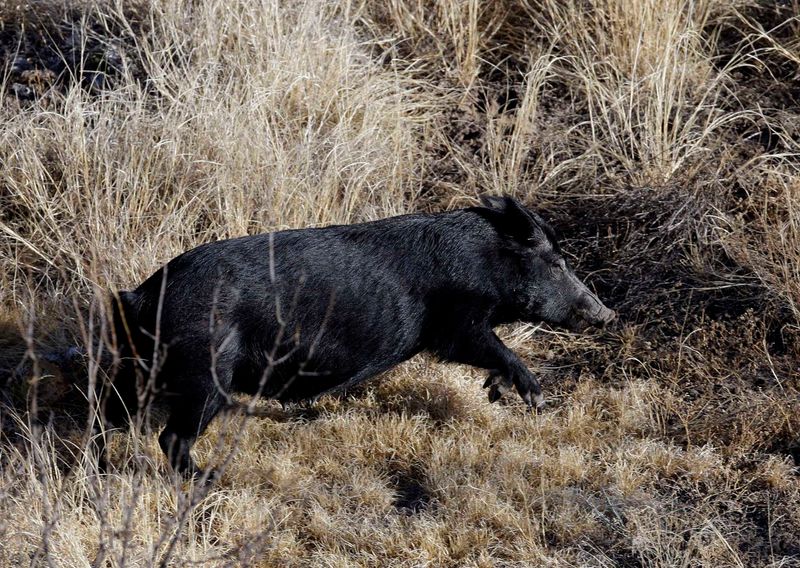
Wildlife loves a shortcut just as much as I love a shaded path to my garden shed. Feral hogs travel the same routes again and again, wearing narrow paths between thick cover and food.
These hog trails look like narrow ribbons of bare dirt, winding low through tall grass and tangled brush. Unlike deer paths, they tend to tunnel under low branches, since hogs stand shorter and push through thickets.
Creek bottoms and pond edges are common hot spots, because hogs need water nearly every single day. Trails often link those wet areas to crop fields or deer feeders sitting just a short walk away.
Fences tell their own story, especially when you spot mud and coarse hair snagged on the bottom wire. A worn dip in the dirt under a fence line means animals have been squeezing through that gap repeatedly.
You can see why trappers study these routes so carefully before setting any traps or corral gates. Placing a trap near an active trail, rather than in random open ground, usually improves the odds considerably.
In Texas, landowners and their agents may trap feral hogs on their own property without a hunting license. Rules about transporting live hogs are strict, so check with the Texas Animal Health Commission or your county agent first.
A trail camera pointed down a busy path can reveal how many animals use it each night. Knowing the group size matters, since removing only part of a sounder often teaches the rest to avoid traps.
6. Lumpy Hog Droppings Near Oak Groves
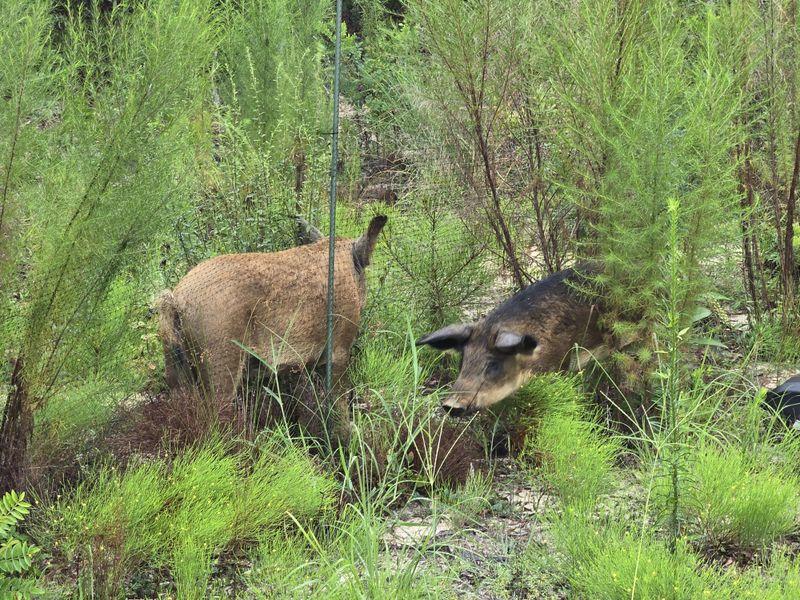
Nobody gets excited about poop, but hog droppings can reveal more about your visitors than you might expect. Feral hogs eat almost anything, from acorns and roots to insects and carrion, so their scat changes often.
Fresh droppings usually measure several inches long and can look like segmented logs or loose, shapeless piles. Color ranges from tan to nearly black, depending on whether the animals were munching grain or fresh greens.
During acorn season in fall, you may spot droppings packed with crunchy nut fragments and tough shell pieces. In spring and summer, the piles often look softer and greener, reflecting a diet heavy in tender plants.
Deer pellets look small and neat, so hog scat stands out once you compare them side by side. Dog droppings can look similar, so context like nearby rooting or tracks helps you make the right call.
Please wear gloves or use a stick if you poke around, because hog waste can carry harmful bacteria. E. coli and other germs from feral hogs have been linked to contaminated water and garden produce.
I’m often surprised by how frequently droppings cluster near deer feeders and the shade of oak groves. Those spots offer easy calories, and hogs tend to hang around wherever a free meal keeps showing up.
Keep vegetables you plan to eat raw away from any area showing fresh droppings or muddy hoofprints. Washing produce well and fencing garden beds can lower the risk for your family during busy harvest weeks.
7. Grunting Sounds And Hidden Hog Beds In Thickets
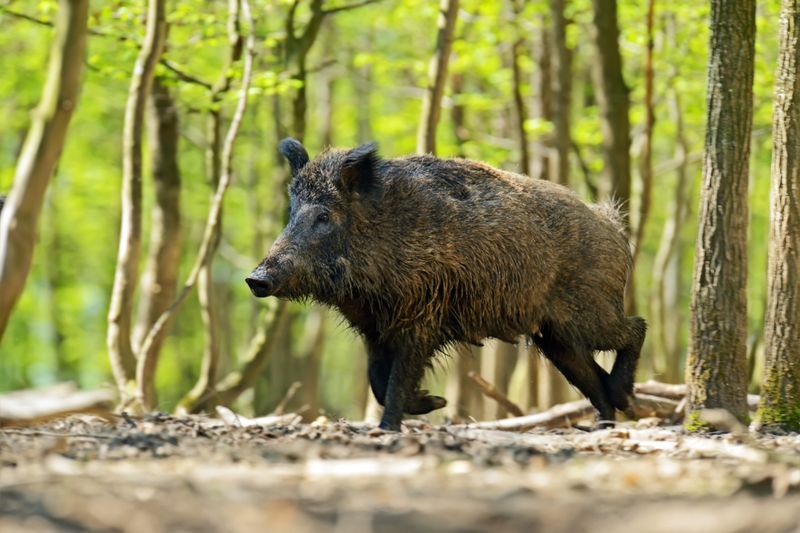
One muggy evening, a low, rhythmic grunting drifted out of the brush behind my compost pile. My heart jumped, because that steady oinking chatter often means a group of hogs is feeding close by.
Feral hogs talk to each other constantly, using soft grunts that help keep the sounder together in darkness. A sudden loud woof or huff usually signals alarm, and the group may crash off through the brush quickly.
Squeals and sharp screams can mean squabbling over food, especially when piglets jostle for a spot at the table. Sounds carry well on still nights, so you may hear them long before you ever see one.
Hot weather pushes many hogs toward nighttime activity, which explains why folks rarely spot them in daylight. Bedding areas are where they rest during the day, tucked into thick brush or dense cedar cover.
A bed often looks like a shallow oval scraped into the dirt, sometimes lined with grass or leaves. In cooler months, hogs may pile up vegetation into simple nests that hold warmth better than bare ground.
Please be careful if you go searching, since a startled sow with piglets can get defensive quickly. Walk with a buddy and back away calmly if you stumble onto a bed that looks occupied.
Finding beds tells you hogs are living nearby rather than just passing through on their nightly rounds. That knowledge is your cue to call a trapper or extension agent and build a solid control plan together.