What Ohio Hollies Need In December To Keep Their Berries Bright
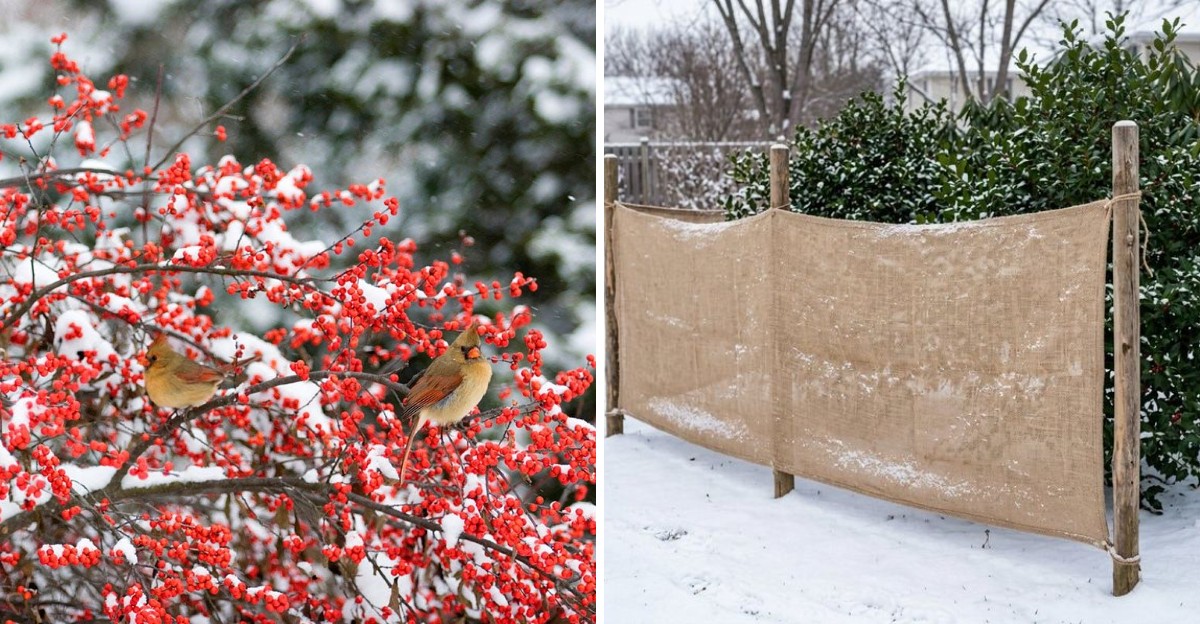
Those shiny red holly berries aren’t really berries at all. Botanists call them drupes, and each one hides several hard little pits inside.
It’s fascinating that a plant can hold onto its fruit for months through sleet, wind, and hungry birds. Some bushes stay loaded until spring, while others look picked over before the holidays even arrive.
You’ve probably seen both kinds in your own Ohio neighborhood. One yard glows like a holiday card, while the house next door has a holly with nothing but leaves, and that difference rarely comes down to luck.
Much of the December show depends on choices made long before the first snow, and a few of those choices still matter now, during the coldest stretch of the year.
What is your holly quietly asking for this month?
1. A Berry-Free Holly Bush Usually Has A Missing Partner
Plenty of gardeners blame the weather when their holly stays bare in December. The real story usually starts back in spring with a plant that is not even in the yard.
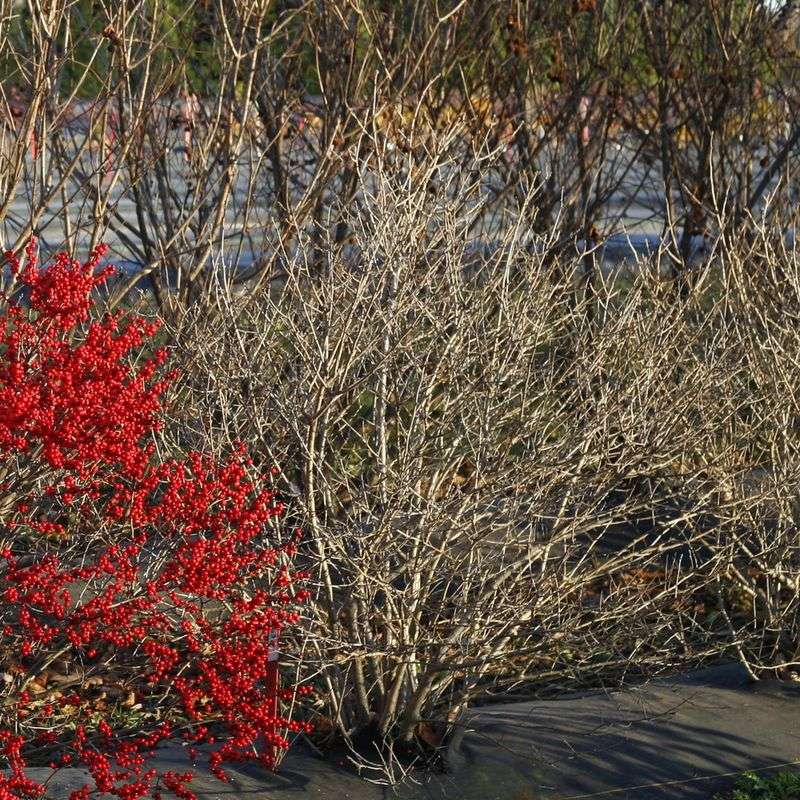
Most hollies are dioecious, which means each plant is either male or female. Only females grow berries, and they need pollen from a nearby male to do it.
Bees carry that pollen from flower to flower in late spring.
Without a male close by, a female holly may flower nicely and still give you nothing to show for it in winter. A good rule is to keep at least one male within roughly 40 to 50 feet, though bees can travel farther.
One male can serve several females.
The male also has to bloom at the same time as the female. Winterberry growers pair plants like Red Sprite with the early male Jim Dandy, while late types like Winter Red match with Southern Gentleman.
December is a great month to check this. Walk around and note which hollies have fruit and which do not.
If a bare plant has no partner nearby, you now know what to buy and plant next spring.
2. Evergreen Holly Leaves Keep Losing Water In Winter Wind
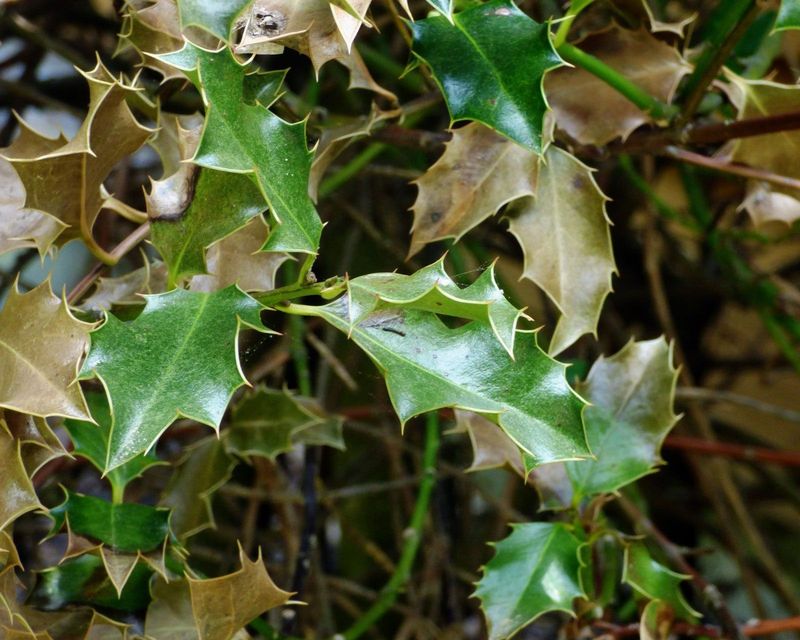
Here is a sneaky fact about evergreen hollies. Their leaves keep giving off water all winter, even when the ground is frozen solid and roots cannot pull any back up.
Cold, dry wind and bright winter sun speed up that water loss. Experts call the result winter burn or desiccation, and it shows up as brown, crispy leaf edges by late winter.
A stressed plant also has a harder time holding plump, colorful fruit.
The best defense is moist soil heading into the freeze. If fall was dry, give your holly a deep, slow soak any December day when the ground is not frozen and temperatures are above freezing.
Water in the morning so it can soak in before night.
Aim for the root zone, not the leaves. A hose on a slow trickle for 20 to 30 minutes works better than a quick splash.
Newly planted hollies, set in the ground within the last year or two, need this help most because their roots are still small.
Skip the water if the soil already feels damp a few inches down. Soggy, cold soil can cause root problems of its own.
3. A Blanket Of Mulch Around Holly Roots Works Wonders
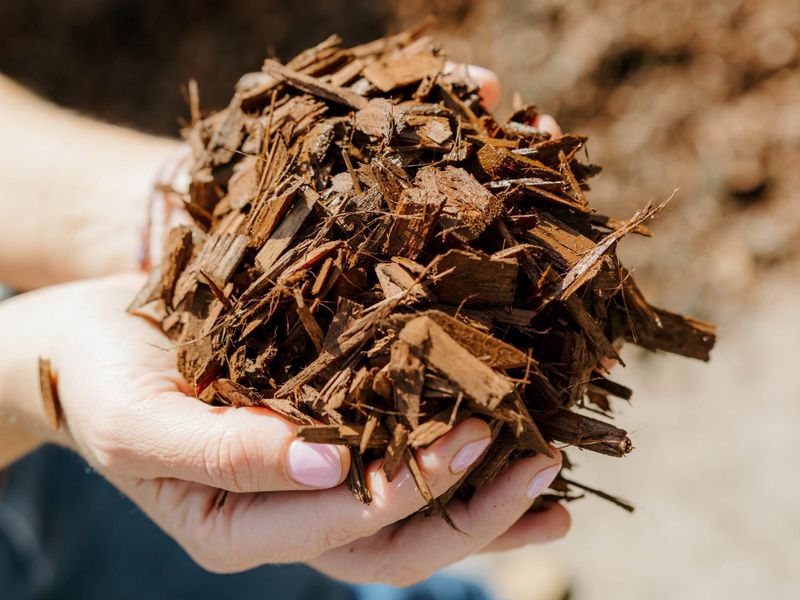
Mulch might be the least glamorous thing in your garden shed. Still, I would pick it over almost any fancy product when it comes to winter holly care.
A layer of shredded bark, pine needles, or chopped leaves about 2 to 4 inches deep acts like a cozy blanket. It keeps soil temperatures steadier and slows down water loss.
That matters a lot in Ohio, where December can swing from mild rain to a hard freeze in one week.
Steady soil means fewer freeze and thaw cycles. Those cycles can heave young roots and stress the whole plant.
Calmer roots support healthier leaves and better fruit set down the road.
Spread the mulch out to the drip line if you can, which is the outer edge of the branches. Pull it back a few inches from the main stem, though.
Mulch piled against bark holds moisture there and invites rot and gnawing voles.
Pine needles are a fun bonus choice. They break down slowly and add a touch of acidity, which hollies happen to enjoy.
If your holly already has mulch, simply top it up where it has thinned out.
4. Burlap Screens Can Shield Young Hollies From Harsh Exposure
Some hollies live tough lives. A young shrub on the windy corner of a house, or one facing open fields, takes a real beating from January blasts.
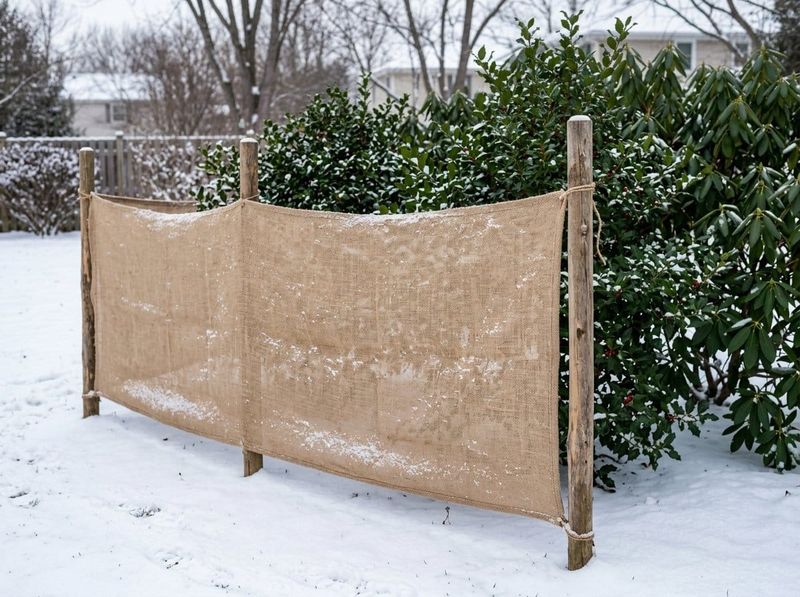
A simple burlap screen can make a big difference. Pound three or four wooden stakes into the ground around the plant before the soil freezes hard.
Then wrap burlap around the stakes, leaving the top open so air and light can still reach the leaves.
The goal is a windbreak, not a tight wrap. Burlap pressed directly against the branches can trap moisture and rub the foliage.
Keeping a few inches of space lets the plant breathe.
Focus on the side that faces the strongest wind or the hottest afternoon sun. In many yards, that means the west or south side.
You do not need to cover every holly you own.
Big, well-rooted American hollies usually handle Ohio winters fine on their own. Deciduous winterberry hollies do not need wrapping at all since they have no leaves to protect.
Save your burlap for evergreen youngsters and plants in exposed spots. Take the screen down in early spring once the harshest wind has passed.
5. Put Down Those Pruners Before Cutting Holly Berry Branches
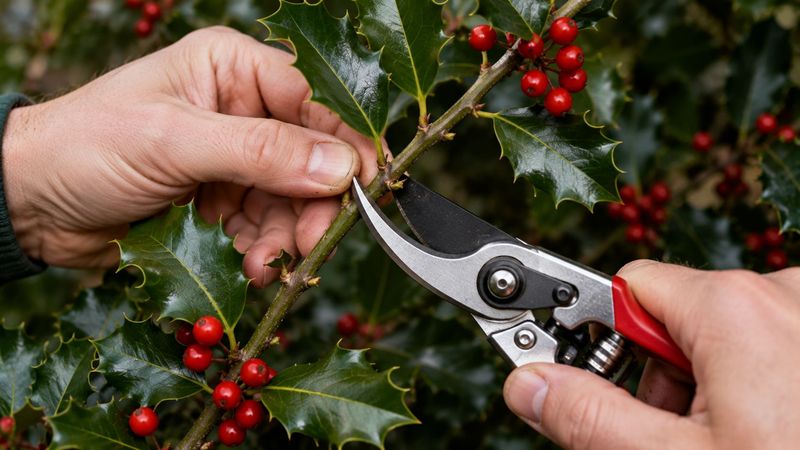
December brings a strong urge to snip holly sprigs for wreaths and mantels. I get it, because those red berries look amazing indoors.
A little care keeps that habit from costing you next year’s show.
Hollies make flowers on wood from the previous season. Heavy pruning in fall cuts away buds that would become next winter’s berries.
Late pruning can also push tender new growth that cold weather then damages.
Light holiday cutting is fine. Take small pieces from different parts of the shrub instead of stripping one side.
Make clean cuts just above a leaf or side branch so the plant keeps a tidy shape.
Save the bigger shaping jobs for late winter or early spring, before new growth begins. For evergreen hollies, that late winter window is the classic time.
For winterberry, many gardeners prune lightly in late winter, often by cutting berried stems for decorating at the same time.
One fun fact makes this easier. Older winterberry stems can be thinned out at ground level every few years, which keeps the shrub full of younger, fruit-heavy branches.
Clean, sharp tools help every cut heal faster.
6. Yellow Holly Leaves With Green Veins Point To Soil Trouble
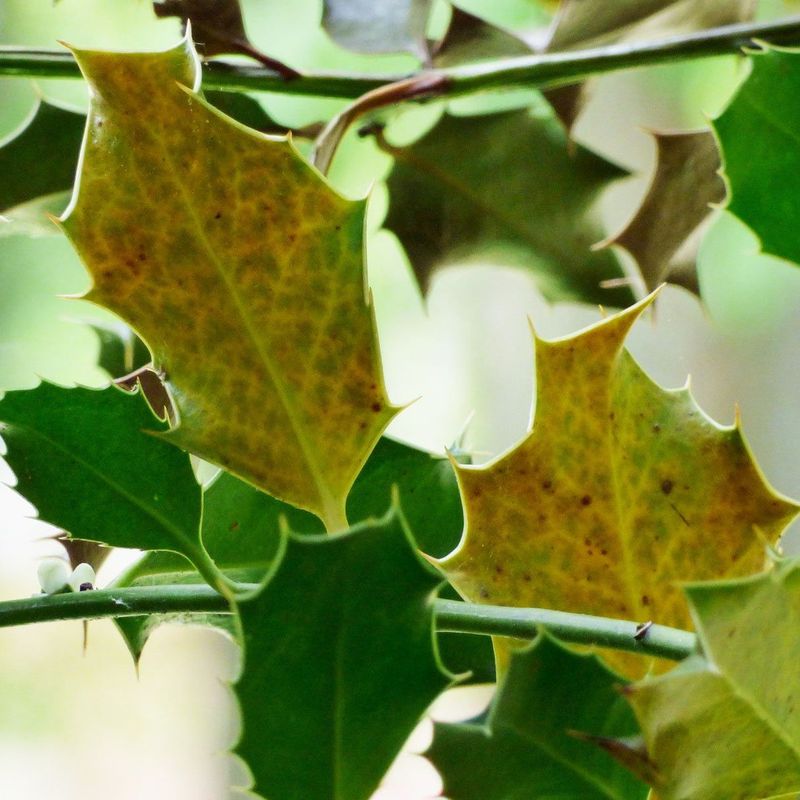
Leaves can tattle on your soil if you know what to look for. On hollies, yellow leaves with dark green veins are a classic clue called chlorosis.
Hollies like slightly acidic soil, somewhere around pH 5.0 to 6.0. Much of Ohio has clay or limestone-based soils that run neutral to alkaline.
In those conditions, the plant struggles to take up iron and manganese even when they are present.
A struggling plant has less energy for strong growth and good fruit. December is not the time to fix this with fertilizer, since the holly is mostly resting.
It is a great time to plan, though.
Start with a soil test before guessing. Ohio State University Extension offices can point you toward testing labs, and results will tell you the actual pH.
If the soil is too alkaline, elemental sulfur applied in spring can slowly lower it over time.
Also watch for other stress signs like leaf spots, scale insects on stems, or berries dropping early after drought. Healthy growing seasons build the reserves that let a holly hold its fruit into the cold months.
Good soil really is where bright winter berries begin.
7. Native Winterberry And American Holly Thrive In Ohio Cold
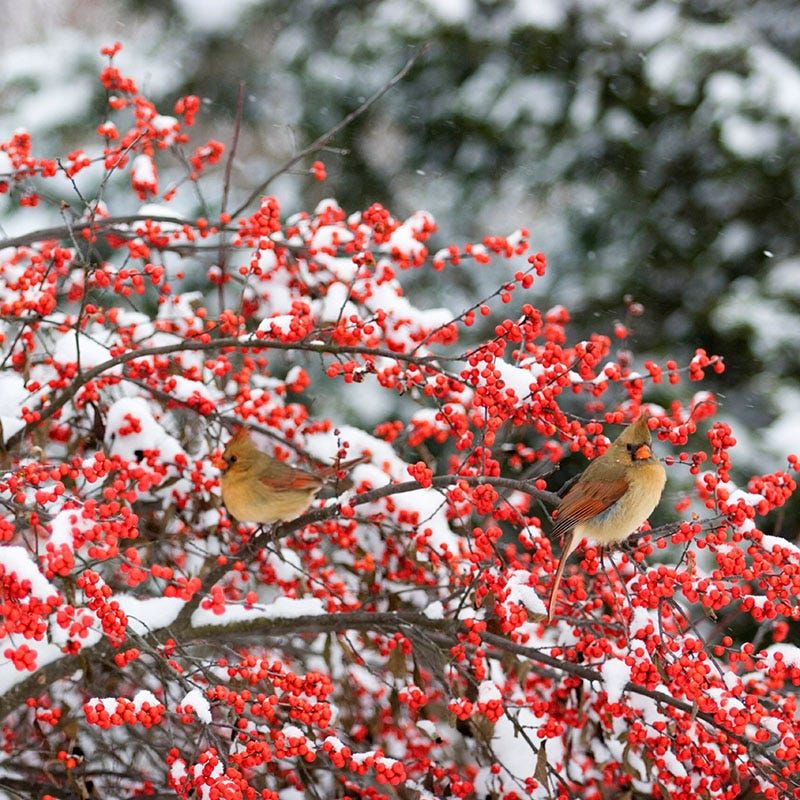
My favorite holly fact might be this one. Winterberry drops every leaf in fall, and then its bare stems light up with red fruit that looks almost unreal against snow.
Winterberry, or Ilex verticillata, is native to Ohio. It handles cold well, tolerates wet spots, and comes in red, orange, and even gold-fruited cultivars.
Birds like robins and cedar waxwings also snack on the fruit later in winter.
American holly, Ilex opaca, is the classic evergreen with spiny leaves and red fruit. It is native to southern Ohio and generally does well across the state’s zones 5 and 6.
In colder northern spots, give it some shelter from wind.
Choosing plants suited to your area means less fussing every December. Hardy natives usually hold fruit better because they are not fighting the climate.
They also support local wildlife far more than many imported shrubs.
If your current holly keeps struggling, consider adding one of these natives next spring. Buy a male partner at the same time.
With the right plant in the right spot, those bright berries become a reliable part of your winter yard.