Heavy Thanksgiving Rain Is Coming To Maryland And Leaf-Filled Gutters Could Make It Worse
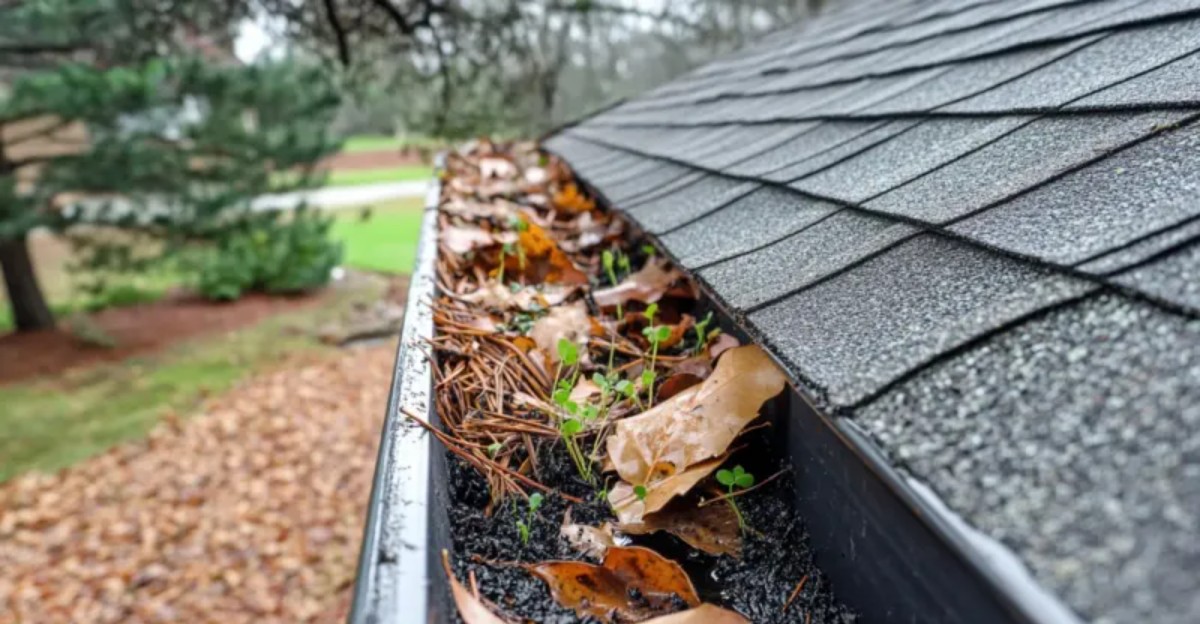
A powerful coastal storm is lining up to crash Thanksgiving dinner across the Mid-Atlantic this year. Forecasters say Thursday could bring the heaviest rain and strongest gusts of the whole holiday week.
Parts of Maryland may see 1 to 4 inches of rain. Gusts could top 50 mph, shaking loose the last oak and maple leaves onto our roofs at the worst possible moment.
I learned the hard way how much trouble a stuffed roofline can cause. One fall, a sheet of water poured over the edge of my house and flattened my hydrangeas. It also washed half my mulch onto the sidewalk. Not my proudest gardening moment.
Funny thing is, the worst damage rarely shows up during the storm. It sneaks in weeks later, somewhere you might not think to look, and it all starts with where that runaway rain ends up.
That Thanksgiving Storm Is Aimed Right At Your Leafy Gutters
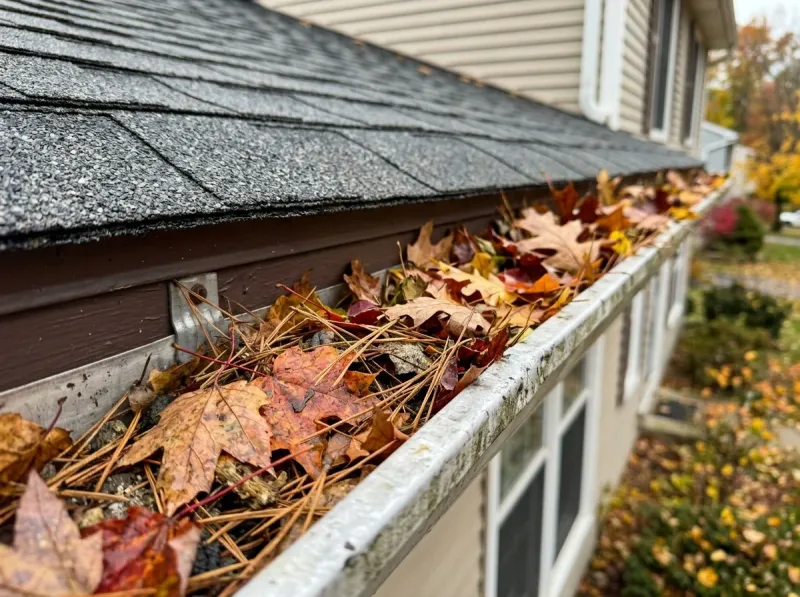
Forecasters with the National Weather Service are watching a strong coastal storm that could peak right on Thanksgiving Day, Thursday, November 26. Rain totals of 1 to 4 inches are possible across parts of the Mid-Atlantic, with gusts of 50 to 65 mph in some spots.
That wind is the sneaky part. Late November is when oaks, maples, and tulip poplars drop their final leaves, and strong gusts will blow plenty of them straight onto roofs and into gutters.
A gutter packed with wet leaves can’t move water to the downspout. The rain simply spills over the edge like a little waterfall. One inch of rain on a 1,000-square-foot roof adds up to roughly 600 gallons, so a few inches can send thousands of gallons looking for an exit.
Not every home will get the same amount. Coastal areas and the Eastern Shore may face more wind and tidal flooding, while western counties could see less rain. Check your local forecast as the storm gets closer, since storm tracks often shift.
The bottom line is simple. Clear gutters give that water a safe path, while clogged ones hand it a map to your house.
Overflowing Gutters Pour Water Right Against Your Foundation
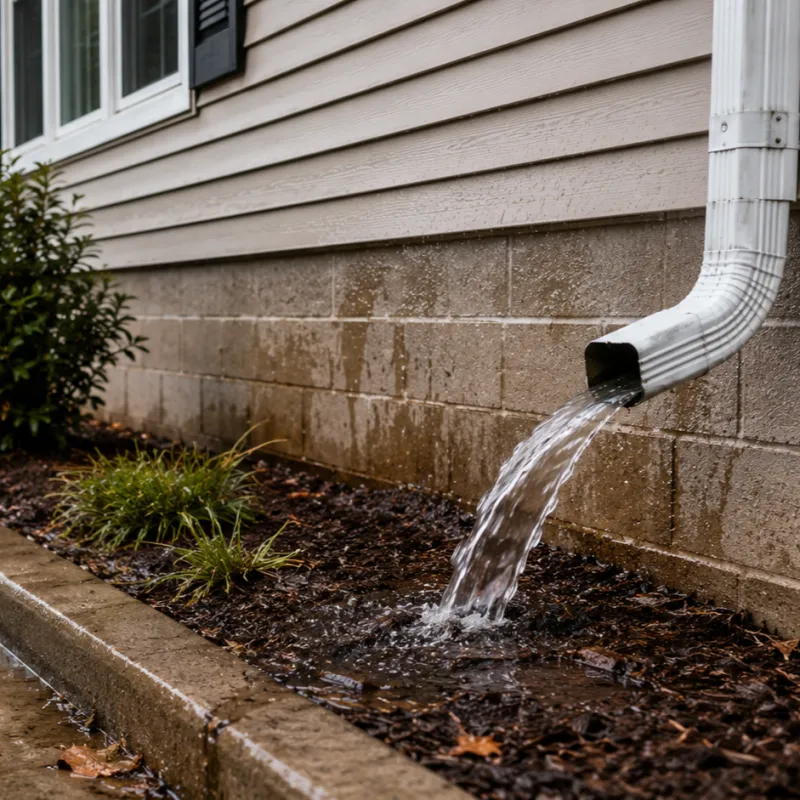
Every foundation has one quiet enemy, and that’s water sitting against it. When gutters overflow, rain drops right beside the house instead of traveling away through a downspout.
Soil next to the walls soaks up that water fast. Saturated soil gets heavy and pushes against basement walls, a force builders call hydrostatic pressure. Over time, that push can widen small cracks and let water seep inside.
Much of central Maryland has clay-heavy soils that drain slowly, so water lingers longer than you might expect. Heavy rain on top of soggy ground is a recipe for wet basements and puddles in crawl spaces.
Signs of trouble often show up after the storm. Watch for damp spots on basement walls, white chalky residue called efflorescence, peeling paint, or a musty smell. Those clues usually mean moisture is getting in, and mold can follow if it stays damp.
Overflow can also wash soil away from the foundation edge, leaving low spots that collect even more water next time. I check mine with a simple walk around the house during a rainstorm, umbrella in hand. Wherever water pours or pools, that spot needs attention before the next big storm rolls through.
Scoop Out Those Soggy Leaves Before The Storm Arrives
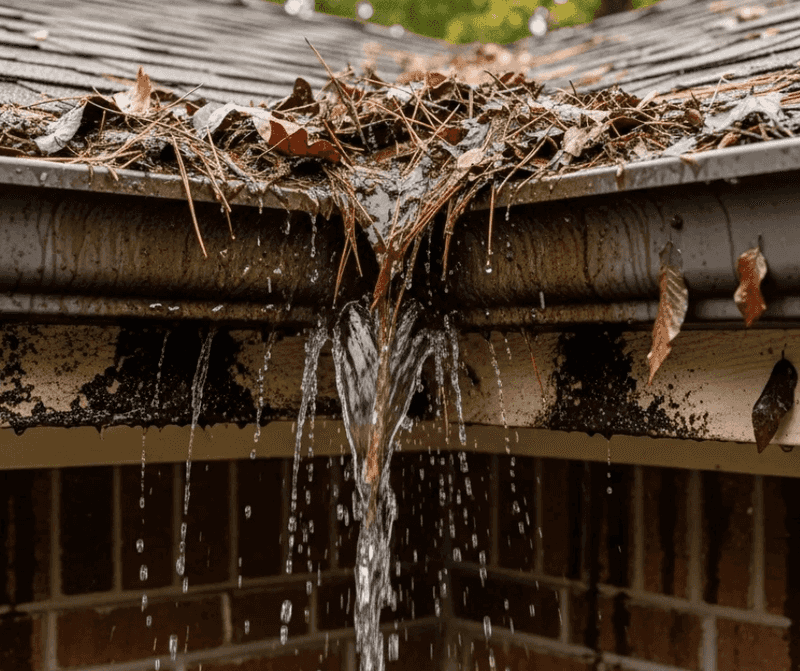
Grab your work gloves now, because the best time to clean gutters is a calm, dry day before the storm arrives. Climbing a ladder in 50 mph gusts or slick rain is a risk no gutter is worth.
Start with a sturdy ladder set on firm, level ground. Ladder safety experts recommend the 4-to-1 rule, which means placing the base 1 foot out for every 4 feet of height. A helper holding the bottom makes the job much safer.
Wear gloves and safety glasses, since gutter gunk can hide sharp bits of metal, shingle grit, and critter droppings. Scoop the leaves into a bucket hooked to the ladder rather than tossing them onto your flower beds.
Once the trough is mostly empty, run a garden hose through it, starting at the far end and working toward the downspout. Watch for water to gush freely out the bottom. If it backs up, a plumber’s snake or a strong hose blast from below can loosen the clog.
Single-story homes make a fair DIY project. Two-story roofs, steep pitches, or shaky ladders are worth handing to a pro, and many local gutter crews book up fast this week.
Your Downspouts Need To Carry Rain Several Feet From The House
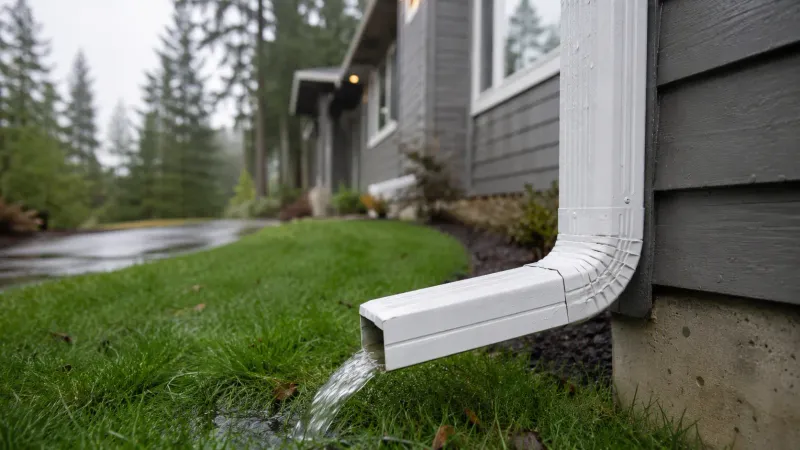
Downspouts are the unsung heroes of the whole system. A spotless gutter still causes trouble if its downspout dumps water right at the corner of your house.
Most home guides suggest sending water at least 4 to 6 feet from the foundation, and farther is better on flat lots. Inexpensive plastic extensions, flexible corrugated pipe, or a simple splash block can do the job.
Check where the water ends up, too. Aim it toward a lawn, a gentle slope, or a planted area that can soak it in, not toward a neighbor’s yard, your driveway, or a basement window well.
Fun fact: the University of Maryland Extension encourages homeowners to slow and soak rainwater on their own property. Letting roof water spread across a lawn or rain garden helps reduce runoff that carries soil and pollutants toward local streams and the Chesapeake Bay.
Before the storm, give each downspout a quick test with a hose. Tap the side, listen for rattling debris, and make sure the elbow at the bottom isn’t packed with leaves. Snap loose sections back together with sheet metal screws, since high winds love to pull apart wobbly joints at the worst possible moment.
Soggy Leaf Weight Can Make Gutters Sag And Fascia Boards Rot
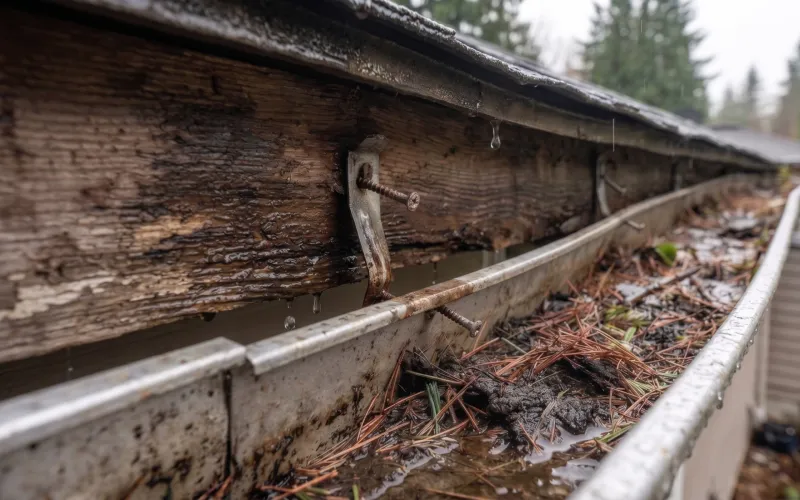
Ever lifted a bag of soaked leaves? They are shockingly heavy, and gutters feel that weight too. A long run packed with wet debris and standing water can strain the hangers until the gutter sags, bends, or tears loose from the house.
Once a gutter tilts the wrong way, water pools in the low spot instead of draining. That standing water speeds up rust on steel gutters and leaks at the seams.
The wood behind your gutters, called the fascia board, takes a beating as well. Overflow keeps it wet for days, and damp wood eventually softens and rots. Water can also back up under the lowest row of shingles and sneak into the roof deck or attic.
Winter adds another headache. Trapped water may freeze, and ice along the roof edge can force more water under shingles when it melts.
A quick look from the ground tells you plenty. Look for gutters that dip in the middle, gaps between the gutter and the house, peeling paint on the fascia, or dark water streaks on siding. Tightening hangers or adding new ones every two to three feet can help a tired gutter hold its shape through the storm.
Garden Beds Below The Roofline Take A Pounding Too
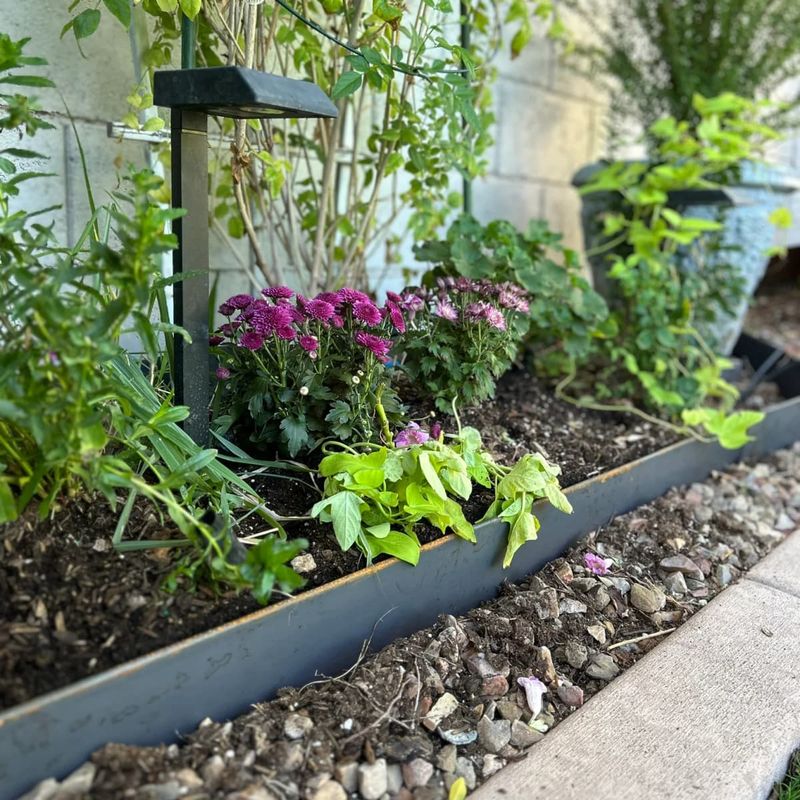
My poor hydrangeas learned this lesson before I did. Plants growing under an overflowing gutter take a pounding that no regular rain shower could match.
Water sheeting off a roof hits the ground with real force. It can blast away mulch, carve little trenches through beds, and expose roots of shrubs and perennials. Splashing water also flings soil onto leaves, which can spread fungal spores.
Too much water is another problem. Many popular landscape plants, like boxwoods, lavender, and yews, dislike soggy roots. Waterlogged soil pushes out the air roots need, and root rot can set in.
Before the storm, pull mulch a few inches back from plant stems so soggy mulch doesn’t sit against bark. Add a splash block or a few flat stones where drips land. If potted plants sit on a porch below the roofline, slide them out of the drip zone.
After the storm, check for washed-out spots and top up mulch where roots are exposed. If one area floods every time it rains, that spot could become a spring rain garden filled with natives like swamp milkweed, blue flag iris, or switchgrass, all of which handle wet feet.
Those Gutter Leaves Make Better Mulch Than Storm Drain Clogs
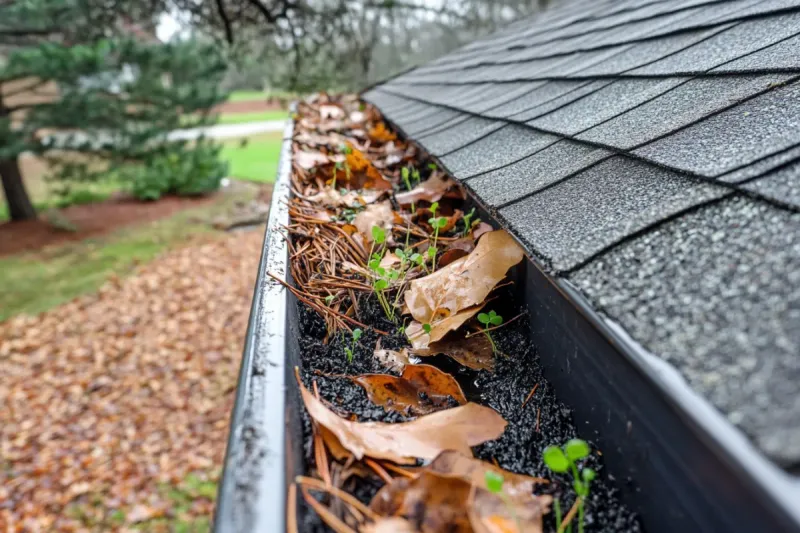
Those leaves you pull out of the gutter are not trash. They are free garden gold, and they deserve a better home than a clogged roofline or a curbside storm drain.
Shredded leaves make a fantastic mulch for vegetable beds and perennial borders. Run them over with a mower a couple of times, then spread a 2 to 3 inch layer over garden soil to protect it from heavy rain and winter cold.
Compost piles love leaves too. Mix them with green material like kitchen scraps or grass clippings, and by spring you’ll have rich, crumbly compost.
One Maryland detail many folks miss: leaves swept into streets wash into storm drains, which often flow straight to local creeks and the Chesapeake Bay. As those leaves break down, they release nutrients that feed algae and lower oxygen in the water. Many counties offer leaf collection or yard waste drop-off, so check your local schedule.
Before the storm, clear leaves away from any storm drain near your driveway. A blocked street drain can push water back toward your yard and turn the end of your driveway into a pond. That small chore takes five minutes and helps the whole block.
Gutter Guards And A Twice-A-Year Cleaning Keep Future Storms Easier
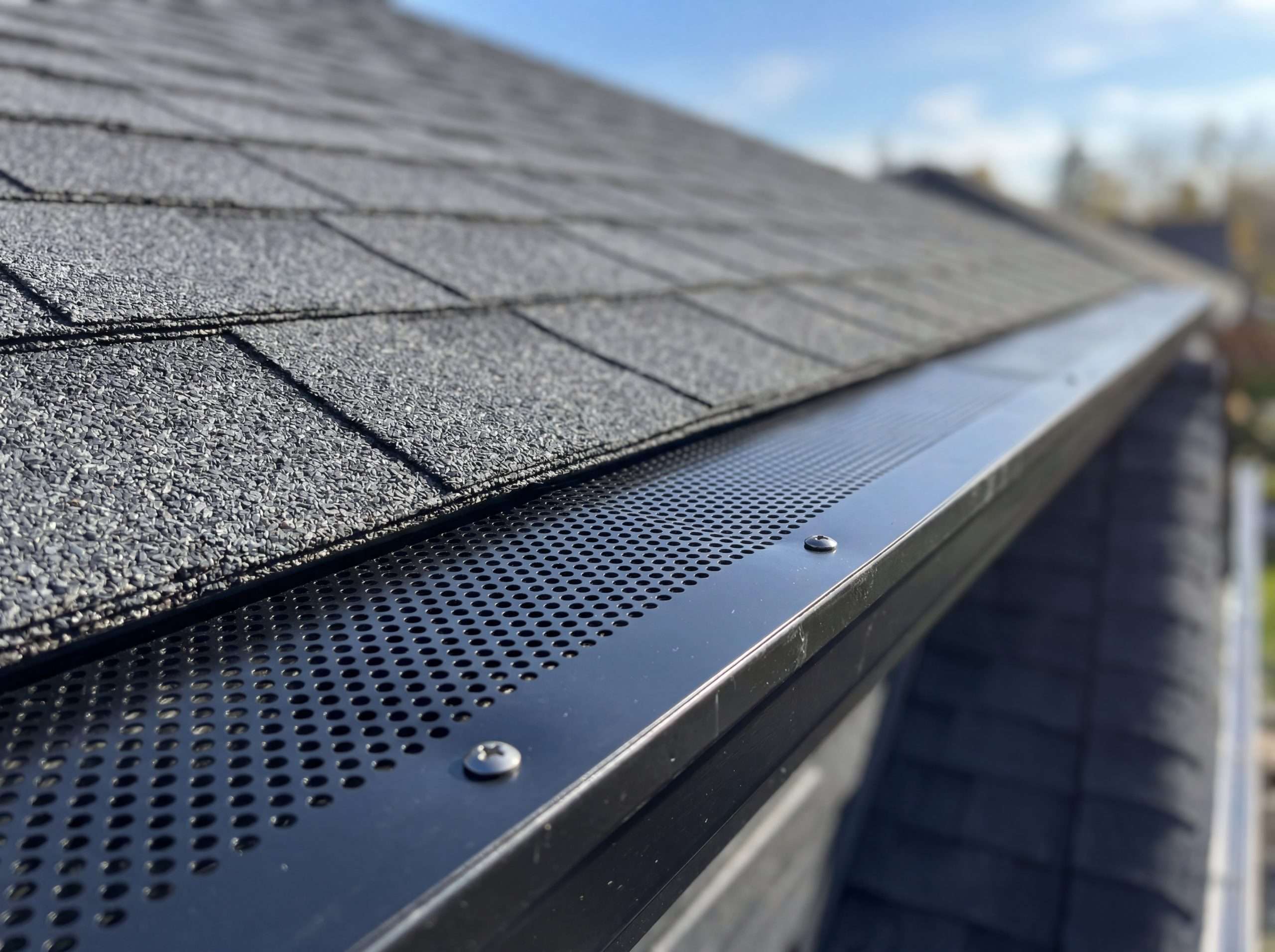
I’m a sucker for any tool that saves me a ladder climb, so gutter guards caught my eye years ago. They really can cut down on cleaning, especially under big oaks and maples.
Styles vary a lot. Fine micro-mesh guards block small debris like pine needles and shingle grit well. Basic screens cost less but may let smaller bits slip through, and foam inserts can trap grit and slow water during intense downpours.
No guard is maintenance-free. Leaves can still pile on top, and heavy downpours can sometimes rush over the edge. Plan on brushing them off and checking them at least once a year.
For most homes, a twice-a-year routine works well. Clean in late fall after the trees finish dropping, then again in spring after seeds, catkins, and blossoms fall. Homes surrounded by pines or tall trees may need extra checks.
After the Thanksgiving storm passes, take one more lap around the house. Look for overflow stains, loose sections, and puddles near the foundation, and jot down what you see. Those notes become a handy fix-it list, and next fall you’ll be ready long before the forecast turns stormy.