Protected Animals Washington Homeowners Can’t Remove Without A Permit
A single flutter of wings in an attic can legally tie your hands faster than a broken ladder. Washington wildlife rules cover far more backyard visitors than most homeowners expect, including a few you see weekly.
Some protections come from state law, while others trace back to the federal Migratory Bird Treaty Act of 1918. Even an empty-looking nest or a muddy pile of sticks can carry rules that surprise careful property owners.
I learned this the hard way after planning a quick weekend fix for a noisy problem under my eaves. One phone call to a wildlife office saved me from a fine and taught me a lot.
You might share your Washington yard with a few of these protected neighbors without realizing it yet. So which familiar visitors need a permit before you reach for a trap or a shovel?
1. Bald Eagles Nesting In Tall Backyard Trees
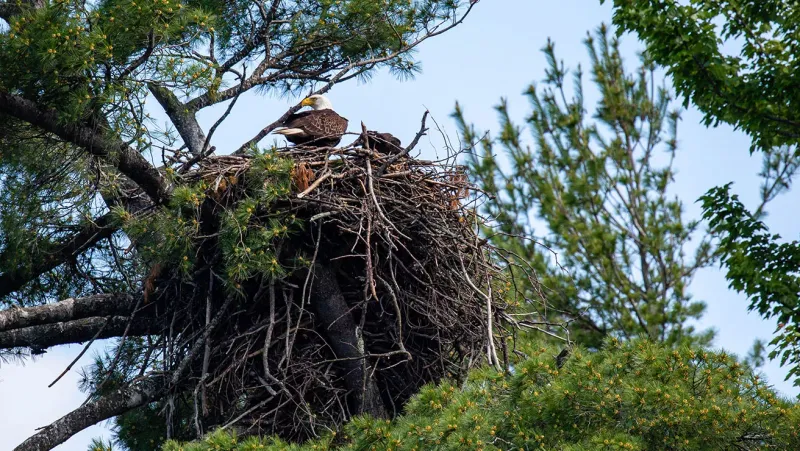
Bald eagle nests can grow wider than a kitchen table and weigh more than a small car over many years. Pairs often return to the same nest season after season, adding fresh sticks like proud home remodelers.
These raptors left the federal endangered list in 2007, but their legal shield stayed firmly in place afterward. The Bald and Golden Eagle Protection Act and the Migratory Bird Treaty Act both still cover them.
Disturbing eagles, or removing a nest without a federal permit, can bring steep fines and possible jail time. Even a nest that looks empty in autumn may be legally protected because eagles reuse them so faithfully.
Nesting in western Washington usually starts in late winter, with eaglets leaving the nest by mid summer. Loud projects like tree cutting or construction near an active nest can trigger permit questions with federal biologists.
Planning a big landscaping job near a known nest tree? Contact the U.S. Fish and Wildlife Service early, because guidance on buffer distances and timing can shape your whole project schedule.
I watched a pair rebuild their nest across the inlet near my place, and it became my favorite morning show. Binoculars from the porch beat any streaming service, and the eagles stay calm when you keep your distance.
Leave large shoreline conifers standing whenever safety allows, since eagles favor tall trees with open views of water. Your yard may become part of the local recovery story without any extra effort from you.
2. Northern Flickers Drumming On House Siding
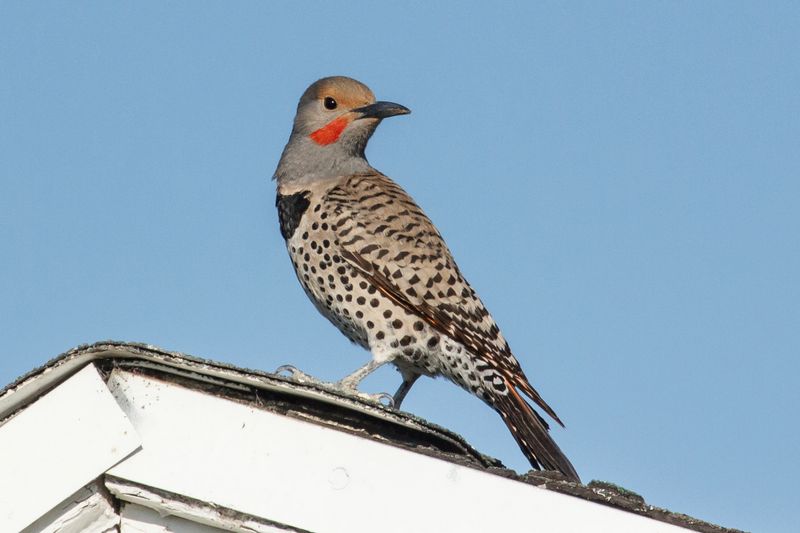
Rat-a-tat-tat at six in the morning on your gutter usually means a northern flicker is announcing its territory. That metal racket carries far, which is exactly the point for a woodpecker hoping to attract a mate.
Flickers are migratory birds, so federal law protects the birds along with their eggs and active nests. Trapping or harming one generally requires a federal depredation permit, and those are reserved for serious and ongoing damage.
Spring drumming usually fades once nesting begins, so patience solves many noisy problems on its own. Holes in cedar siding are a different story, and they sometimes point to insects living inside the wood.
Gentle deterrents are allowed when no active nest is present, and they often work surprisingly well. Lightweight bird netting draped over the damaged area keeps flickers from landing without harming them in any way.
Reflective tape or hanging pinwheels can help too, though birds may grow used to them after a few weeks. Repair holes quickly with wood filler, because an open cavity invites a flicker to start a nest.
I admire these birds despite the noise, since they spend much of their day eating ants on the lawn. Watching one hop around the grass flashing salmon-red feathers under its wings makes up for an early wake-up.
Consider mounting a nest box designed for flickers on a nearby tree or post, away from the house. Giving them a better option often draws attention away from your siding and keeps everyone happier.
3. Bats Roosting In Attics And Backyard Sheds
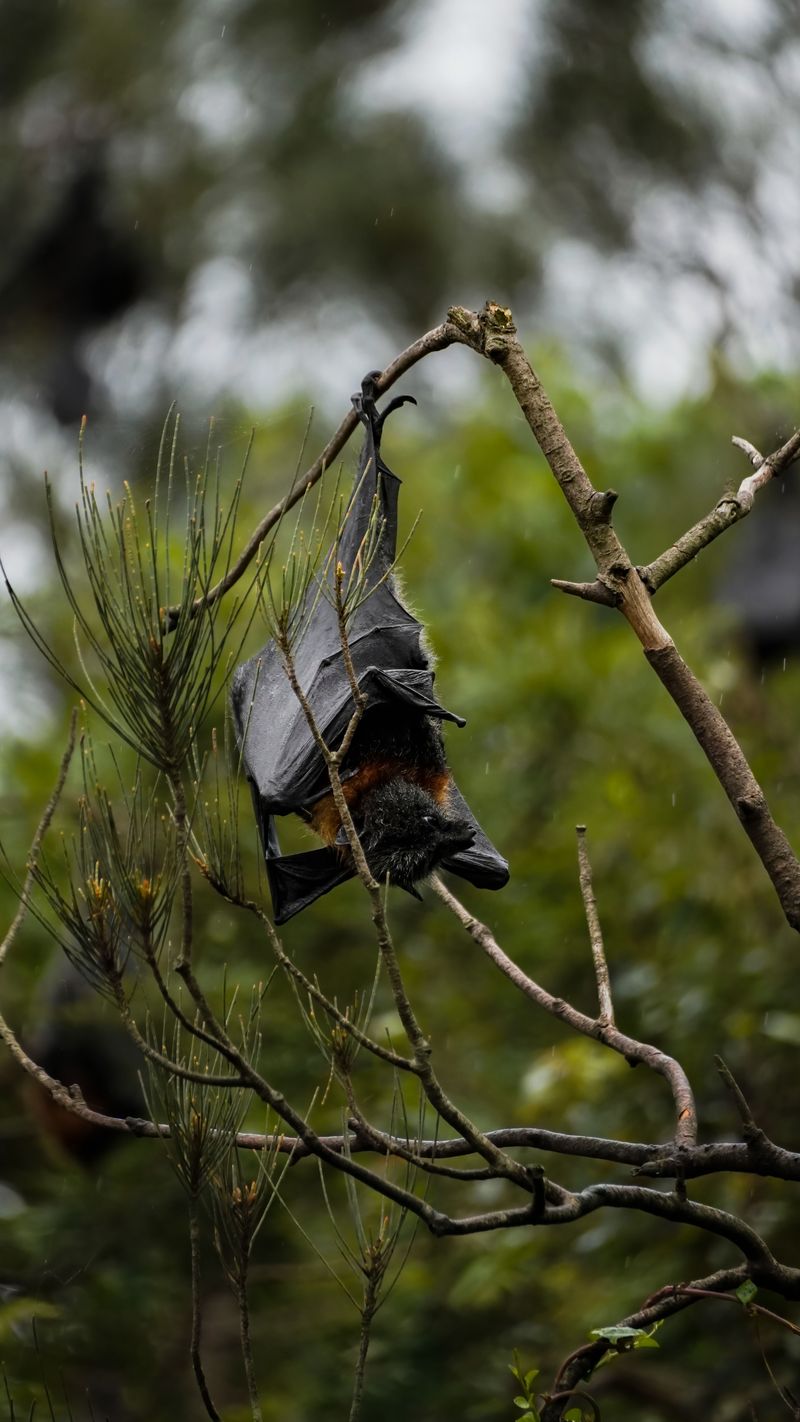
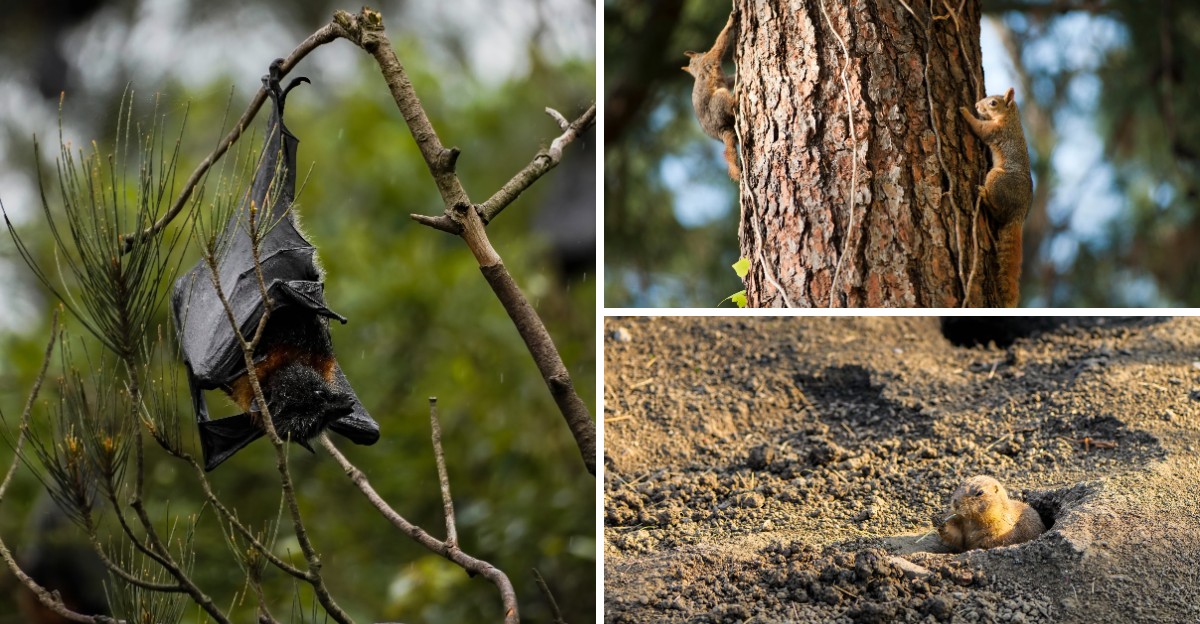
One little brown bat can snap up a huge number of insects in a single evening, which makes it a superb backyard ally. I still grin when I spot them zigzagging over my vegetable beds at dusk.
State rules list bats as protected wildlife, so trapping or harming them out in the open is off limits. A narrow exception allows removal when bats are inside or right next to an occupied building.
That exception works best as gentle exclusion, where bats leave on their own and cannot get back inside. One-way netting or tube devices over entry gaps let them exit at night without a return ticket.
Timing matters more than gear, since mothers raise flightless pups during early and mid summer in most areas. Sealing gaps then can trap babies inside, so experts usually suggest waiting until late summer or early fall.
Rabies is rare in bats, yet any bat found indoors deserves caution and a pair of thick gloves. Call your local health department if someone may have been bitten or woke up with a bat nearby.
Washington hosts around fifteen bat species, and many of them lean on buildings when old hollow trees disappear. A bat house mounted on a sunny post can give your evicted guests a welcome new address.
I hung one on my shed after an exclusion project, and bats moved in within two summers. You get free mosquito patrol over the garden without any mess collecting above your bedroom ceiling.
4. Barn Swallows Building Mud Nests Under Eaves
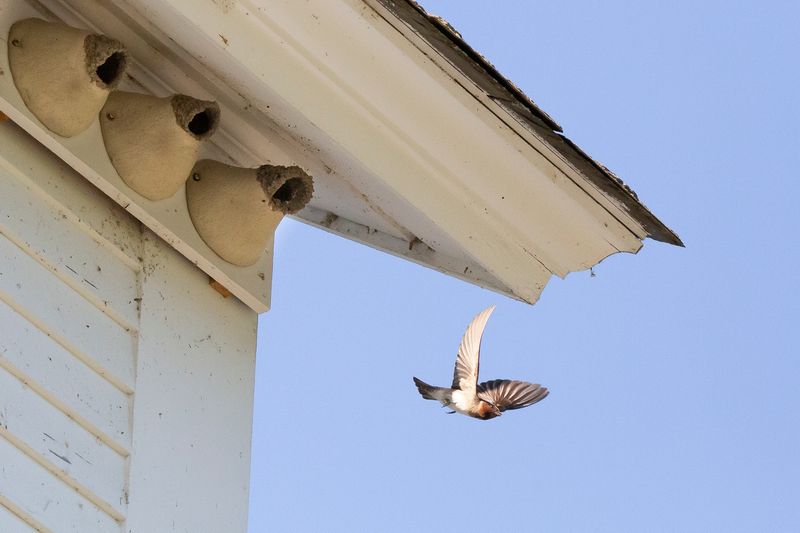
A pair of barn swallows can carry well over a thousand beakfuls of mud to finish one tidy cup nest. Watching them swoop back and forth under the porch roof feels like a tiny construction crew at work.
Swallows are protected under the Migratory Bird Treaty Act, so nests holding eggs or chicks cannot be removed. Moving or knocking down an active nest without a federal permit can lead to real legal trouble.
Most swallows arrive in the Pacific Northwest during spring and raise their families through the warm months. They usually head south by early fall, which is the right moment to think about prevention for next year.
Empty nests can generally be cleared once the birds have left, though checking with wildlife officials first is wise. After that, hang smooth bird netting or install flashing under the eaves before the swallows return.
Droppings below a nest are the main complaint, and a simple board mounted beneath it catches most of the mess. I tried that trick over my front door, and the porch stayed surprisingly clean all summer.
You also gain a free insect patrol, since swallows grab flies and mosquitoes from the air all day long. My evening patio time felt much less itchy once a family settled in near the garden.
Cliff swallows build gourd-shaped mud nests in big colonies, and they share the same federal protections. If you spot rows of them on a barn, treat the whole colony with the same patience.
5. Western Gray Squirrels In Oak And Pine Woods
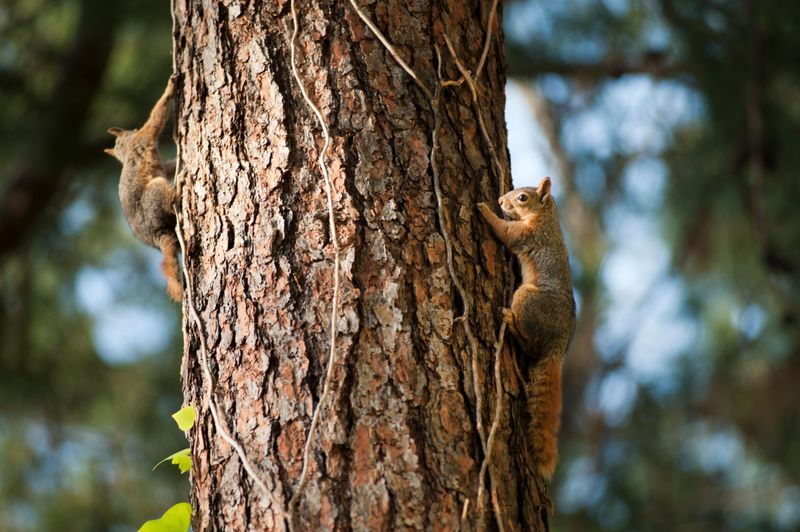
Not every gray squirrel raiding your bird feeder is just a common pest wearing a fluffy tail. Washington upgraded the western gray squirrel to state endangered in 2023, after years of steady population decline.
These squirrels are larger than the familiar eastern gray, with silvery fur and a crisp white belly. Their huge tails often show a white fringe, and they rarely visit busy city neighborhoods at all.
Look for them near Oregon white oak and ponderosa pine, mostly in a few scattered regions of the state. Known groups live in the south Puget Sound area, the Klickitat region, and parts of the north Cascades.
Trapping, relocating, or harming an endangered species without authorization can bring serious penalties under state law. If you live near oak woodlands, confirm which squirrel you have before calling a pest company for help.
Eastern gray squirrels and fox squirrels are not native here, and they compete with the western species. That makes correct identification important, since the wrong move could harm the very animal that needs protection.
I keep a photo guide on my phone after mixing them up once near a friend’s oak grove. Snap a clear picture and share it with state wildlife biologists, who often welcome sightings from residents.
Planting native oaks and leaving large conifers standing helps these squirrels find food and nesting spots. Acorns and pine seeds are their favorite meals, so your trees can become a quiet rescue pantry.
6. Mazama Pocket Gophers Pushing Up Prairie Mounds
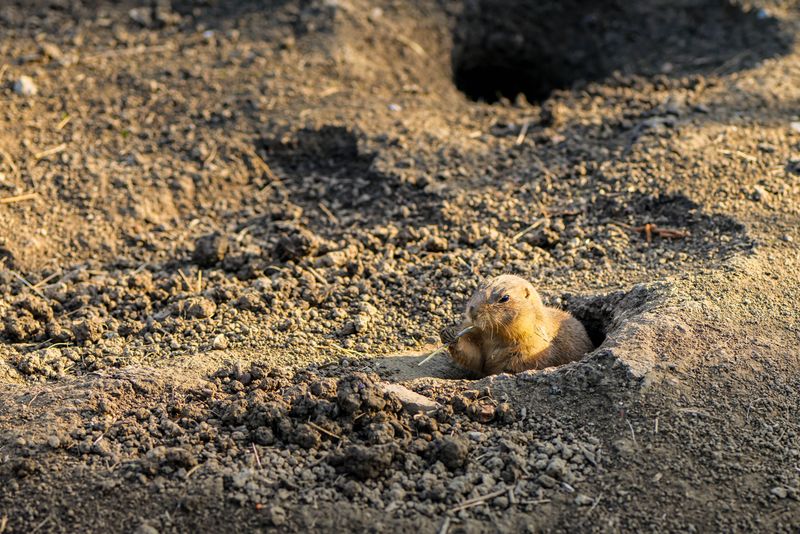
Those fresh dirt mounds dotting a lawn near Olympia might belong to a rare rodent rather than a common nuisance. Four subspecies of Mazama pocket gopher earned federal threatened status in 2014, mostly in Thurston and Pierce counties.
The state also lists the species as threatened, so trapping or poisoning them can count as illegal take. Permits are required before any action that could harm these gophers, even on private residential property.
These diggers rarely surface, spending most of their lives in tunnels while munching roots and plant bulbs. Their mounds are often fan-shaped with a plugged hole, and they appear more often during cool, damp months.
Thurston County reviews many building permits for gopher activity, so a new deck or garage can trigger inspections. Ask your county planning office early, because surveys usually happen during specific windows each year.
I know the urge to grab a trap when tulip bulbs disappear from the flower bed overnight. Planting bulbs inside wire mesh baskets protects them nicely, and the gophers simply move on to other roots.
Raised beds lined with hardware cloth also keep veggies safe without breaking any federal or state rules. You keep your harvest intact, and the prairie keeps one of its hardworking soil engineers.
Their tunneling mixes and loosens soil, which helps native prairie wildflowers and grasses thrive. A few bumps in the lawn seem like a fair trade for supporting such a rare local animal.
7. Northwestern Pond Turtles Basking On Logs
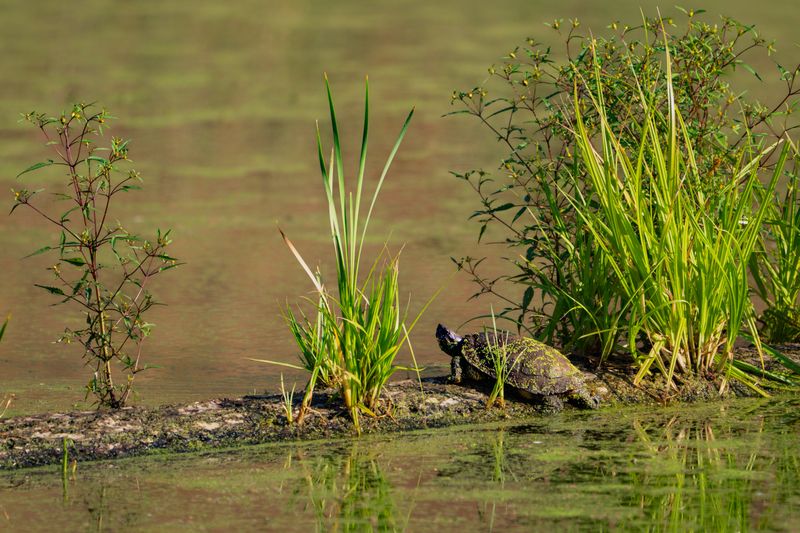
By 1990, only about 150 northwestern pond turtles were left in the wild across this whole state. Zoos and wildlife biologists stepped in with a head-start program that raises hatchlings until they are large enough.
Washington listed the species as endangered in 1993, and it remains one of our rarest native reptiles. Collecting, moving, or keeping one without a permit is illegal, even if it wandered into your yard.
Scientists now use the name Actinemys marmorata for this northwestern turtle after splitting it from a southern relative. Federal biologists have also proposed listing it as threatened, which would add another layer of protection if finalized.
Females often leave the water to dig nests in sunny, open ground up to several hundred feet from ponds. Spotting one crossing a yard near wetlands is exciting, so give her space and keep pets indoors.
Look closely, because the nonnative red-eared slider is far more common in local ponds and parks. Sliders have bright red patches behind the eyes, while pond turtles wear plain olive or brown shells.
I nearly picked one up on a trail once, thinking it was a lost pet needing rescue. A biologist later explained that moving them can disrupt their routines, so I just watched and took photos.
Report sightings to state wildlife officials with a photo and location, which helps them track struggling populations. Your small report could guide recovery work for turtles that have survived a very close call.
8. Beaver Dams Flooding Backyard Creeks
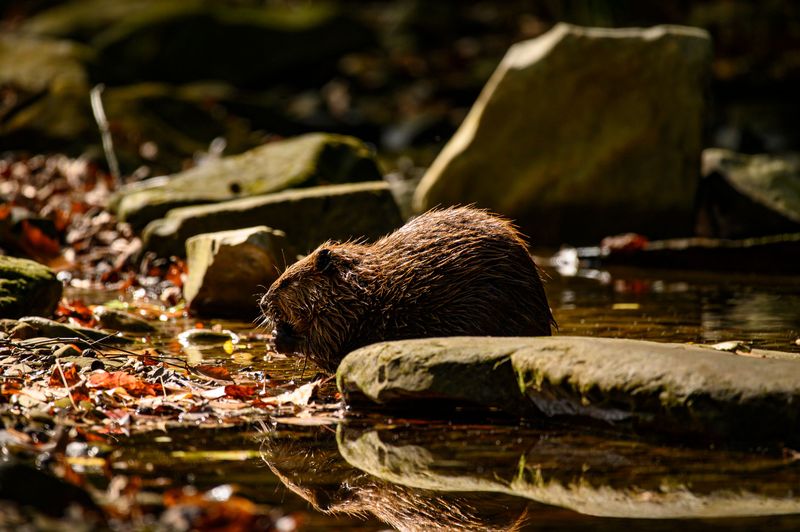
A determined beaver can rebuild a breached dam overnight, which makes yanking out sticks a pretty frustrating hobby. I tried it once on a friend’s creek and found fresh branches stacked back up by breakfast.
Tearing out or altering a dam in a stream usually requires a Hydraulic Project Approval from state wildlife officials. That permit protects fish habitat downstream, since sudden water releases can wash out spawning areas and banks.
Beavers are classified as furbearers here, so trapping and relocation come with their own set of state rules. Moving a beaver to a new site requires a permit, and only approved specialists handle those relocations.
Flow devices often offer a smarter fix, letting water drain through a pipe while the dam stays standing. Ponds stay lower, your lawn dries out, and the beaver mostly keeps working without noticing the change.
Protect valuable trees by wrapping trunks with sturdy wire fencing about three to four feet high. Painting trunks with a sand and latex paint mix also discourages chewing, since beavers dislike the gritty texture.
These animals create wetlands that store water, cool streams, and give salmon and frogs better places to grow. Many landowners in Washington now welcome them for exactly that reason, especially during hot and dry summers.
Call your regional wildlife office before tackling any dam, because rules shift depending on location and water type. A quick conversation can save money and help you find a solution that works for both sides.