The Heat Vent Mistake That Makes South Carolina Orchid Buds Drop Before They Open
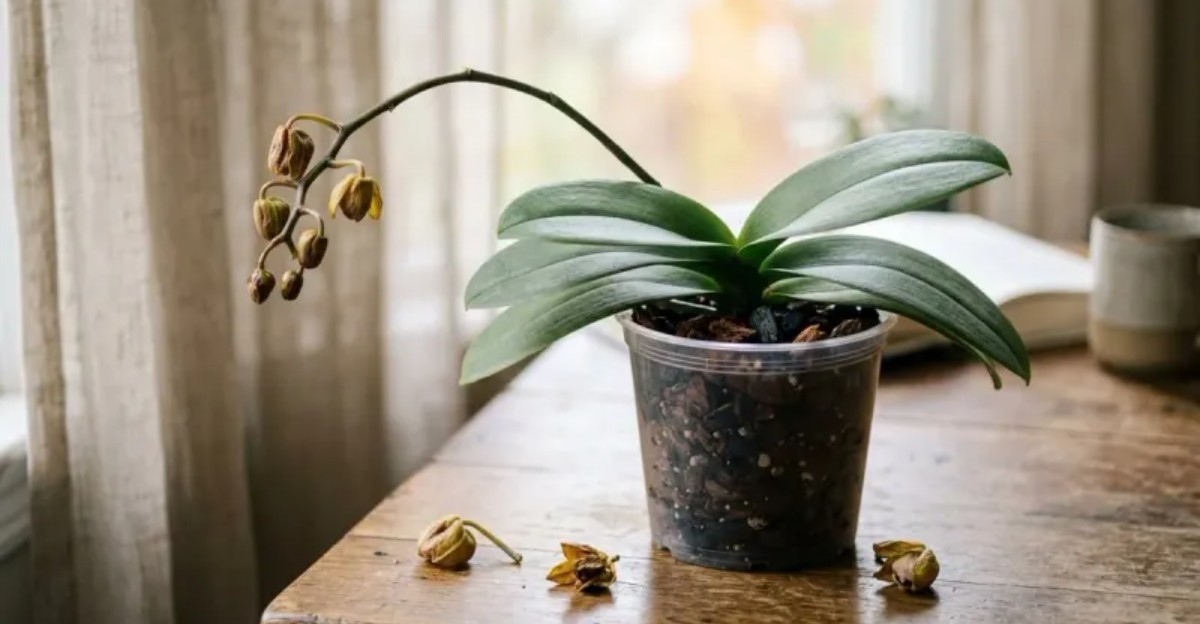
A single puff of warm, dry air can make a healthy plant toss away its flowers weeks before they open. Growers even have a name for it, and it sounds like something from a cartoon.
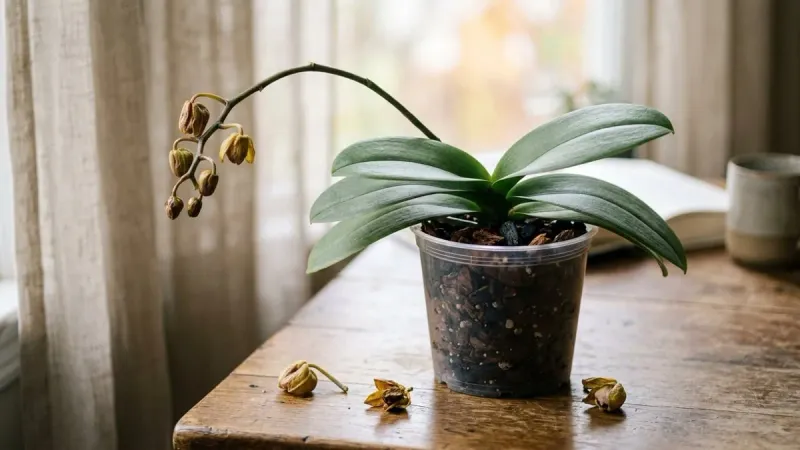
I learned the hard way that comfort for me is not comfort for my plants. Last winter, my prized orchid sat on a windowsill right beside a floor register in my South Carolina living room. One by one, the plump green buds turned yellow, shriveled, and hit the windowsill with a tiny tap.
Funny thing is, the plant looked perfectly fine otherwise. The leaves stayed firm and green, and the roots were silvery and plump. Only the buds gave up, which made the whole thing feel like a magic trick gone wrong.
That warm little breeze was doing something sneakier than you might expect, and the fix might be sitting in your hallway closet right now.
That Warm Floor Register Is Quietly Robbing Your Orchid Buds
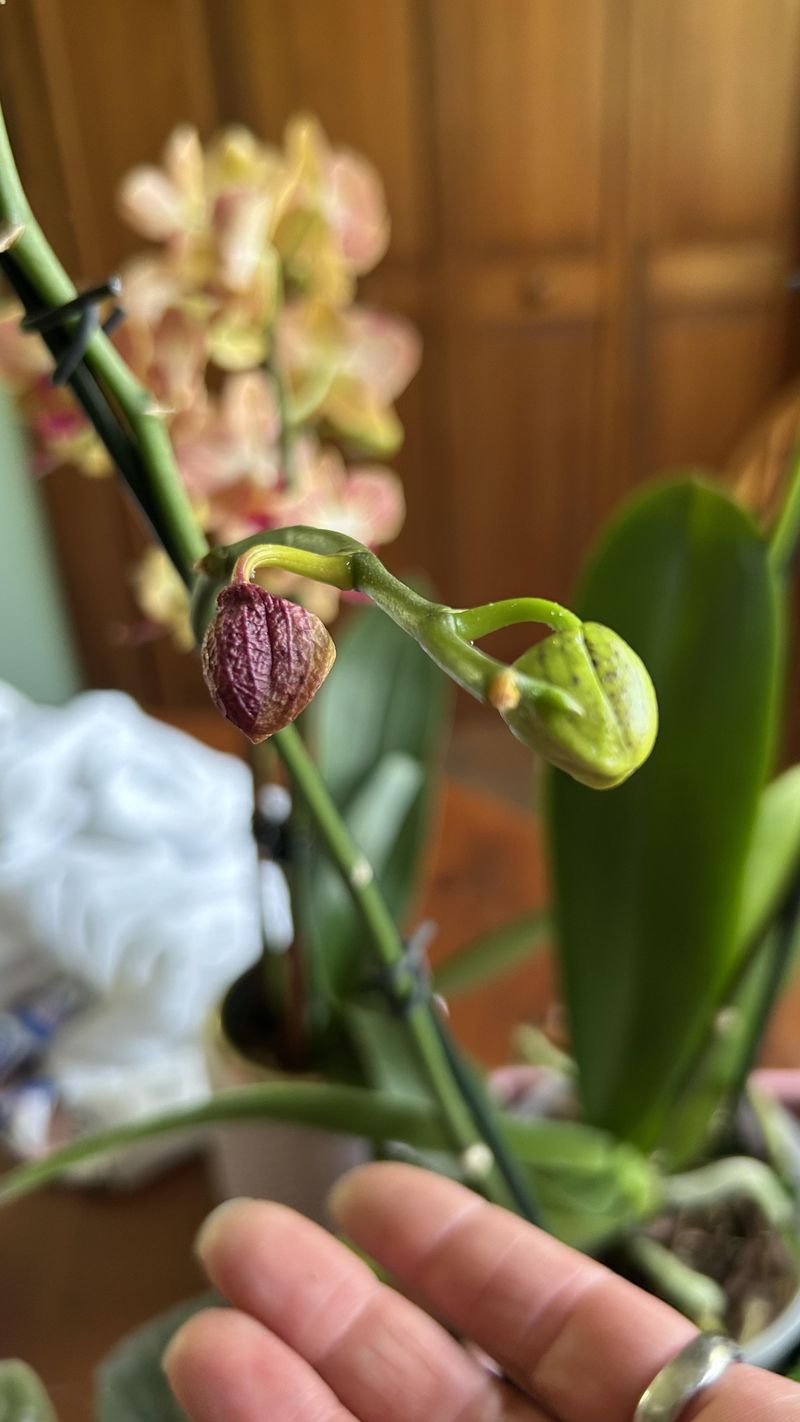
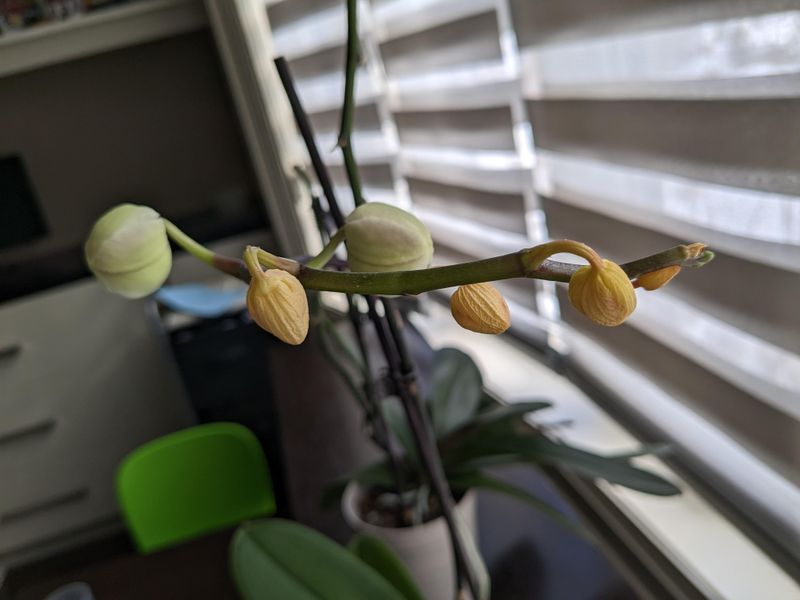
Orchid growers call it bud blast, and it is one of the most frustrating sights on a windowsill. Healthy-looking buds stop growing, turn yellow or tan, and drop before a single petal unfolds.
A heat vent is one of the most common triggers in winter homes. The air pouring out is warm, but it is also very dry and moving fast. Developing buds have thin tissues that lose water quickly, so that steady breeze pulls moisture out faster than the plant can replace it.
The plant responds in a practical way. Flowers cost a lot of energy and water, so a stressed orchid often sheds them to protect its leaves and roots. In other words, the plant is not failing. It is making a choice to survive the moment.
Moth orchids, or Phalaenopsis, are among the most common orchids grown indoors, and their buds are especially touchy while swelling. The American Orchid Society lists drafts, dry air, and sudden temperature shifts among the top causes of bud drop.
So the cozy spot that feels perfect to you on a chilly evening can feel like a hair dryer to a tiny bud. That mismatch is the heart of the whole problem.
Moving The Orchid Pot A Few Feet Makes A Real Difference
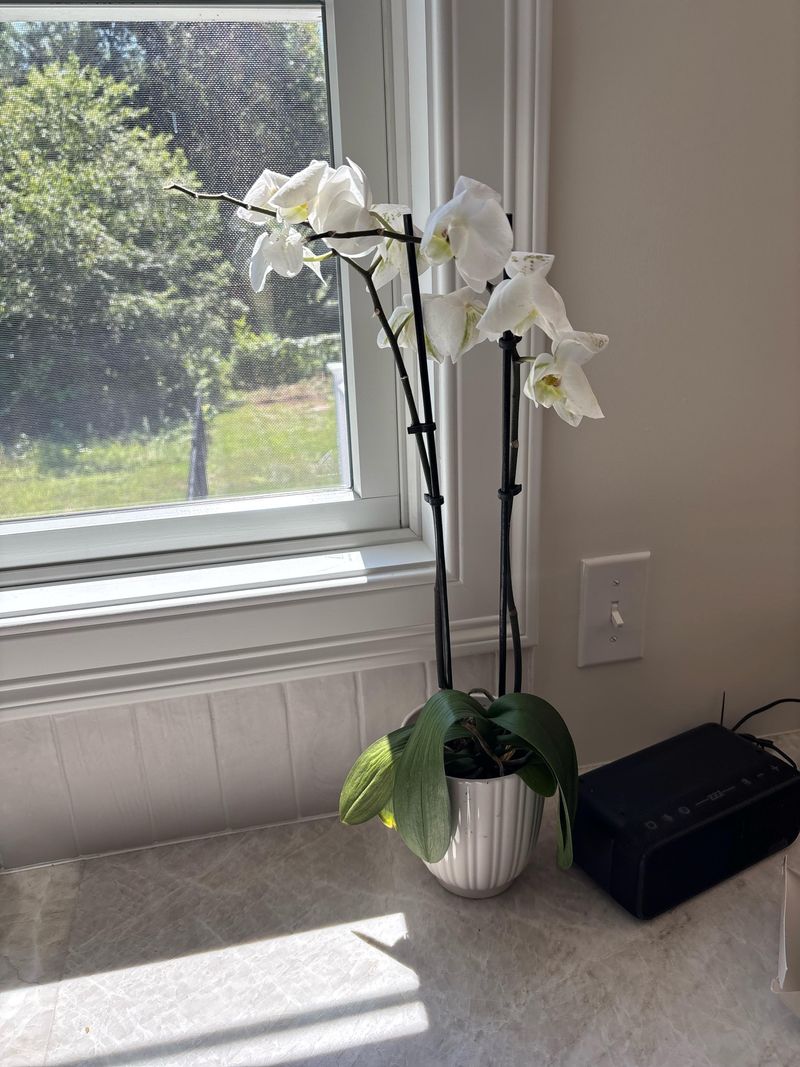
Distance is the simplest fix, and it costs nothing. Slide your orchid at least three to four feet away from any heat register, radiator, space heater, or fireplace.
Watch where the air actually travels, too. A vent across the room can still aim a stream right at your plant shelf. Hold your hand near the buds while the heat runs, and if you feel a breeze, keep looking for a calmer spot.
Bright, indirect light still matters while you relocate. An east-facing window works well for moth orchids, and a south or west window with a sheer curtain is fine in winter. Just keep leaves from pressing against cold glass on frosty nights.
Can you not move the plant? A plastic vent deflector from the hardware store can redirect airflow up or away. Some folks partly close a single register in that room, which is fine as long as your system is not starved for airflow overall.
Try to make the move before buds swell, ideally when you first spot a new spike. Orchids also dislike being shuffled around once buds form, since a big change in light direction can stress them. Pick a good spot, then let it settle.
Bone-Dry Winter Air Leaves Swelling Buds Thirsty
South Carolina summers feel like a steam room, so dry indoor air catches many of us off guard. Once furnaces and heat pumps run steadily, indoor humidity often slips into the 20 to 30 percent range.
Moth orchids are happiest around 40 to 70 percent humidity. Their buds are delicate and lose moisture easily, so dry air plus moving air is a rough combination.
A humidity tray is a classic, budget-friendly helper. Fill a shallow tray with pebbles, add water just below the top of the stones, and set the pot on top. The pot should sit above the water, never in it, or the roots may rot.
For a bigger boost, a small cool-mist humidifier nearby works better than a tray alone. Grouping several houseplants together also helps, because plants release moisture and create a softer pocket of air.
Misting gets a lot of attention, but the effect fades within minutes. Water sitting in leaf crowns overnight can also invite rot, so if you mist, do it early in the day.
A cheap digital hygrometer takes the guessing out. Seeing the real number near your orchid is often an eye-opener.
Hot Blasts And Cool Lulls Keep Orchid Spikes On Edge
Here is a twist many people miss. A heat vent does not just make things warm. It makes things change, over and over, all day long.
When the system kicks on, the air around the plant can jump several degrees in minutes. When it shuts off, that spot cools again. Buds on a moth orchid prefer steady conditions, and this constant seesaw adds stress.
Phalaenopsis generally like daytime temperatures in the 70s and nights in the low to mid 60s. That gentle nighttime drop of about 10 to 15 degrees actually helps trigger spikes in fall. Sharp, frequent swings are a different story.
Cold matters as much as heat. A bud pressed against a window on a freezing January night, or sitting near a drafty door, can blast just as quickly. Temperatures below about 55 degrees are hard on most moth orchids.
A min-max thermometer placed right beside the pot shows you what the plant truly feels overnight. Mine surprised me with a nine-degree spike every time the heat cycled on. After one week of readings, the solution was obvious, and the orchid went to a quieter shelf.
Yellow Shriveled Orchid Buds Are The First Warning Sign
Catching trouble early gives the rest of the spike a fighting chance. Healthy buds stay plump and slowly grow larger, usually with a smooth green or pale color.
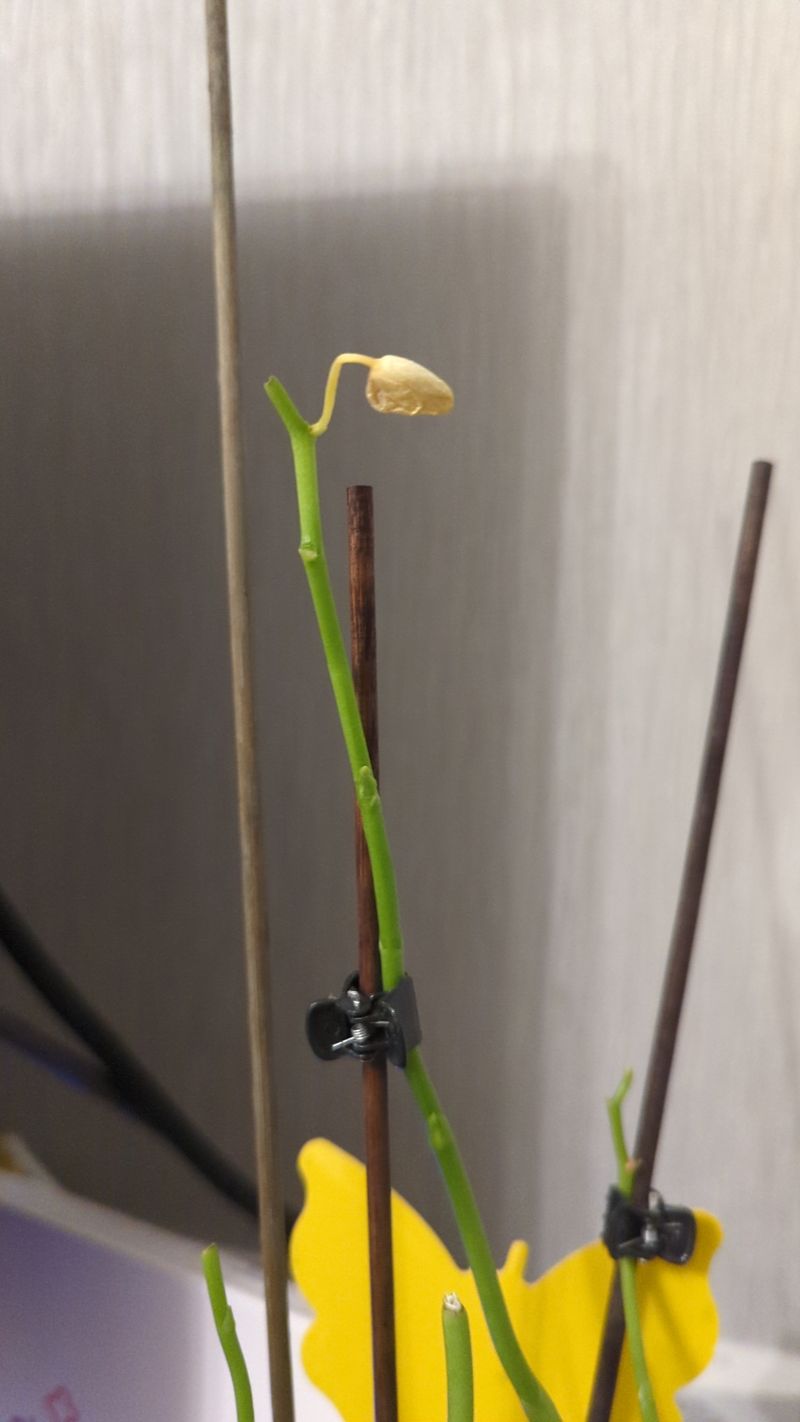
Blasting buds look different. They often turn yellowish, papery, or tan, then shrink and feel limp. Some drop with a light touch, and others fall on their own overnight.
Position tells a story, too. Buds at the tip of the spike are the youngest and most fragile, so they often go first. If the smallest buds keep vanishing while open flowers stay put, stress is the likely reason.
Look at the whole plant before blaming the vent. Wrinkled, leathery leaves can point to thirsty or damaged roots. Mushy brown roots suggest overwatering, while crunchy gray ones hint the potting mix has dried out for too long.
A quick check helps. Tip the pot out gently and peek at the roots once a season. Healthy roots are firm and either silvery when dry or green when wet.
Once buds start dropping, fix the setting right away. Lost buds will not come back, but the remaining ones may still open if conditions steady quickly.
Ripening Fruit Bowls And Soggy Pots Can Cause Bud Drop Too

Heat vents are a major winter culprit, but they are not the only suspect. A few other everyday habits can produce the same sad result.
Ethylene gas tops the sneaky list. Ripening bananas, apples, and tomatoes release it, and orchid flowers are quite sensitive to it. Keep your blooming plant out of the kitchen fruit zone. Gas appliances and car exhaust from an attached garage can also release it.
Watering mistakes rank high, too. Soggy bark suffocates roots, while bone-dry mix leaves buds short on water. Most moth orchids in bark do well when watered as the mix nearly dries, often every seven to ten days in winter.
Light shifts matter as well. Winter days in South Carolina are shorter, and a plant moved from a bright window to a dim table may drop buds in protest.
Then there is the store move. A fresh orchid traveling from a humid greenhouse to a car and then to your living room often sheds a bud or two. Give it a bright, steady spot and patience.
Pests like thrips and mites can damage buds as well, so inspect closely with a magnifier.
A Steady Spot Now Means Fuller Moth Orchid Blooms Next Winter
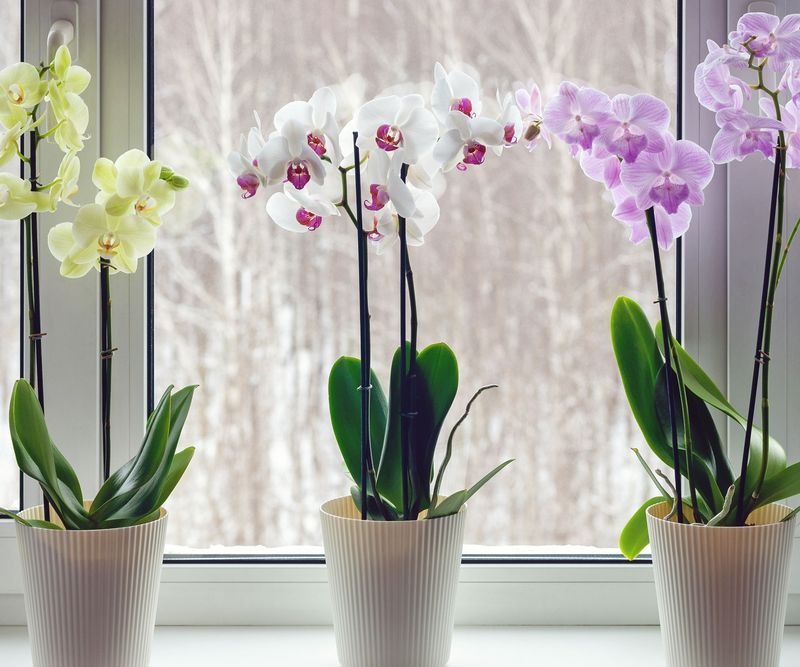
Picking a permanent home for your orchid before fall pays off every single season. Moth orchids in the Carolinas often push new spikes from fall into winter, right when heating systems start working hardest.
So plan ahead. Map where your vents, doors, and drafty windows are, then choose a bright spot away from all of them. Mark it in your head as the orchid zone.
Many coastal and Midlands growers summer their orchids outdoors in a shaded porch. That works nicely, since cool fall nights help trigger blooming. Just bring plants indoors before nights drop into the mid 50s, usually around October in the Upstate and a bit later near Charleston or Beaufort.
Feed lightly with a balanced orchid fertilizer while the plant grows, and ease off a bit during bloom. Healthy roots and leaves set the stage for more buds.
If you lose a spike this year, do not panic. Trim it above a node or at the base, keep caring for the plant, and wait. Orchids are resilient, and a calmer corner often rewards you with a spike full of open, glowing flowers next season.