Why Taking This Native Plant From The Wild Can Get Florida Homeowners In Trouble
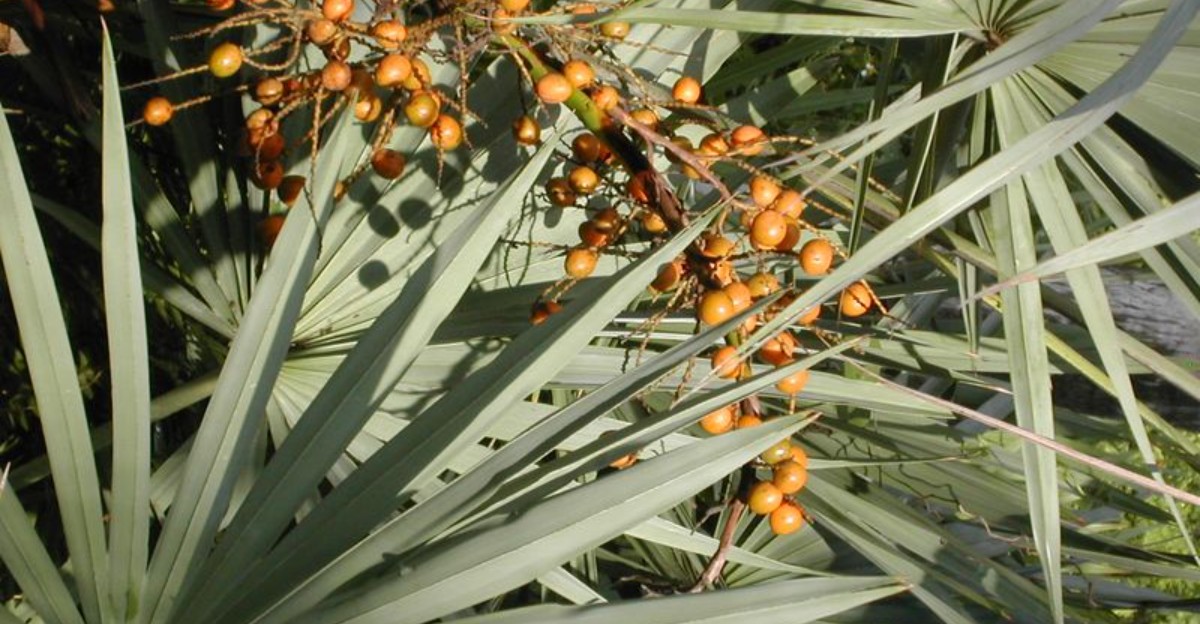
Some spiky shrubs in Florida scrub may have been growing in the same spot for thousands of years. Their berries smell a bit like old cheese, yet people sneak onto private land at night to pick them by the bucketful.
Sheriffs have actually arrested folks for it.
I love a plant with a backstory, and this one has a wild one. Its fruit ends up in health supplements sold around the world.
Demand got so high that state officials stepped in with permits and penalties.
It never crossed my mind that grabbing a few berries or digging up one clump could count as a crime. You may have walked past dozens of these plants on a nature trail without a second thought.
What could possibly turn a common roadside shrub into something worth guarding? The answer starts with a fan-shaped leaf and a surprising price tag.
Those Fan-Shaped Saw Palmetto Fronds Hide A Valuable Secret
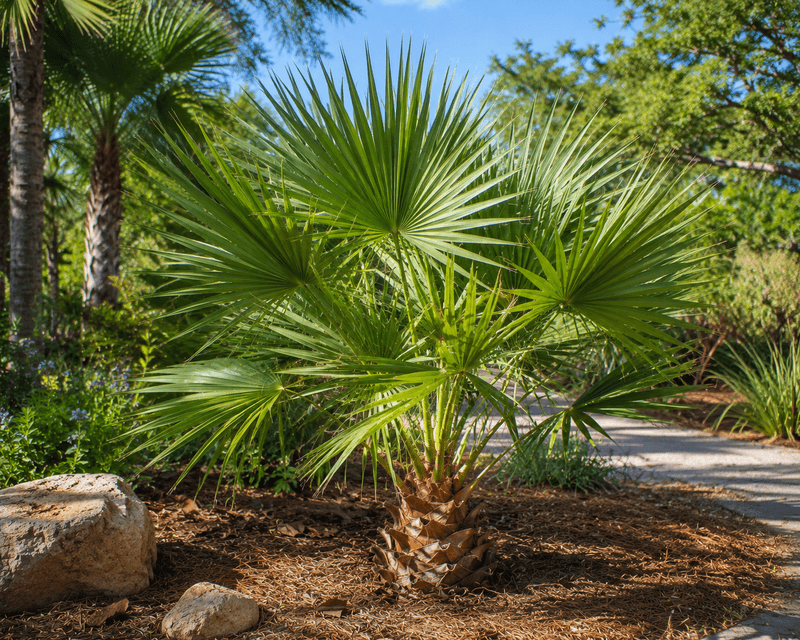
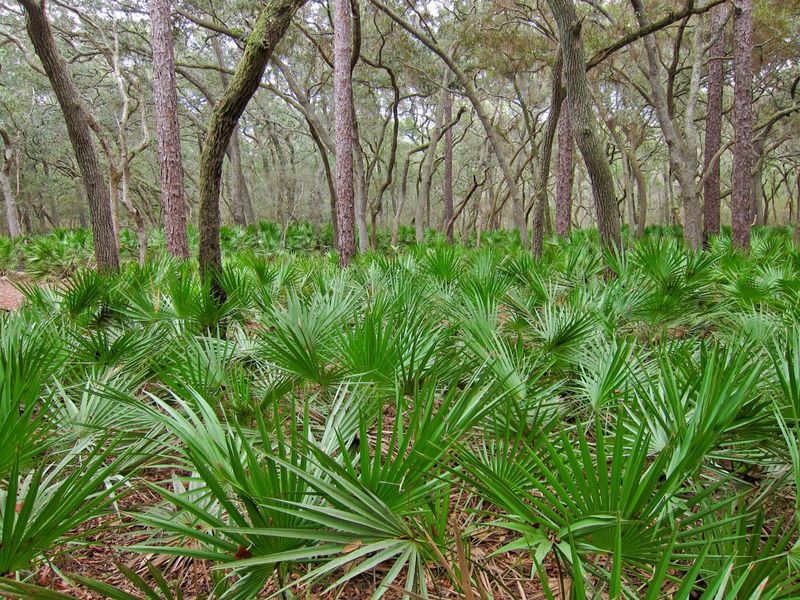
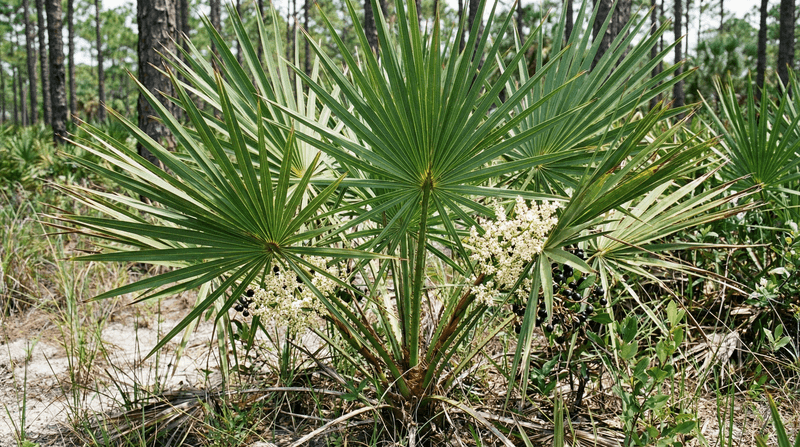
Saw palmetto looks like the most ordinary plant in the woods. It carpets pine flatwoods and scrub across the state, with stiff green or silvery fans and toothed stems that can scratch your shins.
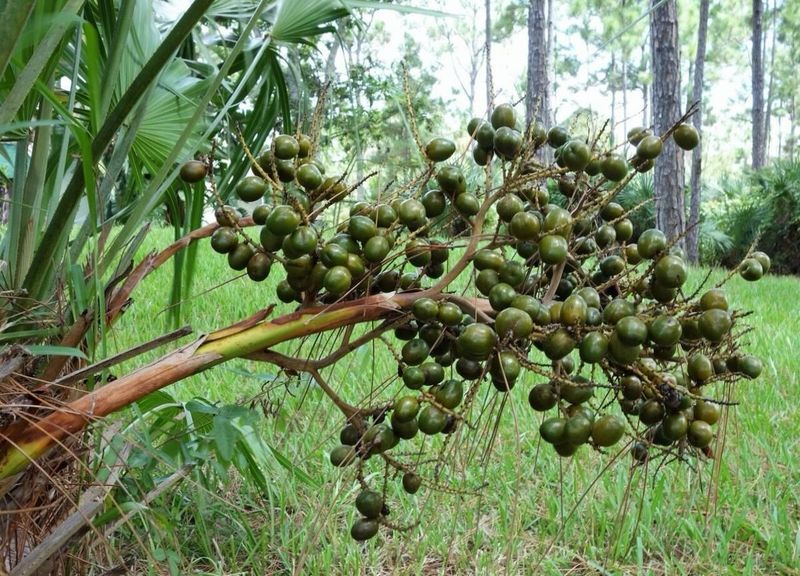
The real treasure sits tucked under those fronds. Each summer, the plant produces clusters of berries that turn from green to orange and finally to a glossy, nearly black color.
Those berries are harvested for herbal supplements, mostly marketed for prostate health, and the global demand is huge.
That demand created a problem. As prices climbed, people began stripping berries from wild plants on public land and private property, often without asking anyone.
Wildlife lost a key food source, and landowners lost crops they never agreed to share.
To slow things down, the Florida Department of Agriculture and Consumer Services added saw palmetto to its list of commercially exploited plants. That label puts the shrub under the state’s Preservation of Native Flora law, Chapter 581.185 of the Florida Statutes.
In plain words, a plant you may see along every highway now has legal protection. I find that pretty amazing, and it explains why a casual berry grab can turn into a real headache.
Saw Palmetto Berries Need A State Permit Before You Pick Them
Picking fruit off a bush feels harmless, right? With saw palmetto, it can break the law if you skip the paperwork.
The state now runs a Saw Palmetto Berry Harvesting Permit program through FDACS. Anyone harvesting berries in commercial amounts needs that permit, and they also need written permission from the landowner.
Permits come with a set harvest season, and harvesters are expected to carry their paperwork while they work.
Buyers have rules too. Dealers who purchase berries are supposed to check permits and keep records, which makes it harder for stolen fruit to slip into the supply chain.
So what about a curious hiker who pockets a few berries? Picking anything in state parks and most public lands is already off-limits without approval.
On private land, taking berries without the owner’s permission can also count as trespassing or theft.
My advice is simple. Admire the berries, snap a photo, and leave them on the plant unless you have clear permission and the right permit.
Rules and seasons can change, so check the current FDACS guidance before you harvest anything at all, even on land you think is open to everyone.
Digging Up A Wild Palmetto Clump Breaks The Rules Too
A friend of mine once eyed a perfect little palmetto on a vacant lot and thought it would look great by her mailbox. Luckily, she asked around first.
Florida’s native flora law covers whole plants, not just berries. For plants on the commercially exploited list, you need written permission from the landowner before you remove them.
Taking more than a couple of specimens can also require a permit from FDACS. Without permission, digging on someone else’s land is plain trespassing.
Public land is even stricter. State parks, state forests, and wildlife management areas generally prohibit removing plants of any kind without special authorization.
Roadsides can be tricky too, since much of that land belongs to the state or county.
There is also a practical problem. Saw palmetto grows from a thick, creeping stem that hugs the ground, plus deep roots that anchor it in sandy soil.
Hacking one out often damages the plant badly.
Before you grab a shovel, ask three questions. Who owns this land?
Do I have written permission? Does this species need a permit?
If any answer is fuzzy, leave the plant where it is.
Berry Poaching Can Land You In Handcuffs
Sheriffs in several Florida counties have arrested people caught with bags or buckets of saw palmetto berries taken from land they had no right to enter. Local news has covered these busts for years, especially during late summer harvest season.
Charges in those cases often include trespassing and theft. Since saw palmetto joined the protected list, harvesting without the proper permit can add violations of the native flora statute on top of that.
Penalties depend on the details. Violating Chapter 581.185 is generally treated as a misdemeanor, and fines can stack up per plant or per offense.
Harsher consequences apply to endangered species, which carry the strongest protection under the law.
Vehicles and gear can get pulled into the mess too. Officers may seize harvested berries as evidence, and anyone with a record of poaching can expect a lot more scrutiny next time.
Most homeowners will never be part of a nighttime berry raid. Still, these cases show how seriously officials treat this plant.
A quick roadside stop with a bucket of fruit is enough to start an uncomfortable conversation with an officer, so it pays to know the rules first.
Even Your Own Backyard Palmettos Come With Fine Print
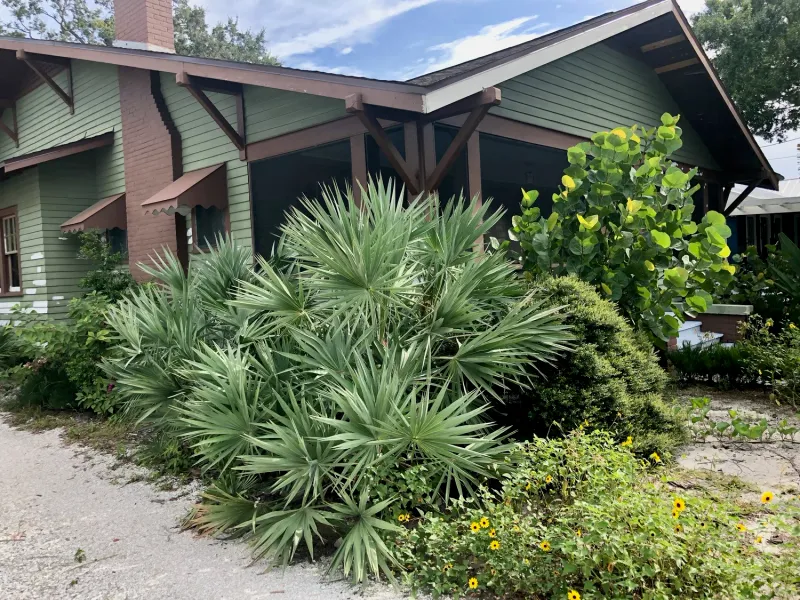
Lucky enough to have native palmettos on your own lot? Congratulations, because these tough shrubs are wonderful for wildlife and nearly carefree.
Owning the land gives you plenty of freedom. You can trim brown, worn-out fronds, enjoy the spring blooms, and let the berries feed the birds.
Landowners generally can manage plants on their own property without asking the state first.
Things change when money enters the picture. If you plan to sell berries, FDACS expects harvesters to follow the permit program, and buyers will ask for proof.
Letting a stranger harvest your berries is risky too, so put any agreement in writing.
Watch out for local rules as well. Some counties and cities protect native vegetation during land clearing, and certain areas have tree or habitat ordinances that cover large native stands.
HOAs may have their own landscape requirements.
I suggest a quick call to your county extension office before clearing a big patch. The UF/IFAS staff can explain local rules and suggest ways to keep some palmettos as a natural buffer.
You might be surprised how much character a few wild clumps add to a yard, and how many visitors they attract.
Black Bears And Songbirds Count On Those Palmetto Berries
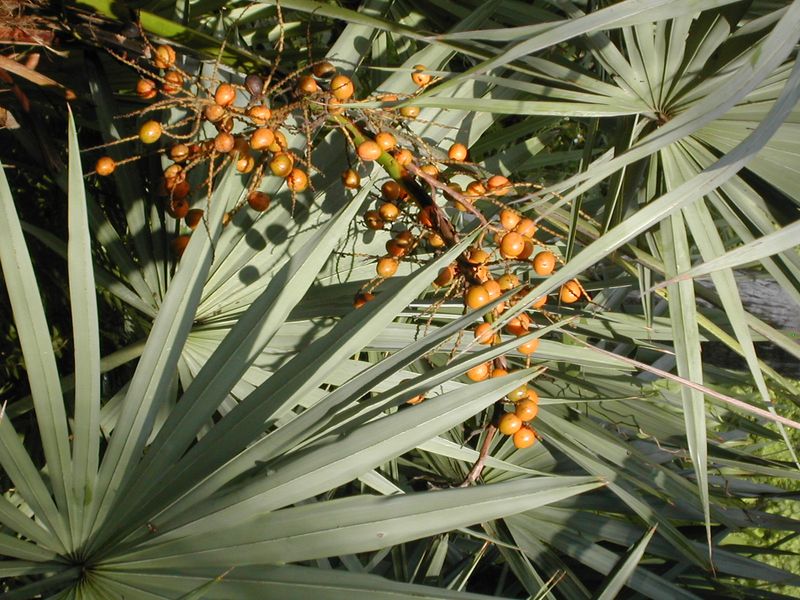
Florida black bears go wild for saw palmetto fruit. In late summer and fall, the berries become one of their most important foods as they bulk up for the cooler months.
They are far from the only fans. White-tailed deer, raccoons, gopher tortoises, foxes, wild turkeys, and many songbirds snack on the fruit.
Every berry taken by a poacher is one less meal for an animal that depends on it.
The flowers matter too. Each spring, creamy blooms buzz with honeybees and native pollinators.
Beekeepers prize saw palmetto honey for its rich, amber flavor, and that crop depends on healthy wild stands.
Underneath the fronds, small animals find shelter from heat and predators. Snakes, mice, and ground-nesting birds use the dense cover, and the threatened Florida panther has been known to rest in palmetto thickets.
Personally, this is the part that changed how I look at those scratchy shrubs. They are more like a grocery store, a shade umbrella, and a nursery rolled into one.
Protecting them helps an entire community of wildlife, which is exactly why state officials decided they deserved a legal safety net.
Ancient Saw Palmetto Clumps Grow Slower Than You Would Guess
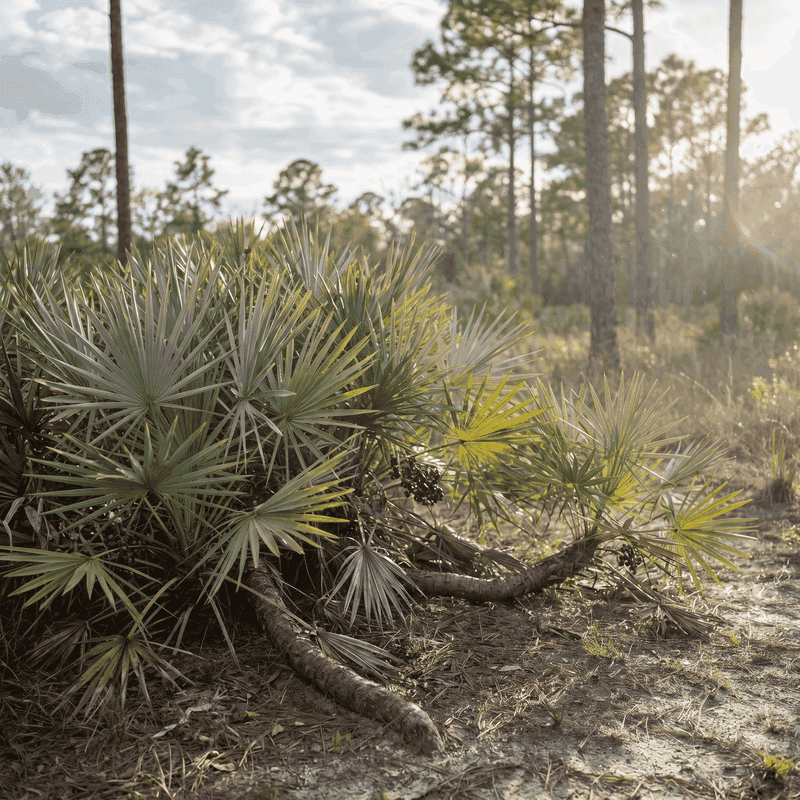
Here’s a fun one to share at your next garden club meeting. Researchers studying saw palmetto in central Florida estimated that some clumps may be thousands of years old.
That longevity comes from a clever growth habit. The trunk creeps along or just under the ground, slowly branching and sending up new fans.
Over centuries, one plant can spread into a wide patch that survives fire, drought, and hurricanes.
Slow growth has a downside. A stem may add only a tiny bit of length each year, so a removed clump takes ages to replace.
Harvested areas can take a long time to recover their full berry crop.
Wild-dug plants also struggle after a move. The big root system gets torn up, and many transplants sulk or decline in their new home.
Nurseries know this, which is why container-grown palmettos are the smarter bet.
I like thinking of these shrubs as quiet elders of the flatwoods. That scraggly clump by the trail might have been sprouting when ancient civilizations were building monuments.
Leaving it alone is a small courtesy to a plant that has hung on for an extraordinary stretch of time.
Nursery-Grown Saw Palmettos Give You The Look Without The Legal Worry
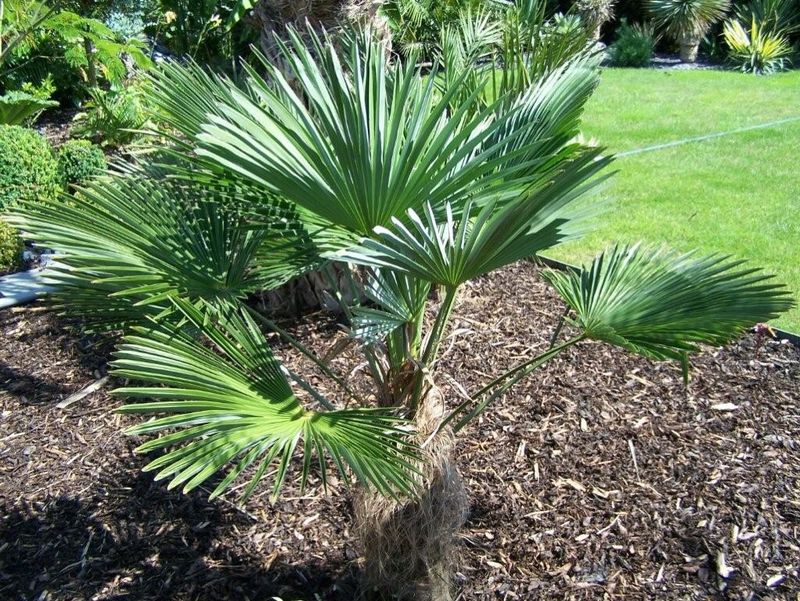
Ready for a happy ending? You can enjoy saw palmetto in your yard without any risk at all, simply by buying one from a nursery.
Native plant nurseries across the state grow saw palmettos from seed in containers. The Florida Association of Native Nurseries has an online directory, and local chapters of the Florida Native Plant Society often host plant sales.
Look for both green and silver forms, since the silvery types from coastal areas really glow in the sun.
Planting is easy. Choose a sunny or partly shaded spot with well-drained soil, water regularly for the first few months, and then mostly leave it be.
Once settled, it handles drought, salt spray, and poor sandy soil like a champ.
Give it room, though. Palmettos spread slowly but steadily, so keep them a few feet back from walkways where those toothed stems could snag legs.
The takeaway is simple. Leave wild plants and berries where they grow unless you have permission and the right permit.
Buy nursery stock instead, and you get a tough, wildlife-friendly shrub plus total peace of mind every time you walk past it.