Protected Sleepers In Your Tennessee Yard Need You To Put Down The Rake
Some of the hardest working pest hunters in your yard are spending winter curled beneath a single damp leaf. They are not gone for the season, just resting with their bodies running on the slowest setting possible.
Across Tennessee, hollow flower stalks and soft leaf litter double as winter bedrooms for creatures most of us overlook. Freeze and thaw swings here can be rough, so that loose cover matters more than a neat edge.
I skipped my usual fall cleanup two years ago, mostly out of laziness, and spring felt noticeably busier afterward. Fewer aphids lingered on my roses, and I spotted more beetles scurrying under the mulch than ever before.
You build your spring garden right now, long before the first seed packet arrives in the mail. So what happens to those Tennessee sleepers when the rake and leaf blower come out this weekend?
1. Bumblebee Queens Burrow Into Loose Soil
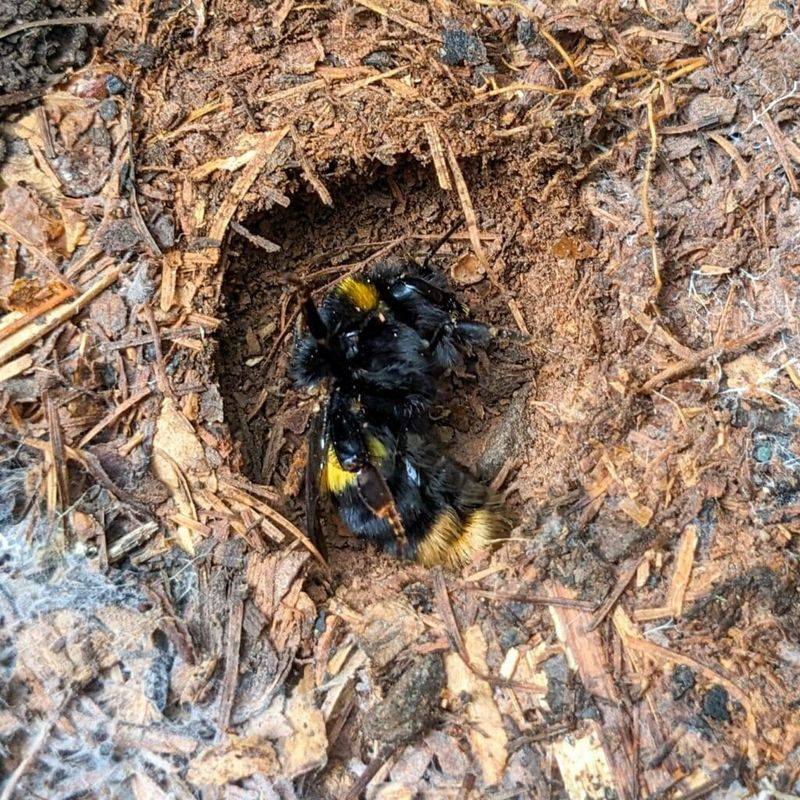
Of the hundreds of bumblebees buzzing in your Tennessee summer garden, only the newly mated queens survive into spring. Workers and males fade away in autumn, while each young queen digs a small chamber and goes quiet.
That little chamber is often just a few inches deep, tucked into loose soil or under leaf litter. Some queens choose north-facing slopes, where the ground stays cold and steady instead of warming on sunny days.
I find that fact oddly comforting, because it means a quiet corner of my yard is doing real work. Each queen holding on underground could start a brand-new colony of workers when spring flowers open.
Heavy tilling in late fall can turn up these sleeping queens and leave them exposed to cold air. Raking hard right down to bare dirt can disturb shallow chambers in much the same way.
Your best decision is skipping the fall tilling and leaving a few beds alone until spring warms up. Edges near shrubs and the base of fences make great low-traffic spots for queens to settle in.
Early bloomers help queens once they wake, so think about adding native spring flowers next season. Wild columbine, a woodland native found across Tennessee, and red maple blossoms feed hungry queens when little else is flowering in the neighborhood.
Watching that first fat queen bump along the crocuses in a Tennessee March feels like a reward for patience. Queens often emerge in late winter or early spring, so keep the shovel away a little longer.
2. Native Lady Beetles Huddle Under Leaf Litter
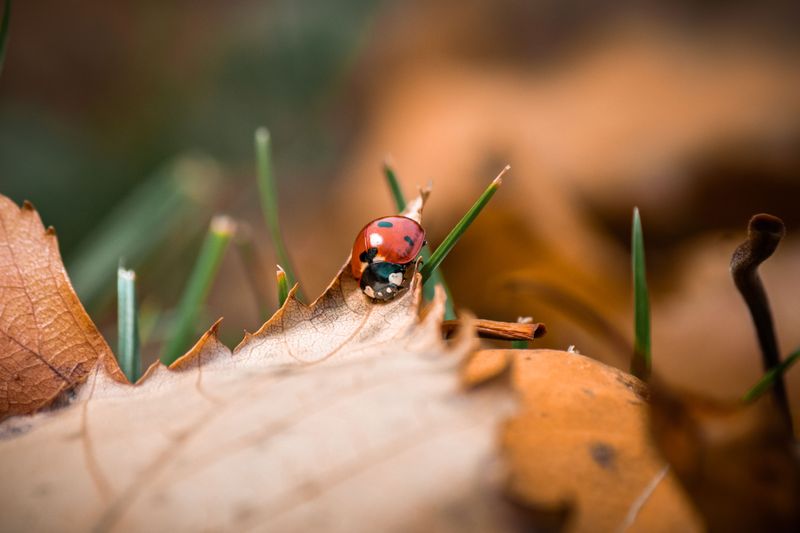
Lady beetles sometimes spend winter in huddled clusters, packed together like a pile of tiny red buttons. Many native species shelter in leaf litter, under loose bark, or tucked against the base of plants.
One lady beetle can eat thousands of aphids during its lifetime, so these sleepers earn their keep. I like to think of them as a pest control crew that works without asking for a paycheck.
Leaf blowers and heavy raking scatter these clusters, leaving the beetles open to cold winds and hungry birds. Bagging leaves for the curb sends them off with the trash, which is a rough way to repay them.
Keep in mind that the Asian lady beetle, the one swarming your windows, is a different species altogether. Native kinds like the convergent and spotted pink lady beetles rarely invade homes the way that one does.
Your weekend decision can be as easy as raking leaves off the lawn and into the flower beds. A layer a few inches deep gives beetles shelter without smothering the perennials sleeping underneath all winter.
Loose bark on an old stump or a log tucked behind shrubs gives them another quiet hideaway. Even a small pile of hollow stems lying in a sheltered corner can serve as a beetle bunkhouse.
When spring warms up, they wander out hungry and head straight for the first aphids on new growth. Your roses and milkweed will thank you, and you will need far fewer sprays from the garden center.
3. Green Lacewings Wait Out Winter In Sheltered Spots
Lacewing larvae look like tiny alligators, and gardeners lovingly call them aphid lions for good reason. A single larva can eat dozens of aphids a day, grabbing them with curved jaws like ice tongs.
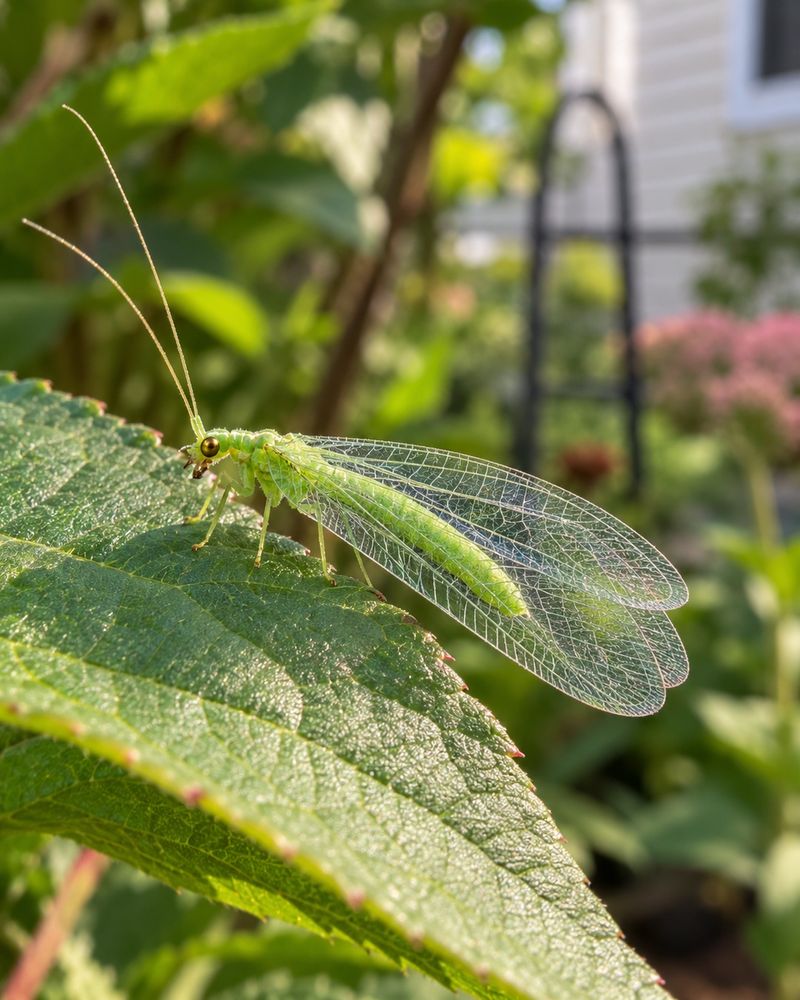
Adults are delicate green insects with lacy, see-through wings and bright golden eyes that catch porch light. Some common green lacewings spend winter as adults, often turning a brownish color while they rest.
Other lacewing species pass the cold months as larvae or pupae wrapped in small silk cocoons on plants. Those cocoons are about the size of a peppercorn, so they are easy to overlook while cleaning up.
I found one stuck to a dried stalk last winter and nearly tossed it out with the yard waste. That near miss changed how I tidy, and now I check stems before anything heads to the compost.
Lacewings tend to shelter in leaf litter, under bark, and in thick evergreen foliage around the yard. Leaving some leaves in the beds and keeping a few shrubs unpruned gives them several winter options.
Skip broad-spectrum insecticides too, since those sprays harm lacewings as easily as the pests you are targeting. Adults feed on nectar and pollen, so native flowers like goldenrod and asters help them next fall.
This weekend, let the beds look a little shaggy and resist the urge to scrub every surface clean. Come spring, those resting lacewings wake up and start laying eggs right where aphids are beginning to gather.
4. Hollow Stems Shelter Sleeping Native Bees
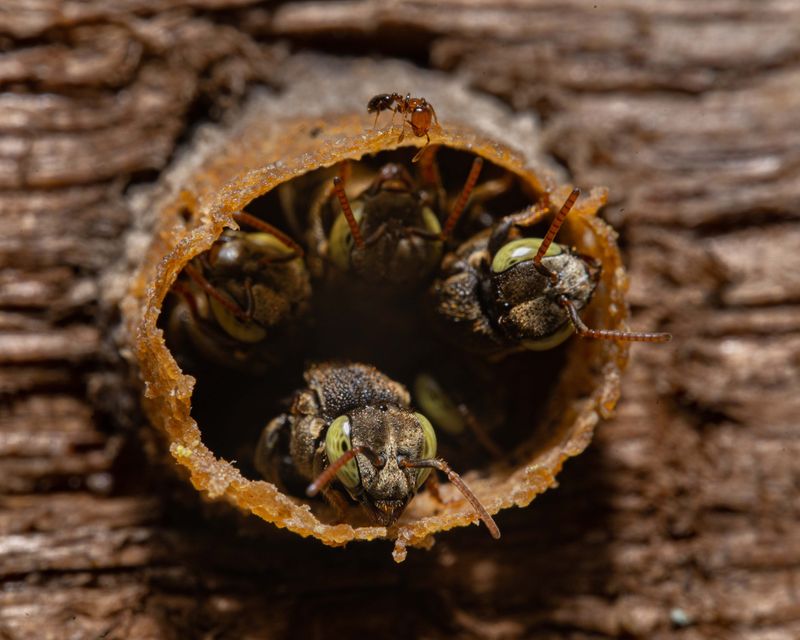
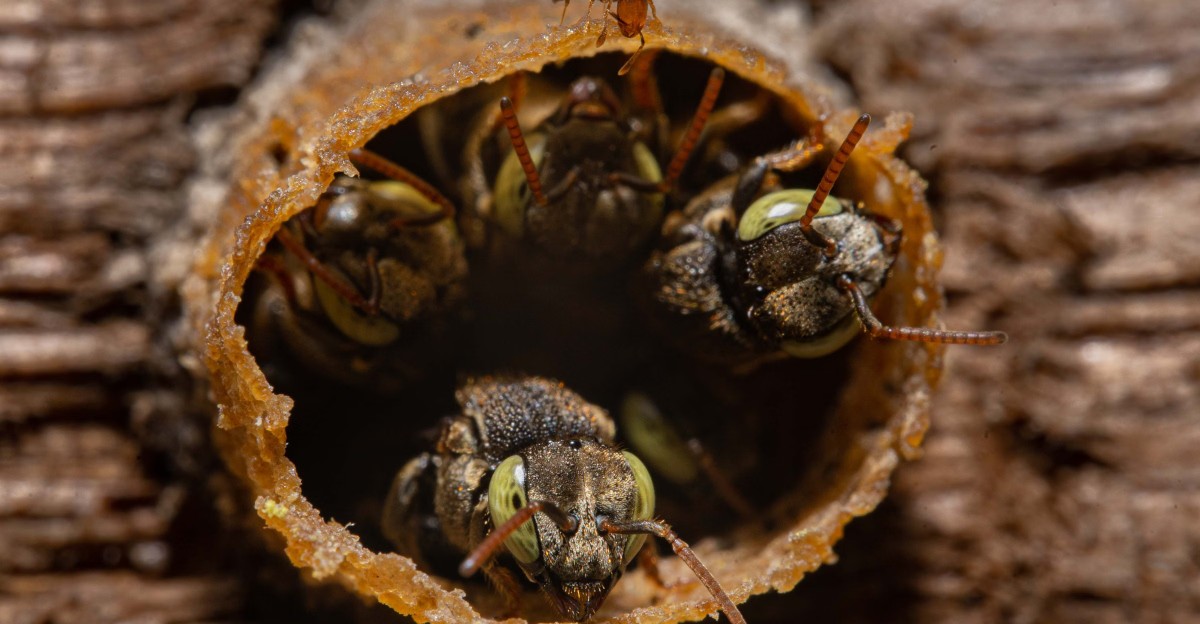
Somewhere inside an old coneflower stalk in your yard, a baby bee may be resting until spring. Small carpenter bees and some mason bees raise their young in hollow or pithy plant stems.
I used to chop every stalk to the ground each November because it looked tidy and responsible. Turns out I was hauling away nurseries full of next year’s pollinators along with the brown sticks.
About thirty percent of our native bee species nest in cavities like stems and old beetle tunnels. The other seventy percent mostly nest in the ground, which we will get to a little later.
Good stems to leave standing include coneflower, bee balm, Joe Pye weed, and native sunflowers in the bed. Raspberry and elderberry canes are favorites too, since their soft pith is easy for bees to excavate.
Your simplest move this weekend is doing less, leaving those stalks upright rather than cutting them back. Upright stems keep the nests dry, while stems lying on wet ground tend to soften and invite mold.
If tidiness matters near the front walk, trim those stalks lightly and let the back beds stay shaggy. Birds like goldfinches will pick at leftover seed heads, so you get winter visitors as a bonus.
Next spring, cut the stalks to between eight and twenty-four inches, and let new growth hide the stubble. Bees nest in those fresh stubs the following year, so one decision ends up helping two generations.
5. Firefly Larvae Hunt Slugs Under Fallen Leaves
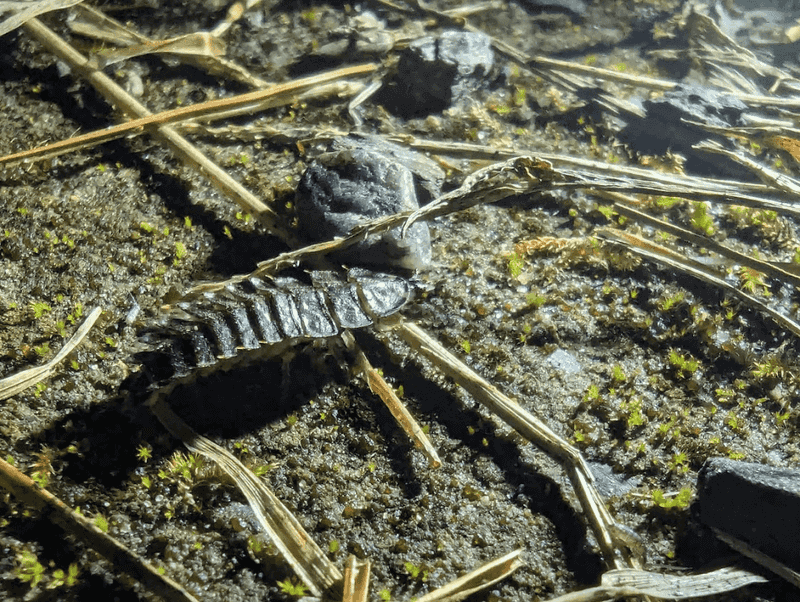
Those summer sparks blinking over your lawn spent most of their lives as larvae crawling through damp soil. Many firefly species live as larvae for one to two years before they ever grow wings and glow.
Firefly larvae glow faintly as well, which is why some people call them glowworms when they spot them. They hunt slugs and snails, injecting prey with a substance that softens it up for an easier meal.
That diet makes them a quiet ally for anyone tired of finding holes chewed through hosta leaves. I love the idea of tiny glowing hunters patrolling my shade bed while I sleep in a warm house.
Firefly larvae need moist ground with plenty of organic matter to make it through winter in good shape. Fallen leaves hold that moisture and give their prey somewhere to hide, which keeps the buffet stocked.
Raking every leaf down to bare soil strips away both the shelter and the food these larvae depend on. Pesticides on lawns and beds can harm them as well, especially products aimed at grubs or other soil insects.
Your best weekend choice is leaving leaf litter in shady corners and under shrubs where the soil stays damp. Letting a patch of lawn grow a little longer near the edges gives adult fireflies resting spots in summer.
Turning off extra outdoor lights during summer evenings also helps, since bright lights interfere with their flash signals. Small choices now could mean more blinking in June, and that magic is hard to beat.
6. Ground Beetles Hide Under Logs And Mulch
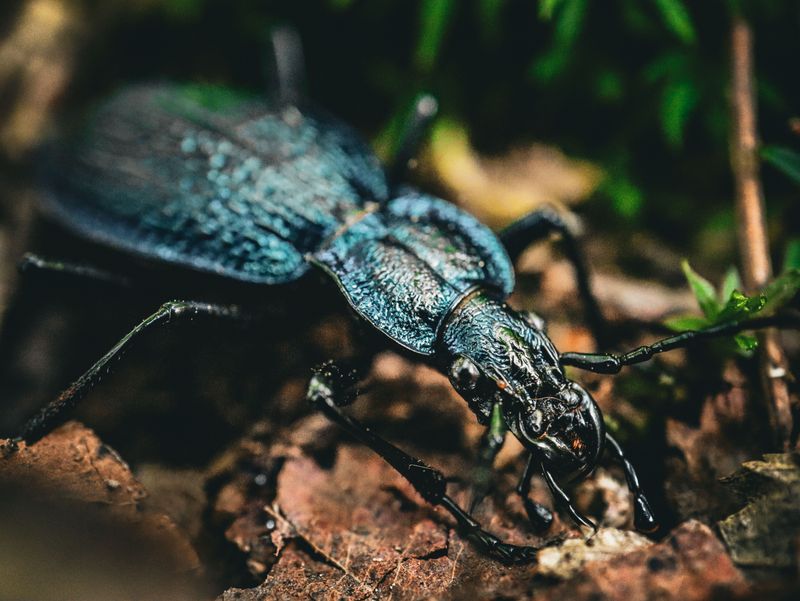
Flip a flat stone in your garden and a shiny black beetle may scramble away faster than you expect. Ground beetles are speedy night hunters, and many species shelter as adults or larvae through the cold months.
They eat slugs and cutworms, and some species even munch weed seeds lying on the soil surface. Researchers have found certain ground beetles can noticeably reduce weed seed numbers in crop fields over a season.
Honestly, these are my favorite garden helpers because they look a bit tough and work the night shift. You rarely see them during the day, but their work shows up as fewer chewed seedlings in spring.
During winter, ground beetles tuck under logs and thick mulch where temperatures stay a little steadier. Bare soil gives them nowhere to go, so a spotless bed can leave them out in the open.
Your decision this weekend might be as small as leaving a fallen log along the back border. A few flat stones set directly on the soil make cozy shelters, and they look nice too.
Perennial grasses and low groundcovers give beetles year-round cover, so they stick around rather than wandering off. Studies on farms show strips of bunch grasses called beetle banks can support large numbers of these predators.
Avoid tilling deeply in late fall, because it breaks up the cover and exposes beetles to the cold. Leave a little mess, and your garden gets a free night patrol when slug season returns.
7. Luna Moth Cocoons Rest In Fallen Leaves
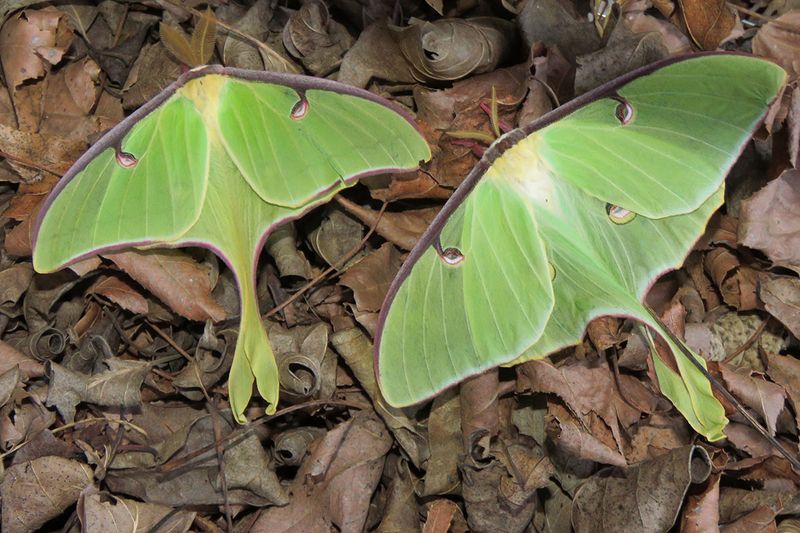
Luna moths are pale green with long, sweeping tails, and they look like something from a fairy tale. Their wingspan can reach about four and a half inches, making them one of our showiest moths.
Adult lunas have no working mouths, so they live only about a week after they emerge. That short adult life makes the long winter rest inside a cocoon even more important for the species.
In late fall, the final generation of caterpillars spins thin silk cocoons wrapped inside leaves on the ground. Those cocoons look a lot like crumpled brown leaves, which helps them hide from hungry birds and mice.
Caterpillars feed on trees like sweetgum, hickory, walnut, and persimmon, which are common across Tennessee yards. So if those trees shade your property, there is a decent chance cocoons are hiding in your leaves.
I cringe a little thinking about how many cocoons I probably bagged up before I knew this. Leaf vacuums and mulching mowers shred cocoons along with the leaves, so they are worth skipping under host trees.
This weekend, try raking leaves from under host trees into nearby beds instead of hauling them away. A loose layer under shrubs gives the cocoons a safe spot until warmer days arrive in spring.
In this region, luna moths can produce two or three generations a year, starting in spring. Spotting one resting on your porch screen in April might be your reward for a messy fall yard.
8. Swallowtail Chrysalises Blend In With Dried Stems
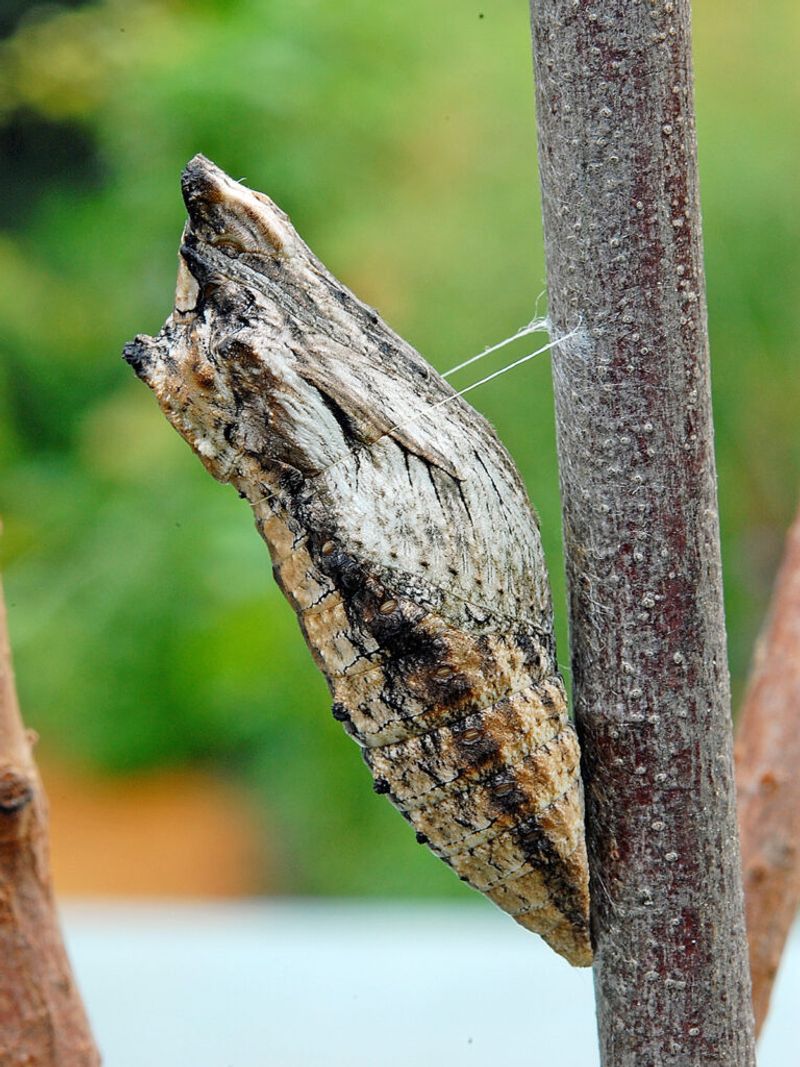
A swallowtail chrysalis clinging to a dry stalk looks so much like a twig that most people walk past. Eastern tiger and spicebush swallowtails both spend the winter as chrysalises throughout our part of the country.
Overwintering chrysalises are often brown, while summer ones may be green, so they match the season’s surroundings. Black swallowtails do the same, often attaching to stems near the parsley and dill they ate all summer.
Some caterpillars wander off their host plants to pupate, so chrysalises can show up on fences or nearby shrubs. Many also hang low in leaf litter or on old stems, right where a rake tends to go.
I now leave my parsley patch standing until spring, partly for butterflies and partly because I forget to tidy. Either way, the results speak for themselves when bright black wings show up in my yard each spring.
Cutting back host plants this weekend can toss chrysalises straight into the compost bin or trash bag. If you must tidy, set any stem holding a chrysalis upright in a sheltered spot outdoors.
Keep those stems outdoors rather than in a warm garage, since heat can trigger an early emergence. Spicebush and tulip poplar trees host caterpillars here, so their fallen leaves may also hide sleeping chrysalises.
Patience pays off, since these butterflies often emerge in spring right when the first garden flowers open. A little winter clutter is a small price for watching those big wings drift across your garden.