What to Do With an Amaryllis After It Blooms in a Pennsylvania Home
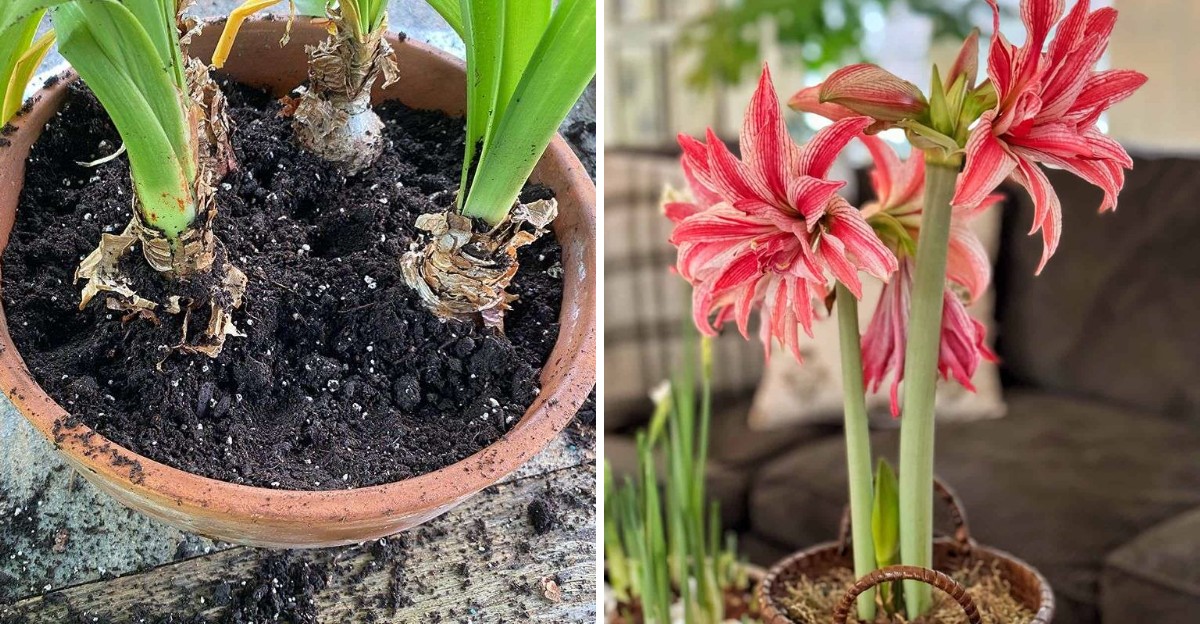
A single bulb from South America can flower for decades if you treat it right. Some gardeners have kept the same plant going for over 20 years, passing it down like a family recipe.
I find it fascinating that the giant flowers you enjoyed this winter were built last summer. The bulb packed those buds away months ago, using energy stored from sunny days outdoors.
In Pennsylvania, most of these plants arrive as holiday gifts. Plenty of them end up in the trash by February, which feels like such a waste to me.
You might be surprised by how little work a second round of blooms takes. A few snips, a sunny window, and one summer outside can set the stage.
So what does that faded stalk on your windowsill need from you right now?
1. That Tall Amaryllis Flower Stalk Still Has a Job to Do
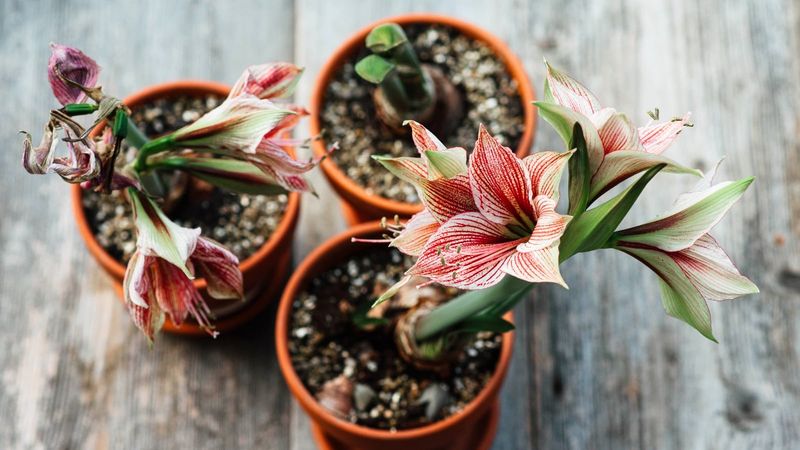
Faded flowers can look a little sad, but your plant is far from finished. The trick is knowing which parts to cut and which to leave alone.
Start by snipping off each wilted flower right where it meets the top of the stalk. If you leave them, the plant may try to make seeds.
Seed making burns through energy the bulb would rather save for next year’s flowers.
Now for the part that surprises many people. Leave that thick green stalk standing for now.
It still makes food from sunlight, just like a leaf, and sends that food down into the bulb.
Wait until the stalk turns yellow and starts to slump. That usually takes a few weeks.
Once it looks tired and pale, cut it off about one to two inches above the top of the bulb.
Use clean scissors or pruners for every cut. Clean tools help keep fungus and other problems away from the fleshy bulb.
A quick fun fact to share at dinner. The bulbs most of us call amaryllis actually belong to a group named Hippeastrum, which comes from Central and South America.
True Amaryllis is a different plant from South Africa. Gardeners just never stopped using the old name, and honestly, it stuck for good reason.
2. Those Strappy Green Amaryllis Leaves Are Refueling the Bulb
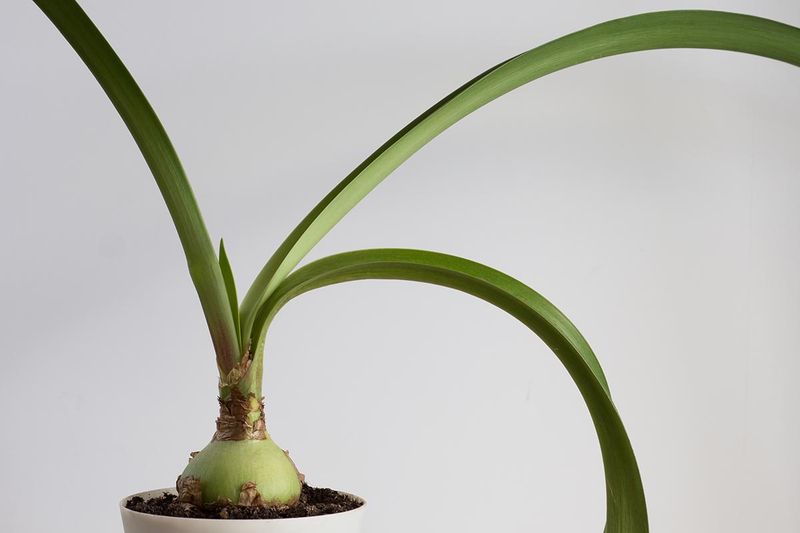
Here’s my favorite way to explain it. The leaves are solar panels, and the bulb is the battery.
Once the flowers are gone, those long green leaves keep growing. Every bit of light they catch becomes stored energy for next year.
More healthy leaves usually means a bigger, stronger bulb.
Move your plant to the brightest window you have. A south or west window works great during a gray Pennsylvania late winter.
Turn the pot every week or so, since the leaves will lean toward the glass.
Water when the top inch of soil feels dry. Let extra water drain out the bottom, and dump any water sitting in the saucer.
Soggy soil can lead to bulb rot, and that is the fastest way to lose this plant.
Feeding matters now too. Use a balanced liquid houseplant fertilizer every two to four weeks, following the label.
Many university extension guides suggest this kind of steady feeding from late winter through summer.
Watch for leaves that stay deep green and firm. Pale, floppy foliage often hints at too little light.
Brown, mushy spots near the base can mean too much water, so ease up if you see them.
3. Your Potted Amaryllis Will Love a Summer on the Patio
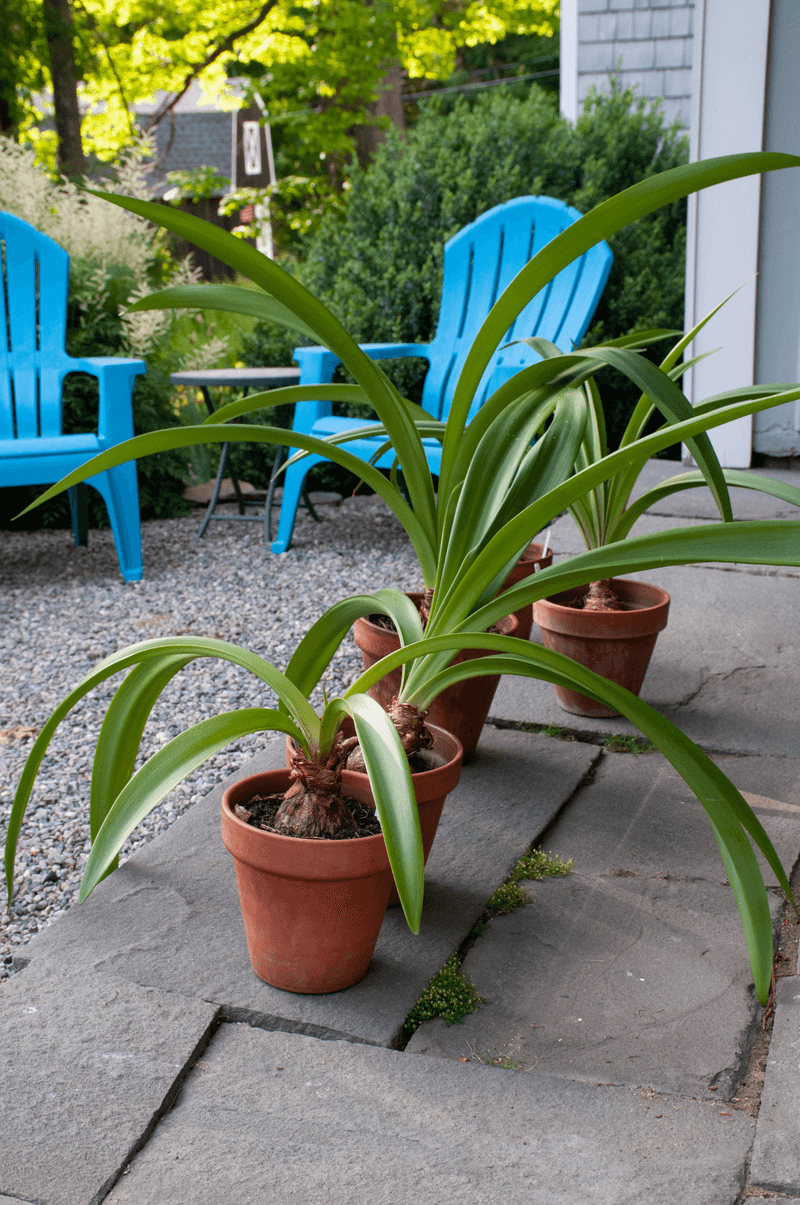
Few things wake up a houseplant like real sunshine. Your bulb will grow faster outdoors than it ever could on a windowsill.
Timing is the key part. Amaryllis can be harmed by cold, so wait until nights stay above 50 degrees.
In southeastern Pennsylvania, that often happens in mid-May. Up in the northern tier and mountain areas, late May or early June is safer.
Don’t rush the plant straight into blazing sun. Set it in shade for a few days, then slowly give it more sun over a week or two.
This helps stop leaf scorch, which shows up as bleached or brown patches.
By midsummer, a spot with about six hours of sun or bright morning light works well. Keep watering when the soil dries a bit, and stay with your feeding routine.
Some folks plant the bulb right into a garden bed for summer. That works, but you will need to dig it up before fall.
I like leaving it in the pot because it makes the move back inside so much easier.
Keep an eye out for slugs and mealybugs. A quick check under the leaves each week helps catch trouble early.
4. Bring the Amaryllis Pot Inside Before Pennsylvania Frost Arrives
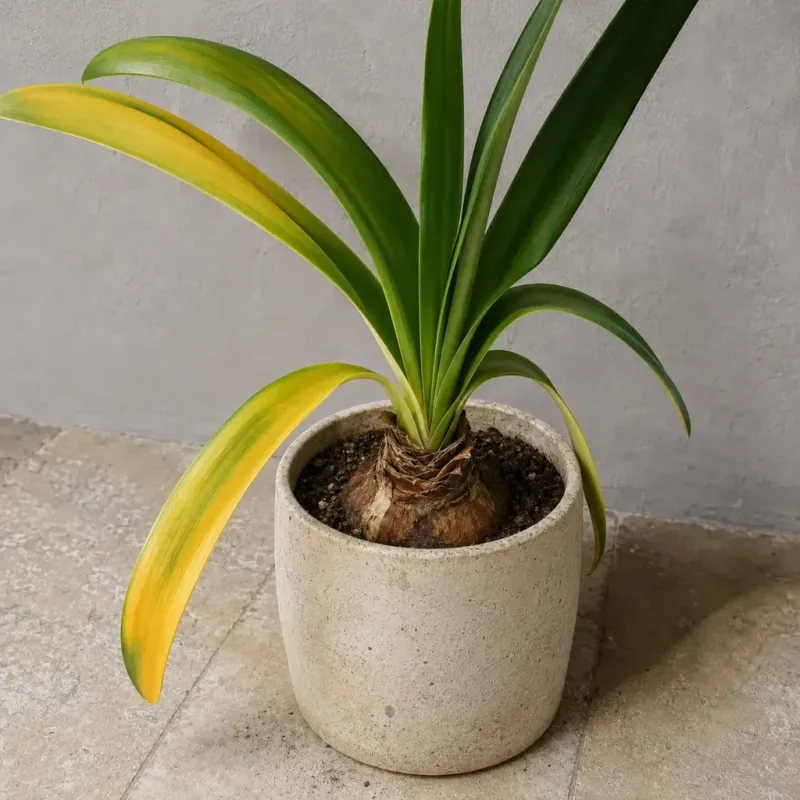
Late summer is when the plan shifts. The bulb has stored up plenty of energy, and now it needs a signal to rest.
Most guides suggest starting this rest in late August or September. Stop feeding, and slowly cut back on water.
Within a few weeks, the leaves will start to yellow and flop over.
Watch the weather closely as fall moves in. Pennsylvania’s first frost can arrive in late September in cooler mountain spots and later in October around Philadelphia and Pittsburgh.
Bring the pot inside well before any frosty night, since cold damage can ruin the bulb.
Let those yellowing leaves hang on as long as they want. They are still pulling leftover food back into the bulb.
Cutting them early is like unplugging a phone at half charge.
When the leaves are mostly brown and dry, trim them off near the neck of the bulb. You might notice the bulb feels plump and heavy.
That is a great sign.
Tiny reminder from experience. Check the pot for hitchhiking bugs before carrying it into the house.
A quick rinse of the pot and a look under the rim saves headaches later.
5. A Cool Basement Nap Helps Amaryllis Bulbs Set New Buds
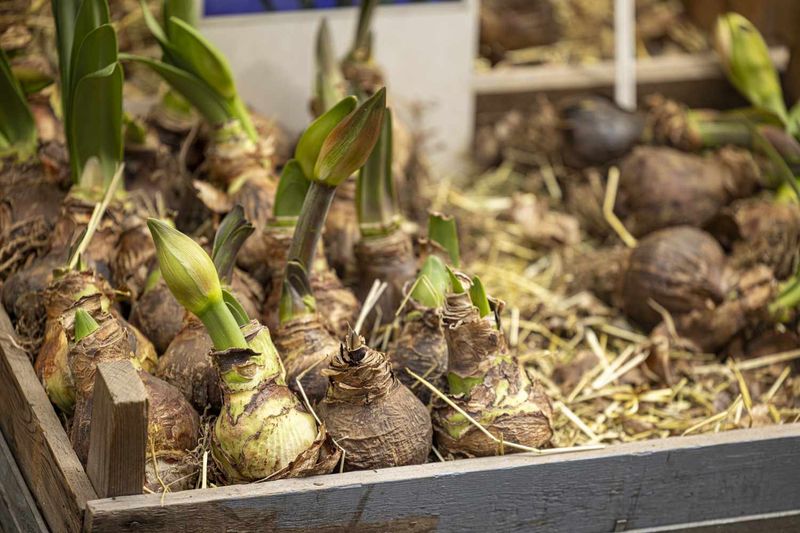
Ever wonder why some bulbs rebloom and others just make leaves? Very often, the answer comes down to rest.
A cool, dry break helps the bulb get ready to flower again. Find a spot that stays roughly 50 to 60 degrees.
A basement, cool closet, or unheated spare room in a Pennsylvania house usually fits the bill.
Light doesn’t matter much during this nap, since the leaves are gone. Skip watering for the whole rest period.
The bulb lives off its own stored food, a bit like a bear in winter.
Let it rest for about eight to ten weeks. Some extension sources say a little longer is fine too, so don’t stress over the exact day.
Give the bulb a gentle squeeze now and then. It should feel firm, like an onion from the store.
A soft or mushy bulb may have rot and usually won’t recover.
One spot to skip is the garage. Pennsylvania garages often dip below freezing in January, and freezing can harm the bulb.
Keep it away from fruit too, since ripening apples give off a gas that may mess with flower buds.
6. Waking the Amaryllis Bulb With Fresh Soil and a Little Water
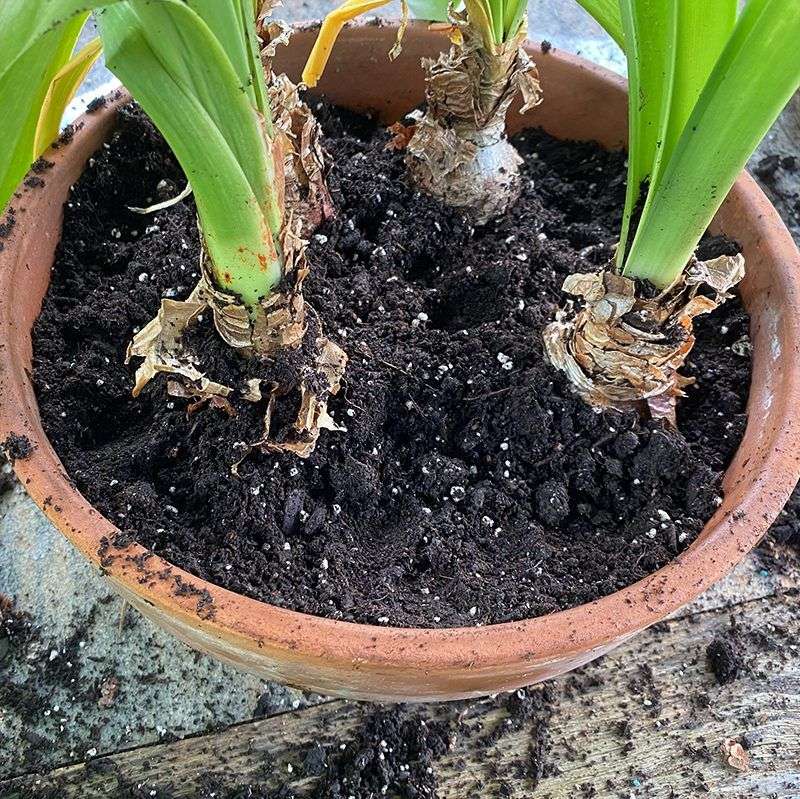
Something exciting happens when you finally lift that pot out of the basement. Sometimes a pale green tip is already poking out of the bulb, eager to go.
Move the plant to a warm, bright room, ideally 65 to 75 degrees. Give it one good drink, then hold back.
Water lightly until new growth shows, because a sleepy bulb can rot in wet soil.
This is the perfect time to repot if needed. Amaryllis likes a snug pot, only about an inch or two wider than the bulb.
Use fresh, well-draining potting mix, and keep the top third of the bulb above the soil.
Many growers repot every three or four years. In between, you can scrape off the top layer of old soil and add fresh mix.
Once leaves or a flower stalk appear, water a bit more often and start feeding again. Turn the pot every few days so the stalk grows straight instead of leaning.
Flowers often open six to ten weeks after you wake the bulb. Want blooms for the holidays?
Start the rest in early August and the wake-up around early October, and you might time it just right.
7. Patience Pays Off When Amaryllis Blooms Return Year After Year
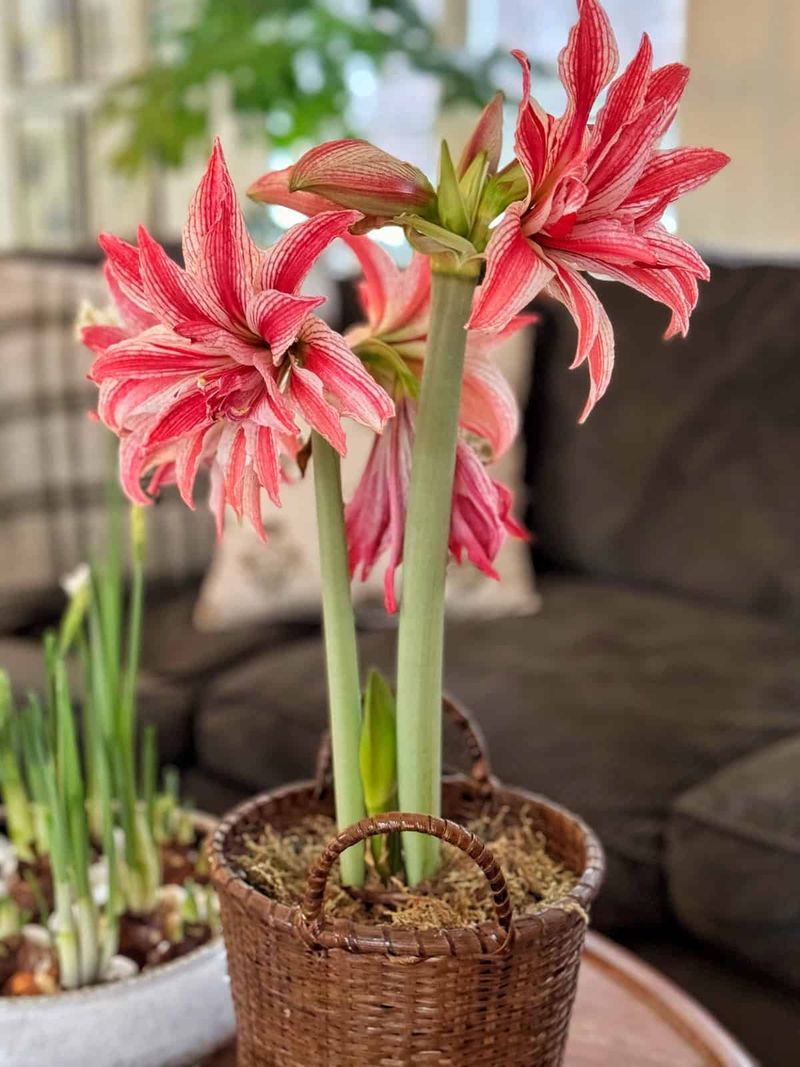
My first rebloom attempt gave me nothing but leaves. The second year, that same bulb sent up two tall stalks, and I nearly cheered out loud.
Don’t panic if your plant skips a year. Usually, it just needs more energy stored up.
Too little light, too short a growing season, or not enough food during summer are the usual reasons.
Small bulbs can need an extra season to bulk up. Some plants also stay green all year and still flower, so a formal rest isn’t the only path.
Most growers just find the cool break gives more reliable results.
A few habits help bulbs last for years. Water carefully, feed during the growing months, and give that outdoor summer whenever weather allows.
Keep the plant away from curious pets. The ASPCA lists amaryllis as toxic to cats and dogs, and the bulb is the most troublesome part.
Little offset bulbs may form beside the main one over time. You can separate them during repotting and grow them on, which means extra plants to share.
A Pennsylvania winter feels a lot brighter with a few of these trumpets glowing on the windowsill.