The August Lawn Moves That Separate Great Yards From Average Ones In Tennessee
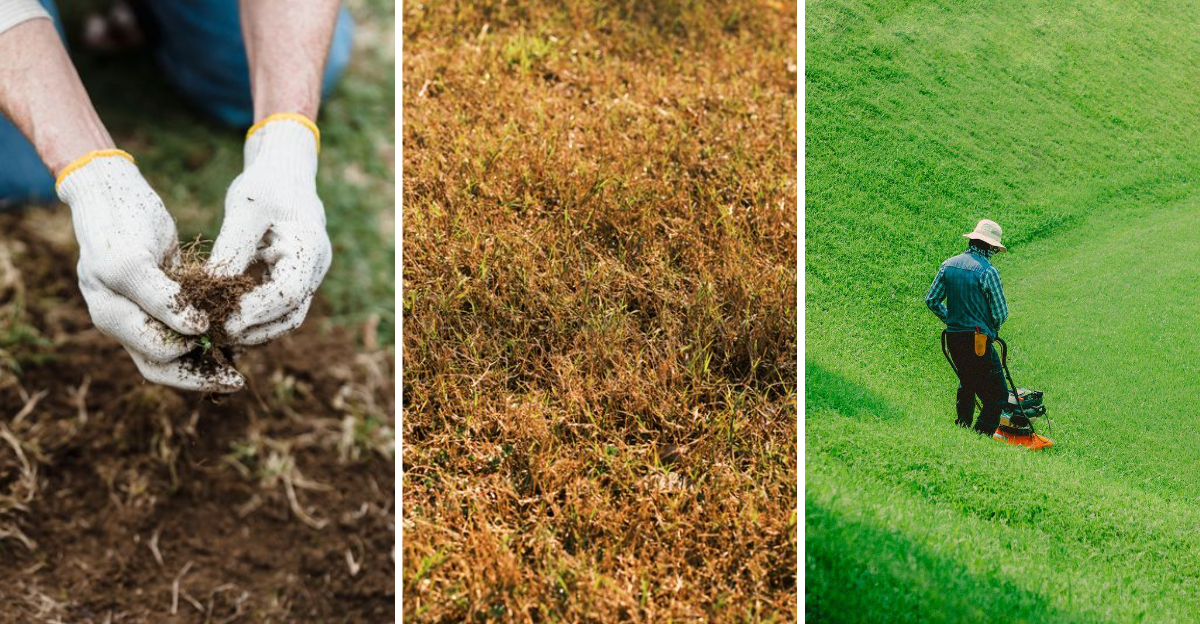
Heat doesn’t wait for you to catch up this month. Grass roots in Tennessee weaken long before blades show it. Soil compacts fast, and moisture disappears faster than you expect.
You assume watering more often will fix the stress. It usually makes existing stress even worse. Poor timing dulls blades quickly instead of reviving them.
Mowing height right now decides how thick your lawn grows back before fall. Fertilizing too soon invites disease instead of real recovery. Weeds take over every weak patch while you look away.
Bare spots spread quietly across stressed Tennessee yards every week. Small choices right now decide whether fall brings real thickness or bare ground.
Every decision either strengthens your lawn or deepens existing setbacks. Nothing about truly genuine recovery happens without clear intention.
Timing separates thriving yards from tired, thinning ones. Ignore what comes next, and you’ll be reseeding your whole yard by October.
1. Deep Water Early Morning Only
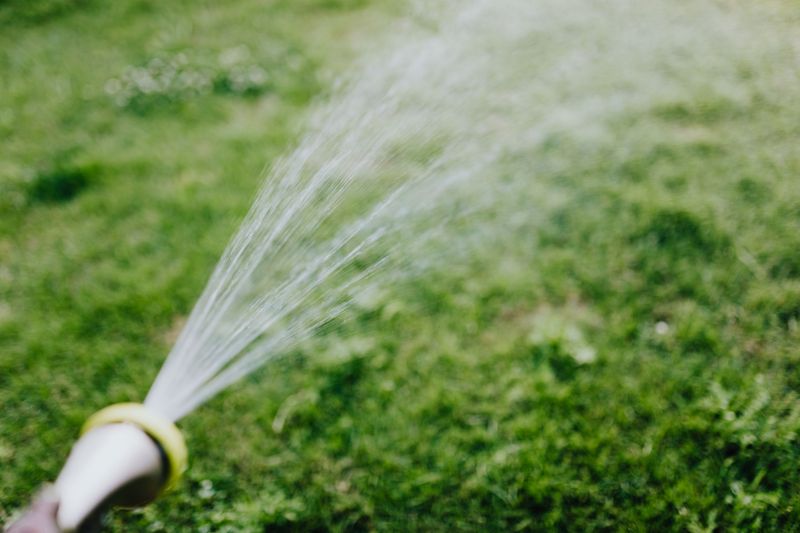
Watering at midday causes rapid evaporation before roots can absorb the moisture. The sun and the hot soil team up to evaporate moisture before roots ever get a drink.
Early morning watering, ideally between 5 and 9 a.m., gives water time to soak deep into the soil. Roots follow the moisture down, making the grass more resilient during dry spells.
Deep and infrequent is the golden rule for August lawn moves in any Tennessee yard. Watering deeply two or three times per week beats shallow daily watering every time.
Shallow watering trains roots to stay near the surface where heat and drought hit hardest. Deep watering pushes roots down where temperatures stay cooler and moisture lingers longer.
Aim for about one inch of water per session, including any rainfall you get. A simple rain gauge from any hardware store takes all the guesswork out of it.
Evening watering might seem convenient, but it leaves the grass wet overnight. That damp surface becomes a welcome mat for fungal diseases that spread fast in humid Tennessee summers.
Morning watering lets the blades dry off naturally as the day warms up. Dry blades by afternoon means far less risk of mold, mildew, or brown patch creeping in.
Consistency matters more than perfection here. Set a schedule, stick to it, and your lawn will reward you with steady green color even when the heat index climbs past 100.
2. Overseed Thin Spots In Late August
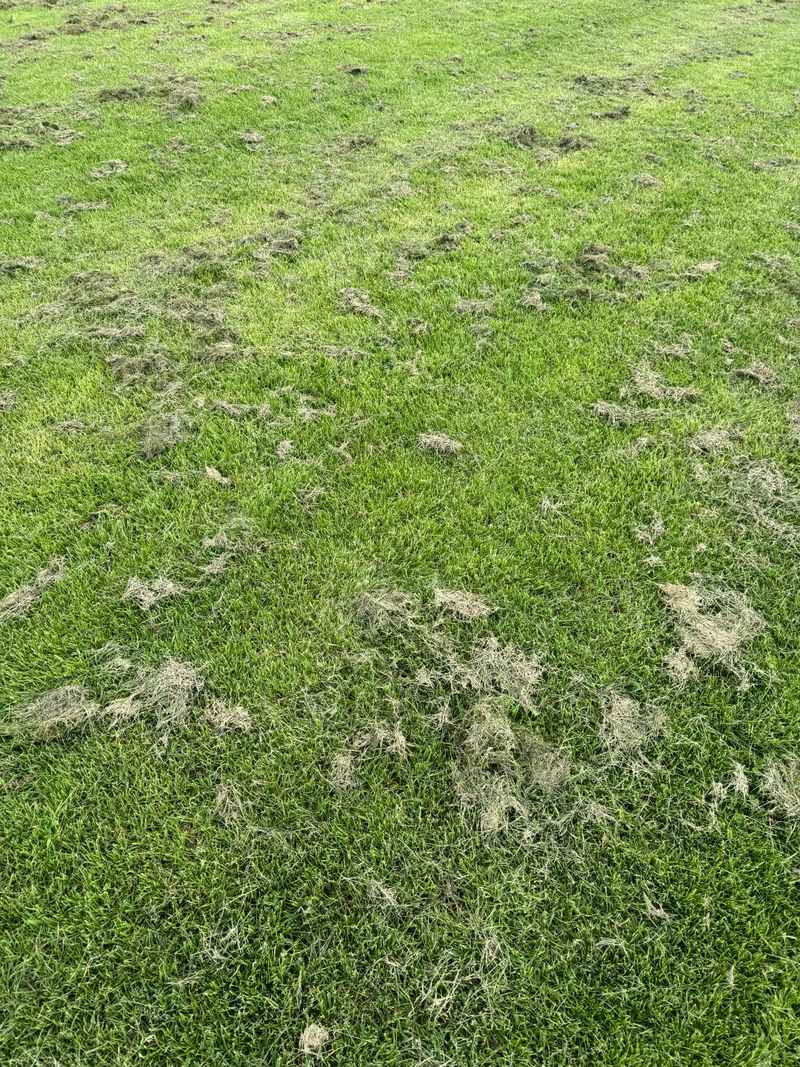
Thin spots in a lawn are open invitations for weeds to move in and set up camp. Overseeding those bare areas in late August gives grass a head start before weed seeds find the same empty space.
Late August is generally a good window for applying a fall pre-emergent to stop winter annual weeds like henbit, chickweed, and annual bluegrass.
These weeds germinate in early fall once soil temperatures drop below 70 degrees, so tracking soil temperature rather than the calendar is what really matters.
Prep the area before spreading seed for the best results. Scratch the soil surface lightly with a rake, remove any leftover debris, and make sure seed has good contact with bare soil.
Your Tennessee Garden Changes Every Week. Your Plan Should Too.
Gardening in Tennessee changes quickly throughout the season. Every Friday you’ll receive a simple weekly plan showing exactly what to plant, prune, fertilize, harvest, and protect so you never miss the right timing.
Choose a quality seed blend matched to your existing grass type and your yard’s sun exposure. Mixing a shade-tolerant variety into a sunny lawn is a common mistake that leads to patchy, inconsistent results.
Keep newly seeded areas consistently moist until germination, which usually takes seven to fourteen days for fescue. Light, frequent watering is the exception to the deep-watering rule during this short establishment window.
Avoid mowing the new seedlings until they reach at least three inches tall. Cutting too early uproots fragile young grass before the roots have had a chance to anchor properly.
Once established, gradually reduce watering frequency and increase depth to encourage those new roots to go deep. A well-overseeded lawn heading into fall looks intentional, full, and professionally maintained.
Thin spots filled now will be undetectable by October, and that transformation is one of the most satisfying August lawn moves you can pull off.
3. Skip Fertilizing During Dormant Summer Heat
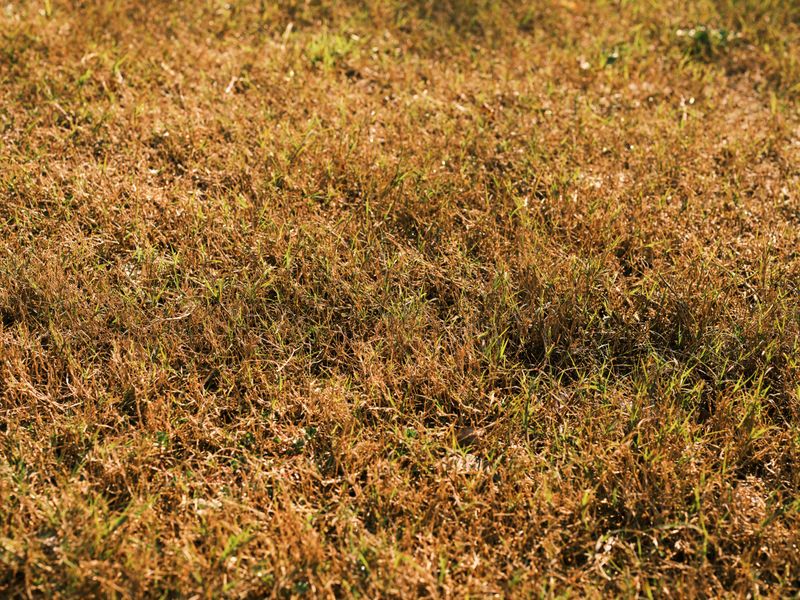
Fertilizing a heat-stressed lawn overwhelms roots that are not equipped to process the nutrients. The grass cannot absorb it efficiently, and the results can quickly become counterproductive.
When cool-season grasses like tall fescue go semi-dormant in August, their roots slow down significantly. Pushing nitrogen into dormant roots causes fertilizer burn, not lush green growth.
Warm-season grasses like bermuda and zoysia handle August a little better, but even they benefit from a lighter touch during extreme heat waves. Overdoing nitrogen in peak summer weakens the plant over time. The best August lawn move here is patience.
Hold off on any nitrogen-heavy fertilizer until soil temperatures drop closer to 70 degrees, which typically happens in mid to late September in Tennessee, though the exact timing shifts from year to year depending on weather.
If you feel the urge to do something, a light application of iron can give cool-season grass a green boost without the risks. Iron feeds color without pushing aggressive growth the plant cannot support.
Read any product label carefully before applying anything in summer. Some lawn products marketed for summer use still contain enough nitrogen to cause problems on already-stressed turf.
Soil testing is a smart move to do now so you know exactly what your lawn needs come fall. Soil testing labs vary in turnaround time, so check with your chosen lab, and the data helps you fertilize with precision, not guesswork.
Skipping fertilizer in August is not neglect. Knowing when to hold back is exactly what separates a great yard from an average one.
4. Raise Mowing Height Before Heat Stress Peaks
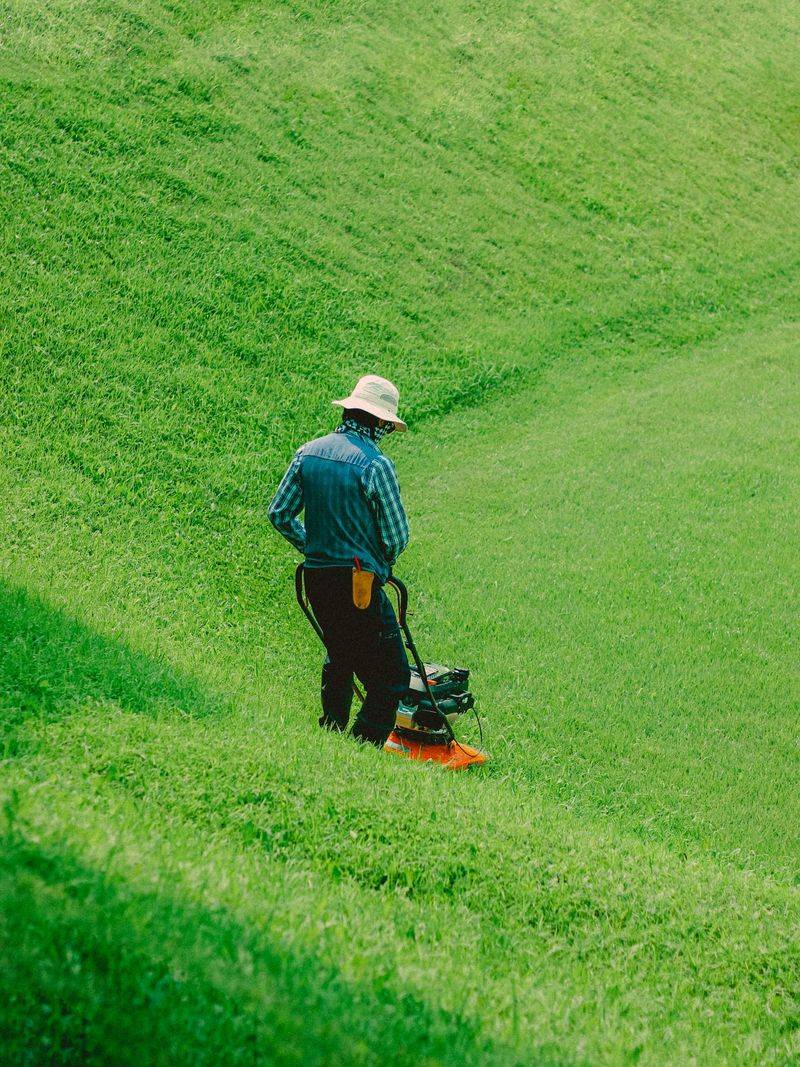
Cutting grass too short in August creates lasting stress on the lawn. Cutting too short removes the shade the soil desperately needs to stay cool.
Most Tennessee lawns with tall fescue thrive when mowed at three to four inches during peak summer heat, while zoysia typically does best kept shorter, around one and a half to two and a half inches.
Taller blades cast shadow over the root zone and slow down moisture loss dramatically. Raising your mowing height is one of the easiest August lawn moves you can make at no extra cost. Just adjust the deck before your next cut and leave it there all month.
Longer grass also crowds out weed seedlings that want to sneak in during late summer. Fewer weeds now means less headache when fall arrives.
Skip the temptation to cut short because it looks neater. A slightly taller lawn that stays green beats a short one that turns brown every single time.
Sharp mower blades matter just as much as height. Dull blades tear the grass instead of cutting it cleanly, leaving ragged tips that dry out fast.
Get your blades sharpened once a month during heavy mowing season. Clean cuts heal faster and keep the lawn looking crisp even under stress.
The goal in August is not a golf course look. The goal is a lawn tough enough to survive the heat and bounce back beautifully in September.
5. Treat Grubs Before Fall Damage Shows
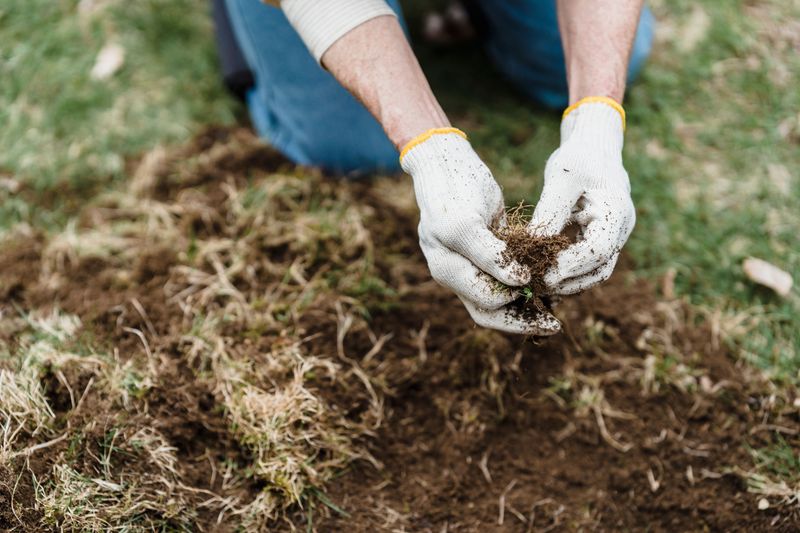
Grub damage is often hard to detect early. By the time brown patches and peeling turf appear, those larvae have already fed on the root system for several weeks.
Japanese beetle and masked chafer grubs hatch in late July and spend August eating grass roots just below the soil surface. The damage often looks like drought stress at first, which tricks a lot of homeowners.
A simple test reveals the truth fast. Grab a patch of brown grass and tug firmly. If it peels back like loose carpet, grubs are almost certainly the culprit underneath.
August is actually the ideal window for grub treatment because the larvae are still small and close to the surface. Younger grubs are far easier to treat than the mature ones hiding deeper in fall.
Products containing chlorantraniliprole or trichlorfon are widely available and effective when applied correctly. Always water the product in thoroughly right after application so it reaches the root zone where grubs live.
Curative treatments work in August, but preventative treatments applied in June or July work even better. If you missed that window this year, mark your calendar now for next summer.
Birds pecking aggressively at your lawn in late summer can be a useful clue worth checking further. Starlings and robins are known grub hunters, so frequent bird activity may point to a problem underground, though it is not a definitive diagnosis on its own.
Catching grubs early keeps your August lawn moves on offense instead of defense, and that is a position every great yard owner wants to be in.
6. Aerate Compacted Soil Ahead Of Fall
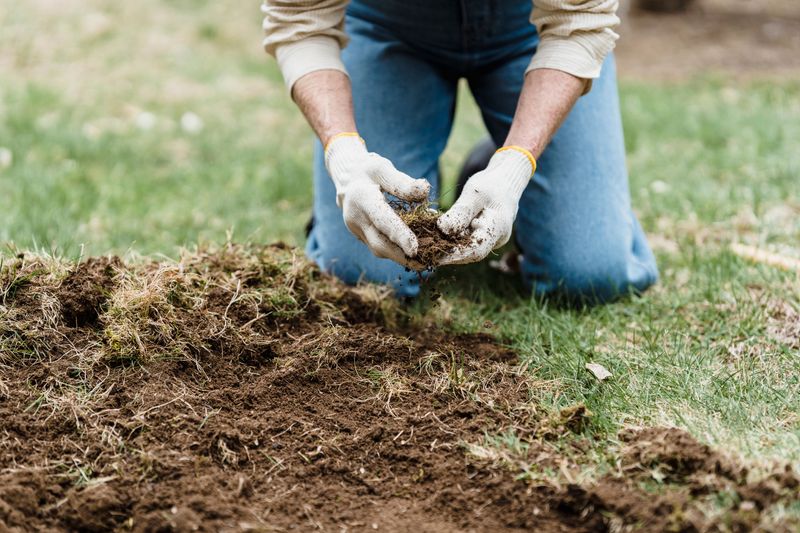
Compacted soil is an easily overlooked problem. Water sits on top, roots struggle to access oxygen, and fertilizer never quite reaches where it needs to go.
A full season of foot traffic, summer heat, and clay-heavy Tennessee soil creates compaction that restricts root access to air and water from the ground up. Aeration punches small holes through that tight layer and opens everything back up.
Core aeration, which pulls actual plugs of soil out rather than just poking holes, is the most effective method for Tennessee yards. Those little plugs left on the surface break down naturally and actually improve soil structure over time.
Late August into early September is a prime window for aerating cool-season lawns before fall fertilization and overseeding. Warm-season grasses like bermuda prefer aeration a bit earlier in summer when growth is at its peak.
Rental core aerators are available at most home improvement stores for a daily fee. For larger properties, hiring a lawn care company often makes more financial sense than hauling heavy equipment yourself.
Water the lawn deeply the day before aerating to soften the soil. Trying to aerate dry, rock-hard clay soil takes far more effort and produces weaker results.
After aeration, the lawn absorbs water, nutrients, and oxygen at a noticeably higher rate. Overseeding immediately after aeration is a powerful combination because seed falls directly into those open holes for excellent soil contact.
Aeration is one of those August lawn moves that feels small but delivers outsized results heading into the most important growing season of the year.
7. Watch For Fungus After Humid Stretches

Tennessee summers create favorable conditions for fungal growth. High humidity, warm nights, and wet grass blades combine to increase the risk of lawn disease.
Brown patch is the most common fungal problem in Tennessee lawns during August. It shows up as circular tan or brown patches ranging from a few inches to several feet across, often with a darker outer ring.
Dollar spot is another frequent visitor, creating small straw-colored spots about the size of a silver dollar scattered across the turf. Both diseases spread fast when conditions stay warm and wet for several days in a row.
Avoiding evening watering is your first line of defense, as wet grass overnight gives fungal spores the moisture they need to germinate and spread. Morning watering keeps blades dry through the warmest hours when evaporation works in your favor.
Fungicide applications can stop active infections and prevent new ones from spreading. Look for products containing azoxystrobin or propiconazole, which are effective against the most common Tennessee lawn fungi.
Do not mow a wet, infected lawn because mower blades spread fungal spores from patch to patch with every pass. Wait until the grass is fully dry before cutting through any affected areas.
Improving air circulation by trimming back overhanging shrubs and trees near the lawn reduces the humid microclimate that encourages fungal growth. Small landscape adjustments can make a big difference in disease pressure over the long run.
Catching fungus early is one of the most critical August lawn moves, because a small patch treated quickly rarely becomes the large-scale problem that significantly damages a yard by September.
8. Apply Pre-Emergent Before Weeds Germinate
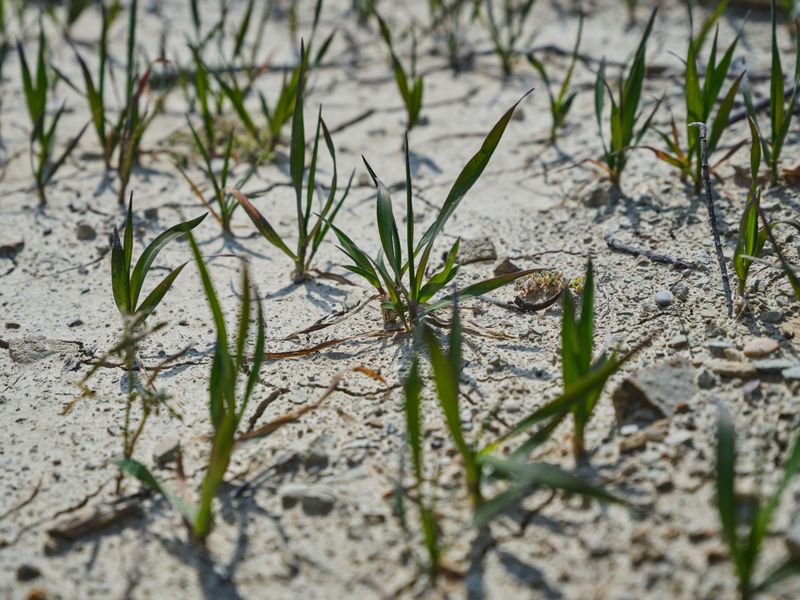
Most people fight weeds only after they see them, which limits their control options considerably. Pre-emergent herbicide stops weed seeds from ever breaking ground in the first place.
Late August is the target window for applying a fall pre-emergent to stop winter annual weeds like henbit, chickweed, and annual bluegrass. These weeds germinate in early fall when soil temperatures drop below 70 degrees, so timing the application correctly is everything.
Soil temperature, not the calendar date, is the real trigger you should track. A simple soil thermometer is inexpensive and removes all the guesswork from your timing decisions.
Granular pre-emergent products are easy to apply with a standard broadcast spreader. Water them in within 24 hours of application so the active ingredient forms the barrier in the soil where germinating seeds actually live.
One common mistake is applying pre-emergent and then aerating or overseeding shortly after. The product creates a chemical barrier that blocks all seed germination, including the grass seed you just put down.
Plan your timing so aeration and overseeding happen first, giving new grass seed at least four to six weeks to establish before pre-emergent goes down. Skipping this sequence is a mistake that costs homeowners significant time and money.
Read the label for specific re-entry intervals and application rates because using too much can damage existing turf. Precision application protects your lawn without creating new problems.
Applying pre-emergent at the right moment is one of the sharpest August lawn moves you can make, and it pays dividends all the way through spring in a Tennessee yard.