Signs Voles Are Tunneling Under the Snow in Your Michigan Lawn
Beneath a few inches of fluffy snow, the soil surface can stay close to thirty-two degrees during bitter nights. Scientists call that hidden pocket the subnivean zone, and it works like a cozy blanket for tiny creatures.
Some of those creatures spend the whole winter munching grass and building trails down there in the dark. In Michigan, that hidden neighborhood can stretch across your whole lawn before anyone spots a single clue.
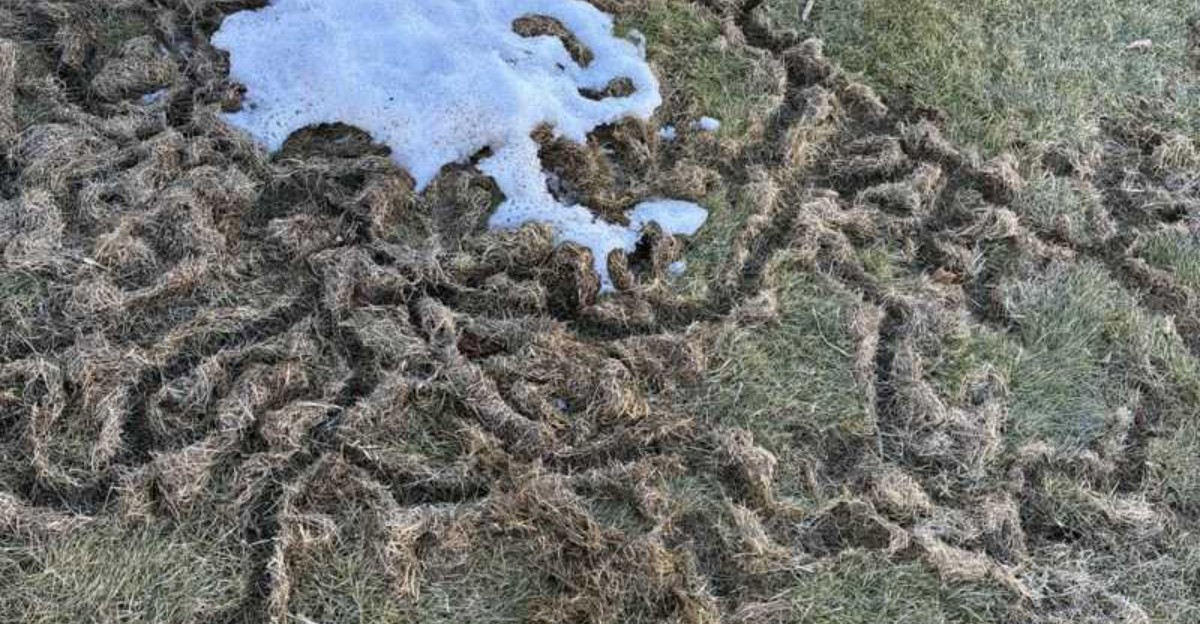
I learned this the hard way after a March thaw revealed squiggly brown lines all over my yard. You may be surprised how much damage a few small visitors can manage while the snow sits quietly.
The trick is knowing what to look for before spring arrives and the mess becomes obvious to everyone.
1. Winding Grass Runways Appear After Snowmelt
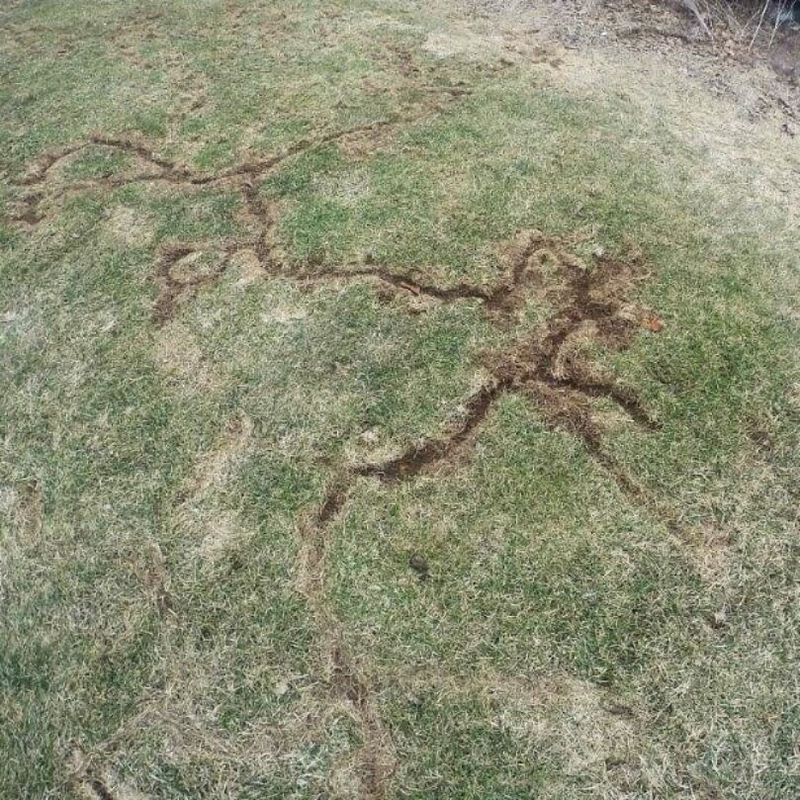
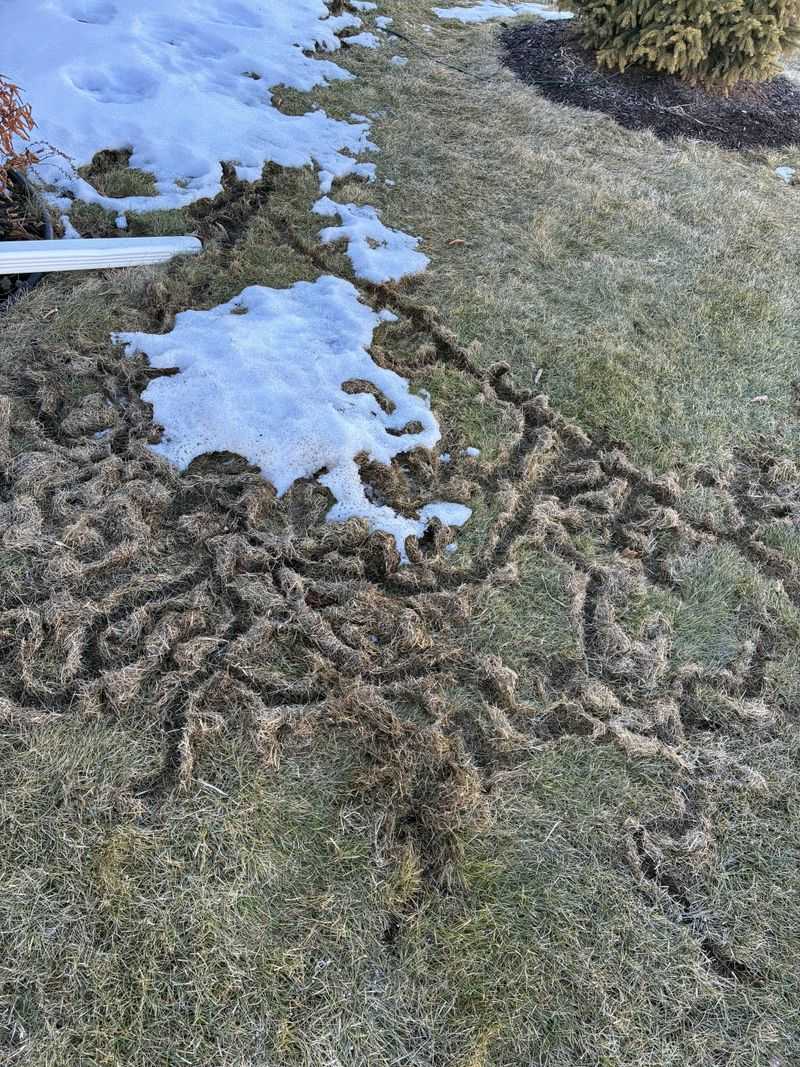
Nothing surprises a gardener quite like melting snow that reveals a messy roadmap carved across the front lawn. Those curvy brown paths are runways, and they usually measure about one to two inches wide.
Meadow voles, known to scientists as Microtus pennsylvanicus, build these trails right on the soil surface under the snow. They nibble the grass down to the crown as they travel, leaving a bare and flattened lane behind.
Moles work differently, since they dig deeper tunnels and push up raised ridges or volcano-shaped mounds of soil. Vole runways stay flat and open, almost like someone dragged a tiny garden hose across the yard.
In my yard, the trails often link a thick shrub bed to the spots where tall grass leans over. Following one path can lead you straight to their favorite hiding spots and busiest feeding areas nearby.
Michigan State University Extension notes that most lawns bounce back from this damage once spring growth kicks in. Grass crowns and roots usually survive, so the brown lanes often green up within a few weeks.
Give recovery a boost by gently raking the runways to loosen matted grass and clippings left behind. Thin spots that stay bare by late spring can be overseeded with a cool-season grass mix.
Take a few photos of the trails before you rake, because they reveal patterns worth tracking next winter. Knowing where voles traveled helps you plan smarter mowing and cleanup when fall rolls around again.
2. Neatly Clipped Grass Blades Line The Trails
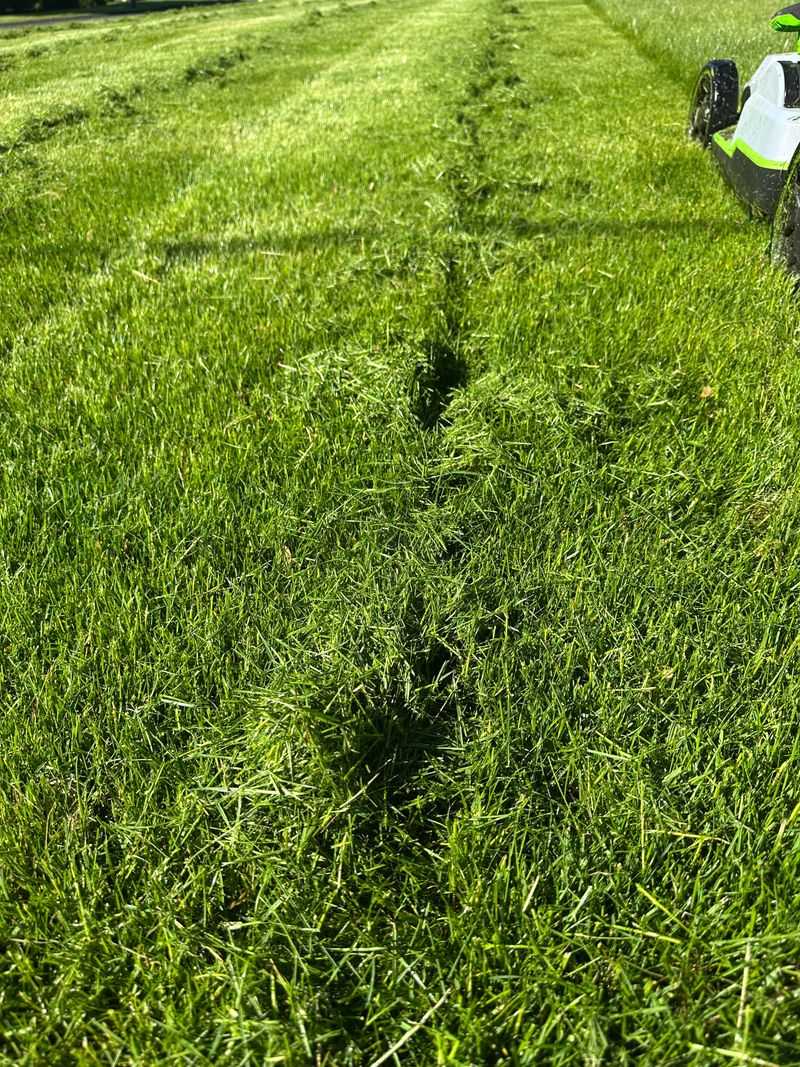
Get down on your hands and knees beside a fresh runway, and you might spot grass trimmed with surprising precision. Voles snip blades close to the ground with sharp front teeth, much like a miniature lawn mower would.
These small rodents eat roughly their own body weight in plant material every day, according to many wildlife experts. Grass and its tender crowns make up a big share of that winter menu in a snowy yard.
You may also notice little piles of cut grass sitting along the edges of the trails after melt. Sometimes these piles are leftover snacks, while other times they hint at nesting material gathered for warmth.
I love examining these clippings because they tell a story about how busy the critters stayed all winter. Fresh green bits suggest recent activity, while brown and matted piles point to older feeding from months ago.
Rabbits also clip plants, but they usually leave a cleaner angled cut higher up on stems and twigs. Vole damage sits right at soil level, tucked inside those narrow protected lanes they create beneath the snow.
Rake away clipped grass piles in early spring so sunlight and air can reach the struggling crowns underneath. Leaving thick mats in place can trap moisture and slow your lawn’s natural recovery quite a bit.
Mowing a bit shorter in late fall also helps, since tall grass gives voles cover heading into winter. Your final cut of the season can make your lawn a far less inviting place to settle.
3. Small Round Burrow Holes Pop Up In The Lawn
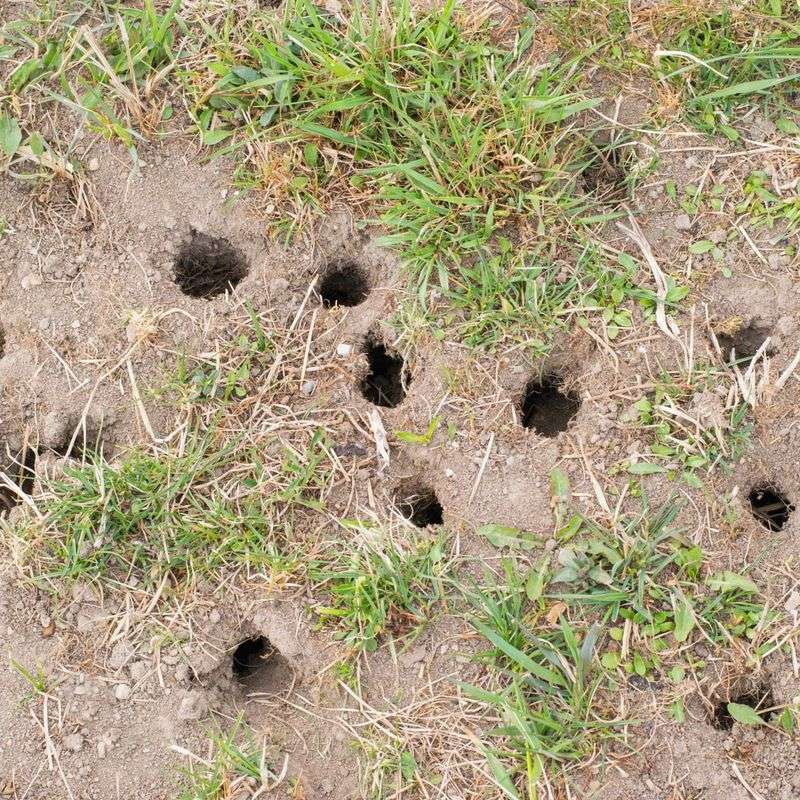
Tiny holes scattered across the yard can look harmless, yet they often act as front doors to a hidden network. Vole burrow openings usually measure about one to two inches across, roughly the width of a golf ball.
Unlike chipmunk holes, which often sit near patios or stone walls, vole openings connect directly to surface runways. That link is your best clue, because a hole paired with a trail points strongly toward vole activity.
Voles use these openings to move between underground nests and the snow-covered lanes where they gather food. Some holes appear under shrubs or along garden edges, places that offer extra cover from hungry hawks and foxes.
Count how many openings you find within a small patch, since a cluster suggests a busy family nearby. Meadow voles can raise several litters each year, so populations sometimes climb quickly in good conditions.
One easy test involves tucking a small piece of apple near a hole and checking it the next day. If the bait disappears or shows tiny tooth marks, you know the burrow is still in active use.
Snap traps placed perpendicular to runways near these openings work well, according to many university extension guides. Cover traps with a box or board to protect pets and birds that might wander over to investigate.
Filling unused holes with soil after you finish trapping makes new activity easier to notice later on. Fresh openings popping up again will tell you right away that another family has moved into the neighborhood.
4. Gnawed Bark Rings Young Trees And Shrubs
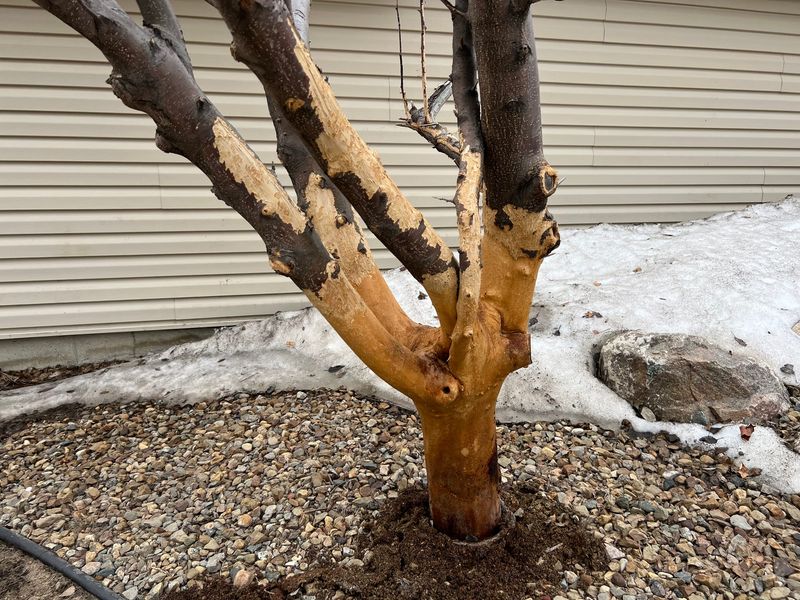
Few springtime discoveries sting like finding a favorite young apple tree with its lower bark chewed clean away. Voles gnaw bark at or just above ground level, often working right up to where the snow line sat.
Look closely, and you will see tiny irregular tooth marks about an eighth of an inch wide. Rabbit damage usually appears higher on the trunk, with bigger gouges and cleaner cuts on nearby twigs.
Winter food gets scarce under deep snow, so tender bark becomes an appealing snack for hungry rodents. Apple and crabapple trees rank among common targets, along with many young ornamental shrubs in backyard plantings.
When chewing wraps all the way around a trunk, experts call it girdling, and it blocks nutrient flow. Girdled trees may leaf out briefly in spring before they decline, since the roots stop receiving energy.
In my garden, I wrap young trunks with hardware cloth cylinders each fall before the first big snow. Use quarter-inch mesh and bury the bottom edge a few inches deep below the soil surface.
Pulling mulch a few inches away from trunks also helps, because thick mulch gives voles a cozy hiding spot. Keep grass and weeds trimmed around the base so the critters feel exposed and nervous while feeding.
Partial bark damage sometimes heals if the wound is small and the tree stays healthy and well watered. For valuable trees with serious girdling, a certified arborist can discuss options like bridge grafting in spring.
5. Missing Tulip Bulbs And Chewed Perennial Roots
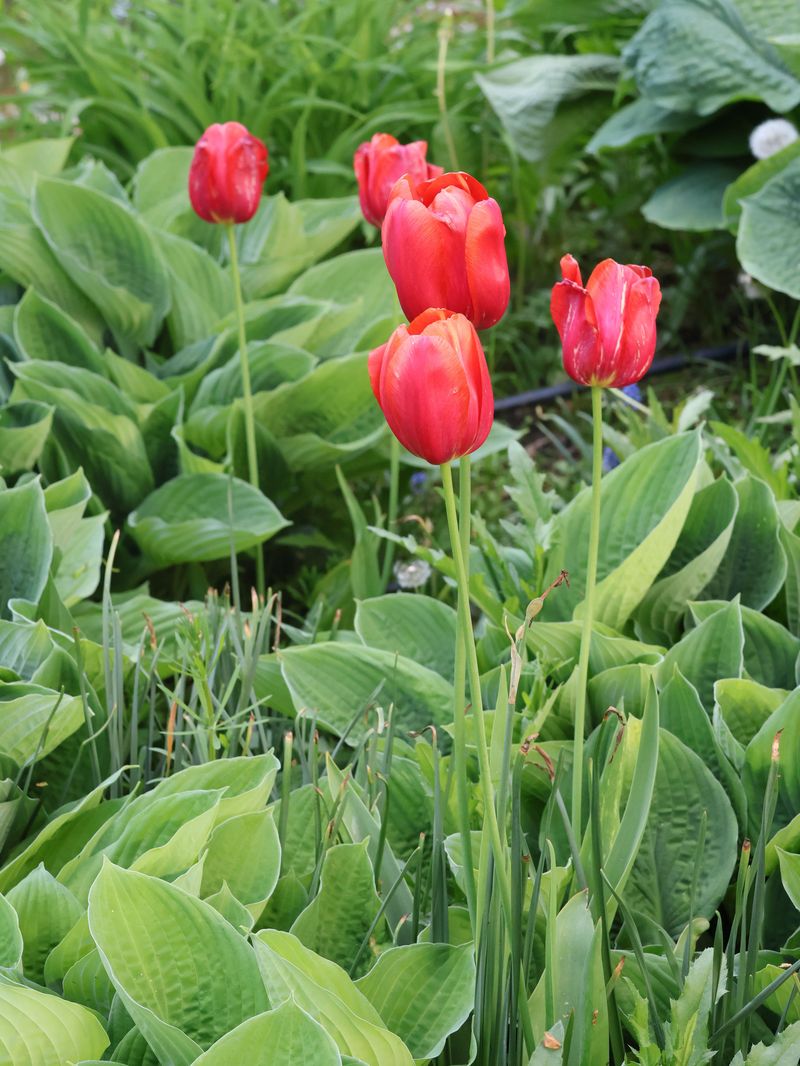
Spring should bring a cheerful parade of tulips, so a bare flowerbed feels like a magic trick gone wrong. Voles often travel through mole tunnels or their own runways to reach juicy bulbs and roots below.
Hostas rank among their favorite targets, and gardeners sometimes find whole clumps wobbling loose with no roots left. Tulips and crocus bulbs also disappear, while daffodils usually stay safe because their bulbs taste awful to rodents.
Watch for perennials that sprout weakly or flop over easily, since root damage reduces their ability to drink water. A gentle tug on a struggling plant can reveal chewed roots, which confirms that something hungry visited underground.
I’ve long felt daffodils deserve more credit, because they brighten beds while rodents mostly leave them alone. Alliums are another smart choice, and their tall purple globes look fantastic popping up in late spring.
Planting bulbs inside wire mesh baskets or lining planting holes with sharp gravel can discourage digging critters. Some gardeners mix coarse grit into the soil around prized bulbs to make tunneling uncomfortable for visitors.
Keep winter mulch thin over perennial beds, since deep layers create perfect shelter for nesting rodents. Wait until the ground freezes before adding mulch, so voles settle elsewhere before your beds look inviting.
Replanting gaps in fall gives you a fresh chance, especially with bulbs that voles find less appealing. A thoughtful mix of protected favorites and resistant varieties keeps spring color coming year after year.
6. Tiny Rice Shaped Droppings Along The Runways
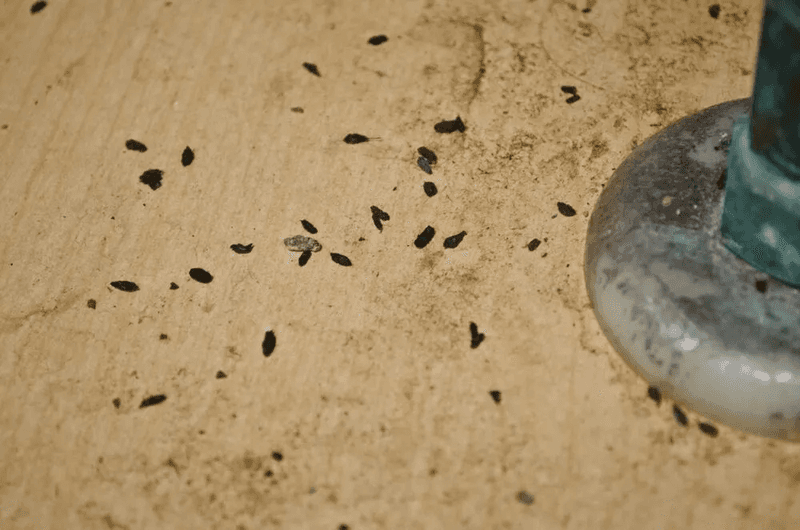
Droppings may not be the most glamorous clue, but they rank among the most reliable signs of hidden visitors. Vole pellets look like little grains of rice, usually about an eighth of an inch long.
Fresh droppings often appear greenish or dark brown, depending on what the critter has been eating lately. Older pellets fade to a lighter tan or gray as they dry out in the spring sunshine.
You will usually find them clustered inside runways or tucked beside small piles of clipped grass nearby. Voles tend to use certain spots as latrines, so heavy deposits can mark a favorite resting area.
Mouse droppings look similar but are often more pointed at the ends and scattered more randomly around. Vole pellets tend to have rounded ends, and their placement along trails helps narrow down the culprit.
Pull on disposable gloves before handling anything, since rodent droppings can carry germs that affect people and pets. The Centers for Disease Control and Prevention recommends wetting droppings with disinfectant before cleanup rather than sweeping.
That simple step keeps dust from floating into the air while you work around garden beds and sheds. Afterward, wash your hands well with soap and warm water, even if you wore gloves the whole time.
Raking droppings away also helps you track new activity, because fresh pellets will stand out against clean ground. A quick weekly check during early spring tells you whether your control efforts are paying off or not.
7. Spongy Soil And Uprooted Seedlings In Garden Beds

Walking across a lawn that squishes underfoot like a wet sponge can feel odd, especially after the ground thaws. That soft spot may hint at tunnels below, particularly from woodland voles that dig more than their cousins.
Woodland voles, also called pine voles, spend much of their lives underground and create shallow burrow systems. Meadow voles stay closer to the surface, so their damage usually shows up as open runways instead.
In Michigan, woodland voles occur mostly in southern counties, where forest edges and orchards give them suitable habitat. Their tunneling loosens soil around roots, which can cause young plants to tilt or pop free with little effort.
Mole damage can feel similar, so look for raised ridges or soil mounds before deciding who caused the trouble. Vole tunnels rarely produce those mounds, and their small exit holes usually lack piles of pushed-up dirt.
Gently press loose plants back into place and water them well so roots can reconnect with the soil. Firming the ground around transplants helps them recover faster and makes old tunnels less appealing to reuse.
The way I see it, a little detective work saves a lot of guessing and wasted money on remedies. Poke a pencil into suspicious soft spots, and a sudden drop often reveals a hollow tunnel beneath.
Collapsing tunnels by stepping on them, then checking a day later, shows whether anyone is still home. Reopened tunnels suggest active residents, which means it might be time to set traps along those paths.
8. Little Vole Tracks Dot The Last Snow Patches
A shrinking snowbank can turn into a surprising guest book, signed by every small creature that wandered past. Vole tracks are tiny, with each footprint often measuring less than half an inch across in soft snow.
Look near the edges of melting patches, where tunnels open up and critters pop out to explore. Prints frequently appear in short trails that start and end at small holes leading back under the snow.
Mice often bound across snow and leave tracks in neat little groups of four with a tail drag. Voles frequently move in a walking or trotting pattern, which creates a more evenly spaced line of prints.
But here’s the interesting part, because sometimes you get lucky and spot the actual animal darting along. Voles look like stocky mice with short tails and small ears hidden in thick brown fur.
They stay active day and night, so a quick glance out the window during morning coffee might pay off. Hawks and foxes hunt them eagerly once snow cover thins and the hidden tunnels become exposed again.
Inviting those natural helpers can be as simple as leaving open sightlines across your yard for hunting raptors. Some Michigan gardeners even put up owl nesting boxes on the edges of their property to encourage visits.
Snap a photo of any tracks beside a coin for scale, which makes identification much easier later. Comparing your pictures with an extension field guide turns a chilly walk into a fun backyard science project.