The Fall Vegetables Michigan Gardeners Should Seed The First Week Of August
The first week of August marks an important planting window for several fall vegetables in Michigan gardens. Carrots need this early start to develop full, flavorful roots before cooler temperatures slow their growth significantly.
Beets follow a similar timeline, benefiting from the remaining summer warmth to establish before fall arrives.
Kale and collard greens also do well with an early August start, allowing enough time to grow strong before the sharpest temperature drops.
Bush beans can still be seeded this week for one more quick harvest before the season winds down. Consistent watering during germination helps seeds sprout evenly despite the lingering summer heat.
Waiting much longer often shortens the growing window too much for these crops to reach their full potential. Getting seeds in the ground now sets up a much stronger fall harvest overall.
1. Carrots Need An Early August Start
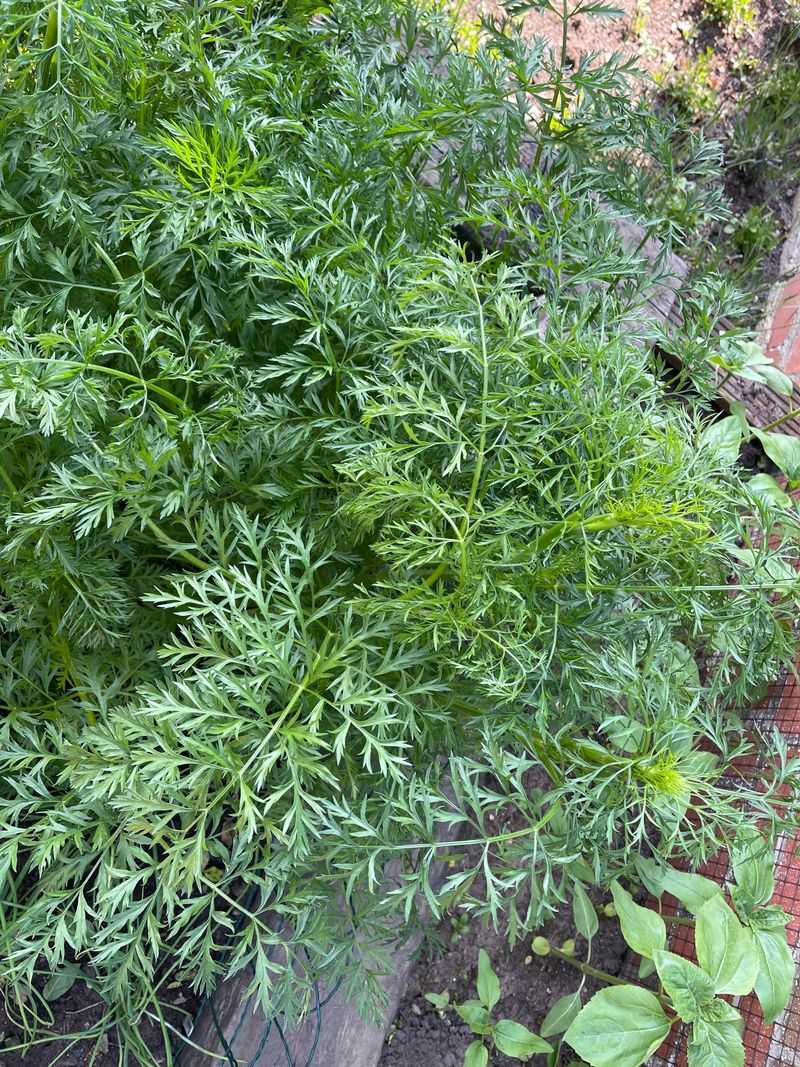
Few things beat pulling a crisp, sweet carrot straight from your own garden soil. Carrots seeded during the first week of August in Michigan have a real shot at reaching harvest size before hard frosts arrive.
Michigan State University Extension estimates roughly 60 days from germination to harvest, though cool autumn conditions can stretch that timeline a bit, so starting early within this window gives you the best cushion.
Choosing a short-season variety makes a noticeable difference. Look for cultivars labeled as maturing in 60 days or fewer, since these are bred to size up quickly before the season winds down.
Loose, rock-free soil is absolutely essential for carrots because compacted or stony ground causes roots to fork, twist, or stay stubbornly short.
Sow seeds shallowly, just about a quarter inch deep, and keep that seedbed consistently moist during warm August weather.
Carrot seeds are notoriously slow to sprout when the soil dries out between waterings, so steady moisture is the single biggest factor in getting good germination. A light layer of mulch over the row can help hold that moisture in place.
Once seedlings appear, thin them to the spacing listed on your seed packet, usually around two to three inches apart. Crowded carrots compete with each other and rarely size up properly.
The good news is that carrots can stay in the ground through light frosts, and cool weather actually sweetens their flavor as the plant converts starches into sugars.
Adjust your planting date slightly earlier if you garden in northern Michigan, where frost arrives sooner.
2. Beets Provide Both Roots And Tender Greens
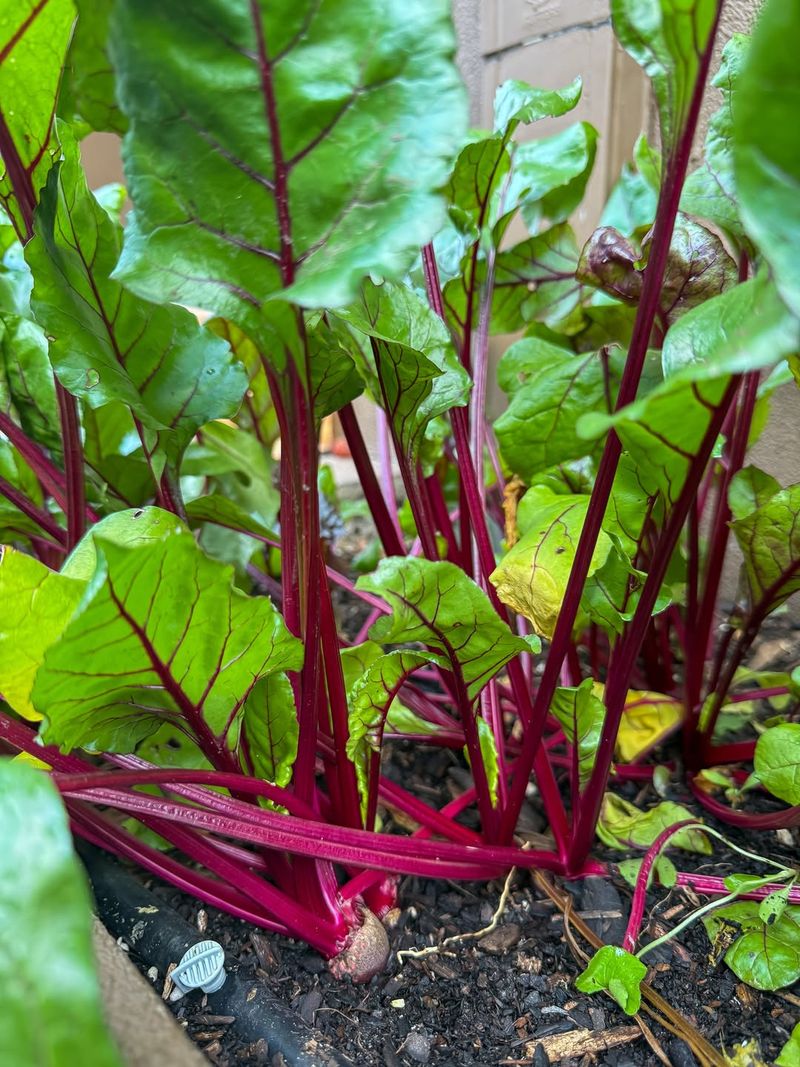
Beets are one of those rare vegetables that give you two harvests in one planting. The roots are the obvious reward, but the young leaves are equally delicious sauteed, added to salads, or stirred into soups.
Seeding beets during the first week of August in Michigan puts you on track for both options before the season closes out.
Beets need approximately 60 days from germination to reach a fully sized root, but tender young leaves can be snipped and enjoyed well before that.
This makes them especially practical for gardeners who want something to harvest sooner while waiting for the roots to develop.
Your Michigan Garden Changes Every Week. Your Plan Should Too.
Gardening in Michigan changes quickly throughout the season. Every Friday you’ll receive a simple weekly plan showing exactly what to plant, prune, fertilize, harvest, and protect so you never miss the right timing.
Loose, well-worked soil helps the roots expand without resistance, so take time to break up any clumps before you sow.
Keep the seedbed evenly moist through warm August days, since beet seeds planted in dry soil will stall out and germinate unevenly.
One helpful tip many gardeners overlook is that what looks like a single beet seed is actually a cluster of seeds, meaning multiple seedlings will sprout from one spot.
Thinning those clusters to about three to four inches apart is essential so each plant has room to develop properly. Choosing a quick-maturing variety gives you the best results within this planting window.
Gardeners in northern Michigan especially should aim to seed on the earliest days of August rather than waiting until the end of the week.
Cooler fall temperatures slow growth, so every extra day of growing time counts when you are working against a shortening season.
3. Kale Develops Well As Michigan Weather Cools
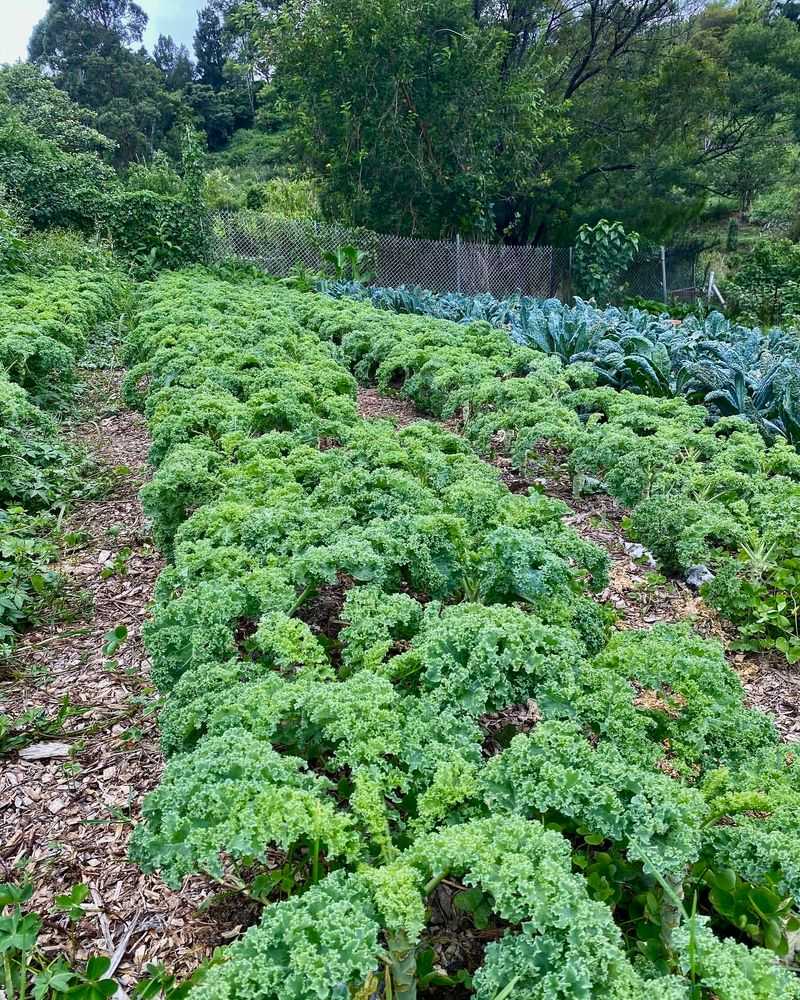
Kale and cool weather are practically best friends. This leafy green actually improves in flavor after temperatures drop, because the plant converts some of its starches into sugars when it gets chilly.
A light frost does not set kale back at all. Instead, it makes those leaves taste noticeably sweeter and more tender, which is something summer-grown kale rarely delivers.
Direct seeding kale during the first week of August gives Michigan gardeners approximately 60 days of growing time before a mature harvest.
Sow seeds about half an inch deep and keep the seedbed consistently moist while temperatures are still warm.
Germination usually happens within five to eight days under good conditions, and the seedlings grow steadily once they establish themselves in the soil.
Thinning is an important step that many gardeners skip, but crowded kale plants compete for nutrients and light, resulting in smaller, weaker leaves.
Thin seedlings to about eight to twelve inches apart depending on the variety you choose. Compact varieties work well in smaller raised beds, while larger types like Lacinato or curly kale need a bit more elbow room to really thrive.
Keep an eye out for cabbage worms and aphids, which love kale almost as much as gardeners do. Checking the undersides of leaves every few days catches problems before they get out of hand.
You can start harvesting young outer leaves before the plant reaches full mature size, which actually encourages the center to keep pushing out fresh growth well into the fall season.
4. Kohlrabi Fits The Early August Planting Window
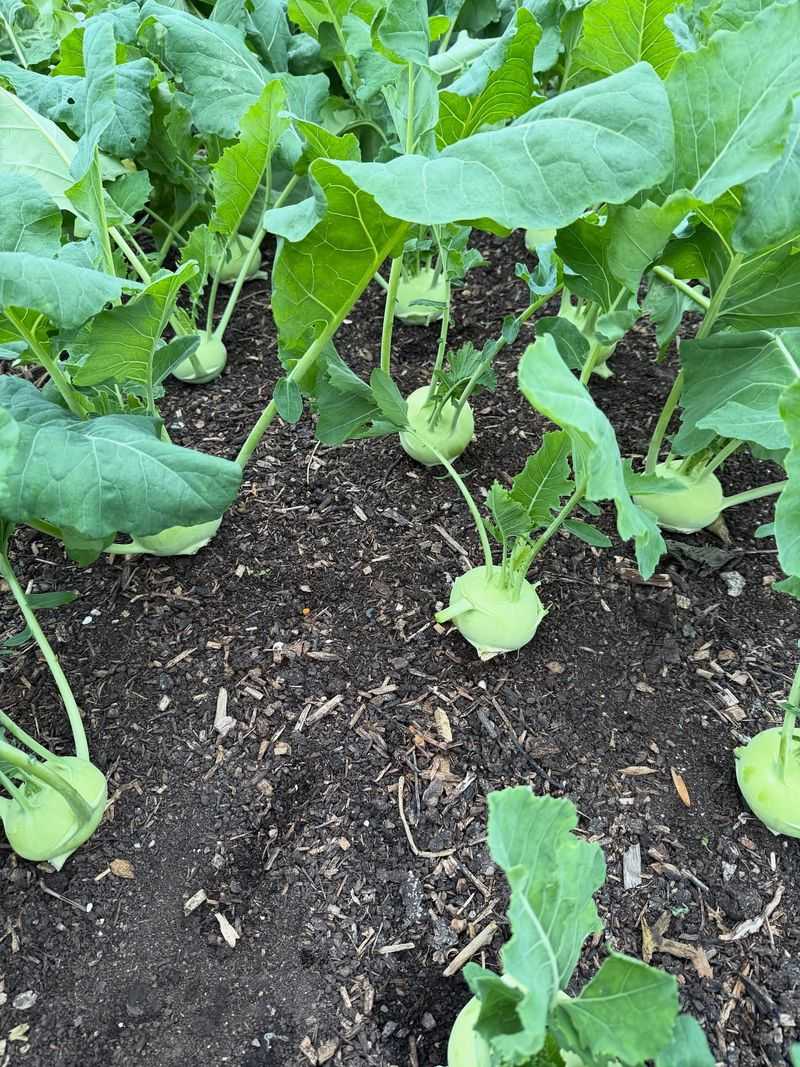
Kohlrabi might be one of the most underappreciated vegetables in the fall garden lineup.
It looks unusual, almost like something from another planet with its swollen stem sitting right above the soil, but the flavor is mild, crisp, and slightly sweet, somewhere between a broccoli stem and a turnip.
Sliced raw or roasted, it is genuinely worth growing. Seeding kohlrabi during the first week of August in Michigan sets you up for roots that size up during the cooler weeks of September and October, which is exactly what this vegetable prefers.
It requires approximately 60 days from germination to harvest, and it develops best when that swollen stem grows in cooling conditions rather than the intense heat of midsummer.
Warm August soil actually helps seeds germinate quickly, so you get a fast start followed by ideal growing conditions as fall approaches.
Select a quick-maturing cultivar to stay within your seasonal window, and sow seeds about a quarter to half an inch deep. Even moisture is critical during the first few weeks, especially while temperatures are still high.
Inconsistent watering during this period can cause the stems to crack or develop a tough, woody texture that makes them much less enjoyable to eat.
Thin seedlings to about six inches apart once they reach a few inches tall. Proper spacing lets each plant develop a full-sized, tender stem rather than cramped, undersized ones.
Harvest kohlrabi when the stems reach about two to three inches across. Waiting too long causes them to turn fibrous and lose that crisp, pleasant bite that makes kohlrabi worth planting in the first place.
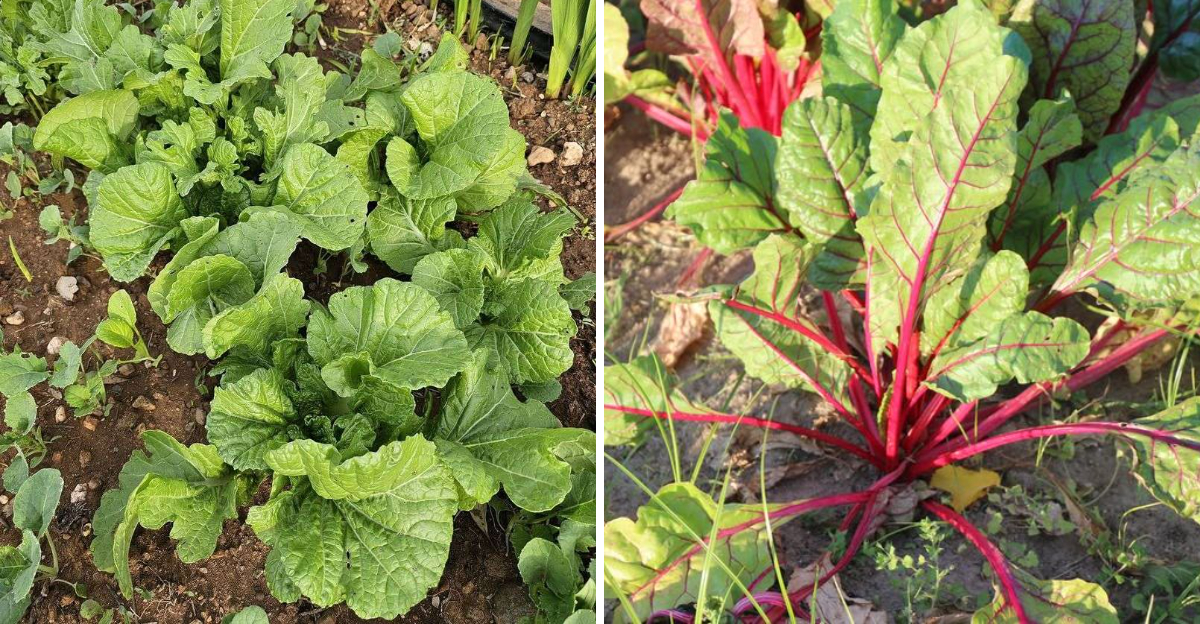
5. Swiss Chard Can Continue Producing Into Fall
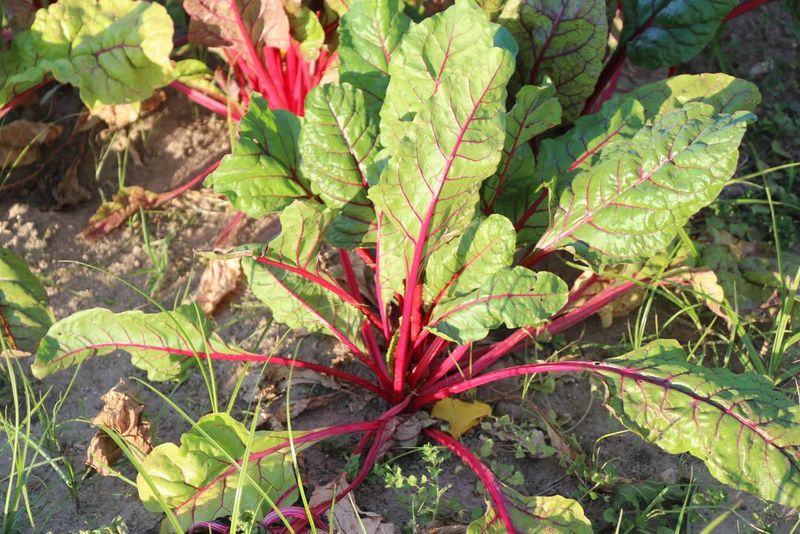
Swiss chard is one of those workhorses that just keeps going. Unlike many greens that bolt or turn bitter in heat, chard handles both warm late-summer days and cool autumn mornings without skipping a beat.
Seeding it during the first week of August in Michigan gives you a plant that produces well through September and often into October depending on your local frost dates.
Michigan State University Extension estimates approximately 60 days for Swiss chard to reach a fully mature harvest, but you can start picking tender young outer leaves much sooner than that.
This cut-and-come-again harvesting style keeps the plant producing continuously, since removing outer leaves encourages the center crown to push out new growth. It is one of the most rewarding harvesting rhythms in the fall garden.
Sow seeds about half an inch deep and space them three to four inches apart in the row. Once seedlings are a few inches tall, thin them to about six inches apart to give each plant enough room to spread.
Chard seeds are actually multi-germ clusters similar to beet seeds, so expect several seedlings to emerge from each sowing point and thin accordingly.
Water consistently during the warm weeks of August, since young chard plants need steady moisture to establish strong roots.
Colorful varieties like Rainbow Chard or Bright Lights add visual interest to the garden while producing the same great leaves as standard green varieties.
For gardeners with smaller raised beds, compact varieties are available and work especially well when space is limited but productivity is still the priority.
6. Turnips Offer Quick Greens And Fall Roots
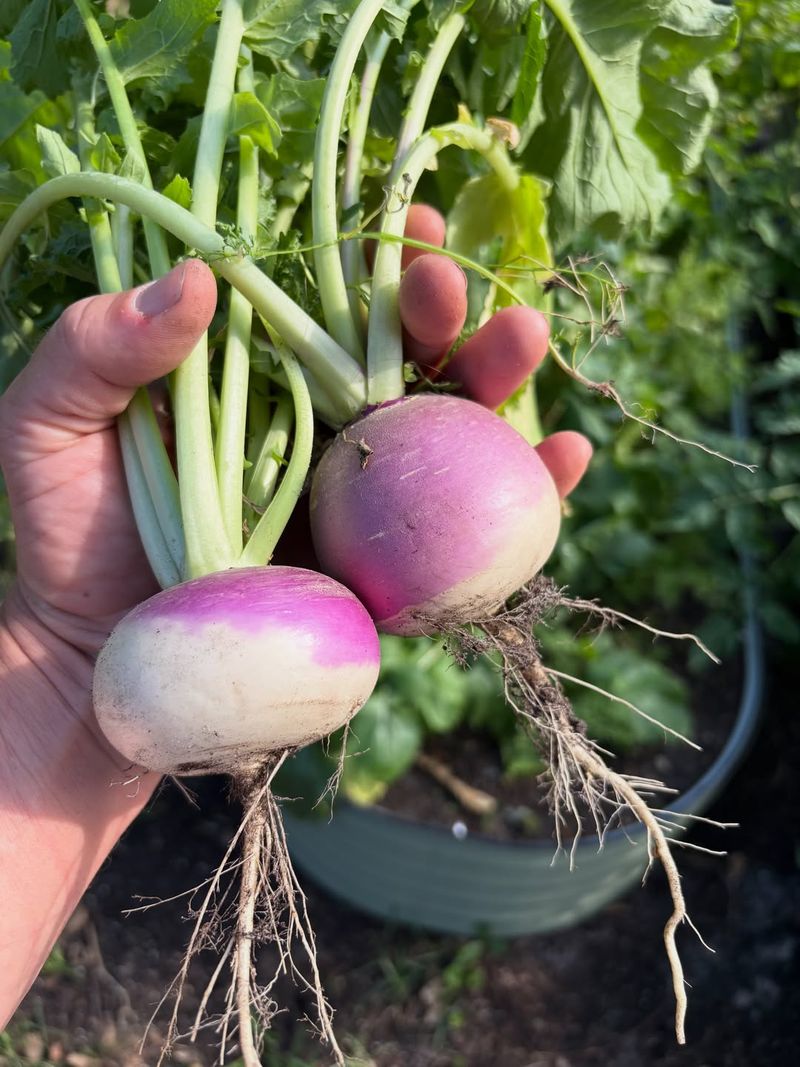
Turnips have a bit of an old-fashioned reputation, but gardeners who grow them for fall harvests quickly become fans.
The roots develop a sweeter, milder flavor after cool weather sets in, and the leafy greens that grow above ground are delicious sauteed with a little garlic and olive oil.
Planting turnips during the first week of August in Michigan gives you access to both of those harvests in one bed.
Turnips require approximately 60 days from germination to reach a fully sized root, but their young greens can be gathered much earlier, sometimes within three to four weeks of germination.
This makes turnips especially smart for gardeners who want something to eat while the roots are still developing underground.
Loose, well-drained soil allows roots to expand smoothly, so work the bed thoroughly before sowing.
Sow seeds about a quarter inch deep and keep the seedbed consistently moist through warm August temperatures.
Turnip seeds germinate quickly, often within four to seven days when conditions are right, so you will see action in the garden faster than with some other fall crops.
Once seedlings are up, thin them to about four to six inches apart to give each root enough space to round out properly.
Quick-maturing varieties like Purple Top White Globe or Tokyo Market are reliable choices for this planting window.
Turnip roots can stay in the garden through several light frosts, which actually improves their sweetness.
Harvest based on the size listed on your seed packet rather than waiting indefinitely, since very large turnips tend to turn pithy and lose their pleasant texture over time.
7. Mustard Greens Grow Quickly In Cooling Weather
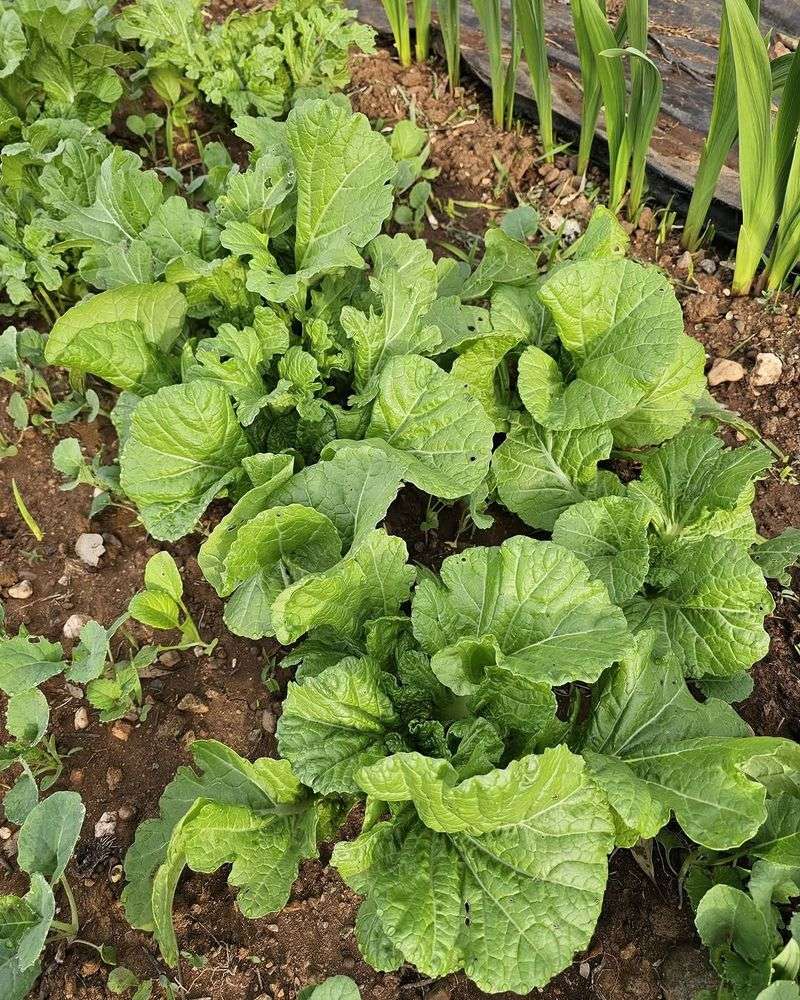
Mustard greens bring a bold, peppery flavor to the fall garden that no other leafy green quite matches.
They grow fast, they thrive as temperatures cool, and they can go from seed to your dinner plate in a surprisingly short time.
Sowing mustard greens during the first week of August in Michigan sets you up for a productive harvest window that stretches well into autumn.
Michigan State University Extension lists approximately 60 days for mustard greens to reach a fully mature harvest, but baby leaves can be gathered even earlier, sometimes within three weeks of germination.
Cooler fall weather significantly improves leaf quality compared to summer-grown mustard, which tends to turn sharp and tough in intense heat.
As temperatures ease off in September, the leaves become more tender and the flavor mellows into something much more enjoyable on the palate.
Water the seedbed consistently after sowing, especially during the warmer days of early August when moisture evaporates quickly from the soil surface.
Thin seedlings to about six inches apart once they reach a couple of inches tall, since crowded plants produce smaller, less flavorful leaves.
Checking plants regularly for flea beetles and aphids helps you catch any insect pressure before it becomes a real problem. Succession sowing is a smart move with mustard greens.
Sowing a short row every week or two through mid-August extends your harvest window rather than having everything ready at once.
Varieties like Red Giant, Southern Giant Curled, and Tendergreen all perform well in Michigan fall gardens and offer slightly different flavors and textures to keep your harvest interesting and varied.
8. Daikon Radishes Need More Time Than Small Radishes
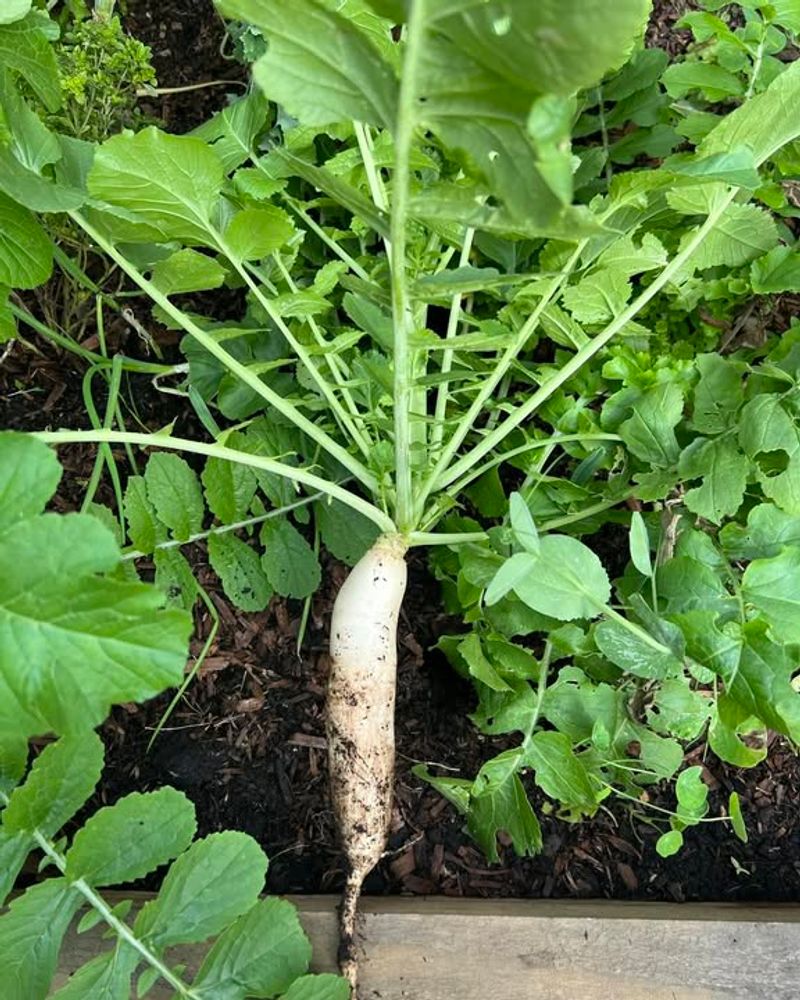
Most gardeners know the small round radishes that are ready in about 30 days, but Daikon radishes are a completely different experience.
These long, white roots can reach 12 to 18 inches in length, with a mild, slightly sweet flavor that works beautifully in stir-fries, pickles, salads, and roasted vegetable dishes.
Seeding Daikon during the first week of August in Michigan gives these impressive roots the time they need to fully develop before cold weather arrives.
Daikon radishes require approximately 60 days from germination to a harvestable size, which is roughly twice as long as their smaller cousins.
That longer timeline is exactly why the early August planting window matters so much for this crop.
Sowing too late leaves roots undersized when cold temperatures arrive and slow their growth to a crawl in late October.
Soil preparation is especially important for Daikon because their long roots need to push straight down without hitting rocks, compacted layers, or heavy clay. Loosen the soil to at least 12 to 15 inches deep and remove any stones before planting.
Sow seeds about half an inch deep and thin seedlings to six inches apart once they emerge, since crowded Daikon roots push against each other and end up misshapen and undersized.
Choosing a quick-maturing variety like Miyashige or All Season gives you the best chance of reaching harvest size within your available growing window.
Keep moisture consistent throughout the season, since uneven watering causes roots to crack or develop an off flavor.
Daikon can handle light frosts, but roots should be harvested before hard freezes arrive to preserve their crisp, mild quality.