Your Dusty Arizona Side Yard Turns Into a Hummingbird Stop With This Winter Plan
A narrow strip of dusty ground can become a hummingbird-friendly bed with a late-fall planting plan. The star is a tough desert shrub that may flower from fall into winter and again in spring.
In Arizona, timing, site, and weather decide how well the plan works. Here is how to start, step by step.
Late Fall Can Suit Desert Planting
Late fall is a great time to get your hands dirty in the low desert. According to University of Arizona Cooperative Extension, late fall is ideal for desert planting because the soil stays warm while the air cools down.
That warm soil lets roots settle in while the plant does not have to fight summer heat. Think of it as moving a plant in during the quiet season so it can grow strong underground first.
There are limits, so check your own spot. Frost-sensitive plants are an exception, and a cold high-elevation yard follows a different calendar than a Phoenix or Tucson one.
A fall planting prepares the bed for later growth. It does not promise flowers the week you finish.
Treat the first season as groundwork, and let the plants earn their blooms over time.
Check the Side Yard Before Choosing Plants
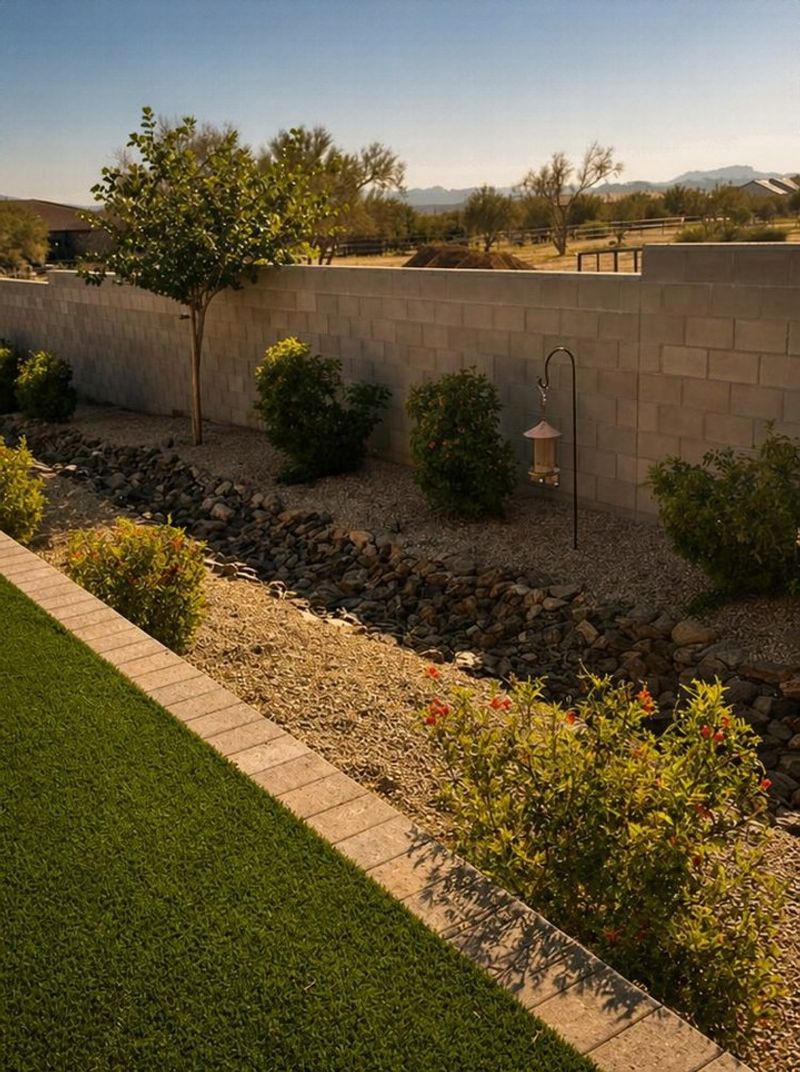
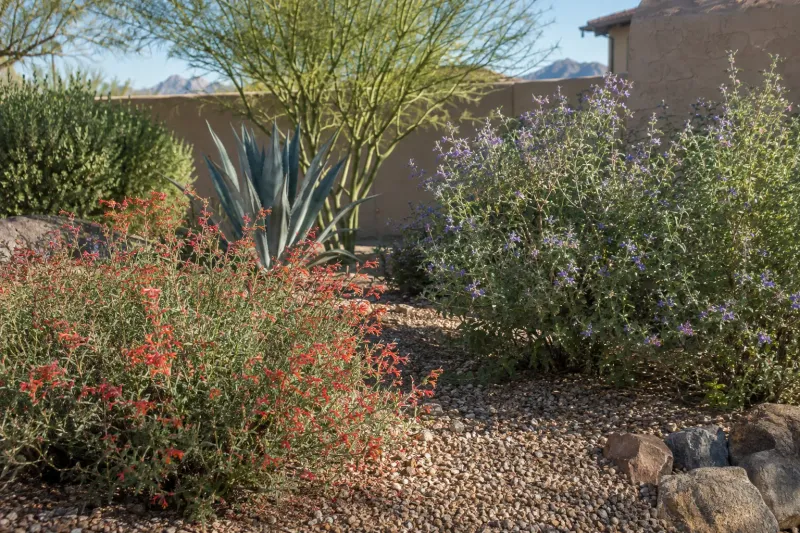
Spend a morning just watching your side yard. Note where sun lands, where the wall throws shade, and where reflected heat or cold air collects.
Those small pockets are your microclimate, and they matter.
Arizona covers very different elevations and climates, so a plant that thrives in a Phoenix-area yard may struggle somewhere colder. University of Arizona planting guidance says to match plants to your local climate and site.
For central Arizona, Audubon lists chuparosa as a hummingbird-attracting plant that tolerates poor soil and partial to full sun.
Those traits are encouraging, but they do not make chuparosa right for every corner of the state. If your yard gets hard freezes or deep shade, ask a local nursery what performs nearby.
Chuparosa Brings Seasonal Flowers
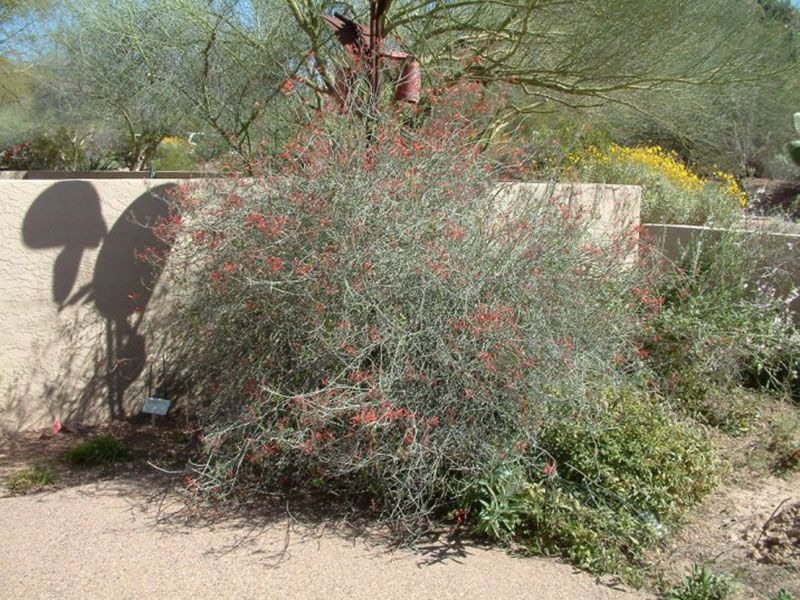
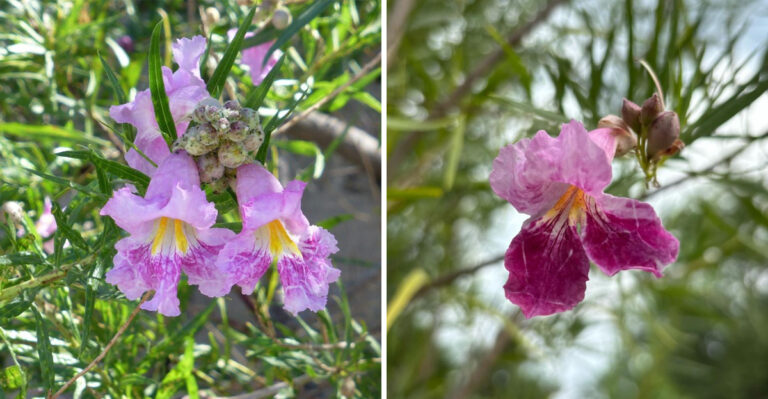
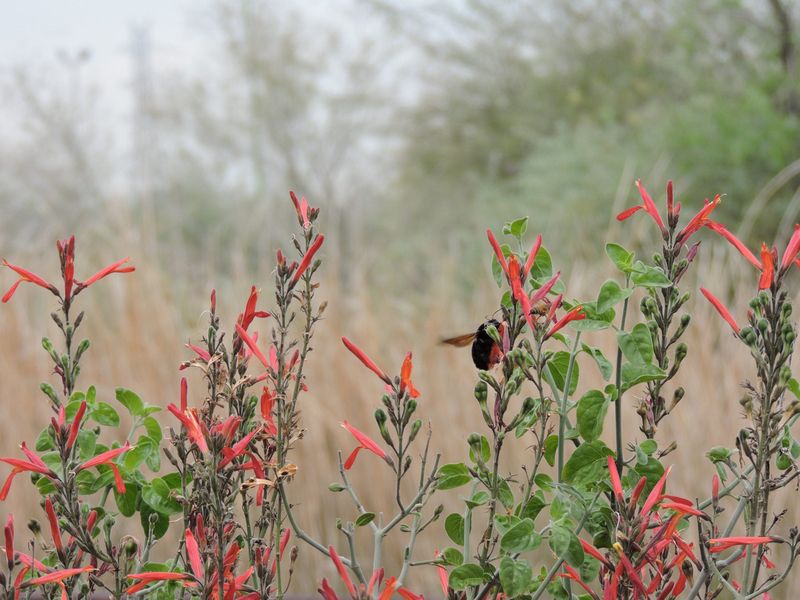
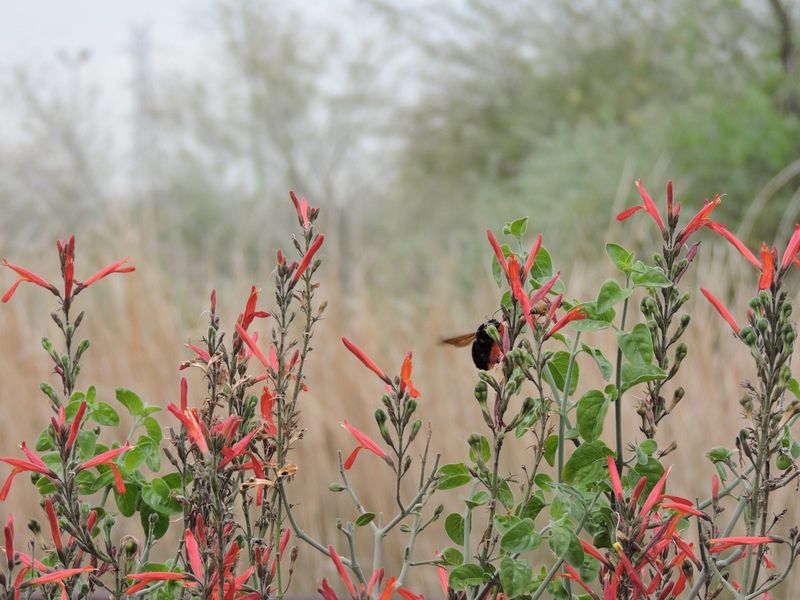
Chuparosa (Justicia californica) is a Sonoran Desert native with bright red tubular flowers. That shape suits hummingbird bills, which is why gardeners often pick it for a nectar-friendly bed.
The Arizona-Sonora Desert Museum plant sheet notes that it may bloom from fall into winter and again in spring. In appropriate locations, that makes it a potential nectar source during a quieter stretch of the garden year.
Blooms are not guaranteed, though. Drought or a freeze can interrupt flowering, so a pause in color does not always mean something is wrong.
Audubon also lists chuparosa among central Arizona plants that attract hummingbirds. Plant it to improve the habitat, and enjoy any visitors as a bonus rather than an expectation.
Give Chuparosa Room to Spread
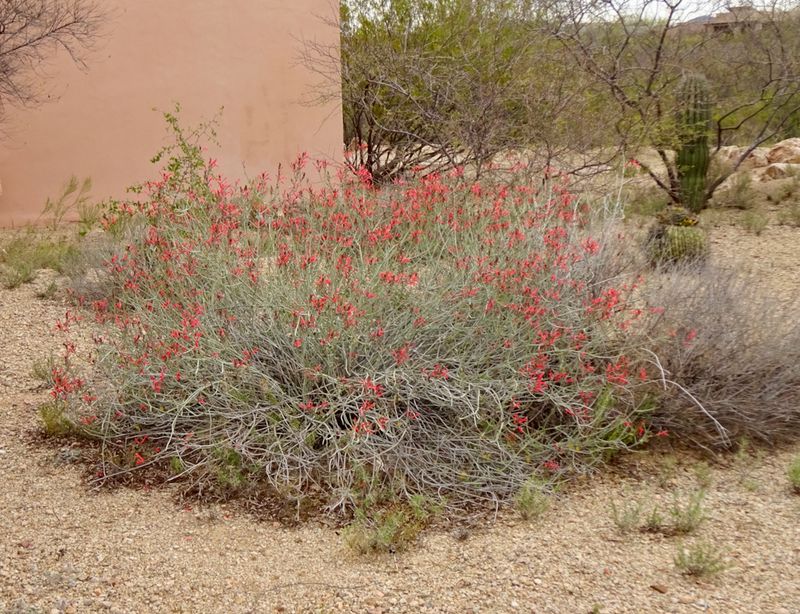
Before you dig, measure your strip. Chuparosa is a spreading shrub, not a tidy little border plant, and a narrow bed can fill up faster than you expect.
The Desert Museum describes it as reaching about five feet tall and eight feet wide. A Tucson landscape guide lists a smaller typical size of four by four feet, so treat any number as approximate.
Leave extra space from walls, walkways, and gates. If your side yard is truly tight, plan for pruning or choose a different spot.
Light matters too. Audubon notes chuparosa can grow tall and leggy in shade, and it may lose leaves during drought while its stems stay green.
Bare-looking green stems are normal stress behavior, not a sign to replace the plant.
Plant at the Root Ball’s Depth
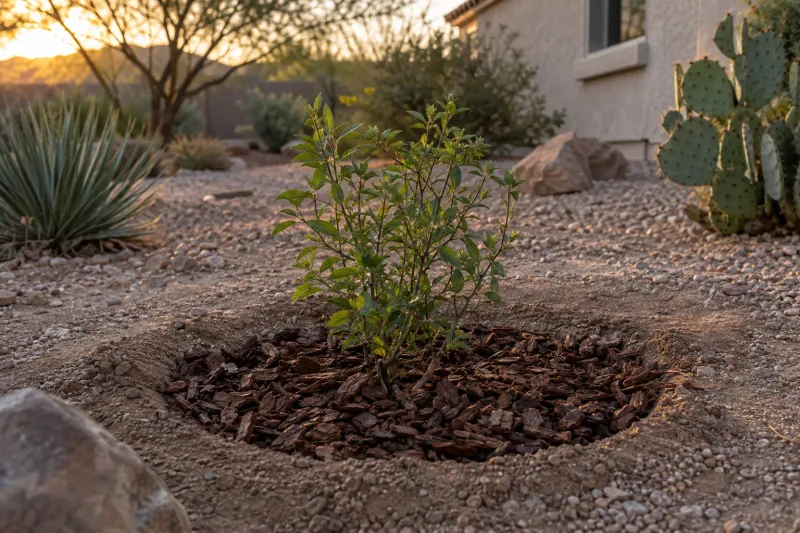
Planting day is simpler than most people expect. Start with a healthy plant suited to your site, since a strong start makes everything after it easier.
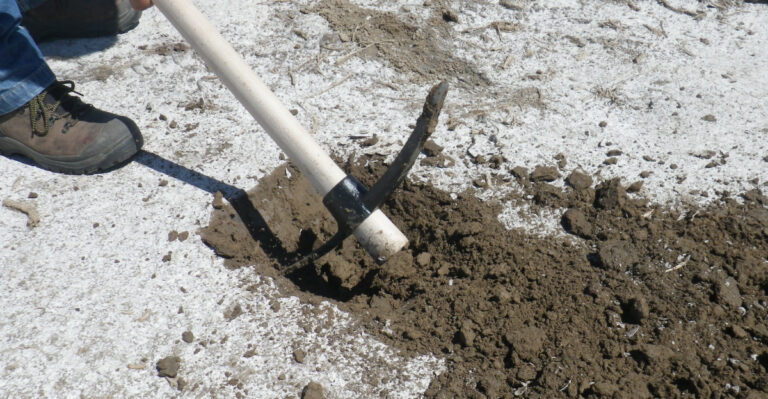
Dig the hole no deeper than the root ball. University of Arizona Cooperative Extension guidance also says to irrigate during and after planting, so the roots meet moist soil right away.
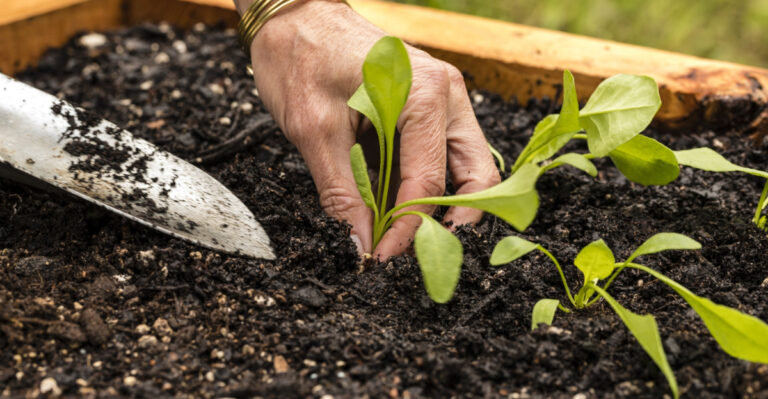
Set the plant in, backfill with the native soil you dug out, and water well. There is no need to add fancy amendments to this sequence.
Finish with mulch over the disturbed area, and keep it pulled back from the trunk. That small gap helps the base stay healthy while the mulch softens the dusty ground around it.
Adjust Water as the Roots Establish
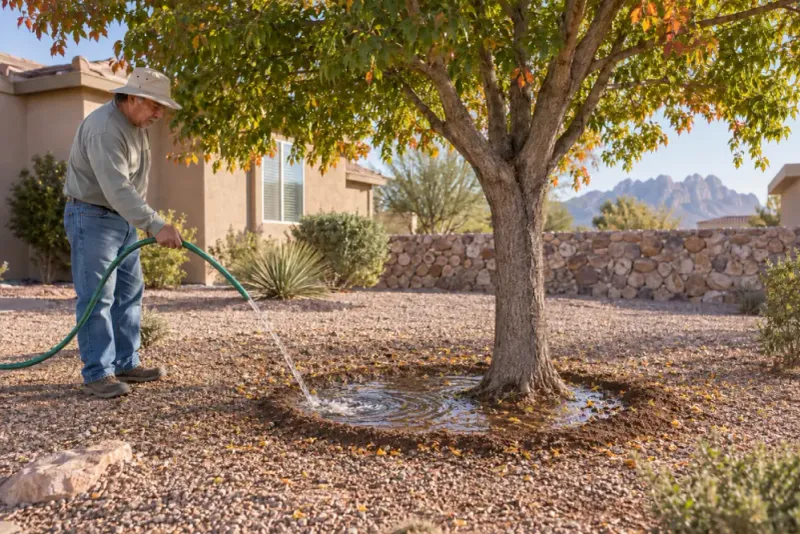
Drought-adapted does not mean water-free at planting time. Newly planted desert plants need a settling-in period while their roots reach out into the surrounding soil.
Keep the root ball watered at first, then gradually cut back as the plant establishes. Extension’s watering schedule is a guideline, not a substitute for checking your own plant.
Soil and weather change the answer. Sandy soil drains fast, clay holds water longer, and a cool cloudy week needs less than a warm dry one.
Poke a finger into the soil near the root ball before you water. If it is damp, wait, and if it is dry a few inches down, give it a good drink.
The planting guidance from Extension supports that same gradual approach.
Support Hummingbirds Beyond Nectar
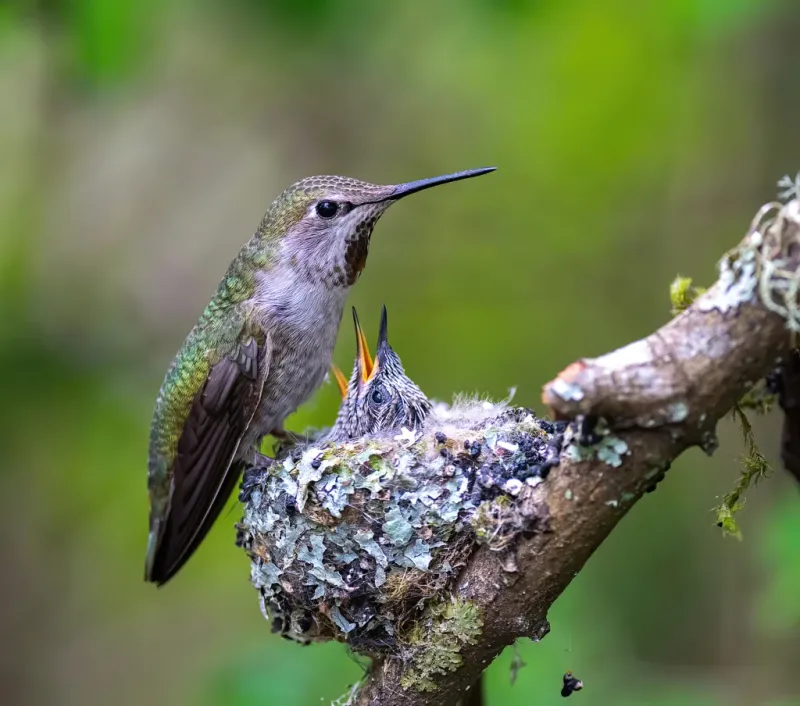
Nectar is only part of the menu. Adult hummingbirds eat small arthropods, and nestlings are fed them, according to Audubon’s habitat guidance.
That is why pesticides do not belong in a hummingbird bed. Audubon recommends skipping them and keeping insect-pollinated flowers in the mix so small bugs have a home.
A U.S. Forest Service account notes that Anna’s Hummingbirds eat small insects too.
Do not count on the planting to handle household pests, though. For mosquitoes, empty standing water in saucers and containers, and for scorpions, clear clutter near the house.
A feeder is optional extra help: use plain sugar water with no dye, clean it regularly, and keep it up two weeks after the last bird visit in fall.
Winter Hummingbird Activity Varies Across Arizona
Where you live shapes who shows up. The Southeastern Arizona Bird Observatory says a few hummingbirds stay year-round in warmer areas, while most species famous in the southeast arrive in spring and leave by early October.
The Forest Service account describes some resident urban Anna’s Hummingbird populations in southern Arizona. Those birds are the likeliest winter guests in a low-desert yard.
Flowers vary too. Chuparosa may bloom in fall, winter, and spring, but drought or a freeze can interrupt it, so some seasons will look fuller than others.
Your finished bed may be busy one winter and quiet the next. Either way, you have built habitat on ground that was only dust, and the birds can take it from there.