Stop Planting Norway Maple In Pennsylvania – These Native Shade Trees Are Better
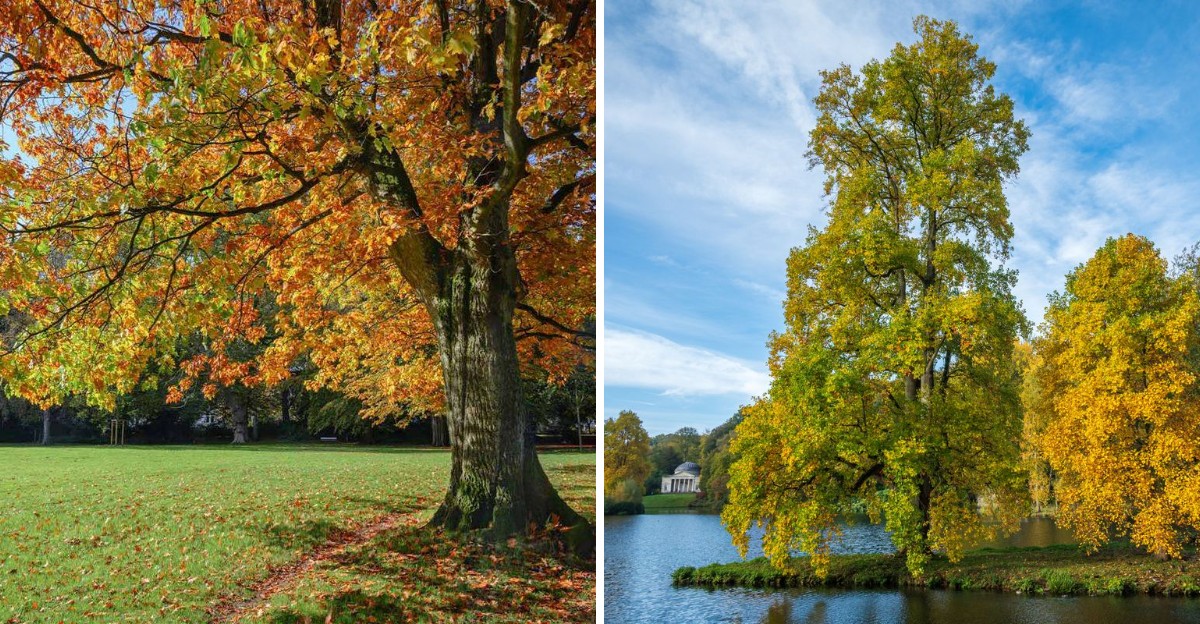
A popular street tree from Europe can strangle itself with its own roots as it grows older. Arborists call these girdling roots, and they slowly choke off water flowing up the trunk.
That same tree drops huge crops of winged seeds that drift into Pennsylvania woods every single year. Its seedlings crowd out native wildflowers, and its dense shade leaves lawns thin and patchy underneath.
I have to admit that I once admired those tidy green canopies lining older neighborhood streets in town. Nobody warned me that the tree was quietly spreading into forests and pushing out the trees birds depend on.
You deserve shade that feeds caterpillars, songbirds, and pollinators while staying sturdy through stormy Pennsylvania summers. Which homegrown giants could replace that troublesome import and make your yard feel truly alive again?
1. Sugar Maple
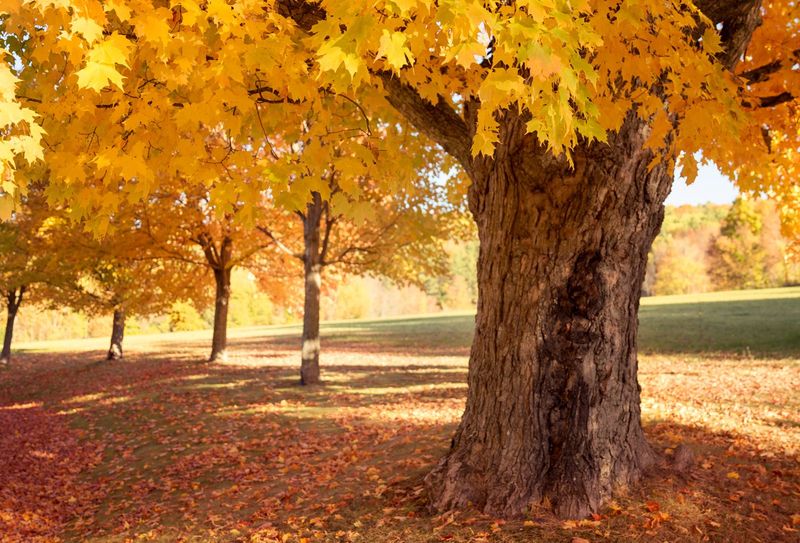
Every drop of real maple syrup on your pancakes started as sap flowing inside this beloved native tree. I love how one backyard tree can offer cool summer shade and a blazing autumn show in the same spot.
Sugar maple grows naturally across the whole state, thriving in moist woods, wooded slopes, and shaded ravines. It handles USDA zones 3 through 8, so cold mountain winters and warmer southern valleys both suit it nicely.
Expect a mature height of 60 to 80 feet, with a rounded crown spreading 30 to 60 feet wide. Growth runs moderate, often around one foot each year, so patience pays off with a handsome long-lived tree.
Fall is when this maple truly shows off, with leaves glowing scarlet, orange, and golden yellow on sunny days. Young trees wear smooth gray bark, which turns deeply furrowed and plated as the decades roll gently along.
You need to give it rich, moist, well-drained soil that leans slightly acidic for the happiest possible results. Keep it far from salty roadsides and compacted soil, since both stresses can weaken this sensitive tree over time.
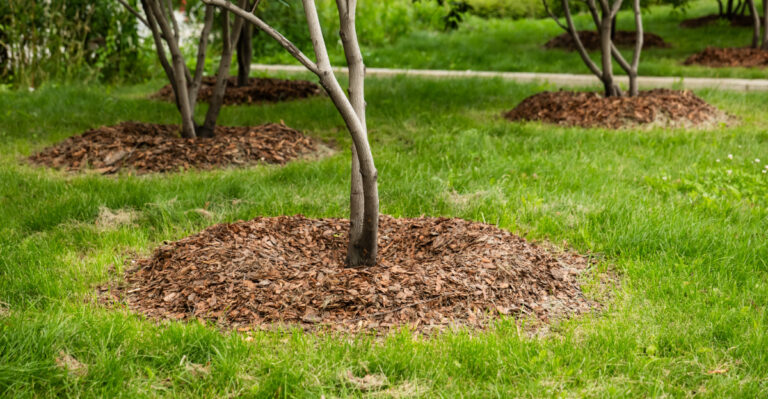
Wildlife benefits too, because sugar maple supports many insects that feed songbirds, game birds, and small mammals nearby. Water deeply during long dry spells while it settles in, and spread mulch wide instead of piling it against bark.
2. Red Maple
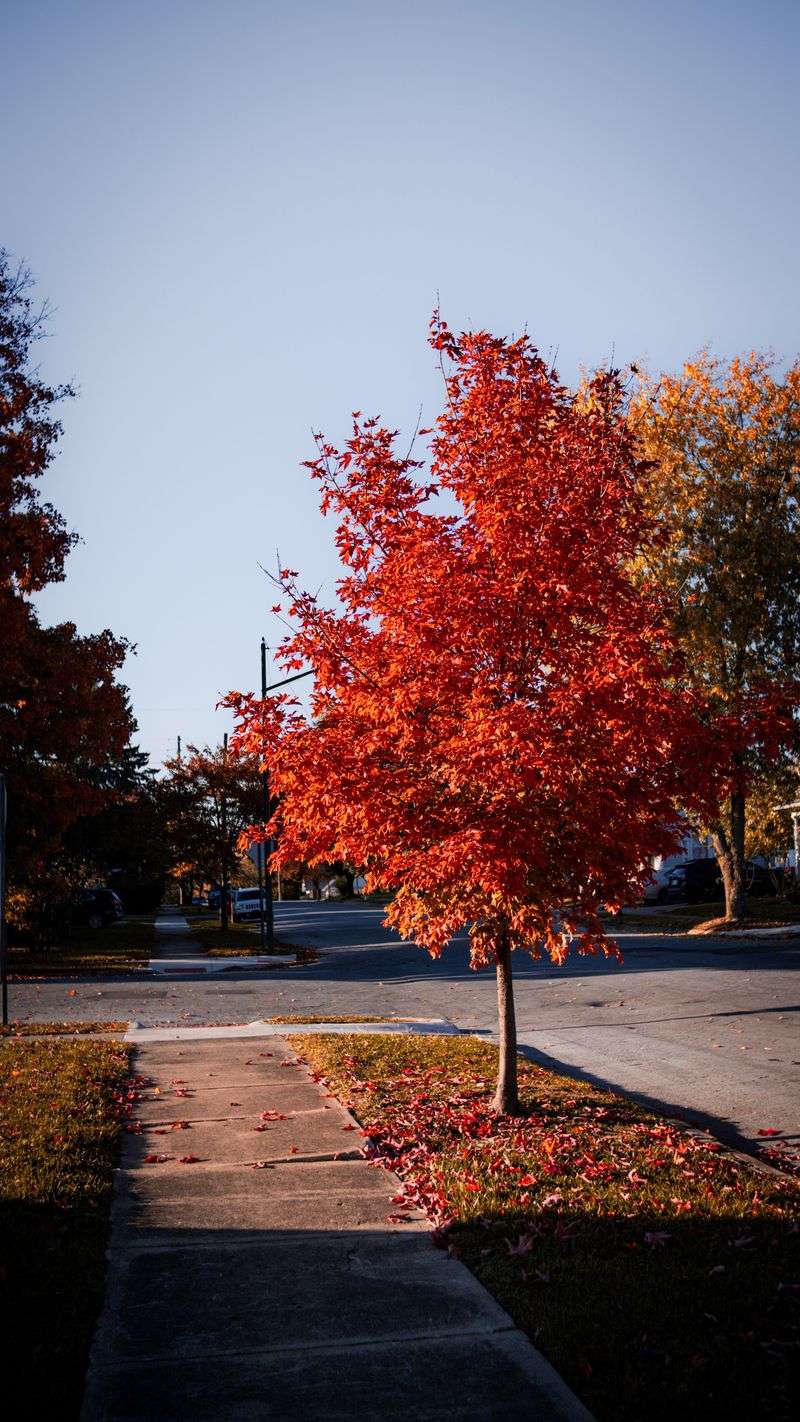
Believe it or not, red maple is the most common tree in Pennsylvania forests by both number and wood volume. Tiny crimson flowers can appear as early as February, glowing on bare branches before most trees even stir awake.
Penn State Extension points to red maple as an excellent native swap for Norway maple in home landscapes. It grows in USDA zones 3 through 9, so it fits comfortably in every corner of the state.
Speed is one of its best traits, with landscape trees commonly reaching 40 to 70 feet tall over time. Crowns spread 30 to 50 feet wide, forming a rounded or oval canopy that throws generous summer shade.
Those early blooms matter a lot, offering nectar and pollen when hungry bees have very few other choices. Red maple also hosts over 250 moth and butterfly caterpillar species, which become vital meals for growing bird chicks.
Personally, I adore how flexible this tree is about soil, handling soggy low spots and drier uplands alike. Acidic soil usually brings the brightest fall color, often mixing red, orange, and yellow on one tree.
Plant it away from sidewalks and driveways, since red maple can develop some surface roots as it matures. Choose a sunny or lightly shaded spot, and you will enjoy one of the earliest autumn displays around town.
3. Northern Red Oak
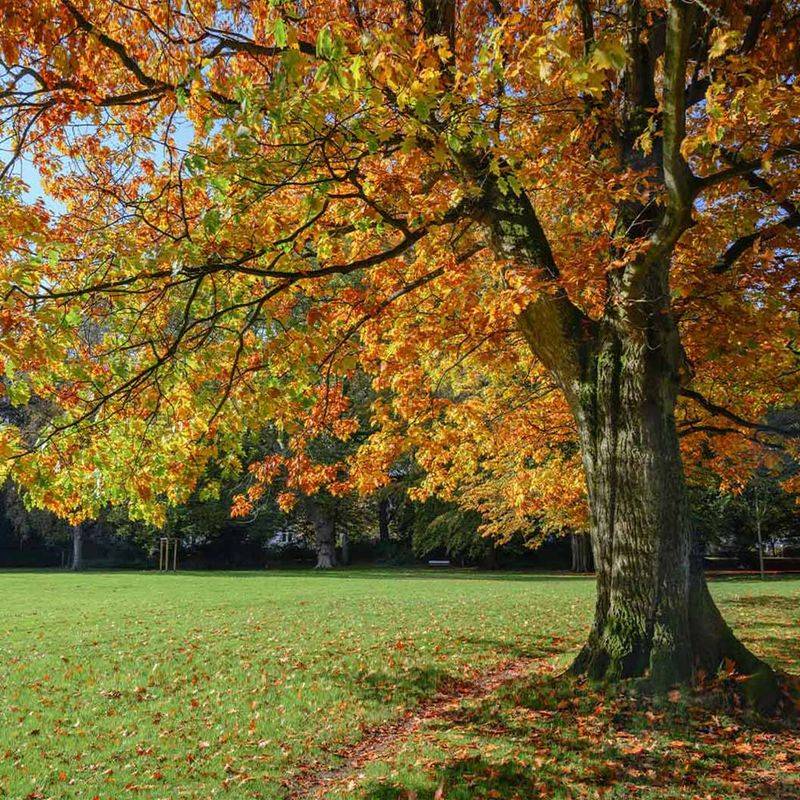
Squirrels, black bears, wild turkeys, and blue jays all count on the acorns this sturdy oak drops each autumn. I can’t imagine a better tree for turning an ordinary yard into a busy wildlife cafeteria.
Northern red oak grows naturally across Pennsylvania and handles USDA zones 4 through 8 without much fuss. Mature trees usually reach 60 to 90 feet tall, spreading 45 to 60 feet with big, strong branches.
Growth runs moderate to fast, often adding one to two feet each year once roots settle in well. That pace surprises many folks who assume every oak takes a lifetime before offering any useful shade at all.
Leaves carry seven to eleven shallow lobes, each tipped with tiny bristles you can feel with your fingertips. Autumn turns them a handsome brick red, and acorns take two full growing seasons to mature on branches.
Once established, this oak tolerates drought, dry soil, and air pollution better than many other large shade trees. It even shrugs off black walnut chemicals, which makes it handy near walnut trees that trouble other plants.
Give it full sun and well-drained, slightly acidic soil, and it will reward you for generations to come. Young trees transplant easily, which explains why city foresters often choose red oak for busy streets and parks.
4. White Oak
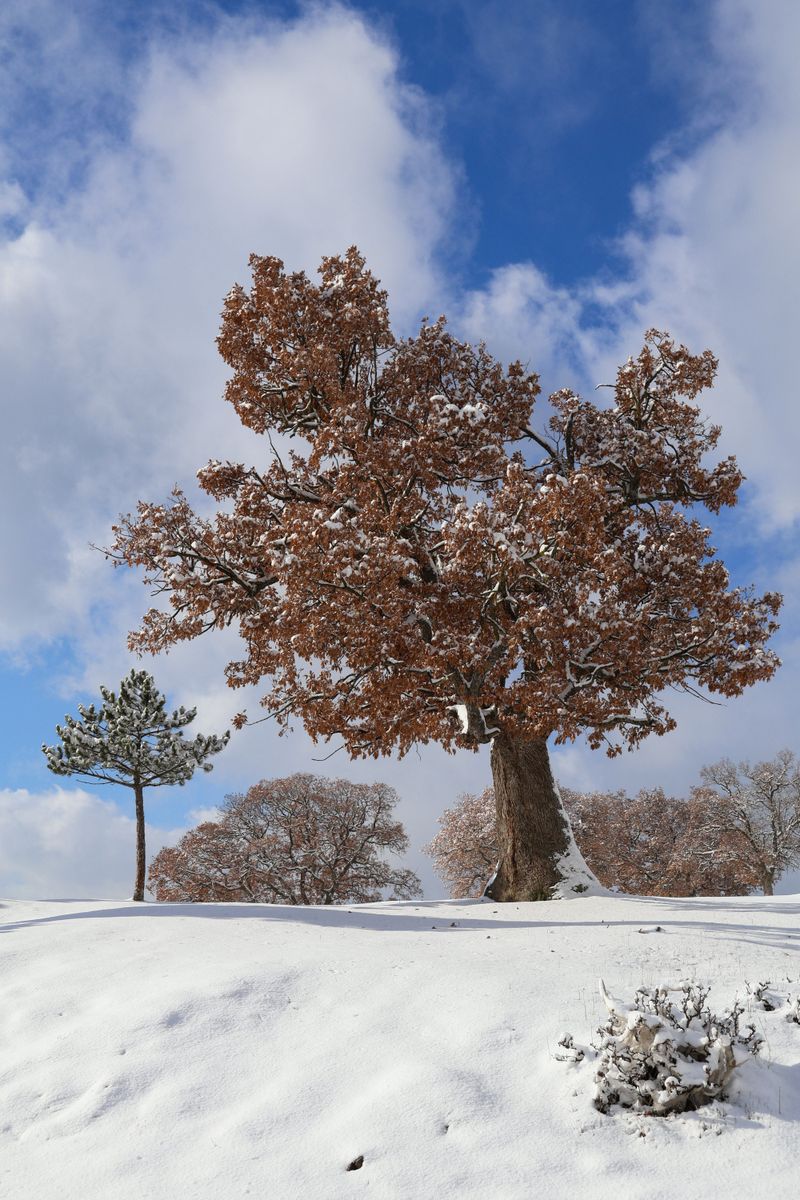
Some white oaks have stood for 400 to 500 years, which means a tree you plant could outlast many generations. That thought gives me goosebumps every time I tuck a tiny acorn into the cool spring soil.
White oak grows throughout the state in dry to moist woods and handles USDA zones 3 through 9. Open-grown trees develop a broad crown with strong horizontal branches that can spread 60 to 100 feet.
Leaves show rounded, even lobes with pale whitish undersides, which gave this beloved tree its common name. Autumn brings deep burgundy and purplish red shades, and some leaves cling to branches well into winter.
Acorns ripen in a single season and carry less tannin than red oak acorns, so wildlife eagerly gobbles them. Several hundred caterpillar species feed on white oak, and those caterpillars feed nesting songbirds through busy spring months.
Patience matters here, since young trees grow slowly while building a deep taproot under the ground first. That taproot makes older trees tricky to move, so planting small saplings or acorns works far better.
Choose a sunny spot with deep, moist, well-drained soil that leans slightly acidic for strong healthy growth. Avoid soggy or compacted areas, and you will be planting a legacy that grandchildren may climb someday.
5. Tulip Poplar
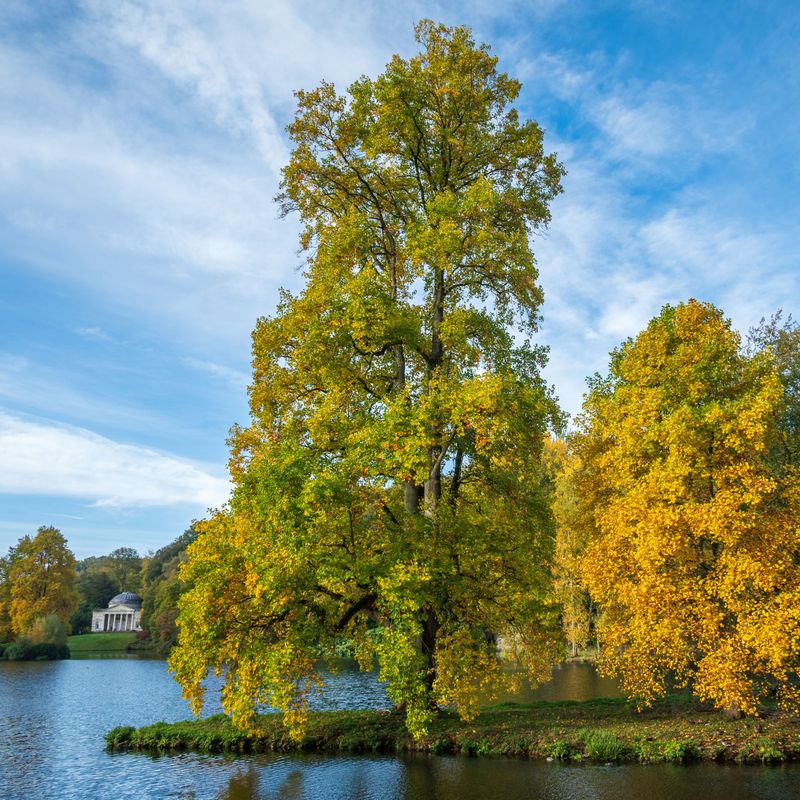
Despite the name, tulip poplar is not a poplar at all but a proud member of the magnolia family. Its greenish yellow blossoms with orange bands look like tulips perched high among the leafy branches each spring.
You might notice those flowers only after petals scatter across the ground below the tall canopy in late spring. Bees adore the abundant nectar, and beekeepers prize the rich dark honey that tulip poplar blossoms help produce.
Height is the big story, since this native often reaches 70 to 100 feet with a tall straight trunk. Growth can hit two to five feet yearly in good conditions, making it a speedy source of shade.
Leaves have a quirky four-lobed shape that many people compare to a cat face or a little shirt. Autumn turns them buttery gold, and eastern tiger swallowtail caterpillars munch on them during the warm summer months.
Plant it in full sun with deep, moist, well-drained soil that stays slightly acidic for the best performance. Drought can cause early yellowing and leaf drop, so water young trees deeply during hot dry summer stretches.
Size makes this tree a poor match for small lots, tight spaces, or spots near houses and power lines. Give it plenty of room, and it becomes a towering landmark that birds happily choose for nesting sites.
6. American Sycamore
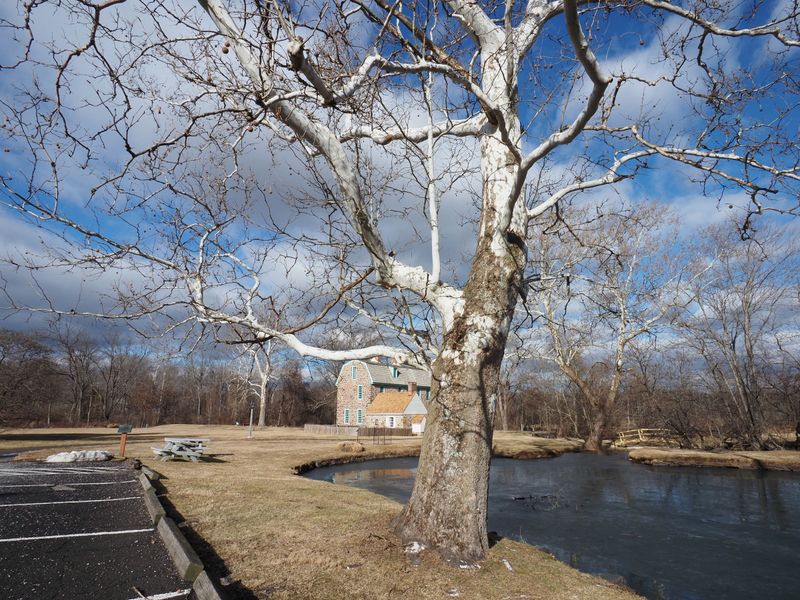
Winter reveals the sycamore’s secret, when patchy bark glows bright white against gray skies along quiet creeks. Flaking bark peels away in puzzle pieces of tan, olive, and silver that look almost painted by hand.
This native giant grows wild along rivers and streams across Pennsylvania, often called the most massive eastern tree. Specimens commonly reach 70 to 100 feet tall, and some ancient trees have stood for centuries along waterways.
Wet ground rarely bothers it, since sycamore tolerates occasional flooding, compacted soil, and city pollution quite well. Its spreading roots hold streambanks in place and create sheltered pockets where fish can rest beneath overhanging banks.
Round buttonball seed clusters dangle from branches through winter, feeding goldfinches and purple finches during colder months. Hollow trunks on older trees offer homes for owls, wood ducks, raccoons, and bats over many seasons.
Cool, wet springs sometimes bring anthracnose, a fungus that browns leaves and causes them to drop early. Healthy sycamores usually push out fresh leaves afterward, so a rough start in May rarely means lasting trouble.
Choose this tree only for big properties, especially low spots near streams, ponds, or soggy corners of land. Full sun suits it best, and the reward is a fast-growing shade giant with year-round character.
7. Black Gum
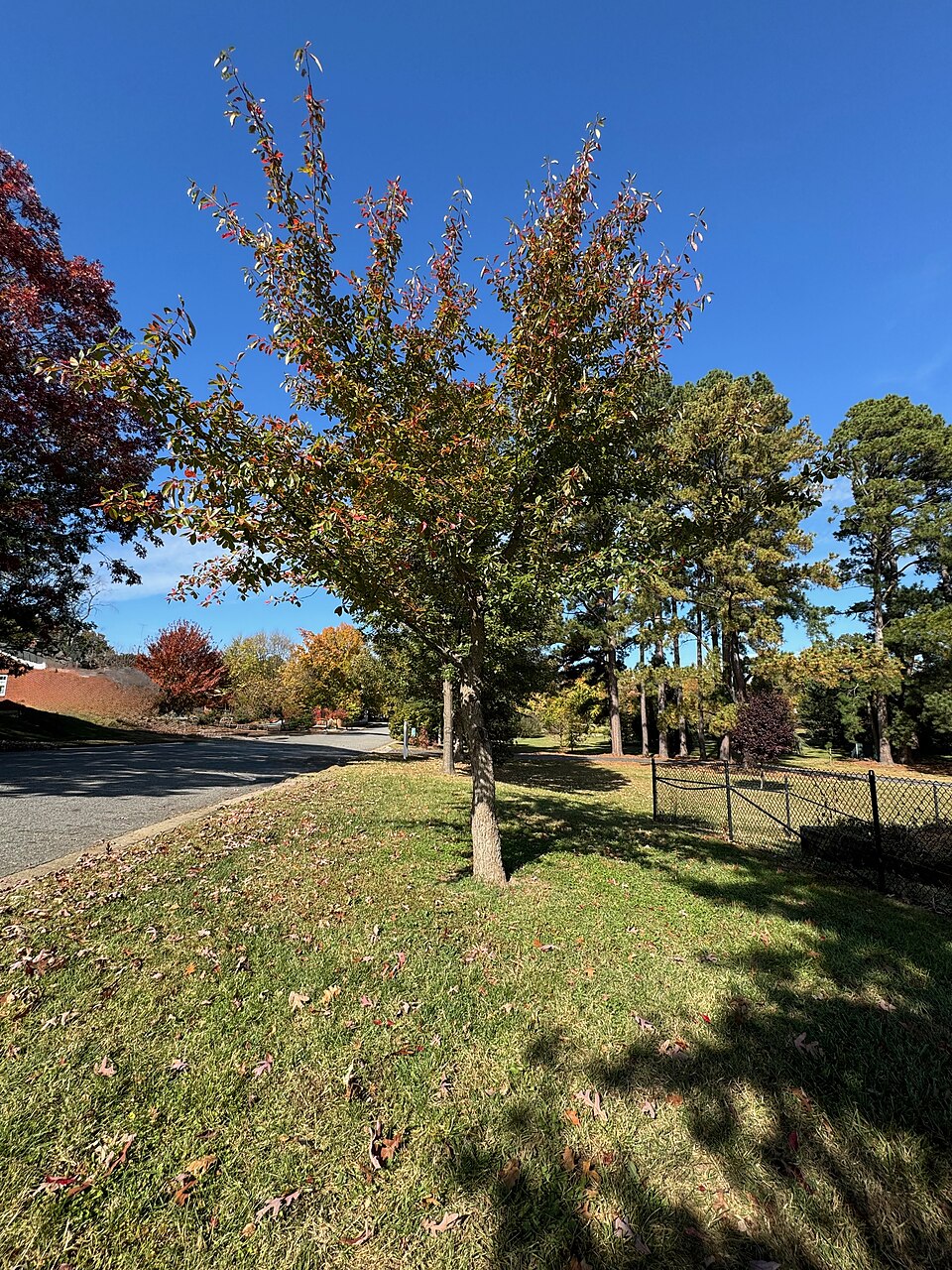
Fall fans, take a closer look at black gum, which glows scarlet, orange, and purple when autumn arrives. Its glossy leaves drop slowly too, so the colorful show often lingers longer than neighboring trees.
Also called black tupelo, this native grows across Pennsylvania and handles USDA zones 3 through 9 comfortably. Most trees reach 30 to 70 feet tall, which suits average yards better than towering oaks or sycamores.
Young trees start with a neat pyramid shape before broadening into a graceful rounded crown over many years. Mature bark becomes deeply furrowed into chunky squared ridges that remind me of alligator skin on cold days.
Small greenish flowers in spring look plain, yet native bees and honeybees visit them eagerly for sweet nectar. Female trees later produce dark blue berries that ripen around October and fuel migrating birds heading south.
Black gum tolerates clay soil, heat, wind, and even occasional flooding, which makes it surprisingly tough overall. Alkaline soil is its weak spot, so test your ground first and favor acidic, moist, well-drained conditions.
A long taproot makes older trees hard to move, so plant a young sapling for the smoothest start. Fence young trees where deer are common, and you will enjoy a mostly pest-free tree with dazzling autumn color.