Thanksgiving Cactus Not Blooming in Your North Carolina Home? These 7 Mistakes Could Be Why
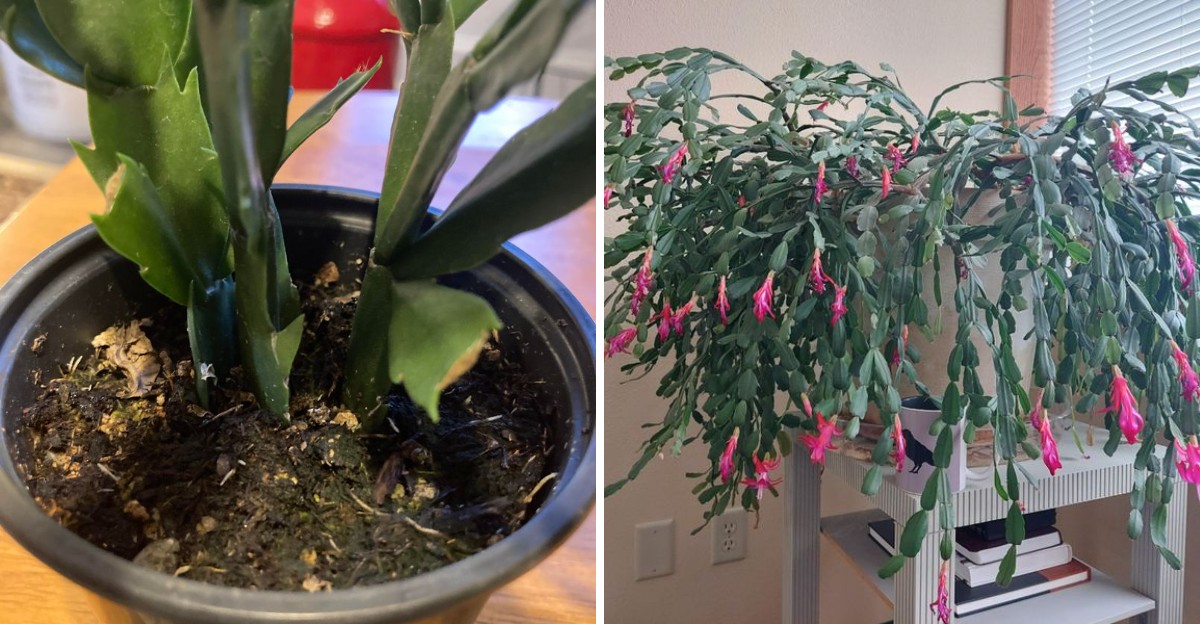
Deep in the misty coastal mountains of Brazil, a certain holiday houseplant grows perched on tree branches instead of soil. Its roots cling to mossy bark, catching rainwater and fallen leaf bits like a tiny hanging garden.
That wild upbringing explains why your potted plant pays such close attention to darkness and chilly autumn nights. Long nights and cool air act like a secret alarm clock that tells the plant to set buds.
I love watching those flat green stems fill with fuchsia buds, but I have also stared at stubborn bare ones. Many North Carolina homes stay bright and toasty in fall, which quietly scrambles the signals these plants expect.
The way I see it, a plant that refuses to bloom is usually trying to tell you something useful.
1. Bright Lamps Are Interrupting Your Thanksgiving Cactus Nights
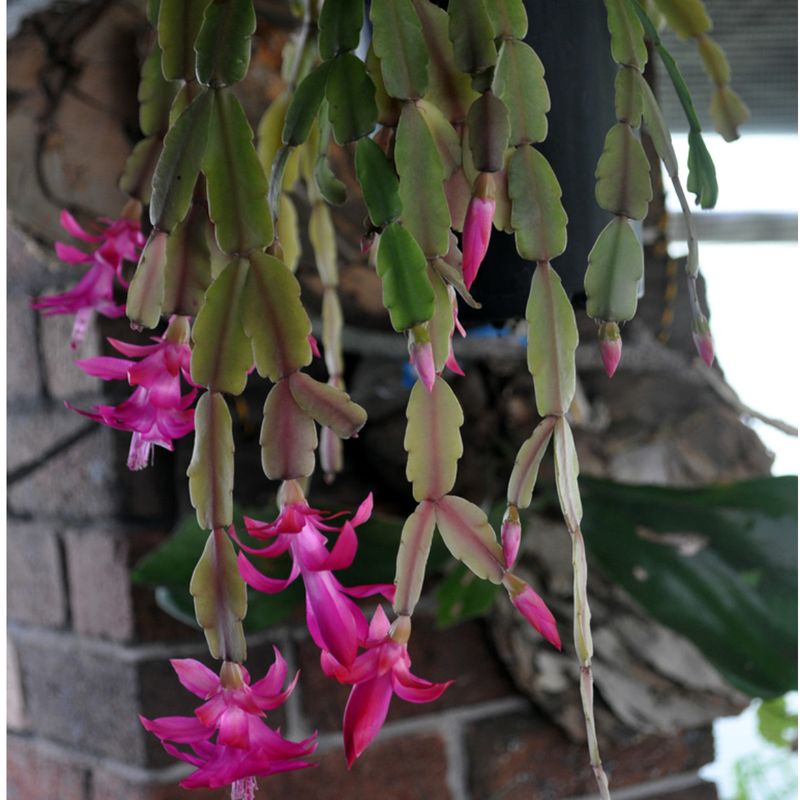
Your Thanksgiving cactus, Schlumbergera truncata, can actually notice a lamp left on in the evening across the room. That tiny glow can tell the plant it is still daytime, so flower buds simply stay on hold.
These plants are short-day bloomers, which means they respond to long stretches of darkness each night in autumn. Most extension experts suggest about 12 to 14 hours of uninterrupted darkness for roughly six weeks before buds appear.
In my house, the trickiest culprit turned out to be the glow from a television in the evening. A porch light shining through the window caused trouble too, and I rarely noticed it until I looked closely.
Starting in late September, try moving your plant to a spare bedroom or quiet corner that stays dark after sunset. Some gardeners cover the plant with a cardboard box each evening, then remove it the next morning without fail.
The darkness needs to be steady, because one bright evening can reset the countdown your plant has been keeping. Consistency matters much more than perfection, so pick a routine that fits easily into your normal evening schedule.
Once small pink or white buds pop out at the stem tips, you can relax the darkness routine a little. At that point, the flowering signal has been received, and the plant mostly needs steady care to finish.
A dark closet works for a while, but the plant still needs bright daylight during the day for energy. Bring it back to a sunny spot each morning so it gets light along with its long, restful nights.
2. Warm Rooms Keep Thanksgiving Cactus Buds From Forming
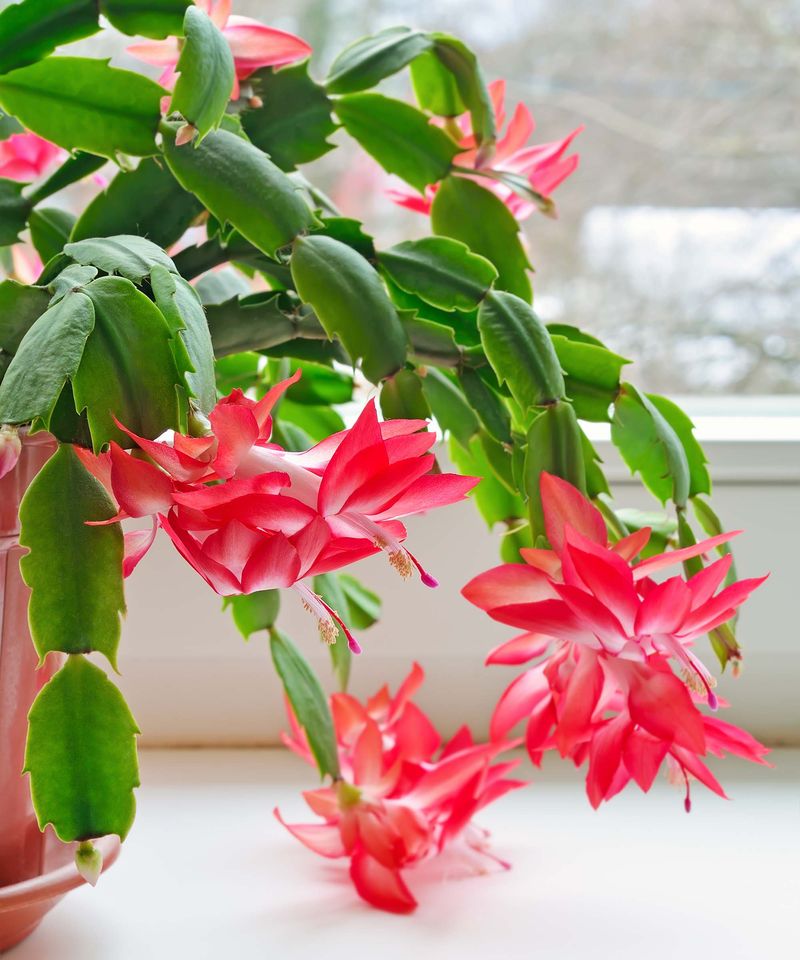
Cool nights may sound unfriendly for a tropical plant, yet your cactus actually prefers them when fall arrives. In its Brazilian mountain home, autumn evenings turn noticeably cooler, and that chill helps signal flowering time.
Research from university extension programs shows nights around 50 to 55 degrees Fahrenheit encourage strong bud formation. When those cooler temperatures hold steady, many plants will set buds even without a strict darkness routine.
The trouble starts when your home stays cozy and warm through every autumn evening without much change. Indoor temperatures above about 70 degrees at night can delay buds or keep them from forming at all.
Here in North Carolina, many gardeners leave their plants on a shaded porch until early fall nights cool down. That natural chill does a lot of the work for you, but bring it inside before nights drop below about 45 degrees.
Indoors, try a cool sunroom, an unheated guest room, or a spot near a window that runs a bit chilly. Keep the plant away from heating vents, because blasts of dry warm air can stress the stems quickly.
I have found that a bright windowsill in a seldom used room often gives the perfect cool nighttime temperature. A simple indoor thermometer nearby helps you check how cool that spot really gets after the sun sets.
Avoid sudden swings, though, because big jumps between hot and cold can make developing buds drop early. Steady and cool is the winning combination, with daytime temperatures around 65 to 75 degrees feeling just right.
3. Soggy Soil Is Stressing Your Thanksgiving Cactus Roots
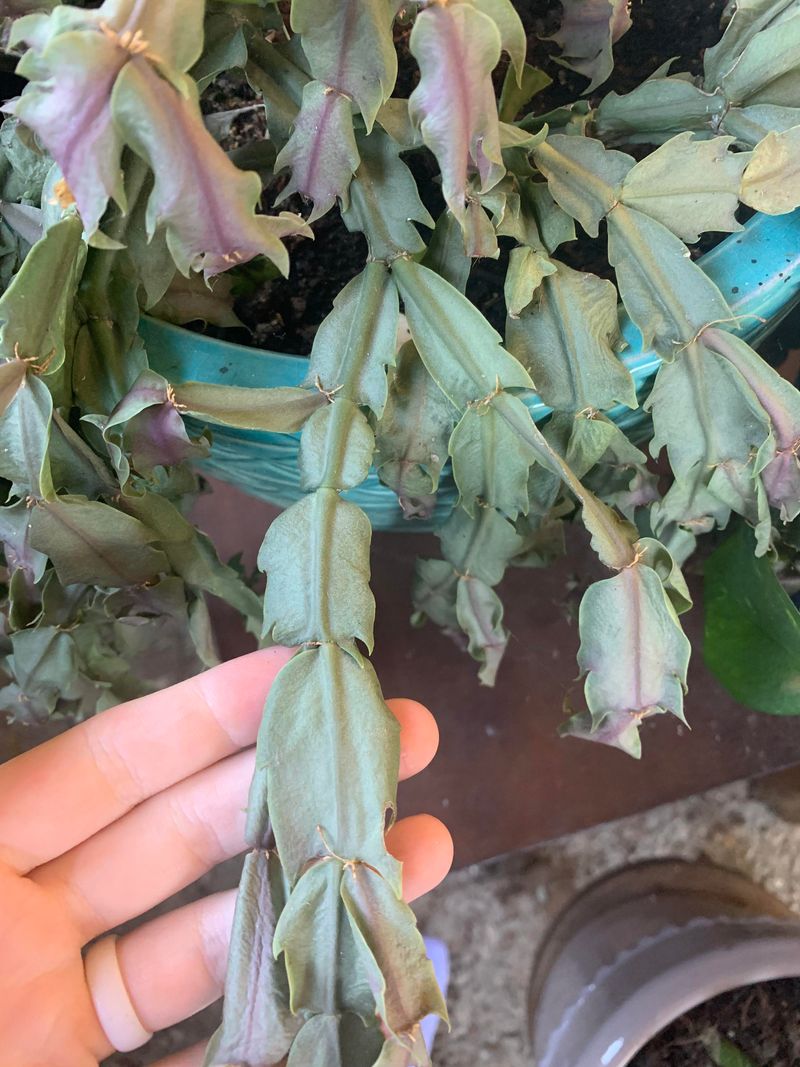
Many people hear the word cactus and picture a dusty desert, but this plant grew up in a rainforest. That surprising background means it handles watering very differently from the spiny cacti sitting in sunny windows.
As an epiphyte, it grows on trees where rain soaks its roots and then drains away fairly fast. Your goal at home is copying that pattern, with moist soil that rarely stays soggy for long.
Overwatering is one of the most common problems, because constantly wet roots can rot and weaken the whole plant. A stressed plant with struggling roots puts its energy into survival instead of producing those beautiful holiday flowers.
Underwatering causes trouble too, since bone dry soil for weeks can make stems shrivel and buds fall off. Limp, wrinkled segments are usually a clue your plant has gone thirsty longer than it would like.
A simple finger test works wonders, so poke the soil and water when the top inch feels dry. Water thoroughly until it drains from the bottom, then empty the saucer so roots are not sitting in water.
During early fall, many growers water a bit less while the plant prepares its buds for the season. Once buds appear, go back to steady moisture, since dry swings at that stage can cause disappointing bud drop.
I like terracotta pots for this plant because the clay lets extra moisture escape between waterings. Pair it with a fast-draining mix containing bark or perlite, and your roots will thank you with healthier growth.
4. Late Fertilizer Pushes Green Stems Instead Of Flowers
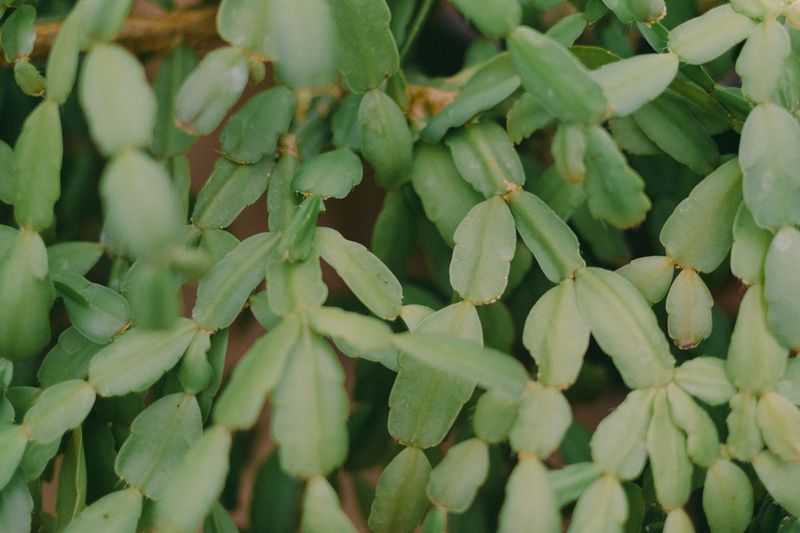
More food sounds like a recipe for more flowers, yet this plant does not follow that simple logic. Extra fertilizer at the wrong moment often gives you a jungle of green segments and very few blooms.
Nitrogen, the first number on most fertilizer labels, encourages leafy growth more than anything else in the bottle. When a plant receives plenty late in the season, it keeps building stems instead of switching to flowering mode.
Your best feeding window runs from spring through late summer, when the plant is actively putting out new growth. A balanced houseplant fertilizer mixed at half strength about once a month is usually plenty for healthy stems.
Once September rolls around, most extension sources recommend stopping fertilizer so the plant can focus on setting buds. I mark the date on my calendar, because it is easy to keep feeding out of plain habit.
This pause feels strange if you love giving your plants regular treats, but restraint pays off later in the season. Think of it as letting the plant rest and gather itself before its big holiday performance arrives.
After the flowers fade in winter, give your plant a short rest before starting the feeding routine again in spring. That fresh growth during warm months is what produces the stem tips where next year’s buds will form.
One quick tip helps too, since fertilizer salts can build up in pots over time and irritate tender roots. Flushing the soil with plain water every few months keeps things clean and comfortable for your plant.
5. Moving Your Budding Cactus Makes The Flower Buds Drop
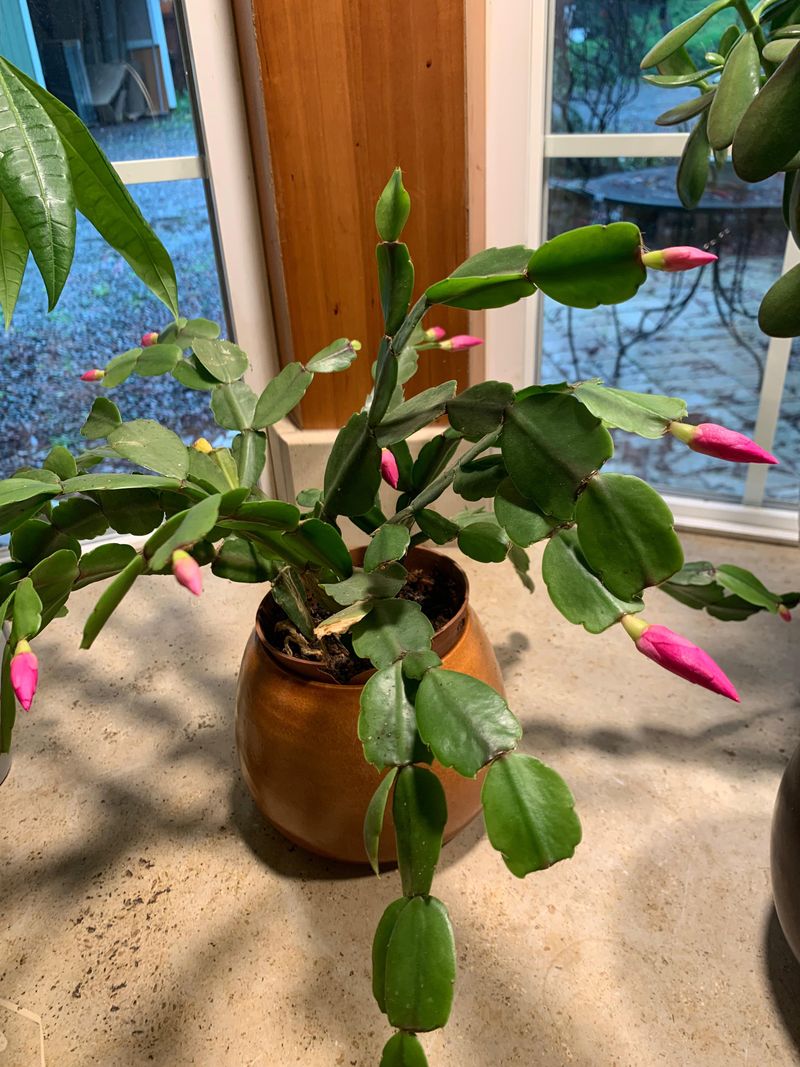
Few gardening moments sting quite like finding pink buds scattered on the table under your favorite holiday plant. That frustrating scene is called bud drop, and it often happens right after a plant gets moved around.
Once buds form, your cactus becomes surprisingly sensitive to changes in light, temperature, and moisture around it. A trip from a cool back room to a warm, bright living room can feel like a shock.
I learned this the hard way after carrying my plant to the dining table for a family gathering one year. Within a week, half the buds had fallen, and I was left with a few lonely flowers instead.
The fix is fairly simple, since choosing a good display spot before buds appear prevents most of that drama. Pick a bright location away from drafts and heaters, then let the plant settle there for the season.
If you need to move it, shift the pot gradually over several days rather than all at once. Small changes give the plant time to adjust, which keeps more of those precious buds safely attached.
Drafts from exterior doors can cause similar trouble, especially during chilly North Carolina mornings in late fall. Keep the pot away from busy entryways where cold air rushes inside every time someone comes home.
Even turning the pot can upset some plants, because buds tend to face toward the light source. Resist the urge to rotate it once buds appear, and enjoy watching each one slowly swell and open.
6. Oversized Pots Slow Down Thanksgiving Cactus Blooms
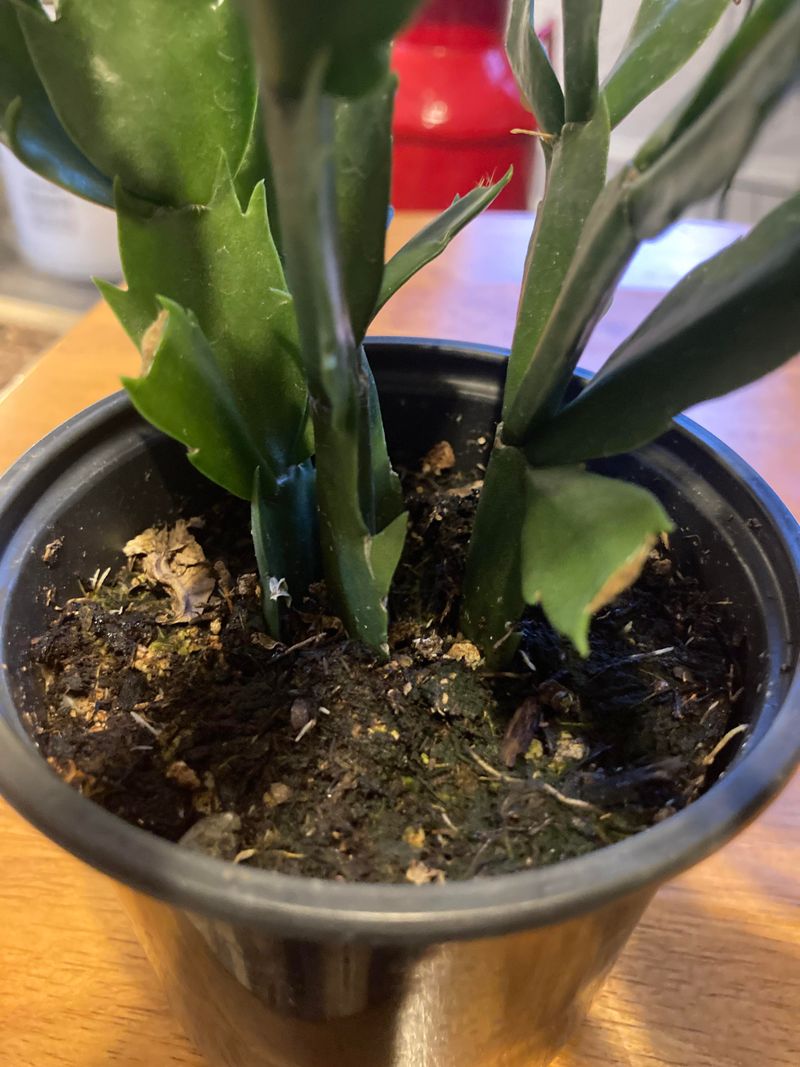
Grandmothers who passed these plants down for generations often kept them in the same snug pot for years. That old habit actually makes good sense, because this cactus tends to bloom better when slightly root bound.
When you move it into a much larger container, the plant often focuses on filling that extra space with roots. All that underground effort can delay flowering, leaving you with healthy stems but a disappointing lack of color.
Big pots also hold more soil, which means they stay wet much longer after every single watering. That lingering moisture raises the risk of root rot, adding another reason to choose a modest container size.
Most growers repot only every two or three years, or when roots begin poking through the drainage holes. Choose a pot just one size larger, usually about an inch or two wider than the current one.
Timing matters as well, so wait until spring after flowering has finished before disturbing the roots at all. Repotting during fall can upset the plant just when it should be preparing buds for the coming season.
For soil, I like a blend of regular potting mix with orchid bark or perlite for extra drainage. This airy mix feels closer to the bark and leaf litter the plant clings to in its native home.
A plant that looks a little crowded is usually perfectly happy, so try not to worry too much. Let it stay cozy, and you may notice more blooms forming along those arching stem tips each year.
7. Dim Corners Starve Your Cactus Of Daytime Sunlight
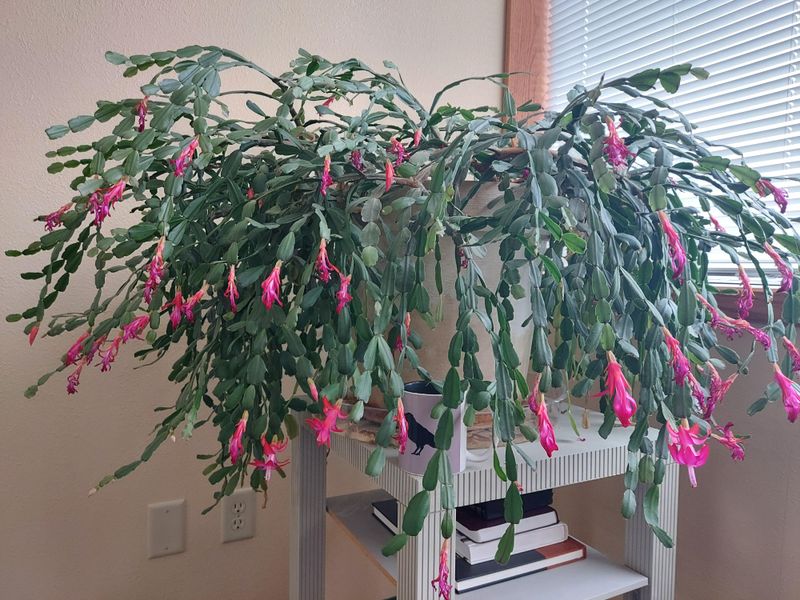
Long dark nights grab most of the attention, but daylight hours matter just as much for a healthy bloom. Your plant needs plenty of bright, filtered light during the day to build energy for producing all those flowers.
In the rainforest, these cacti grow beneath a canopy of trees where sunlight arrives gently through the leaves. A dim hallway or shady corner indoors rarely gives enough light, so the plant grows weak and blooms poorly.
An east-facing window is often ideal, offering soft morning sun without the harsh heat of late afternoon. South or west windows can work nicely too if a sheer curtain softens the strongest rays during summer.
Too much direct sun brings its own problems, because stems may turn reddish or yellow when they get scorched. A slight reddish tint can be normal, but faded or bleached stems usually signal the light is too intense.
Many North Carolina gardeners move their plants outdoors to a shady porch during the warm summer months. That bright, filtered light builds strong stems, and you can bring the plant inside once fall nights grow chilly.
During the darkness routine in autumn, remember the plant still needs sunshine every morning and afternoon to stay strong. Balancing bright days with dark nights is the real secret that encourages this cactus to put on its show.
I love seeing my plant bursting with color in a sunny window just as the holidays approach each year. With the right daylight, your own plant has an excellent chance of becoming that cheerful centerpiece too.