A Bald Eagle Circling Your Illinois Property Means More Than You Think
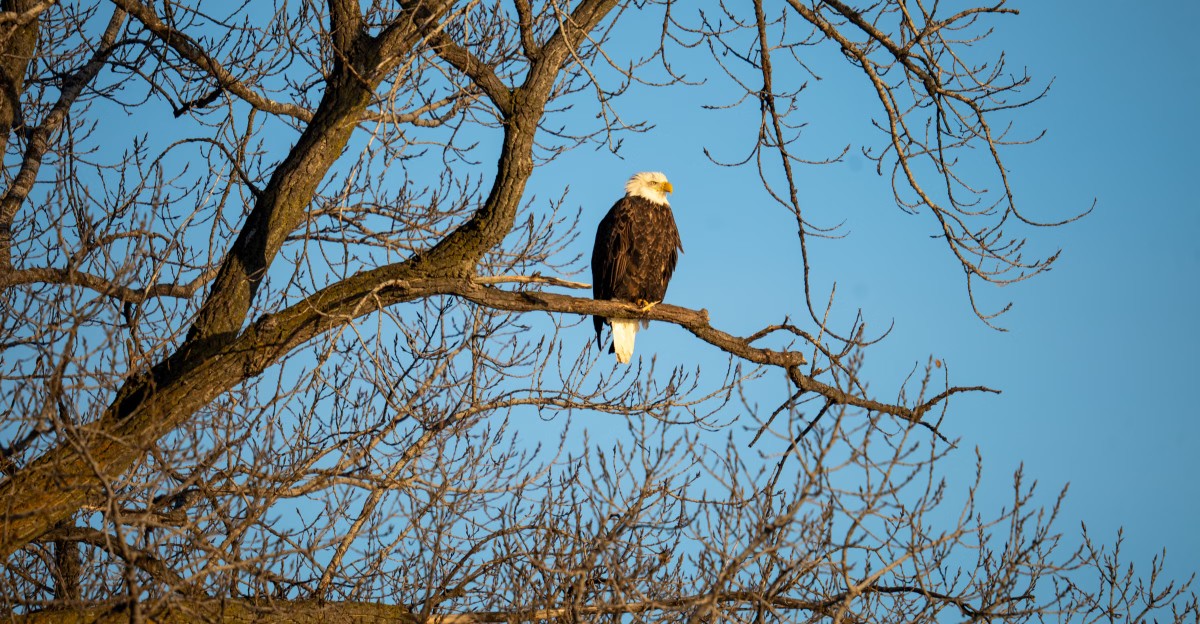
Illinois hosts one of the largest wintering bald eagle populations in the lower 48 states. Some winters bring more than 3,000 of them along the Mississippi and Illinois rivers.
I still remember my first sighting over a cornfield near a creek. The bird barely flapped once in ten minutes. I stood there with a seed packet in one hand, mouth open, and forgot what I was planting.
Back in 1973, the state had not a single known nesting pair. Now nests show up in nearly every county, sometimes a short walk from a backyard fence. You might spot one over a subdivision pond, a farm field, or a quiet patch of river woods.
So what pulls a bird with a seven-foot wingspan over your roof? The answer says a lot about your land, the water nearby, and even the calendar.
That Bald Eagle Overhead Is Reading Your Land Like a Menu
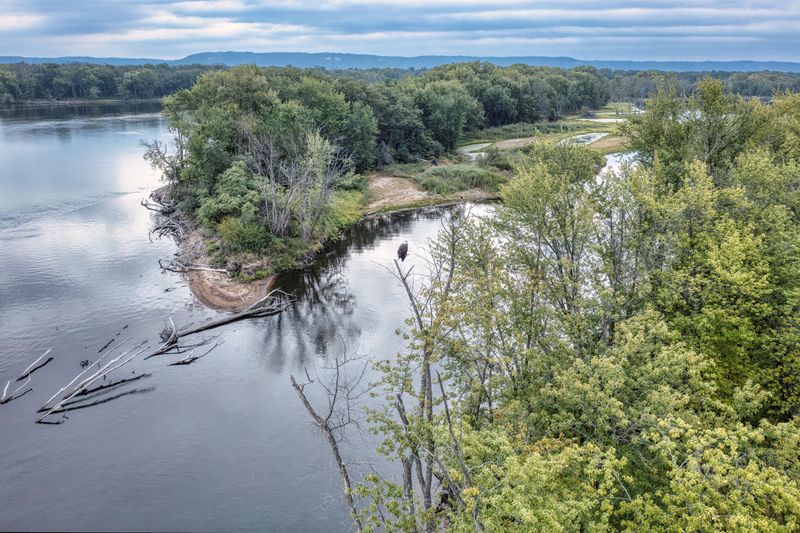
Eagles rarely waste a flight. When one circles low over your place, it is usually scanning for something to eat. Fish rank first on the list, according to the Cornell Lab of Ornithology.
Ponds, creeks, drainage ditches, and retention basins all count as potential fishing spots. An eagle can spot a fish near the surface from high above.
Then it swoops down and grabs it with powerful talons, often without getting more than its feet wet.
Fish are not the only option, though. Bald eagles also take ducks, coots, rabbits, and squirrels.
They are happy scavengers too, and roadside carrion or a deer carcass in a field draws them in quickly.
I once watched one circle my neighbor’s field for twenty minutes. The prize turned out to be a deer leftover from hunting season, sitting near the tree line.
Look around your property after a sighting. Check for open water, a gut pile, fallen livestock, or a busy rabbit population.
Each clue helps explain the visit. Most of the time, the eagle is not interested in your pets or chickens, but small free-range birds left in open pens can tempt any raptor. A covered run is a smart, simple fix.
Those Wide Spirals Ride Invisible Columns of Warm Air
Physics gets a lot of credit for that graceful circling. As sunlight warms fields, parking lots, and rooftops, pockets of air rise in columns called thermals. Eagles ride them like an elevator.
By banking in tight loops, the bird stays inside the rising air and gains height with little effort. Its huge wings, which can stretch up to seven feet, act like sails.
You will notice the wingtip feathers spread apart like fingers, which helps with lift and control.
Circling does two jobs at once. The eagle saves energy and gets a sweeping view of the ground below. From up there, it can watch several ponds and fields in a single loop.
Midday on sunny days is prime time for thermal soaring. Cool, cloudy mornings usually mean more perching and less spiraling.
Fun fact for the curious. Bald eagles sometimes soar so high they look like specks, and they may be heading somewhere farther away rather than hunting nearby.
So a high circle might just mean your yard sits along a handy travel route. A low, slow circle is more likely a closer look at something on your land.
Winter Brings Thousands of Bald Eagles to Illinois Rivers
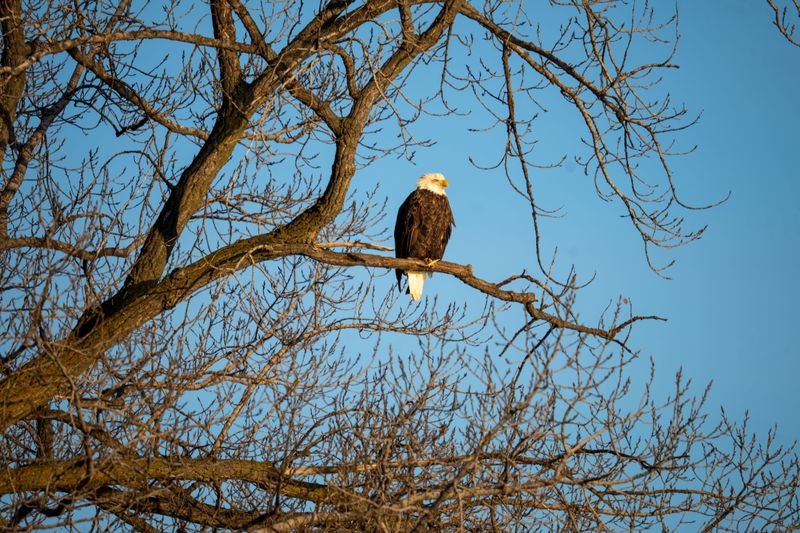
December through February is peak eagle season in this part of the country. Birds from Wisconsin, Minnesota, and Canada fly south when their lakes freeze over.
The Illinois Department of Natural Resources notes that the Mississippi and Illinois rivers hold some of the biggest winter gatherings outside Alaska. Locks and dams keep stretches of water open. Stunned fish churn up below the dams, creating an easy buffet.
Towns like Alton, Grafton, Starved Rock, and the Quad Cities host eagle watching events every winter. If you live within a few miles of a major river, sightings over your property become far more likely in these months.
Eagles also gather at night in communal roosts. They pick sheltered groves of big trees, often in valleys protected from cold wind.
Here is a tip I learned the hard way. Bring binoculars and stay in your car near the river, because eagles flush easily when people walk toward them.
Winter eagles burn a lot of energy staying warm. Every forced flight costs them. Giving them space during the coldest weeks is a small kindness that really adds up.
A Bald Eagle Nest Could Be Hiding in Tall Trees Nearby
Repeated circling in late winter tells a different story. Illinois eagles start courting and repairing nests in January and February. Eggs typically appear between February and March.
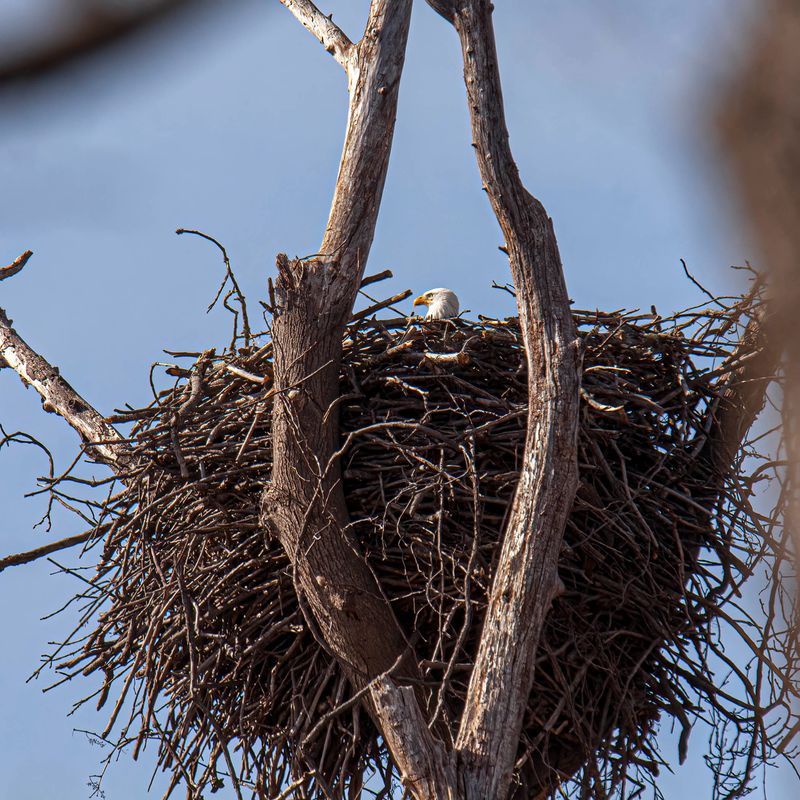
Nests are enormous. Pairs add sticks every year, and some grow to five or six feet across and weigh hundreds of pounds.
Look for a giant bundle of branches near the top of a cottonwood, sycamore, or oak, usually within a mile or so of water.
The comeback here is remarkable. Illinois had no known nesting pairs in the 1970s, and today the state counts hundreds of active nests.
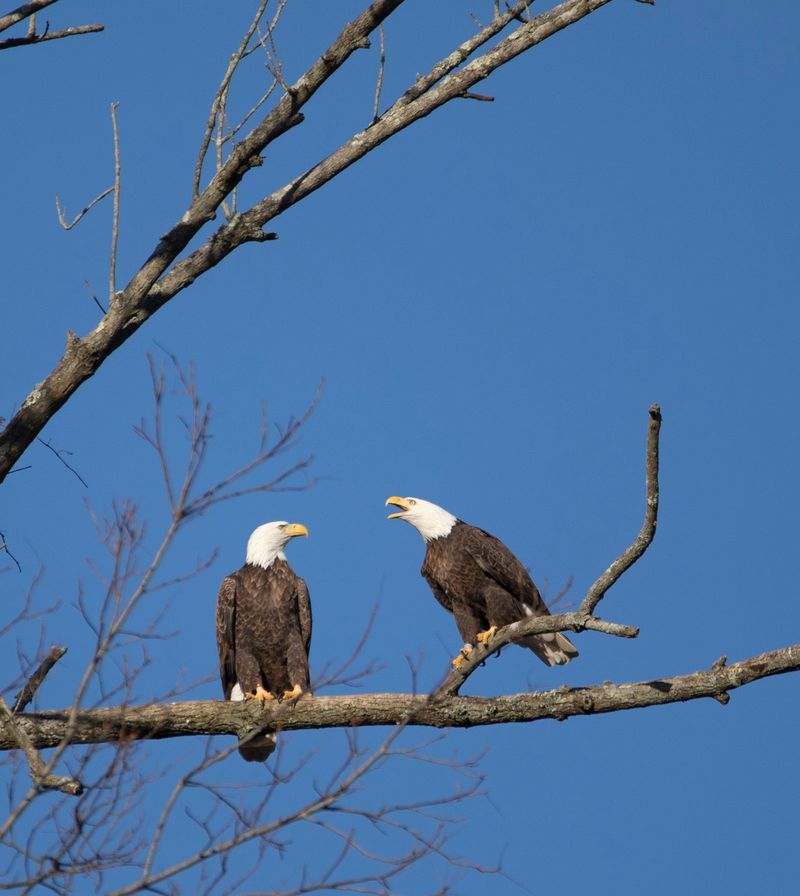
Watch for these clues near your property: Eagles carrying sticks or grass in their talons. A pair perched together on the same branch day after day. White droppings piled under one big tree.
Eaglets hatch after about 35 days of incubation. They usually leave the nest around 10 to 12 weeks later, often by late June.
If you suspect a nest, keep your distance. Federal guidelines suggest a buffer of around 330 feet for most activities. Quiet observation from afar keeps the parents relaxed and the chicks fed.
Your Pond or Creek Says Something About Local Water Health
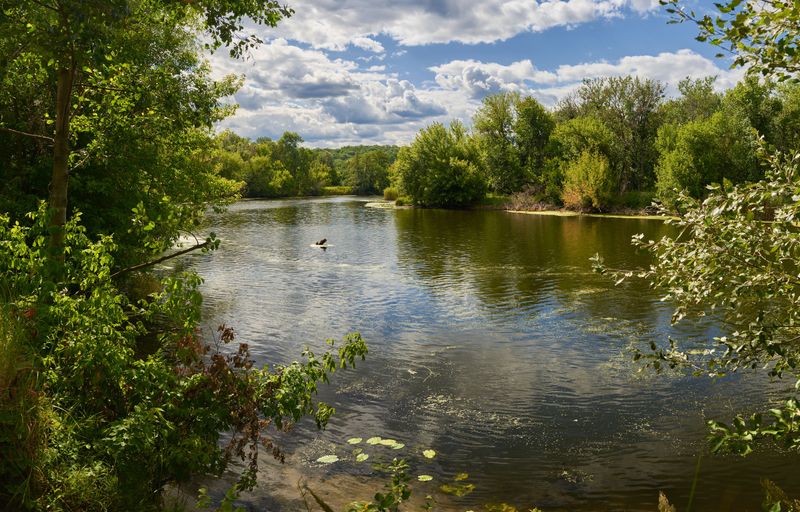
Eagles act like a report card for the water around you. They sit near the top of the food chain, so they need plenty of healthy fish to survive.
Back in the mid-1900s, the pesticide DDT built up in fish and made eagle eggshells thin and fragile. Populations crashed across the country. After DDT was banned in 1972, fish became safer and eagles slowly bounced back.
That history makes a circling eagle feel pretty encouraging. It suggests your nearby pond, creek, or river holds enough fish to be worth a look.
Still, one bird is not lab proof of clean water. Lead remains a real issue for eagles, mostly from fragments in hunting carcasses and old fishing tackle. Gardeners can help in simple ways:
Plant native grasses and sedges along pond edges to filter runoff. Go easy on lawn fertilizer near water so algae does not take over. Pick up stray fishing line and switch to lead-free sinkers.
A buffer strip of native plants like switchgrass, blue flag iris, and swamp milkweed also feeds pollinators. That one change helps fish, frogs, and the eagles watching them.
Federal Law Still Guards Every Eagle Feather and Branch

Eagles were removed from the federal list of threatened and endangered species in 2007, and Illinois removed them from its state endangered list in 2009. Many people assume that means the rules relaxed. They did not.
The Bald and Golden Eagle Protection Act still makes it illegal to harm, disturb, or possess eagles without a permit. The Migratory Bird Treaty Act adds another layer.
That covers live birds, nests, eggs, and even a single feather you find on the ground. Yes, really, even that feather. Picking one up as a souvenir can bring a fine. Enjoy it with your camera instead.
Disturbance counts too. Cutting down a nest tree, building close to a nest, or repeatedly flushing birds can break the law.
Fines can reach thousands of dollars. Planning a project near a known nest? Contact the U.S.
Fish and Wildlife Service first. They can explain buffer zones and timing, often suggesting work outside the nesting season. Found an injured eagle? Call your local IDNR office or a licensed wildlife rehabilitator.
Trained rescuers know how to handle those strong talons safely, and many eagles return to the wild after care.
Keep Big Trees and Native Plants for Future Bald Eagle Visits
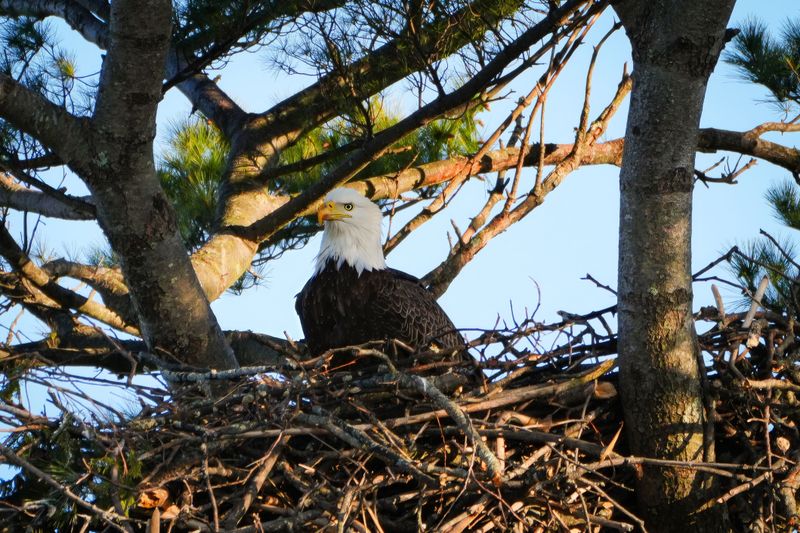
My favorite part of eagle watching is realizing how much ordinary land choices matter. A single tall, sturdy tree can become a lookout post for years.
Eagles prefer big trees with open limbs and a clear view. Old cottonwoods, sycamores, oaks, and silver maples near water fit the bill. If one is healthy, consider leaving it standing rather than removing it for a cleaner look.
Native plants support the whole chain below the eagle. Prairie flowers and grasses feed insects, which feed fish and small mammals. Those animals keep the bigger hunters coming back.
A few easy next steps: Keep a simple notebook of dates and times you see eagles. Mature adults have white heads, while brown, mottled birds are usually juveniles under five years old.
Report nests to IDNR or local bird groups, since sightings help track the population. Also, stay realistic. Not every big dark bird is an eagle. Turkey vultures circle too, but they hold their wings in a shallow V and wobble.
Each visit is a reminder that your yard connects to rivers, woods, and skies far beyond the fence line.